Attic Mold Removal in Phoenix that gets the roof deck dry
Attic Mold Removal in Phoenix starts with finding why the deck stayed wet, not just scrubbing what you can see. We inspect roof sheathing, insulation, and ductwork, then contain the work zone and remove the growth. If you have spotted dark staining above a bathroom or smelled something musty after the monsoon, call us for a same-day look.
Every job gets the same core scope: inspection, containment, removal, source correction, and documentation. What changes is the size of the affected area and whether insulation or sheathing has to come out. Here is what is standard.
Full attic inspection
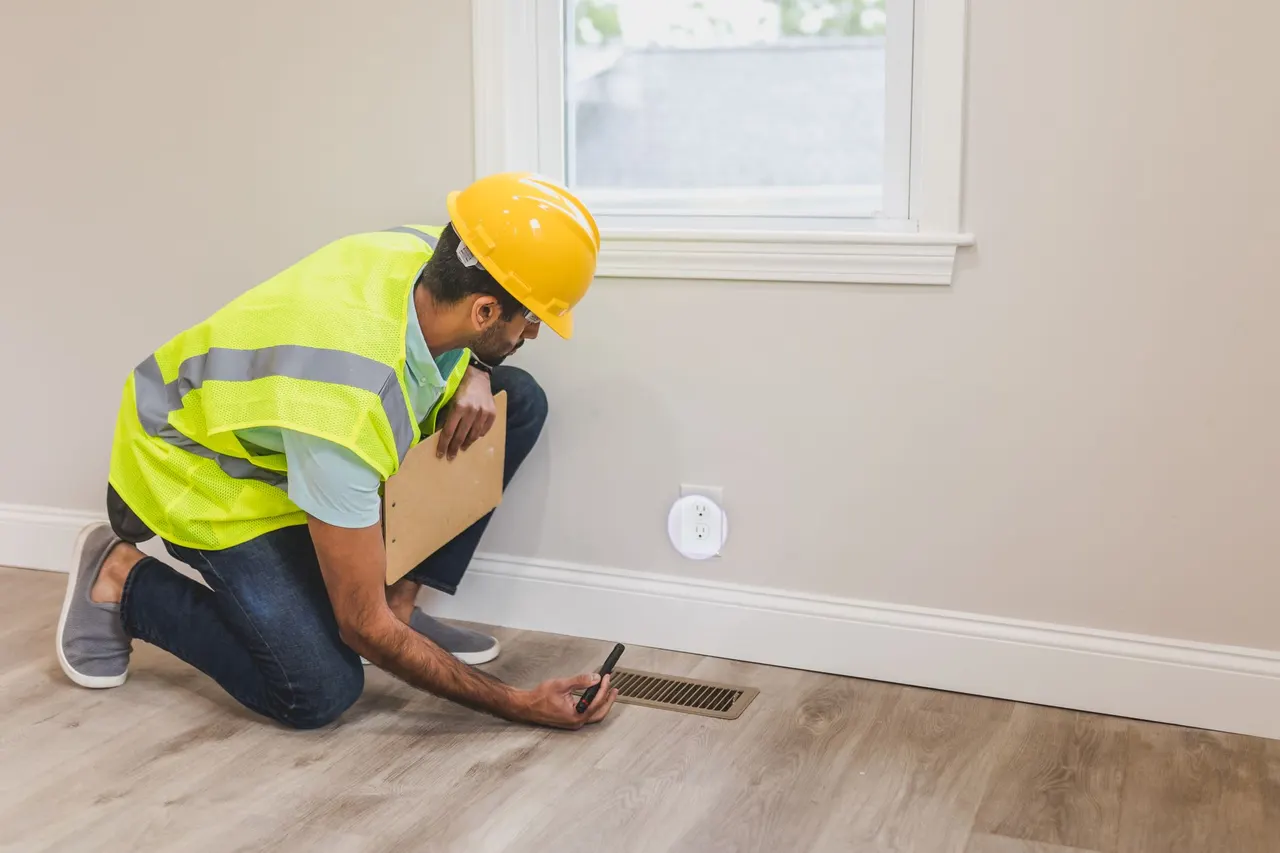
Moisture meter, thermal imaging camera, and boroscope readings across every accessible bay. We mark and photograph each wet or stained area and note the source we suspect.
Negative pressure containment
6-mil poly sheeting, zip walls, a negative air machine, and an air scrubber running HEPA filters. Sealed at every seam with duct tape and verified before removal starts.
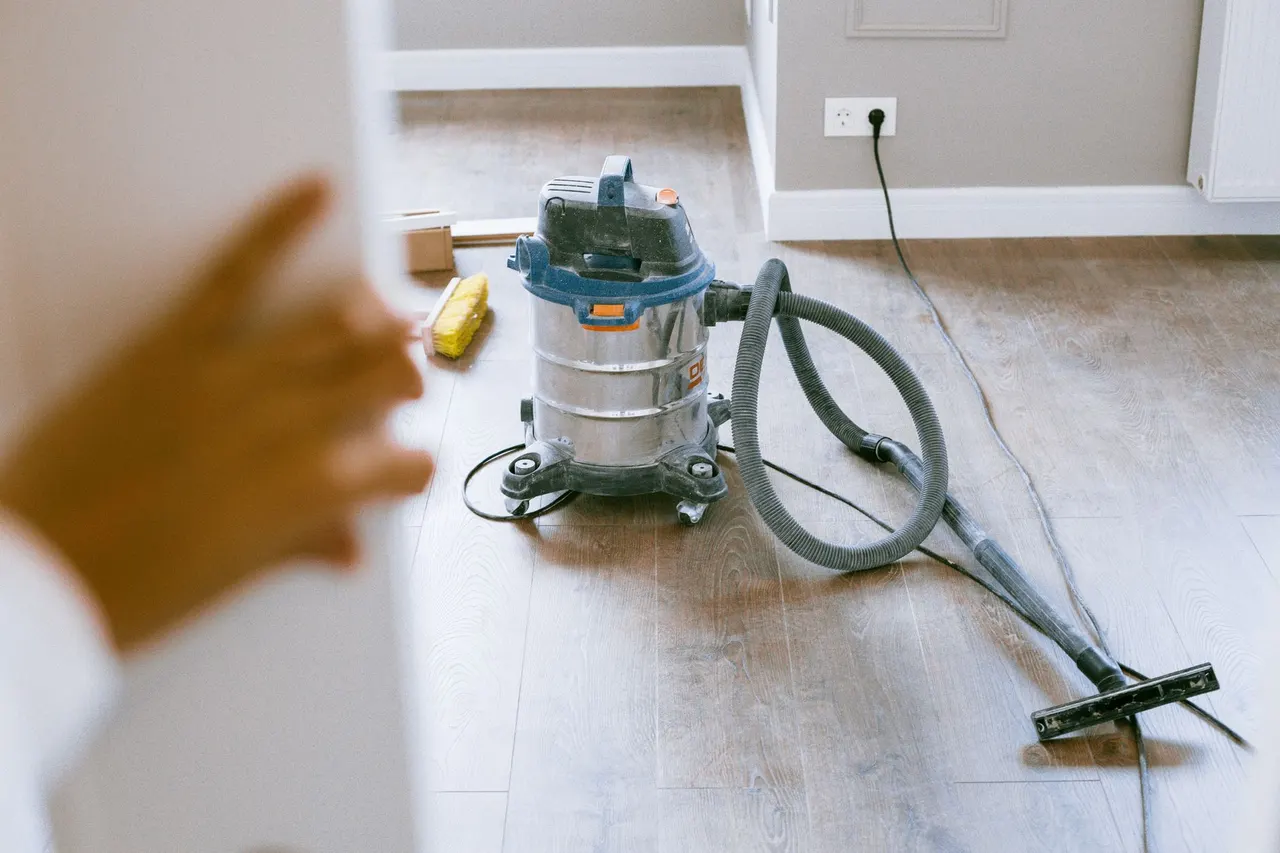
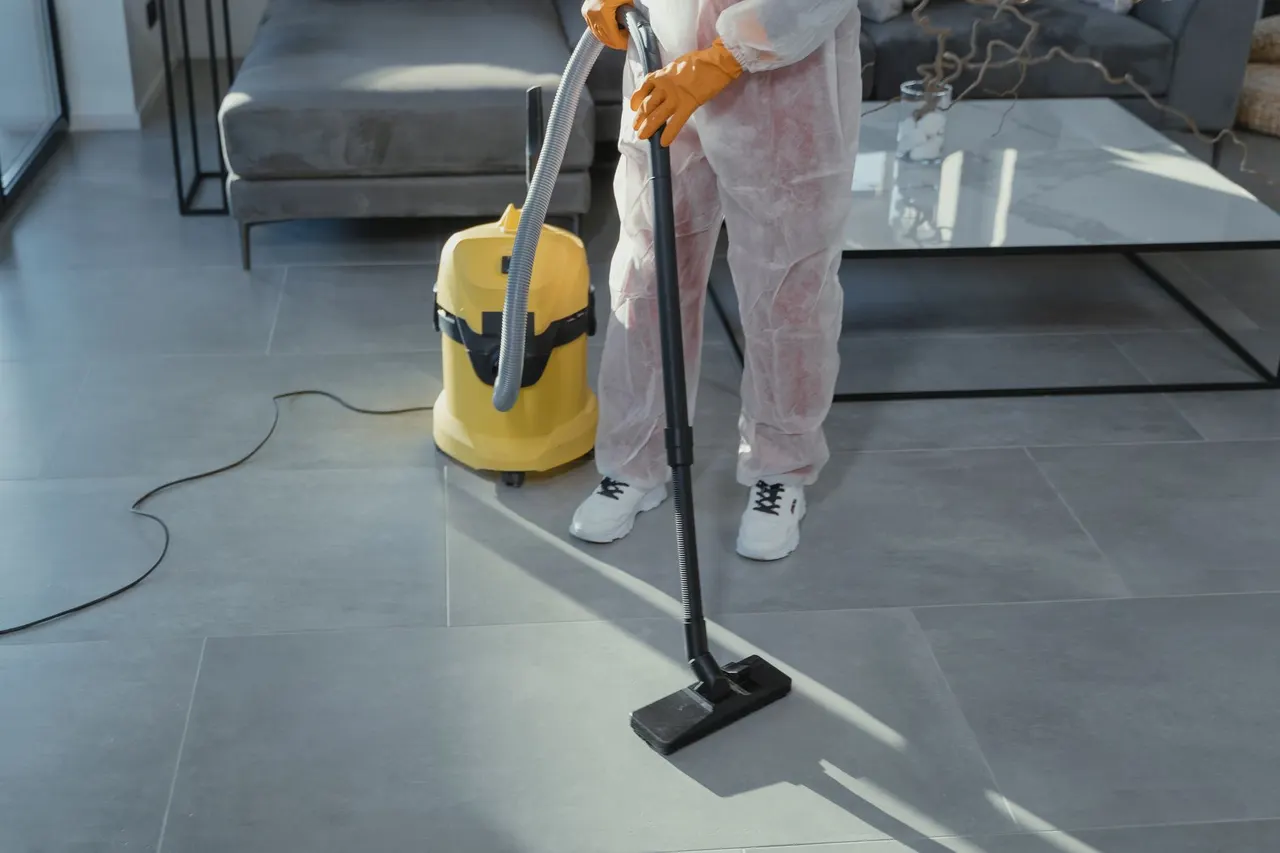
HEPA vacuum and treatment
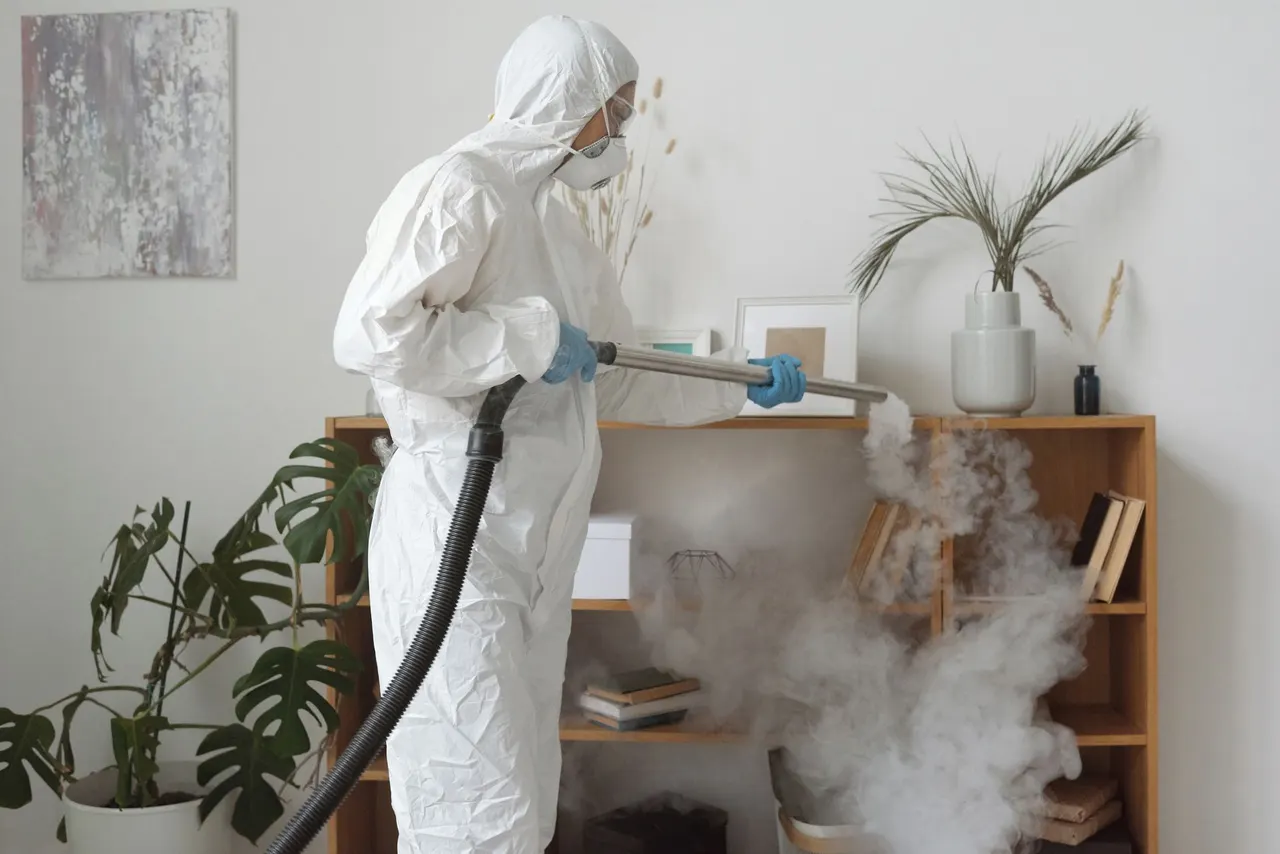
HEPA vacuuming of all affected framing and decking, followed by an antimicrobial spray. Heavier growth gets treated with Concrobium, RMR-86, or a Fiberlock encapsulant coating.
Insulation removal and replacement
Wet or contaminated insulation is bagged and hauled out. We install new batts or blown-in to match your existing R-value, typically R-30 to R-38 for a Phoenix attic.
Source correction or scope
We fix what we can, like a vent boot or a duct joint, and give you a written scope for anything that needs a roofer or HVAC tech. No guessing games.
Photo log and moisture record
Before, during, and after photos of every affected bay, plus moisture readings by location. You get the file the same day, ready for your insurer or your records.
Homes and businesses.
The approach is the same for a home and a business. What changes is the access, the schedule and who needs the paperwork.
For Phoenix homes
Attic mold in a Phoenix home usually traces back to a bathroom fan, a swamp cooler, or a monsoon leak. We inspect, contain, and clean so the smell does not come back.
Bathroom fan venting into attic
Swamp cooler pan leaks
Post-monsoon deck staining
For Phoenix properties
Commercial attics and plenums collect moisture from duct condensation and roof failures. We work around tenants and document everything for ownership and insurers.
Duct condensation in plenums
Roof failures above suites
Tenant odor complaints
What Attic Mold Removal in Phoenix actually involves
A plain-language look at what Attic Mold Removal involves and when it is needed.
Attic Mold Removal in Phoenix is the contained removal of fungal growth from roof sheathing, trusses, rafters, and insulation inside an attic, plus the correction of the moisture source that fed it. We set a containment barrier, run a negative air machine with HEPA filters, and HEPA vacuum the affected framing before applying an antimicrobial spray. The last step is always the same: find the water. Without that, the growth returns within one cooling season.
Phoenix attics hit 140 to 160 degrees in July, and that heat drives moisture upward from swamp coolers, bathroom fan venting into attic mold, and AC duct condensation. We see attic mold from roof leaks Phoenix homeowners only notice after a monsoon, and attic mold on roof sheathing Phoenix families discover when they go up to store holiday boxes. Our technicians use a moisture meter and a thermal imaging camera to map the wet zone before anything is touched.
Find the water source first, then remove the growth, or it comes back.
What it is
Contained removal of mold from attic sheathing, framing, and insulation, plus correction of the moisture source.
When you need it
When you see staining on the deck, smell something musty, or find growth after a leak.
What to expect
A same-day inspection, a written scope, and one to two days of contained work.
How our Phoenix attic mold remediation runs
Five steps, in order, every job. You get a call before we arrive, a walkthrough when we get there, and a written scope before any material leaves the attic.
Inspection and mapping
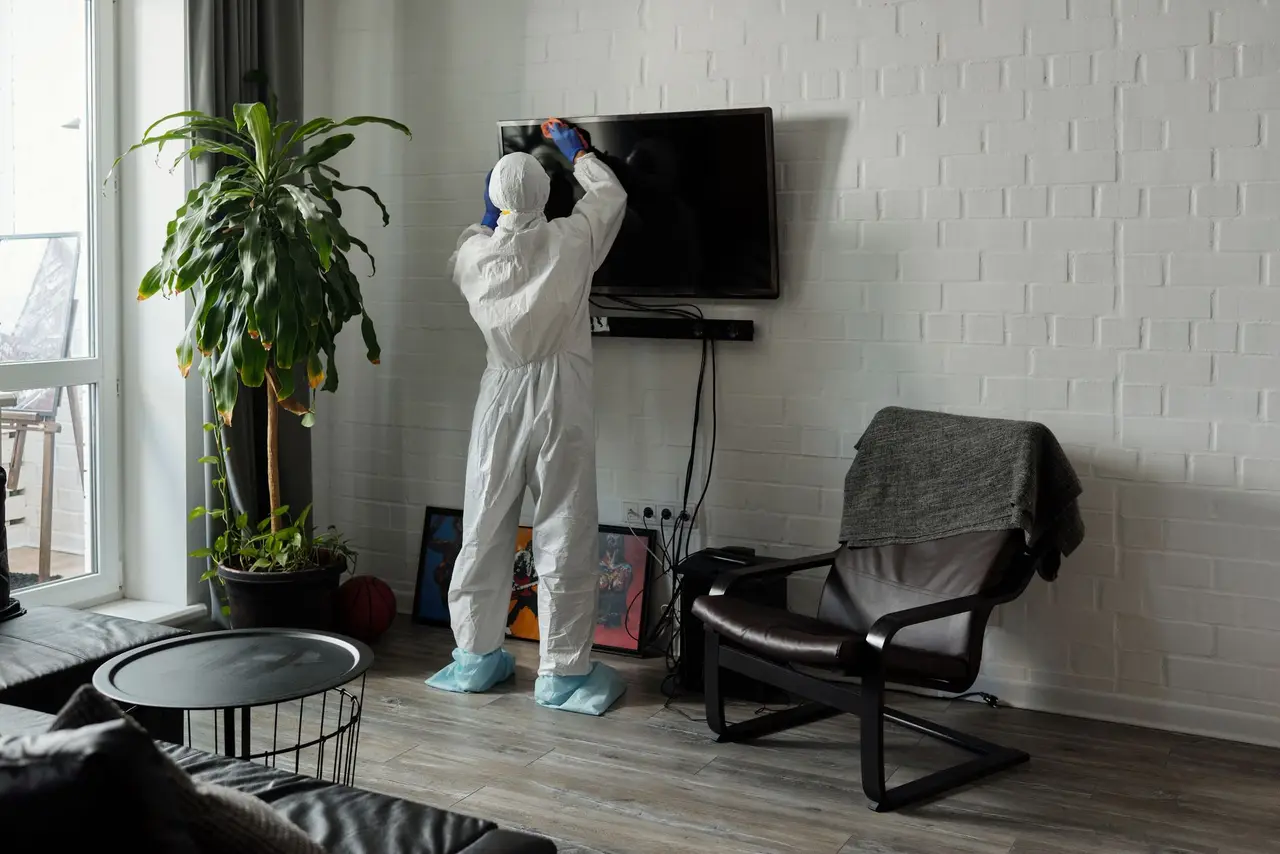
We suit up in PPE coveralls and N95 respirators, then walk the attic with a moisture meter, thermal imaging camera, and boroscope. Every wet bay gets marked and photographed. Expect 45 to 90 minutes on a typical 1,800-square-foot Phoenix home, longer if the attic has multiple levels or a tight truss layout.
Inspect
Map
Photograph
Containment setup
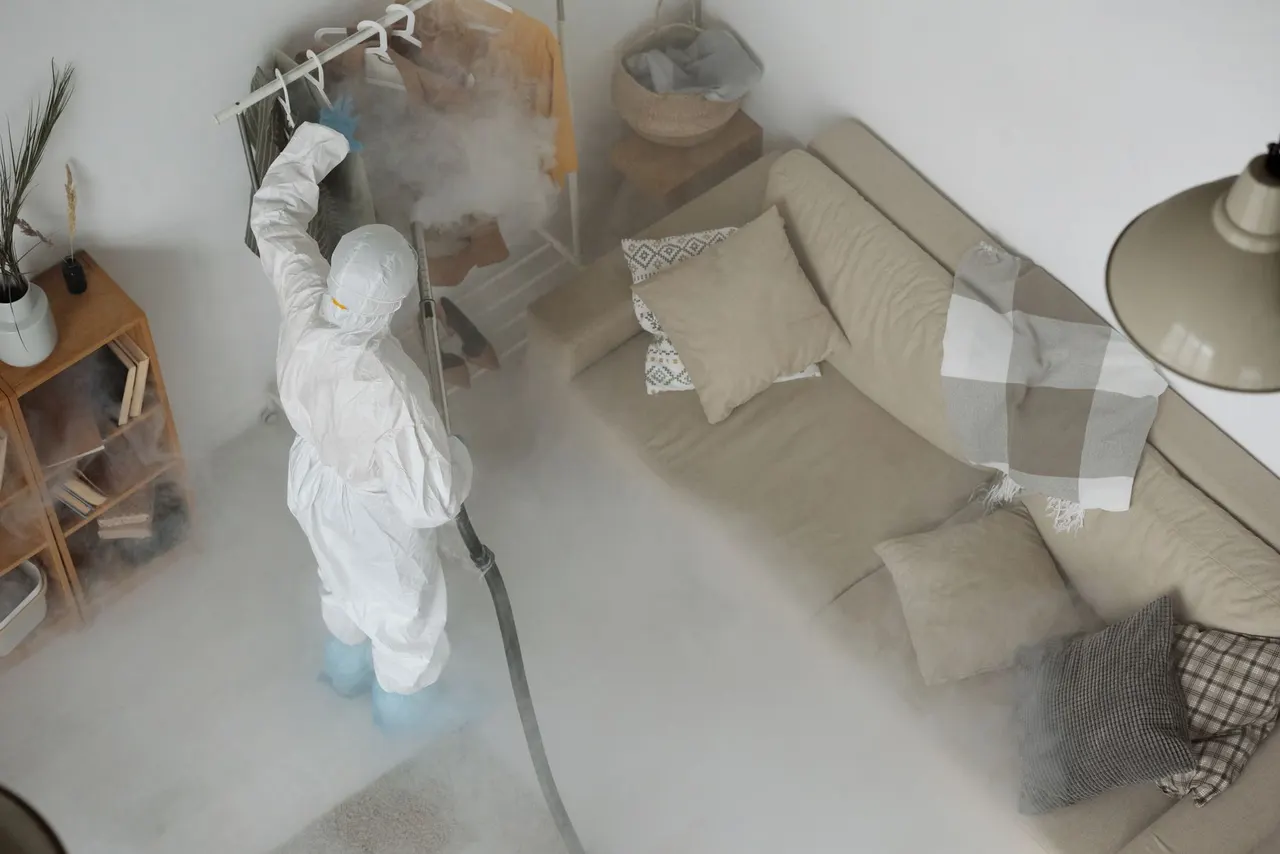
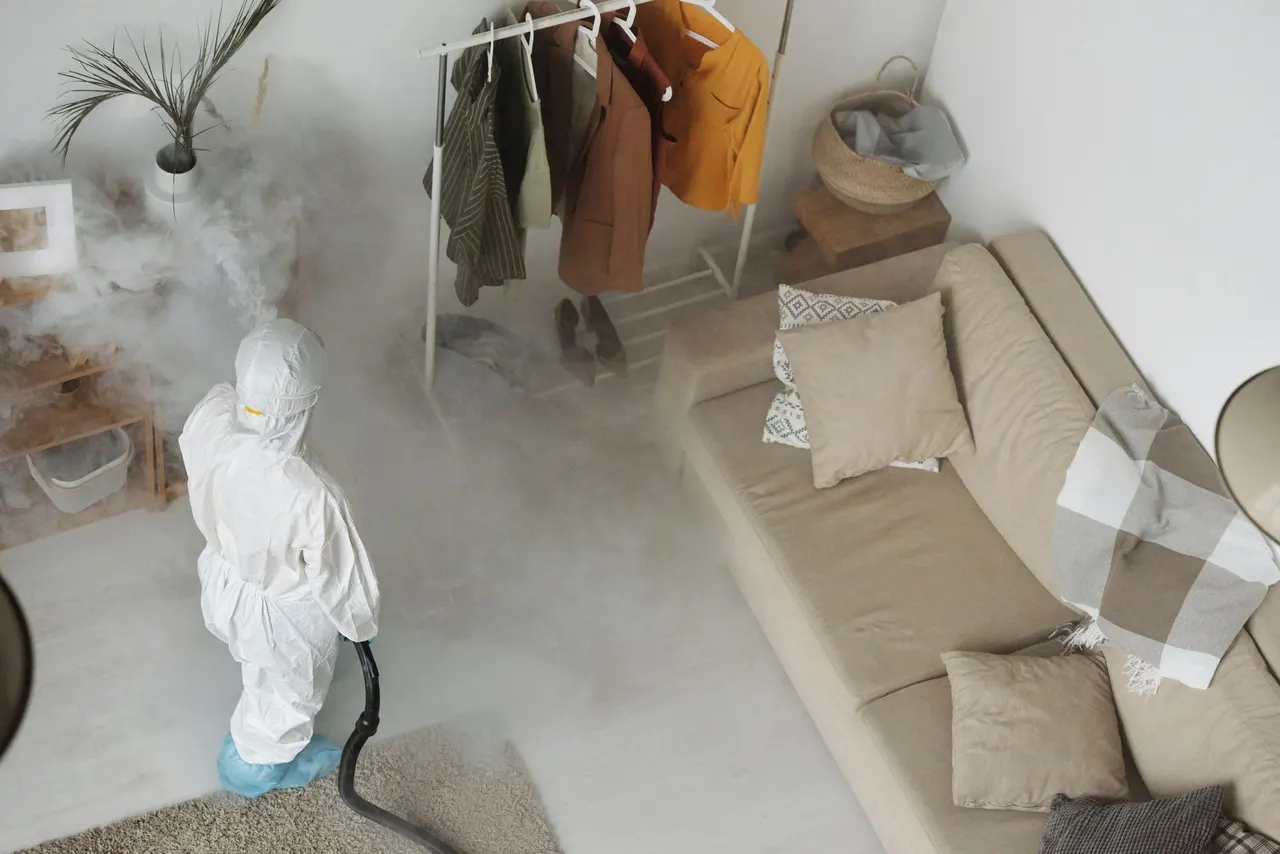
We build a containment barrier from 6-mil poly sheeting and zip walls so spores cannot drift into living space. A negative air machine pulls the work zone to negative pressure, and an air scrubber with HEPA filters polishes the air. Setup runs 30 to 60 minutes depending on attic access.
Seal
Pressurize
Filter
Removal and cleaning
Attic plywood mold removal Phoenix work means HEPA vacuuming every affected rafter and deck board, then applying an antimicrobial spray. Heavily colonized sheathing gets treated with a product like Concrobium or RMR-86 and, where the wood is soft, replaced. Insulation that has been wet is bagged and removed.
Vacuum
Treat
Remove
Source correction
We fix or scope the water source before we close out. That may mean re-routing a bathroom exhaust fan to the exterior, replacing a cracked vent boot, or sealing a duct joint that has been sweating. If a roofer or HVAC tech is needed, we tell you exactly what to ask for.
Fix
Scope
Verify
Verification and handoff
You get the photo log and moisture record the same day. Most jobs finish in one to two days.
Recheck
Document
Handoff
Tools and methods we use on every job
Move across a circle, or focus it and press Enter, for an illustrative thermal view of the photograph.
Moisture meter
Pin and pinless readings on sheathing, rafters, and drywall to find wet zones that look dry on the surface. We log readings by location before and after the work.
Thermal imaging camera
Maps temperature differences across the deck to reveal hidden moisture, missing insulation, and duct leaks that a visual inspection would miss.
Boroscope
A slim camera we feed into wall cavities, duct runs, and tight truss bays to check for growth we cannot see from the attic floor.
Negative air machine
Pulls the containment zone to negative pressure so spores cannot drift into living space through the attic hatch or a ceiling penetration.
Air scrubber with HEPA filters
Polishes the air inside the containment, capturing particles down to 0.3 microns at 99.97 percent efficiency. We run these for the full duration of the job.
Thermal views are illustrative, generated from the photographs.
Methods
HEPA vacuum
The primary removal tool for surface growth on framing and decking. We vacuum before we spray, never the other way around.
Fogger and dehumidifier
The fogger applies a fine antimicrobial mist into tight bays. The dehumidifier pulls residual moisture out of the space before we close out.
IICRC S520 remediation standard
The industry standard for mold remediation, covering containment, negative pressure, removal, and clearance. We work to it on every job, including small ones, because it is what insurers and buyers recognize.
Negative pressure containment
Poly sheeting and zip walls sealed with duct tape, with a negative air machine pulling the zone down. We verify pressure before removal starts and keep it running until the final wipe-down.
HEPA vacuum then antimicrobial treatment
Physical removal first, chemical treatment second. We HEPA vacuum every affected surface, then apply an antimicrobial spray, and use a Fiberlock encapsulant coating where the wood needs a seal.
Moisture mapping and source tracing
We map wet zones with a moisture meter and thermal camera, then trace each one back to its source with a boroscope. The source gets fixed or scoped before we close the containment.
When Phoenix homeowners call us for attic mold
Post-storage discovery
You went up to store holiday boxes in October and found dark staining across the roof deck above the hallway.
We inspect the same day, map the wet zone with a moisture meter and thermal camera, and contain the affected bays. If the source is a vent boot or flashing, we scope the roof repair and handle the interior cleanup ourselves.
Outcome: Clean, treated sheathing, a documented source fix, and a photo log you can hand to your insurer if you file a claim.
Pre-sale inspection
Your home inspection before selling turned up attic mold on the plywood, and the buyer wants it addressed before closing.
We run a full remediation to the IICRC S520 standard, document every bay with before and after photos, and provide a clearance record. We can usually fit these into a tight escrow window.
Outcome: A documented remediation file the buyer's agent and lender accept, and a closing that stays on schedule.
Post-slab-leak
You had a slab leak repaired in the spring, and by August there is a musty smell in the hallway and staining above the bathroom.
We inspect the attic and the wall cavity on the same visit, since slab leaks often wick upward. We contain the zone, remove any wet insulation, and treat the framing and deck.
Outcome: The smell is gone, the moisture readings are back to normal, and you have a record of the repair for your insurance file.
Swamp cooler leak
Your swamp cooler has been leaking into the attic for two summers and the insulation below it is soaked.
We bag and remove the wet insulation, HEPA vacuum and treat the deck, and document the cooler repair needed. If you are switching to refrigerated air, we scope the duct and insulation work that goes with it.
Outcome: A dry attic, new insulation at the right R-value, and a clear plan for the cooler or HVAC change.
Commercial tenant
You manage a small commercial building in Phoenix and the tenant is complaining about a musty smell in the suite.
We inspect the attic and plenum above the suite, contain the work zone so the tenant can stay open, and schedule the removal around business hours. Documentation goes to the property manager the same day.
Outcome: The tenant stays open, the smell is resolved, and you have the records your insurer or ownership group needs.
Midtown PhoenixCamelback CorridorDeer Valley
How attic mold removal runs in Phoenix specifically
Phoenix attics are a different environment than most of the country. From May through September, deck temperatures sit between 140 and 160 degrees, which cooks the wood and drives any moisture upward into the sheathing. The monsoon season from July through September dumps an inch of rain in an hour, and it finds every failed vent boot and cracked flashing on the roof.
We also see a lot of attic mold from roof leaks Phoenix homeowners only catch weeks later, because the staining is hidden above the ceiling line. Building stock matters too. Midtown Phoenix bungalows from the 1940s have tight, low attics with original framing, while Deer Valley and Norterra builds have taller truss attics with flex duct running across the deck.
Each one needs a different containment setup and a different access plan.
Midtown Phoenix: Older bungalows with low, tight attics and original framing. Access is often through a closet hatch, so containment setup takes longer and we plan for it.
Camelback Corridor: A mix of older homes and newer builds, many with spray foam on the roof deck. Spray foam hides leaks, so we lean on thermal imaging to find wet zones.
Deer Valley: Newer construction with tall truss attics and long flex duct runs. Duct condensation is the most common moisture source we find up here.
Sunnyslope: Hillside homes with steep roof pitches and vent boots that take a beating in monsoon season. Post-storm inspections are common in this area.
Maryvale: Single-story ranch homes with swamp coolers still in service. Cooler pan leaks and drain line clogs are the leading cause of attic moisture here.
Attic temperatures of 140 to 160 degrees from May through September: We schedule most removal work for early morning to keep the crew safe and the containment stable. The heat also means any moisture that gets in dries fast on the surface but stays trapped in the wood.
IllustrativeThe thermal view is generated from the photograph. It is not a measurement. Drag the handle, or use the arrow keys once it is focused.
Monsoon leak above a Sunnyslope hallway
Before: A failed vent boot let water into the attic during an August storm. Within three weeks, dark staining covered roughly 120 square feet of roof sheathing above the hallway, and the insulation below was damp to the touch. The homeowner noticed a musty smell in the hallway before seeing anything.
After: We contained the affected bays, HEPA vacuumed and treated the sheathing with an antimicrobial spray, and removed 180 square feet of wet insulation. The vent boot was replaced, and new R-38 batts went in. Final moisture readings came back to baseline in two days.
Check the vent boots and flashing each spring before monsoon season, and keep an eye on the attic hatch for any staining after a storm.
Bathroom fan dumping into a Deer Valley attic
Before: A bathroom exhaust fan had been venting directly into the attic for years. The deck above the bathroom was covered in surface growth across about 80 square feet, and the truss ends showed early staining. The homeowner had been running a dehumidifier in the bathroom with no effect.
After: We cleaned and treated the affected framing, then re-routed the exhaust duct to a roof cap so it vents outside. The containment came down after 36 hours, and the musty smell in the bathroom cleared within a week. The homeowner has not had a recurrence since.
Run the bathroom fan for 15 to 20 minutes after every shower, and have the roof cap checked once a year for blockages.
Swamp cooler leak in a Maryvale ranch home
Before: A swamp cooler pan had been leaking slowly for two summers. The insulation below it was soaked through, and mold had spread across roughly 200 square feet of decking and two truss bays. The homeowner was getting headaches in the back bedroom and assumed it was the heat.
After: We bagged and removed the wet insulation, HEPA vacuumed and treated the deck and trusses, and documented the cooler repair needed. New blown-in insulation went in at R-30. The homeowner replaced the cooler with refrigerated air the following spring.
If you keep a swamp cooler, check the pan and drain line before the start of every cooling season, and look at the deck above it after the first week of operation.
Attic problems we solve in Phoenix homes
Most attic mold calls trace back to one of a handful of causes. Here are the ones we see most often in Phoenix, and what happens if they are left alone.
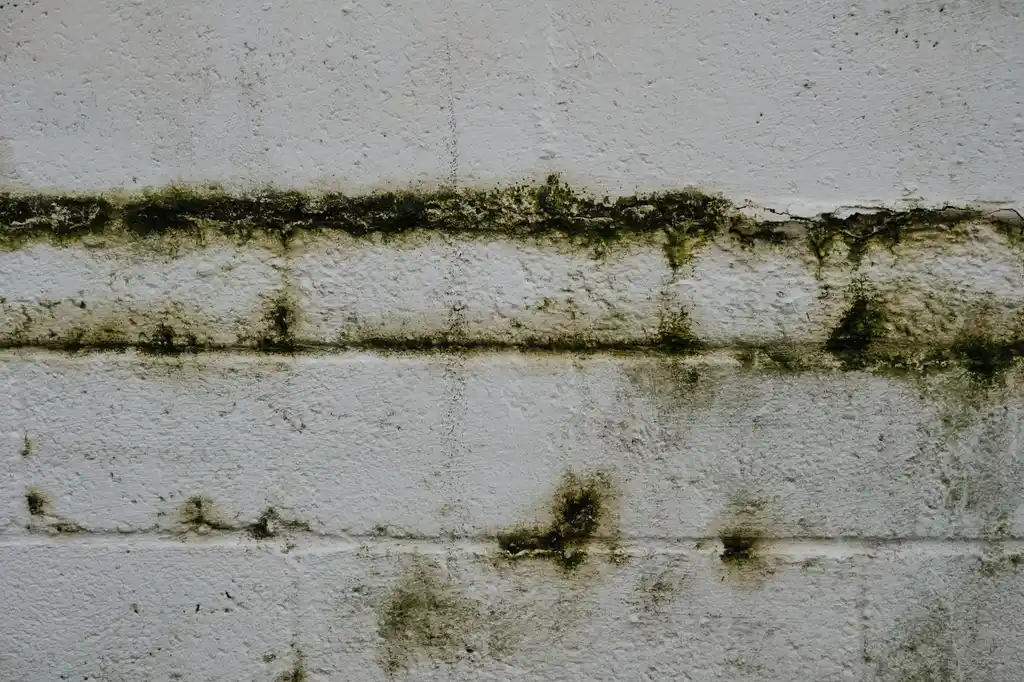
Deck stainingDark staining across the roof sheathing after a monsoonThe growth spreads along the deck and into the trusses, and the musty smell starts showing up in bedrooms below. Left alone, soft sheathing has to be cut out and replaced. We trace the intrusion to the vent boot, flashing, or tile underlayment, contain the affected bays, HEPA vacuum the deck, and treat the wood. If a roofer is needed for the exterior repair, we tell you exactly what to ask for.
Fan ventingBathroom fan venting straight into the atticEvery shower dumps a pint of warm, humid air into a 150-degree attic. The deck above the fan stays wet, and growth shows up within one cooling season. We clean the affected sheathing, then re-route the exhaust duct to a roof or wall cap so it vents outside. That single fix is what stops bathroom fan venting into attic mold Phoenix from coming back next summer.
Duct condensationAC duct condensation soaking the insulationSweating ducts wet the insulation below them, and wet insulation holds moisture against the ceiling drywall. You end up with mold on both sides of the ceiling. We address attic mold from AC duct condensation Phoenix by sealing and re-insulating the duct runs, replacing wet insulation, and treating the framing. If the duct itself is failing, we scope the replacement.
Cooler leakSwamp cooler leaking into the attic all summerA slow pan leak or a clogged drain line keeps the deck wet for months. By the time you smell it inside, the growth has usually spread across several bays. We pull the affected insulation, clean and treat the deck, and document the cooler repair needed. Many homeowners replace the cooler with refrigerated air after the second leak, and we scope that transition too.
Musty smellMusty smell in the house with no visible moldThe source is often in the attic or the air handler, pulling spores into every room through the return. It gets worse every time the AC runs. We inspect the attic and the HVAC system on the same visit, using a boroscope to check inside duct runs and plenums. Once we find the source, we contain and clean it, then verify with moisture readings.
Why Phoenix homeowners call us for attic mold
A dry attic, clean framing, and documentation you can hand to anyone.
Air quality you can feel
Can attic mold affect the air quality inside my Phoenix home? Yes, when return ducts or a leaky air handler pull attic air into living space. We seal the containment, run HEPA filtration at 99.97 percent efficiency on 0.3-micron particles, and scrub the air until particle counts drop back to baseline.
A fixed moisture source
Removing growth without fixing the leak is a callback waiting to happen. We trace the source with a moisture meter and boroscope, whether that is a cracked vent boot, a failed swamp cooler pan, or a bathroom fan dumping humid air into the attic. You get the repair scope in writing.
Insulation handled correctly
Attic insulation mold removal Phoenix work means deciding what stays and what goes. Blown-in cellulose that has been wet gets bagged and hauled out. Batt insulation with surface growth on the paper facing is often removed too. We tell you which before we start, not after.
Documented for insurance
We photograph every affected bay before, during, and after, and log moisture readings by location. That file is what your adjuster wants for a monsoon or slab leak claim. Most Phoenix attic claims we document are approved without a second visit.
What you receive
Clear records you can keep and share.
Photo log
Before, during, and after images of every bay.
Moisture record
Readings by location before and after work.
Written scope
Itemized work list with pricing.
Source notes
What caused the moisture and what was fixed.
Understanding what you are looking at in a Phoenix attic
Not every stain on a roof deck is active mold, and not every active problem looks dramatic. Here is how we sort it.
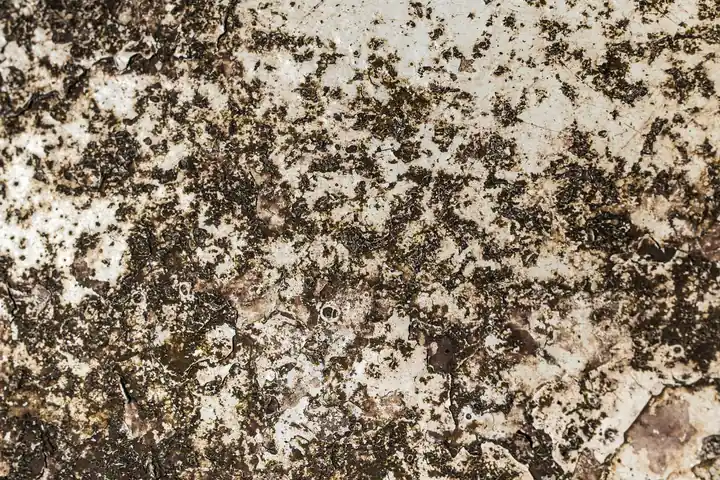
Surface staining
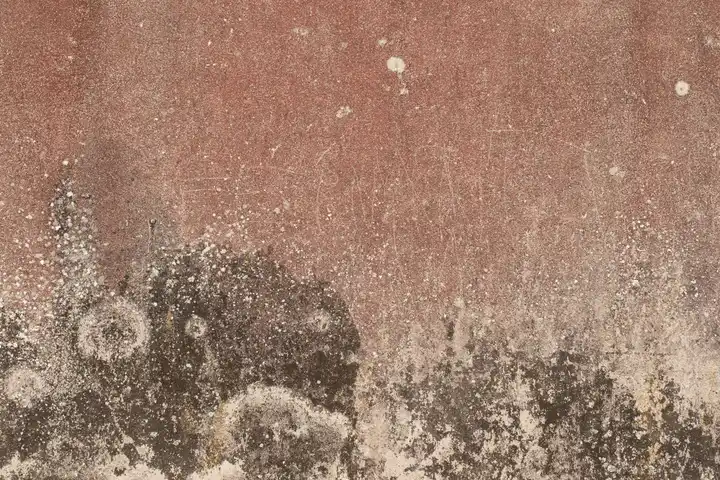
Dark discoloration on the deck with no active moisture.
Often old growth
Wood feels dry
Meter reads baseline
Active growth
Visible growth with elevated moisture in the wood.
Meter reads high
Musty smell present
Spreads along grain
Hidden moisture
No visible growth but wet framing behind insulation.
Thermal camera finds it
Insulation feels damp
Boroscope confirms
What we work with
Roof sheathing
Trusses
Rafters
Insulation
Flex duct
Vent boots
Bathroom fans
Swamp coolers
Service ZIP codes.
A list like this tells people straight away whether you cover their street. Not listed? Call and ask: it only takes a minute.
We seal the work zone with 6-mil poly sheeting and zip walls, then pull it to negative pressure with a negative air machine running HEPA filters. That keeps spores from drifting into living space through the attic hatch. We also lay down protective floor covering below the access point and wipe down the hatch frame on the way out. Setup takes 30 to 60 minutes on a typical Phoenix attic.
Wet blown-in cellulose almost always comes out, because it holds moisture and cannot be cleaned. Batt insulation with growth on the paper facing usually goes too. Insulation that stayed dry and sits outside the containment can often stay. We check with a moisture meter and tell you before we pull anything.
We HEPA vacuum the surface first, then apply an antimicrobial spray and, on heavier growth, a product like Concrobium or RMR-86. Soft or delaminated plywood gets cut out and replaced with matching sheathing. After treatment we fog the bay with a Benefect or Fiberlock product where a residual coating makes sense. Most plywood decks clean up in one visit.
It comes back if the moisture source is still active. That is why we fix or scope the leak, the venting, or the duct condensation before we close out. Once the deck stays dry, Phoenix attics are actually hostile to mold because of the heat. We recommend a moisture check each spring and after every monsoon season.
Get Attic Mold Removal in Phoenix scheduled this week
Call and we will get eyes on your attic, usually the same day. You get a written scope with pricing, a containment plan, and a clear answer on whether the insulation stays or goes.
Call 1234567890 or email info@azmoldremoval.com and we will get you on the schedule. We answer the phone during business hours, and if you leave a message after hours we call back the next morning. Tell us what you are seeing, smelling or feeling, and we will tell you what the next step looks like.