For Homes
We inspect under your floor, show you what we find, and explain what needs to be done. You get a written scope before we start any work.
- Musty smell in the house
- Plumbing leak under the floor
- Torn vapor barrier
Crawl Space Mold Removal in Phoenix starts with finding why the space is wet, not just spraying what you can see. We inspect the joists, insulation, and vapor barrier, run moisture readings, and remove the growth at the source. If your house smells musty or you have had a plumbing leak under the floor, we can scope it, price it, and schedule the work.
 Moisture readingsThermal scanPhoto record
Every crawl space job we run in Phoenix covers inspection, containment, removal, treatment, and a written record. Vapor barrier replacement and dehumidifier installation are quoted separately so you can see exactly what you are paying for.

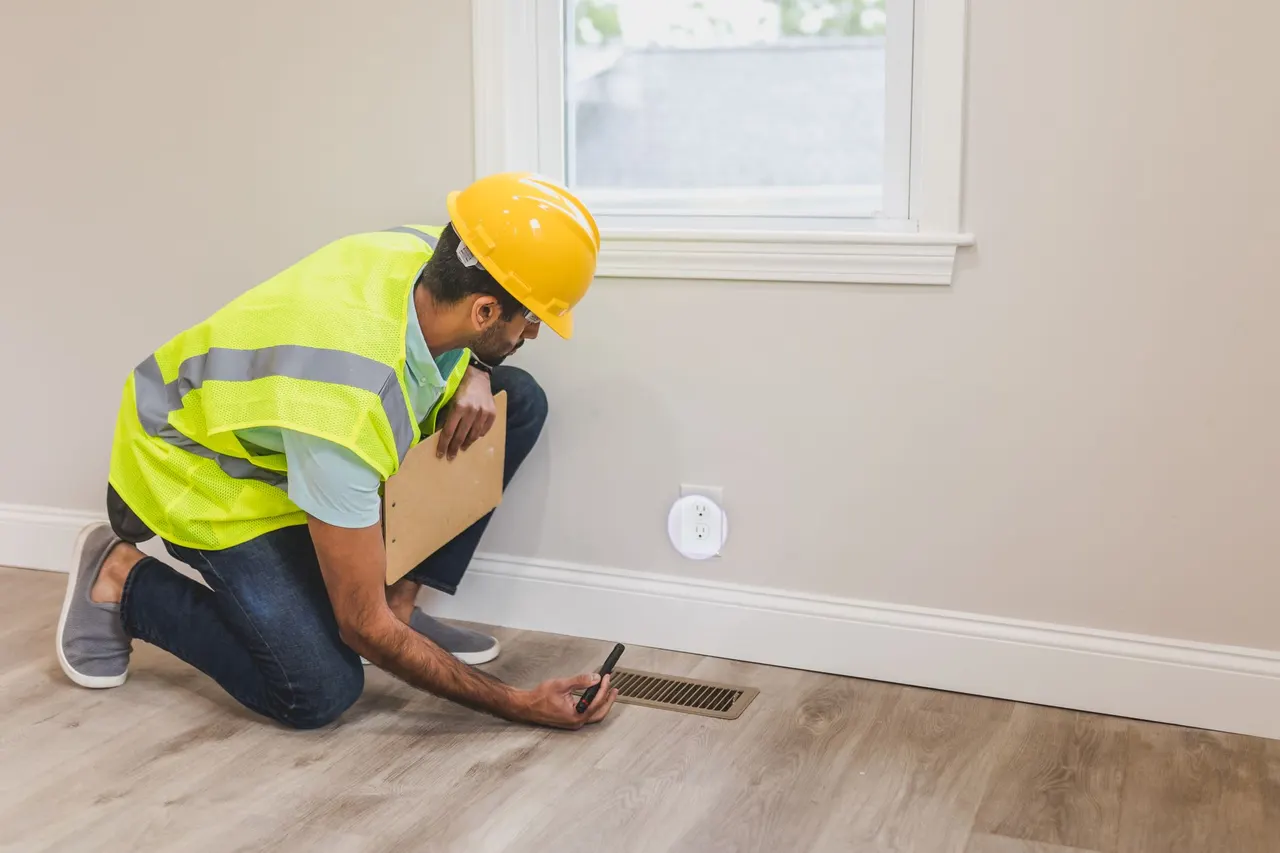
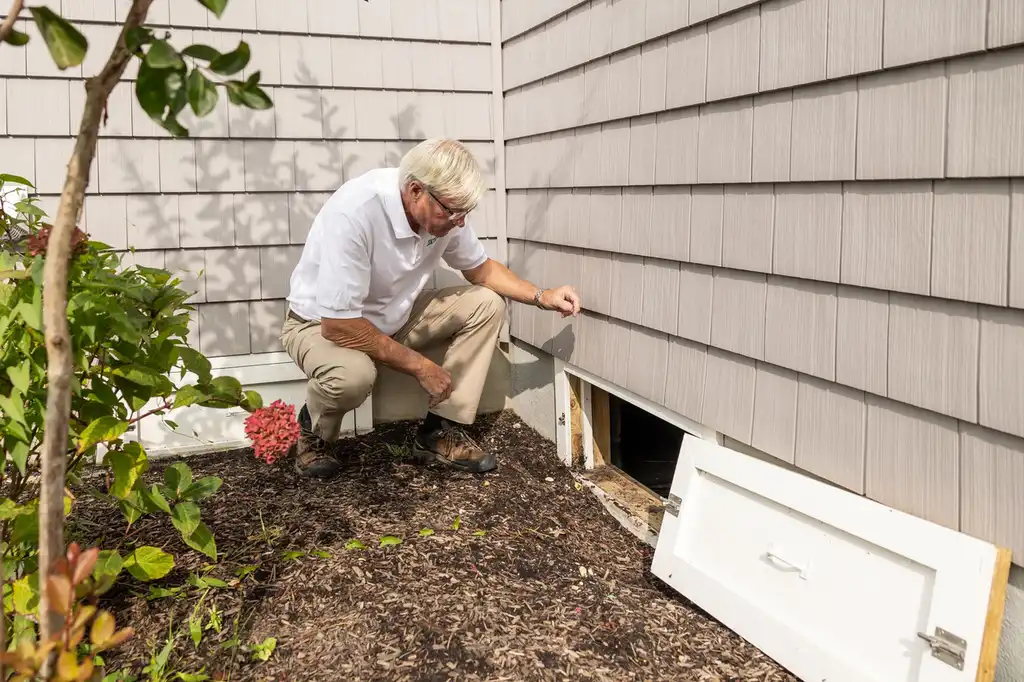
Moisture readings on joists, subfloor, and soil, plus a thermal scan of the floor above. We photograph everything and show you the images before we quote the work.
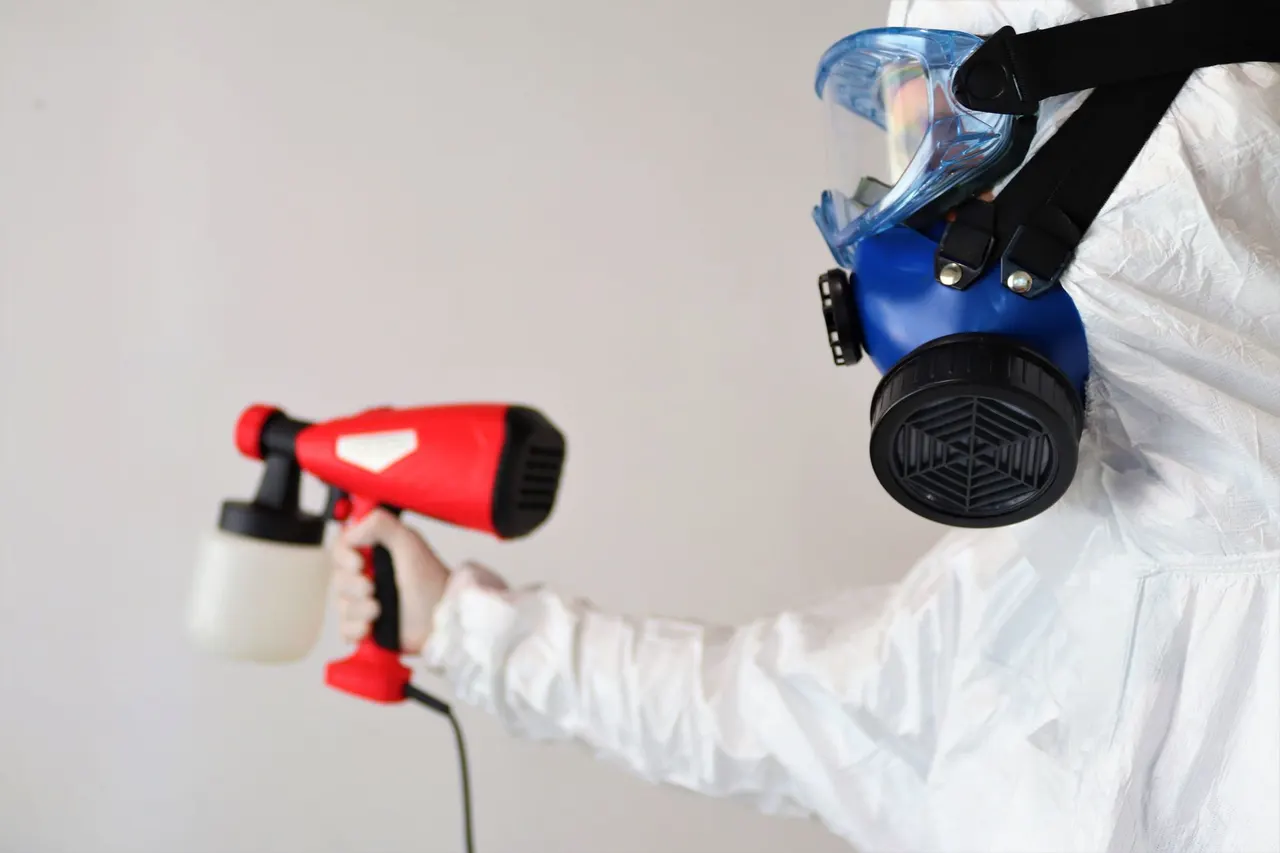
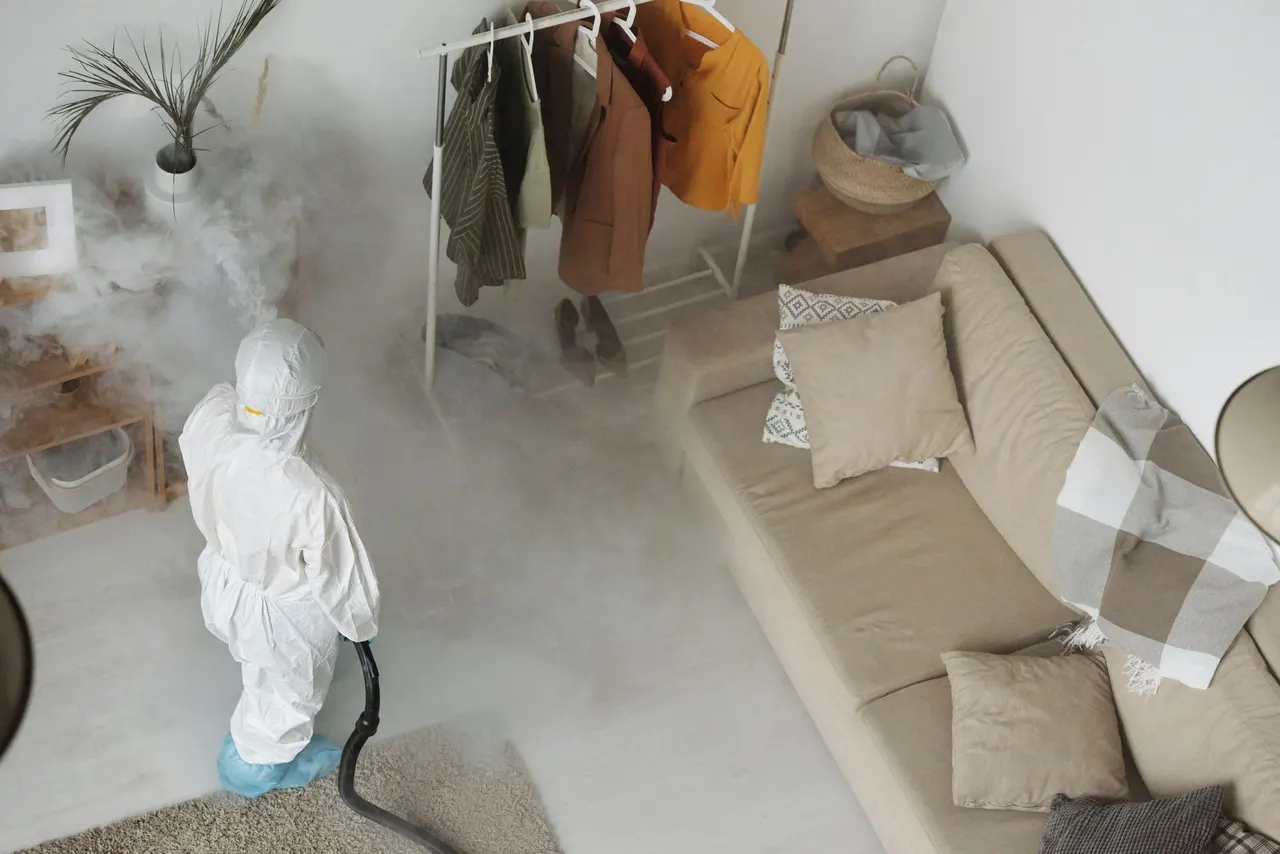
Poly sheeting, a containment barrier, and a negative air machine with HEPA filters keep spores out of your living space while we work. Technicians wear full PPE.
Damaged insulation, cardboard, and debris come out in sealed bags. We HEPA vacuum all surfaces, then apply an antimicrobial spray and a mold-killing agent to the framing.
Stained or heavily colonized wood gets an encapsulant coating that seals the surface and blocks future growth. We use products rated for crawl space use, not general-purpose paint.
We identify and address the leak, vapor barrier failure, or ventilation issue that caused the growth. If a plumber is needed, we mark the exact leak point for them.
You get before-and-after photos, moisture readings, and a written summary of what we found and what we did. Useful for insurance claims and future resale.
The approach is the same for a home and a business. What changes is the access, the schedule and who needs the paperwork.
We inspect under your floor, show you what we find, and explain what needs to be done. You get a written scope before we start any work.
We work with property managers and owners on raised-foundation buildings. Scheduling is built around your tenants and operating hours.
A plain-language look at what Crawl Space Mold Removal involves and when it is needed.
See how it worksCrawl Space Mold Removal in Phoenix is the process of containing the under-floor area, removing mold-damaged insulation and debris, treating the framing, and correcting the moisture that let the growth start. We set up a containment barrier, run a negative air machine with HEPA filtration, and use a moisture meter and thermal imaging camera to map wet wood before we treat anything. Every job ends with a documented dry-down and a clear answer on whether a vapor barrier or dehumidifier is needed.
Most Phoenix homes with crawl spaces were built before slab construction took over, and the soil under them stays warm and damp all year. A slow supply-line drip or a post-monsoon rise in soil moisture can feed black mold growth for months before anyone notices. If you have a raised foundation, older home, or you have smelled something musty since the last plumbing repair, crawl space mold remediation in Phoenix is the right call.
Crawl space mold is a moisture problem first and a mold problem second. Fix the water and the mold stays gone.
Five steps, in order, every time. You get a written scope before we start and a photo record when we finish.
We crawl the space, take moisture readings on joists, subfloor, and soil, and run a thermal imaging camera across the floor above. Air samples go out for lab testing when the growth is not visible. This usually takes 60 to 90 minutes.
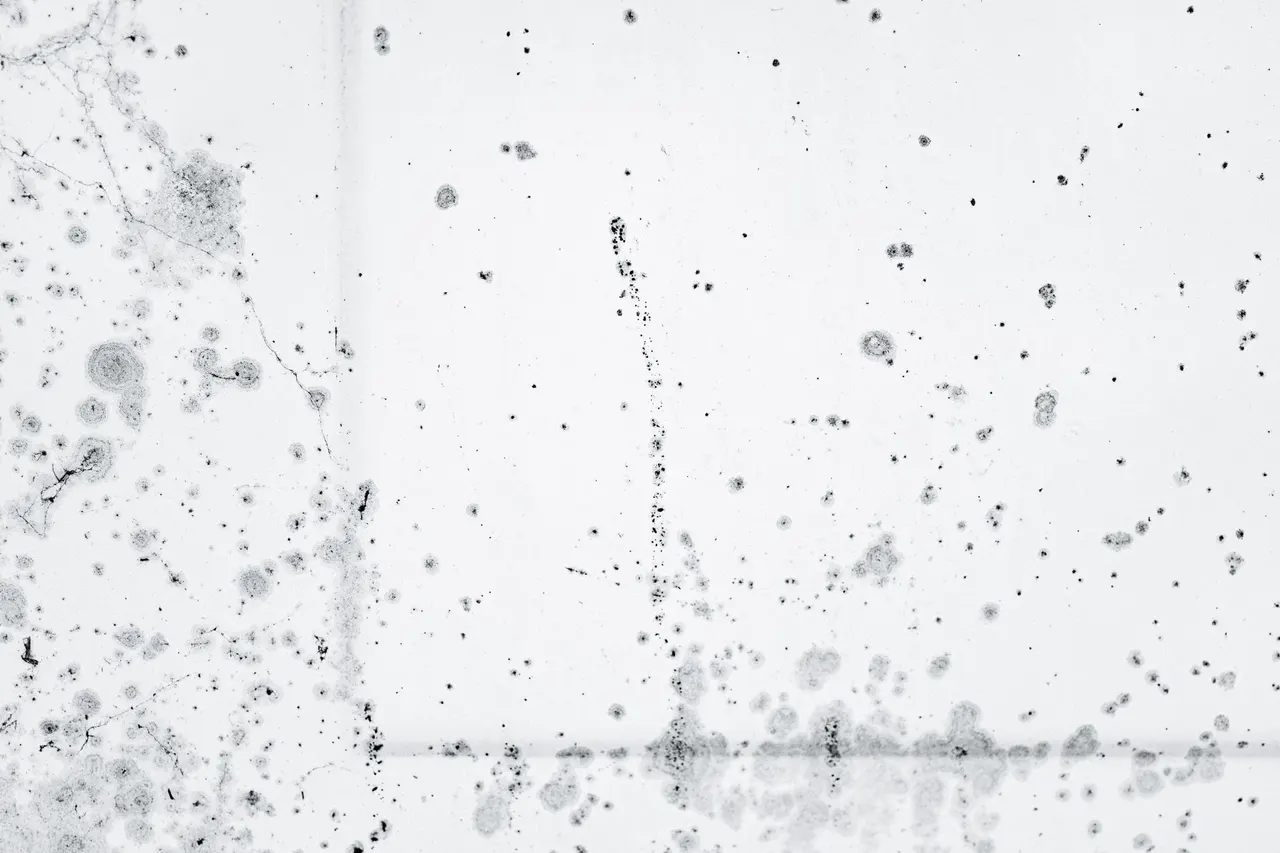
We lay poly sheeting over the soil and seal the access hatch. A negative air machine with HEPA filters keeps spores from drifting into the house while we work. Technicians suit up in PPE coveralls and N95 respirators before entering.
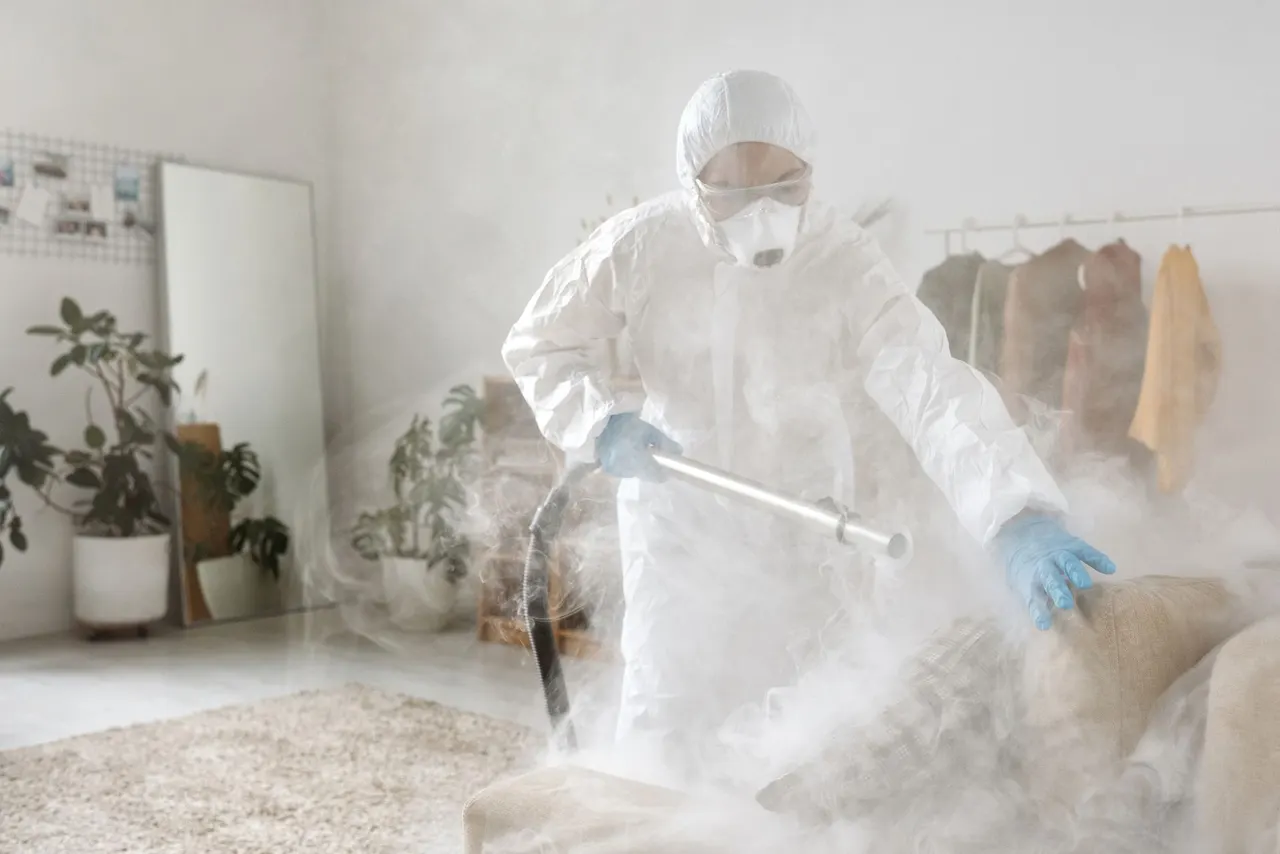
Damaged insulation, cardboard, and debris come out in sealed bags. We HEPA vacuum every surface, then apply an antimicrobial spray and a mold-killing agent such as Concrobium or Benefect to the framing. Heavily stained wood gets a stain-blocking encapsulant coating.
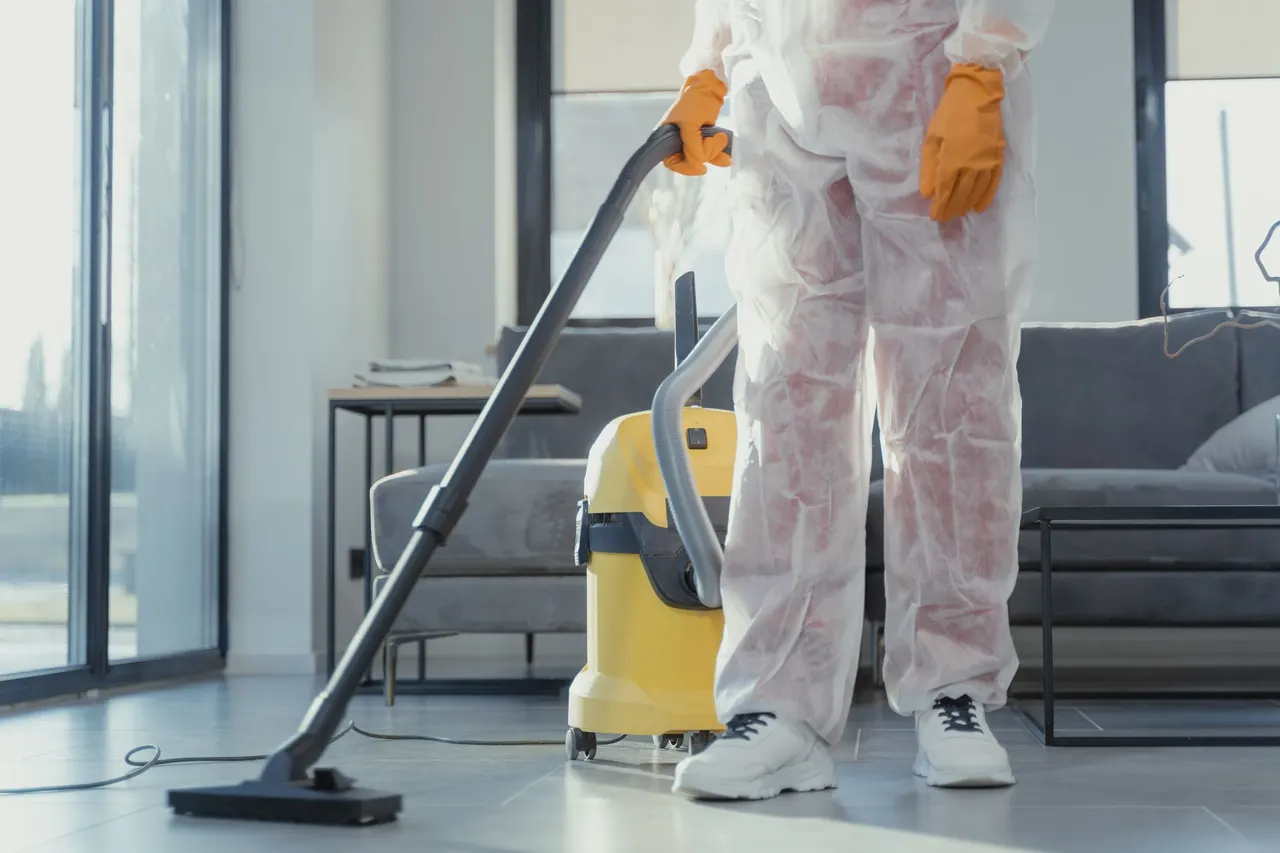
Mold comes back if the water does. We repair or flag the leak source, install or replace the vapor barrier, and set a dehumidifier where the space stays humid. This is the step that makes the removal last.
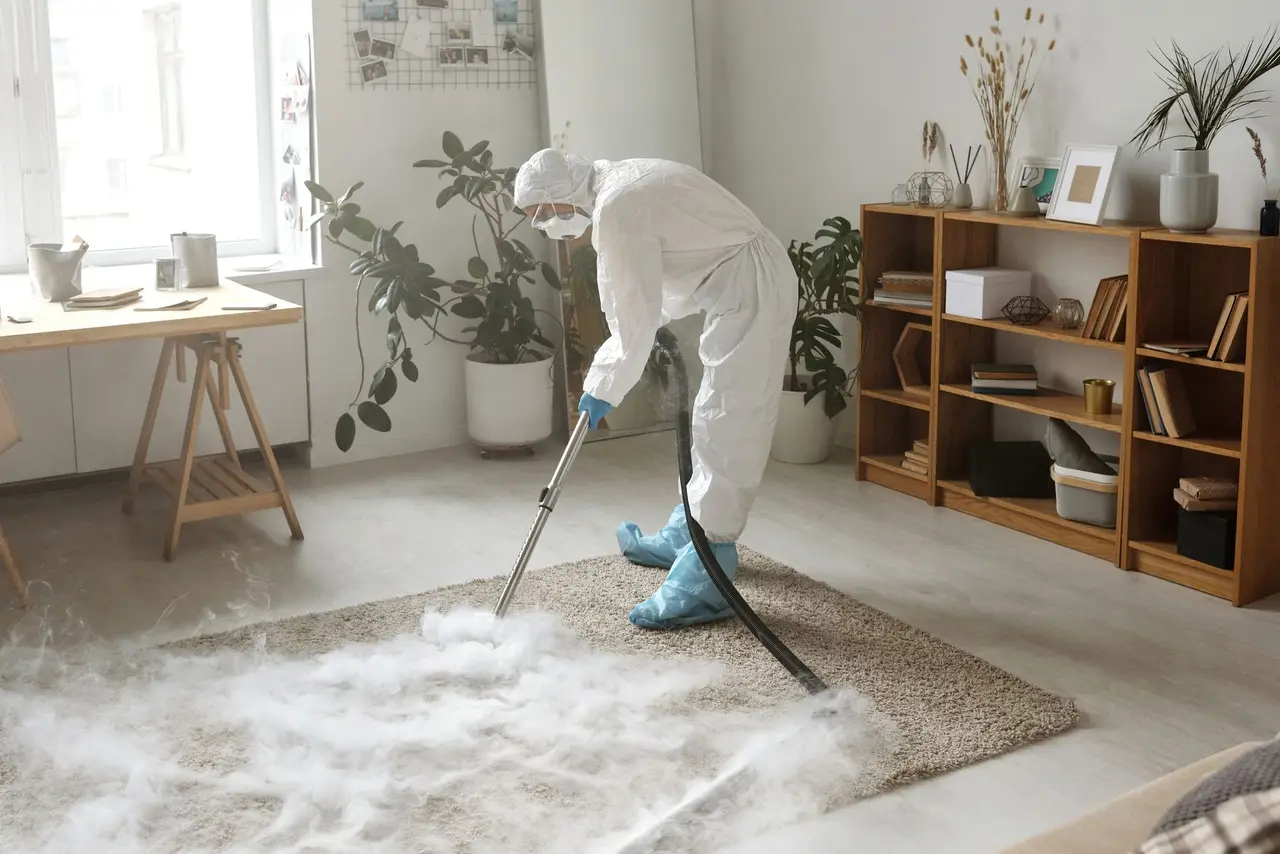
We re-meter the wood, run a final air scrubber cycle, and take clearance samples if you want lab confirmation. You get photos of the before and after, plus a written note on what to watch each monsoon season.
Move across a circle, or focus it and press Enter, for an illustrative thermal view of the photograph.
Reads moisture content in wood and soil to find wet areas that look dry on the surface. We use it before, during, and after every job.
Shows temperature differences that reveal hidden moisture behind insulation and under flooring. Helps us map the full extent of a leak.
A camera on a flexible probe that lets us see inside wall cavities, under subfloor panels, and behind framing without cutting into the structure.
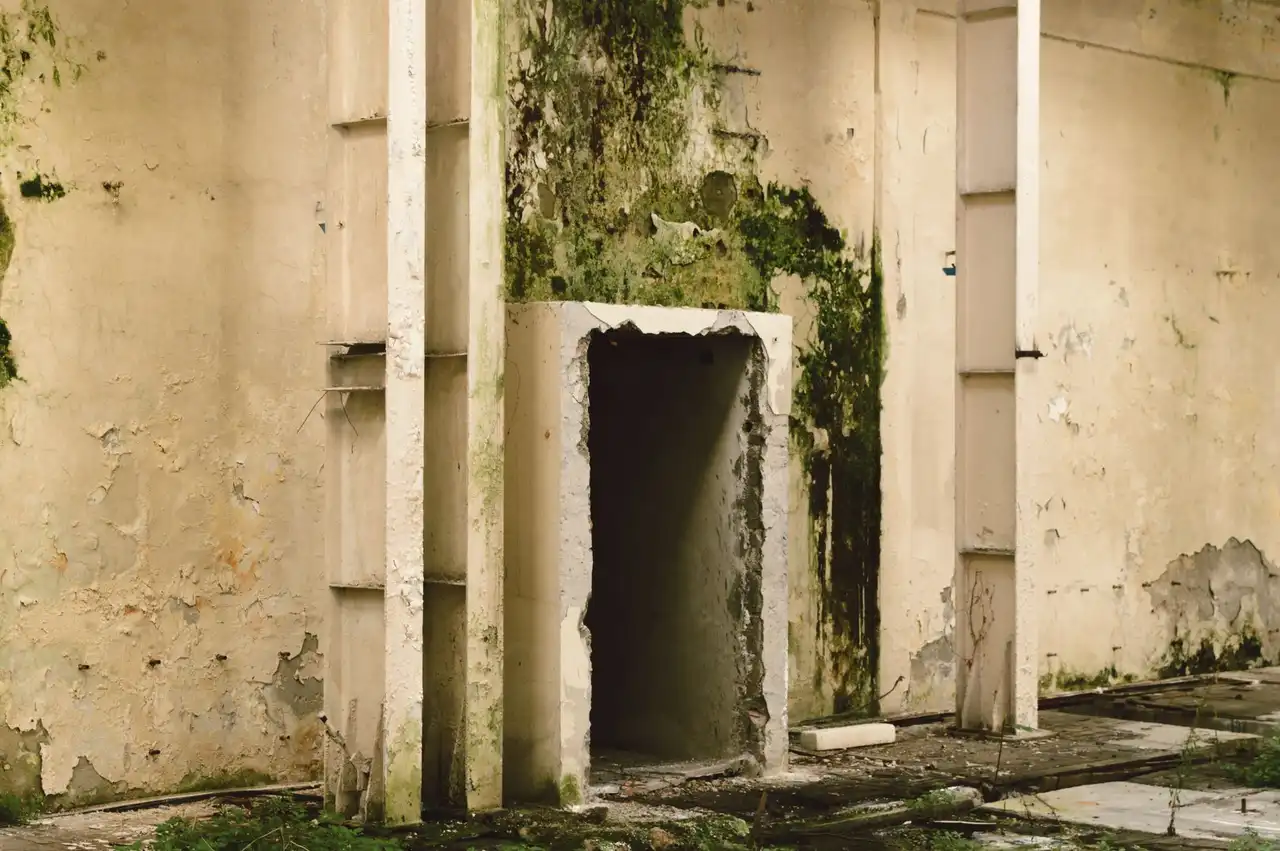
Maintains negative pressure inside the containment so spores cannot escape into the living space while we work.
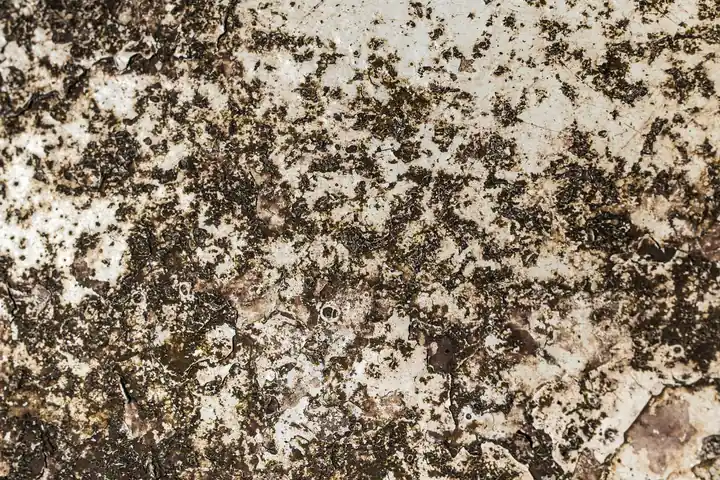
Captures mold spores and fine debris that a shop vac would blow back into the air. Used on every surface before treatment.
Thermal views are illustrative, generated from the photographs.
Runs continuously during and after the job to filter airborne spores. We leave it running for a final cycle before clearance.
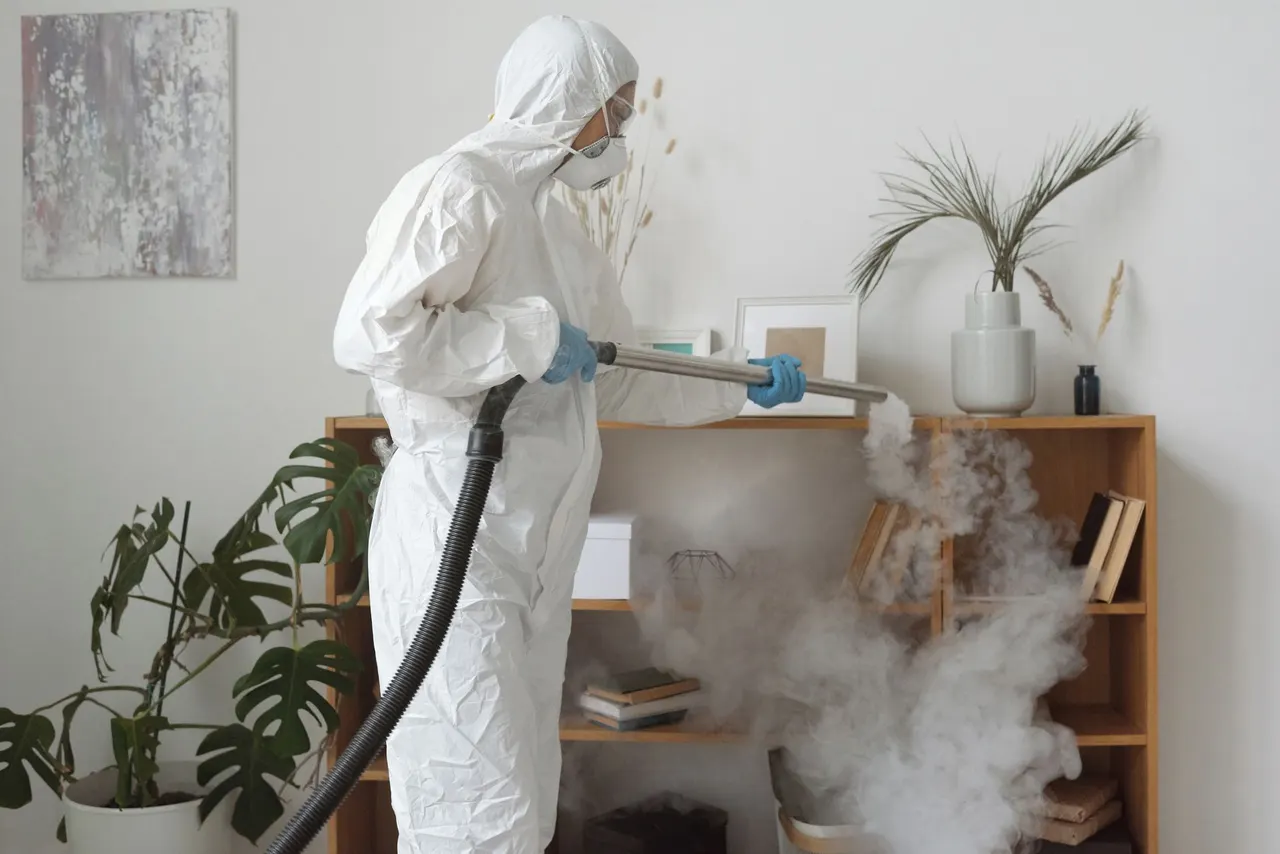
Applies a fine mist of antimicrobial product to reach framing surfaces and tight corners that a sprayer cannot cover evenly.
The industry standard for mold remediation, covering containment, removal, and clearance. We follow it on every crawl space job, including the documentation and verification steps.
We seal the crawl space with poly sheeting and run a negative air machine so the rest of the house stays clean. This is the step that separates a real remediation from a spray-and-pray job.
After removal, we apply an antimicrobial spray to kill remaining spores, then coat stained framing with an encapsulant to seal the surface. Products include Fiberlock and Concrobium.
We lay poly sheeting over the soil, seal the seams, and wrap the piers. In humid spaces we add a Dri-Eaz dehumidifier to keep readings in a safe range year-round.
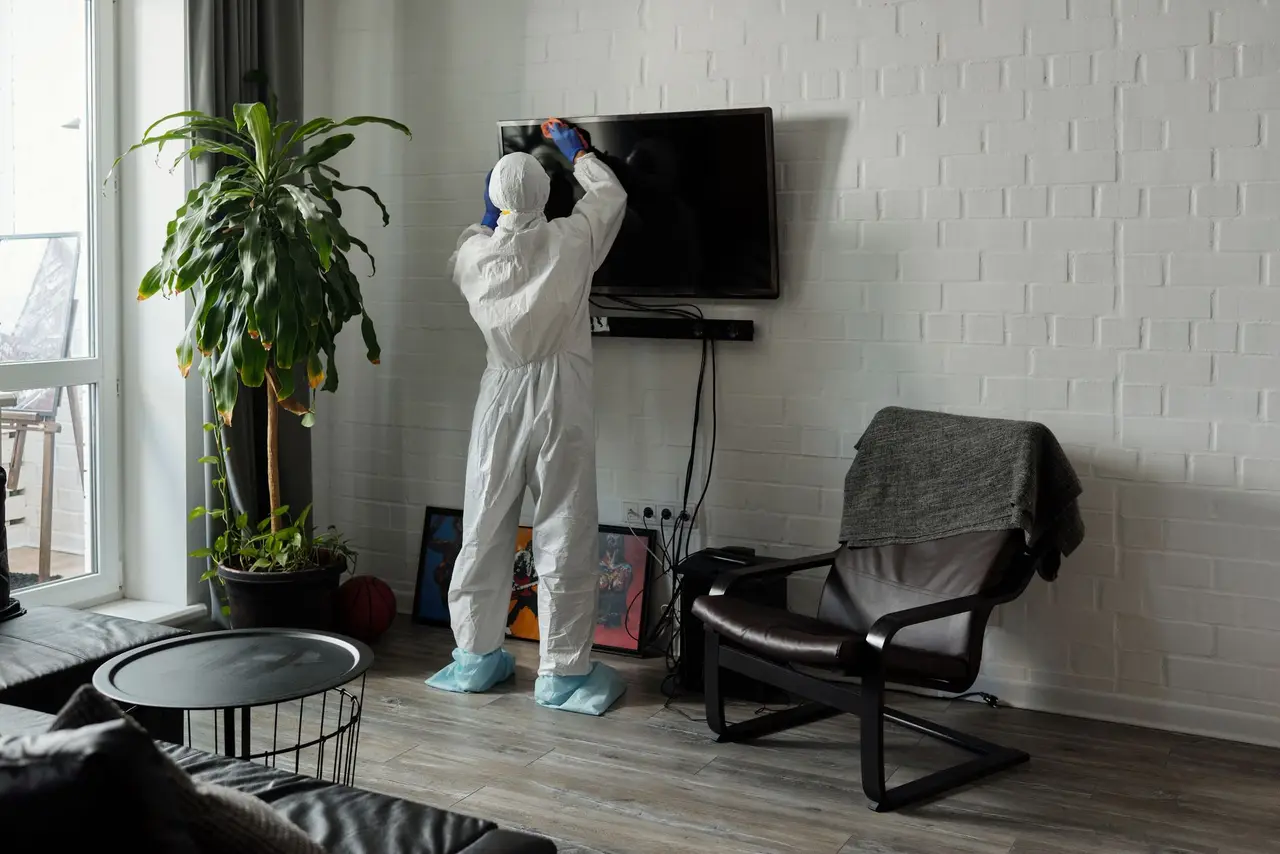
You had a plumbing repair under the floor and the smell never went away.
We inspect the repair area with a moisture meter and thermal camera, remove any mold-damaged insulation, and treat the framing. If the leak was not fully fixed, we flag it before we close out.
Outcome: The musty smell clears, and you know the repair area is dry and treated.
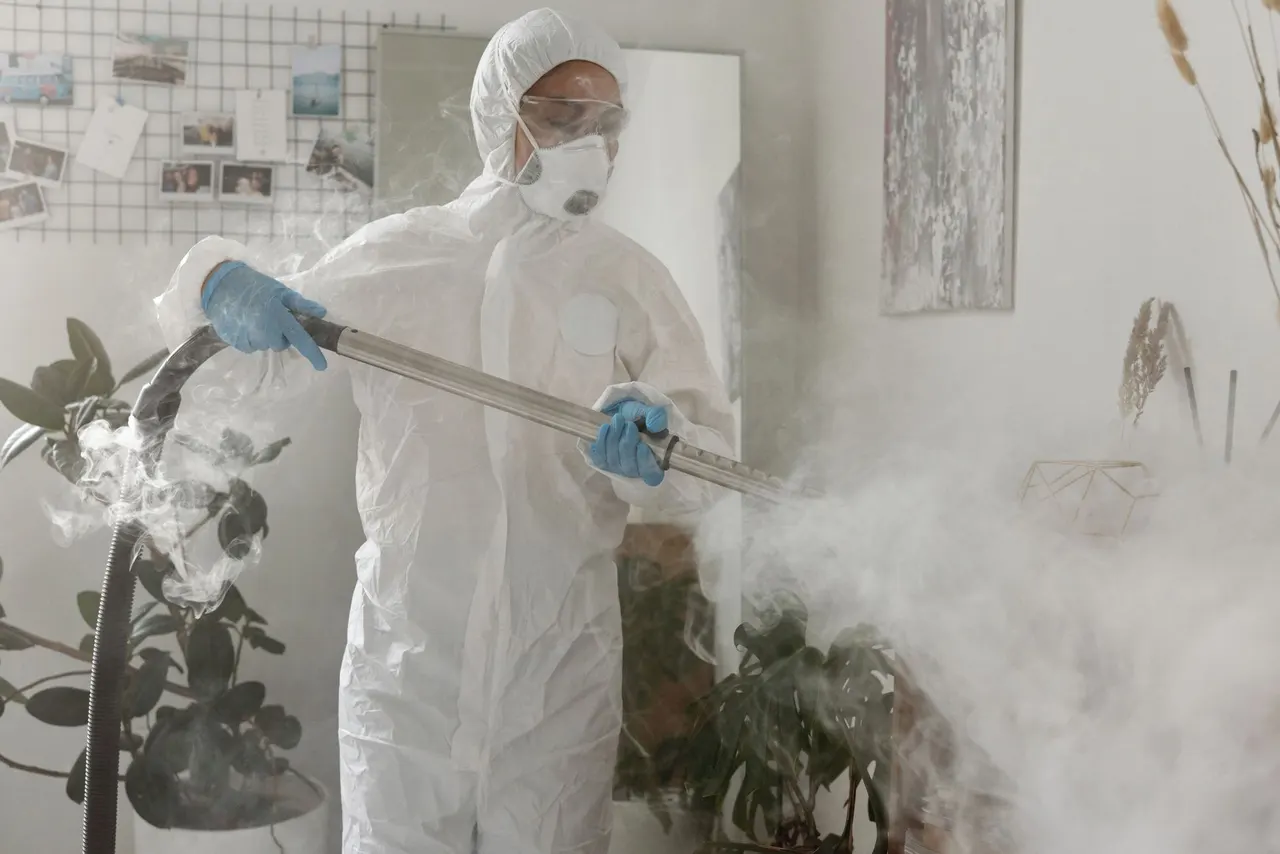
You are buying or selling a home with a raised foundation in Phoenix.
We run a pre-sale crawl space inspection with moisture readings, photos, and air sampling if needed. The report is written for a real estate transaction, not a sales pitch.
Outcome: You get a clear picture of the space before closing, with no surprises after.
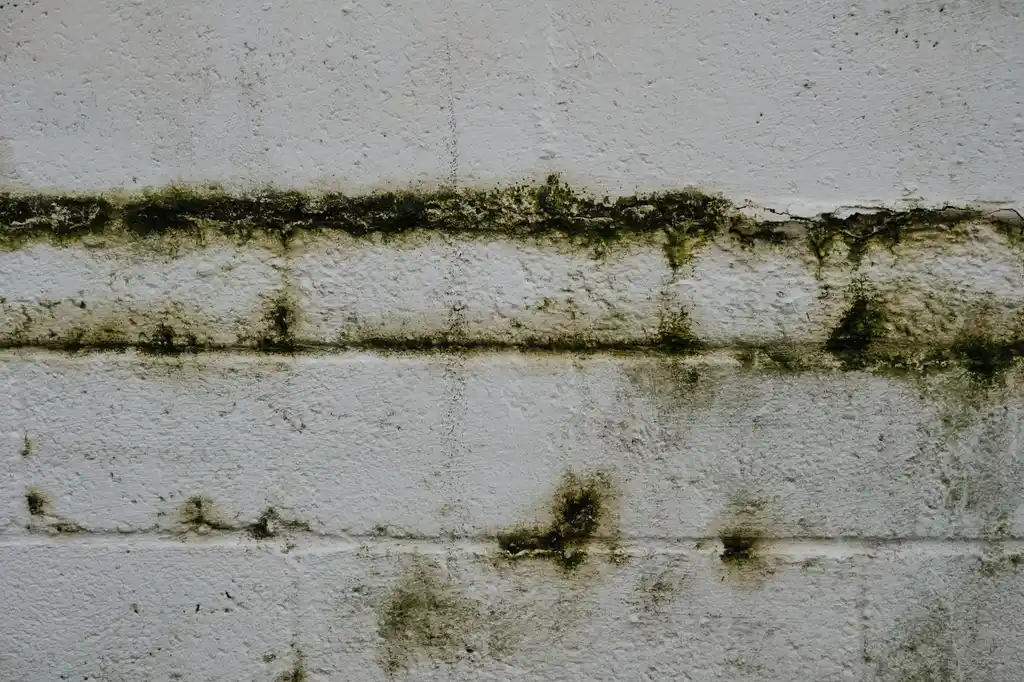
Your family has had allergy symptoms that get worse indoors.
We test the air in the living space and the crawl space, compare the results, and identify whether the crawl space is the source. If it is, we scope the removal and treatment.
Outcome: You know whether the crawl space is the problem, with lab results to back it up.
A monsoon storm flooded your crawl space and the soil is still wet.
We dry the space with dehumidifiers and air movers, check for mold growth on the framing, and treat anything we find. We also inspect the vapor barrier for tears.
Outcome: The space is dry, treated, and ready for the next storm season.
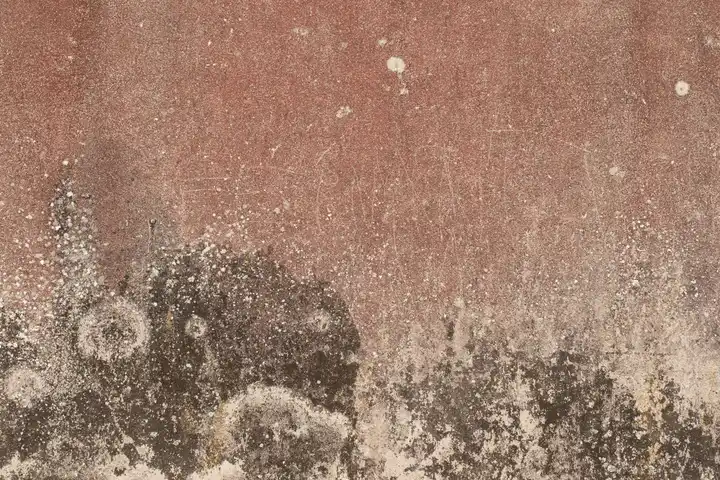
You have an older Phoenix home and the crawl space has never been inspected.
We run a full inspection covering joists, subfloor, insulation, plumbing, and the vapor barrier. You get photos and readings for every area we check.
Outcome: You know the condition of the space and what, if anything, needs work.
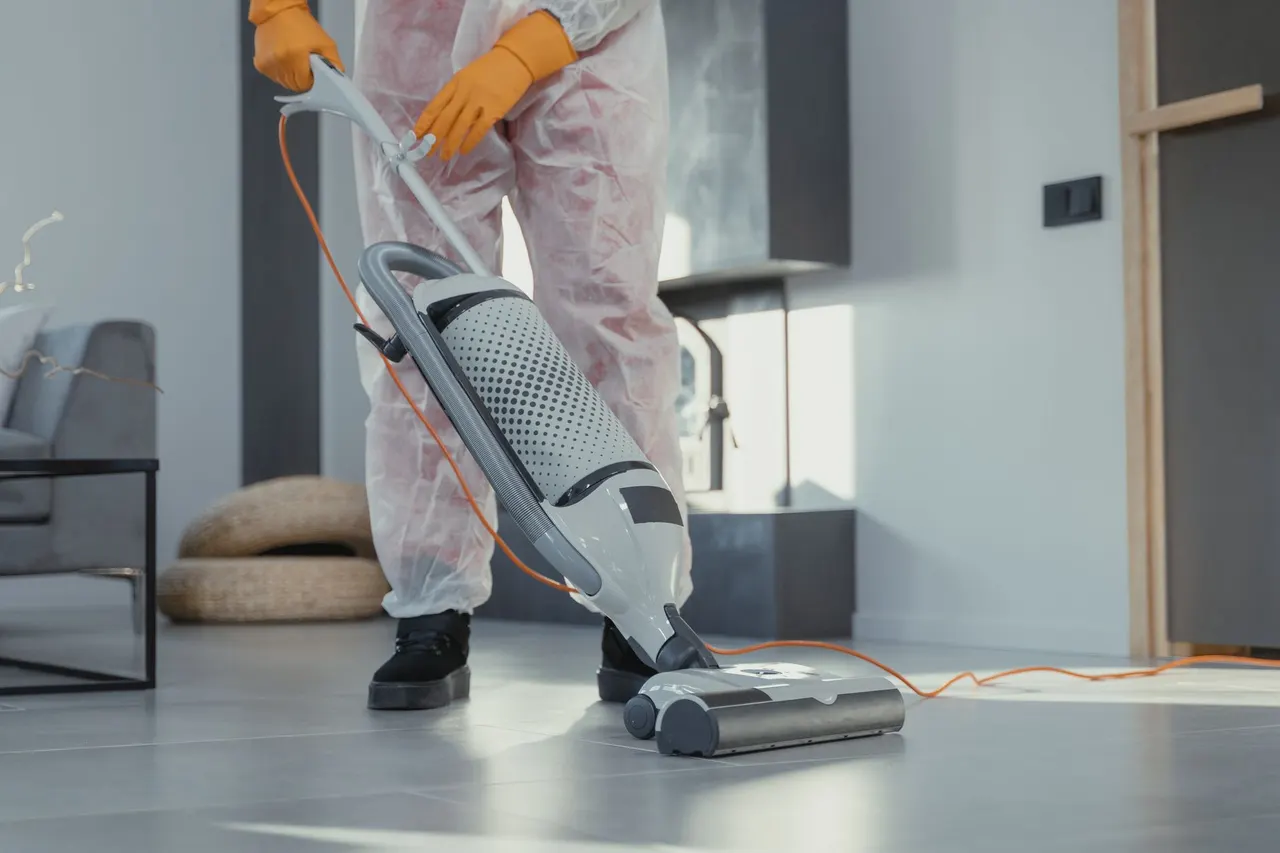
Phoenix crawl spaces behave differently from crawl spaces in wetter climates. The soil stays warm most of the year, so once it gets wet, mold can grow within 24 to 48 hours and keep spreading for months. Monsoon season from June through September is the biggest driver, followed by plumbing leaks under the floor.
Older homes in Alhambra, Maryvale, and Sunnyslope often have original vapor barriers that have torn or were never installed. Newer builds in Deer Valley and Norterra sometimes have barriers that were laid poorly and pull away at the piers. We adjust our approach based on what we find: more dehumidification during monsoon months, more leak tracing in older homes, and more barrier repair in newer construction.
If you are dealing with an older home crawl space mold issue in Phoenix, the fix usually involves both removal and a new barrier.
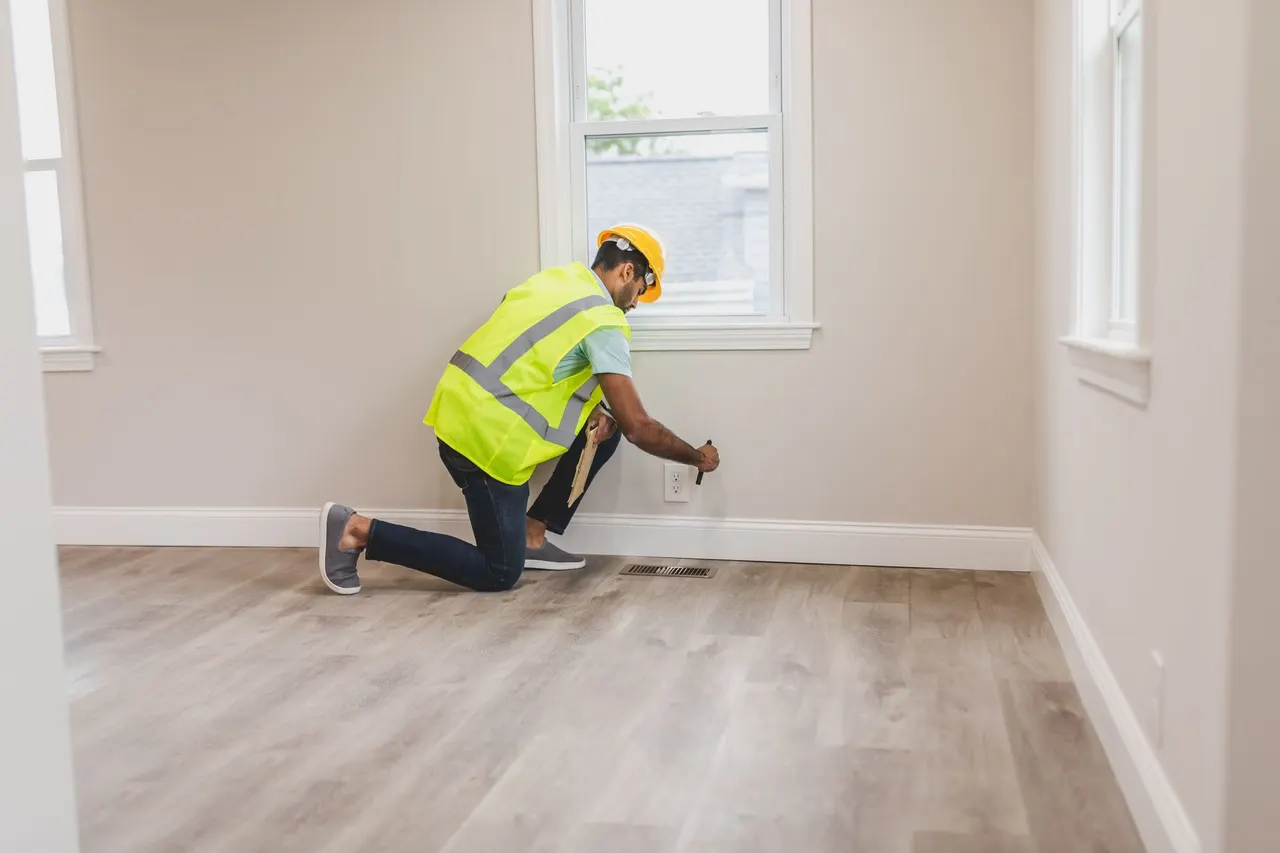
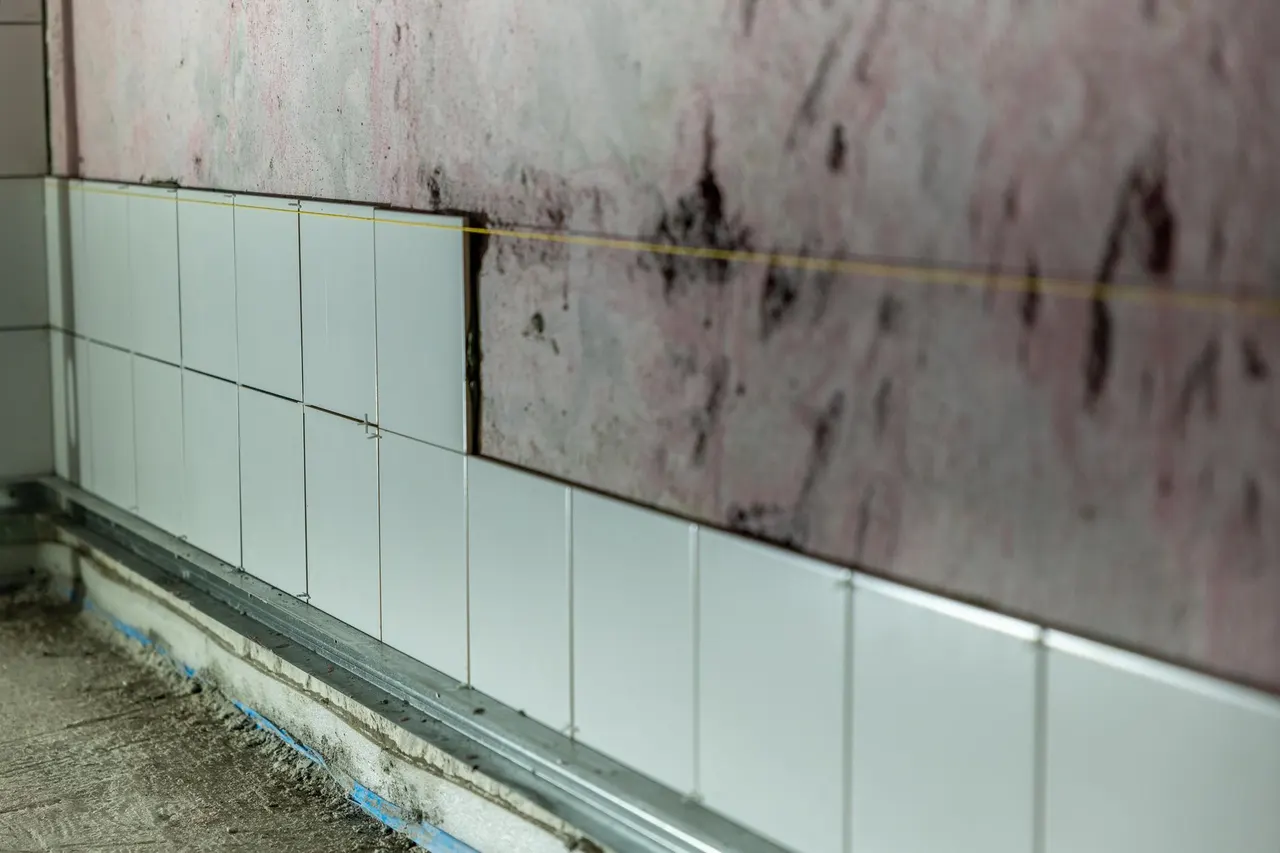
Before: A 1958 ranch home had a musty smell in the hallway for months. The crawl space had visible black mold growth on about 40 percent of the joists, and the insulation was saturated from a slow supply line leak that had been running for at least a year.
After: We removed the damaged insulation, treated the framing with antimicrobial and encapsulant, and marked the leak for the plumber. Post-job moisture readings were back in the normal range, and the smell cleared within 48 hours.
We recommended an annual moisture check and a new vapor barrier within the year. The homeowner also had the plumber replace the section of supply line.
Before: After a heavy monsoon, a Sunnyslope home had standing water in the crawl space and mold starting on the subfloor. The vapor barrier was torn in three places and the soil was still saturated two weeks after the storm.
After: We dried the space with dehumidifiers and air movers, removed the mold-damaged subfloor sections, treated the framing, and installed a new vapor barrier. Final moisture readings were within normal range across the entire space.
We set up a small dehumidifier on a timer for the rest of monsoon season and scheduled a check for the following spring.
Before: A Deer Valley home built in the 2000s had a vapor barrier that had pulled away at the piers, letting soil moisture rise into the crawl space. Mold was growing on the insulation facing and the first two feet of the joists.
After: We removed the affected insulation, treated the framing, and reinstalled the vapor barrier with proper sealing at every pier. Moisture readings dropped from elevated to normal within 72 hours.
We recommended checking the barrier at the piers each spring and keeping the crawl space vents clear year-round.
Most crawl space mold calls come down to one of a handful of causes. Here is what we see most often and how we handle each one.
A dry, treated crawl space means cleaner air and framing that lasts.
Air in a crawl space rises. When we remove the growth and seal the space, the musty smell in your living room drops with it. Most customers notice the difference within 48 hours of the final air scrubber run.
Mold digests wood. Left alone, it softens joists and subfloor panels until they fail. We catch it early with a moisture meter and boroscope, so you are treating surface growth instead of replacing structural lumber.
Crawl space mold from plumbing leaks in Phoenix is the most common cause we see. We pressure-test suspect lines and mark the exact leak point so your plumber fixes the right section the first time.
Ductwork running through a moldy crawl space pulls spores into every room. Cleaning the space and sealing the ducts stops that cycle. We also check the air handler pan, a frequent source of hidden moisture.
Clear records you can keep and share.
Before and after images of every area.
Readings taken before and after treatment.
Line items for the work performed.
Air and surface samples when testing is ordered.
Crawl space mold falls into three rough categories, and each one gets a different approach.
Light growth on framing and joists.
Growth into wood and insulation.
Growth behind insulation or panels.
A list like this tells people straight away whether you cover their street. Not listed? Call and ask: it only takes a minute.
Based in Phoenix and covering the places around it. Pick one for local details.
Yes, mostly in older neighborhoods. Homes built before the 1970s in areas like Alhambra, Maryvale, and West Phoenix often sit on raised foundations with a crawl space underneath. Newer construction is usually slab-on-grade. If you have a floor vent or an access hatch on the exterior wall, you likely have one.
Crawl space moisture and mold in Phoenix usually come from three things: plumbing leaks under the floor, monsoon-season soil saturation, and vapor barriers that have torn or were never installed. The soil stays warm year-round, so once it is wet, mold can grow within 24 to 48 hours and keep spreading for months.
The most common signs are a musty smell in the house, warped or soft floorboards, and allergy symptoms that get worse indoors. Visible black mold growth on joists or insulation confirms it. If you are not sure, we can run a moisture meter and thermal scan and take air samples for lab testing.
Not always, but it helps in most cases. A sealed vapor barrier and a small dehumidifier keep the space dry through monsoon season and stop mold from returning. If your barrier is intact and the leak is fixed, we may only recommend spot repairs and annual checks.
Other services from the same team.
If you smell something musty or you have had a leak under the floor, call us. We will inspect the space, show you what we find, and give you a written scope before any work starts. Same-day appointments are often available.
Call 1234567890 or email info@azmoldremoval.com and we will get you on the schedule. We answer the phone during business hours, and if you leave a message after hours we call back the next morning. Tell us what you are seeing, smelling or feeling, and we will tell you what the next step looks like.