



Homes in Camelback Corridor
We work in Arcadia ranches, Biltmore condos, and Camelback East townhomes. Each type has its own moisture issues.
- Biltmore condos
- Arcadia ranch homes
- Camelback East townhomes
- Piestewa Peak-area homes
Mold Removal Camelback Corridor is what we do every week, from Biltmore condos to Arcadia ranch homes. If you have spotted black mold growth near a bathroom vent, smelled musty odors in a hallway closet, or watched a monsoon leak stain your ceiling, we can help.
Phoenix, Arizona
Serving Camelback Corridor and nearby
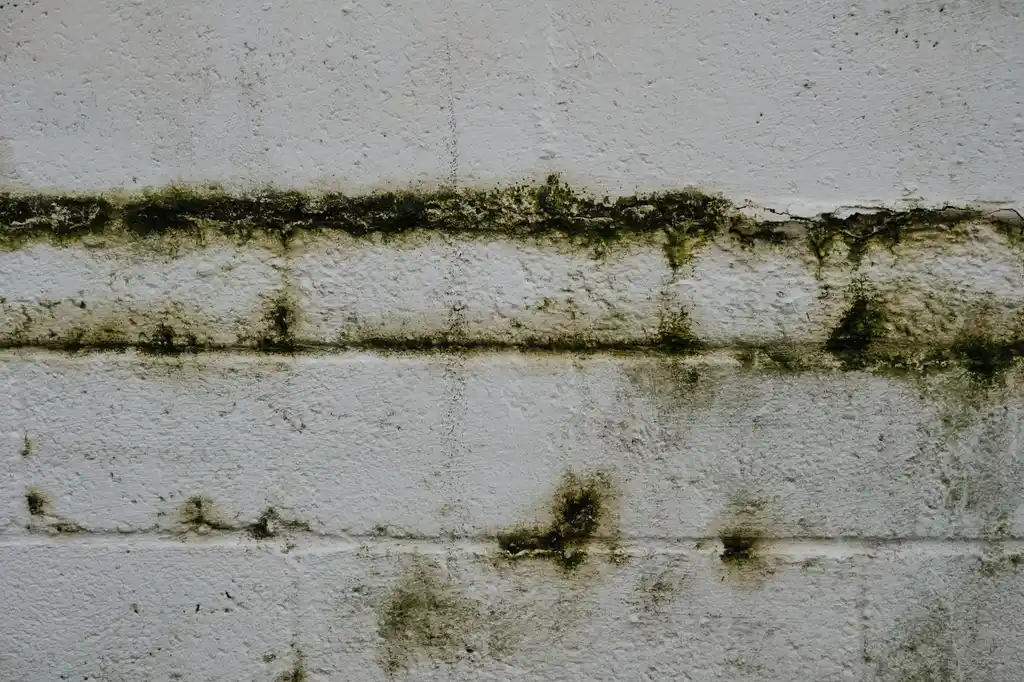
Camelback Corridor sits between some of Phoenix's most recognizable addresses, and the housing stock shows it. We work in 1920s Arcadia ranches with original plumbing, 1980s Biltmore condos with shared walls, and newer custom homes near Camelback Mountain with complex multi-zone HVAC systems. That mix means no two mold jobs look the same.
A townhome off Camelback Road may have a slow supply-line leak feeding mold behind the vanity, while a Piestewa Peak-area home may have attic mold from a swamp cooler pan that overflowed in July. We handle both. Our Mold Removal Services Camelback Corridor customers call us for include inspection, testing, remediation, and post-monsoon cleanup.
We are a local Mold Removal Company Camelback Corridor homeowners and property managers rely on because we know the buildings, the HOA rules, and the monsoon patterns that drive moisture problems here.
Camelback Corridor has a specific set of conditions that create mold work. Summer monsoon storms push water through aging roof flashings and window seals. Winter visitors leave condos closed up for months with the AC off, and humidity builds. Older luxury properties in the 85016 and 85018 ZIP codes often have original cast-iron drains and galvanized supply lines that weep slowly behind walls.
We serve this area because the demand is steady and the buildings are complicated. A one-size-fits-all approach does not work in a 1960s Biltmore townhome with a shared mechanical closet. We bring the right tools and the right containment plan for each property type.
Good to know in Camelback Corridor
Summer storms push water through worn flashing and window seals, leading to attic and ceiling mold. In older Arcadia and Camelback East homes, the damage is often hidden until a musty odor appears.
Biltmore has a mix of high-rise condos, townhomes, and luxury single-family homes. Shared walls and complex HVAC systems make hidden leaks common. We often find mold behind vanities and in mechanical closets.
A slow supply-line leak in one unit can feed mold in the neighboring unit. HOA rules often require documentation before work begins, which can delay remediation.
Camelback Corridor mold work breaks into a few categories: condo and townhome leaks, attic and HVAC mold, post-monsoon water intrusion, and bathroom or kitchen moisture.
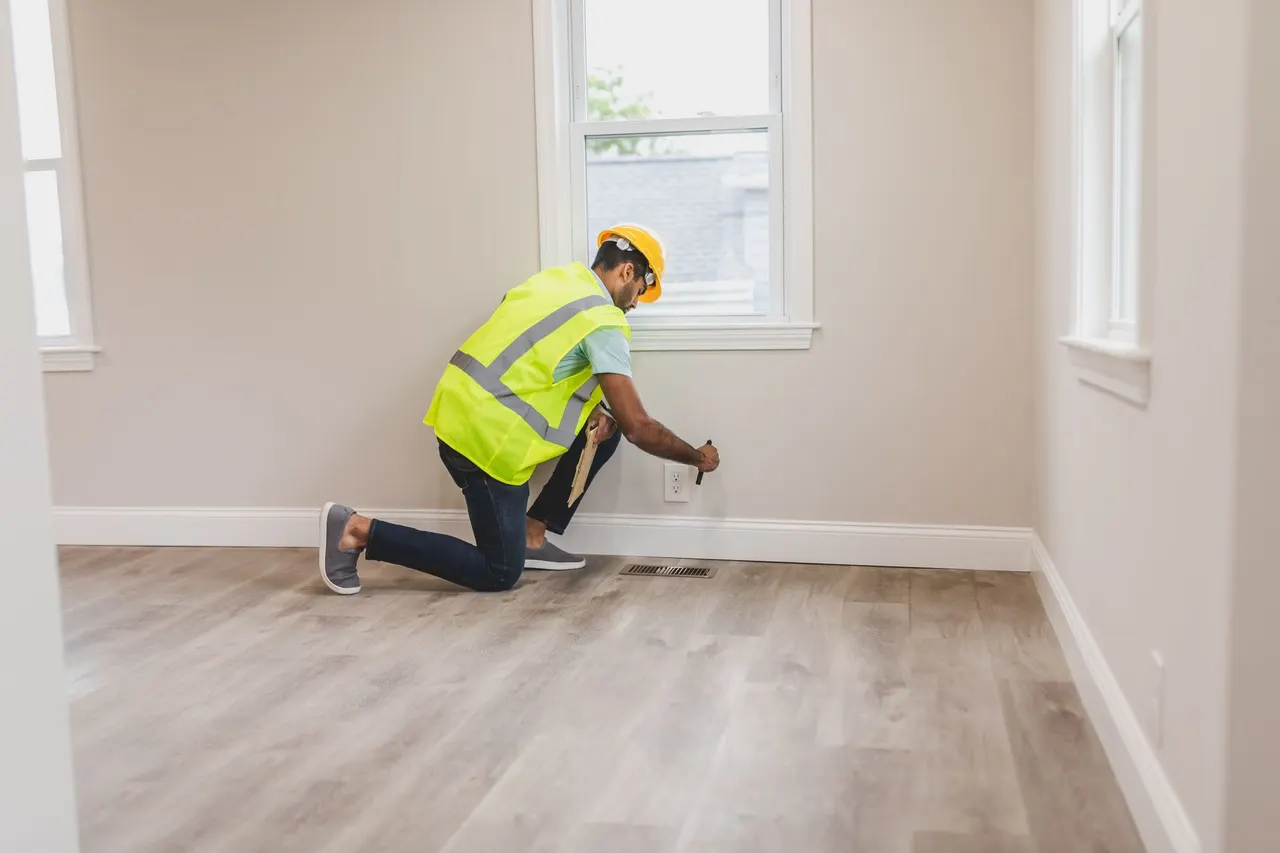
We remove mold from condos, townhomes, and single-family homes across Camelback Corridor. Most jobs start with a moisture meter and thermal imaging camera scan to find the source.
Remediation in Camelback Corridor means treating the mold and fixing the moisture problem so it does not come back.
Our Camelback Corridor mold inspections cover attics, crawl spaces, HVAC closets, bathrooms, and shared walls.
Mold testing in Camelback Corridor tells you what type of mold you are dealing with and how far spores have spread.
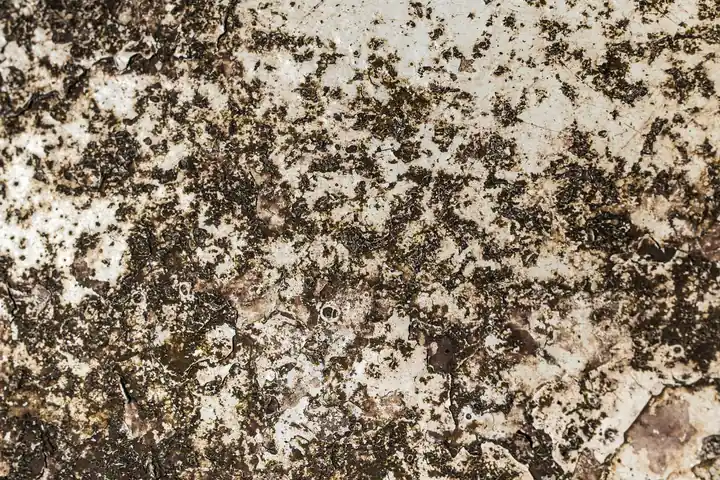
Black mold growth in Camelback Corridor condos and homes often shows up around shower pans, under sinks, and behind refrigerators.
Attic mold in Camelback Corridor is common after monsoon season or when a swamp cooler pan overflows.
When a pipe bursts or a monsoon leak soaks your ceiling, emergency mold removal in Camelback Corridor starts with stopping the water and containing the mold.
Residential mold removal in Camelback Corridor covers everything from a small bathroom patch to a full attic remediation.
Commercial mold removal in Camelback Corridor includes office suites, retail spaces, and restaurant kitchens. We work after hours or during slow periods to avoid disrupting your business.
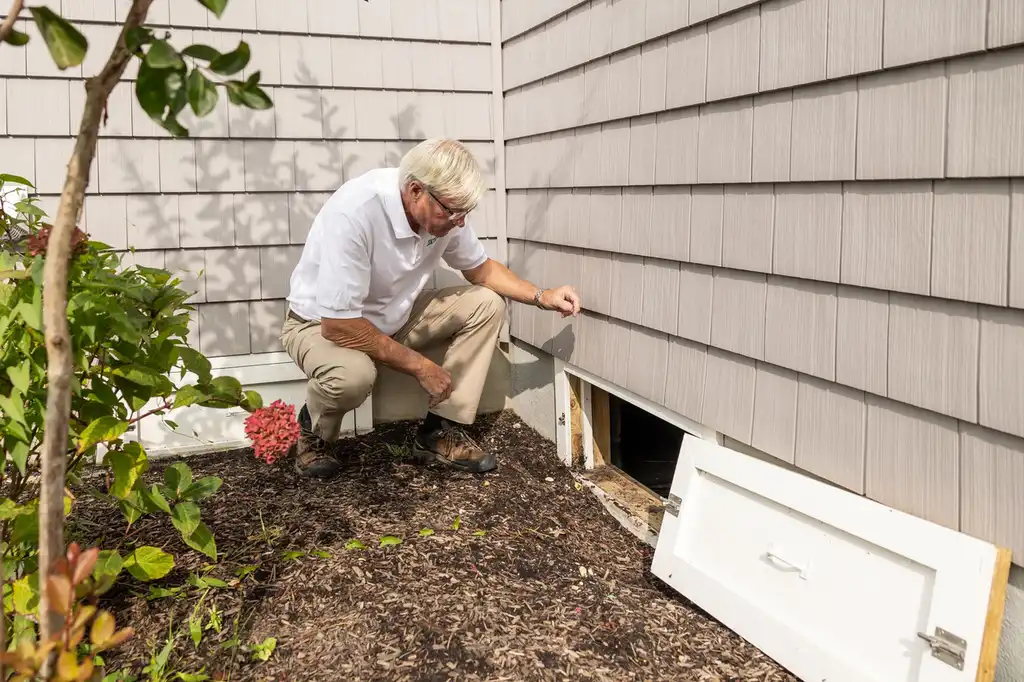
Crawl space mold in Camelback Corridor homes often comes from poor drainage or high soil moisture. We inspect with boroscopes and moisture meters, then remove mold from joists and subfloor.
Bathroom mold in Camelback Corridor condos and homes usually starts around shower pans, grout lines, and exhaust fans.
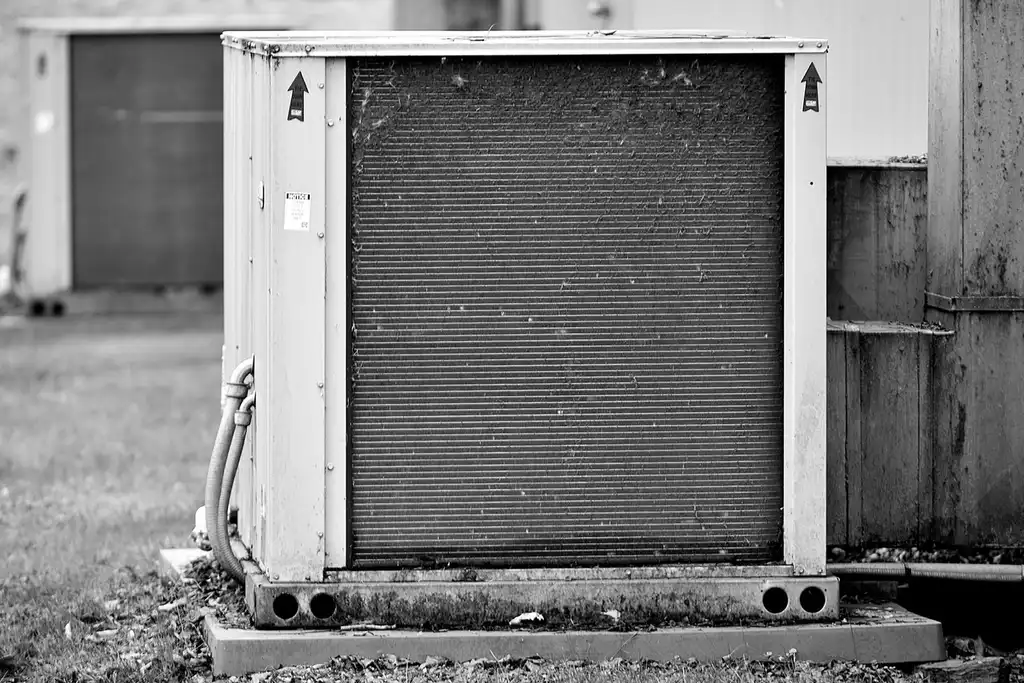
HVAC mold in Camelback Corridor homes and condos spreads spores through every room. We inspect air handlers, ductwork, and coils with boroscopes and moisture meters.
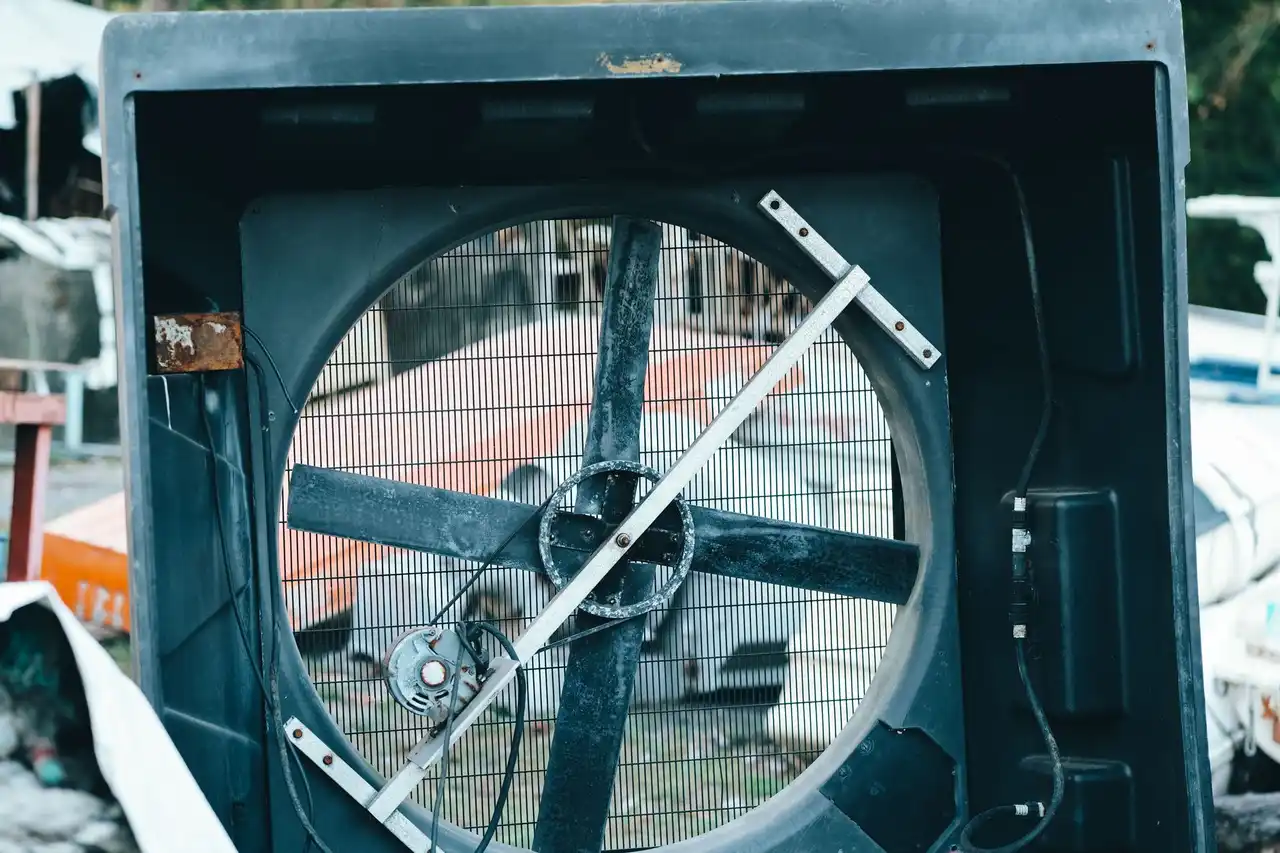
Swamp cooler mold in Camelback Corridor is a seasonal problem, especially in older homes that still run evaporative cooling. We inspect the cooler pan, pads, and ductwork for mold growth.
Water damage mold cleanup in Camelback Corridor starts with finding the leak. We use thermal imaging cameras and moisture meters to trace water behind walls and under floors.
Post-monsoon mold cleanup in Camelback Corridor runs from July through September. After a storm, we inspect attics, ceilings, and exterior walls for water intrusion.
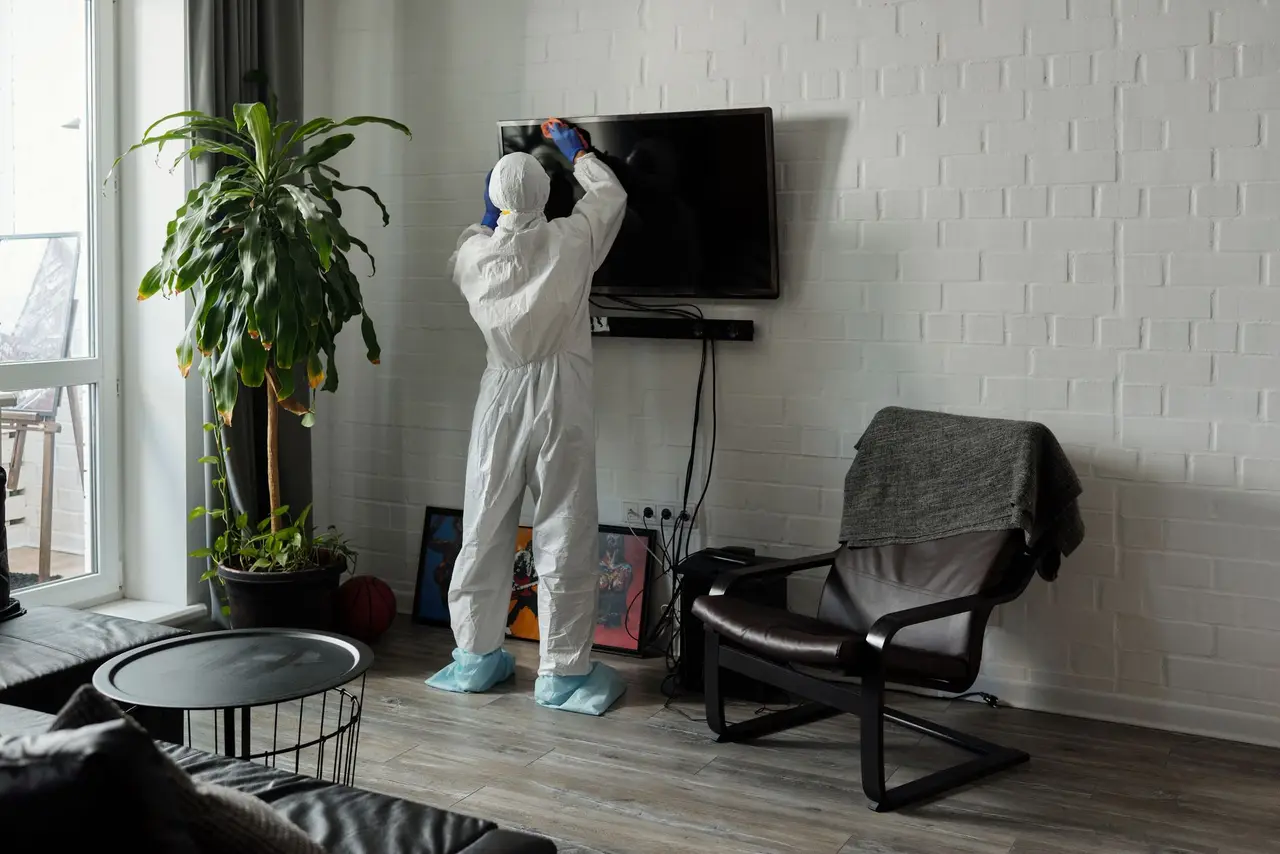
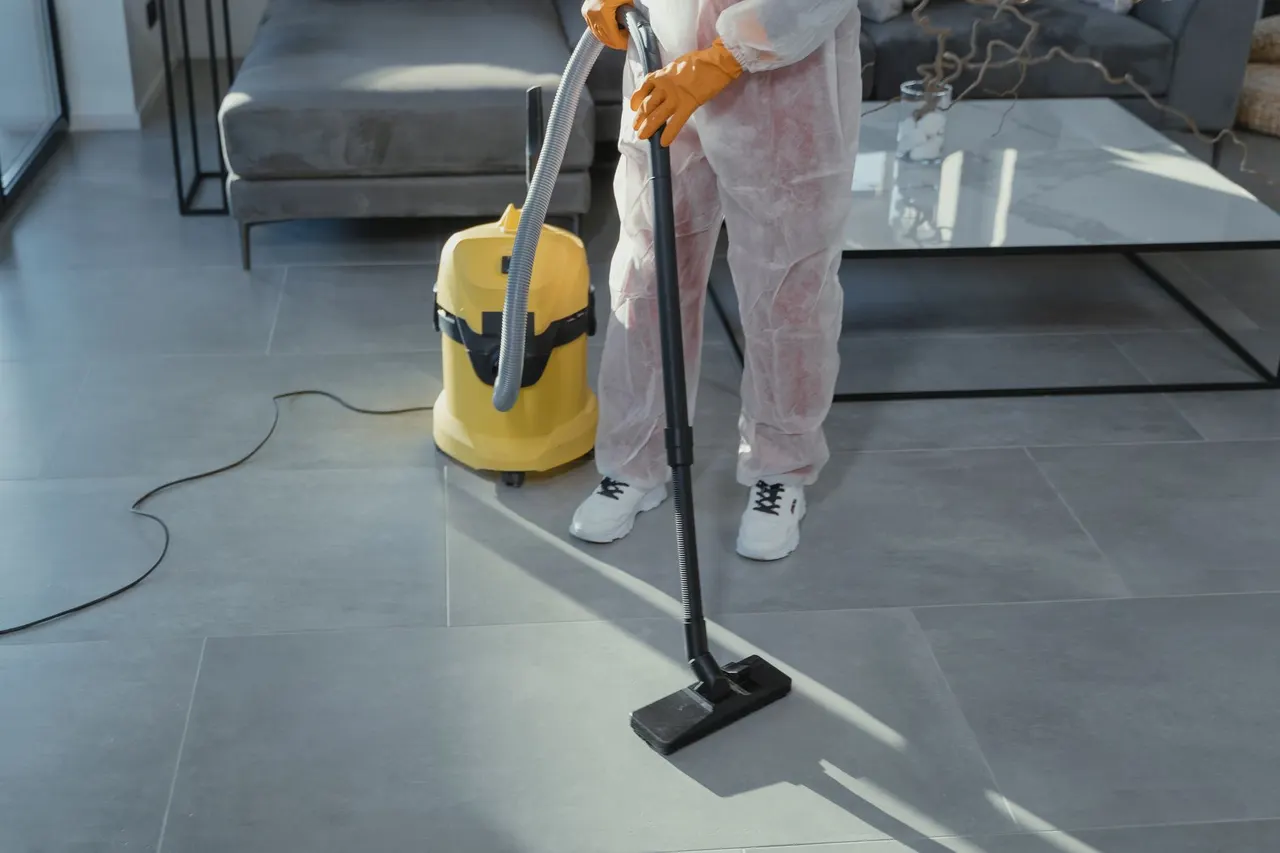
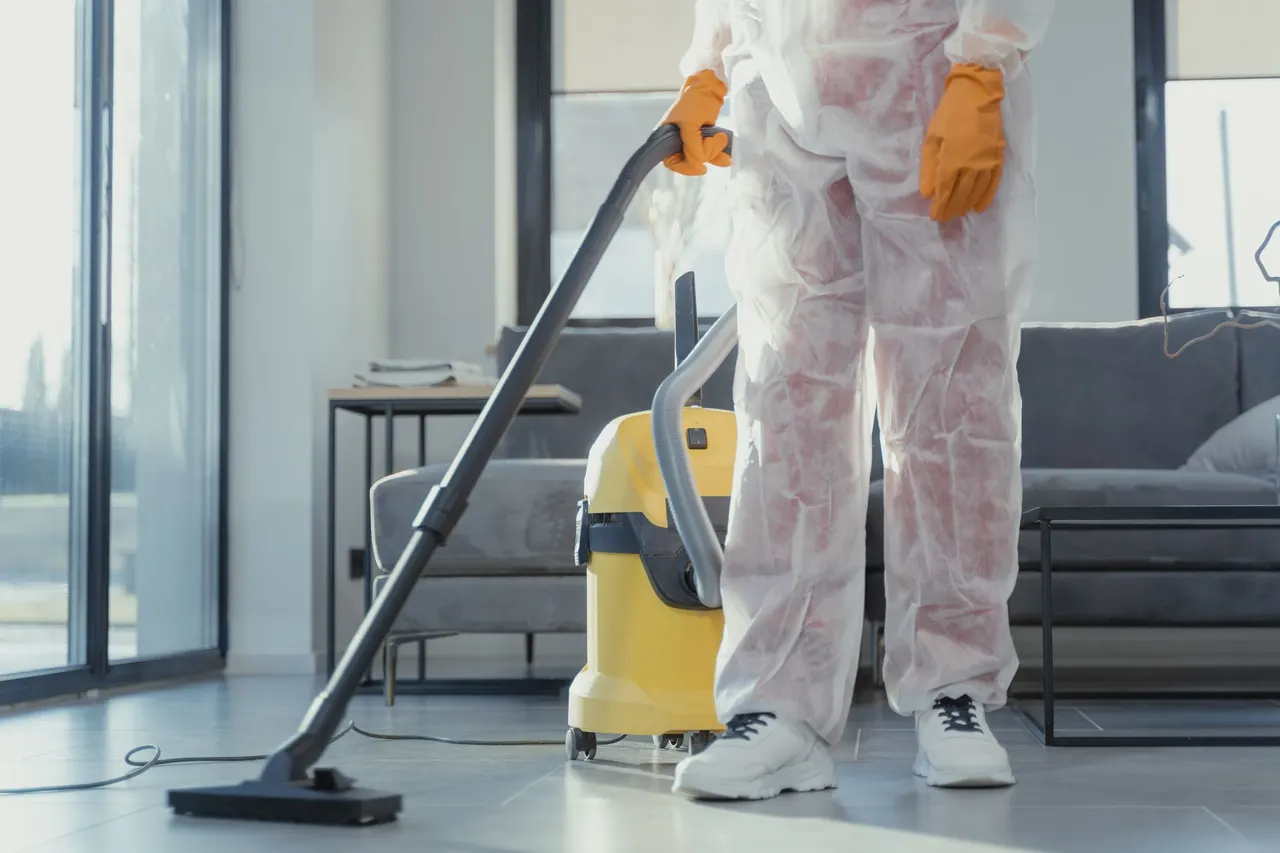
Mold abatement in Camelback Corridor means removing mold and the conditions that feed it. We set up containment barriers, run negative air machines, and use HEPA vacuums to clean surfaces.
Pick a service to see how we approach it here.
Camelback Corridor condos and townhomes often hide mold behind shared walls and vanities. We inspect with moisture meters and thermal cameras to map the spread. Then we contain the area and remove mold at the source.
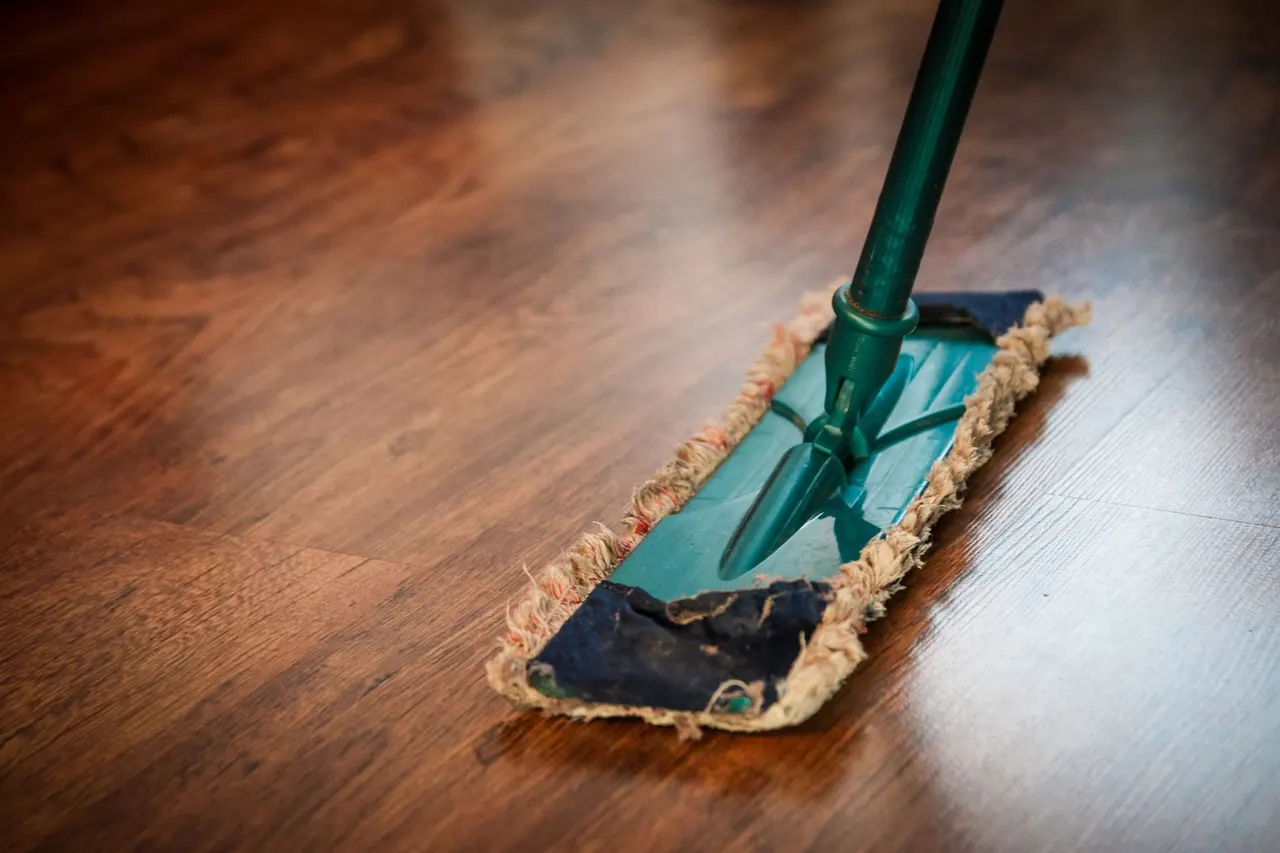
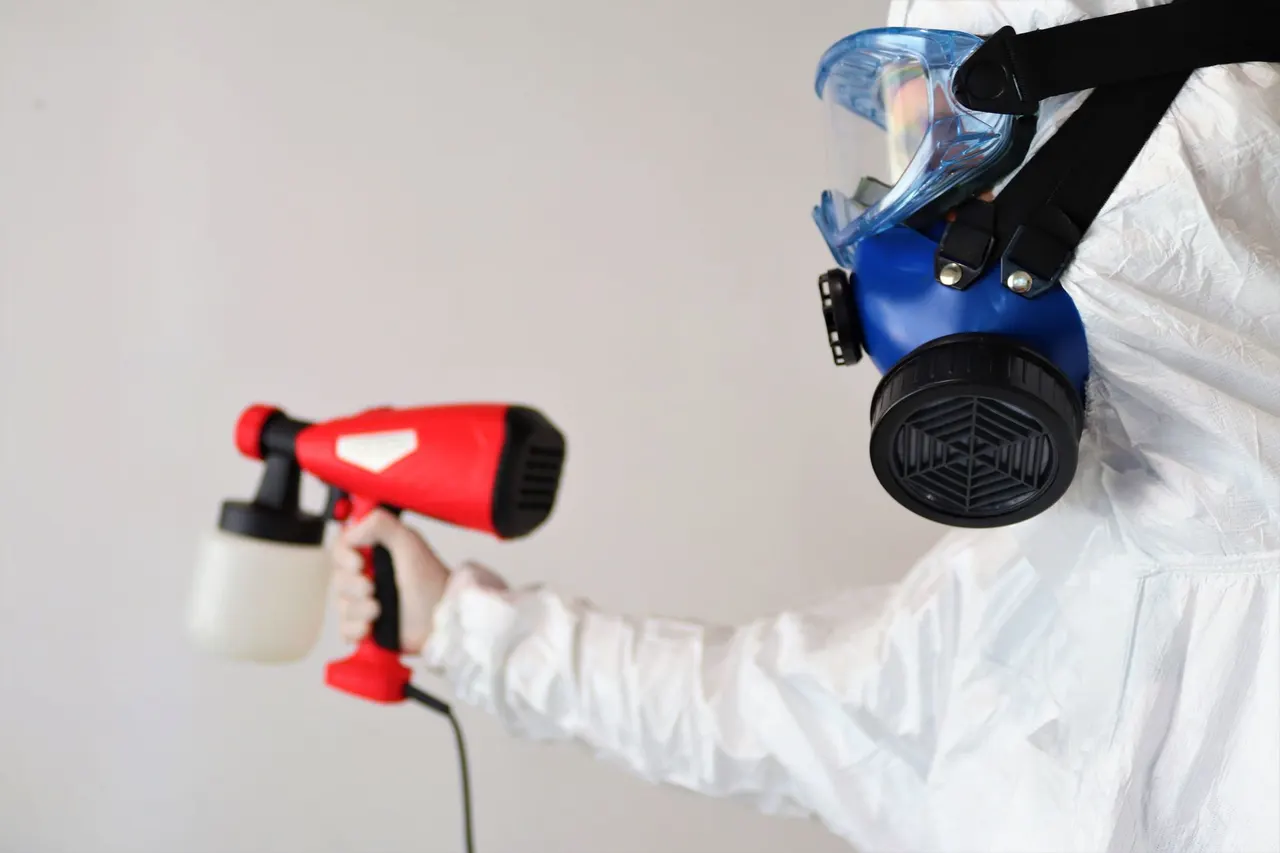
Remediation in Camelback Corridor means treating the mold and fixing the moisture. We use antimicrobial spray and encapsulant coating on affected surfaces. We also document every step for HOA and insurance.
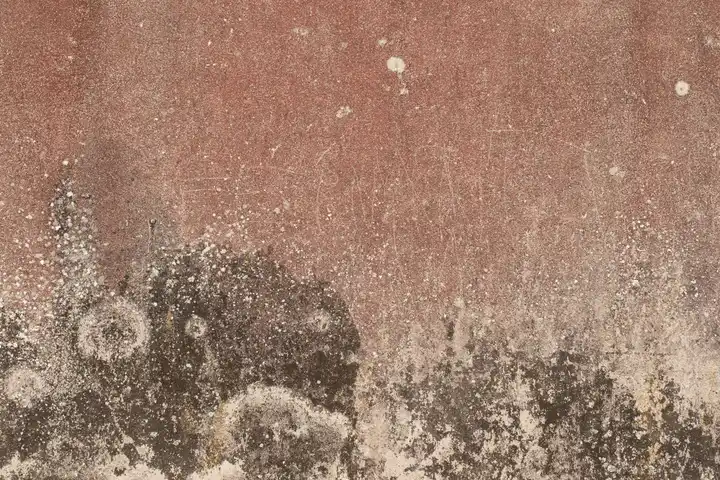
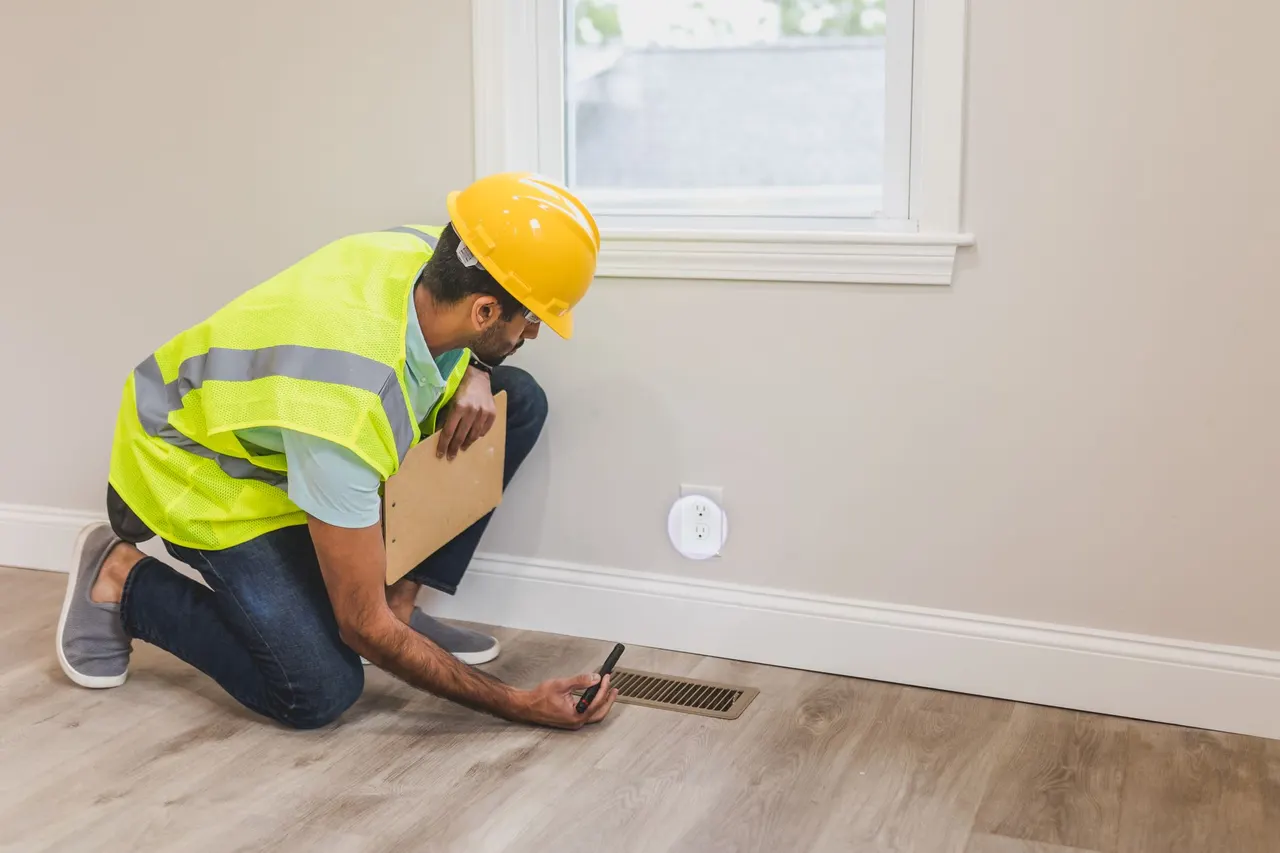
Our Camelback Corridor inspections cover attics, crawl spaces, HVAC closets, and shared walls. We use boroscopes and thermal cameras to find hidden moisture. You get a written report with photos and readings.
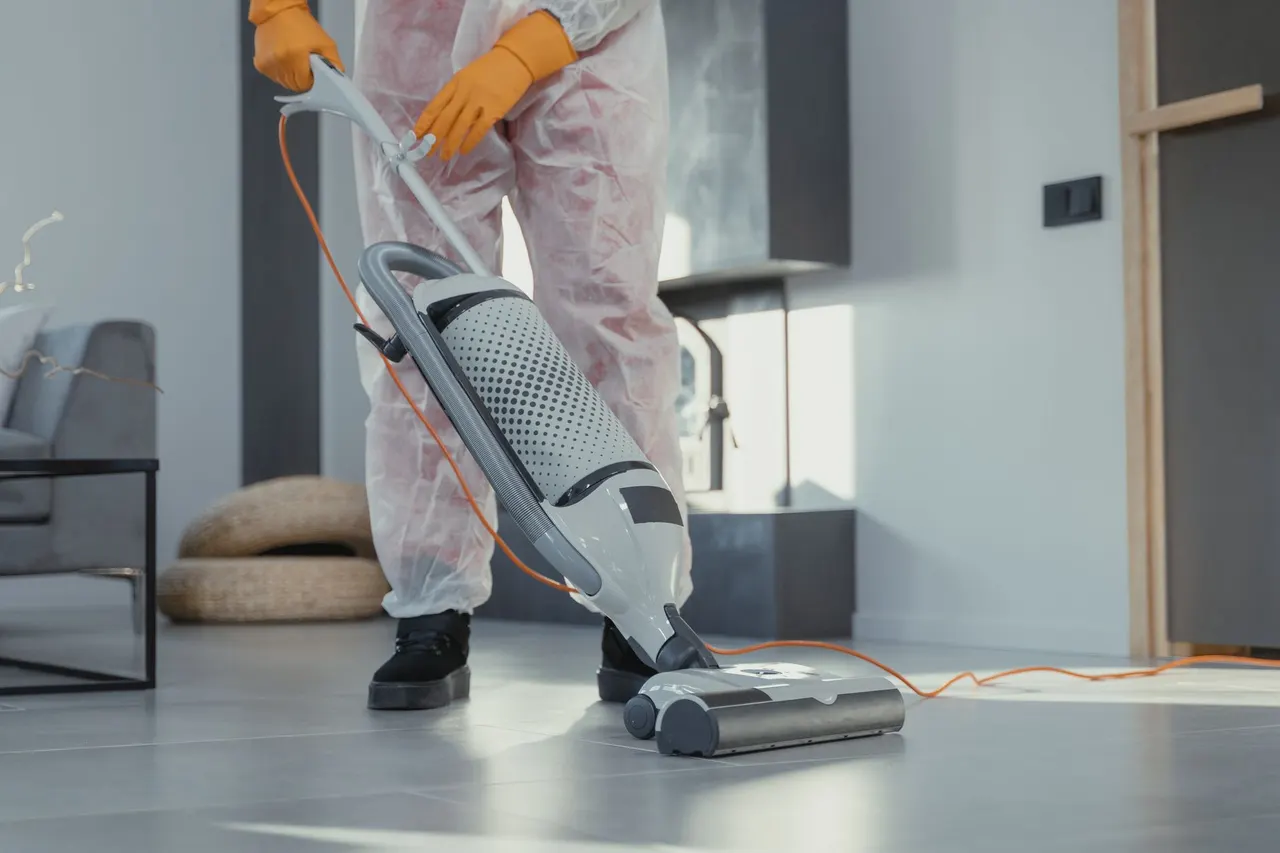
Mold testing in Camelback Corridor tells you what type of mold you have and how far it has spread. We take air and surface samples and send them to a lab. Results usually come back in two to three business days.
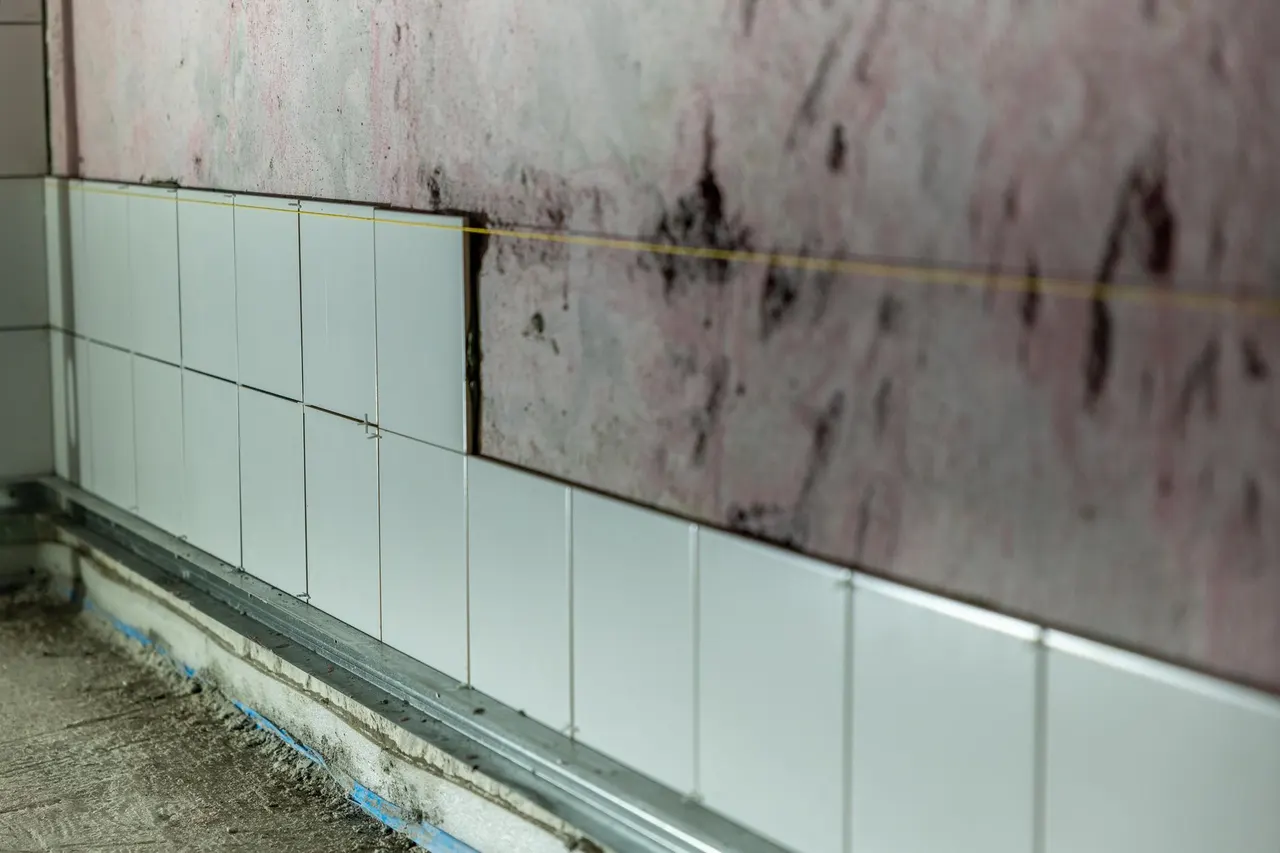
Condo and townhome work focuses on shared walls and HOA coordination. Commercial jobs need after-hours scheduling.
We work in Arcadia ranches, Biltmore condos, and Camelback East townhomes. Each type has its own moisture issues.
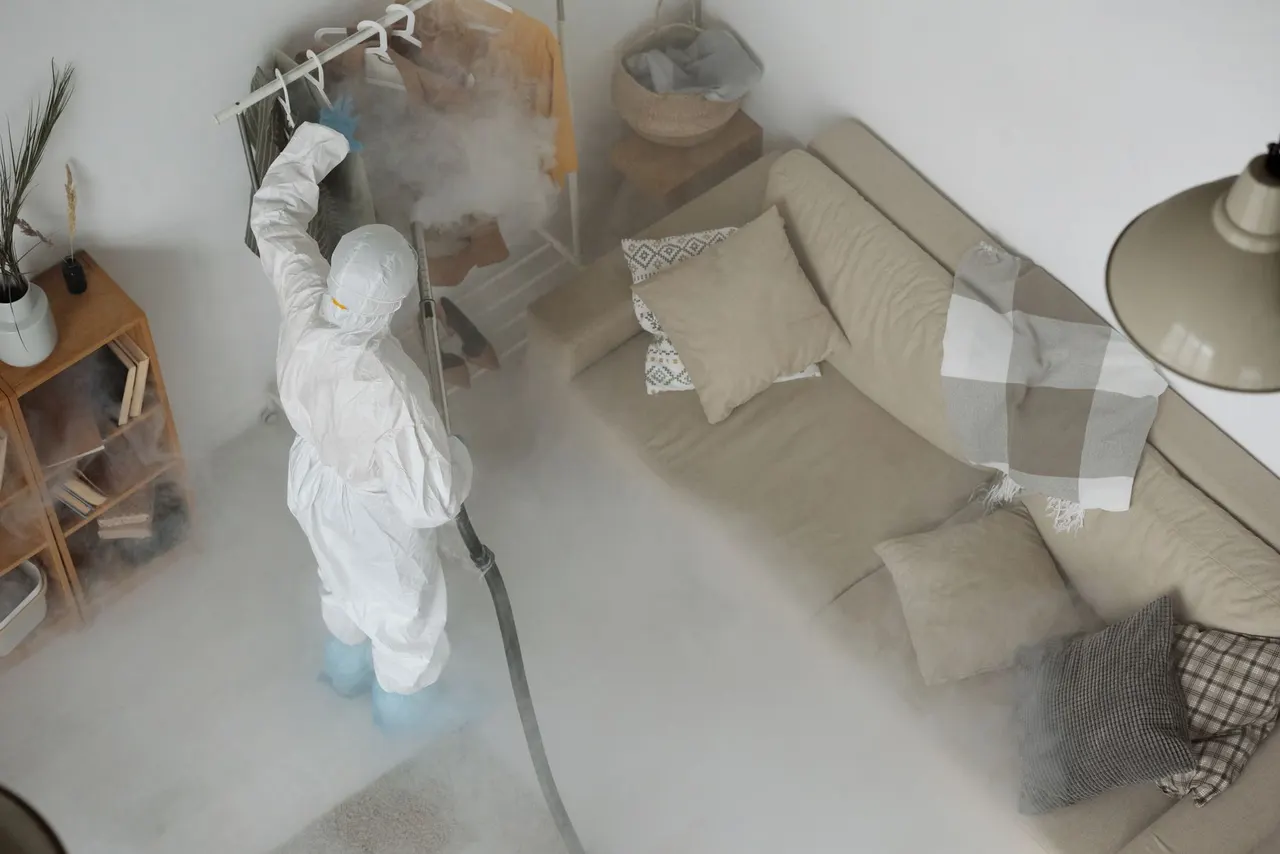
We handle offices, restaurants, and retail spaces along Camelback Road. We schedule work to avoid disrupting your business.
Camelback Corridor has a specific set of conditions that lead to mold: monsoon moisture, aging plumbing, and complex HVAC systems. Older luxury properties in the 85016 and 85018 ZIP codes often have original pipes that weep slowly behind walls.
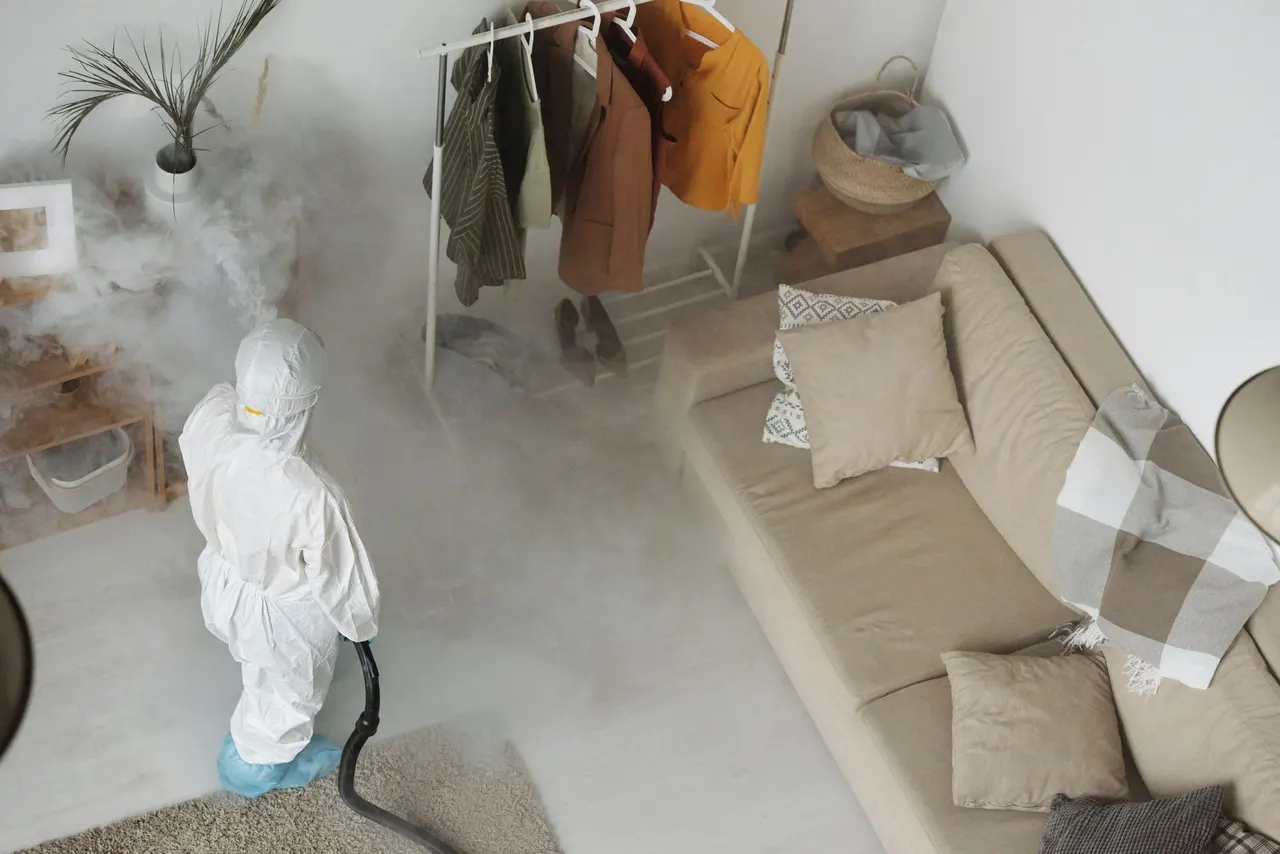
Summer monsoon storms push water through aging roof flashings and vents. In Arcadia and Camelback East, attics stay warm and humid, which is ideal for mold growth.
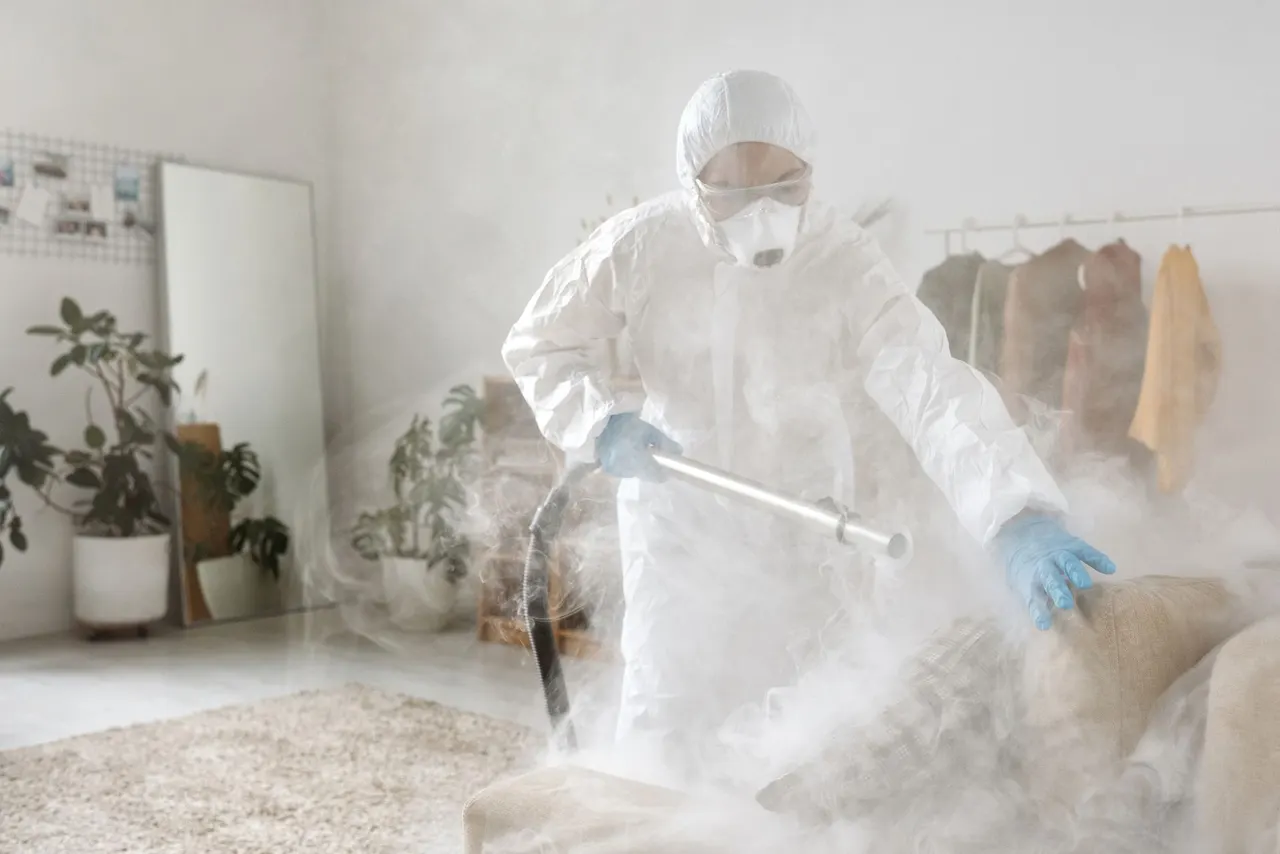
Biltmore and Camelback Corridor condos share plumbing walls. A slow leak in one unit can feed mold in the neighboring unit for months before anyone notices.
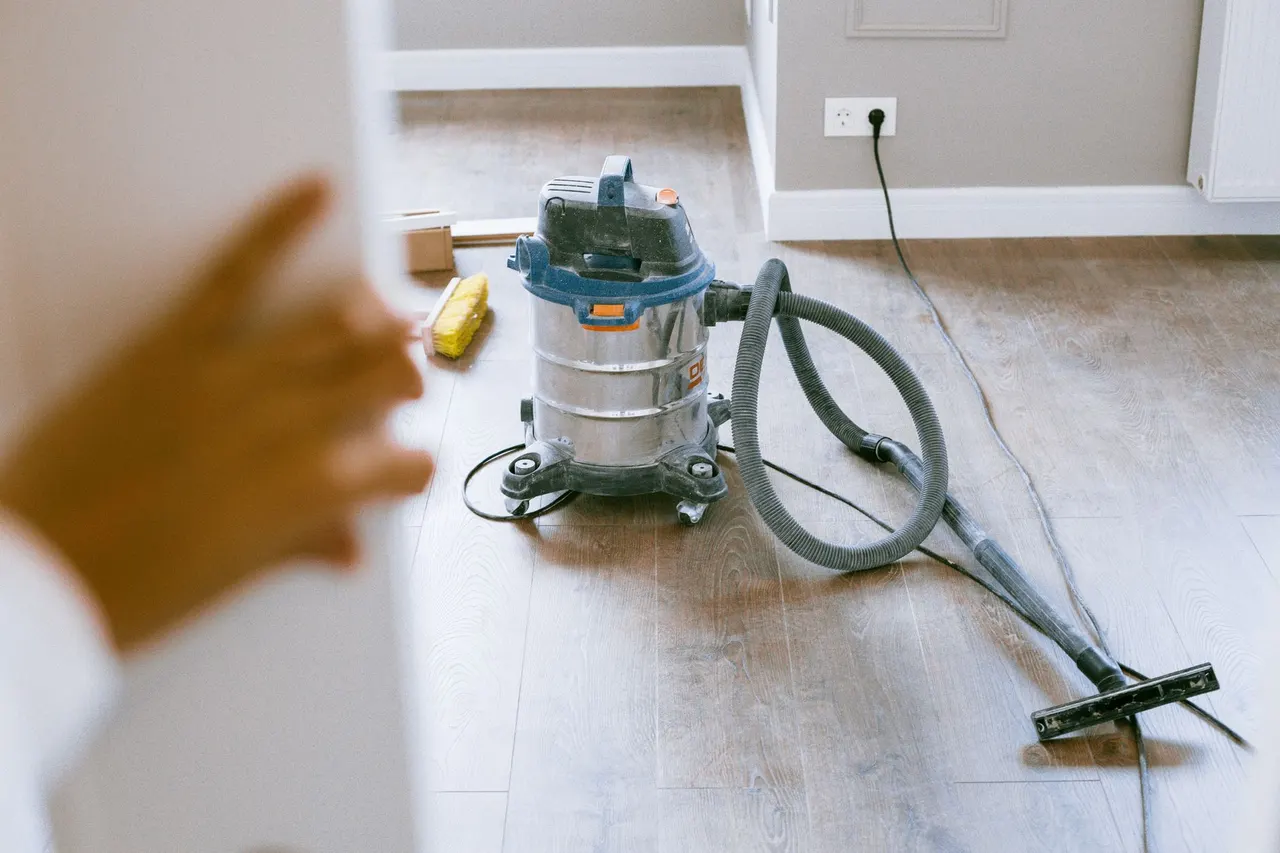
Homes near Camelback Mountain often have multi-zone HVAC systems. Clogged condensate lines and dirty coils can grow mold that spreads spores through the house.
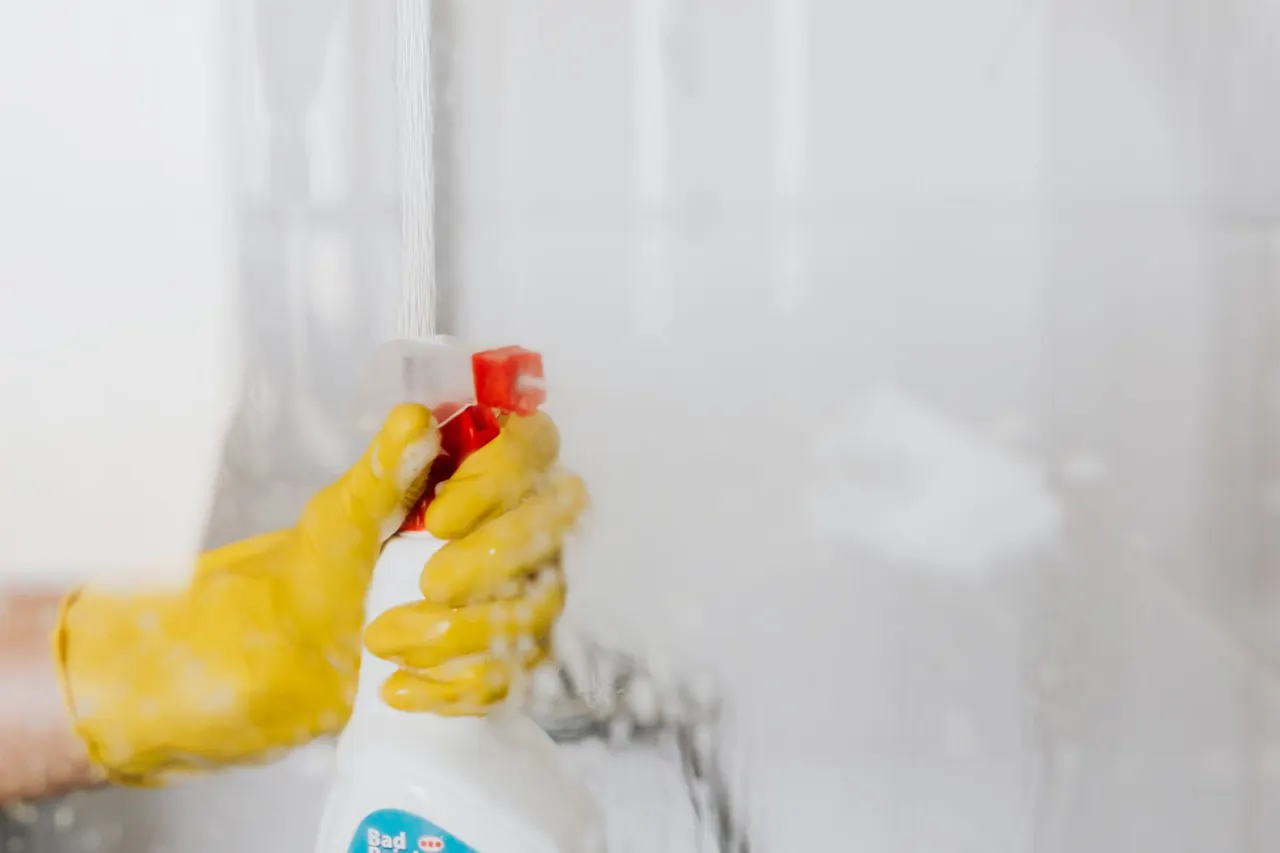
Some older Camelback Corridor homes still use evaporative coolers. The pan and pads can grow mold, and when the cooler runs, spores spread through the ductwork.
If you notice these signs, it is time to call for an inspection.
Any one of these is worth a call.
Nothing picked yet. Tap the signs you have noticed and this box will sum them up.
Camelback Corridor runs along Camelback Road and the streets that branch off it. We use landmarks like Biltmore Fashion Park and Camelback Mountain to orient our crews and give accurate arrival times.
Landmark
This shopping center at 24th Street and Camelback Road is a central reference point for condo and commercial calls in the Biltmore area.
Landmark
The mountain marks the northern edge of the corridor. Homes on its slopes often have complex rooflines and crawl spaces we inspect for moisture.
Landmark
The resort near 24th Street and Missouri Avenue helps us locate nearby residential streets and coordinate access for condo calls.
Landmark
The park at Lincoln Drive and Squaw Peak Drive is a reference point for homes in the Piestewa Peak area. We plan around trailhead traffic on weekends.
Landmark
This resort near Camelback Road and 60th Street helps us orient calls on the eastern side of the corridor.
Commercial area
The area around Biltmore Fashion Park includes office buildings, restaurants, and retail spaces. We handle commercial mold calls here after hours to avoid disrupting business.
Commercial area
Camelback Road is lined with shops, restaurants, and professional offices. We work with property managers on containment and scheduling for these spaces.
Transit
The SR-51 freeway runs along the eastern edge of the corridor. We use it to reach Arcadia and Camelback East calls quickly.
Camelback Corridor has a desert climate, but that does not mean mold takes the winter off. Monsoon season drives summer mold calls, while winter visitors and closed-up condos create their own moisture problems. Here is what we see across the year.
Our Camelback Corridor crews also cover nearby Phoenix neighborhoods and suburbs. If you are just outside the corridor, we can still help. Here are a few areas we serve regularly.
Straight answers to what people ask first.
Yes, we provide mold removal in Camelback Corridor and the 85014 ZIP code, along with 85016, 85018, 85008, and 85251. Our crews work across Biltmore, Arcadia, Camelback East, and Piestewa Peak. We handle condos, townhomes, and single-family homes. Call us for a free inspection and estimate.
Most Camelback Corridor HOAs require advance notice and proof of insurance before mold remediation begins. Some also require documentation of the moisture source. We provide written reports and coordinate with property managers so your project stays on schedule. We can also recommend language for your HOA request.
Shared-wall leaks, clogged HVAC condensate lines, and monsoon water intrusion are the top causes. In Biltmore and Camelback East, we often find mold behind vanities from slow supply-line leaks. Closed-up units in winter also trap humidity, which feeds mold in bathrooms and closets.
First, document the damage with photos and notify your HOA. Then call us for an inspection. We use thermal cameras and boroscopes to check both sides of the shared wall. We provide a written report you can share with your neighbor and the HOA. We can also coordinate access with the property manager.
Clear personal items from the affected area and remove pets if possible. We handle containment and protection for floors and furniture. If you have an HOA, let them know the work dates. We will confirm parking and elevator access before we arrive. Most jobs take one to three days depending on the extent.
If you have spotted mold or noticed a musty odor in your Camelback Corridor home or business, call us. We provide free inspections, written estimates, and documentation for HOA and insurance claims.
Call 1234567890 or email info@azmoldremoval.com and we will get you on the schedule. We answer the phone during business hours, and if you leave a message after hours we call back the next morning. Tell us what you are seeing, smelling or feeling, and we will tell you what the next step looks like.