For Homes
We handle mold in houses, condos, and apartments across Phoenix. From attic growth to bathroom mold, we find the source and remove it.
- Attic mold from swamp cooler leaks
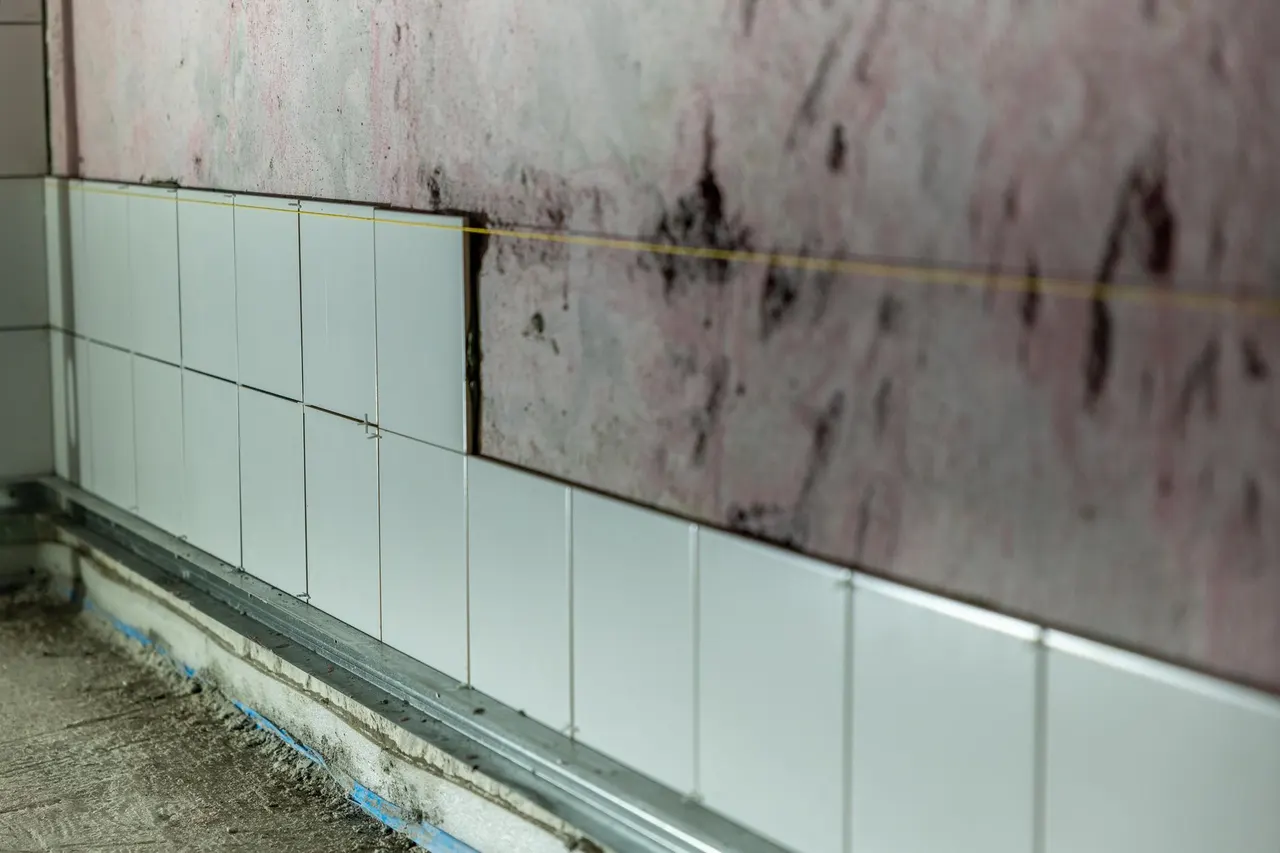
- Bathroom mold behind tile
- Crawl space mold from plumbing leaks
Mold Remediation Phoenix AZ is what we do every day. From post-monsoon attic growth to slab leak mold in Maryvale, our team finds the source, contains it, and removes it. We handle mold cleanup in Phoenix for homeowners, landlords, and property managers who need it done right the first time.
 Moisture readingsContainment setupPhoto documentation
Every mold remediation job includes inspection, containment, removal, treatment, and verification. We list exactly what we do so you know what you are paying for. If you need additional services like duct cleaning or reconstruction, we will tell you upfront.
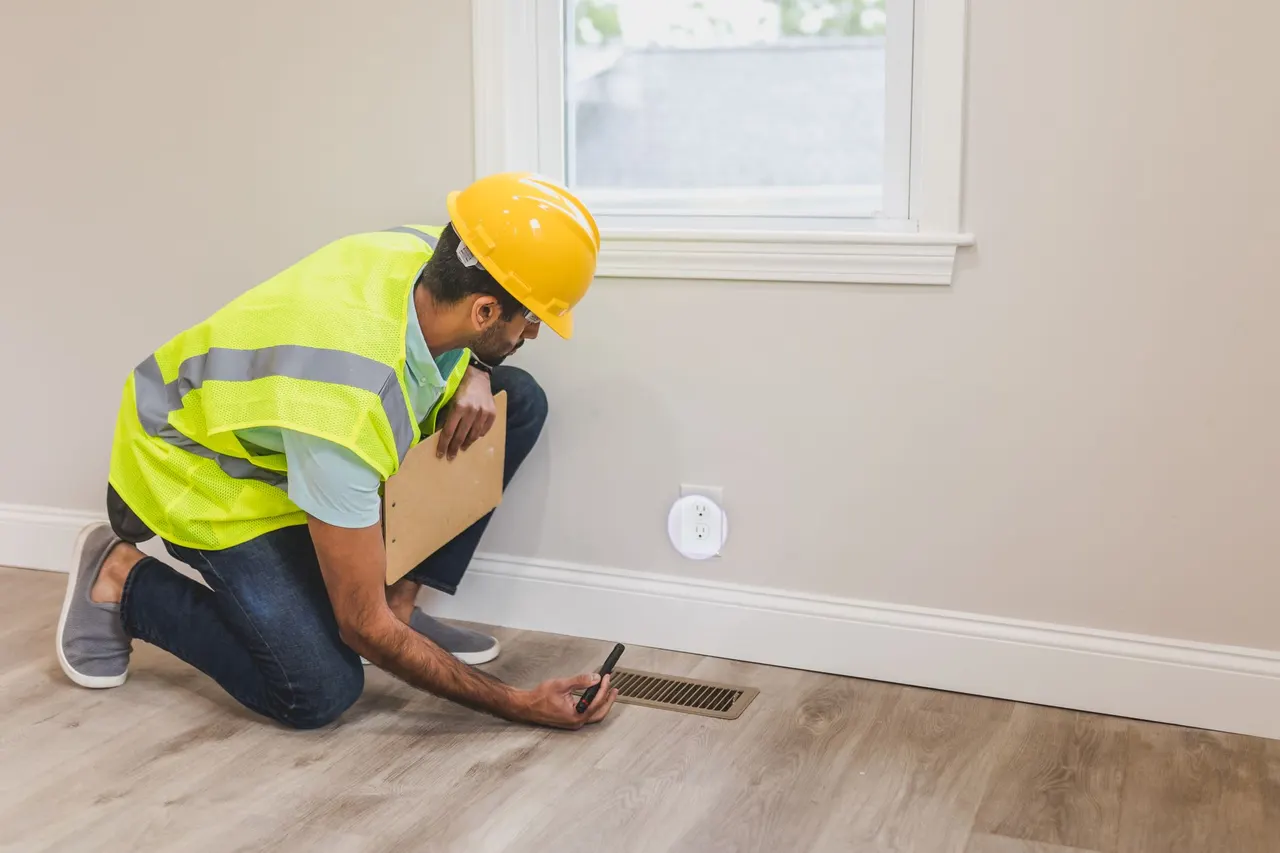
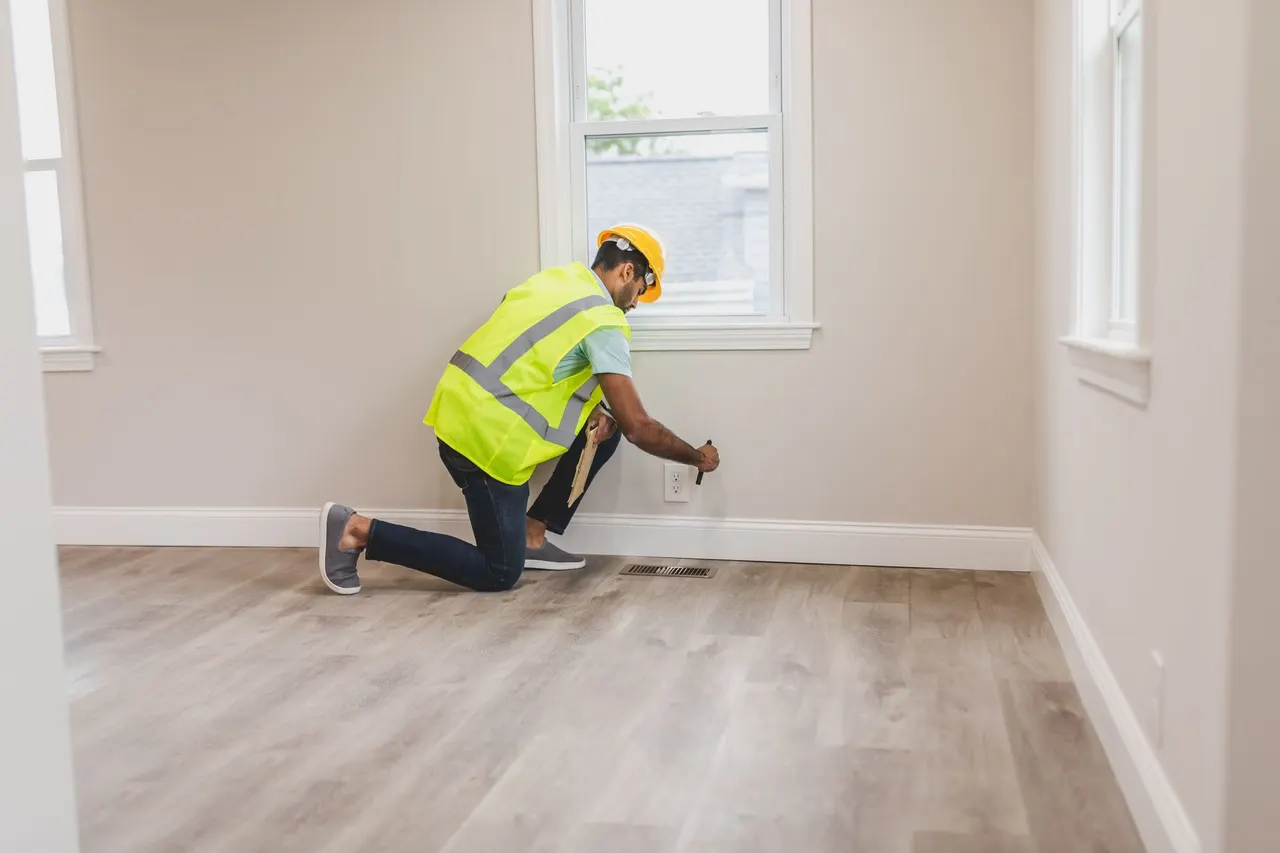
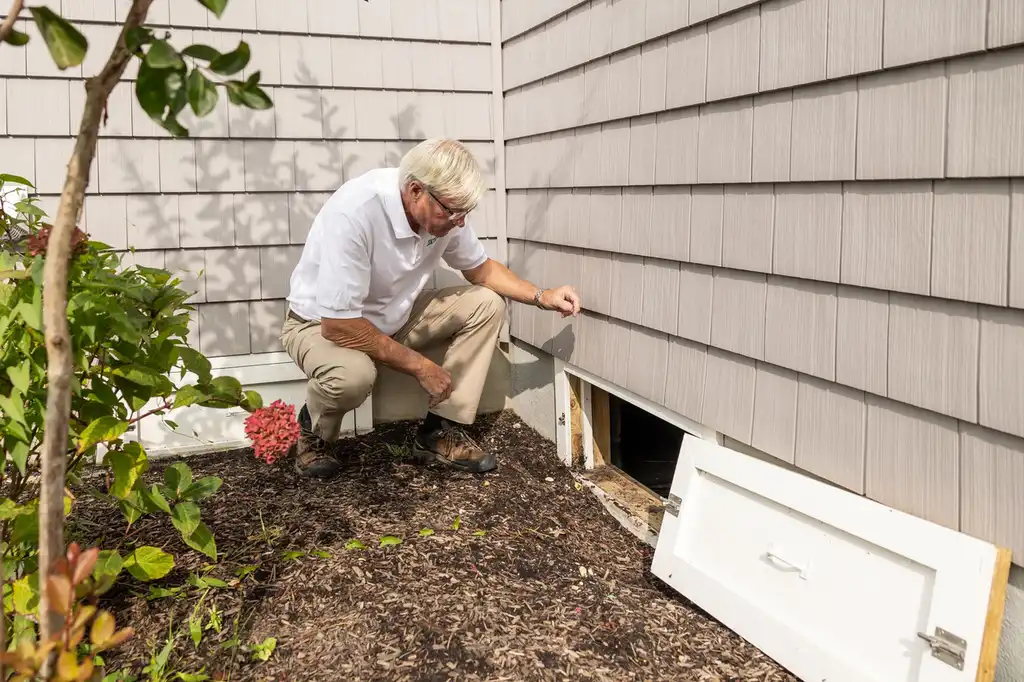
We use moisture meters, thermal imaging cameras, and boroscopes to find all affected areas. We check attics, crawl spaces, bathrooms, and HVAC closets. You get a written summary of findings before we start.
We build poly sheeting barriers and run negative air machines with HEPA filters. This keeps spores from spreading. We also lay protective coverings on floors and furniture. Setup takes 1 to 2 hours.
We remove mold-damaged drywall, insulation, and framing. Everything goes into sealed bags for disposal. We do not leave contaminated materials on site. This is the core of the remediation work.
We apply antimicrobial spray to all exposed surfaces. For porous materials we cannot remove, we use an encapsulant coating. We use products from Fiberlock, Concrobium, and Benefect. This step stops mold from returning.
We re-check moisture levels and visually inspect every treated surface. You get a photo log, moisture readings, and a written report. If you want third-party clearance testing, we can coordinate it.
We tell you what to monitor and when to call us back. That includes fixing the water source, improving ventilation, and controlling humidity. We give you a written list of next steps.
The approach is the same for a home and a business. What changes is the access, the schedule and who needs the paperwork.
We handle mold in houses, condos, and apartments across Phoenix. From attic growth to bathroom mold, we find the source and remove it.
We work with property managers, landlords, and business owners. We schedule after hours to minimize disruption and provide full documentation.
A plain-language look at what Mold Remediation involves and when it is needed.
See how it worksMold Remediation Phoenix AZ is the process of containing, removing, and treating mold growth at the source so it does not come back. It is not a bleach wipe-down. We set up containment barriers, run air scrubbers and negative air machines, and use moisture meters and thermal imaging cameras to find water you cannot see. Then we remove affected materials, treat the structure, and document every step.
Phoenix homes deal with mold in ways other cities do not. Swamp cooler mold shows up every summer. Post-monsoon mold hits after August storms. Slab leaks feed hidden growth under tile floors. Our mold remediation services in Phoenix are built around these local problems, not a generic checklist.
Mold remediation means finding the water source, removing the mold, and treating the structure so it does not return.
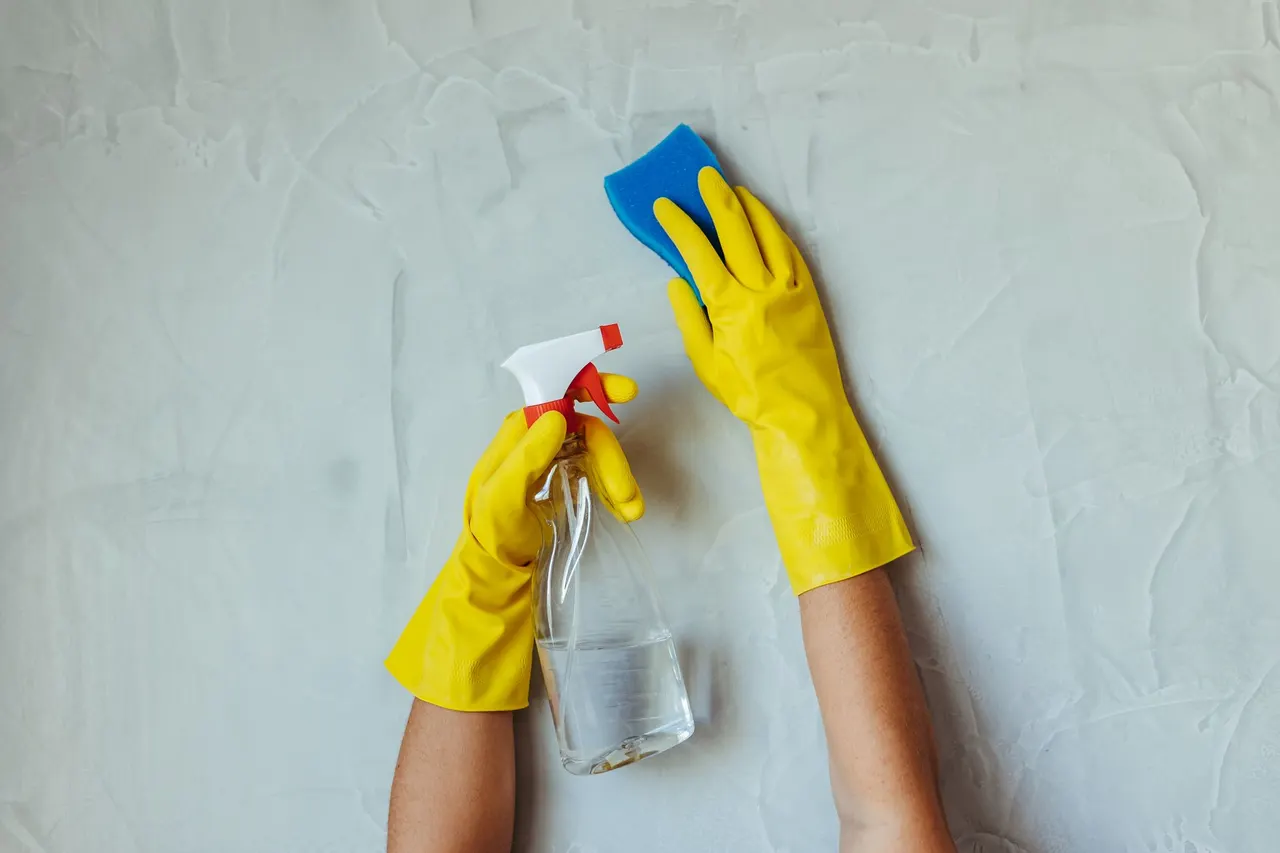
Every job follows the same five steps. The scope changes, the order does not. Here is what happens from the first call to the final walkthrough.
A mold remediation specialist Phoenix walks the property with a moisture meter, thermal imaging camera, and boroscope. We check attics, crawl spaces, bathrooms, and HVAC closets. If needed, we take air samples. You get a written findings summary before any work begins. This usually takes 45 to 90 minutes.
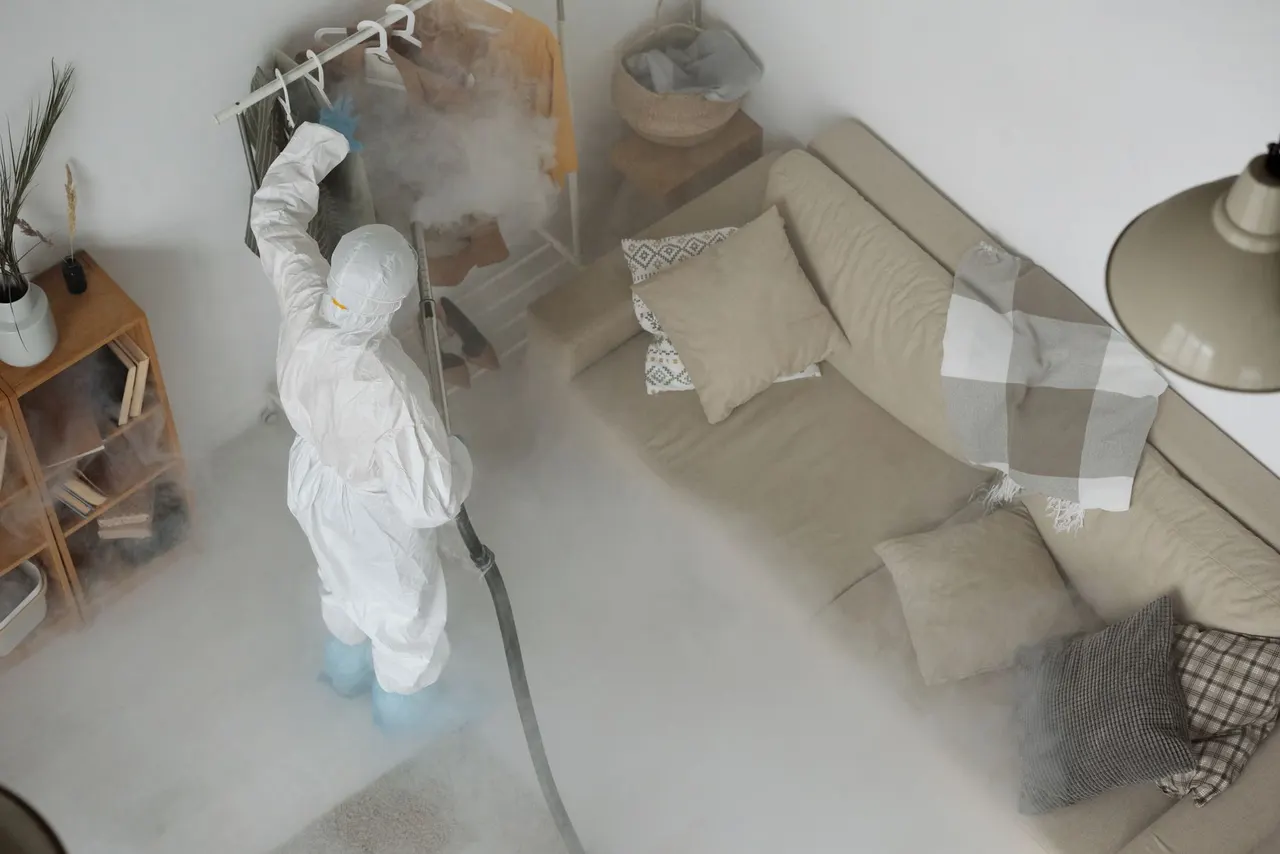
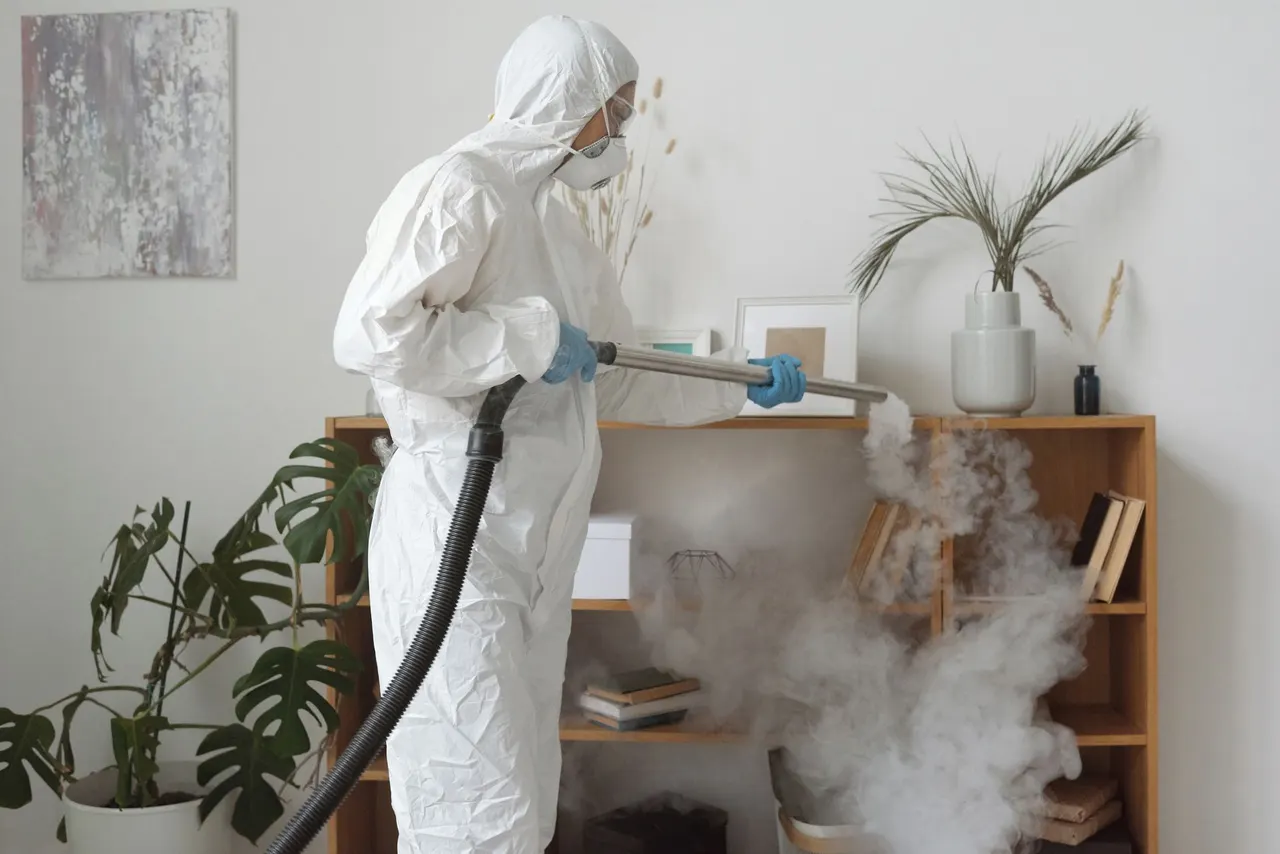
We seal off the affected area with poly sheeting and duct tape, then install a negative air machine with HEPA filters. This keeps spores from spreading to clean rooms. We also lay down protective floor coverings. Setup takes 1 to 2 hours depending on the size of the affected area.
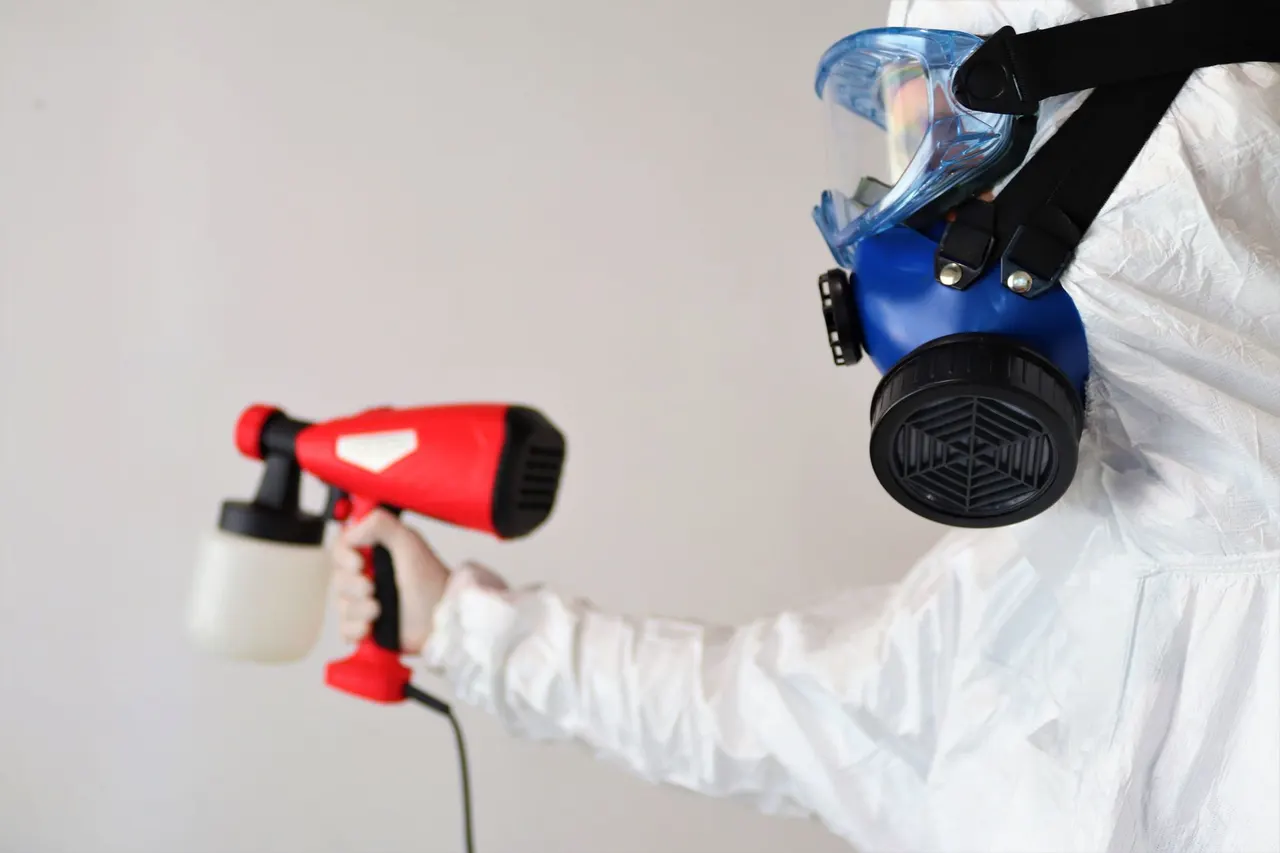
We remove mold-damaged drywall, insulation, and framing using HEPA vacuums and hand tools. Everything goes into sealed bags. We do not just spray and paint over mold. If the drywall is soft or stained, it comes out. This is the loudest, dustiest part of the job.
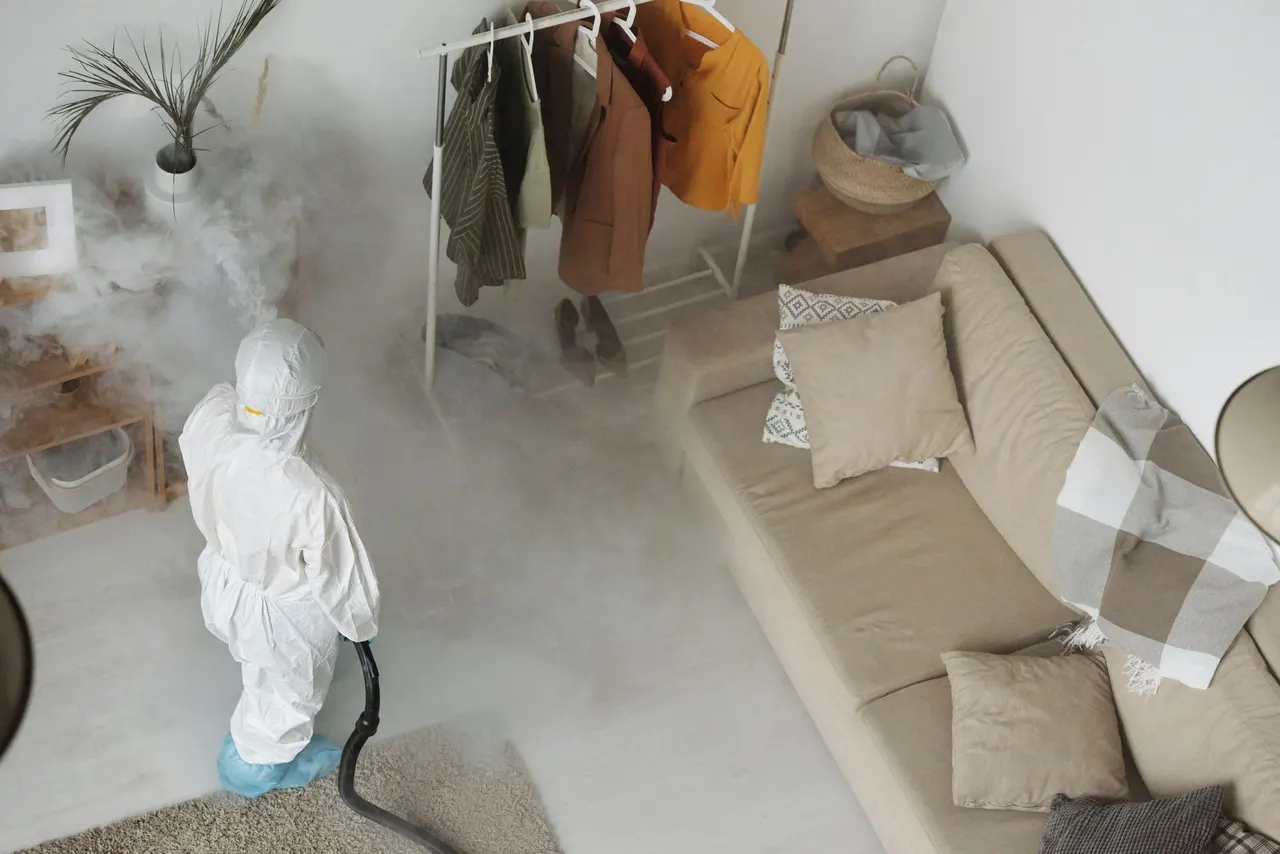
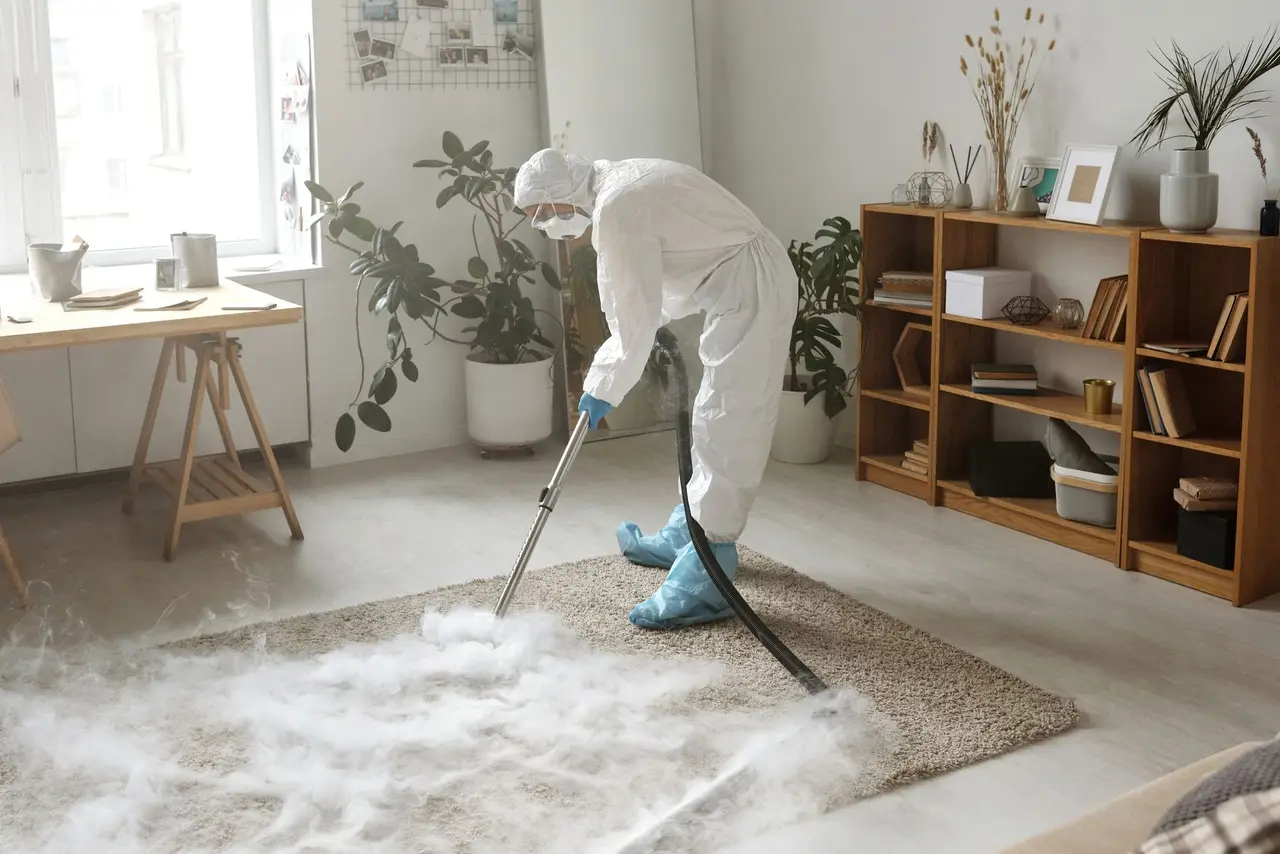
We apply antimicrobial spray on all exposed framing and surfaces. For porous materials we cannot remove, we use an encapsulant coating. We run air scrubbers for 24 to 48 hours to pull remaining spores out of the air. This is the mold remediation and sanitization Phoenix AZ step most companies skip.
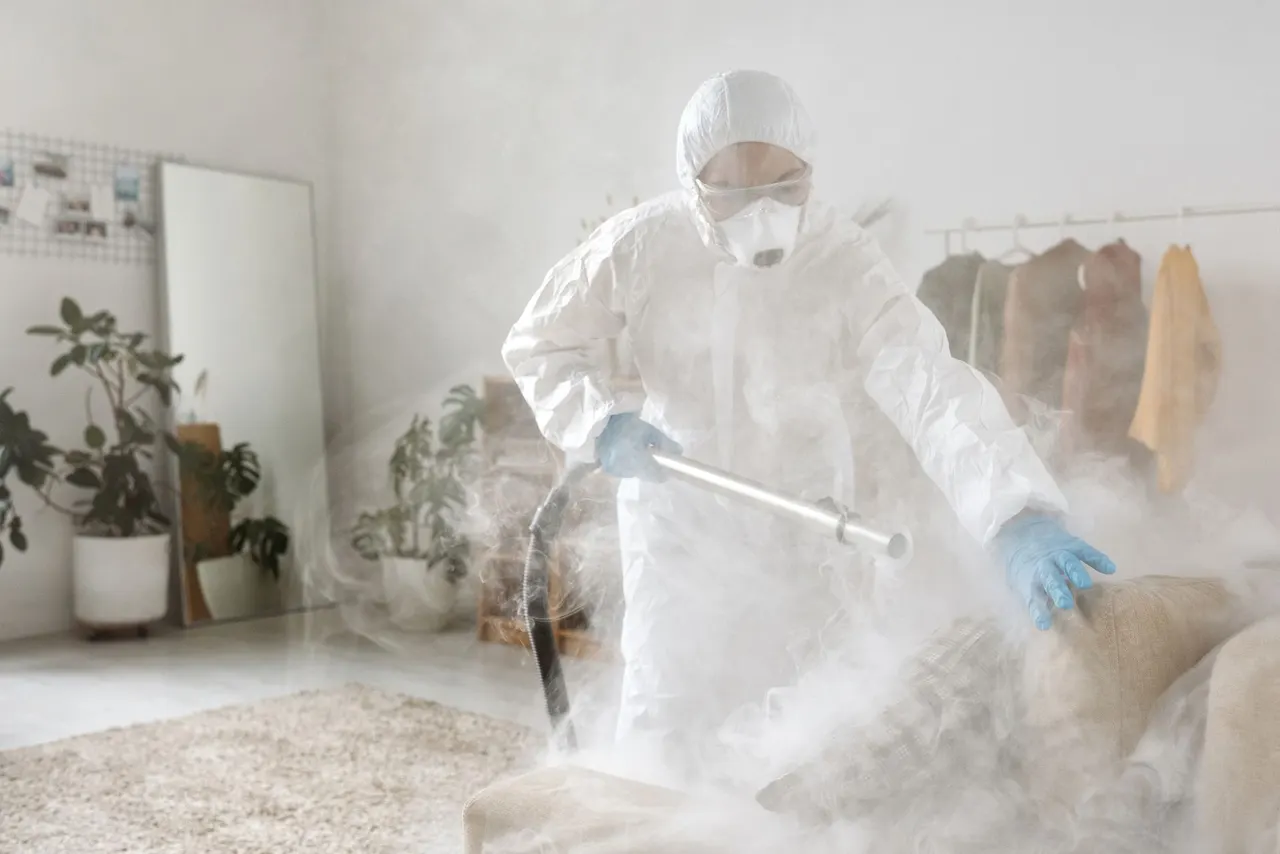
We re-check moisture levels with a moisture meter and visually inspect every treated surface. If you want third-party clearance testing, we can coordinate that. We walk you through the space, show you the photos, and hand you the documentation. Most jobs wrap in 2 to 5 days.
Move across a circle, or focus it and press Enter, for an illustrative thermal view of the photograph.
We use moisture meters to find hidden water in drywall, framing, and subfloor. This tells us where mold is likely growing.
Thermal cameras show temperature differences that indicate moisture. We use them to scan walls, ceilings, and floors without cutting into them.
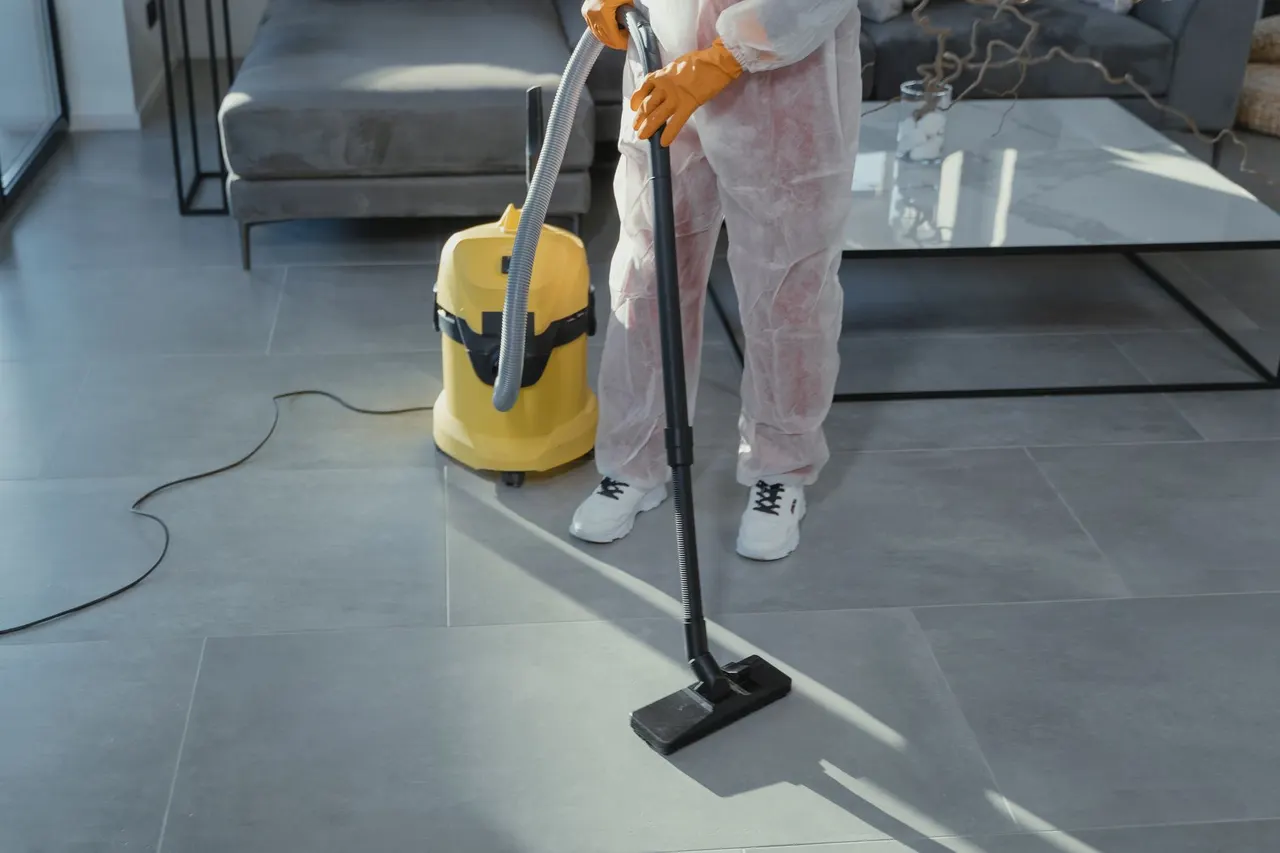
Air scrubbers with HEPA filters pull mold spores out of the air. We run them during and after remediation to improve air quality.
Negative air machines create pressure differences that keep spores inside containment. We use them on every job to prevent cross-contamination.
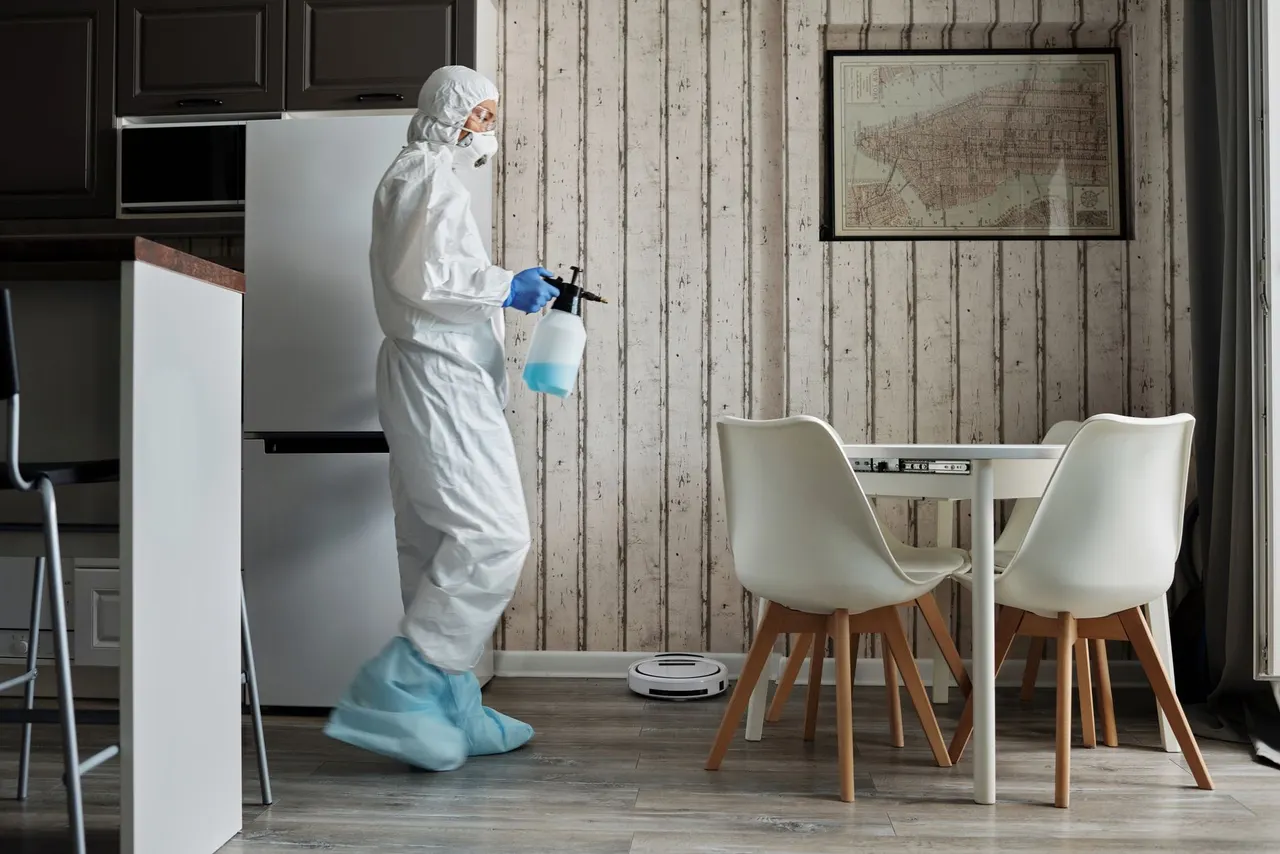
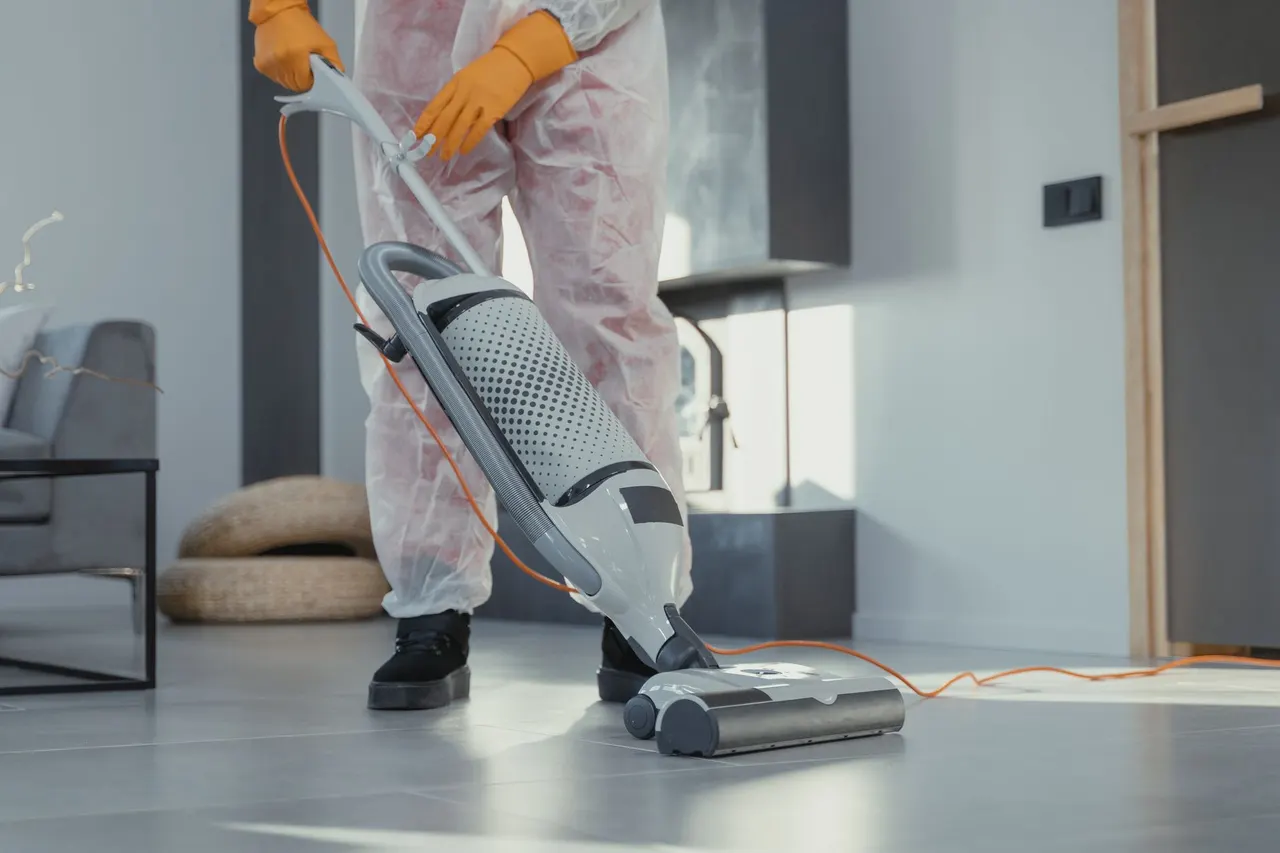
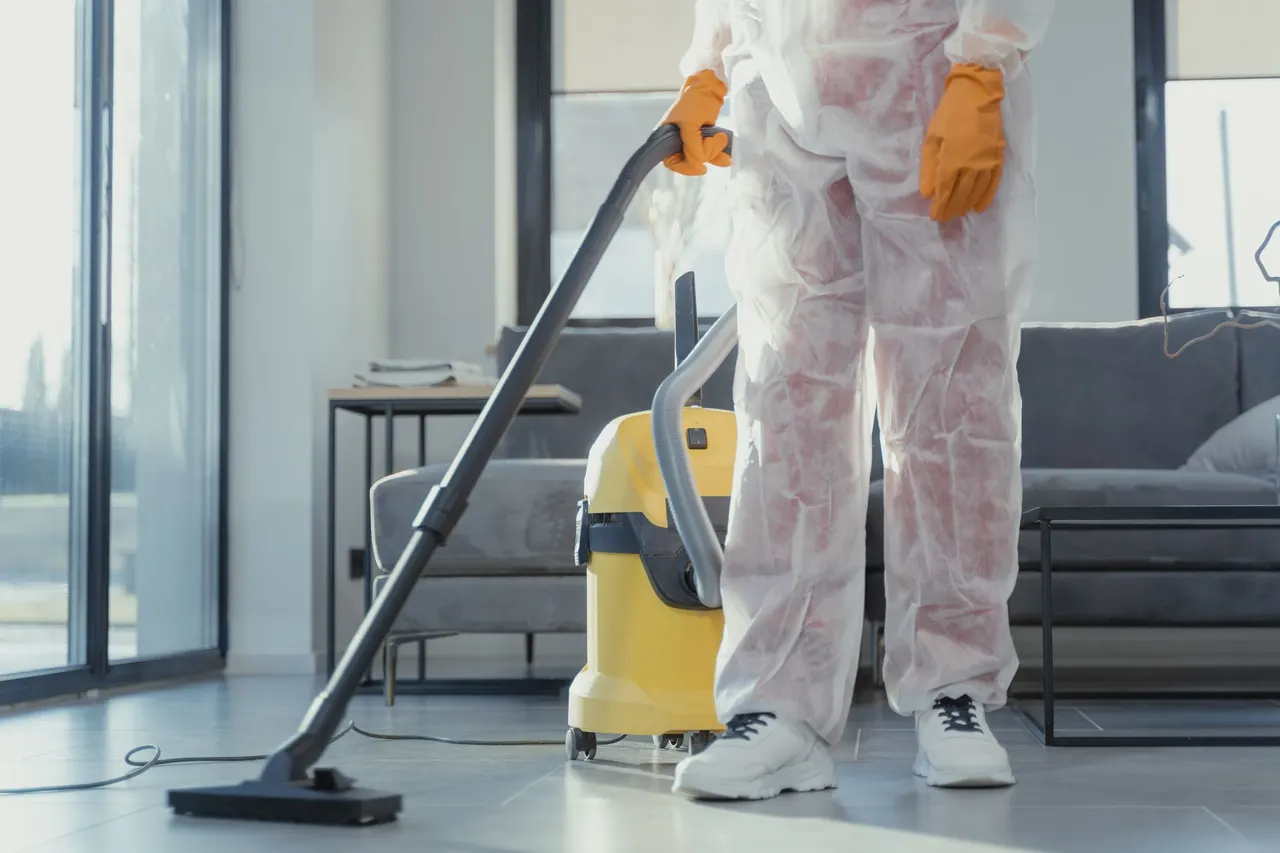
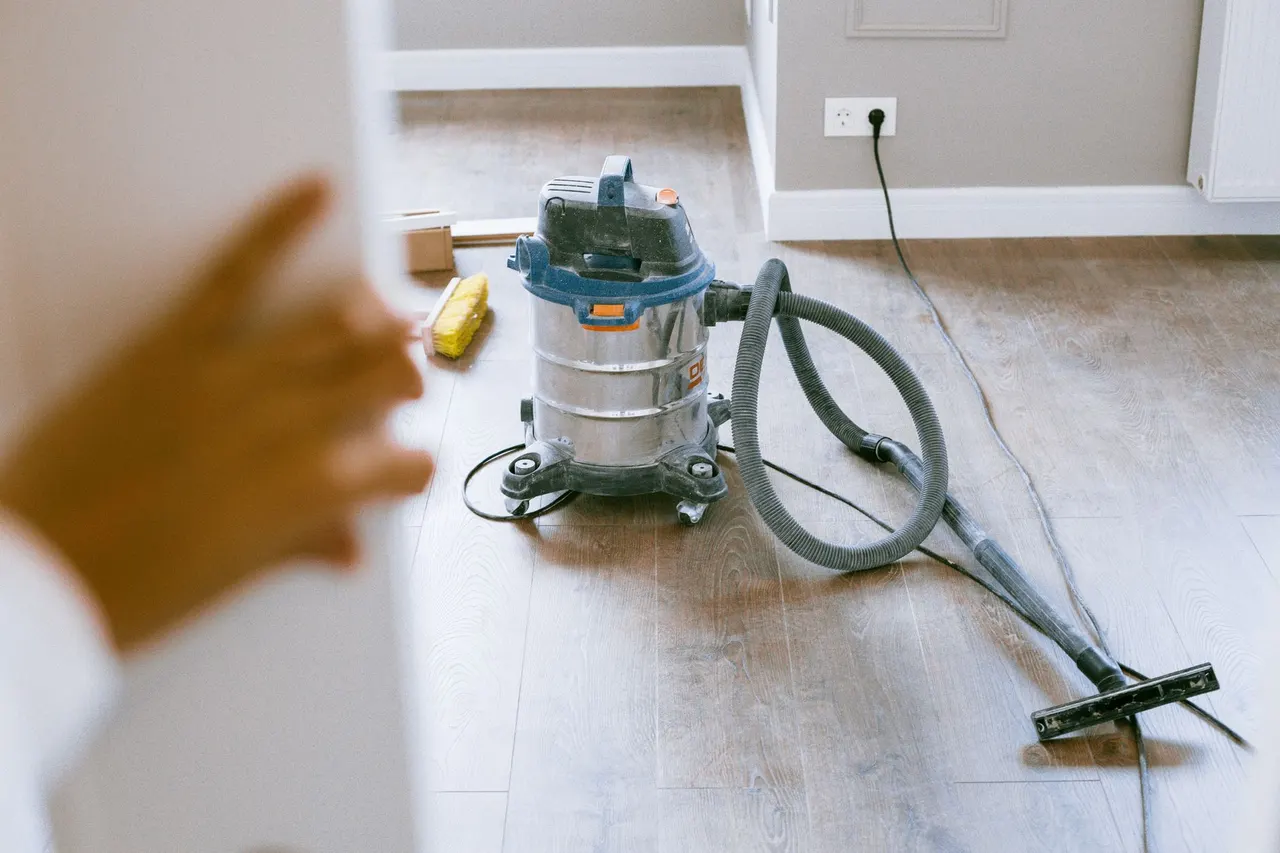
HEPA vacuums capture fine mold spores from surfaces. We use them to clean framing, floors, and other materials before treatment.
Thermal views are illustrative, generated from the photographs.
Boroscopes let us see inside walls and crawl spaces without major demolition. We use them to confirm mold growth and find moisture sources.
Dehumidifiers remove moisture from the air. We use them after water damage to dry the structure and prevent mold from returning.
This is the industry standard for mold remediation. It covers inspection, containment, removal, and verification. We follow it on every job to ensure consistent results.
We use poly sheeting and duct tape to seal off affected areas. We also install negative air machines to maintain pressure. This keeps spores from spreading to clean rooms.
We apply antimicrobial spray to all exposed surfaces after removal. For porous materials, we use encapsulant coatings. We use products from Fiberlock, Concrobium, and Benefect.
We run air scrubbers with HEPA filters for 24 to 48 hours after remediation. This removes remaining spores from the air. It is the final step before verification.
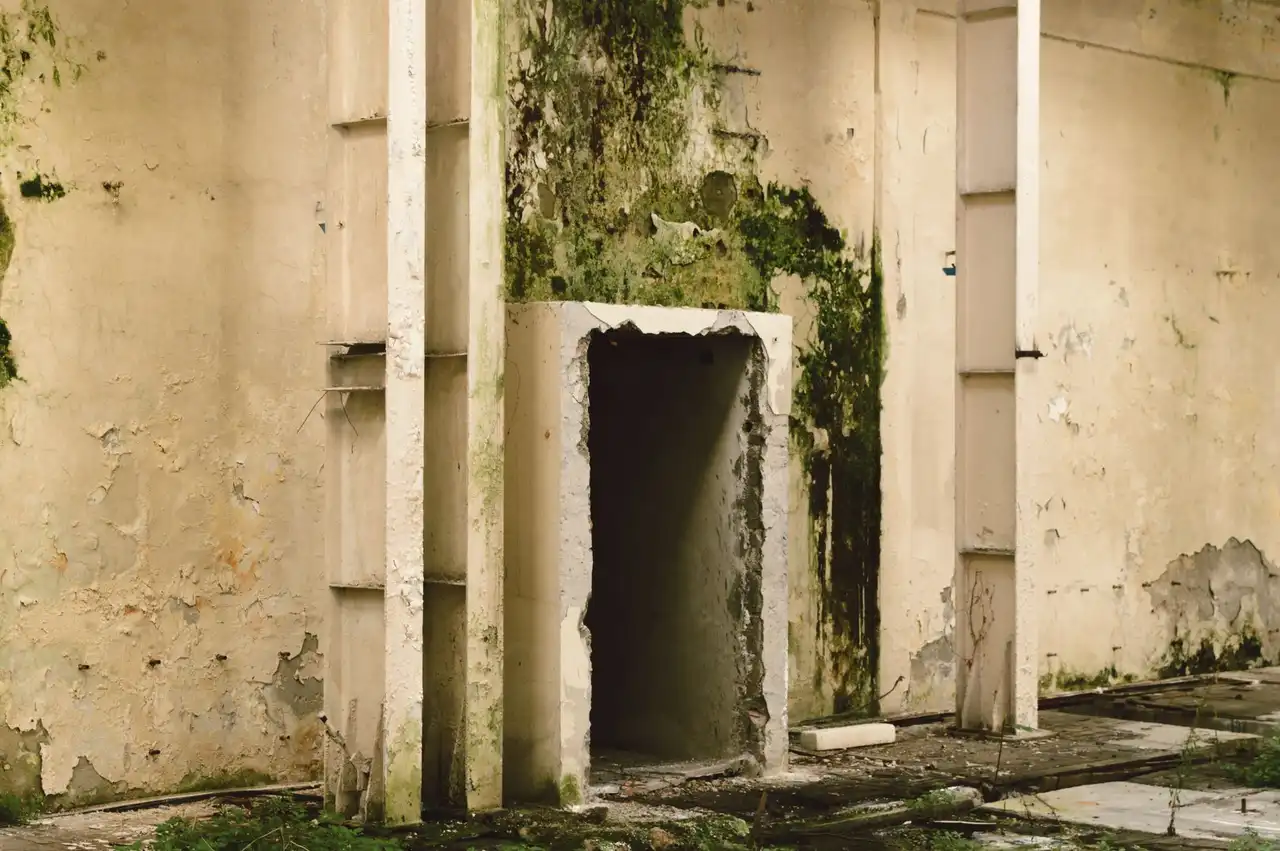
You had a slab leak and now see mold along the baseboards.
We use thermal imaging cameras to trace the moisture path. We remove affected baseboards and drywall, treat the slab and framing, and run dehumidifiers. We also coordinate with a plumber to fix the leak.
Outcome: The mold is removed, the leak is fixed, and you have documentation for insurance.
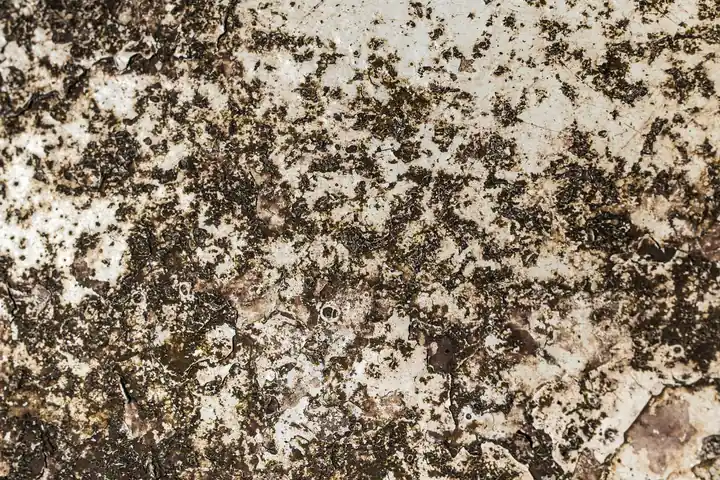
After a monsoon storm, you find water stains and mold on the ceiling.
We inspect the attic and roof deck for moisture. We remove wet insulation and mold-damaged drywall, treat with antimicrobial spray, and run air scrubbers. We also check for roof leaks.
Outcome: The mold is gone, the roof leak is identified, and your ceiling is ready for repair.
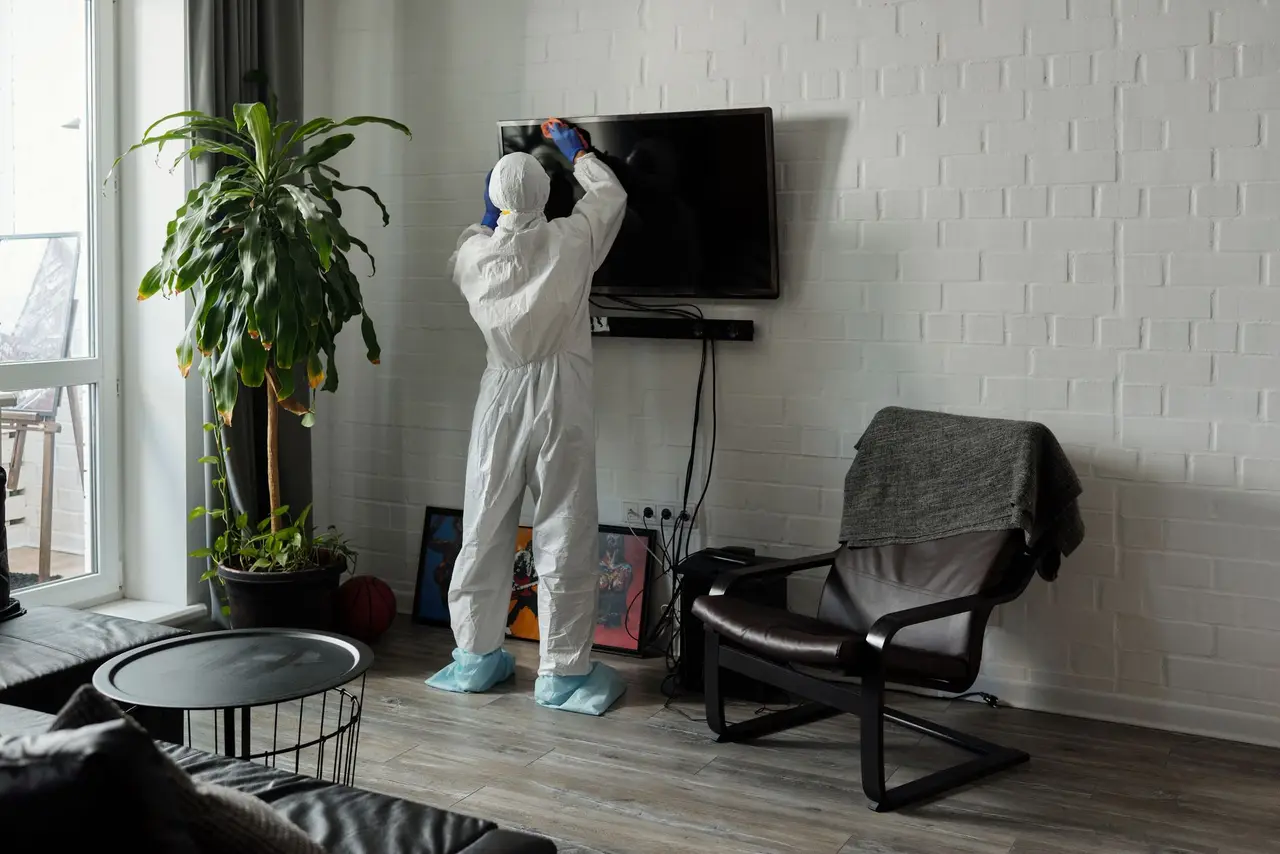
Your swamp cooler leaked and now the attic smells musty.
We remove wet insulation, treat the roof deck and framing with antimicrobial spray, and run air scrubbers. We also inspect the swamp cooler lines and recommend repairs.
Outcome: The musty odor is gone, the mold is removed, and your attic is dry.
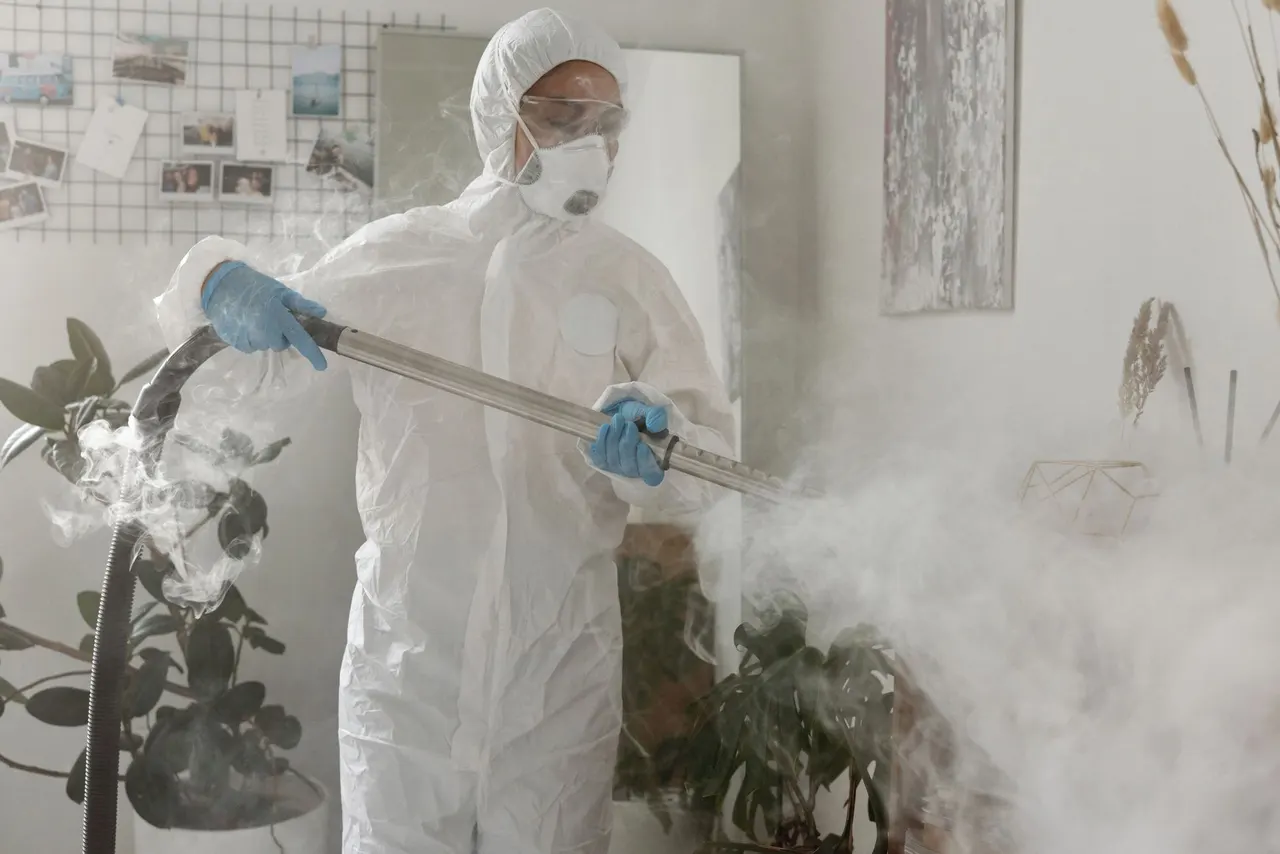
You smell mold in your bathroom but cannot see it.
We use boroscopes and moisture meters to check behind walls and under tile. If we find mold, we contain the area, remove affected materials, and treat with antimicrobial spray.
Outcome: The hidden mold is removed, the moisture source is identified, and your bathroom is clean.
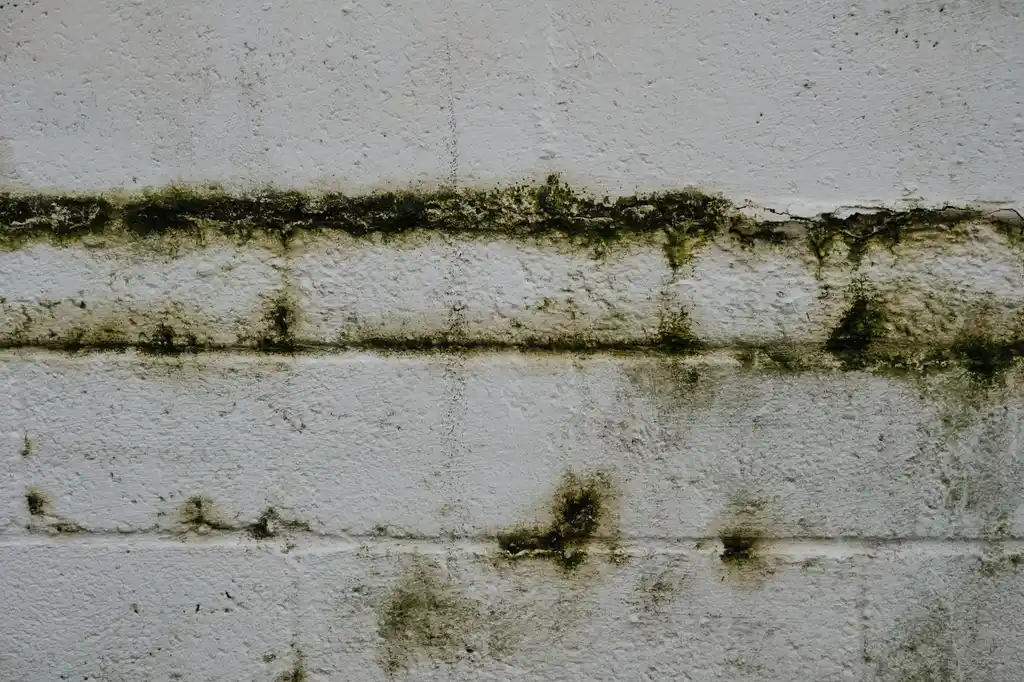
Your commercial building had a pipe burst and mold is growing in the walls.
We set up containment, remove affected drywall and insulation, treat with antimicrobial spray, and run air scrubbers. We work after hours to minimize disruption.
Outcome: The mold is removed, the building is safe, and you have documentation for your records.
Phoenix has a dry climate, but that does not stop mold. Swamp coolers add moisture to the air every summer. Monsoon storms push water through roofs and windows. Slab leaks feed hidden growth under floors. We adjust our mold remediation services in Phoenix based on these local conditions. In older neighborhoods like Alhambra and Maryvale, we often find galvanized pipes that leak slowly behind walls. In newer areas like Norterra and Anthem, we see HVAC condensation issues. If you need a mold remediation specialist Phoenix homeowners trust, we know the local building stock and the common failure points.
Before: A homeowner in Sunnyslope noticed a musty smell in the hallway. We found mold on the roof deck and wet insulation from a swamp cooler leak. The attic had 60% relative humidity and visible black mold growth.
After: We removed the wet insulation, treated the roof deck with antimicrobial spray, and ran air scrubbers for 48 hours. Post-remediation moisture readings were below 15%. The musty smell was gone.
We recommended fixing the swamp cooler line and checking it every spring. The homeowner now monitors attic humidity with a cheap gauge.
Before: A rental property in Maryvale had mold along the baseboards in two bedrooms. The slab leak had been leaking for months. Moisture readings were above 25% in the drywall.
After: We removed affected drywall and baseboards, treated the slab and framing, and ran dehumidifiers. The plumber fixed the leak. Final moisture readings were below 12%.
The property manager now checks for water stains every quarter. We also recommended a pressure test on the plumbing system.
Before: After a monsoon storm, a homeowner in Deer Valley found water stains on the ceiling and mold in the closet. The roof flashing had failed. Mold was growing on drywall and framing.
After: We removed affected drywall, treated the framing with antimicrobial spray, and ran air scrubbers. The roofer fixed the flashing. Clearance testing showed spore levels matched outdoor air.
We recommended checking the roof after every monsoon. The homeowner now schedules an annual roof inspection.
Mold shows up in different ways depending on your home and the season. Here are the most common problems we see in Phoenix and how we fix them.
Good mold remediation gets your home dry, clean, and documented.
We use thermal imaging cameras and moisture meters to trace the water source before we touch the mold. If we skip that step, the mold comes back in 30 days. We find the slab leak, the roof leak, or the AC condensation line, and we tell you what needs to be fixed.
Loose mold spores travel through your HVAC and land in bedrooms. We build poly sheeting containment barriers and run negative air machines with HEPA filters so spores stay in one room. This is the difference between a 2-day job and a 2-week job.
You get a written scope that lists what we remove, what we treat, and what we leave alone. No surprise line items. If we find more mold behind the drywall, we stop and show you photos before we continue. That is how a mold remediation contractor Phoenix AZ should operate.
We photograph every affected area, log moisture readings, and provide a final report. Most Phoenix insurance carriers want this before they approve a claim. You get the file the same day we finish, not two weeks later.
Clear records you can keep and share.
Before, during, and after photos of affected areas
Daily readings from moisture meters and thermal cameras
Written list of what was removed and treated
Summary of work completed and verification results
Mold removal takes out visible mold. Mold remediation finds the water source and treats the structure so mold does not return.
Visible growth on tile, caulk, or painted surfaces
Growth behind walls, under floors, or in attics
Growth in HVAC, crawl spaces, or multiple rooms
A list like this tells people straight away whether you cover their street. Not listed? Call and ask: it only takes a minute.
Based in Phoenix and covering the places around it. Pick one for local details.
Mold removal means taking out visible mold. Mold remediation in Phoenix means finding the moisture source, containing the area, removing affected materials, treating the structure, and verifying the job. Removal without remediation is a temporary fix. The mold comes back because the water source is still there. We do remediation, not just removal.
Our mold remediation process Phoenix follows five steps: inspection with moisture meters and thermal cameras, containment with poly sheeting and negative air machines, removal of affected materials, antimicrobial treatment and HEPA air scrubbing, and final verification. Most jobs take 2 to 5 days. You get photo documentation and a written report at the end.
Not always. If we can see mold and find the moisture source, we can scope the work without a test. Testing helps when you smell musty odors but cannot see growth, or when you need documentation for insurance or a real estate transaction. We offer mold testing in Phoenix as an add-on if you want lab confirmation.
We verify with moisture readings and visual inspection of every treated surface. If you want third-party clearance, we can coordinate an independent mold test after we finish. That test checks air spore levels inside and outside the containment. If levels match, the job is done. We walk you through the results before we leave.
Other services from the same team.
If you see mold, smell musty odors, or had recent water damage, call us. We provide same-day estimates and handle insurance paperwork. Our team serves Phoenix and Maricopa County. One call and we will tell you what it takes to fix it.
Call 1234567890 or email info@azmoldremoval.com and we will get you on the schedule. We answer the phone during business hours, and if you leave a message after hours we call back the next morning. Tell us what you are seeing, smelling or feeling, and we will tell you what the next step looks like.