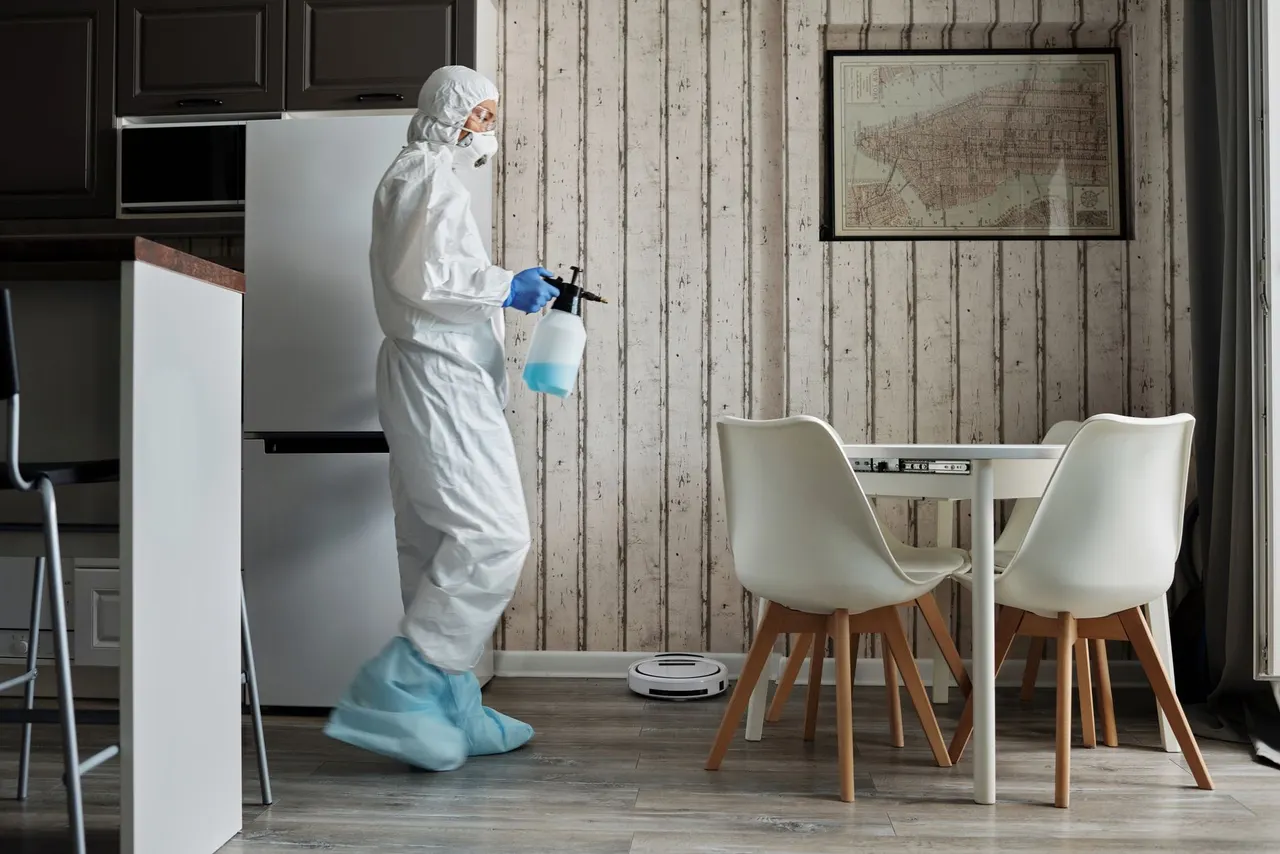
For Homes
Mold in a house usually starts with a leak you did not notice. We find the source and remove the growth.
- Bathroom ceiling mold
- Attic sheathing after roof leak
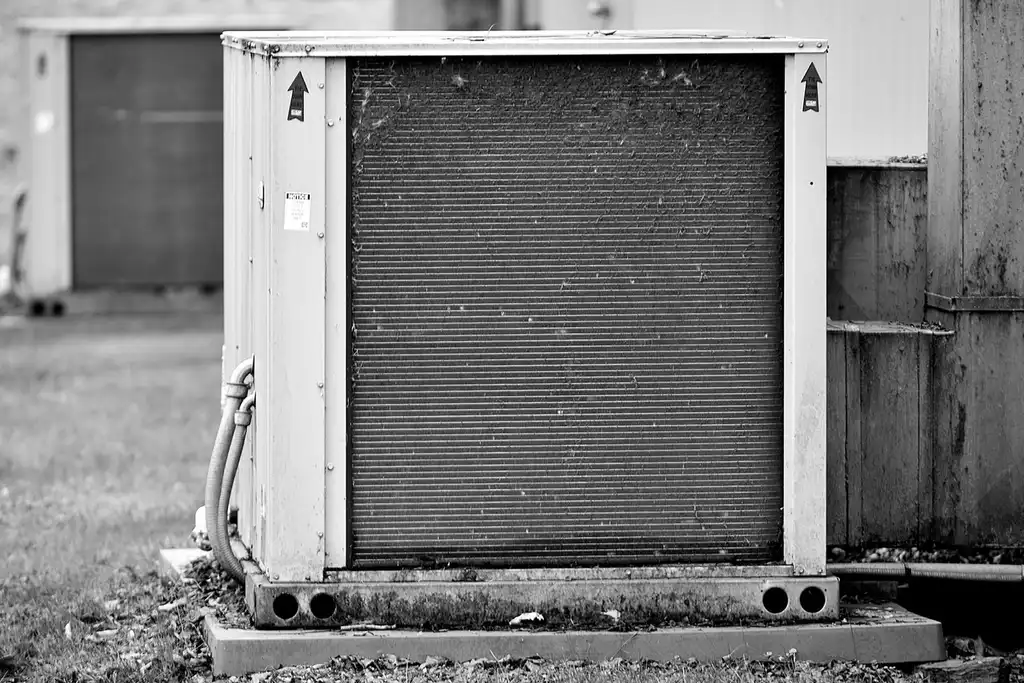
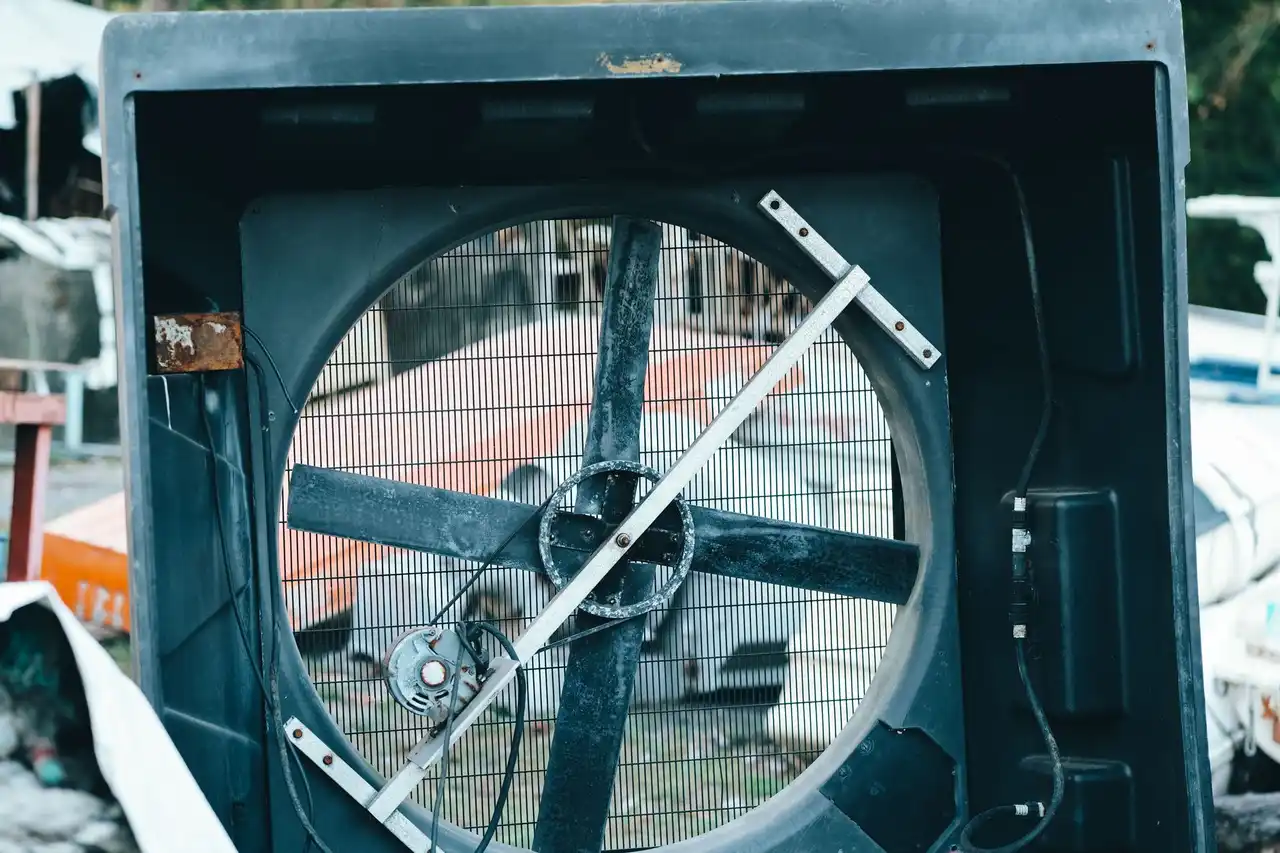
- Swamp cooler mold in summer
Commercial Mold Removal in Phoenix is built for occupied buildings, not empty ones. We handle business mold remediation in Phoenix for restaurants, retail centers, warehouses, and apartment complexes across Maricopa County, containing the work zone so your staff and customers stay safe. If you have seen black mold growth near a swamp cooler, smelled musty odors in a back office, or found moisture after a monsoon leak, call us. We inspect, test, and remove the mold without shutting your operation down.
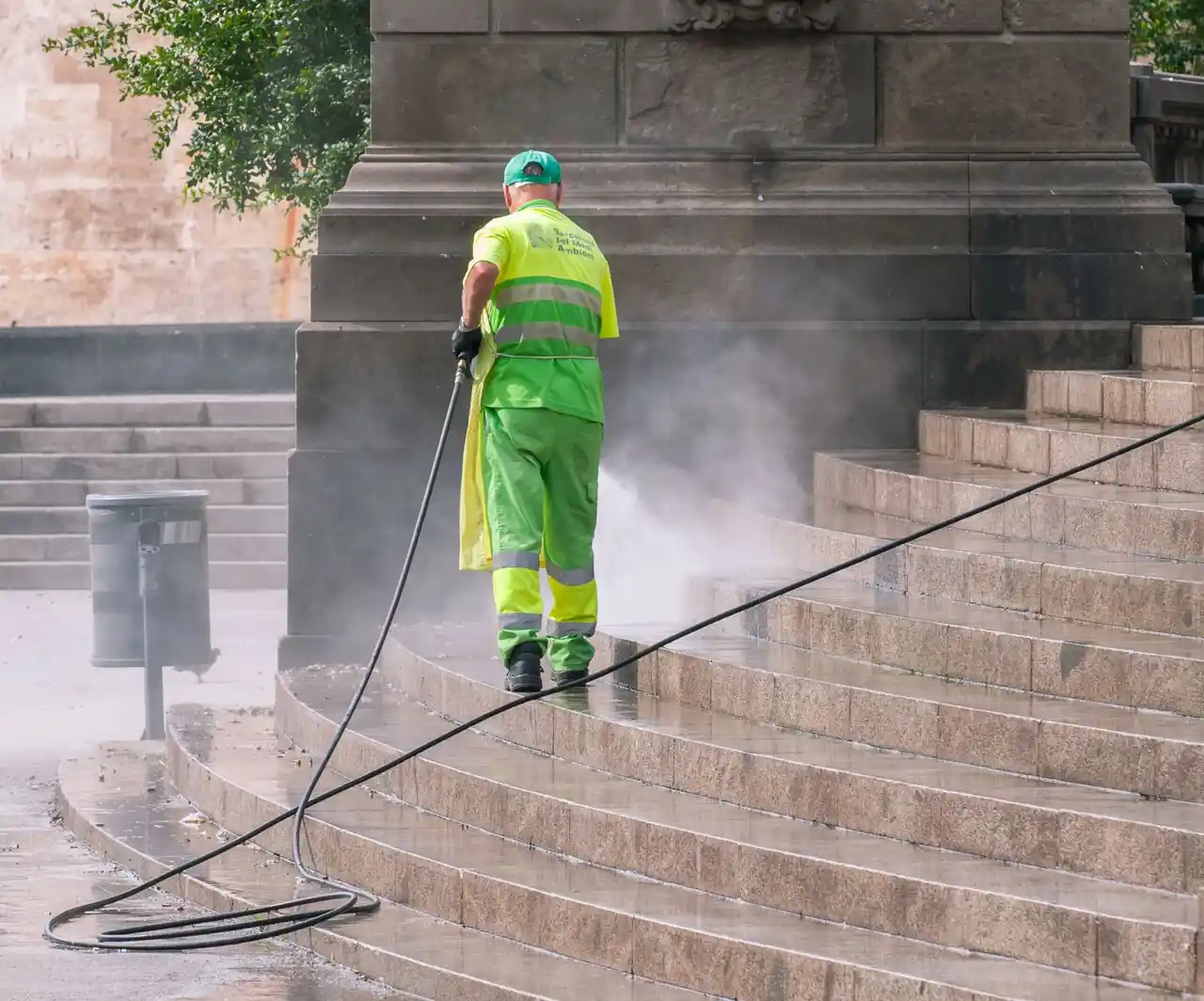 Moisture mappingContainment setupClearance testing
Every commercial mold job starts with an inspection and a written scope. What follows depends on the size and location of the mold, but the core inclusions below are part of every job we run in Phoenix. Add-ons like duct cleaning or structural repairs are quoted separately if needed.
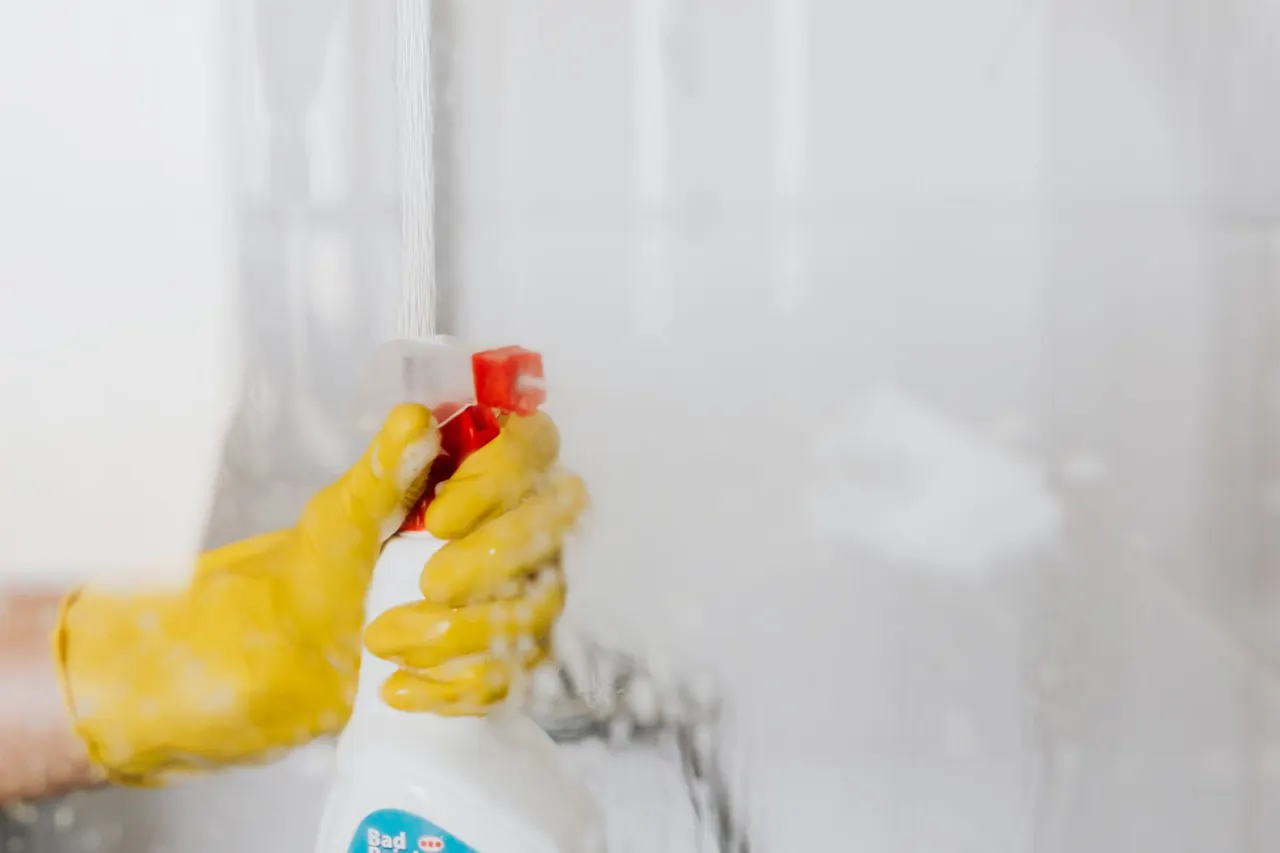
We use a moisture meter, thermal imaging camera, and boroscope to find every affected area, including mold hidden behind walls and above ceilings. You get a written report with photos and moisture readings before any work begins.
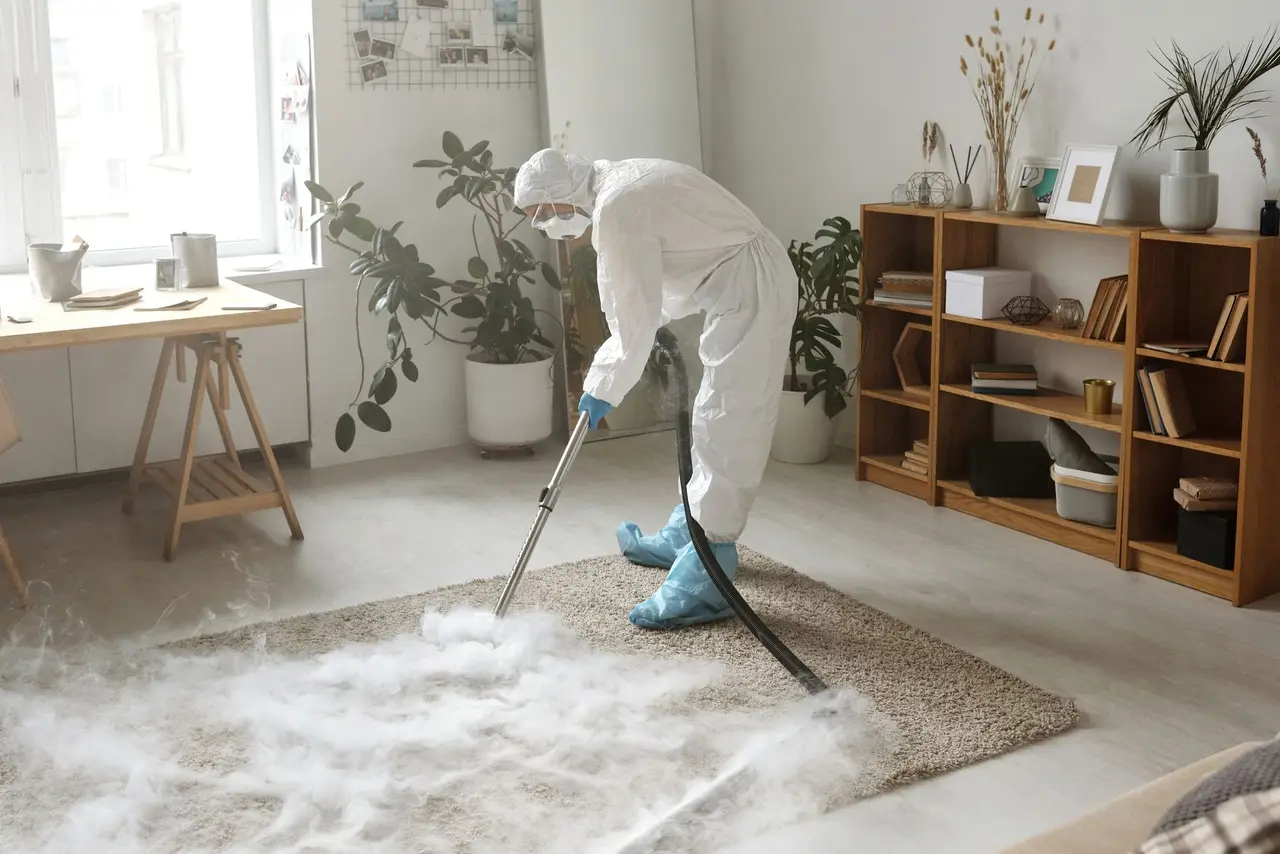
We build a containment barrier with poly sheeting and duct tape, then run negative air machines with HEPA filters to scrub the air 4 to 6 times per hour. This keeps mold spores from spreading to unaffected areas of your building.
Affected drywall, insulation, ceiling tiles, and other porous materials are removed, bagged, and disposed of according to Arizona regulations. Structural surfaces are HEPA vacuumed and treated with antimicrobial spray.
Dehumidifiers and air scrubbers run until moisture readings return to normal for your building type. In Phoenix's dry climate, this usually takes 2 to 4 days. We monitor readings daily and adjust equipment as needed.
After removal and drying, we take air and surface samples and send them to a lab. Results come back in 24 to 48 hours. You get a clearance report showing the mold has been removed and the air is clean.
You receive a full documentation package: before-and-after photos, moisture logs, lab results, and a written summary of the work performed. This is formatted for insurance claims, tenant files, and health inspections.
The approach is the same for a home and a business. What changes is the access, the schedule and who needs the paperwork.
Mold in a house usually starts with a leak you did not notice. We find the source and remove the growth.
Mold in a commercial building costs revenue every day it is not handled. We work around your hours.
A plain-language look at what Commercial Mold Removal involves and when it is needed.
See how it worksCommercial Mold Removal in Phoenix is the process of containing, removing, and verifying mold growth in a business property so the building can be reoccupied safely. It starts with moisture mapping using a moisture meter and thermal imaging camera, then a boroscope inspection inside walls and ceiling cavities. We build a containment barrier with poly sheeting, run negative air machines with HEPA filters, and remove affected materials. Surfaces get an antimicrobial spray, and porous materials that cannot be cleaned are bagged and hauled out.
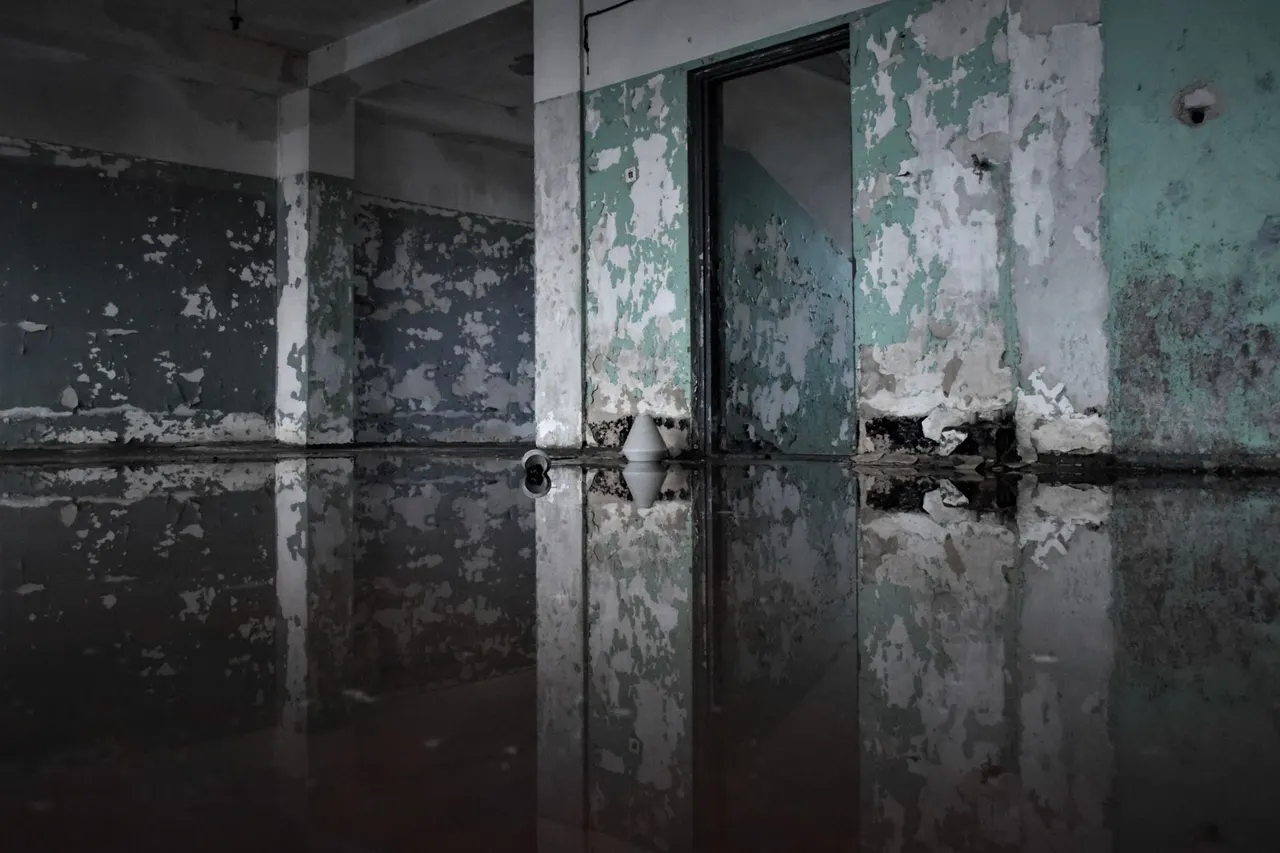
Phoenix buildings fail in predictable ways. Swamp cooler mold shows up every summer when pads stay wet. Post-monsoon mold hits after August storms push water through flat roofs and stucco cracks. HVAC mold grows in drain pans and ductwork that never fully dry. We see it in restaurant mold removal Phoenix jobs where a walk-in cooler gasket leaks for months, and in warehouse mold removal Phoenix projects where a single slab leak soaks 2,000 square feet of cardboard and pallets. Business mold removal Phoenix owners call us for is almost always tied to a water source nobody fixed.
Mold is a moisture problem first and a cleanup problem second.
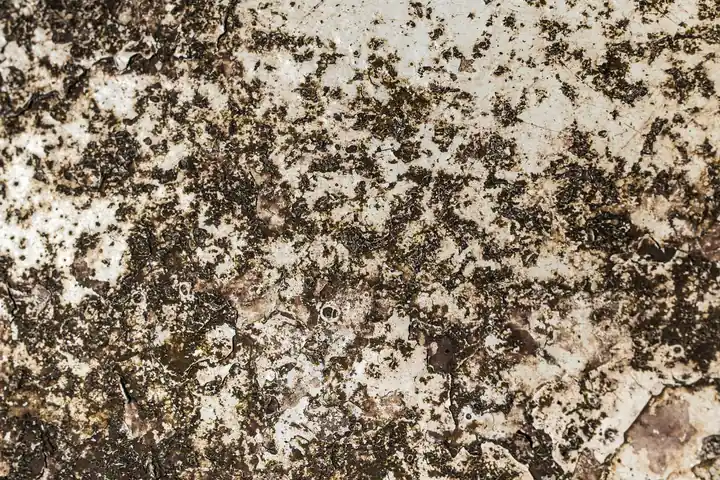
Every job follows the same sequence, whether it is a 400-square-foot back office or a 20,000-square-foot warehouse. You get a written scope before we start, daily updates while we work, and a clearance report when we finish.
We walk the property with a moisture meter and thermal imaging camera, checking walls, ceilings, and HVAC components. A boroscope goes inside cavities where mold hides. Air and surface samples go to a lab, and results come back in 24 to 48 hours. You get a written scope with photos before any work begins.
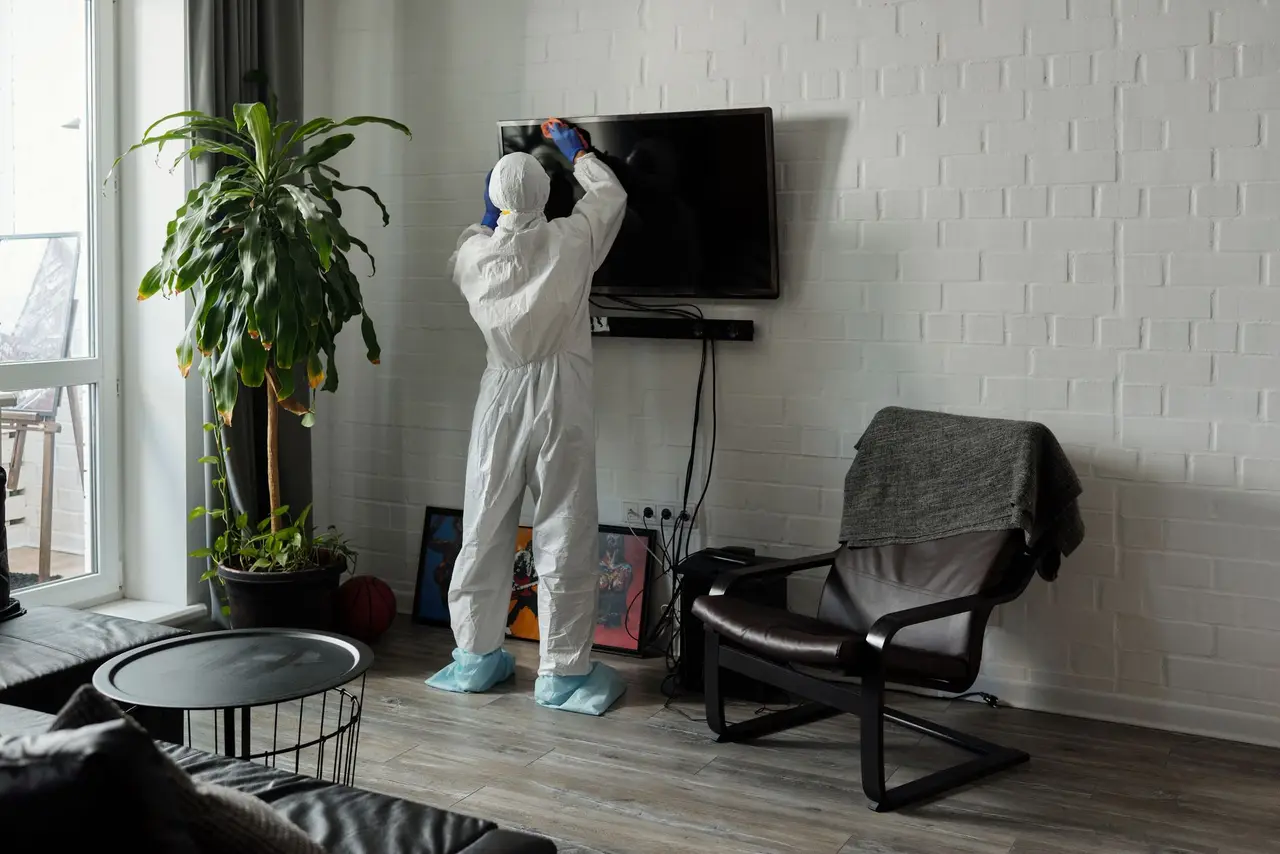
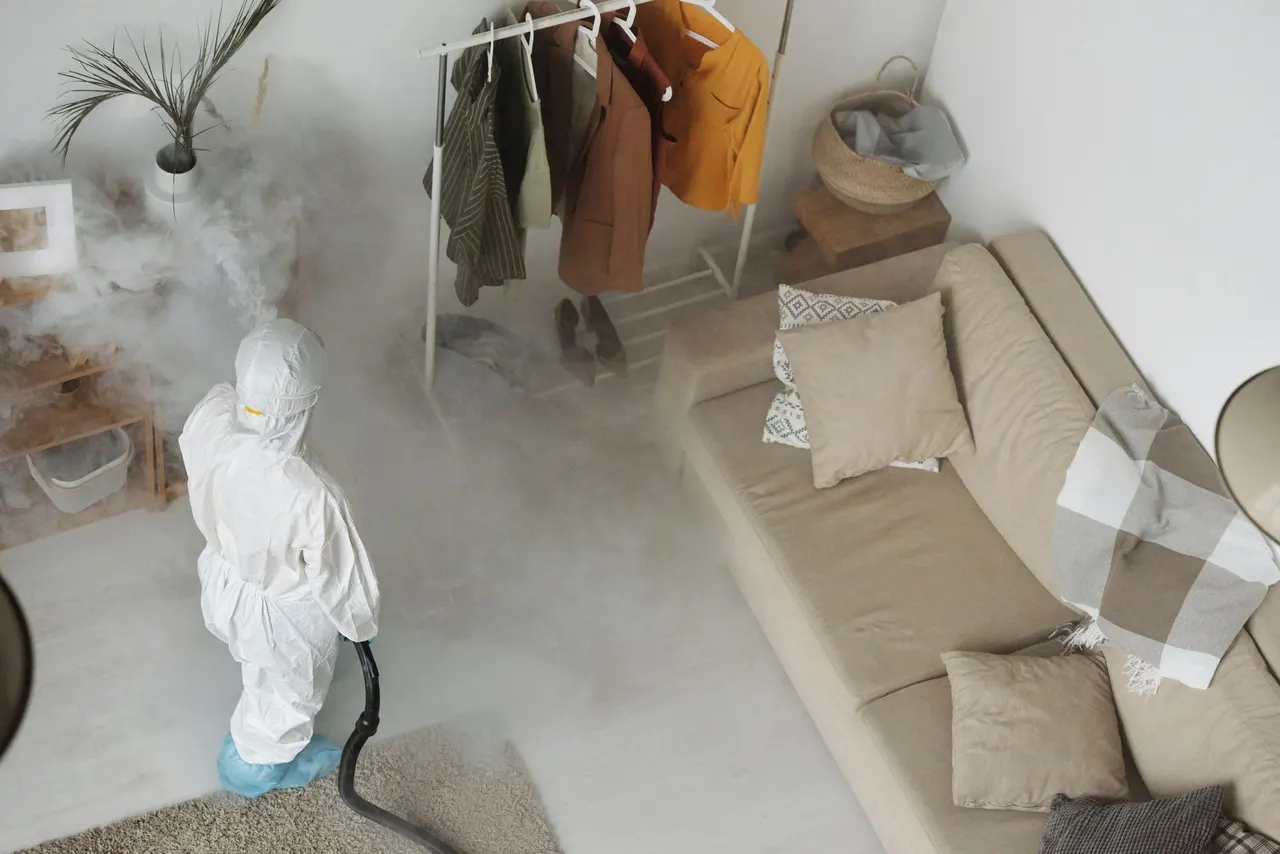
We build a containment barrier with 6-mil poly sheeting and duct tape, sealing off the work zone from occupied space. Negative air machines with HEPA filters pull air out of the containment and exhaust it outside. This takes 2 to 4 hours on a typical commercial job and is the step that keeps your staff and customers out of harm's way.
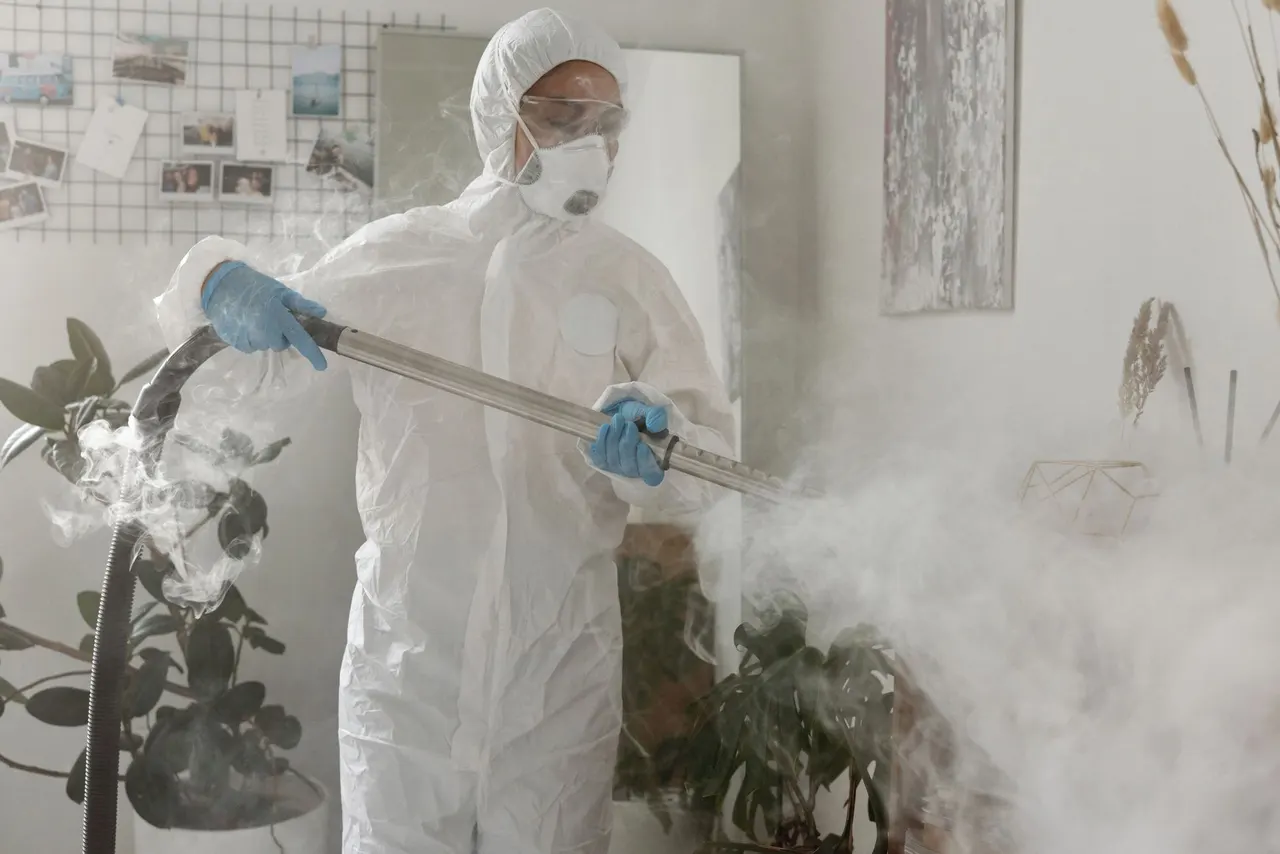
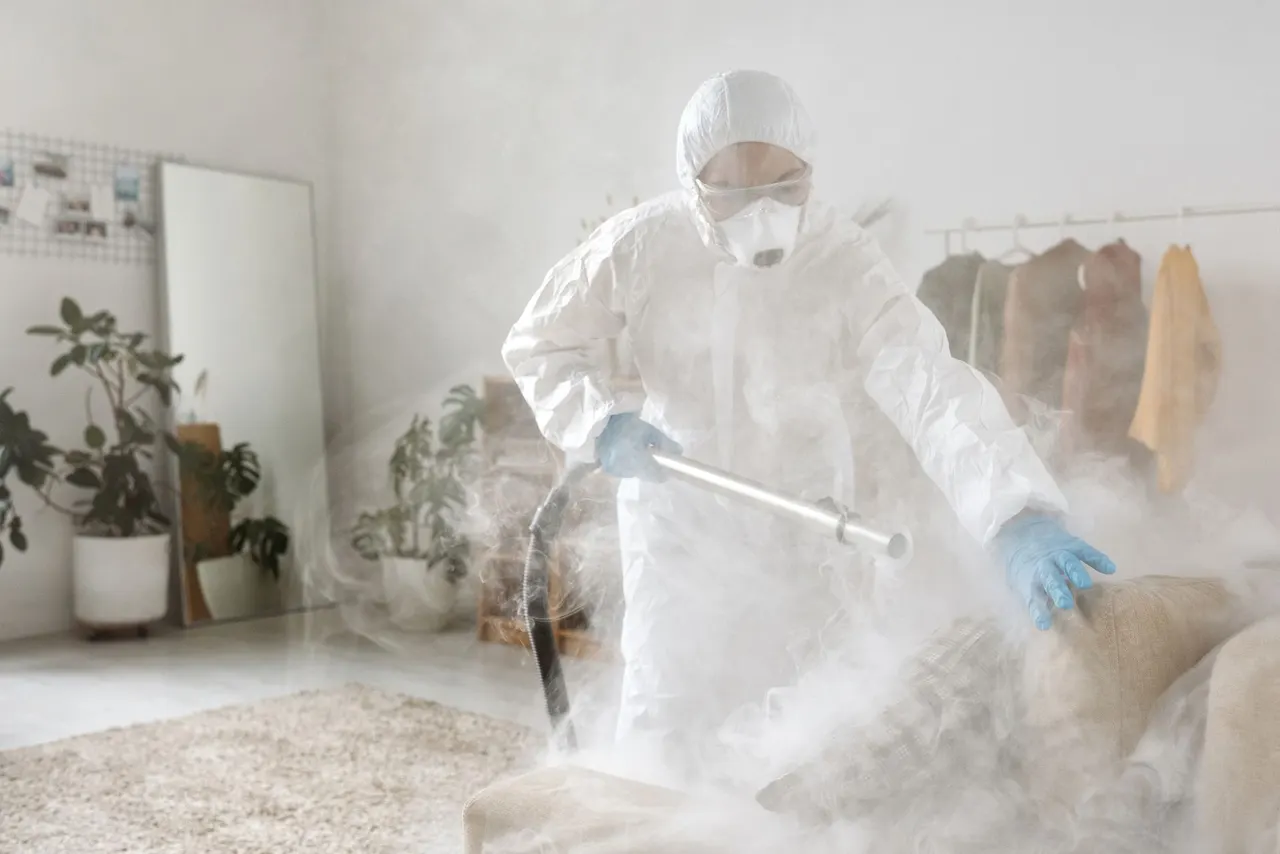
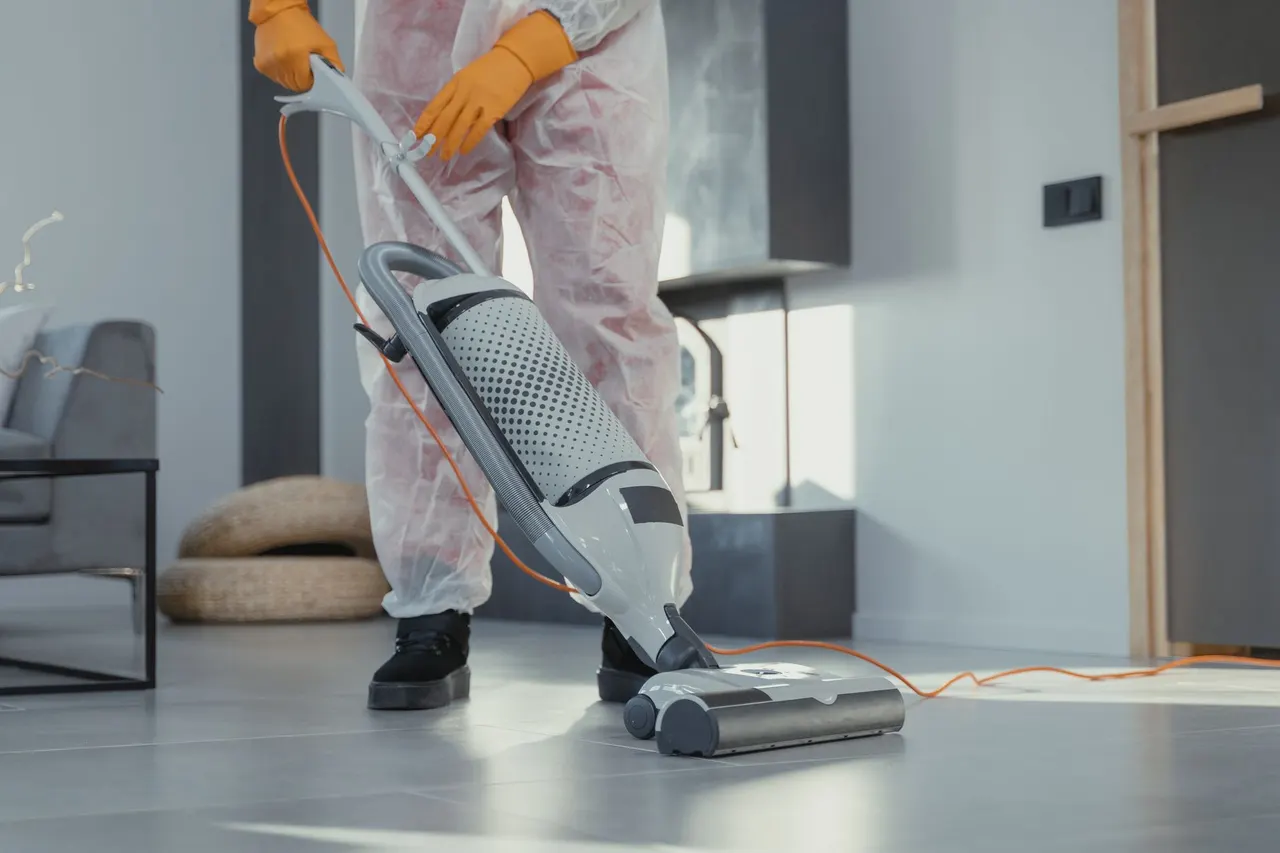
Affected drywall, insulation, and ceiling tiles come out and get bagged. We HEPA vacuum every surface, then apply an antimicrobial spray. Porous materials that cannot be saved are removed; structural wood and metal get cleaned and treated. A fogger reaches into ductwork and tight cavities that hand-wiping cannot.
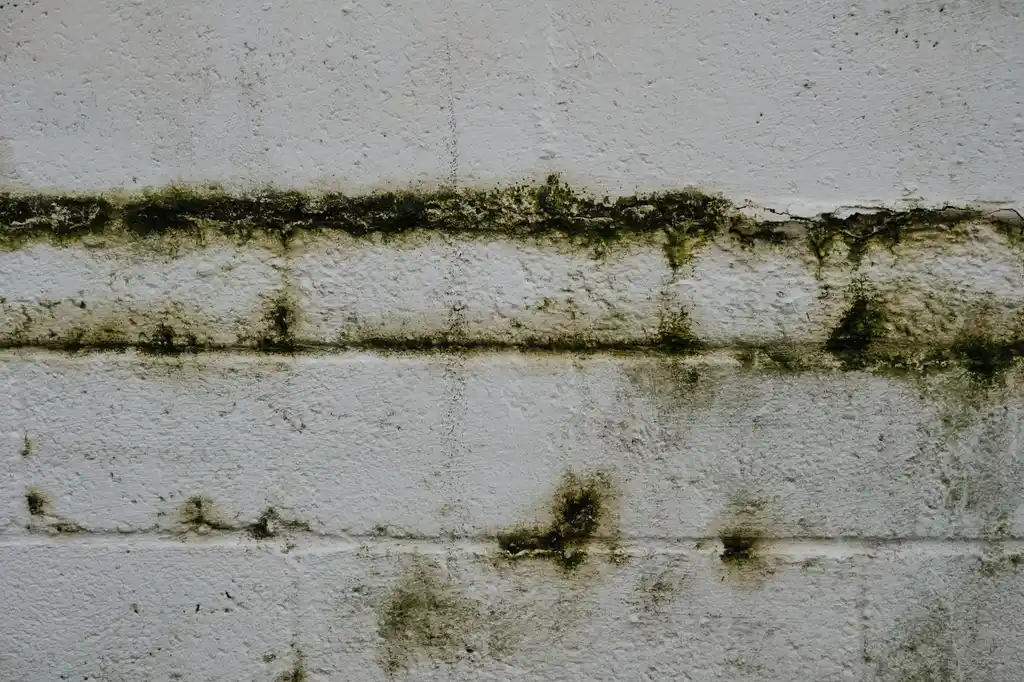
Dehumidifiers and air scrubbers run until moisture readings return to normal for the building type, usually 2 to 4 days. We take clearance samples and compare them to the baseline. If the numbers are not where they need to be, we keep working. You do not get a clearance report until the lab confirms the air is clean.
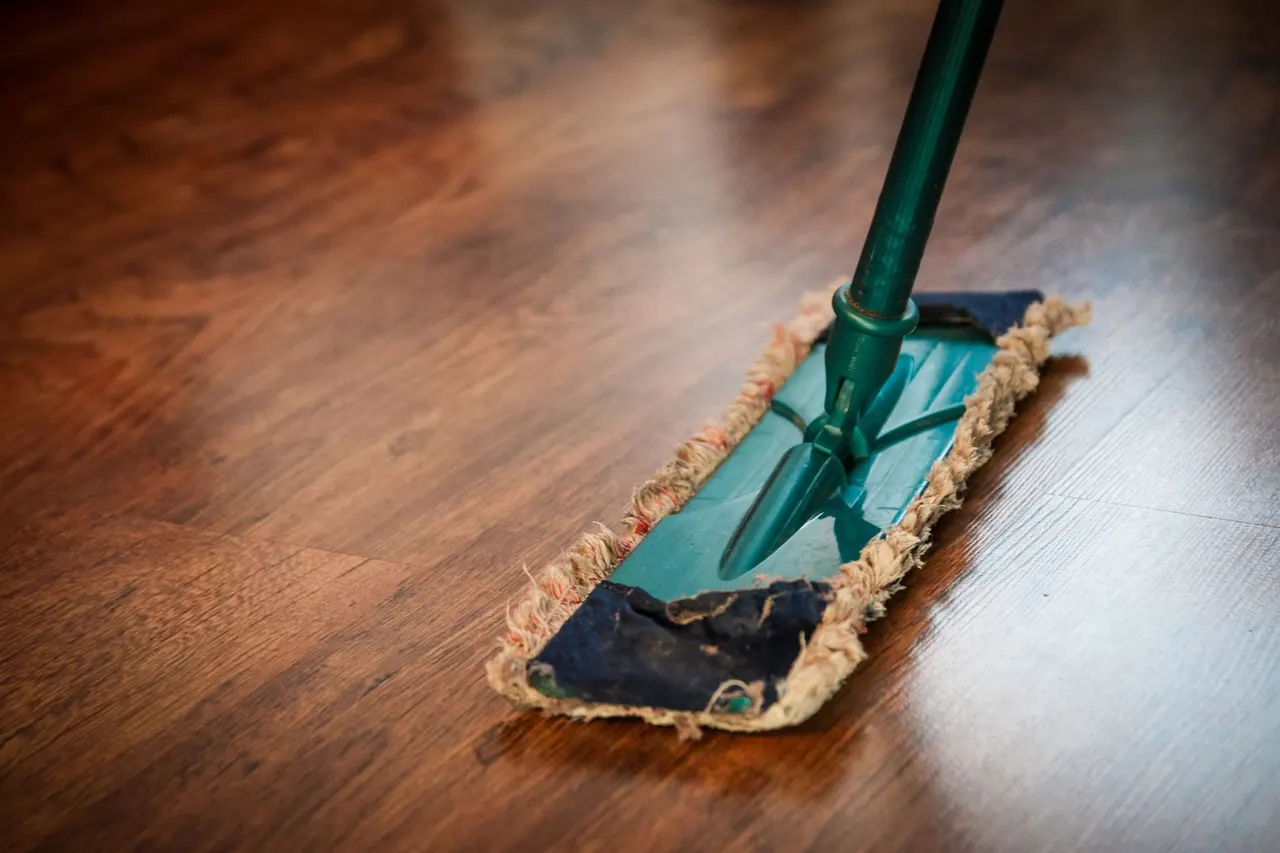
We replace removed drywall with mold-resistant drywall where appropriate, and apply an encapsulant coating to structural surfaces. You get a written report with photos, moisture logs, and lab results. We also walk you through the water source fix so the same problem does not return next monsoon season.
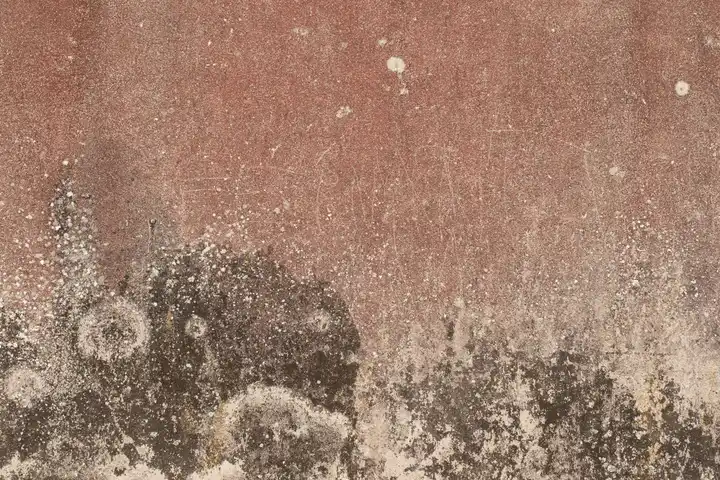
Move across a circle, or focus it and press Enter, for an illustrative thermal view of the photograph.
Detects temperature differences behind walls and ceilings that indicate hidden moisture. We use it to map the full extent of water intrusion before we open anything up.
Measures moisture content in drywall, wood, and concrete. We take readings at every affected area and log them for your documentation package.
A camera on a flexible rod that goes inside wall cavities and ductwork. It lets us see mold growth without tearing out more material than necessary.
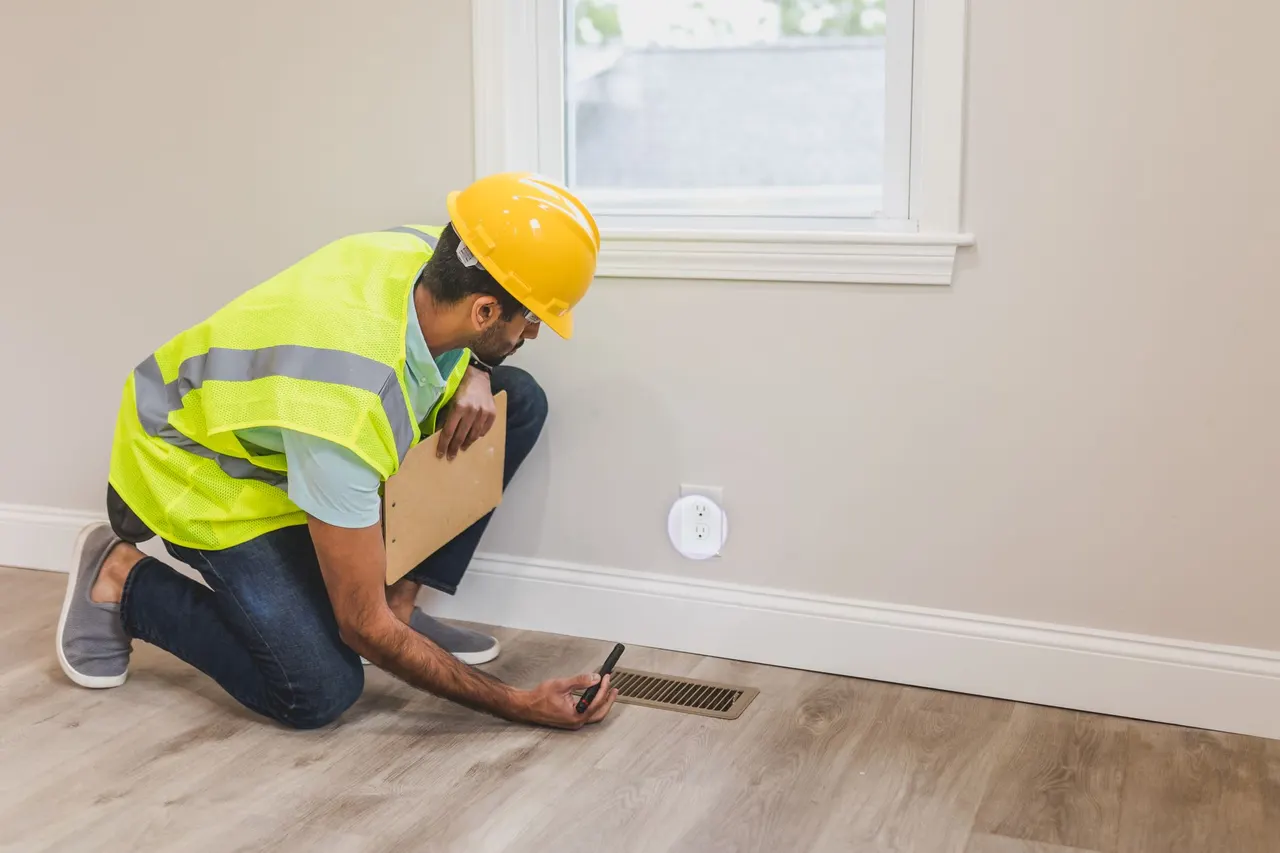
Creates negative pressure inside containment so mold spores cannot escape into occupied space. We pair it with HEPA filters to scrub the air.
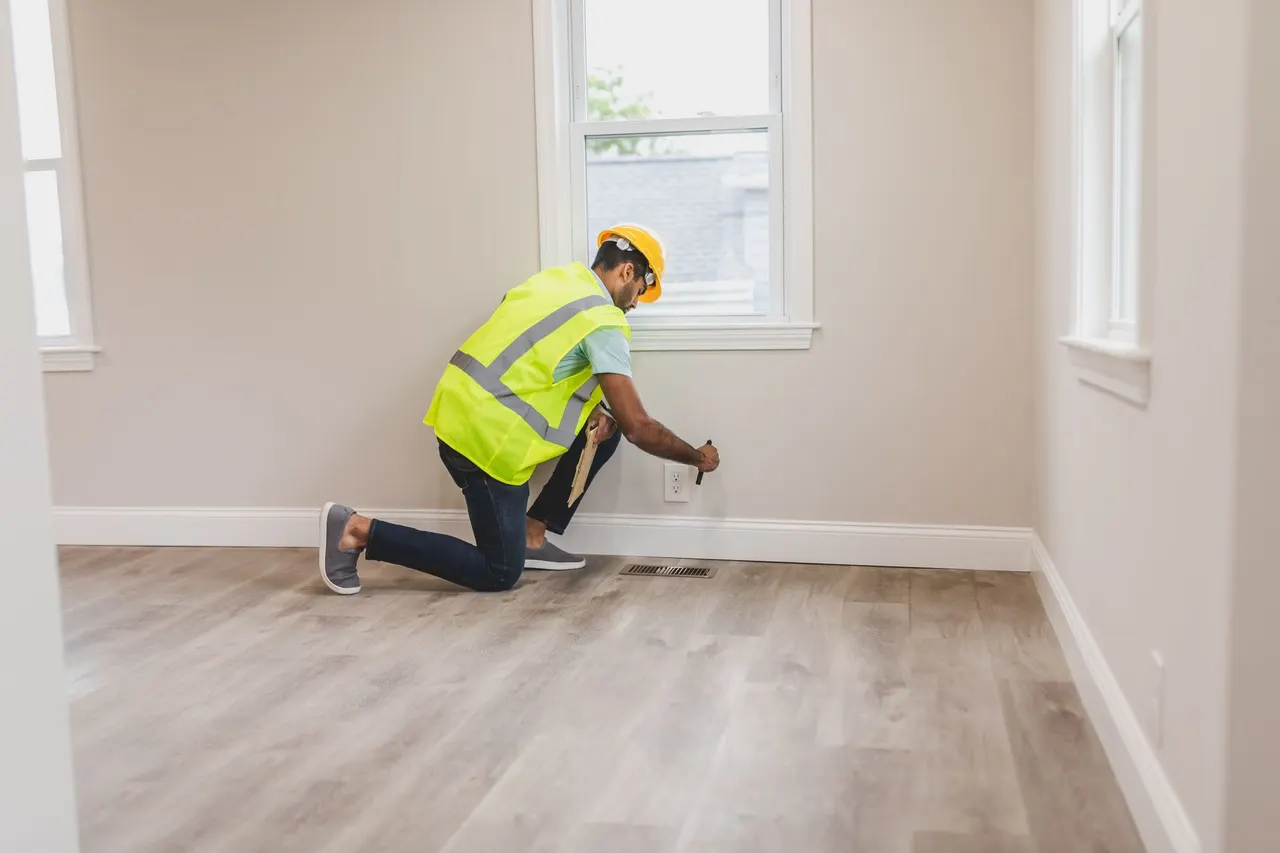
Runs continuously inside containment to filter airborne spores. A single unit can process the air in a 1,500-square-foot containment zone 4 to 6 times per hour.
Thermal views are illustrative, generated from the photographs.
Captures mold spores and fine debris from surfaces without releasing them back into the air. We use it on every surface before applying antimicrobial spray.
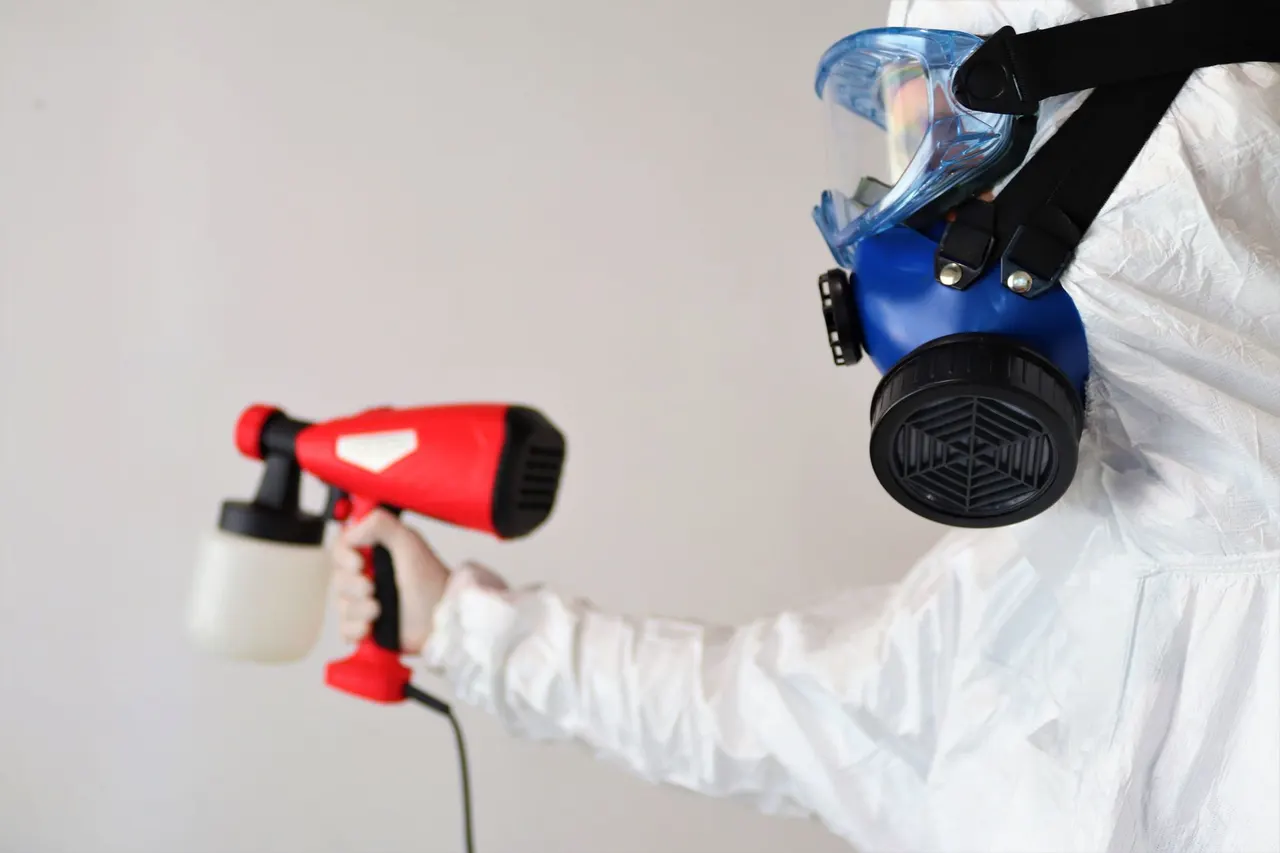
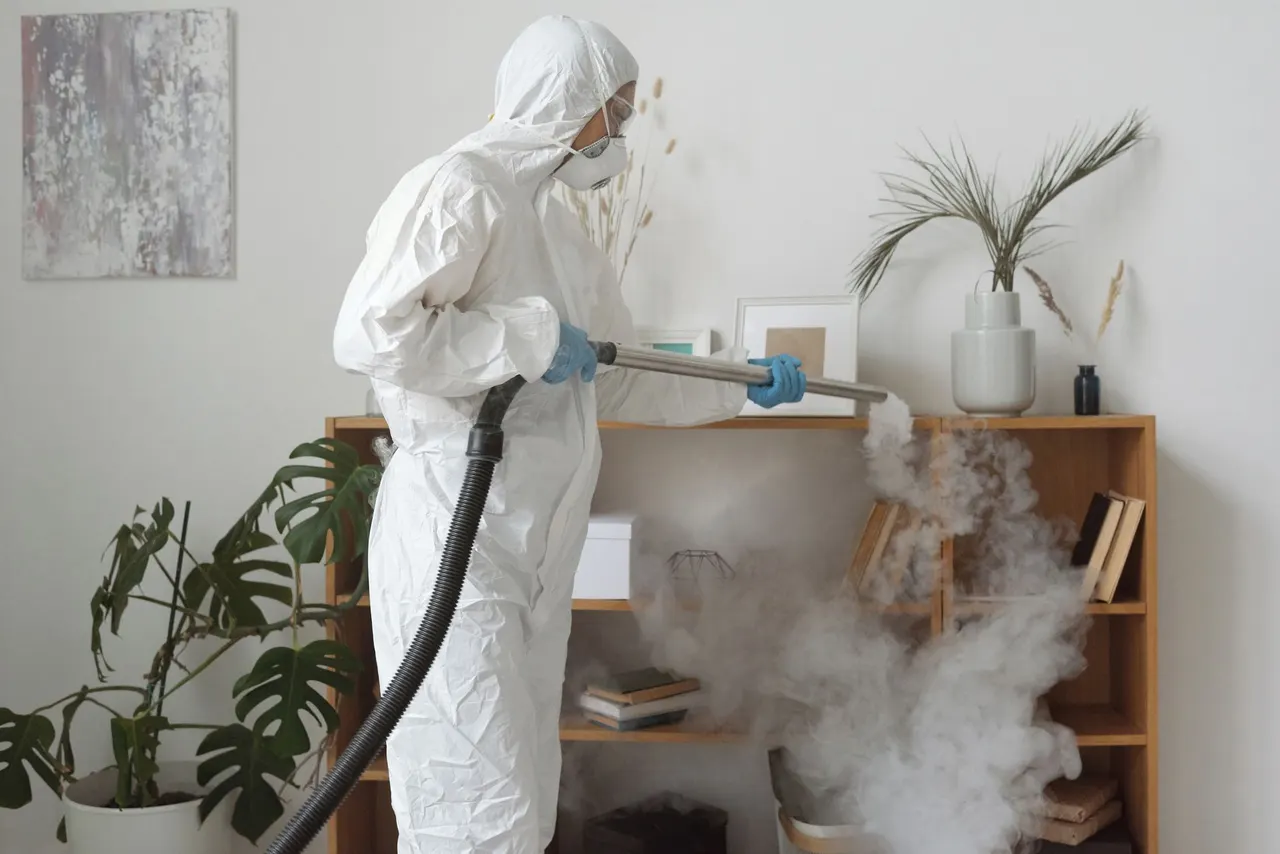
Disperses antimicrobial product into tight spaces like ductwork and wall cavities where hand-wiping cannot reach. We use it as a final treatment step.
Our technicians follow IICRC Water Restoration Technician and Applied Microbial Remediation Technician standards for every job. These are the industry benchmarks for containment, removal, and verification.
We build containment with 6-mil poly sheeting and duct tape, sealing every seam and penetration. Negative air machines maintain pressure so spores stay inside. This is the step that lets us work in occupied buildings.
After removal, we apply antimicrobial spray to all affected surfaces. Structural wood and concrete get an encapsulant coating that seals the substrate against future moisture. We use products from Fiberlock, Concrobium, and Benefect.
This is the only way to stop mold from spreading through a building's air.

A restaurant owner in Midtown Phoenix finds black mold behind the walk-in cooler after a slow leak.
We contain the cooler area overnight, remove affected drywall and insulation, HEPA vacuum the framing, and treat with antimicrobial spray. The kitchen stays open for lunch service the next day.
Outcome: Mold removed, clearance report delivered, and the cooler leak documented for the landlord. The restaurant never closed.
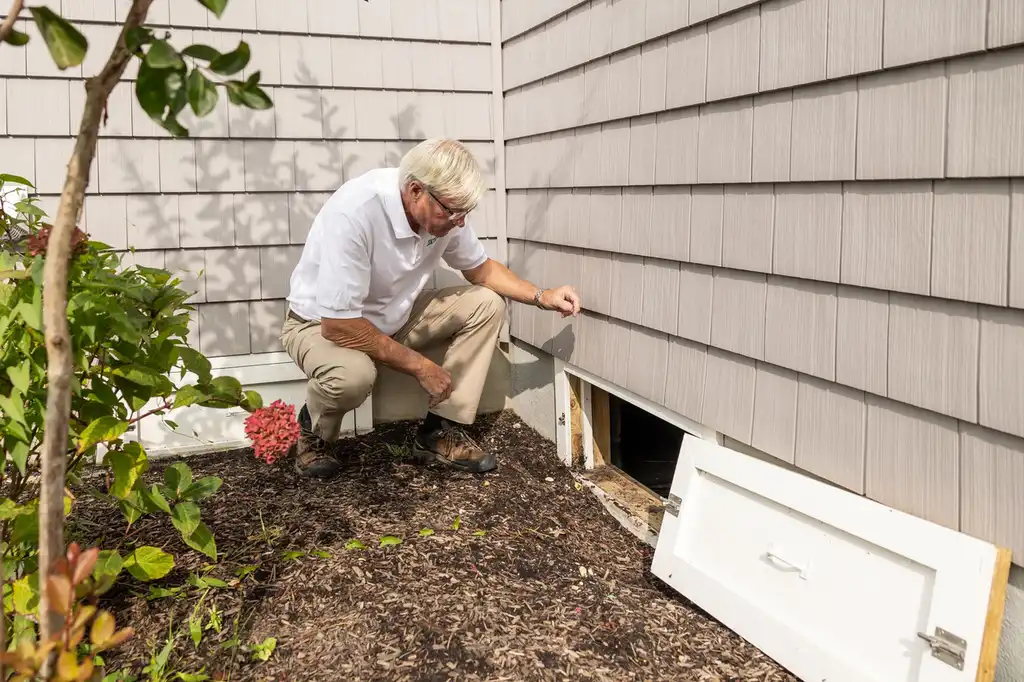
A retail store manager in the Camelback Corridor notices musty odors in the stockroom after monsoon season.
We inspect with thermal imaging, find mold in the ceiling tiles and wall cavity, and run a two-night remediation. The sales floor stays open the entire time.
Outcome: Odors gone, air quality verified by lab testing, and the roof leak documented for the property owner.
A warehouse operations manager in Deer Valley discovers mold on pallets and racking after a slab leak.
We extract standing water, set up containment and drying equipment, and remove mold from the affected 2,000 square feet. Work runs nights to keep shipping on schedule.
Outcome: Warehouse back to full operation in nine days, with a clearance report for the insurance claim.
A property manager in Maryvale gets mold complaints from three tenants in the same building.
We inspect all three units, find a shared plumbing leak, and remediate each unit in phases so tenants can stay. We document the source for the owner.
Outcome: All three units cleared, tenants retained, and the plumbing repair scheduled with the owner's contractor.
An office manager in North Phoenix notices mold growth around the HVAC vents after the system sat unused.
Outcome: HVAC system cleared, air quality verified, and a maintenance schedule set to prevent recurrence.
Phoenix commercial mold jobs follow a different rhythm than other markets. Our dry climate means structural drying takes 2 to 4 days instead of a week, but it also means swamp cooler mold and HVAC mold are year-round problems. Monsoon season from July through September drives post-monsoon mold calls across Maricopa County, especially in older buildings with flat roofs and stucco exteriors.
Summer heat pushes indoor humidity up when cooling systems run constantly, and that condensation creates ideal conditions for mold in drain pans and ductwork. We schedule most commercial work at night or on weekends so your business stays open. If you manage a multi-family property, we phase the work unit by unit so tenants can stay in place.
Every job gets documented with photos, moisture readings, and lab results formatted for your insurance claim or tenant file.
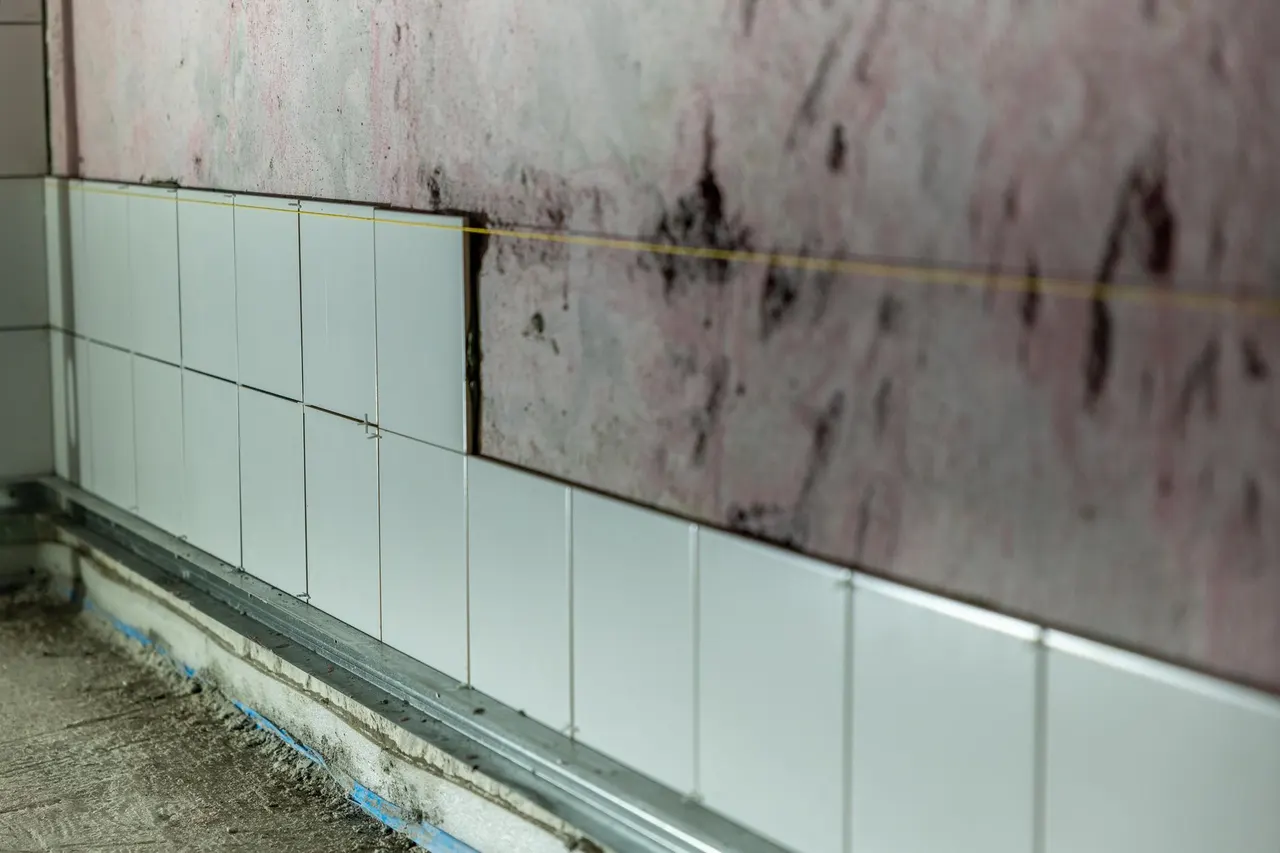
Before: A Midtown Phoenix restaurant had black mold growing on the drywall behind the walk-in cooler. A slow gasket leak had been soaking the wall for months. The kitchen manager noticed a musty smell but could not find the source. Moisture readings showed the wall was saturated 18 inches up from the floor.
After: We contained the cooler area overnight, removed 40 square feet of affected drywall and insulation, HEPA vacuumed the framing, and treated with antimicrobial spray. Clearance testing confirmed the air was clean. The restaurant never closed and passed its next health inspection.
Replace the cooler gasket every 12 months and check for moisture behind the unit quarterly.
Before: A Deer Valley warehouse had a slab leak that soaked 2,000 square feet of concrete floor and cardboard inventory. Mold had started growing on pallets and the bottom of racking within a week. The operations manager needed the space back fast.
After: We extracted standing water, built containment around the affected zone, and ran dehumidifiers and air scrubbers for four days. Mold was removed from all affected surfaces, and clearance testing confirmed the air was clean. The warehouse was back to full operation in nine days.
We recommended a moisture barrier under the racking and a quarterly floor inspection near the slab leak repair. Catching a leak early keeps it from becoming a mold job.
Before: A Maryvale apartment complex had mold in the ceilings of three units after monsoon rains pushed water through a shared roof. Tenants were complaining about musty odors and allergies. The property manager needed documentation for the owner and the insurance claim.
After: We remediated all three units in phases over one week, keeping tenants in place. Affected ceiling drywall and insulation were removed, the structure was treated, and clearance testing confirmed clean air in every unit. The property manager received a full documentation package for the claim.
We recommended a roof inspection before every monsoon season and a ventilation upgrade in the bathrooms to reduce indoor humidity. Both steps prevent the same problem next year.
Mold in a commercial building shows up in different ways depending on the property type. Here are the most common problems we handle for Phoenix business owners and property managers, and what happens if they are ignored.
A mold job done right means it does not come back.
We schedule commercial mold removal services Phoenix crews around your operating hours, working nights and weekends when needed, so your kitchen, sales floor, or warehouse keeps running. Most jobs are staged in phases so only one zone is offline at a time.
Maricopa County health inspectors and commercial property auditors want documentation. We photograph every affected area before, during, and after removal, log moisture readings, and provide a clearance report. That file is what you hand over when a tenant, insurer, or inspector asks what was done and when.
We trace the leak to its origin, whether that is a failed swamp cooler line, a cracked condensate drain, or a roof penetration. Then we apply an encapsulant coating to porous surfaces that stay, so the substrate is sealed against future moisture.
Mold spores trigger allergies, asthma, and complaints that escalate fast in multi-family and office settings. Negative air machines with HEPA filters scrub the air 4 to 6 times per hour inside containment, and we use PPE coveralls and N95 respirators on every job. Your occupants never breathe the dust we are removing.
Clear records you can keep and share.
Before, during, and after images
Daily readings from every affected area
Air and surface sample reports
Written summary of work performed
Not every mold problem is the same. The level of growth determines how much work is needed.
Growth on visible surfaces from recent moisture
Growth inside walls, ceilings, or ductwork
Growth spread through HVAC or multiple building systems
A list like this tells people straight away whether you cover their street. Not listed? Call and ask: it only takes a minute.
Based in Phoenix and covering the places around it. Pick one for local details.
Yes. Most commercial mold jobs in Phoenix run nights, weekends, or in phases so your business stays open. A restaurant kitchen might be contained and treated from 10 p.m. to 6 a.m. over two or three shifts. A retail store can often be split into zones, with one section closed at a time. We build the schedule around your operating hours, not ours.
A small back-office job takes 1 to 2 days. A 3,000-square-foot retail or restaurant space usually runs 3 to 5 days. A warehouse or multi-family building over 10,000 square feet can take 1 to 2 weeks. Drying time adds 2 to 4 days in Phoenix's dry climate, which is faster than most markets. Lab clearance results come back in 24 to 48 hours.
Almost never. Containment barriers and negative air machines isolate the work zone from occupied space, so your staff and customers stay separated from the mold removal. We have handled restaurant mold removal Phoenix jobs where the kitchen kept serving through the work. The only exception is when mold has spread through a critical system like HVAC ductwork, and even then we phase the work.
It depends on the lease and the water source. If the leak came from the building's roof or a shared plumbing line, the landlord usually covers it. If it came from a tenant's equipment, like a walk-in cooler or swamp cooler, the tenant typically pays. Arizona commercial leases vary, so we document the moisture source with photos and readings, which gives both parties what they need to sort out responsibility.
Other services from the same team.
Mold doubles in 24 to 48 hours when moisture is present. Every day you wait, the job gets bigger and more expensive. Call us for a same-day inspection and a written scope with line-item pricing. We work around your business hours and document everything for your insurer or property manager.
Call 1234567890 or email info@azmoldremoval.com and we will get you on the schedule. We answer the phone during business hours, and if you leave a message after hours we call back the next morning. Tell us what you are seeing, smelling or feeling, and we will tell you what the next step looks like.