For Homes
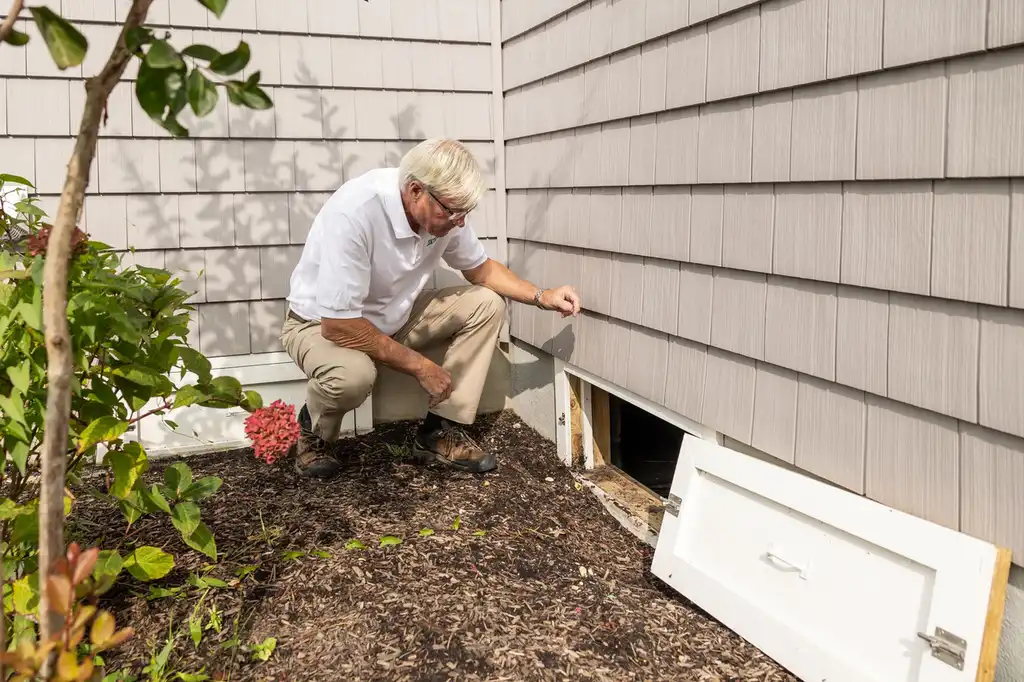
We inspect attics, crawl spaces, bathrooms, and HVAC systems in Phoenix homes. You walk with us and see every reading.
- Musty smell in hallway
- Ceiling stain after storm
- Swamp cooler attic moisture
Mold Inspection Phoenix AZ is the fastest way to find out whether that musty smell, ceiling stain, or post-monsoon damp patch is actually mold. We inspect attics, crawl spaces, bathrooms, and HVAC systems across Maricopa County with moisture meters and thermal cameras, then hand you a written report with photos. If you are buying a home or cleaning up after a leak, start here.
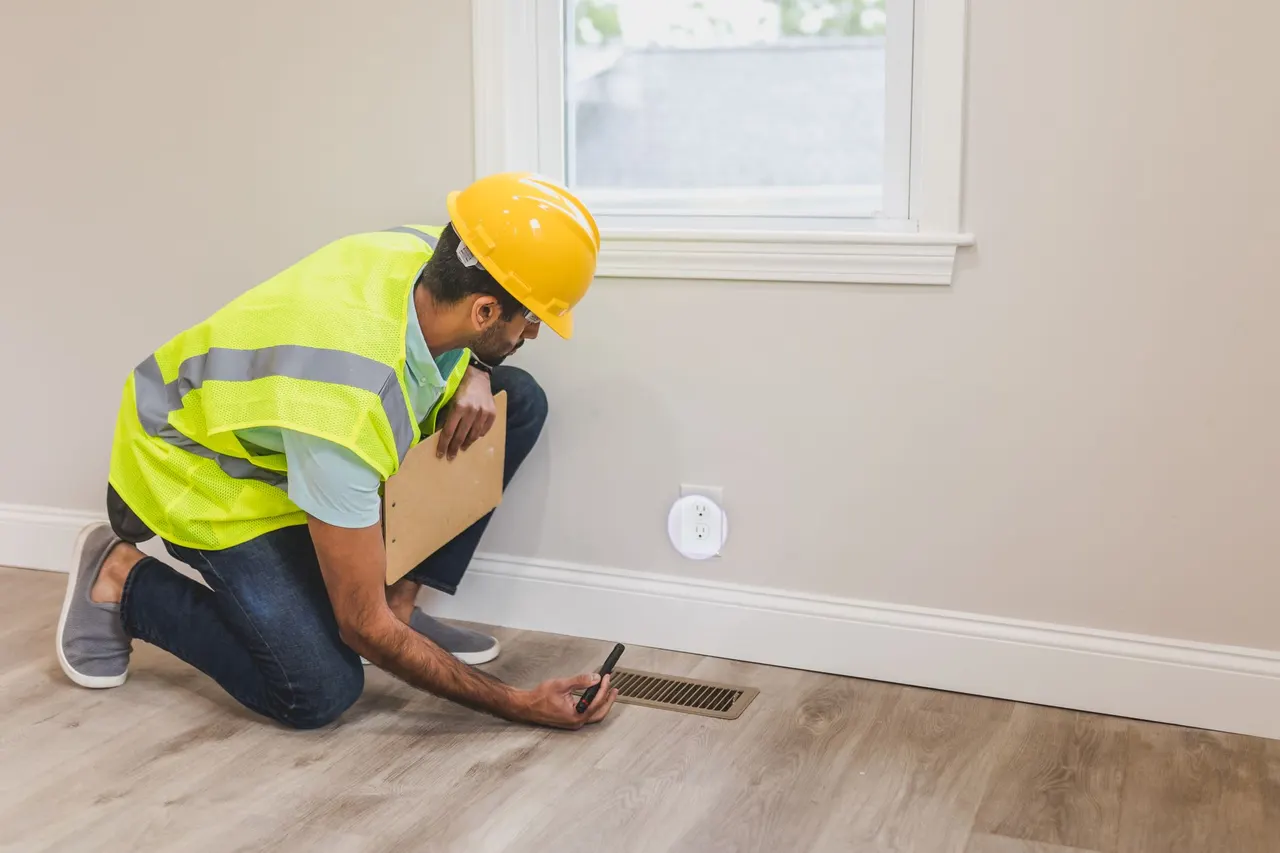 Moisture mappingThermal scanPhoto report
Every inspection includes the core assessment work: walk-through, moisture readings, thermal scan, and a written report. Sampling and lab analysis are added when we find elevated moisture or visible growth. Here is what you can expect on a standard visit.

We inspect the attic, crawl space, bathrooms, kitchen, laundry, HVAC closet, and every room with a water source. You walk with us and point out concerns. This usually takes 45 to 60 minutes on a typical Phoenix home.
We take readings on walls, ceilings, floors, and cabinetry in every suspect area. Readings are recorded and included in your report so you have a baseline to compare against if you dry the space and re-check later.
A thermal imaging camera reveals temperature differences behind drywall, under flooring, and around windows that indicate hidden moisture. This is how we find mold without cutting into finished surfaces.
Where readings are high, we insert a boroscope into wall cavities through small access points. It lets us see the back of drywall, framing, and insulation without demolition, and we photograph what we find.
You get a report within one business day with photos, moisture readings, findings by room, and a clear recommendation. If samples were taken, lab results are appended when they come back in 24 to 72 hours.
If mold or moisture damage is confirmed, we provide a line-item scope for remediation. You can use it to compare bids, file an insurance claim, or hire us to do the work.
The approach is the same for a home and a business. What changes is the access, the schedule and who needs the paperwork.
We inspect attics, crawl spaces, bathrooms, and HVAC systems in Phoenix homes. You walk with us and see every reading.
We inspect offices, retail, and multi-family buildings around tenant schedules. Reports are written for owners and managers.
A plain-language look at what Mold Inspection involves and when it is needed.
See how it worksA mold inspection is a non-invasive investigation of your home or building for active mold growth, hidden moisture, and the conditions that feed it. We start with a walk-through and a moisture meter on every suspect surface, then use a thermal imaging camera to spot temperature differences behind drywall and under flooring. Attics, crawl spaces, and HVAC air handlers get checked because those are the three places Phoenix mold hides longest. You get photos, moisture readings, and a plain-language summary of what we found and where.
Phoenix homes have a specific mold profile. Swamp cooler pads sit wet all summer, monsoon storms push water under stucco and patio doors, and slab leaks feed mold under tile for months before anyone notices. We have walked thousands of Valley homes and know where to look first. If you need a home mold inspection Phoenix AZ before closing, or you are chasing a musty odor that keeps coming back, our team can usually schedule you within 24 to 48 hours.
An inspection tells you whether mold is there, where the moisture comes from, and what to do next.

Every inspection follows the same five steps, whether it is a 1,200-square-foot condo in Midtown or a 4,000-square-foot home in Norterra. Most take two to four hours on site.
We ask what you have seen, smelled, or dealt with recently, including any water damage, monsoon leaks, or AC issues. That call usually takes 10 to 15 minutes and tells us what equipment to bring. You get a scheduled window, not a vague all-day arrival.
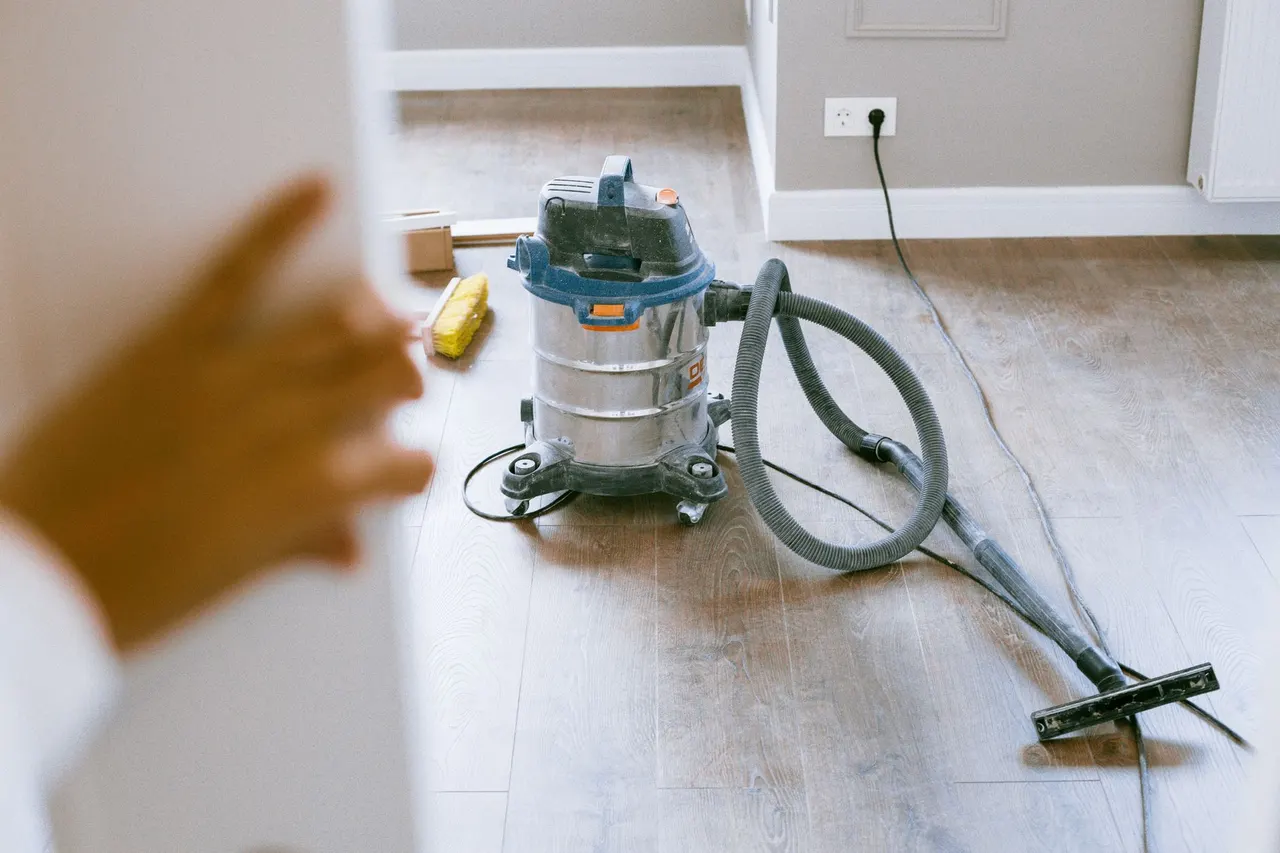
On arrival we walk the property with you and note every area of concern. We check the attic, crawl space, bathrooms, laundry, kitchen, and HVAC closet. You point out what worried you, and we add the spots most homeowners never think to check.
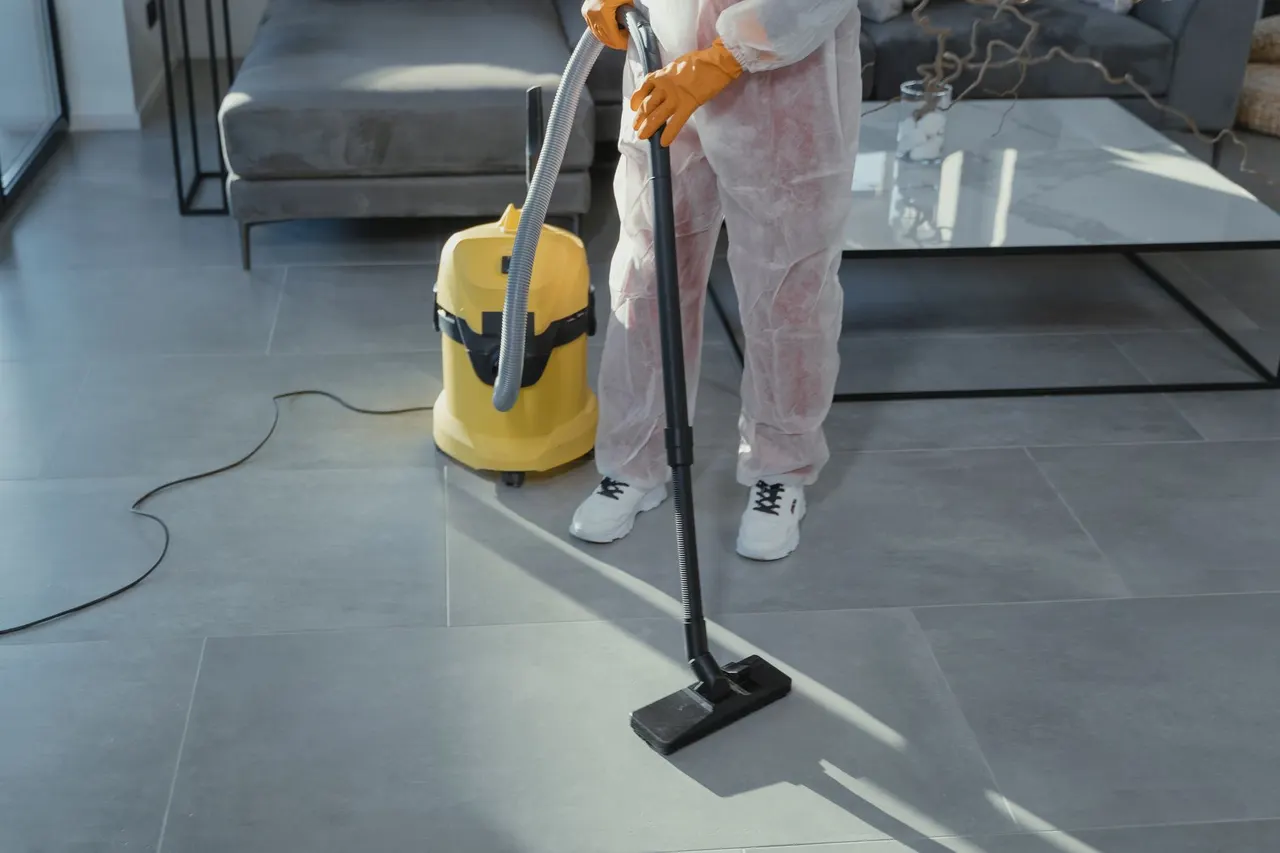
We run a moisture meter across suspect surfaces and a thermal imaging camera along walls, ceilings, and floors. A boroscope goes into wall cavities where readings are high. This is where hidden mold inspection Phoenix work pays off, because we find growth that is invisible from the surface.
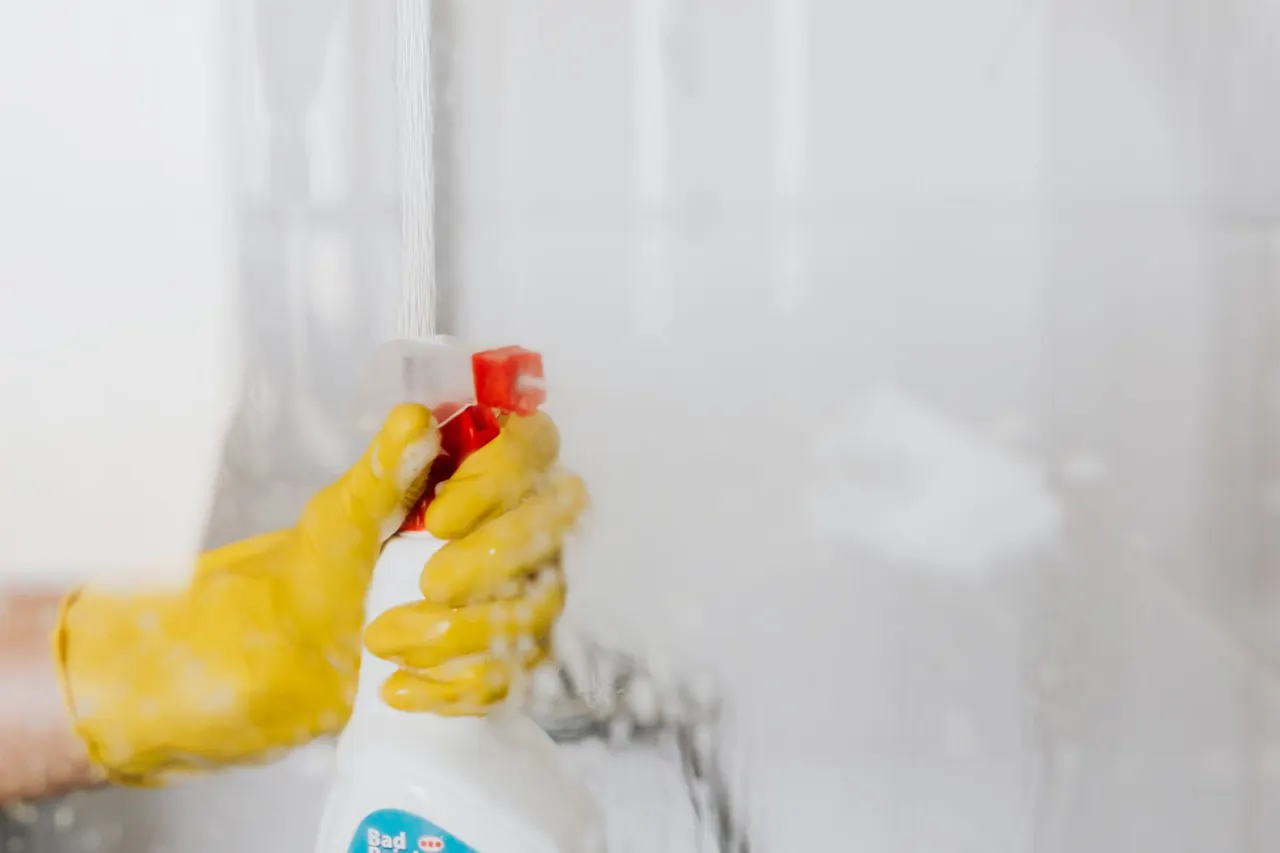
If growth is visible or readings are elevated, we take air and surface samples for lab analysis. Results come back in 24 to 72 hours and tell you the genus and concentration, which matters when you are deciding between cleaning and full remediation.

You get a written report with photos, moisture readings, lab results, and a clear recommendation. We walk you through it line by line and answer questions. If remediation is needed, we scope it. If it is not, we tell you that too.
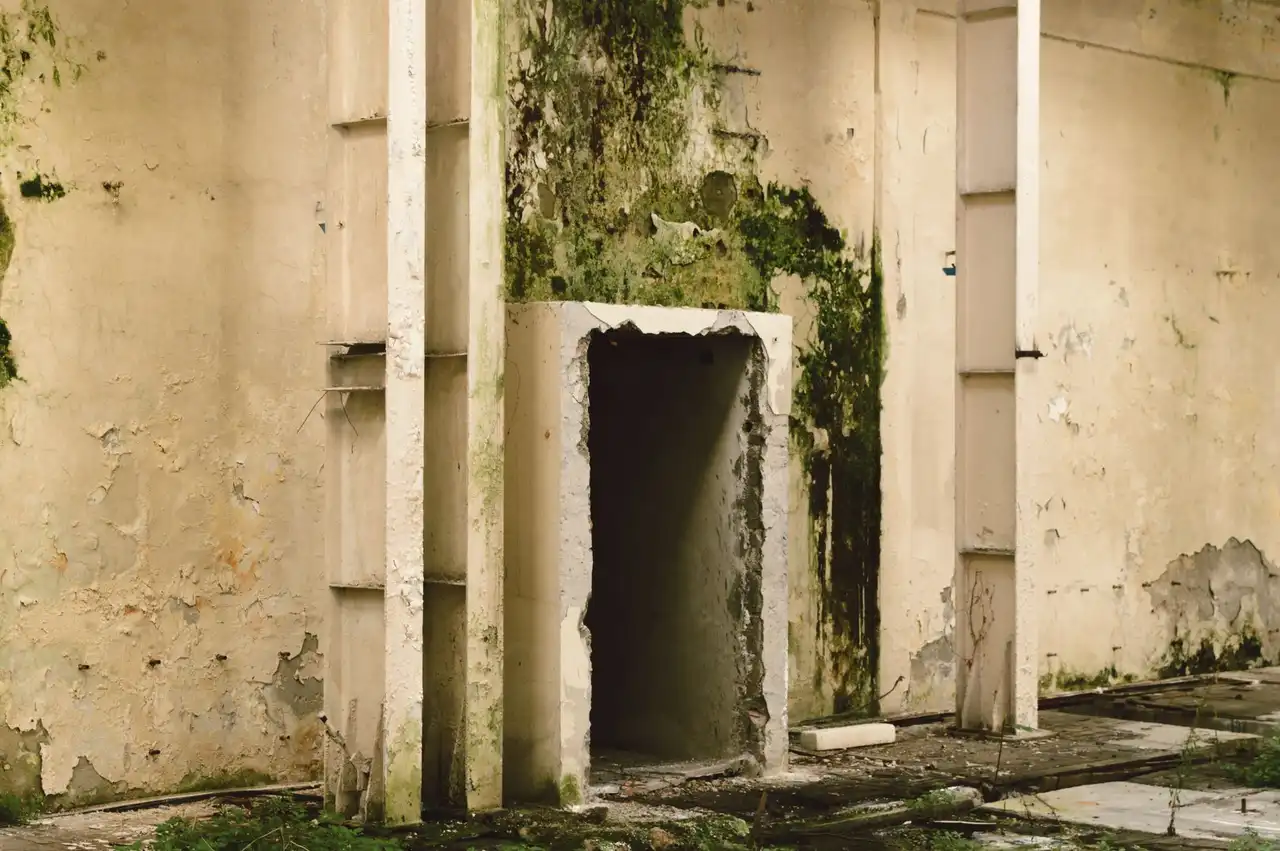
Move across a circle, or focus it and press Enter, for an illustrative thermal view of the photograph.
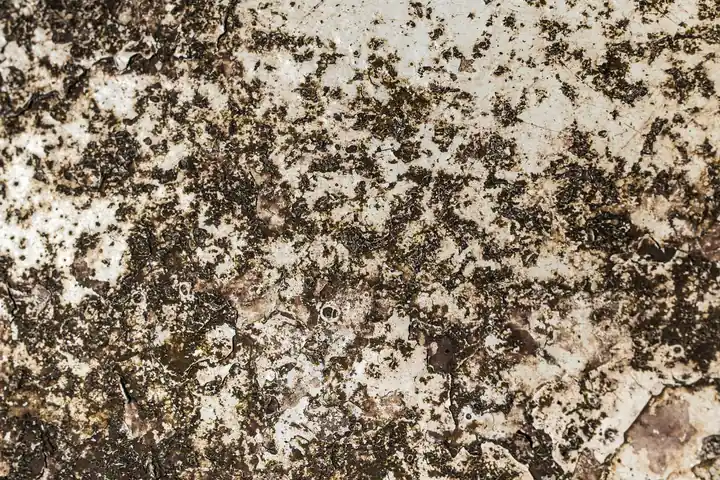
Pin and pinless meters measure moisture content in drywall, wood, and flooring. We use them to confirm wet materials and establish a baseline for drying.
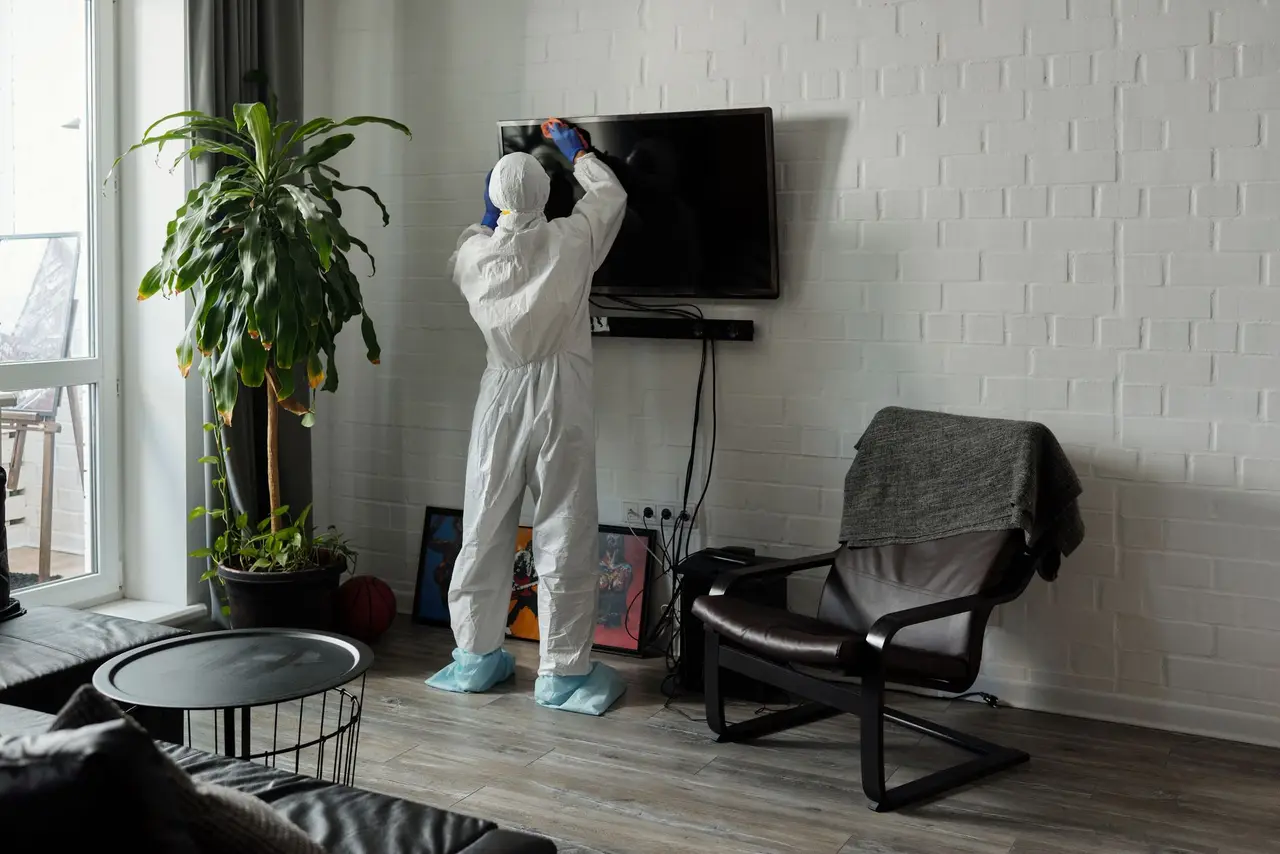
Detects temperature differences behind finished surfaces that indicate hidden moisture. It lets us find wet areas without cutting into walls.
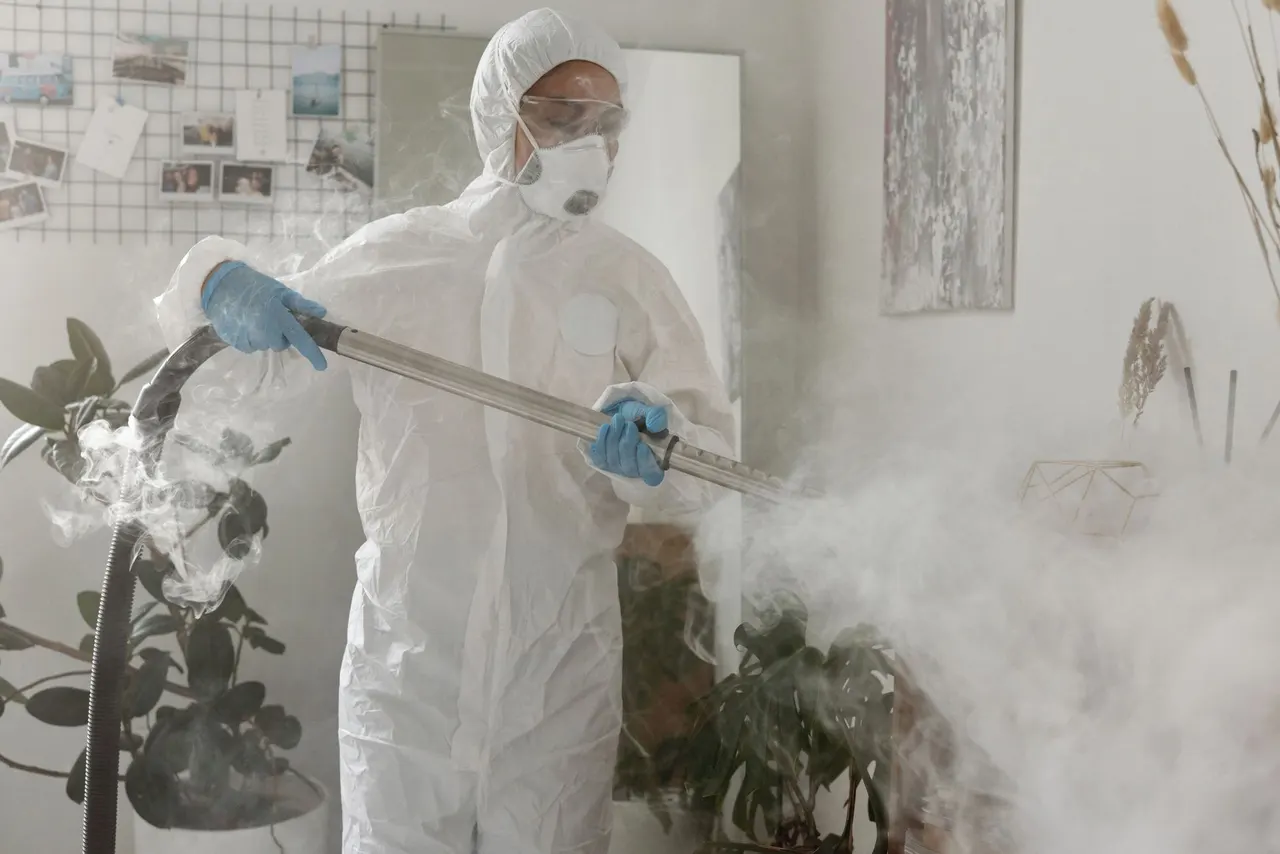
A flexible camera inserted into wall cavities through small holes. We use it to see the back of drywall, framing, and insulation and photograph what we find.
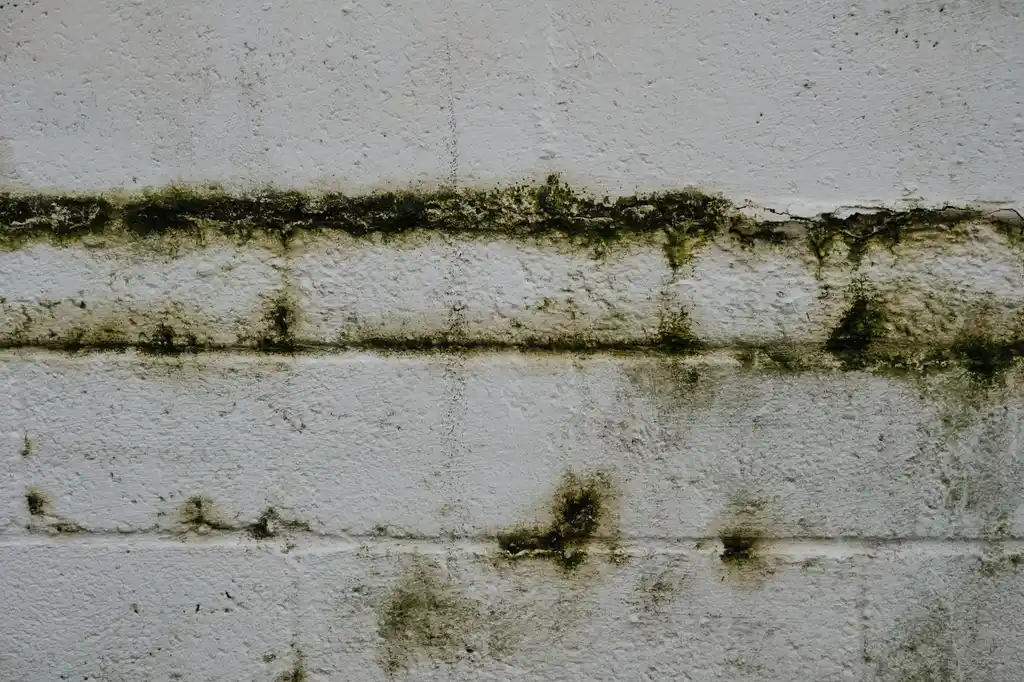
When we disturb suspect materials during inspection or sampling, an air scrubber captures airborne spores and keeps them from spreading through the home.
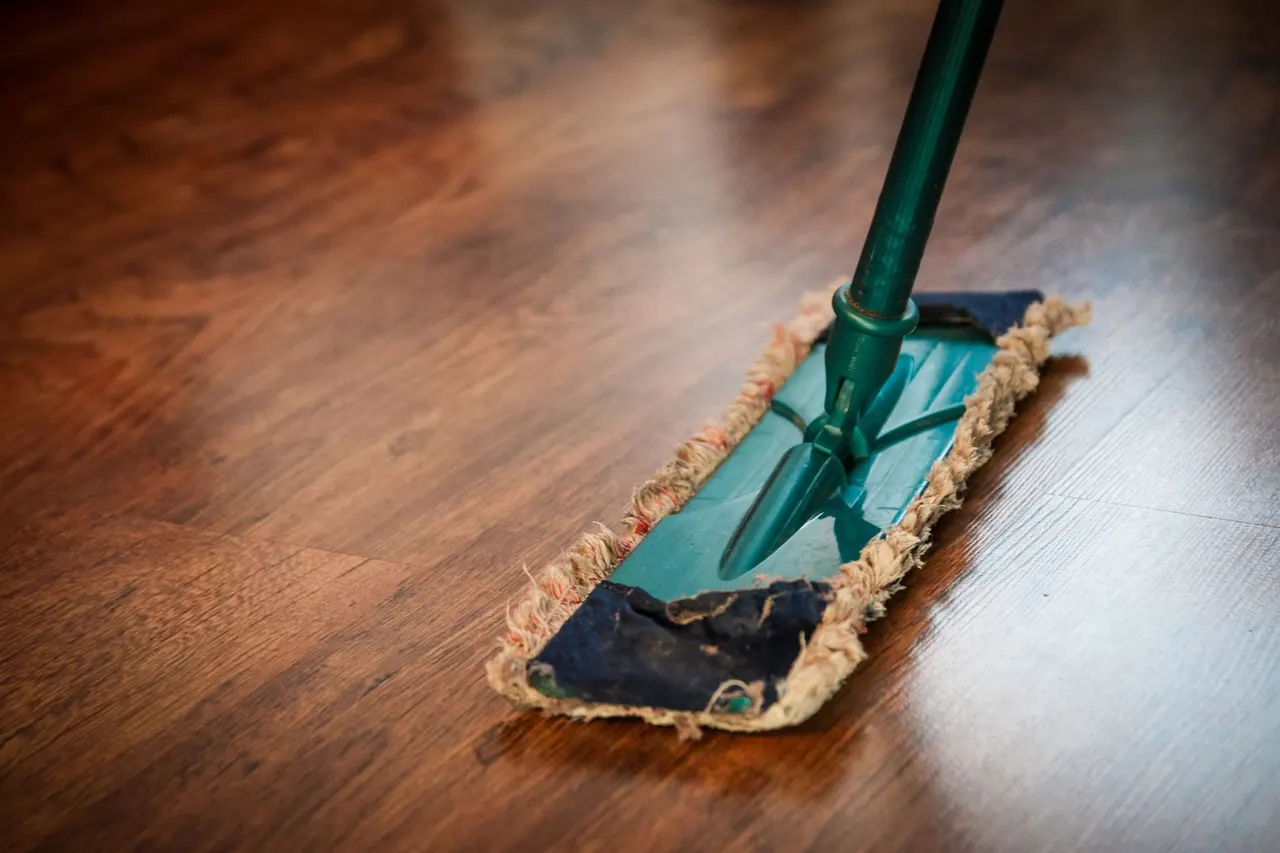
Creates negative pressure in a contained area so air flows in, not out. Used during sampling and any invasive inspection to protect the rest of the home.
Thermal views are illustrative, generated from the photographs.
If we find wet materials during inspection, we can set drying equipment the same day to stop mold from developing while you decide on next steps.
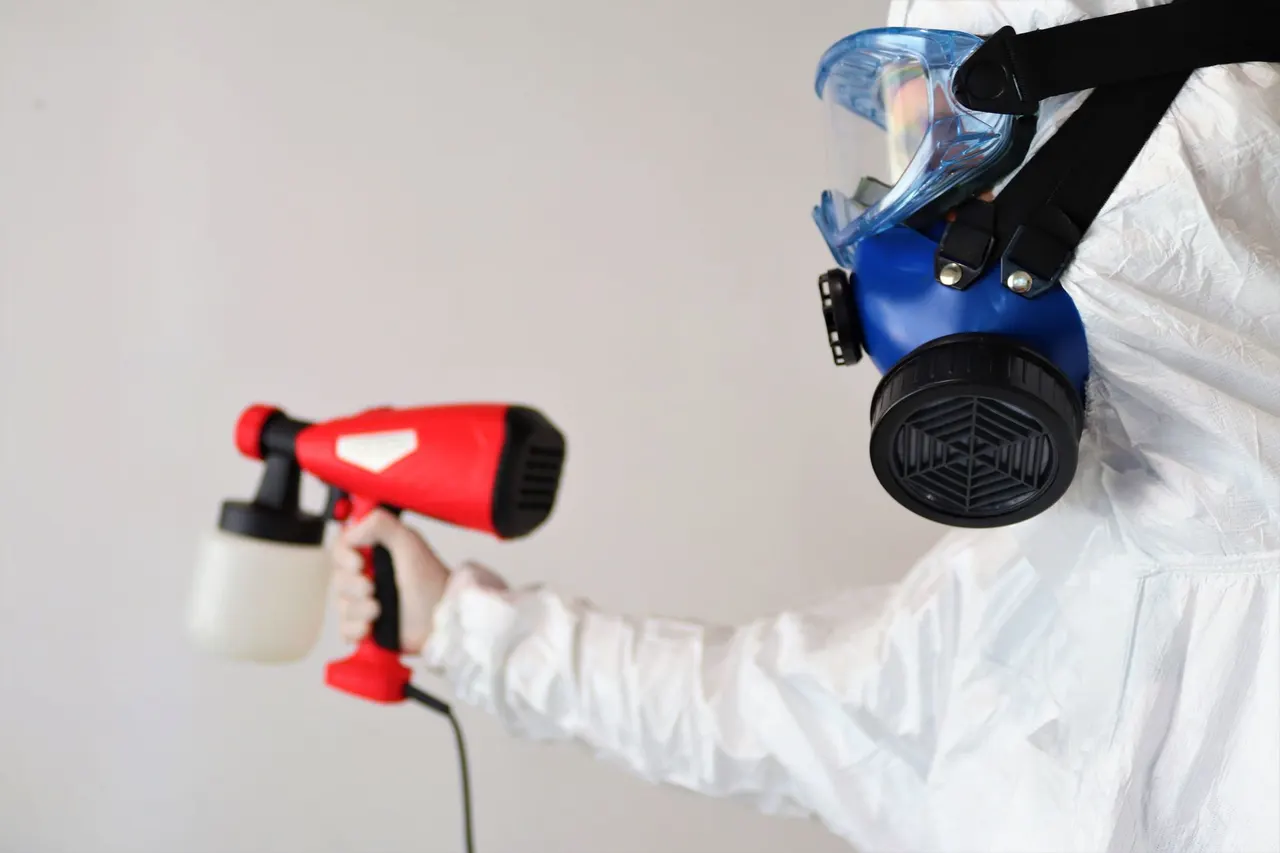
Standard protection for any inspection where mold is suspected or confirmed. Keeps our technicians safe and prevents cross-contamination between rooms.
We follow the IICRC S520 standard for mold assessment, which defines how to evaluate moisture, document findings, and determine whether remediation is needed. It is the industry benchmark for a defensible inspection.
A thermal anomaly alone is not proof of moisture. We confirm every thermal finding with a moisture meter reading and, where needed, a boroscope look inside the cavity. Two data points, not one.
When growth is visible or moisture is elevated, we take air samples with a calibrated pump and surface samples with swabs or tape lifts.
If we need to open a wall or ceiling to inspect, we set a containment barrier with poly sheeting and run a negative air machine. This keeps spores from spreading to clean areas of the home.
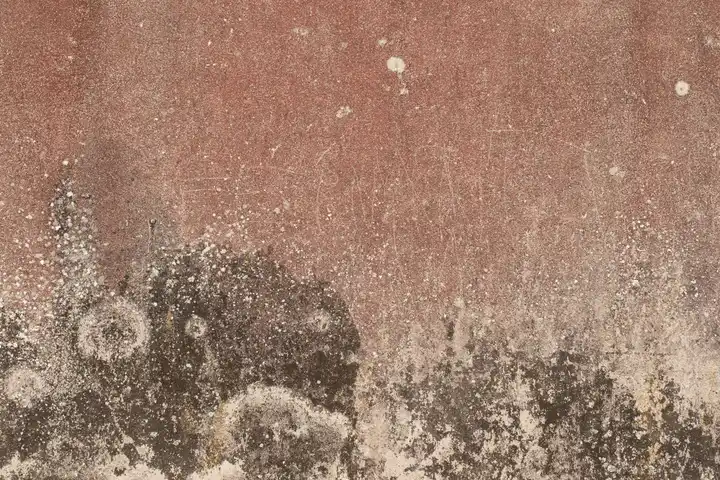
You are under contract on a Phoenix home with a swamp cooler or flat roof and want mold ruled out before closing.
We inspect the attic, HVAC, and any areas with water history, take samples if needed, and deliver a report within one business day so your contingency period is not delayed.
Outcome: You close with documentation, or you negotiate repairs with real numbers instead of guesses.
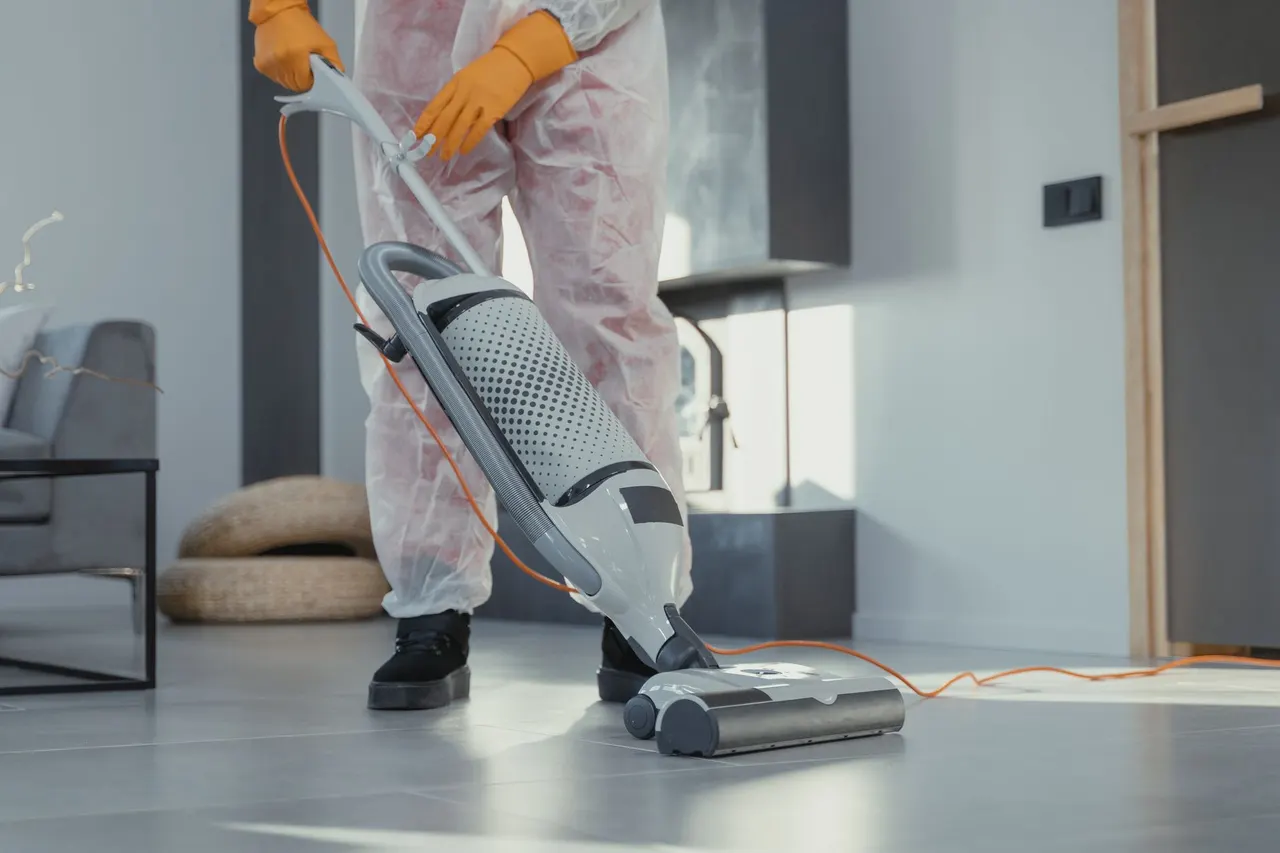
A monsoon storm pushed water under your patio door and soaked the carpet two weeks ago.
We check moisture levels in the carpet, pad, and subfloor, inspect the wall cavity behind the door, and determine whether drying was sufficient or mold has started.
Outcome: You know whether the area is dry or needs remediation, and you have photos to support an insurance claim.
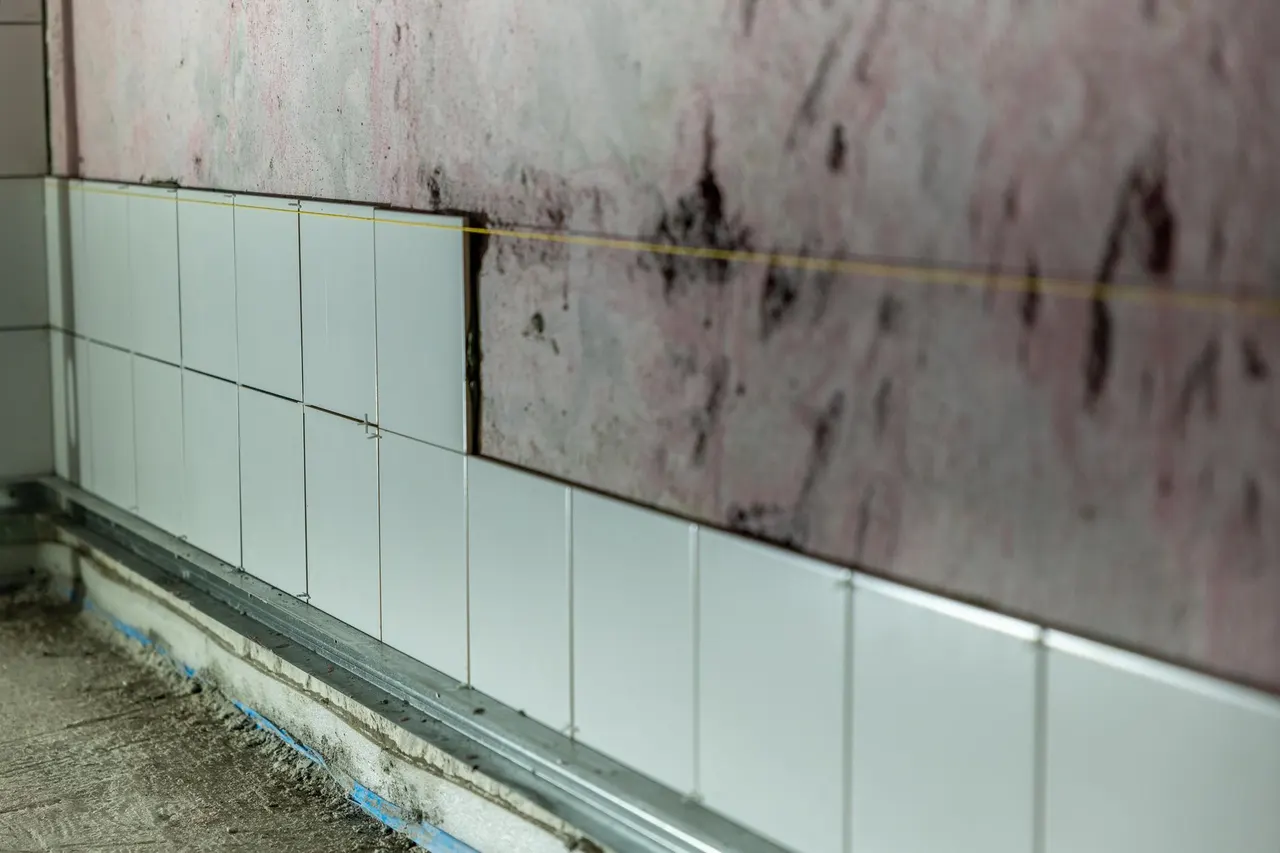
You smell something musty in the hallway but cannot find any visible mold.
Thermal imaging and a boroscope let us look inside wall cavities and under flooring without demolition. We trace the odor to its source and confirm whether growth is active.
Outcome: You get a definitive answer and a targeted fix instead of tearing out walls hoping to find it.
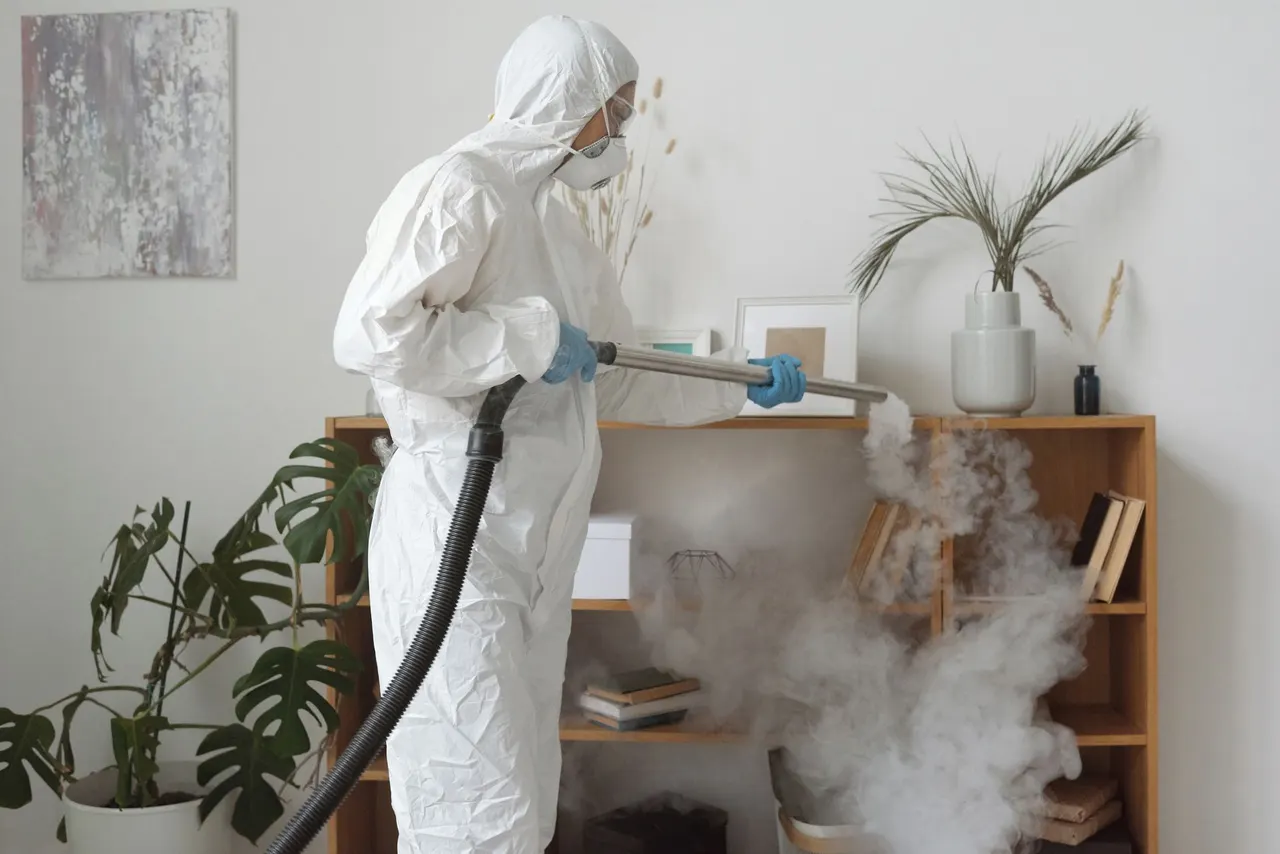
Your commercial tenant reports a musty smell and you need documentation for the property owner.
We inspect the space, take air samples, and provide a written report with lab results that identifies the mold and the moisture source. The scope is clear enough to bid remediation.
Outcome: You have documentation for the owner, the tenant, and any insurance claim, and you can schedule remediation without delay.
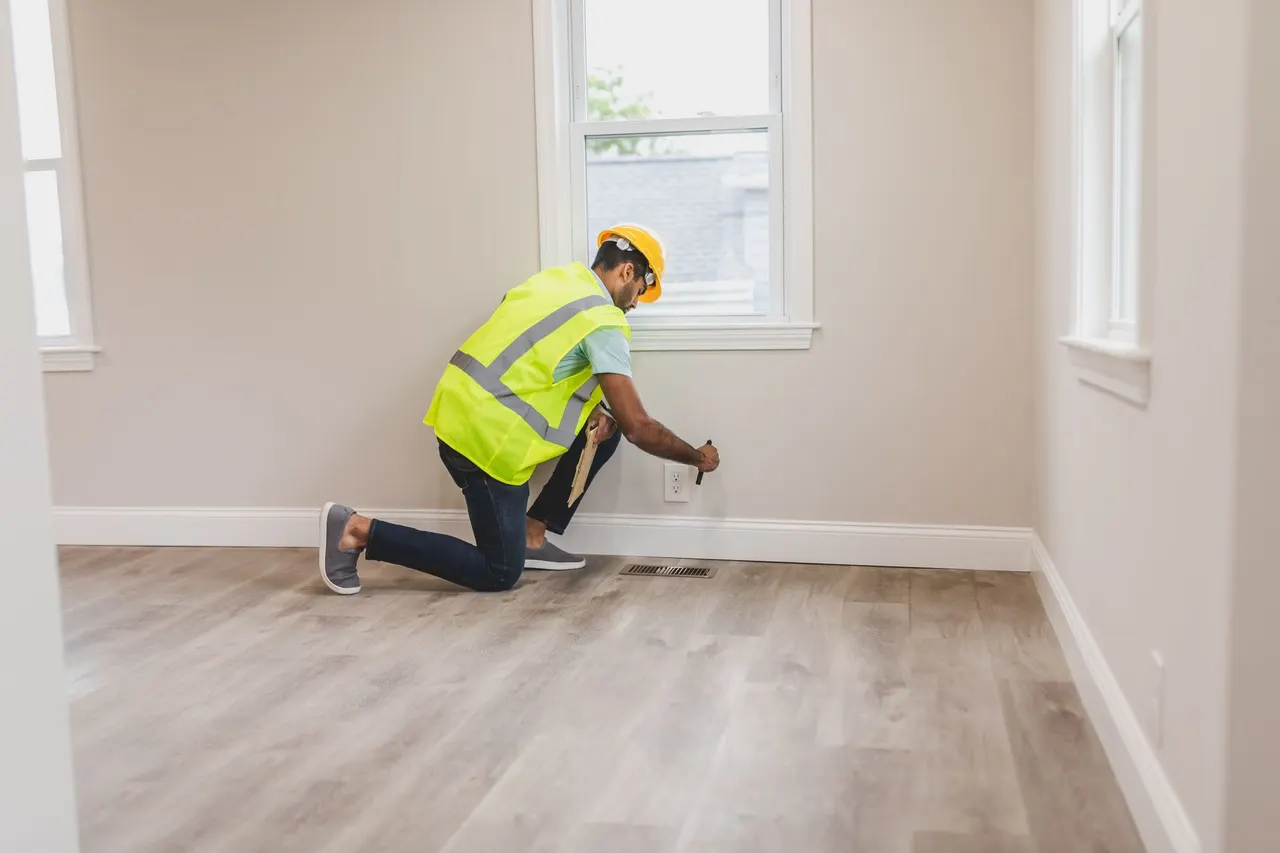
You had a slab leak repaired last year and now notice discoloration near the baseboards.
We inspect the affected area and surrounding flooring, measure moisture in the slab and walls, and determine whether mold has developed from residual moisture.
Outcome: You catch any growth early and get a scope to remove it before it spreads under the rest of the floor.

Phoenix mold problems follow the weather. Monsoon season from June through September drives water through stucco cracks, under patio doors, and around roof penetrations, and we see a spike in inspection calls in July and August. Swamp coolers run wet all summer and are a common source of attic and ceiling mold.
Winter brings a different pattern: slab leaks and supply-line failures that soak drywall slowly, sometimes for months. Our inspections are built around those realities. We check attic sheathing for swamp cooler moisture, scan ceilings for monsoon intrusion, and use thermal imaging on slab-on-grade floors where leaks hide.
If you need a Phoenix mold assessment company that knows the difference between a monsoon problem and a plumbing problem, that is us. We serve ZIP codes 85009, 85003, 85006, 85007, 85004, and 85083 and the rest of Maricopa County.
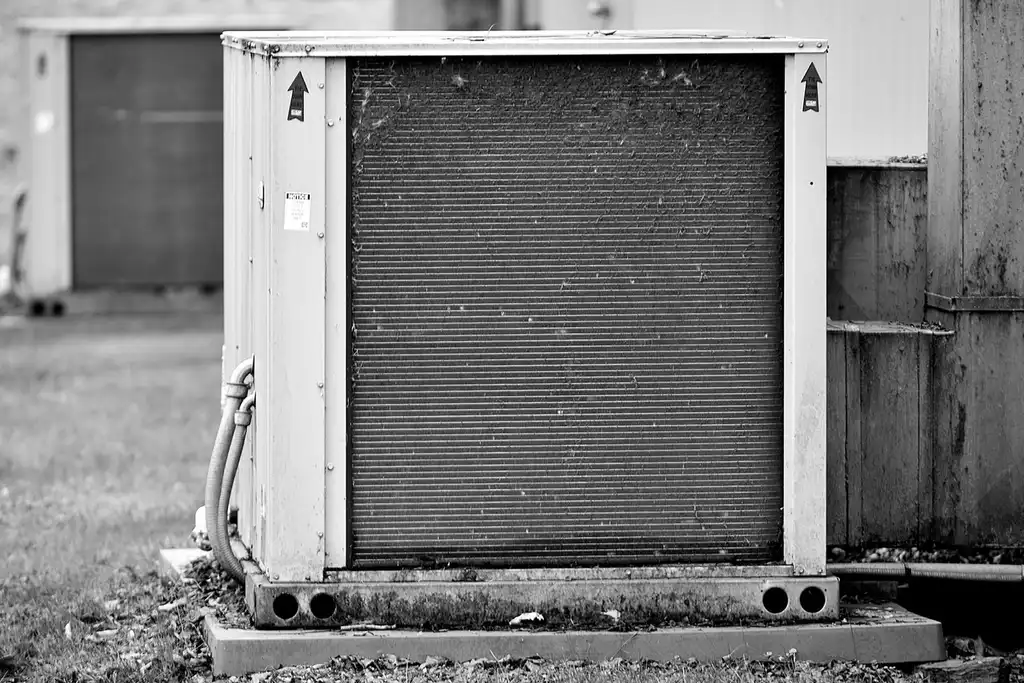
Before: A North Phoenix homeowner noticed a musty smell in the hallway every summer. The attic sheathing above the cooler had visible dark growth, and moisture readings on the rafters were elevated. The cooler pad had not been changed in two seasons.
After: We documented the growth with photos and moisture readings, scoped remediation for the affected sheathing, and recommended a cooler service and attic ventilation correction. Remediation was completed in two days, and a follow-up inspection confirmed dry readings.
Change swamp cooler pads at the start of every season and check attic sheathing each spring. Keep the cooler serviced so water does not stand in the unit.
Before: A Midtown homeowner saw discoloration along the baseboards in the hallway and thought it was paint. A moisture meter read 28 percent in the drywall, and thermal imaging showed a wet trail under the tile. A slab leak had been feeding moisture for months.
After: We scoped removal of the affected baseboard and drywall, recommended a plumber to repair the slab leak, and documented everything for the insurance claim. After the leak was fixed, the area was dried and rebuilt, and a clearance inspection confirmed no active growth.
Watch for warm spots on tile floors and unexplained increases in your water bill. Both are early signs of a slab leak.
Before: A property manager in the Camelback Corridor got complaints about a musty smell in a tenant suite. The air handler closet had visible growth on the interior panel and the return plenum was damp. Condensate was not draining properly.
After: We took air samples, documented the growth, and scoped cleaning of the air handler and ductwork. The condensate drain was cleared, the unit was treated, and post-remediation air samples came back at normal levels. The tenant stayed in the suite through the work.
Schedule HVAC service twice a year and check the condensate drain line each spring. Keep the air handler closet dry and free of stored items.
Most mold calls start with a symptom, not a diagnosis. These are the problems Phoenix homeowners bring us, and what happens if they go unaddressed.
You get a clear answer and a written record you can act on.
Mold behind drywall or under a cabinet can grow for months before you smell it.
A mold inspection report Phoenix AZ buyers and realtors can actually use includes photos, moisture readings, and room-by-room findings. It gives you leverage at the negotiating table and a clear scope for any remediation that follows.
That musty smell in the hallway is a clue, not an answer. We trace it to the source, whether it is a bathroom exhaust venting into the attic or a slow supply-line leak behind the fridge, and tell you exactly what needs to be dried, cleaned, or repaired.
HVAC mold spreads spores through every room in the house. We inspect the air handler, ductwork, and return plenums, and if we find growth we can recommend duct cleaning and filtration that keeps your family from breathing it all summer.
Clear records you can keep and share.
Every finding photographed and labeled
Readings recorded by room and surface
Genus and concentration when sampled
Line-item recommendations for next steps
An inspection finds moisture and growth. It does not replace a plumber or roofer for the source repair.
Mold you can see on surfaces
Wet materials behind finishes
Mold particles in the air
A list like this tells people straight away whether you cover their street. Not listed? Call and ask: it only takes a minute.
Based in Phoenix and covering the places around it. Pick one for local details.
A full inspection includes a walk-through of the attic, crawl space, bathrooms, kitchen, laundry, and HVAC system, moisture meter readings on suspect surfaces, a thermal imaging scan of walls and ceilings, and a written report with photos. If we find elevated moisture or visible growth, we take air or surface samples for lab analysis. Most inspections take two to four hours on site.
If the home has any history of water damage, a swamp cooler, or a flat roof, yes. A pre-purchase inspection gives you documented evidence of moisture or growth before you close, which you can use to negotiate repairs or walk away. Standard home inspections do not include mold-specific testing, so this is a separate service.
Book one if you smell a musty odor that will not go away, see discoloration on drywall or ceiling tiles, had a water leak or monsoon intrusion in the last 12 months, or notice allergy symptoms that get worse at home. Visible black mold growth, attic mold, or crawl space mold are all reasons to call.
Most residential inspections run two to four hours depending on square footage and how many areas of concern you have. Commercial properties can take longer. Lab samples add 24 to 72 hours for results, and your written report is delivered within one business day of the site visit.
Other services from the same team.
If you smell something musty, see a stain, or just closed on a home with a questionable past, get a professional inspection before the problem grows. Call us and we will schedule a visit, usually within 24 to 48 hours.
Call 1234567890 or email info@azmoldremoval.com and we will get you on the schedule. We answer the phone during business hours, and if you leave a message after hours we call back the next morning. Tell us what you are seeing, smelling or feeling, and we will tell you what the next step looks like.