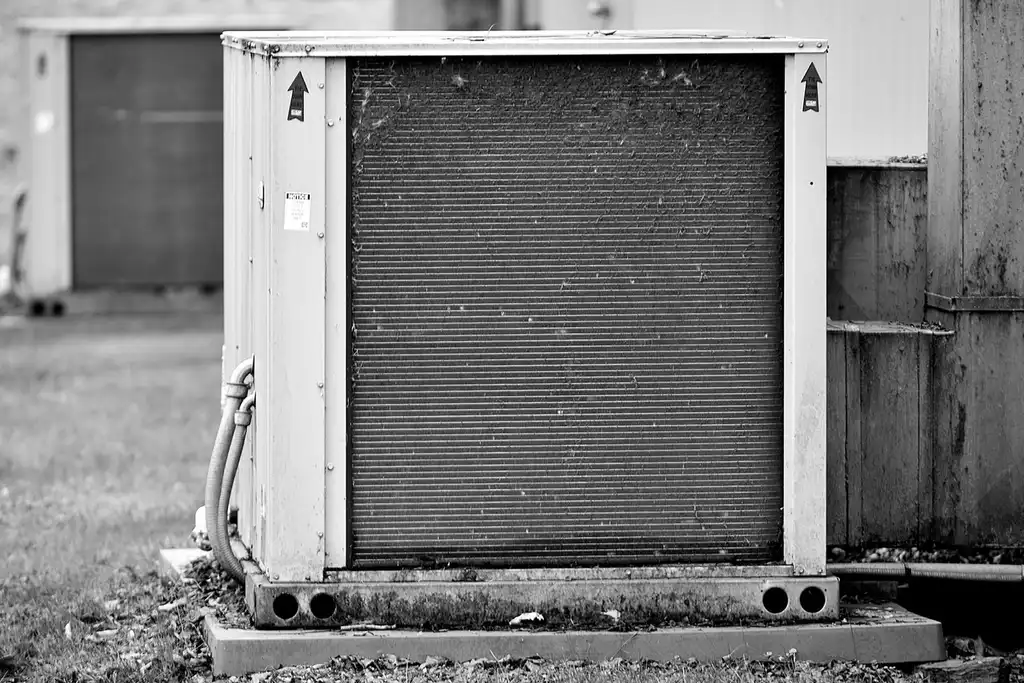
For Homes
We test houses, condos, and apartments for mold. You get lab results and a clear report.
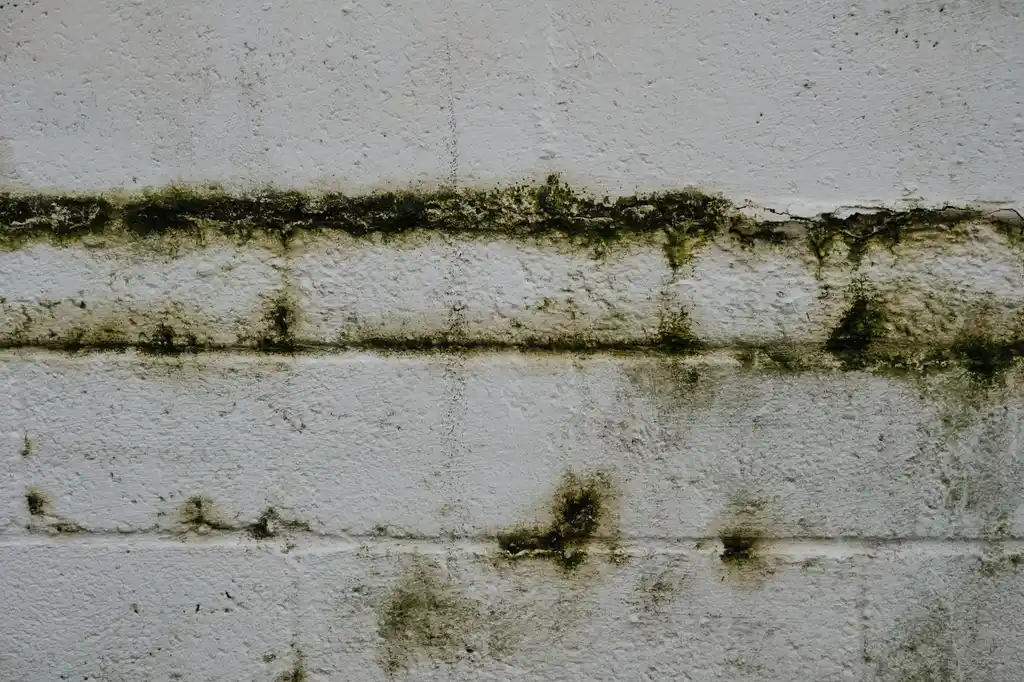
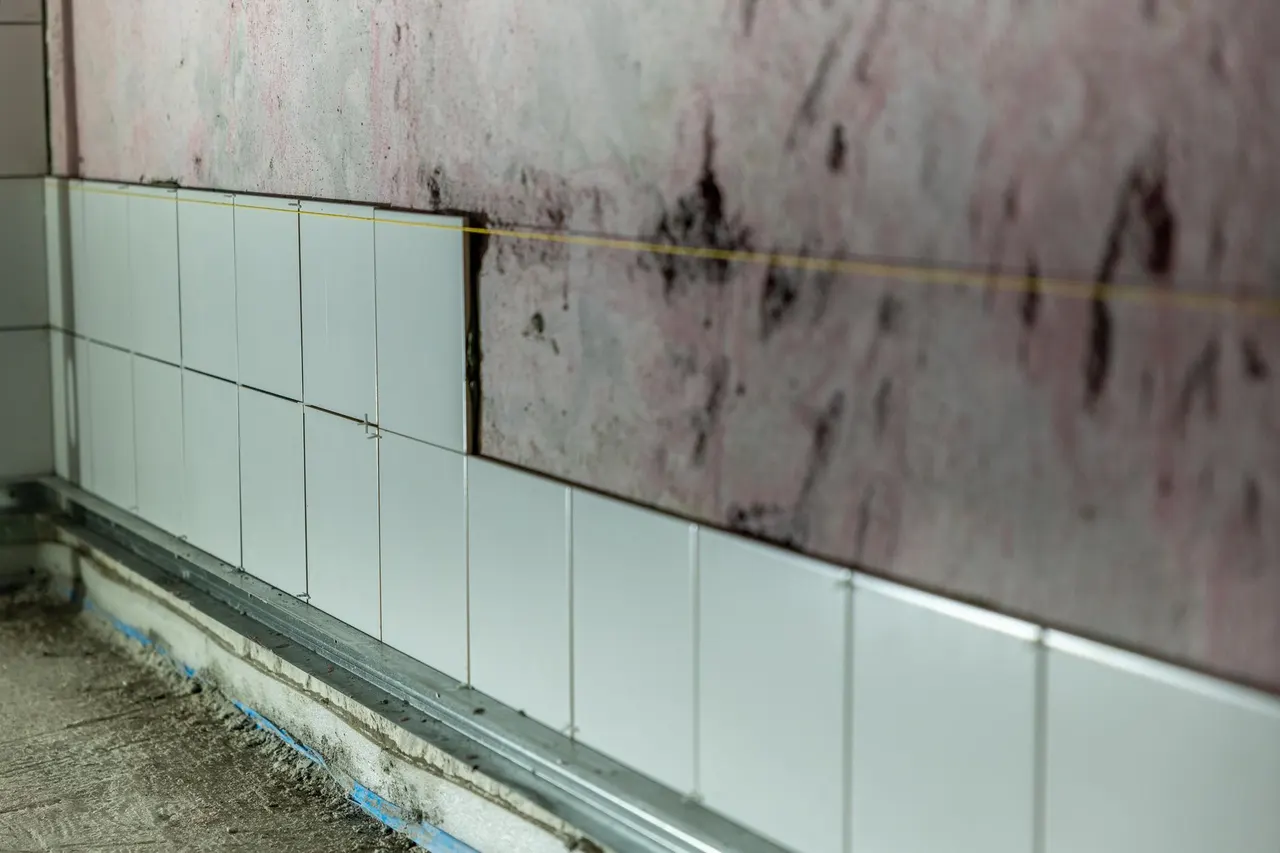
- Musty odors in living areas
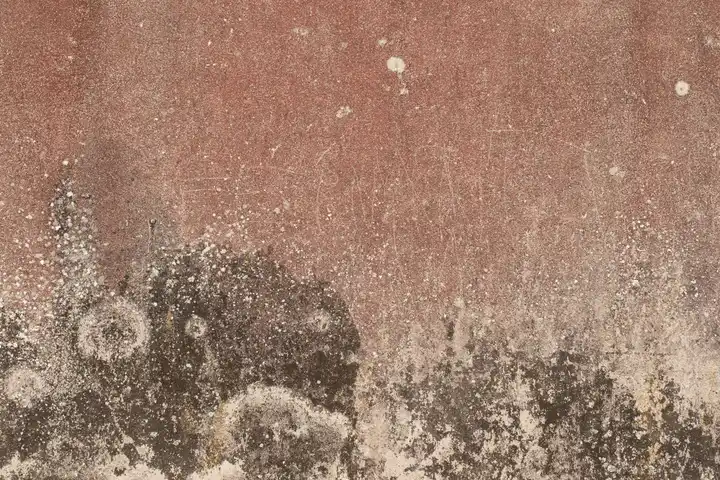
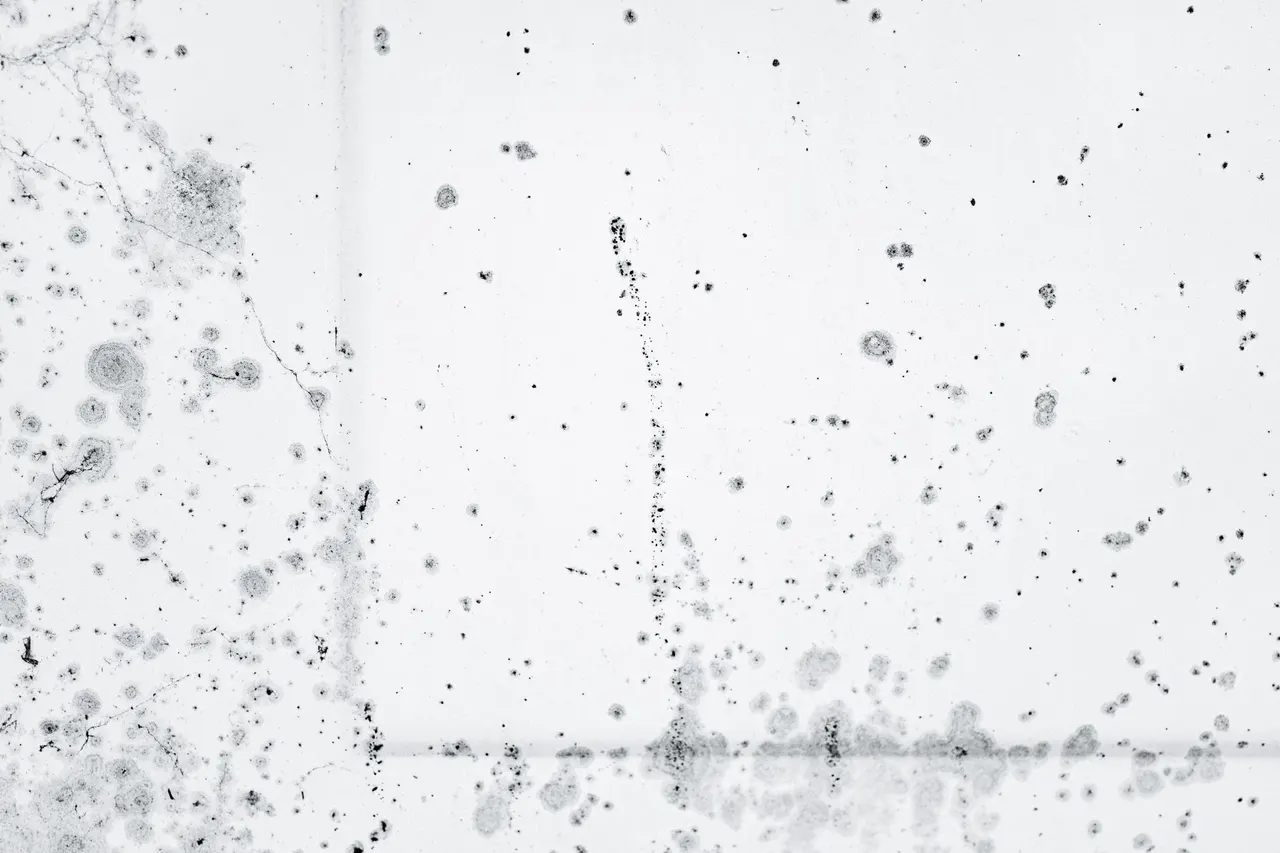
- Water stains on ceilings
- Mold around bathroom fixtures
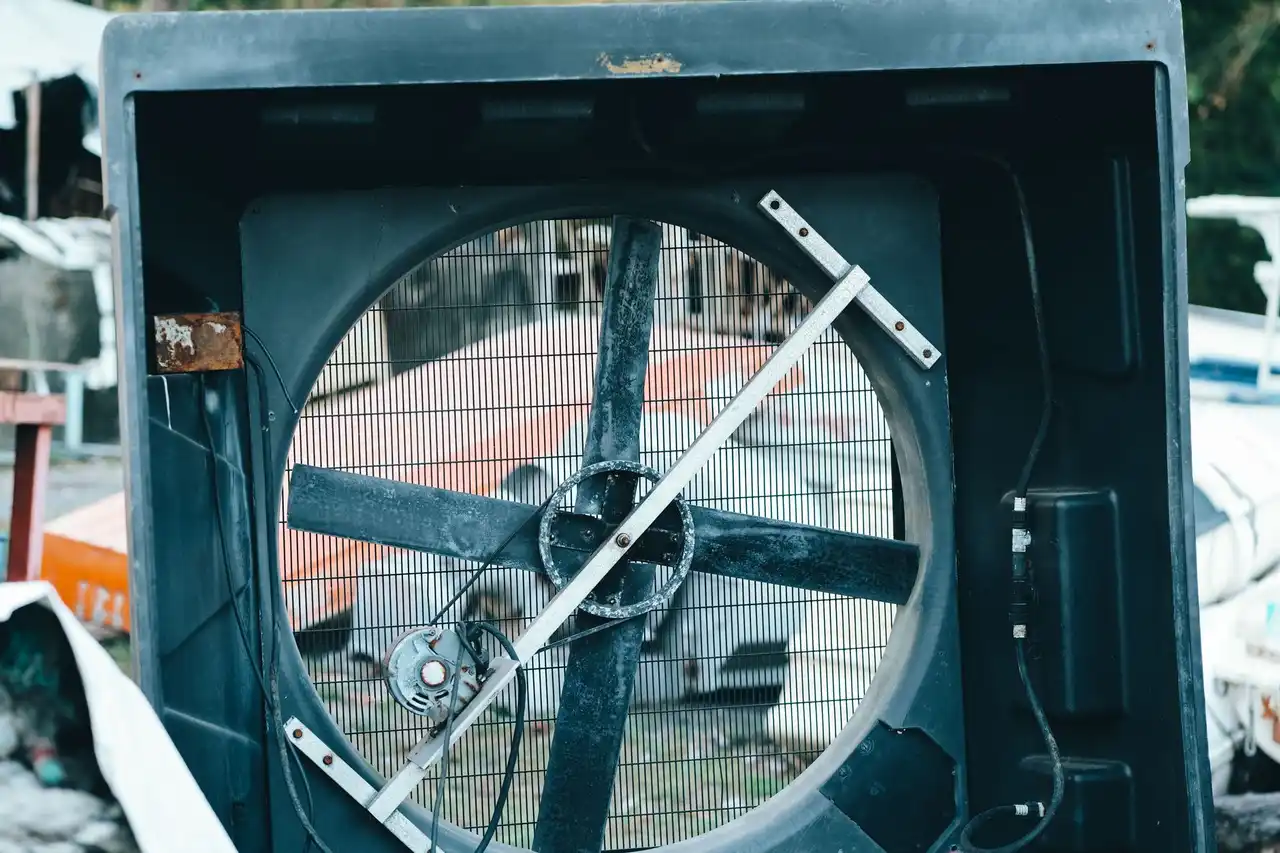
Mold Testing Phoenix AZ gives you a clear answer about what is growing in your home and whether it is a health risk. We test air, surfaces, and hidden cavities in attics, crawl spaces, and around swamp coolers. If you smell something musty or had a leak, our Professional Mold Testing Phoenix team finds the source and documents it with lab results.
 Air samplingSurface samplingMoisture mapping
Every mold testing job includes a visual inspection, moisture detection, air and surface sampling, lab analysis, and a written report. Here is what you get when you book with us.
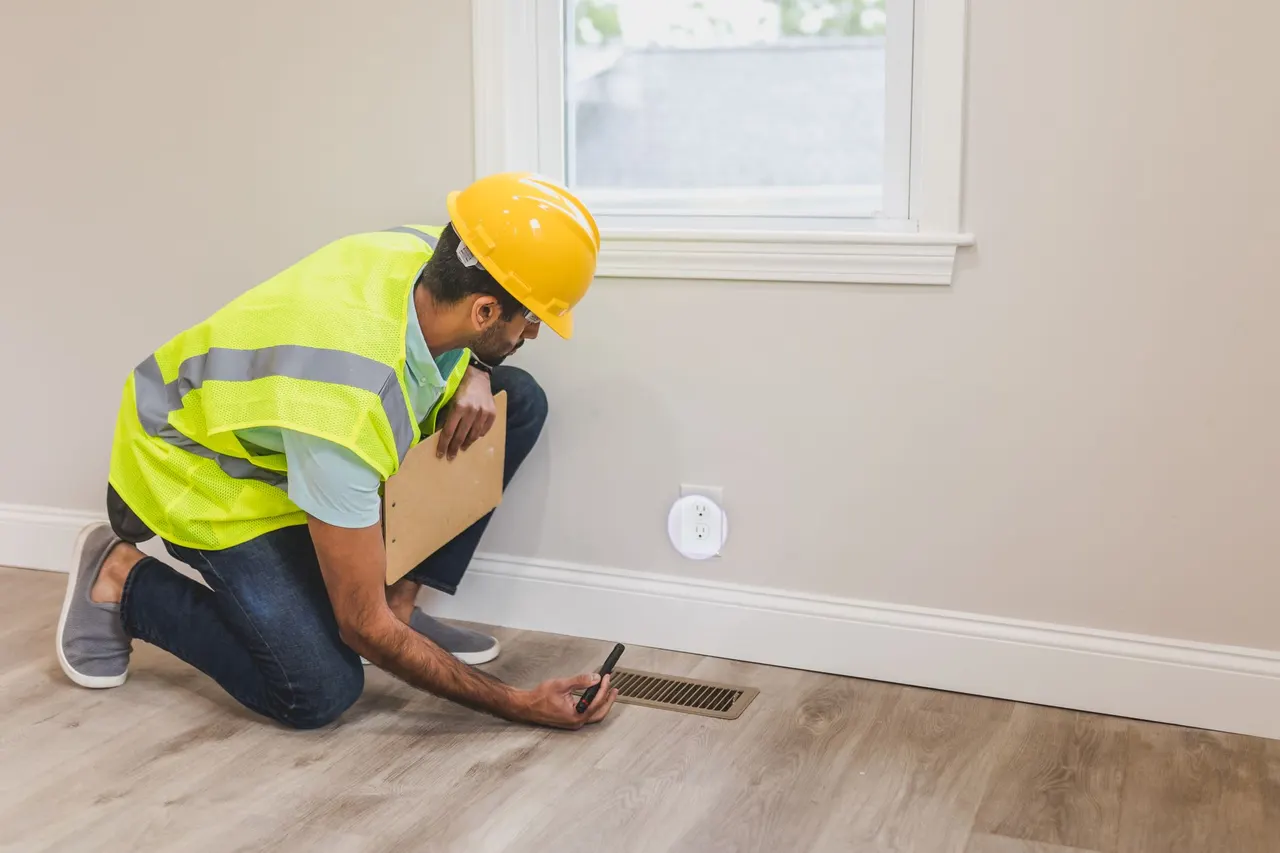
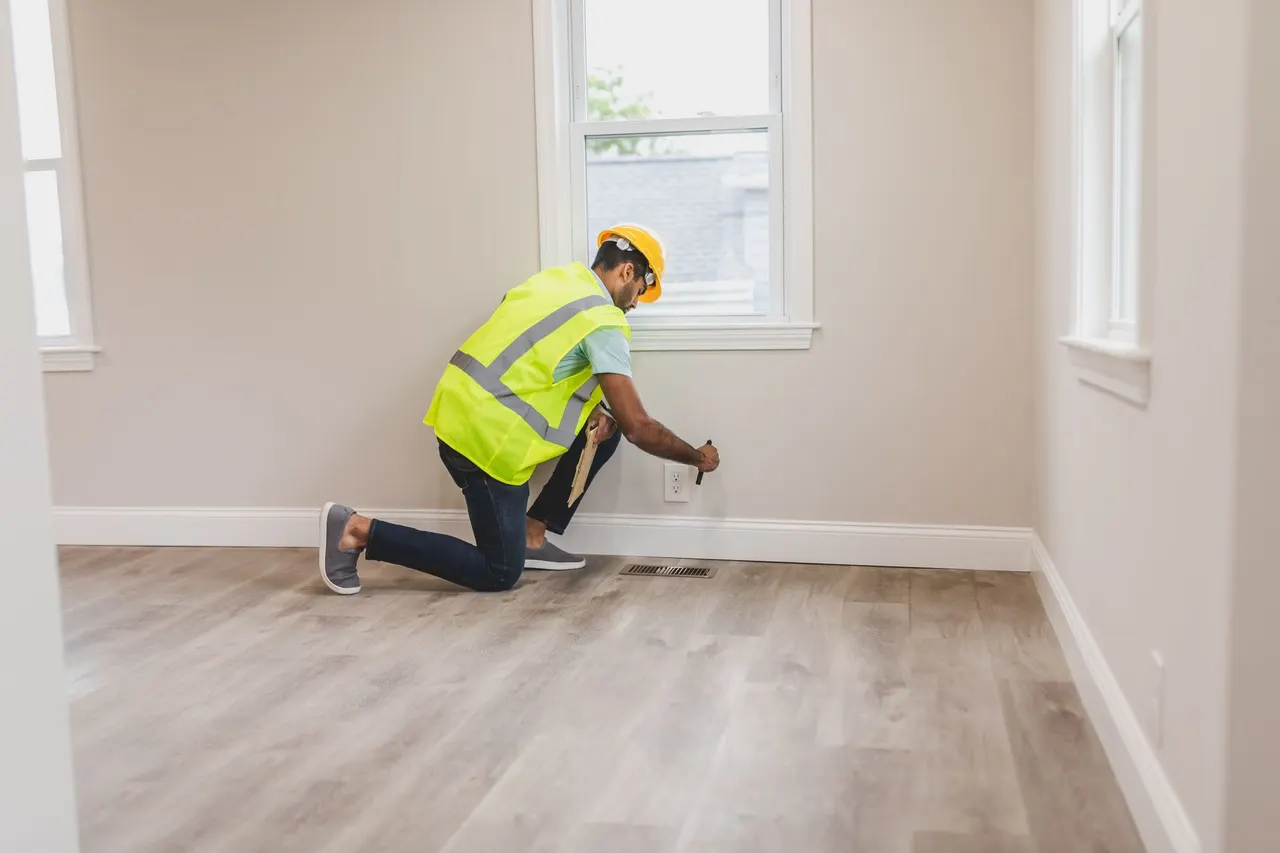
We walk your property and check attics, crawl spaces, bathrooms, under sinks, and around HVAC units. We look for visible growth, water stains, and musty odors. This takes 30 to 45 minutes and sets the scope for sampling.
We use a moisture meter and thermal imaging camera to find hidden damp spots behind walls and under floors. A boroscope lets us look inside wall cavities without cutting large holes. This step finds the moisture source that is feeding mold.
We set up calibrated air sampling pumps in problem areas and take outdoor baseline samples. Each sample captures spores per cubic meter. The lab identifies genus and count. This is the core of Mold Air Quality Testing Phoenix AZ.
We take swabs or tape lifts from visible growth or suspected areas. Surface samples identify the mold genus. This is Mold Surface Sampling Phoenix and it confirms what air samples suggest. We label each sample with location and conditions.
The lab identifies mold genus and counts spores. Turnaround is 24 to 48 hours. We call you with preliminary findings as soon as the lab reports back.
You get a report with lab results, sample locations, photos, and chain-of-custody documentation. We walk you through what the numbers mean and whether remediation is needed. This report works for insurance, real estate, and medical purposes.
The approach is the same for a home and a business. What changes is the access, the schedule and who needs the paperwork.
We test houses, condos, and apartments for mold. You get lab results and a clear report.
We test offices, restaurants, and retail spaces. Reports support insurance and health compliance.
A plain-language look at what Mold Testing involves and when it is needed.
See how it worksWe use a moisture meter and thermal imaging camera to find hidden damp spots, then take air samples with a calibrated pump and surface samples with swabs or tape lifts. Every sample is labeled, logged, and shipped to a lab that identifies mold genus and spore counts. You get a written report that tells you what is there, how much, and where it came from.
Phoenix homes have specific mold triggers. A slab leak under tile, a swamp cooler that stays wet through September, or a monsoon leak in the attic all create the moisture mold needs. We see black mold growth behind bathroom walls in Midtown and attic mold in Deer Valley after summer storms. If you have musty odors or a recent water leak, Home Mold Testing Phoenix AZ is the fastest way to confirm whether you have a problem and how far it has spread.
Testing finds mold and the moisture source before you spend money on removal.
Every job follows the same five steps. You know what happens, who does it, and how long it takes.
We ask about leaks, musty odors, recent water damage, and any health symptoms. You tell us where you have seen or smelled something. We schedule a visit, usually within one to two business days. If it is an emergency like a slab leak or post-monsoon flooding, we move faster.
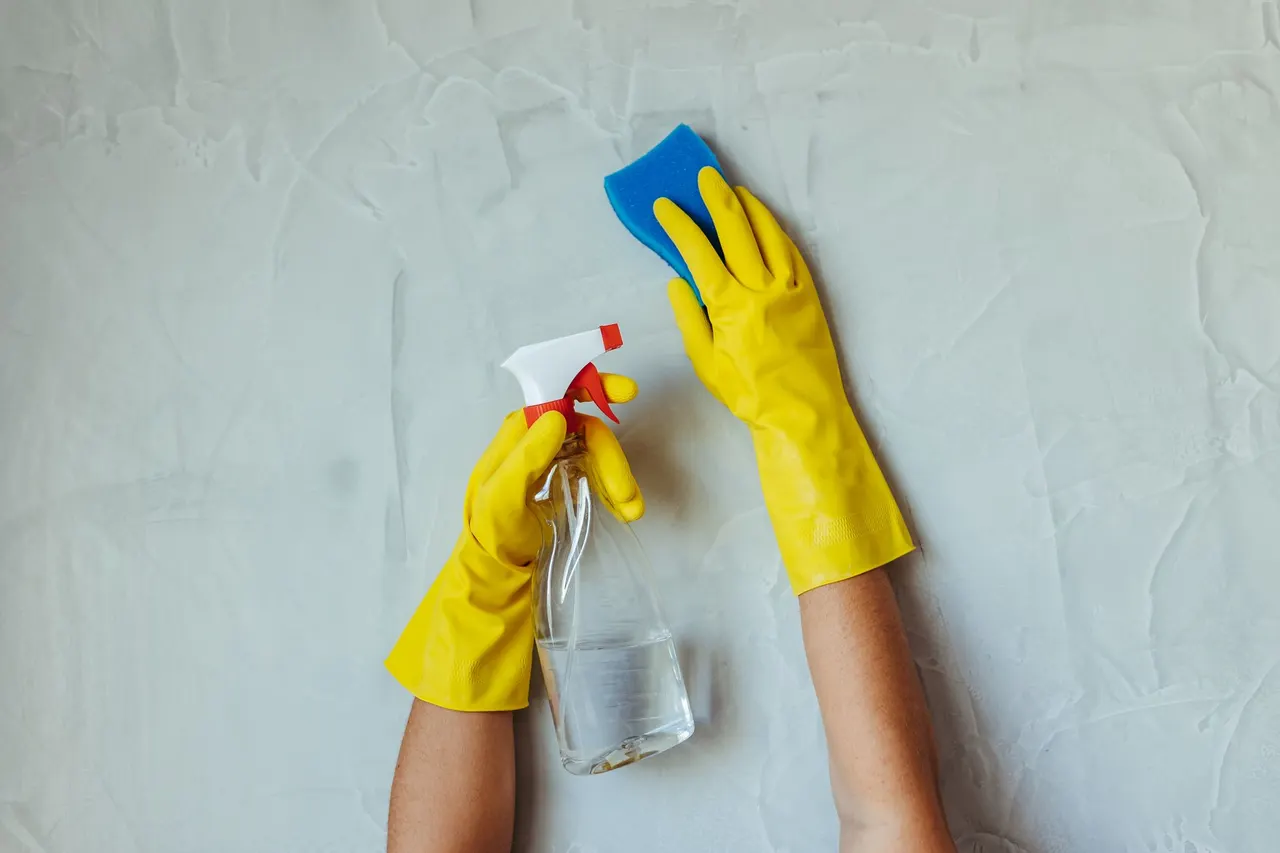
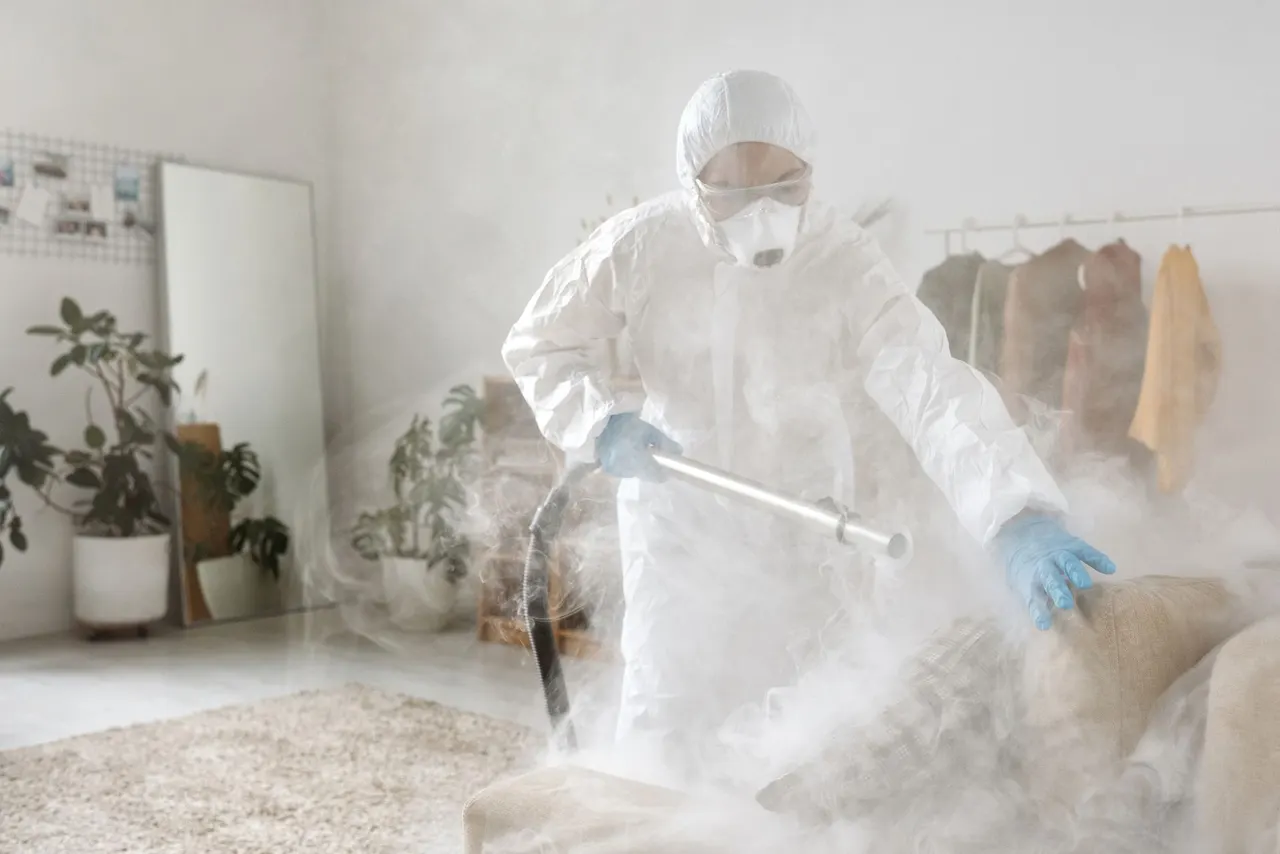
Our technician walks the property with you. We check attics, crawl spaces, bathrooms, under sinks, and around HVAC units. We use a moisture meter and thermal imaging camera to find damp spots you cannot see. This takes 30 to 45 minutes depending on home size.
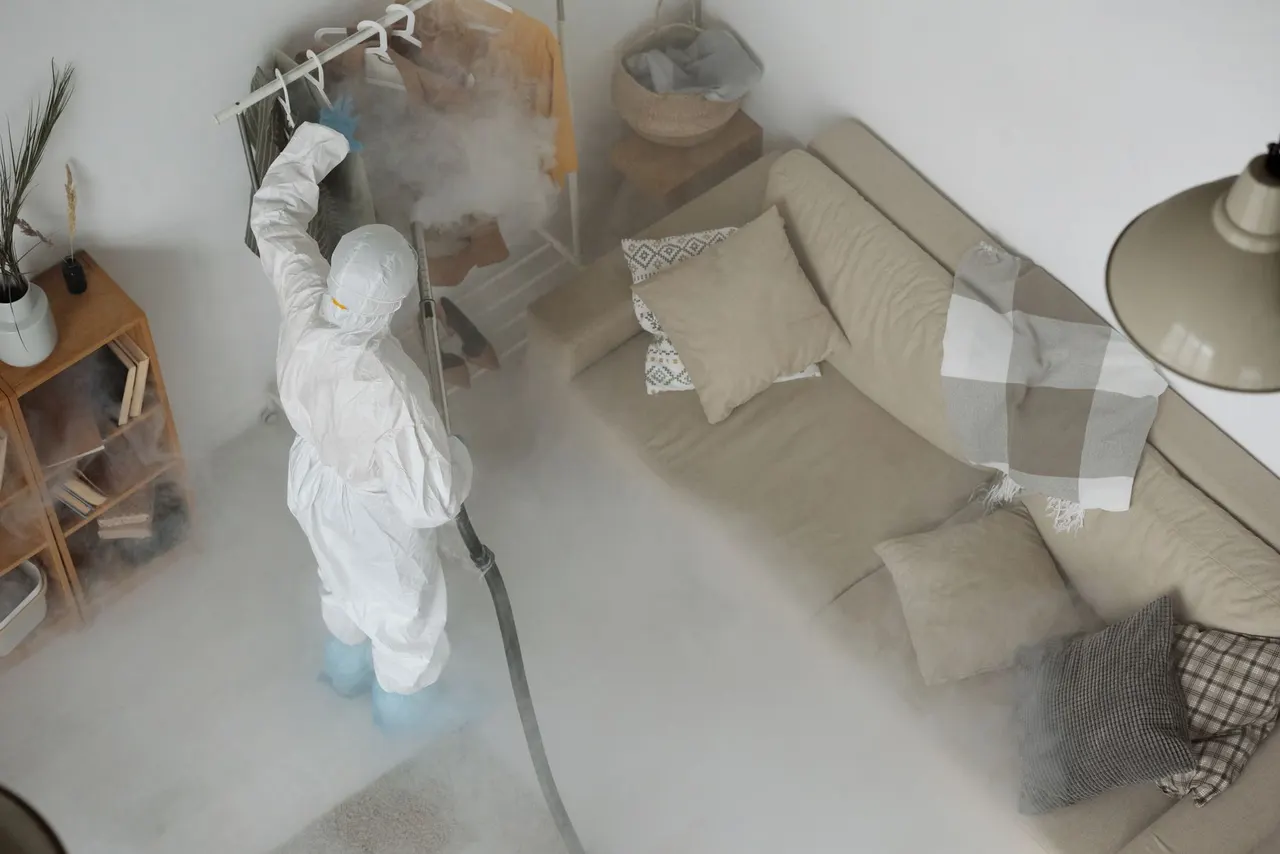
We set up air sampling pumps in problem areas and take outdoor baseline samples for comparison. Surface samples come from visible growth or suspected areas using swabs or tape lifts. Each sample is labeled with location, time, and conditions. Collection takes 45 to 90 minutes.
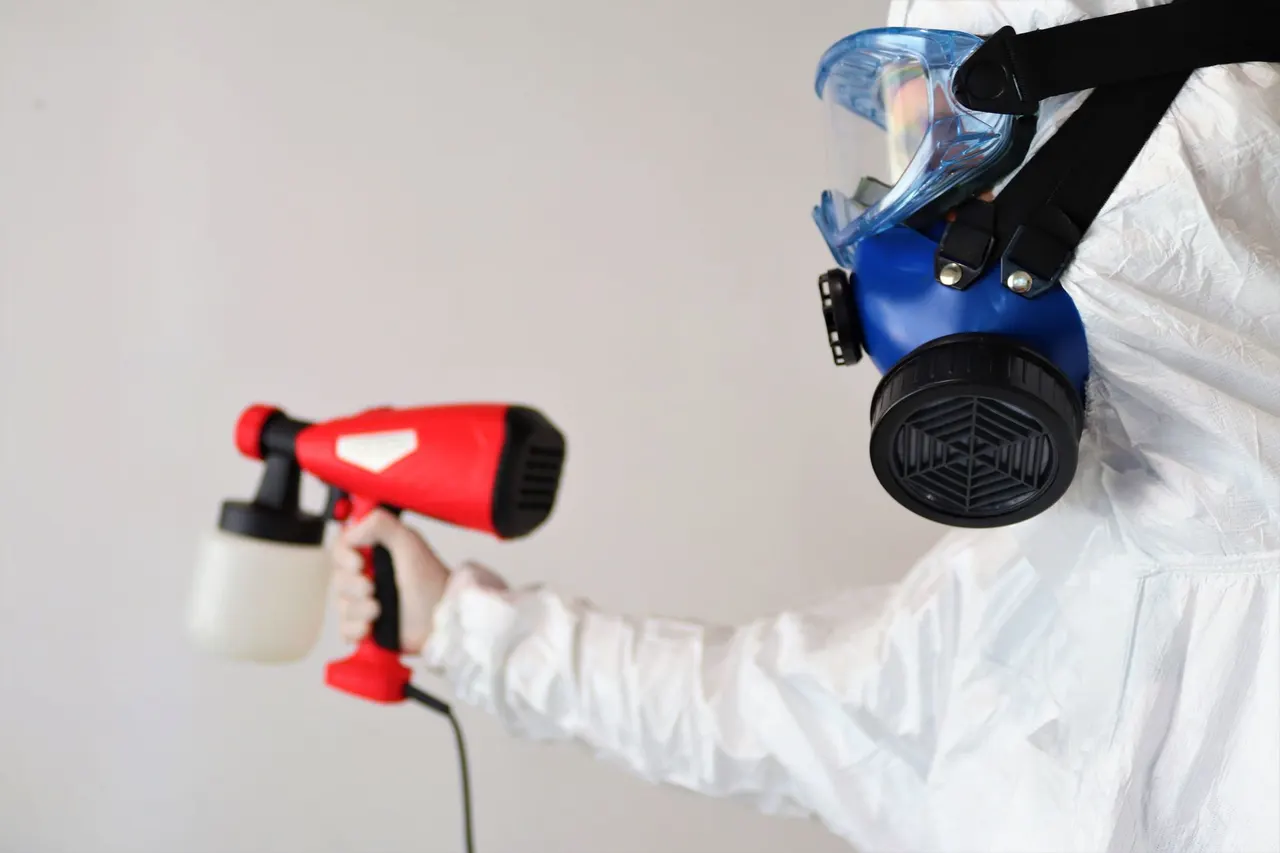
The lab identifies mold genus and counts spores per cubic meter for air samples. Turnaround is typically 24 to 48 hours. We call you with preliminary findings as soon as the lab reports back.
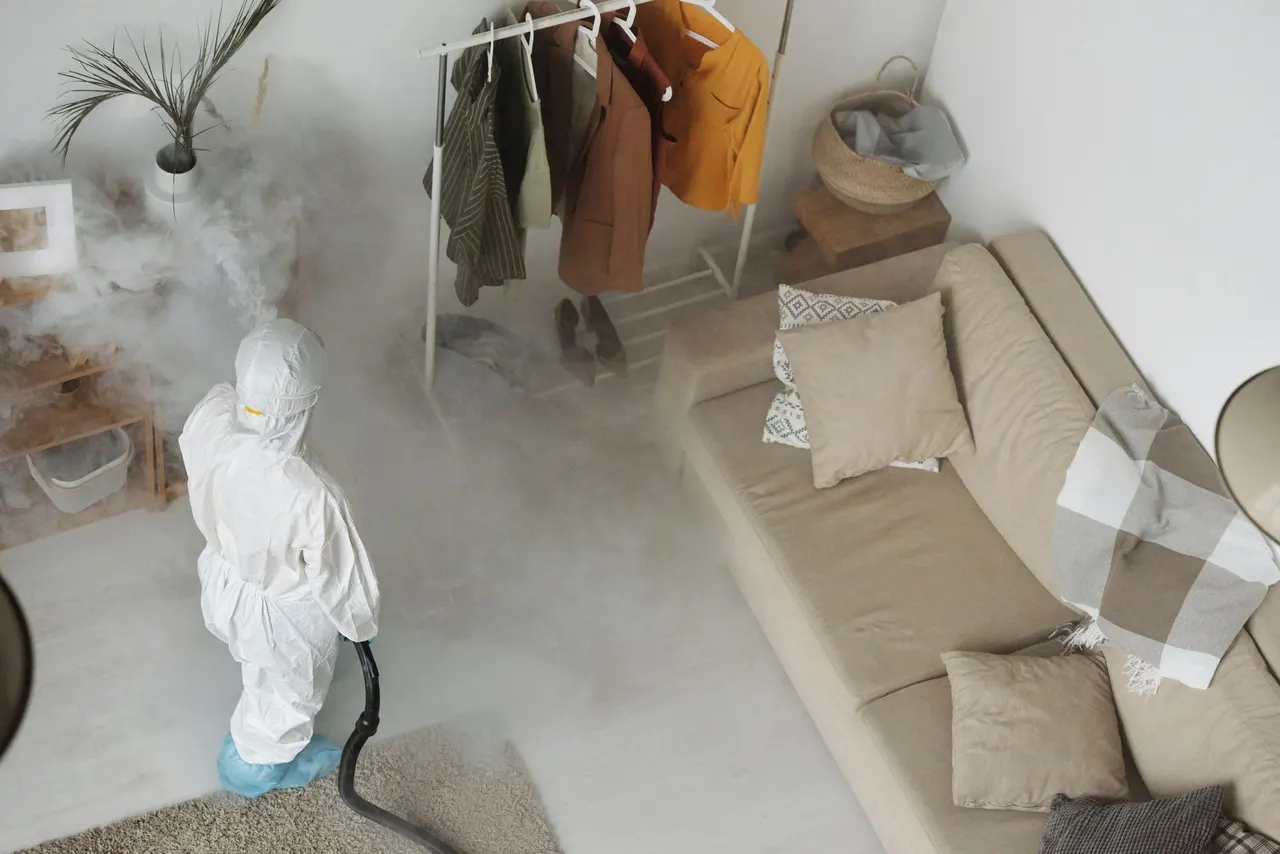
You get a written report with lab results, sample locations, and photos. We walk you through what the numbers mean and whether remediation is needed. If mold is confirmed, we explain your options for removal and prevention. No pressure, just facts.
Move across a circle, or focus it and press Enter, for an illustrative thermal view of the photograph.
Detects hidden moisture in walls, floors, and ceilings. We use it to find damp spots that feed mold growth.
Shows temperature differences behind walls to reveal hidden moisture and air leaks. We use it to map the extent of water damage.
A camera on a flexible rod that lets us look inside wall cavities and ductwork without cutting large holes.
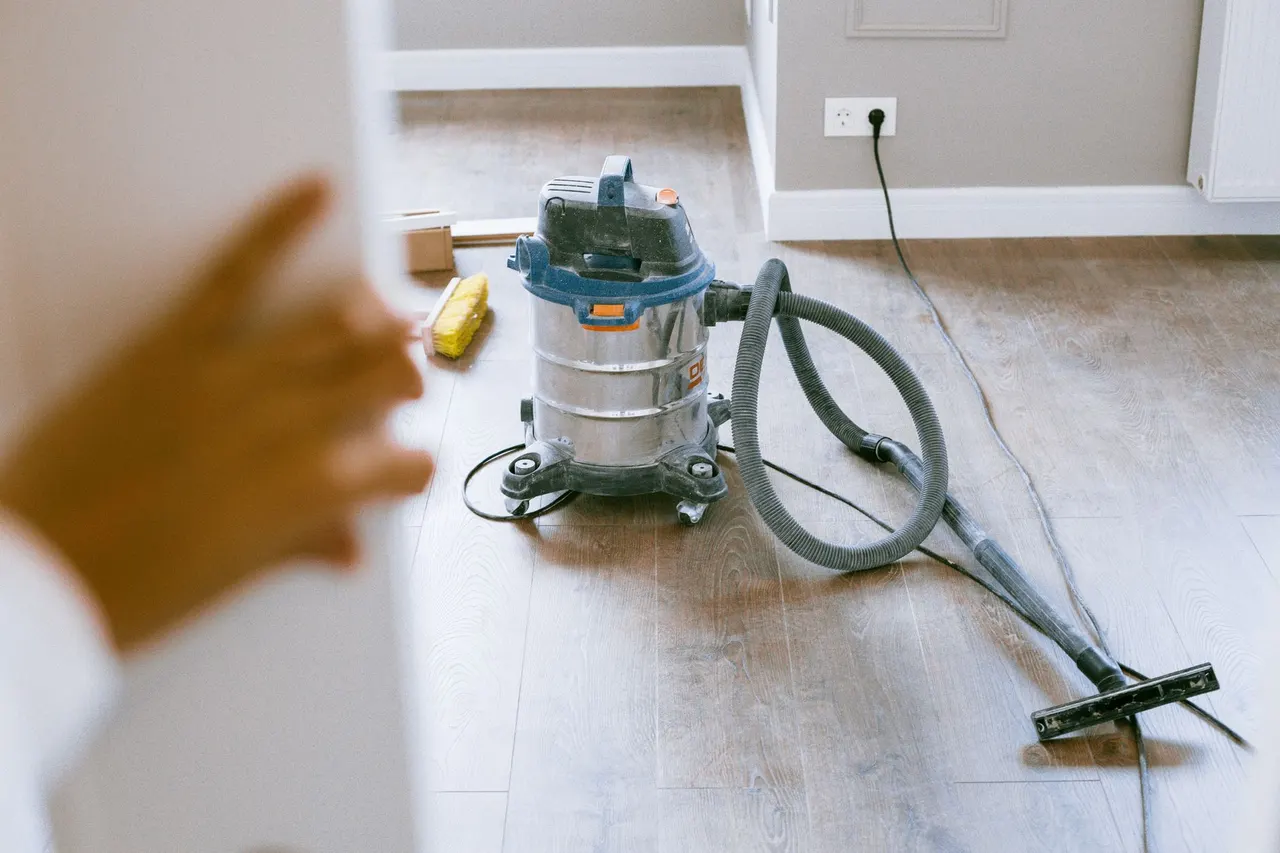
Draws a calibrated volume of air through a filter to capture mold spores. We use it for air samples in problem areas and outdoors.
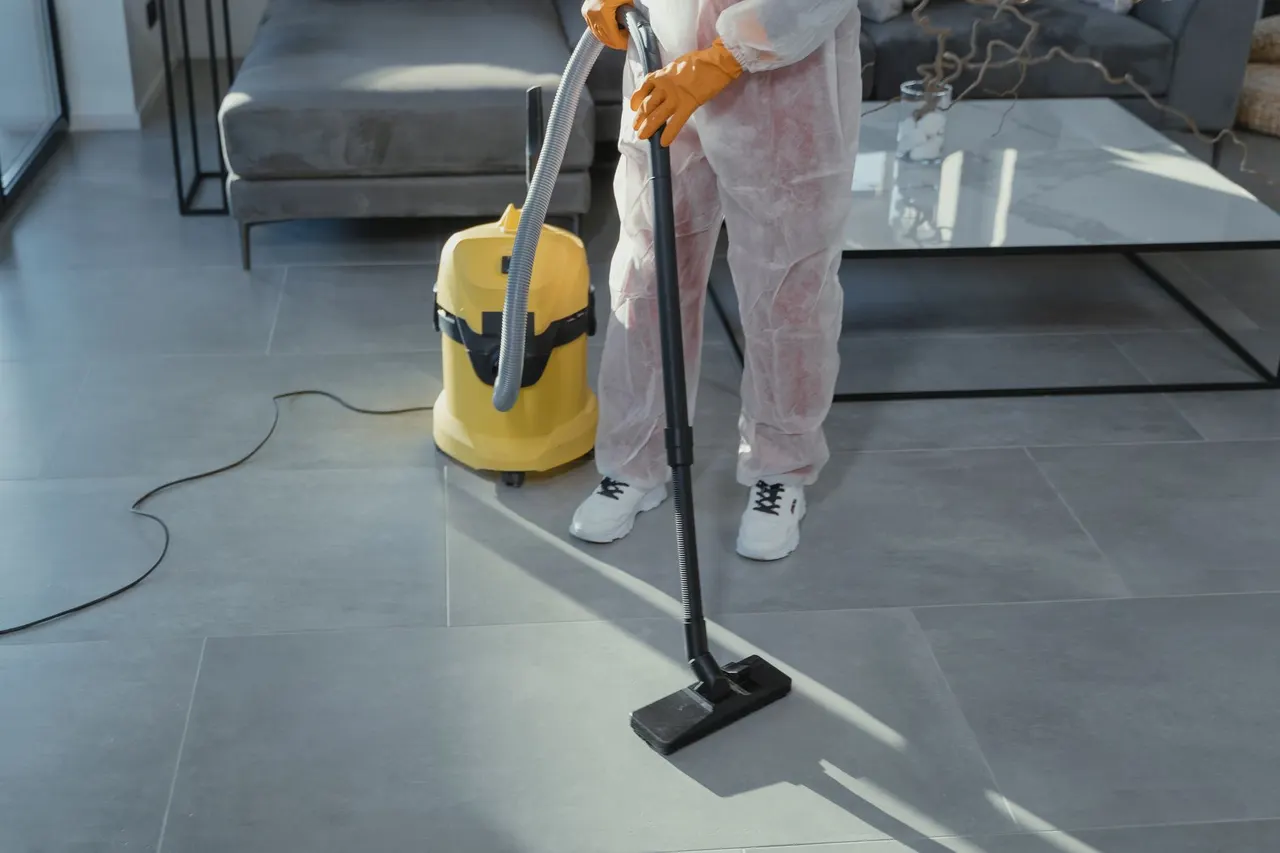
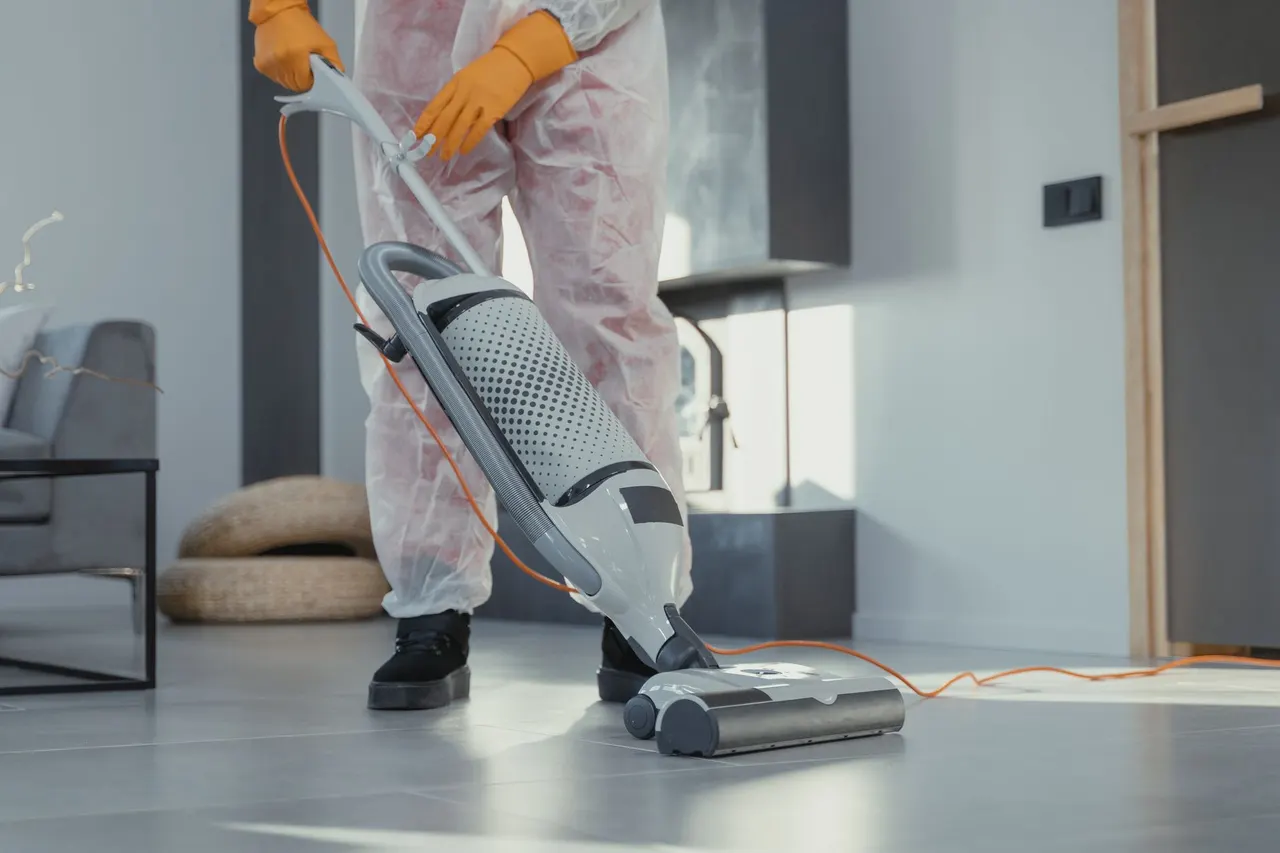
Captures mold spores and debris during cleanup. We use HEPA vacuums to clean surfaces after removal.
Thermal views are illustrative, generated from the photographs.
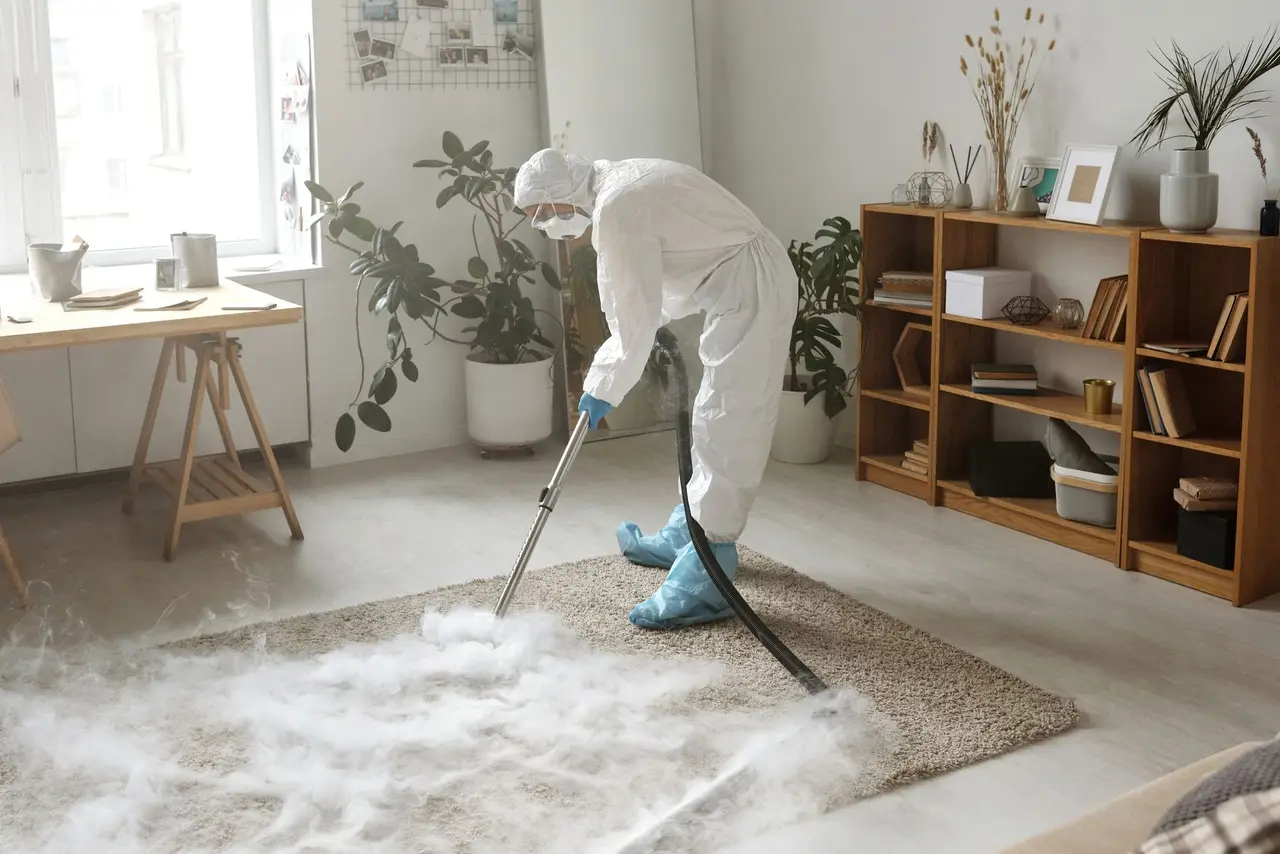
Filters airborne spores and particles during remediation. We use air scrubbers to keep air clean while work is underway.
Creates negative pressure in a contained area so spores do not escape to other rooms. We use it during removal.
We follow IICRC S520 standards for mold assessment. This includes a visual inspection, moisture detection, and sampling protocols. Following the standard ensures our results are defensible for insurance and real estate.
We collect air samples indoors and outdoors. The outdoor sample establishes a baseline for comparison. This tells you whether indoor spore counts are elevated above normal desert background levels.
We use swabs or tape lifts on visible growth or suspected areas. Surface samples identify the mold genus. This confirms what air samples suggest and helps determine if black mold growth is present.
We use moisture meters and thermal cameras to map damp areas. This finds the moisture source feeding mold. Without fixing the source, mold comes back after removal.
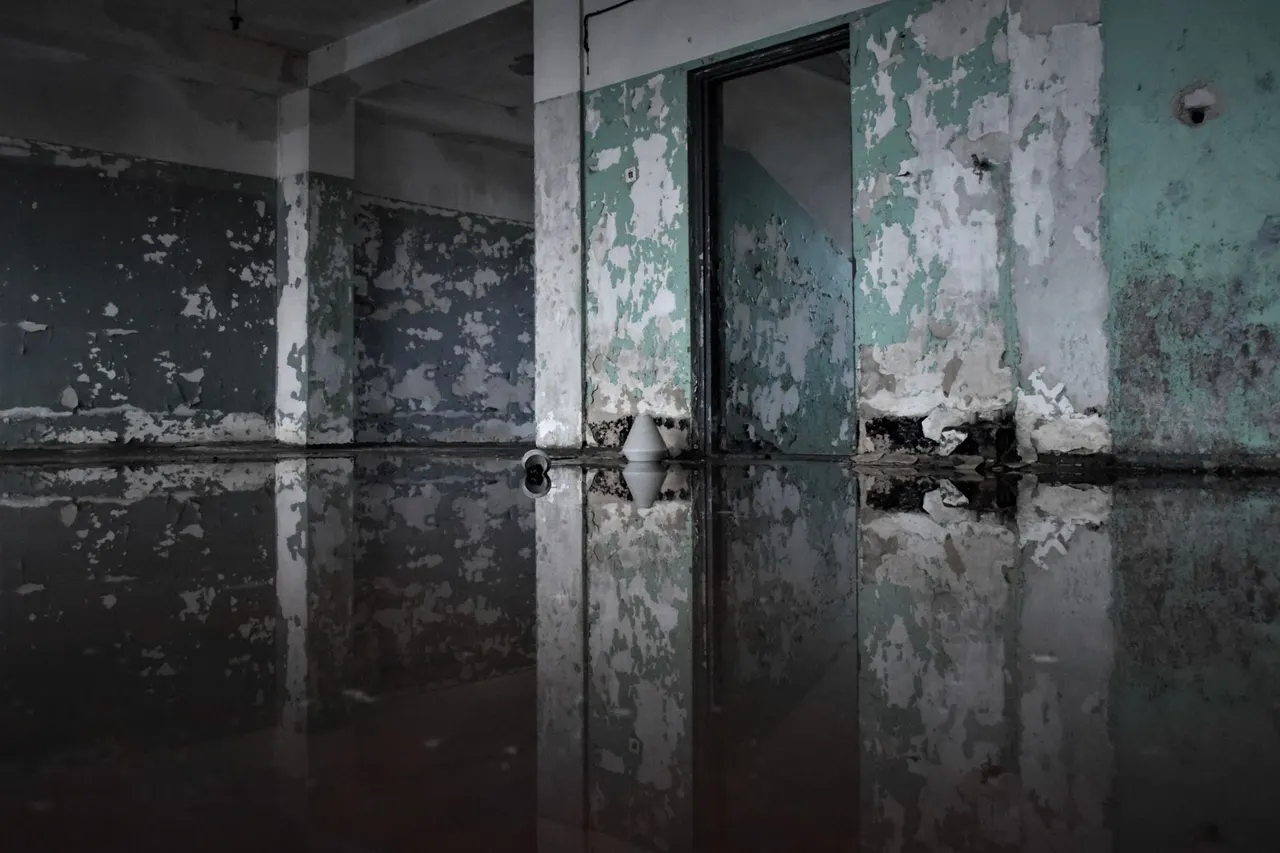
You smell something musty but cannot find the source.
We use thermal imaging and moisture meters to find hidden damp spots. Air sampling captures spores in the air. Surface samples confirm mold on materials. Lab results identify the genus and count.
Outcome: You get a clear answer about where the mold is and what type it is. Then you can decide on removal with facts, not guesses.
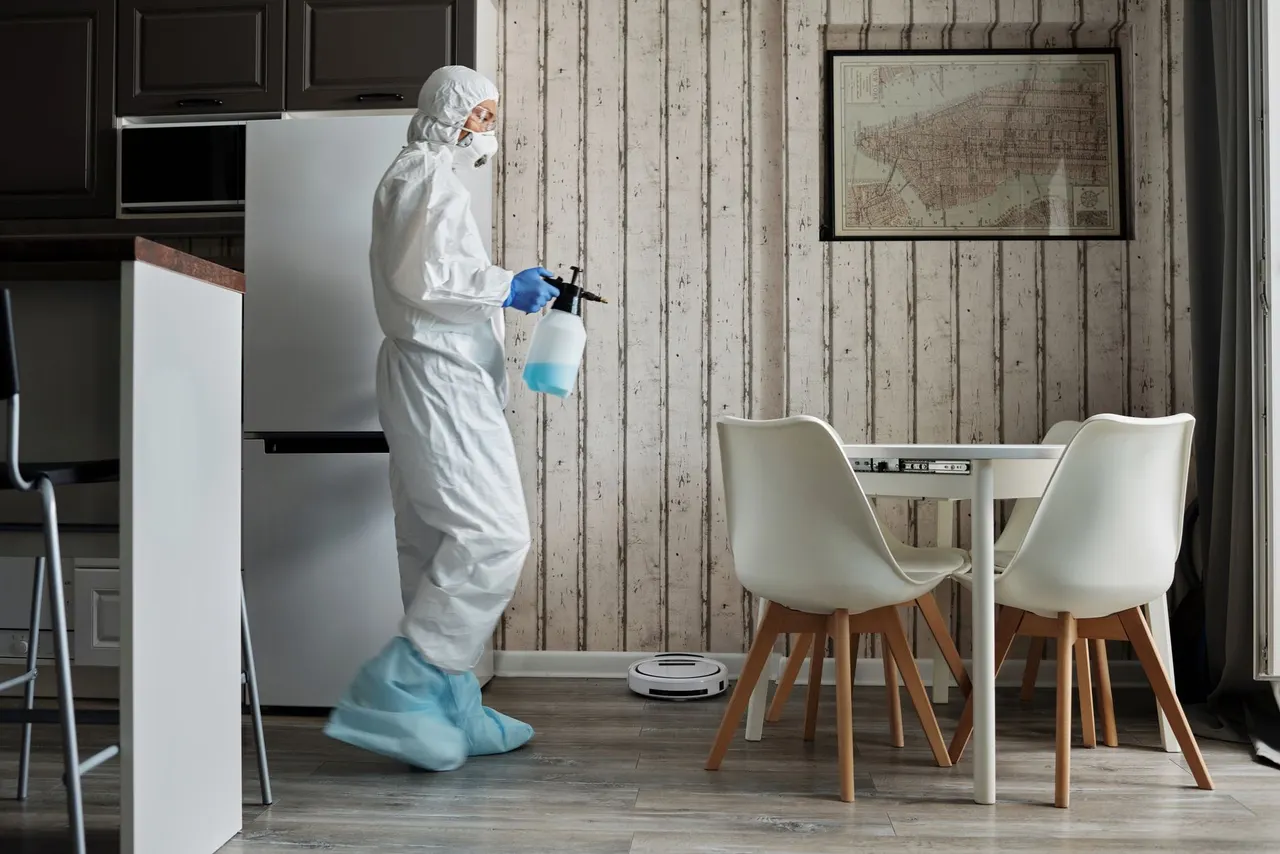
You had a water leak or flood and want to check for mold.
We test the affected area and surrounding rooms. Air samples show whether spores have spread. Surface samples confirm mold on materials. We also check for hidden moisture with thermal cameras.
Outcome: You know whether mold has started and how far it has spread. If mold is present, we explain removal options and timeline.
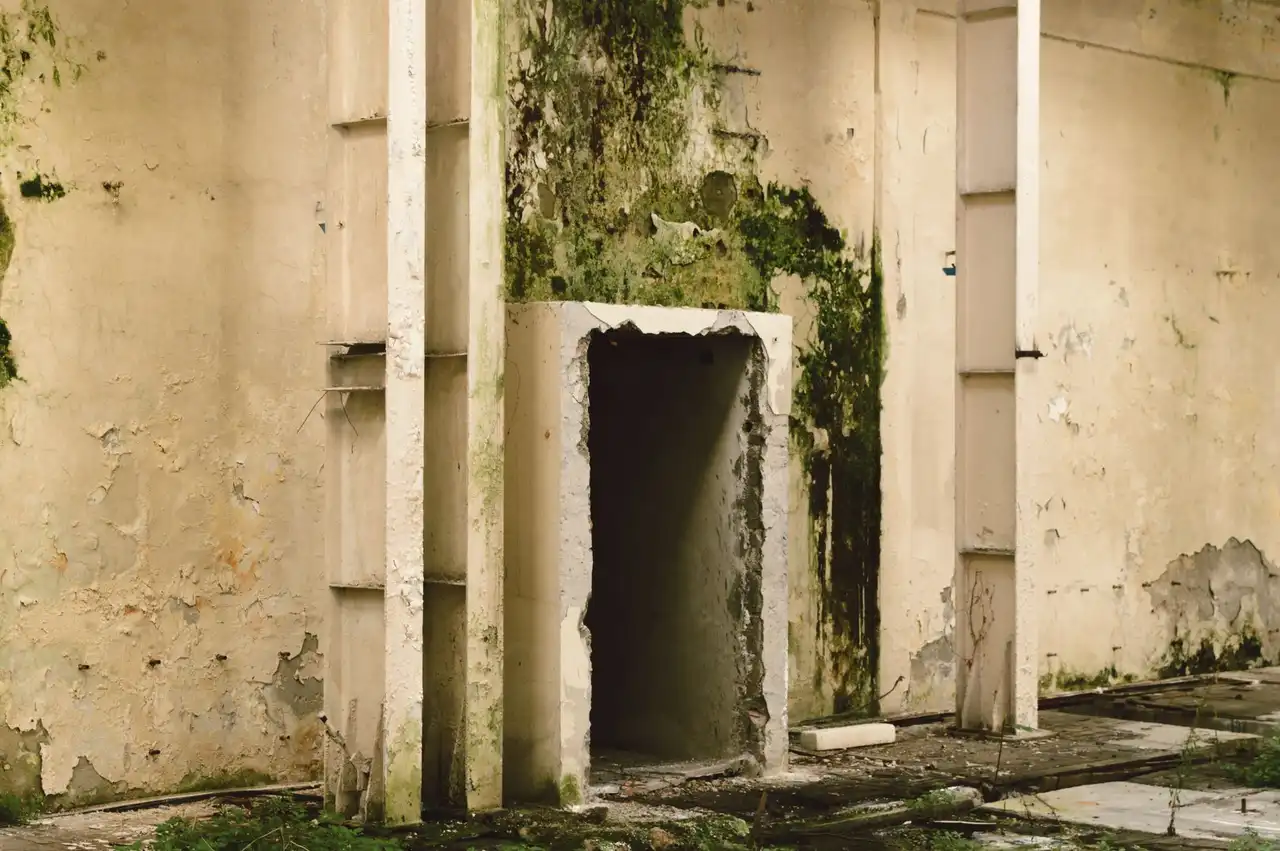
You are buying or selling a home in Phoenix.
We provide mold testing for real estate transactions. Air and surface samples give a snapshot of mold conditions. Lab results come back in 24 to 48 hours. The report works for negotiations and disclosures.
Outcome: Buyers and sellers get a clear picture of mold conditions. The report documents findings for negotiations or repairs.
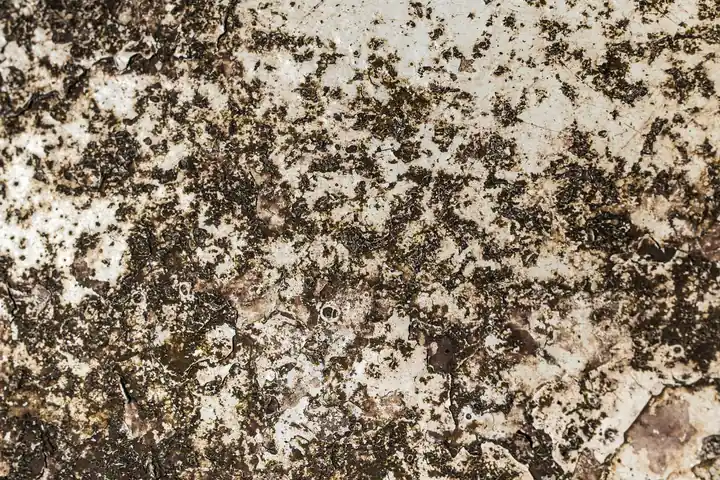
Your family has unexplained allergies or respiratory issues.
We compare indoor and outdoor air samples to see if indoor spore counts are elevated. Surface samples identify mold on materials. We also check HVAC systems since they circulate air through the home.
Outcome: You learn whether mold is affecting your indoor air quality. If it is, we explain removal and prevention steps.
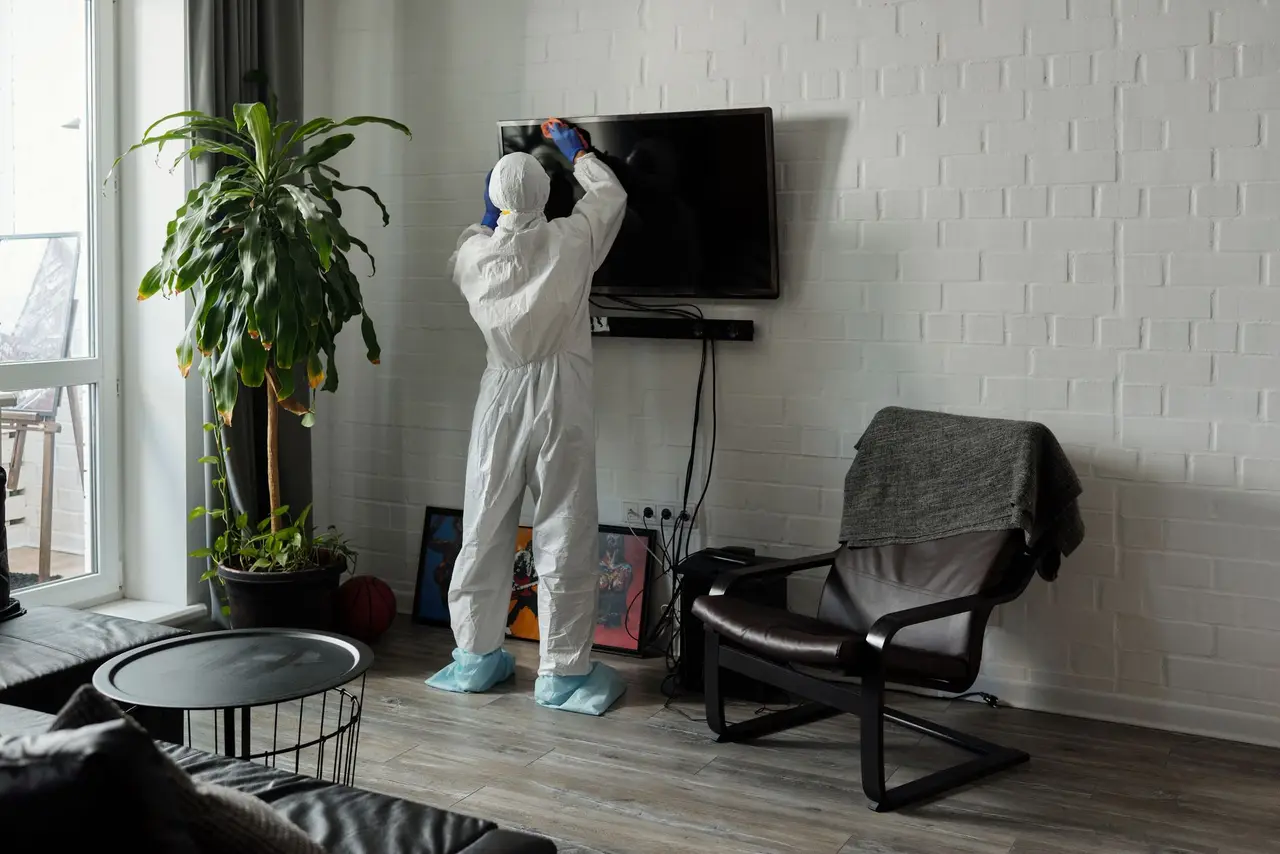
You need documentation for an insurance claim.
We provide lab-backed reports with sample locations, spore counts, and chain-of-custody documentation. We can also test after removal to confirm cleanup.
Outcome: You get a report that supports your claim. It documents mold presence and extent before and after remediation.
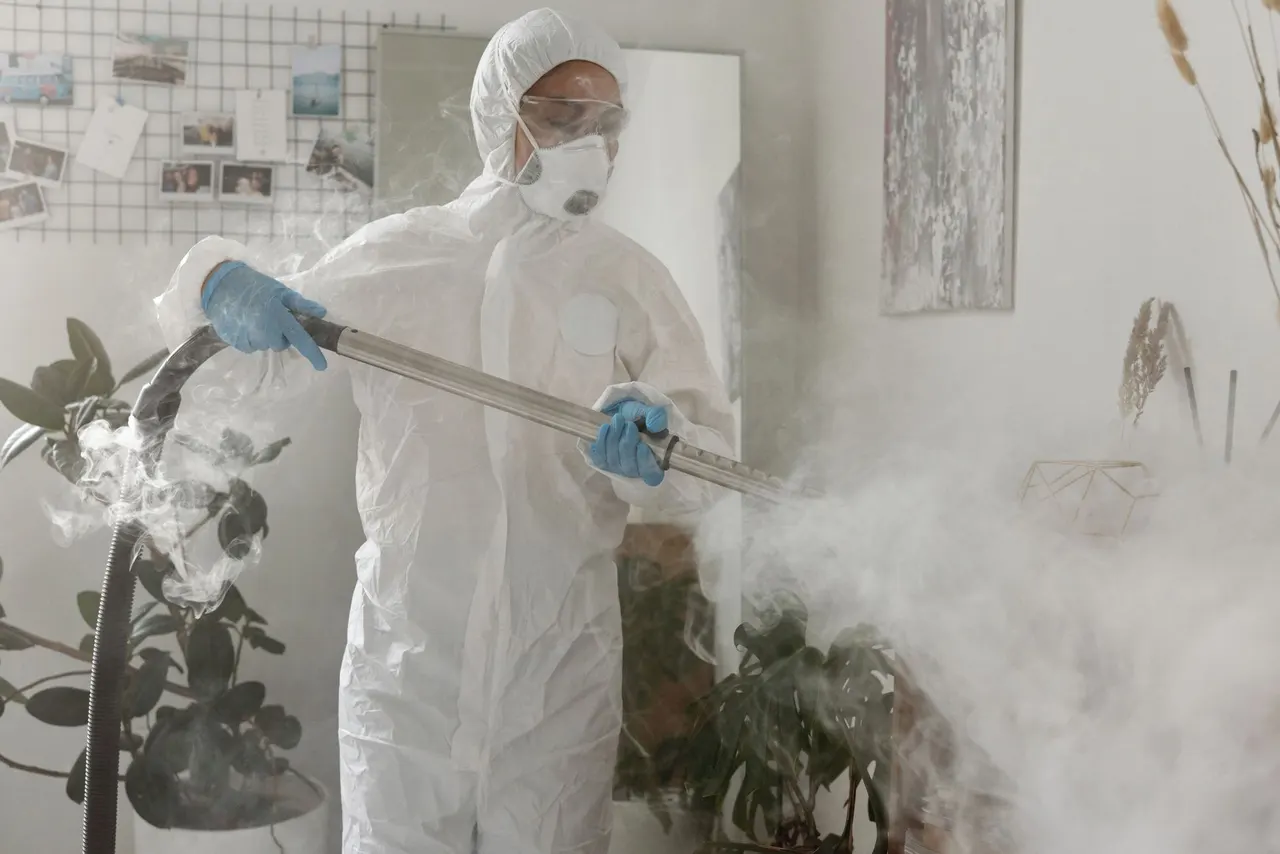
Phoenix has a desert climate, but that does not mean mold is rare. Swamp coolers, monsoon leaks, and slab leaks create moisture that feeds mold growth. Homes in Midtown Phoenix and Alharma often have older plumbing and flat roofs that leak. Newer homes in Norterra and Anthem have tight construction that traps humidity from bathrooms and kitchens. We test for mold in attics, crawl spaces, bathrooms, and HVAC systems. Our Mold Testing Company Phoenix team knows the common problem areas for each neighborhood. If you need Home Mold Testing Phoenix AZ, we deliver lab results in 24 to 48 hours.
Before: A homeowner in Midtown Phoenix smelled musty odors in the hallway for months. No visible mold. We used thermal imaging and found a slow leak behind the bathroom wall. Air samples showed elevated spores. Surface samples confirmed black mold growth on drywall.
After: We removed the affected drywall, treated the wall cavity with antimicrobial spray, and fixed the leak. Post-removal air samples showed spore counts back to normal. The musty odor was gone within a week.
The homeowner checks under sinks monthly for leaks and runs the bathroom fan for 15 minutes after showers. We recommend re-testing if any new musty odors appear.
Before: After a monsoon storm, a Deer Valley homeowner noticed water stains on the ceiling. We tested the attic and found mold on roof decking and insulation. Air samples confirmed elevated spores. The leak came from a damaged roof vent.
After: We removed moldy insulation, treated the roof decking with Concrobium, and repaired the roof vent. Post-removal testing confirmed clean results. The ceiling stains were repaired and repainted.
The homeowner checks the attic after every monsoon season for leaks or stains. We recommend an annual attic inspection before summer storms.
Before: A Sunnyslope homeowner had musty odors every summer when the swamp cooler ran. We tested the cooler, ductwork, and living spaces. Air samples showed high spore counts in bedrooms. Surface samples confirmed mold in the cooler pads and ductwork.
After: We cleaned the swamp cooler, replaced pads, and treated ductwork with antimicrobial spray. Post-removal air samples showed normal spore counts. The musty odor stopped when the cooler ran.
The homeowner replaces cooler pads every spring and cleans the unit monthly during summer. We recommend testing the cooler and ducts every two years.
These are the most common mold issues we find in Phoenix homes and businesses. Testing confirms the problem before you spend money on removal.
Lab-backed results that tell you what is growing and where.
You get a written report with numbers, not a visual guess. That report is what insurance companies, real estate agents, and doctors want to see when you file a claim or need documentation for a health concern.
We use a thermal imaging camera and moisture meter to locate damp spots behind walls and under floors. A boroscope lets us look inside wall cavities without cutting large holes. Most inspections take two to four hours and cover attics, crawl spaces, HVAC closets, and bathrooms.
If your family has unexplained allergies or respiratory issues, mold sampling in Phoenix tells you whether mold spores are elevated indoors. We compare indoor counts to outdoor baseline samples. That comparison shows whether your HVAC system or a hidden leak is feeding mold growth inside your home.
Insurance claims for water damage often require proof that mold is present and where it started. Our Mold Testing Lab Results Phoenix AZ reports include sample locations, spore counts, and lab credentials.
Clear records you can keep and share.
Genus and spore counts
Locations marked and labeled
Images of suspect areas
Findings and recommendations
Air testing measures spores in the air. Surface testing identifies mold on materials.
Captures spores per cubic meter
Swabs or tape lifts on growth
Most accurate picture
A list like this tells people straight away whether you cover their street. Not listed? Call and ask: it only takes a minute.
Based in Phoenix and covering the places around it. Pick one for local details.
Lab-based mold testing in Phoenix is highly accurate when samples are collected properly. Air samples capture spores per cubic meter, and surface samples identify genus. Accuracy depends on sample placement and outdoor baseline comparison. We follow IICRC S520 protocols and use calibrated pumps. DIY kits often miss hidden mold because they only capture what is airborne at that moment.
Most mold testing results in Phoenix come back in 24 to 48 hours. We ship samples to the lab the same day we collect them. You get a call with preliminary findings as soon as the lab reports, and the written report follows within one business day. Rush processing is available for real estate deadlines.
Surface testing uses swabs or tape lifts on visible growth to identify what type of mold is present. We often use both on the same job. Air testing shows the scope, surface testing confirms the species.
DIY mold test kits in Phoenix are not reliable for making remediation decisions. They capture whatever settles on a petri dish, which may miss hidden mold entirely. They also do not include outdoor baseline comparison, so you cannot tell if indoor counts are elevated. Lab-based testing with calibrated equipment gives you defensible results.
Other services from the same team.
If you smell something musty or had a recent leak, do not wait. Mold spreads fast in Phoenix heat. Call us to schedule mold sampling in Phoenix and get lab results in 24 to 48 hours. We serve homes and businesses across Maricopa County.
Call 1234567890 or email info@azmoldremoval.com and we will get you on the schedule. We answer the phone during business hours, and if you leave a message after hours we call back the next morning. Tell us what you are seeing, smelling or feeling, and we will tell you what the next step looks like.