For Homes
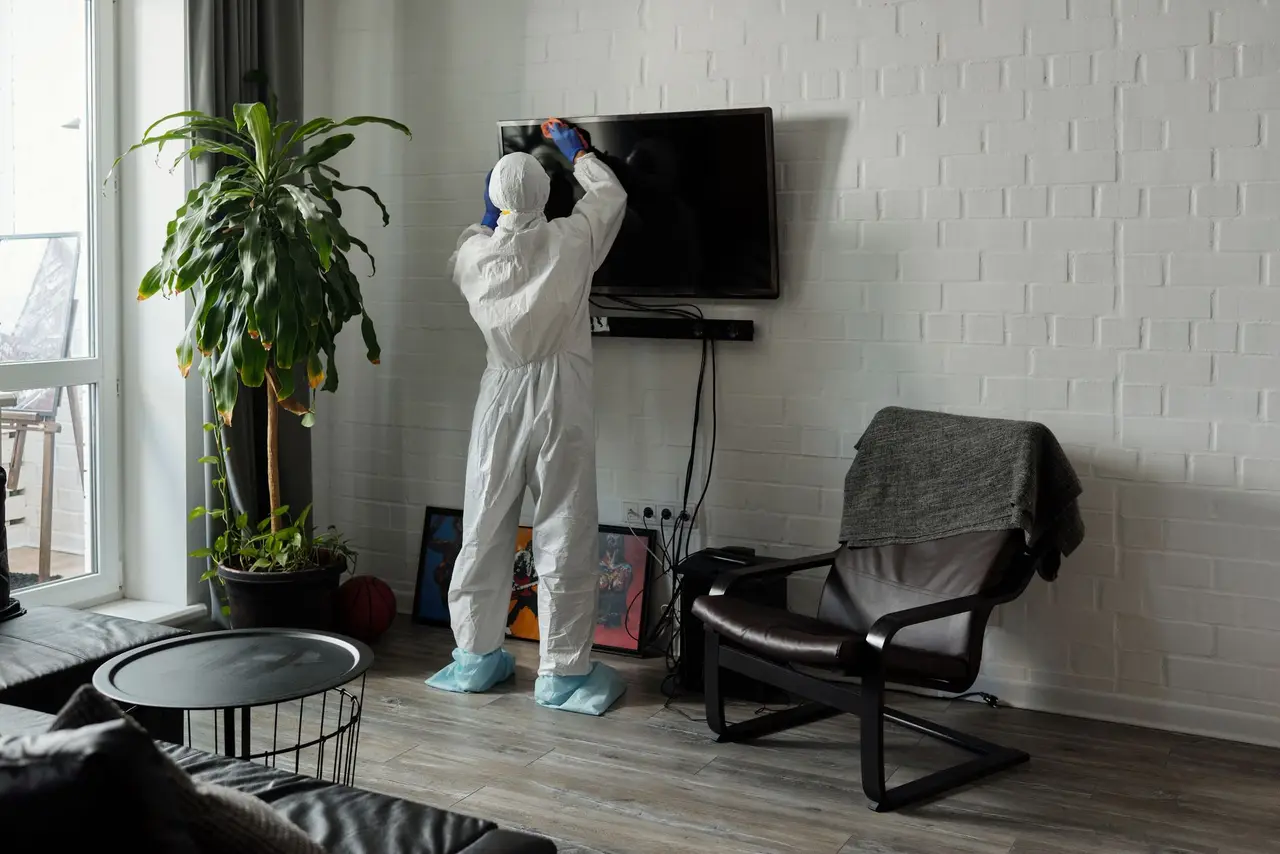
We handle black mold in houses, condos, and apartments across Phoenix. Every job includes containment, removal, and verification testing.
- Bathroom ceiling mold
- Attic mold after leaks
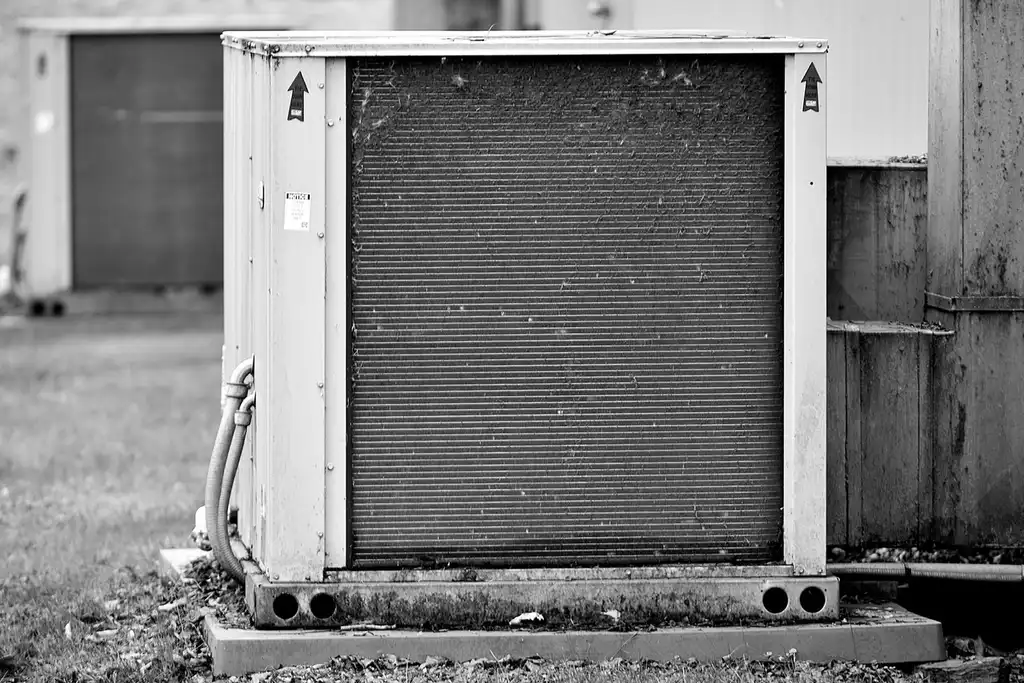
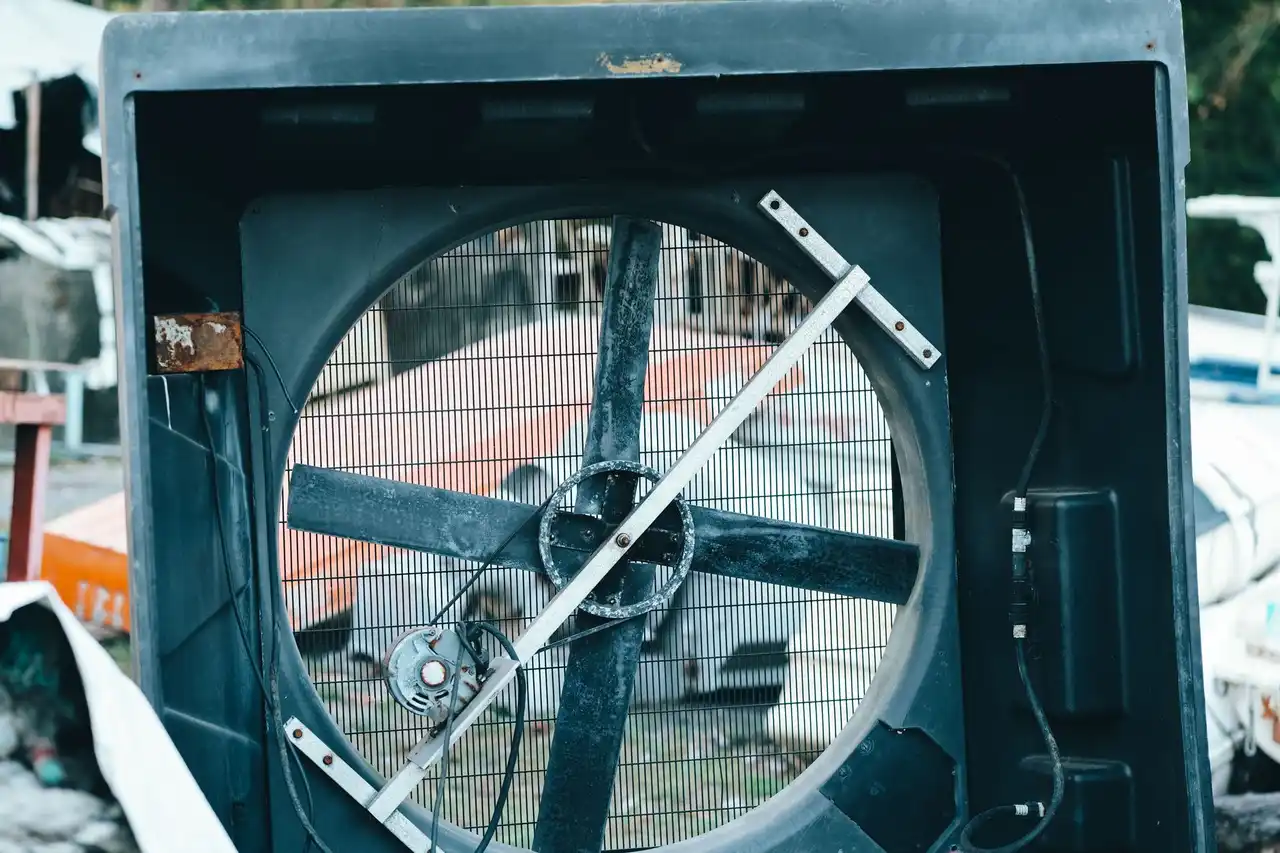
- Swamp cooler duct mold
Black Mold Removal in Phoenix means finding every hidden colony, not just spraying what you can see. Our team handles toxic black mold removal in Phoenix for homeowners, landlords, and property managers dealing with monsoon leaks, swamp cooler growth, and slab leak damage. We inspect, contain, remove, and verify, so you know the mold is gone before we pack up.
 Moisture mappingContainment setupHEPA filtration
Every black mold removal job includes inspection, containment, removal, cleaning, and verification. We do not charge extra for photos or documentation. Here is what you get when you hire us.
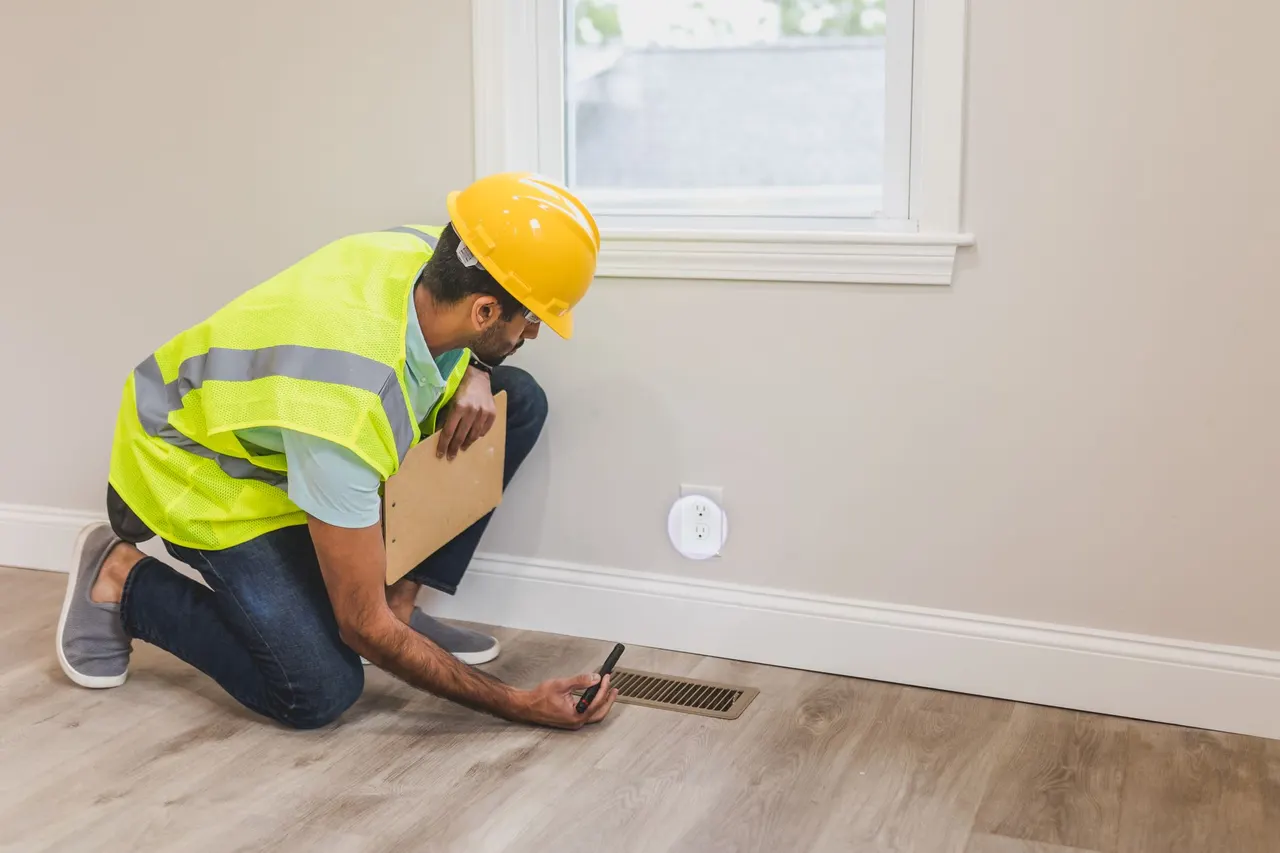
We inspect the affected area and surrounding rooms with moisture meters and thermal cameras. You get a written summary of what we found and where the moisture is coming from.
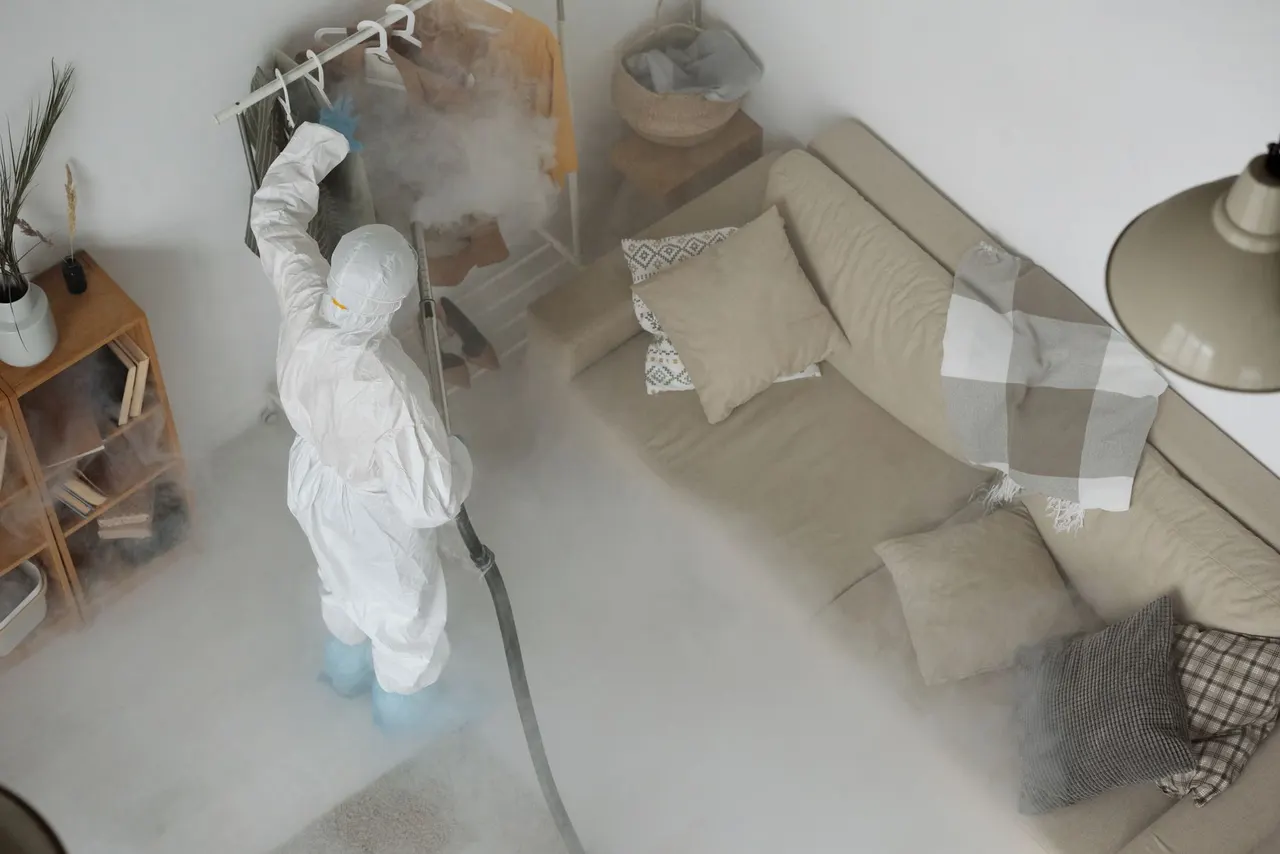
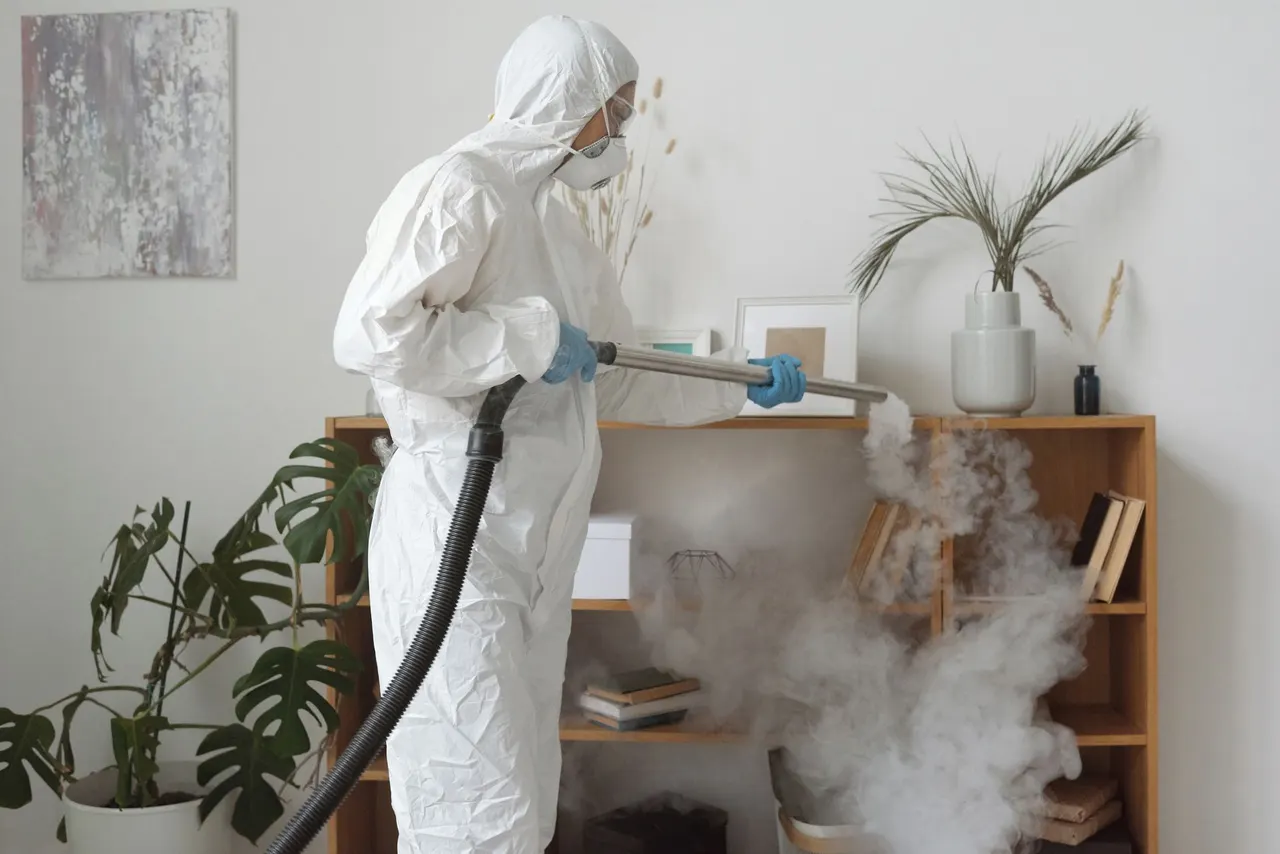
We seal off the work area with poly sheeting and run air scrubbers with HEPA filters to keep spores from spreading. This protects the rest of your home while we work.
We remove contaminated drywall, insulation, and other porous materials, bag them inside containment, and dispose of them properly. Non-porous surfaces get scrubbed and treated.
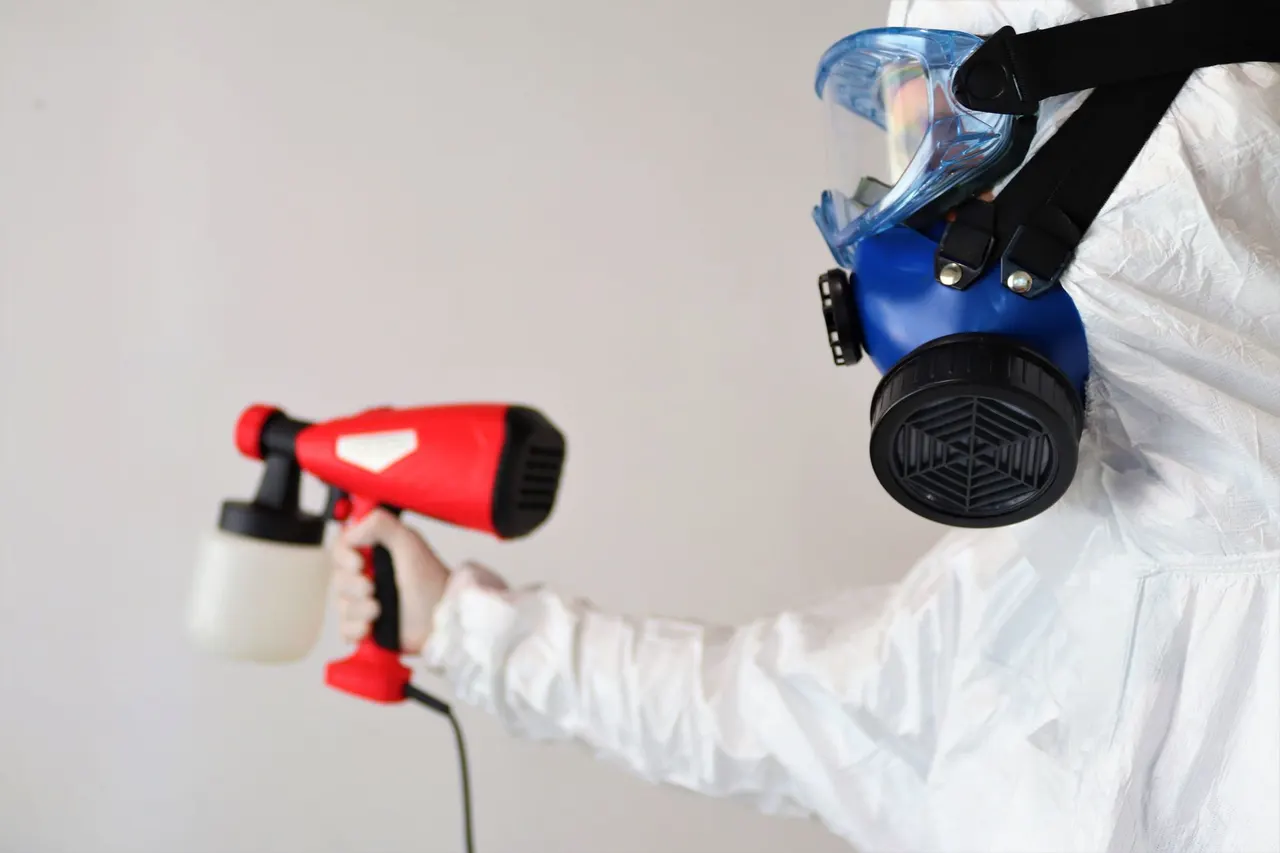
After removal, we apply antimicrobial spray to framing and structural surfaces. If needed, we apply an encapsulant coating to seal in any remaining residue.
We take air samples and moisture readings after the job to confirm the mold is gone. You get a written report with photos you can share with your insurance company.
The approach is the same for a home and a business. What changes is the access, the schedule and who needs the paperwork.
We handle black mold in houses, condos, and apartments across Phoenix. Every job includes containment, removal, and verification testing.
We work with property managers, landlords, and business owners to remove mold without disrupting operations. We schedule around your hours.
A plain-language look at what Black Mold Removal involves and when it is needed.
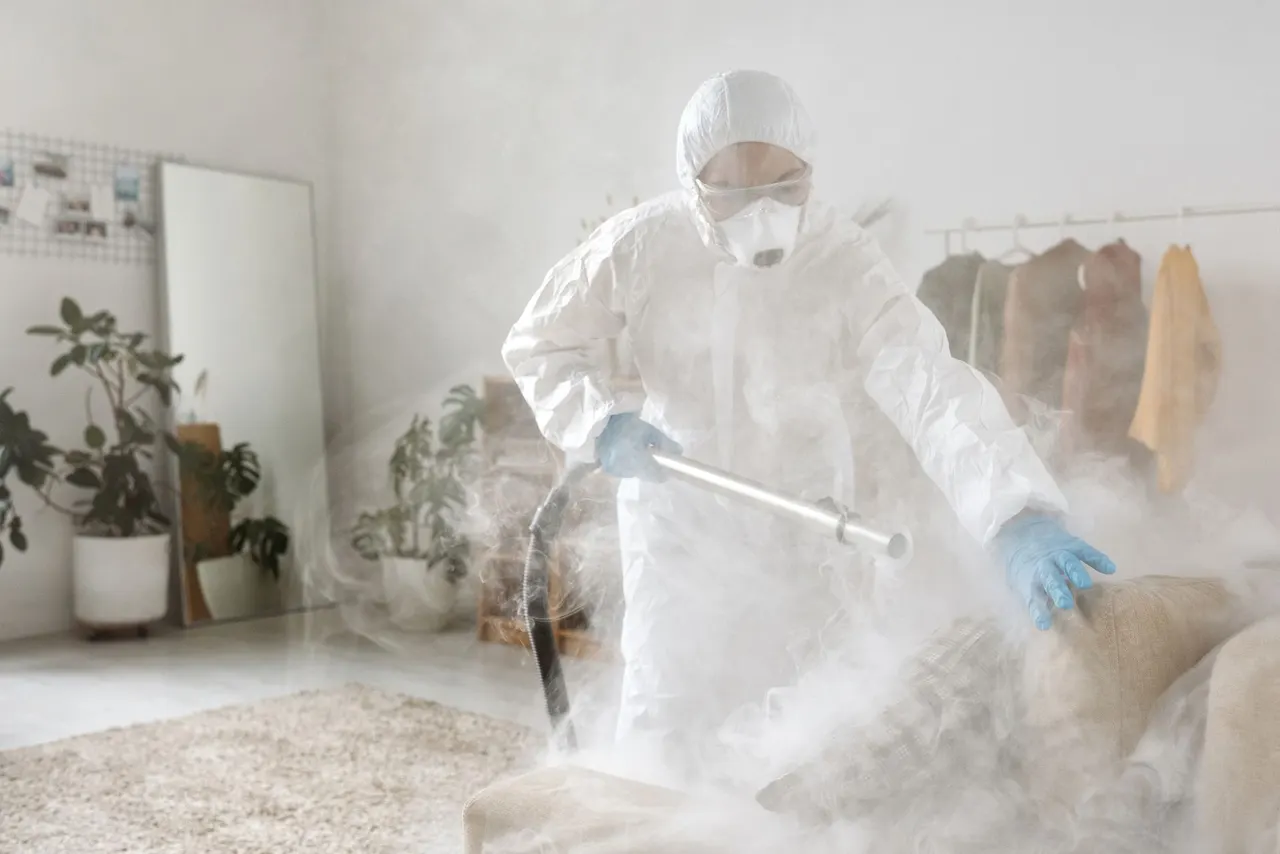
See how it worksBlack mold removal in Phoenix is the process of locating active mold growth, containing it so spores do not spread, physically removing contaminated materials, and treating the remaining surfaces with antimicrobial products. We use moisture meters and thermal imaging cameras to find water sources behind walls, under floors, and inside HVAC systems. Then we set up containment barriers and negative air machines to keep spores out of your clean living space while we work.
Phoenix homes face specific mold risks that other cities do not. Summer monsoon storms push water into attics and wall cavities, evaporative coolers breed mold through the cooling season, and slab leaks soak flooring for weeks before anyone notices. We handle black mold in house removal Phoenix AZ homeowners call about after every storm season, plus the slow-growth colonies that hide behind drywall for months. If you smell something musty and cannot find the source, that is usually where we start.
Black mold removal in Phoenix means finding the moisture source, removing the mold, and verifying the air is clean.
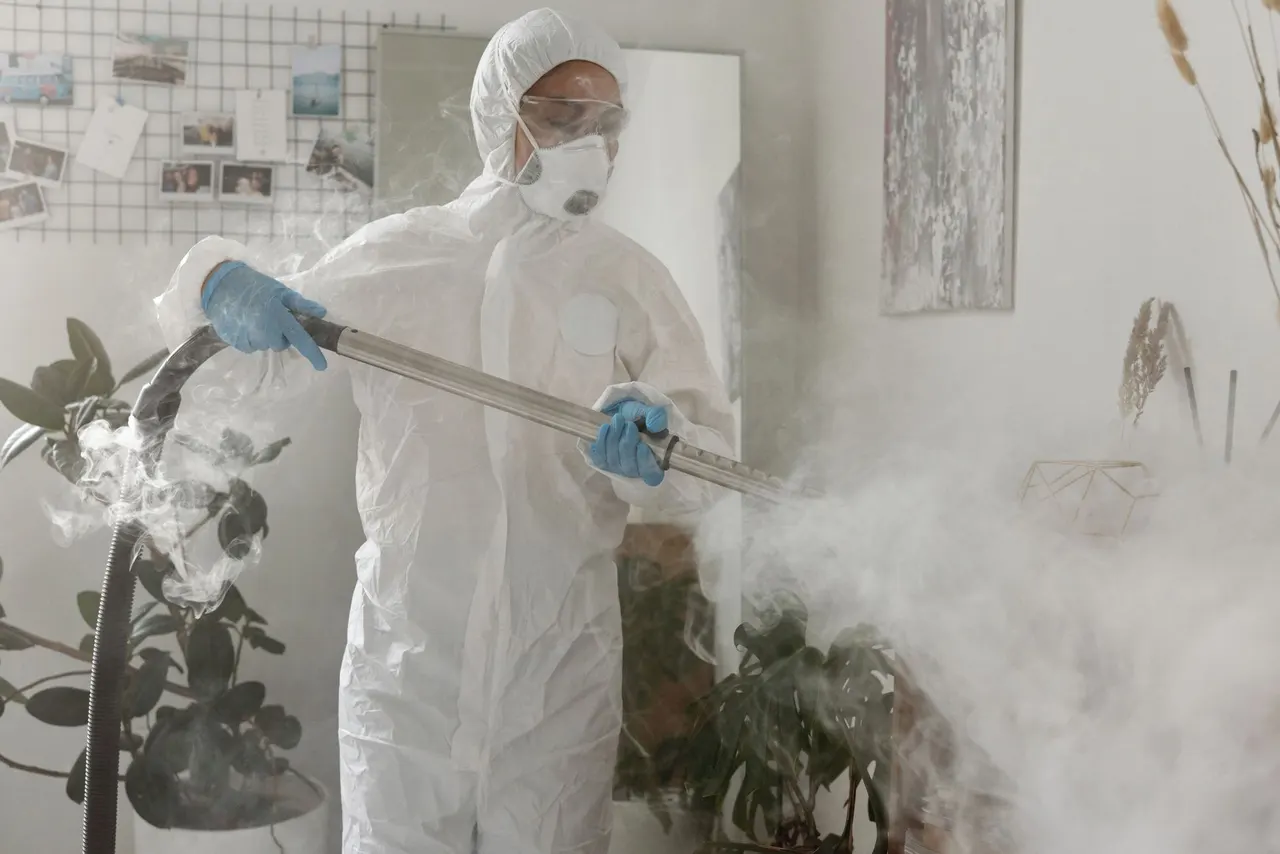
Every job follows the same five steps, whether it is a small bathroom colony or a full attic infestation. Here is exactly what happens from the first call to the final walkthrough.
We arrive within your scheduled window and inspect the affected area plus surrounding rooms. Moisture meters and thermal cameras map hidden water. We take air and surface samples when needed and explain what we find before any work begins. Most inspections take 45 to 90 minutes.
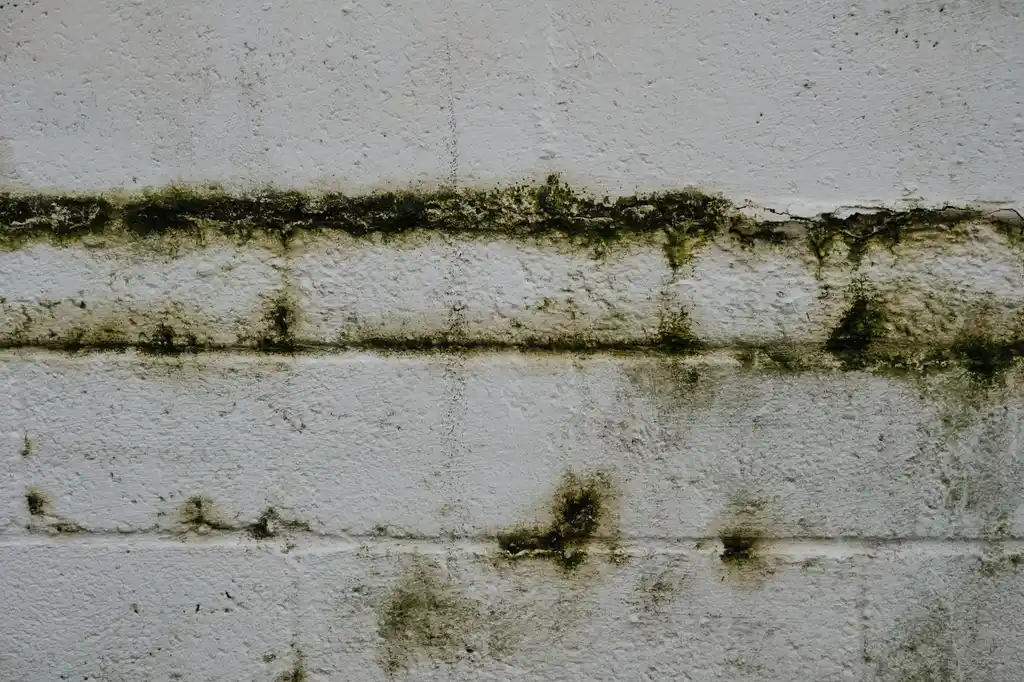
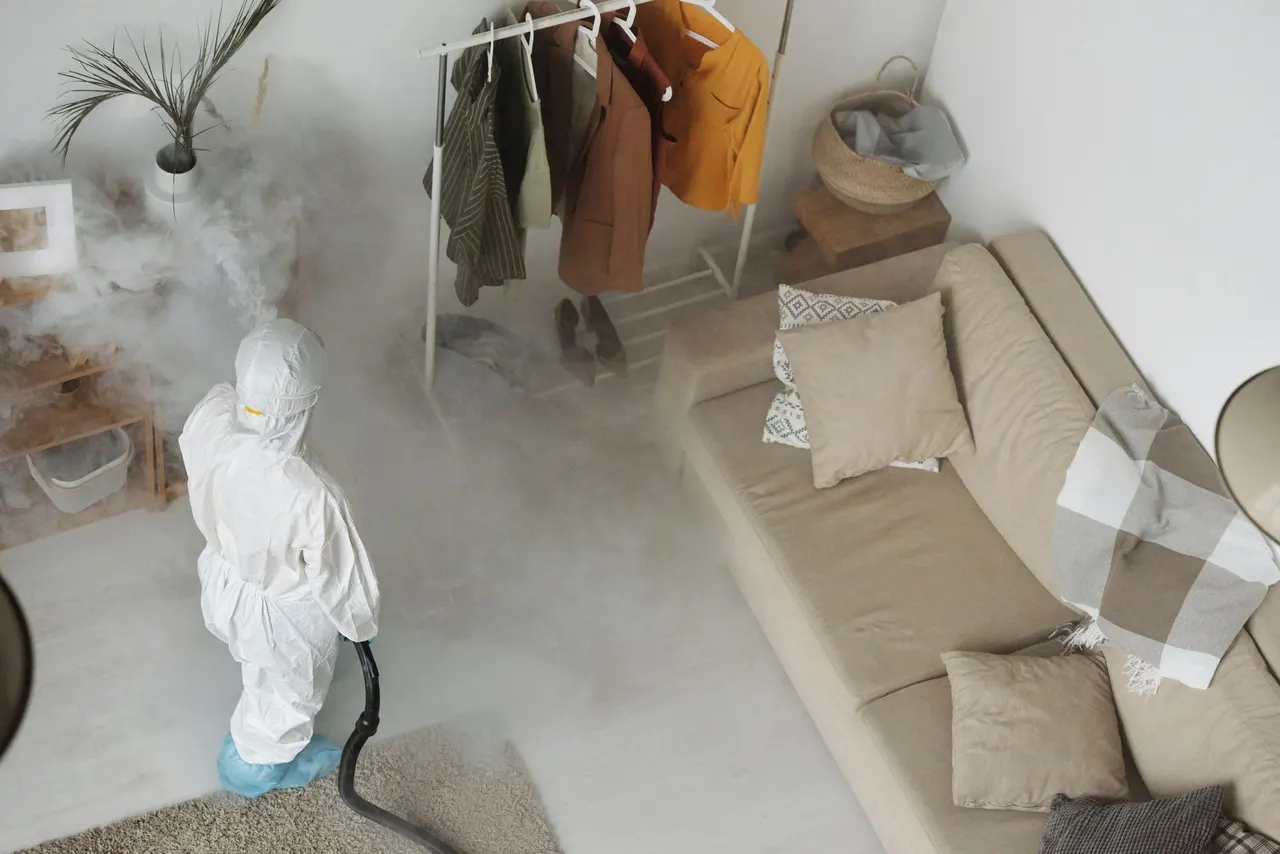
We seal off the work area with poly sheeting and duct tape, then install a negative air machine with HEPA filtration. This keeps spores from spreading to clean rooms while we work. Setup usually takes one to two hours depending on the size and layout of the space.
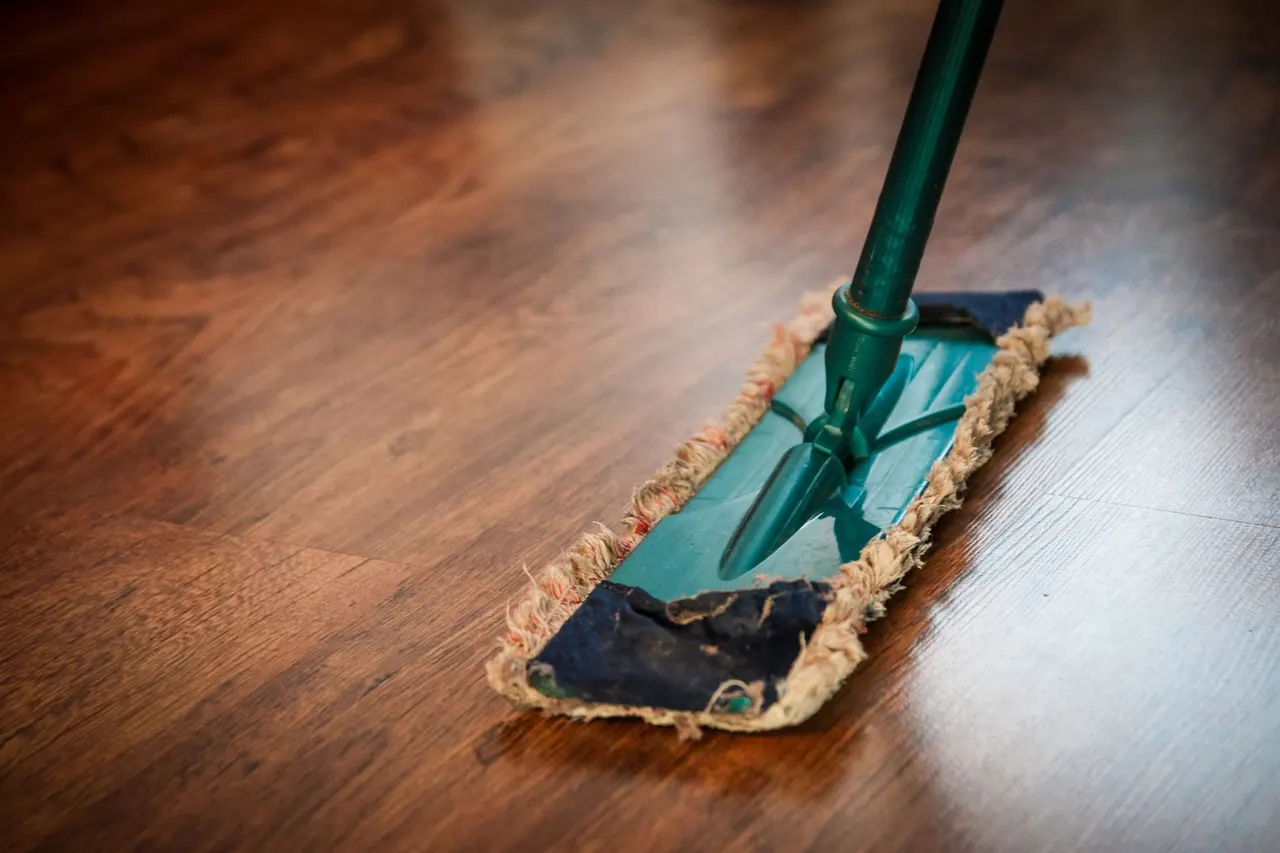
We remove contaminated drywall, insulation, and other porous materials, bag them inside the containment, and dispose of them properly. Non-porous surfaces get scrubbed and treated with antimicrobial spray. A typical bedroom takes one full day; larger attic or crawl space jobs can run two to three days.
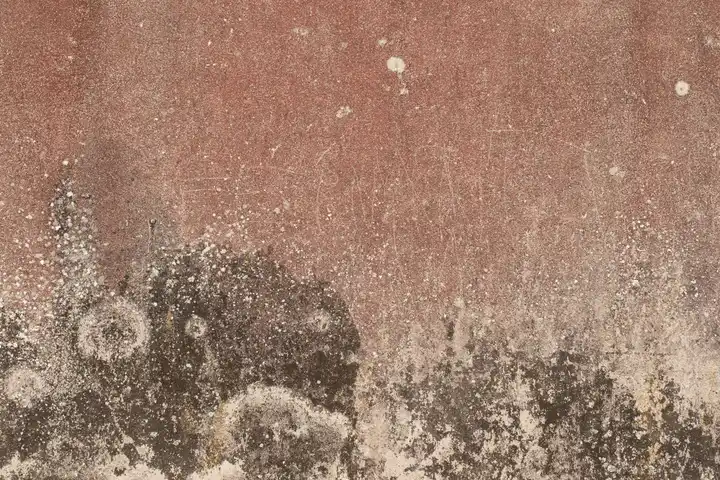
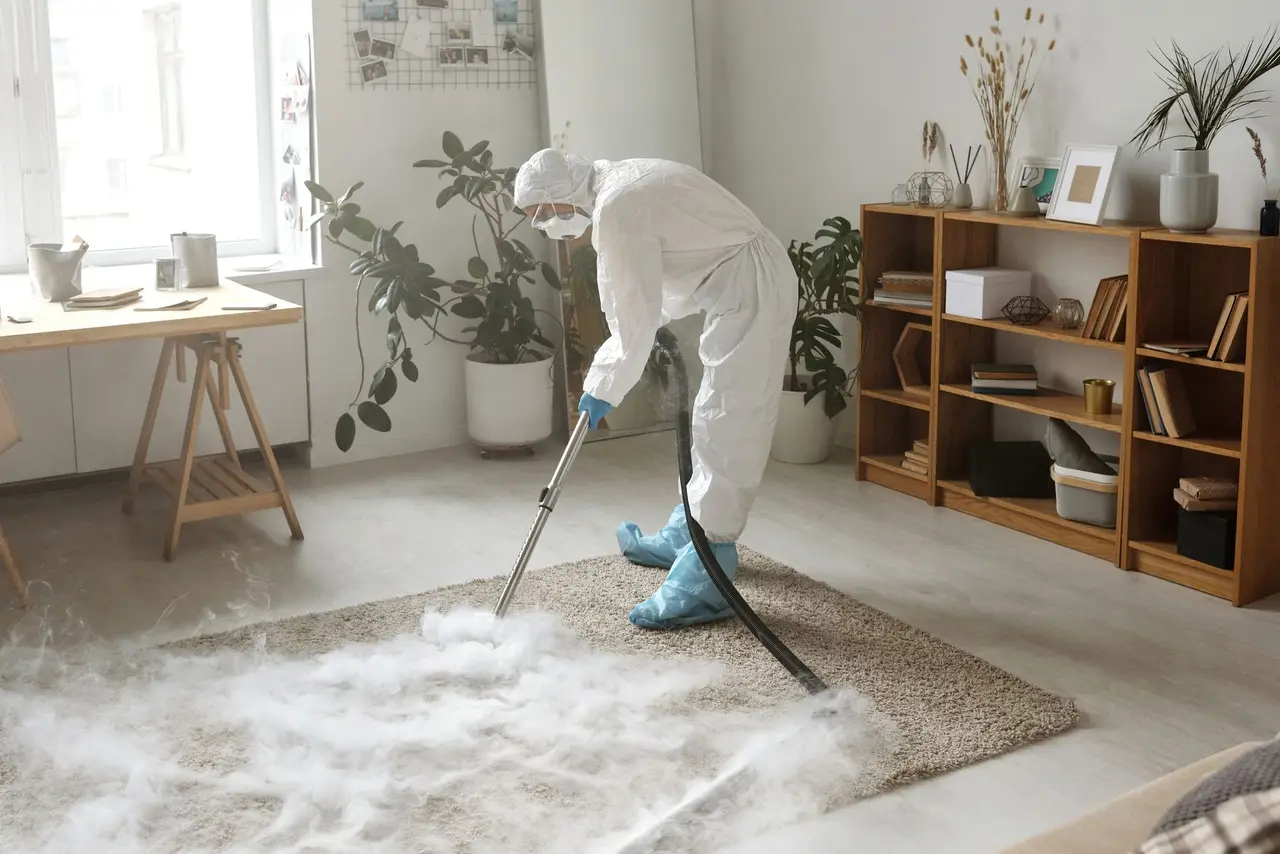
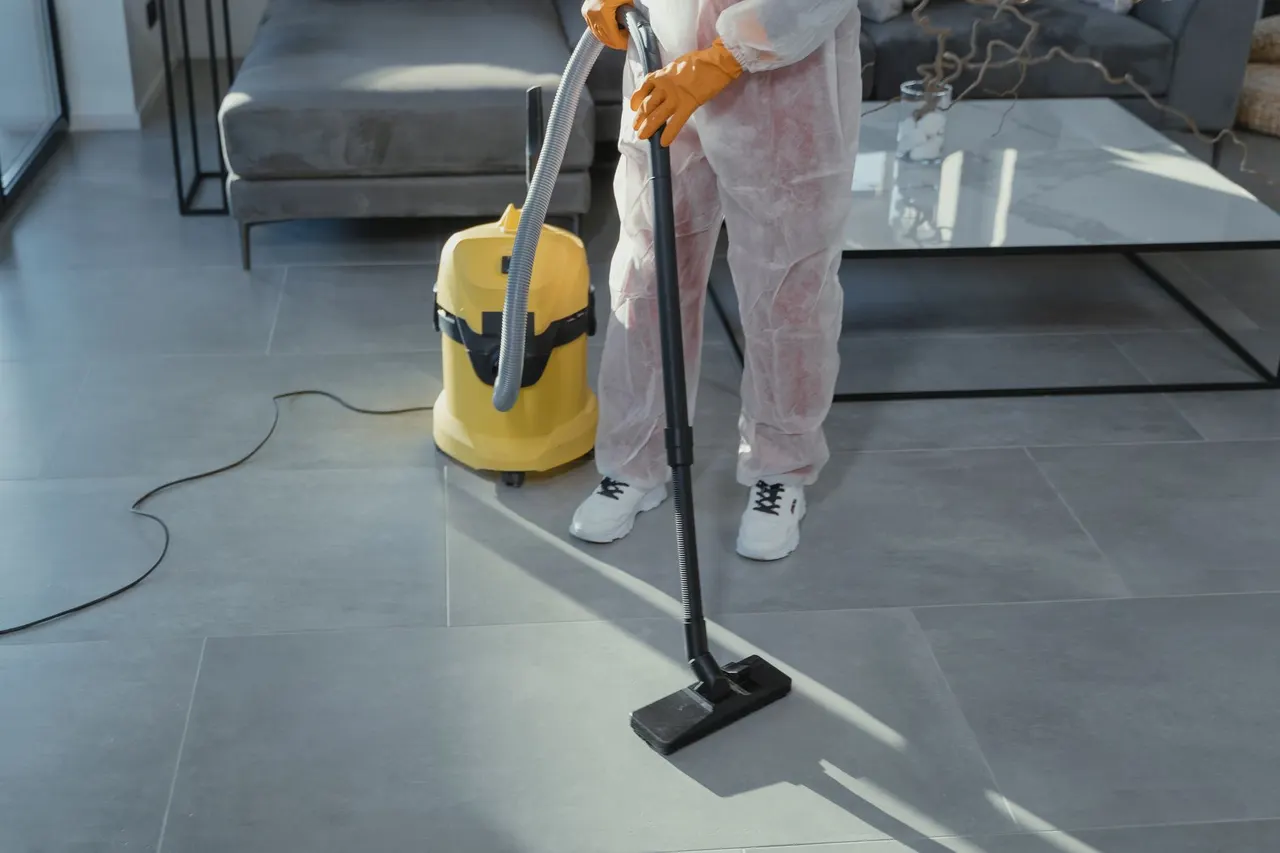
After physical removal, we HEPA vacuum every surface and run air scrubbers to pull remaining spores from the air. We treat framing and structural wood with an encapsulant coating when needed to seal in any residue. This phase usually adds four to eight hours to the job.
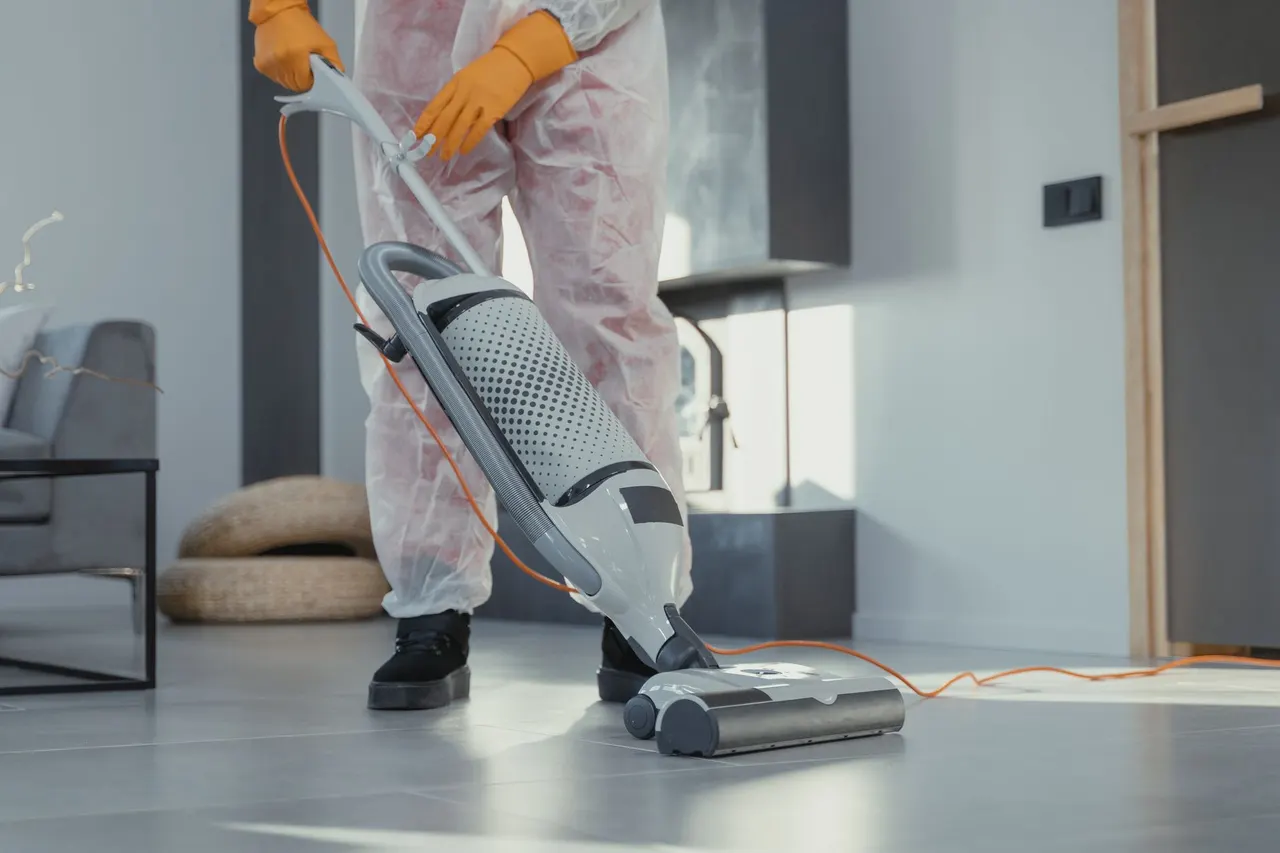
We take post-remediation air samples and walk you through the finished space. You get photos, moisture readings, and a written summary. If clearance testing shows any remaining issue, we return and address it before closing the job.
Move across a circle, or focus it and press Enter, for an illustrative thermal view of the photograph.
Detects hidden moisture behind walls, under floors, and in ceilings. We use it to find the water source feeding the mold.
Shows temperature differences that reveal wet areas without tearing out drywall. We use it to map the full extent of moisture.
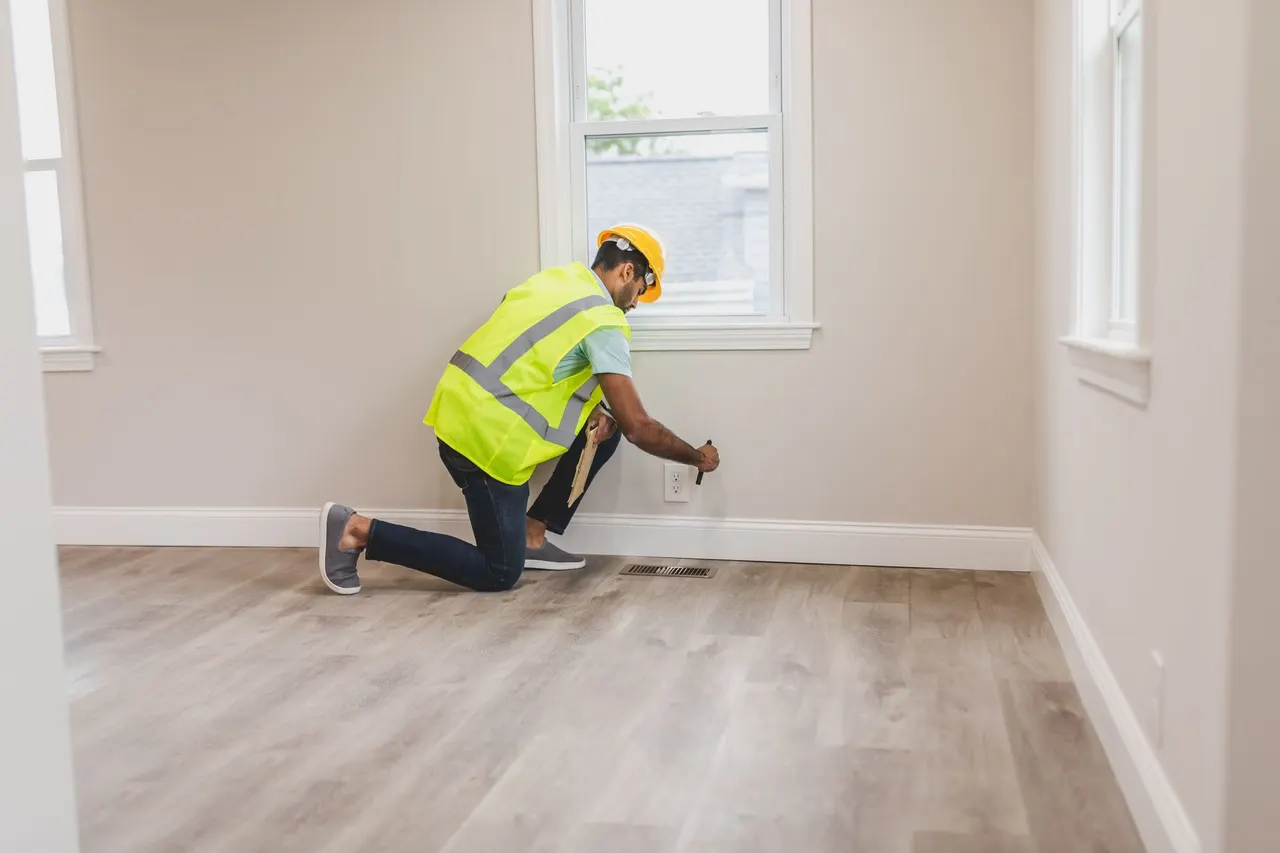
Filters airborne mold spores during and after removal. We run them continuously until the job is complete.

Removes mold spores from surfaces and crevices. We use HEPA filters to trap particles down to 0.3 microns.
Creates negative pressure inside containment so spores cannot escape into clean rooms.
Thermal views are illustrative, generated from the photographs.
Lets us see inside wall cavities and ductwork without cutting large holes. We use it to confirm mold growth in hidden areas.
Pulls moisture from the air after removal to prevent new mold growth. We run it until moisture levels are back to normal.
The industry standard for mold remediation. It covers containment, removal, cleaning, and verification. We follow it on every job to ensure the mold is fully removed, not just painted over.
We seal off the work area with poly sheeting and duct tape, then install negative air pressure. This keeps spores from spreading to other rooms while we work.
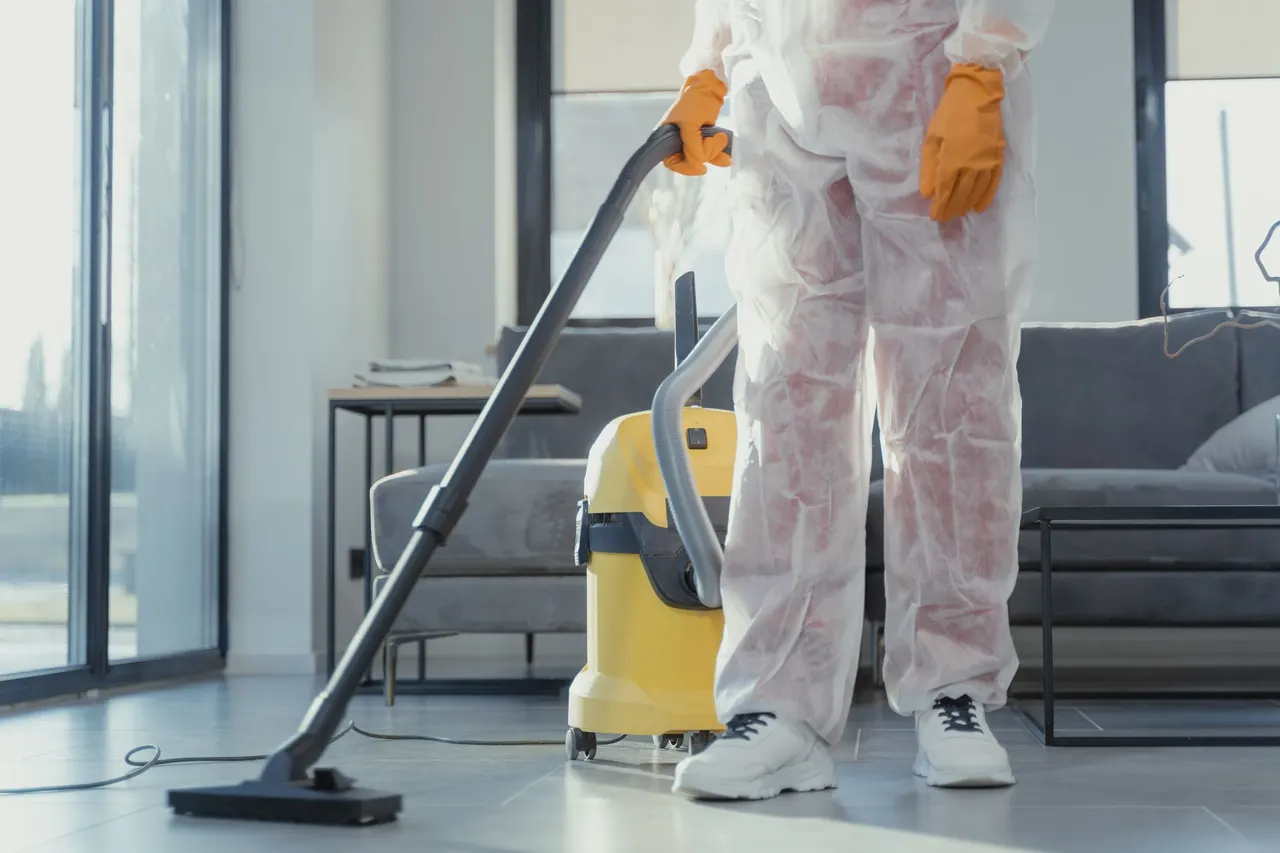
We use HEPA filters in air scrubbers and vacuums to trap mold spores. This is critical for protecting your air quality during and after removal.
After removal, we apply antimicrobial spray to framing and structural surfaces. If needed, we apply an encapsulant coating to seal in any remaining residue.
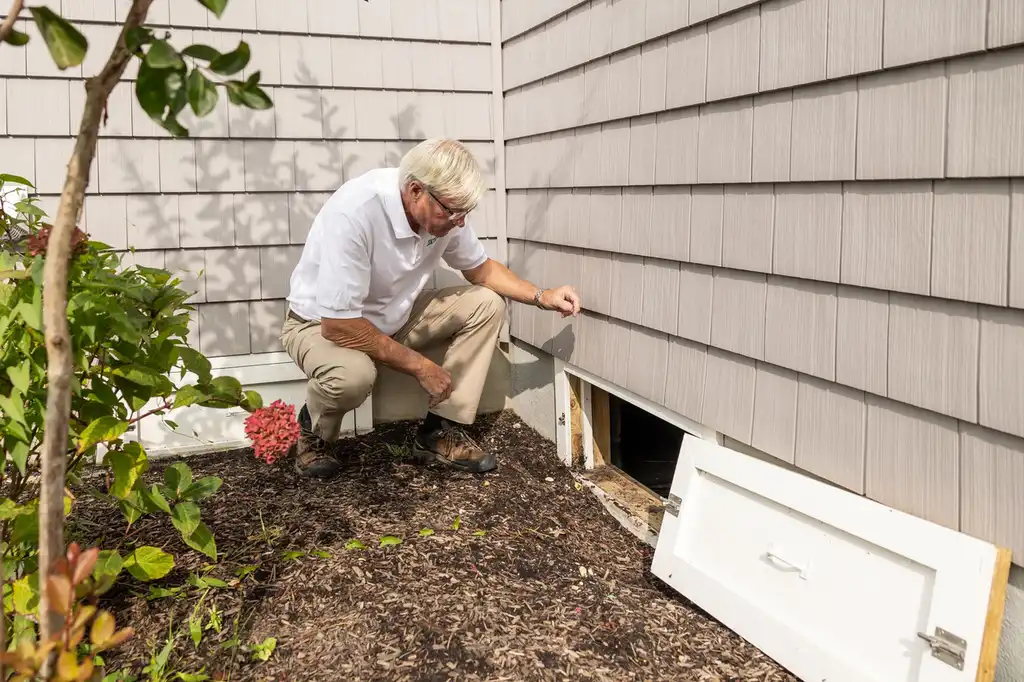
You had a slab leak repaired but now smell something musty in the hallway.
We inspect the area with moisture meters to confirm the slab is dry and check for mold behind the baseboards and drywall. If mold is present, we remove it and treat the framing.
Outcome: You get a dry, mold-free hallway and a written report showing moisture levels are back to normal.
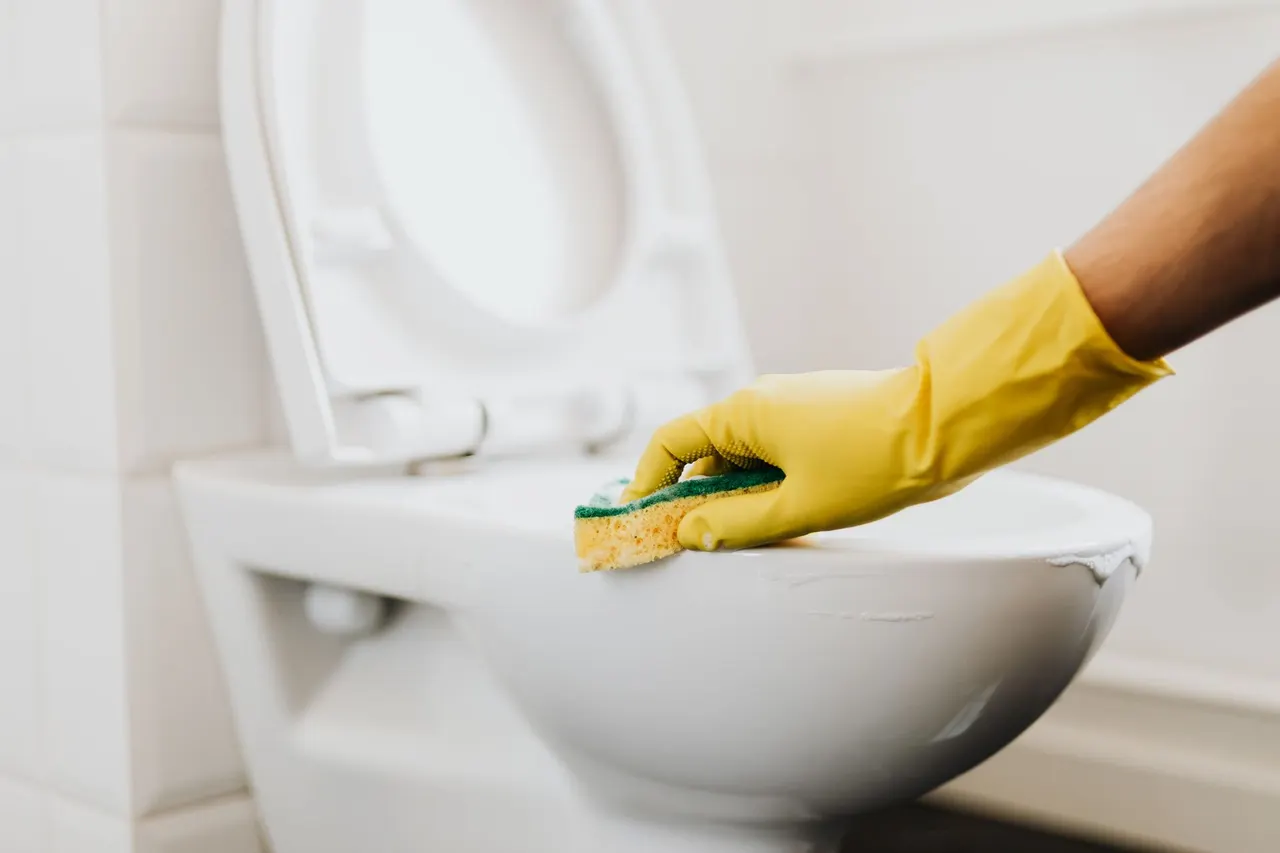
Your swamp cooler ran all summer and now you see dark spots around the vents.
We remove mold from the ductwork and vents, clean the cooler unit, and replace filters with HEPA filters. We also check for mold in the attic if the cooler is roof-mounted.
Outcome: Your air stays clean and you know how to maintain the cooler to prevent mold next summer.
A pipe burst under the sink and you dried it with towels, but now the cabinet smells.
We inspect the cabinet and wall cavity with a boroscope to find hidden mold. We remove affected materials, treat the surface, and run air scrubbers to clear the air.
Outcome: The smell is gone and the cabinet is safe to use again.
We perform a full mold inspection with air and surface samples, then provide a written report with photos and a remediation plan if needed.
Outcome: You have the documentation you need to negotiate with the seller or plan for repairs.
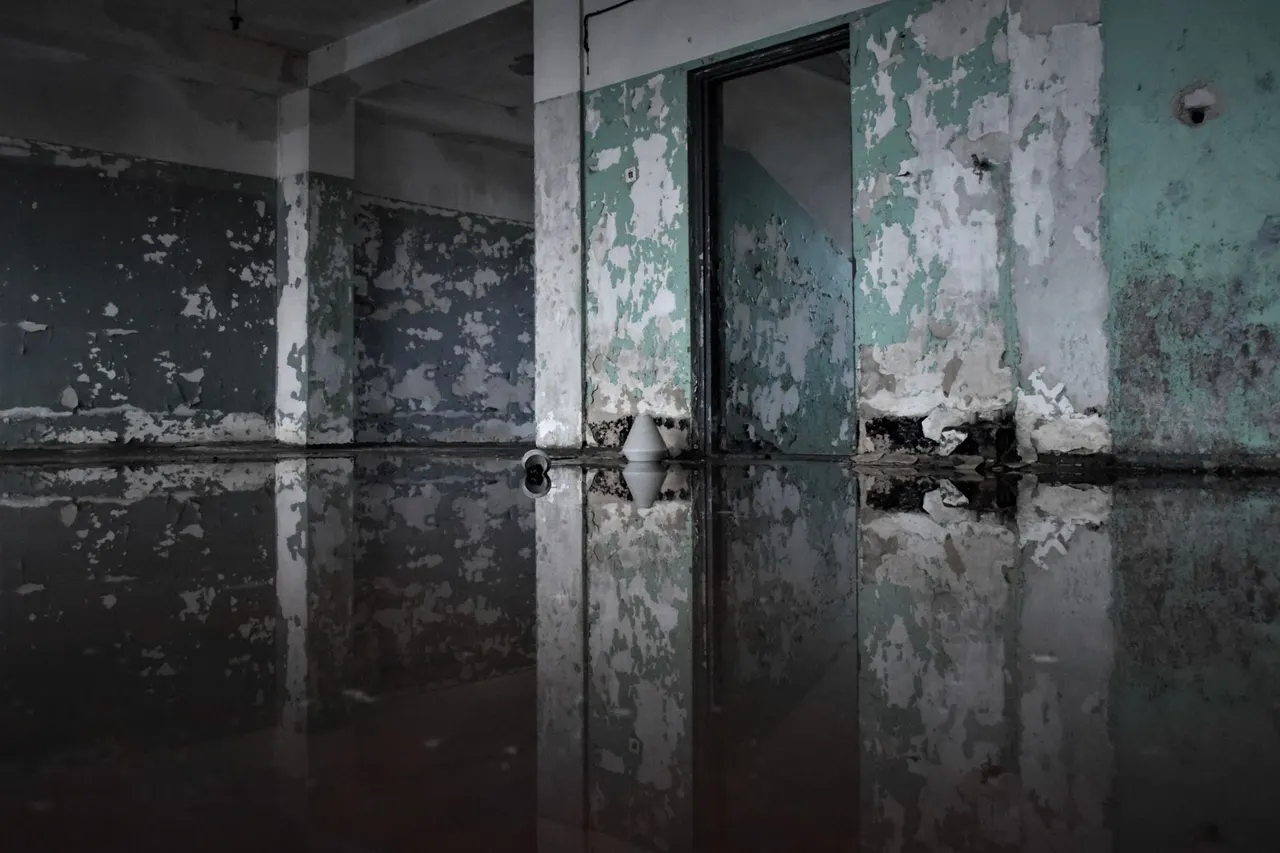
Phoenix has a dry climate, but that does not mean mold is rare. Monsoon season from June to September dumps rain fast, and flat roofs, swamp coolers, and older plumbing all let water in. Once moisture is inside a wall or attic, the heat turns it into a mold incubator. We see black mold after water damage Phoenix homeowners discover weeks later, usually when a musty smell shows up in a hallway or bedroom.
We also handle mold in crawl spaces, which stay damp because of soil moisture and poor ventilation. Our process is built for Phoenix buildings: we check for swamp cooler mold, HVAC mold, and attic mold after every storm. We follow IICRC S520 standards and use moisture meters and thermal cameras to find hidden growth.
If you are searching for black mold removal company Phoenix trusts for local knowledge, we know the neighborhoods and the building styles.
Before: A slow slab leak soaked the carpet and baseboards in a Maryvale bedroom. The homeowner noticed a musty smell and dark spots along the bottom of the drywall. Moisture readings showed the wall cavity was still wet.
After: We removed 12 feet of contaminated drywall, treated the framing with antimicrobial spray, and ran air scrubbers for 24 hours. Post-remediation testing confirmed no mold spores. The homeowner replaced the drywall and carpet.
We recommended a moisture check every six months and a leak detection test on the slab to catch any new leaks early.
Before: A North Phoenix home had a roof leak during a monsoon storm. Water soaked the attic insulation and sheathing, and mold covered about 200 square feet of the attic within a week. The homeowner smelled musty air coming through the vents.
After: We removed the affected insulation and sheathing, treated the framing with antimicrobial spray, and installed new insulation. We also repaired the roof leak. Post-remediation air samples showed no mold spores.
We recommended an attic inspection every spring before monsoon season and a roof check after any major storm.
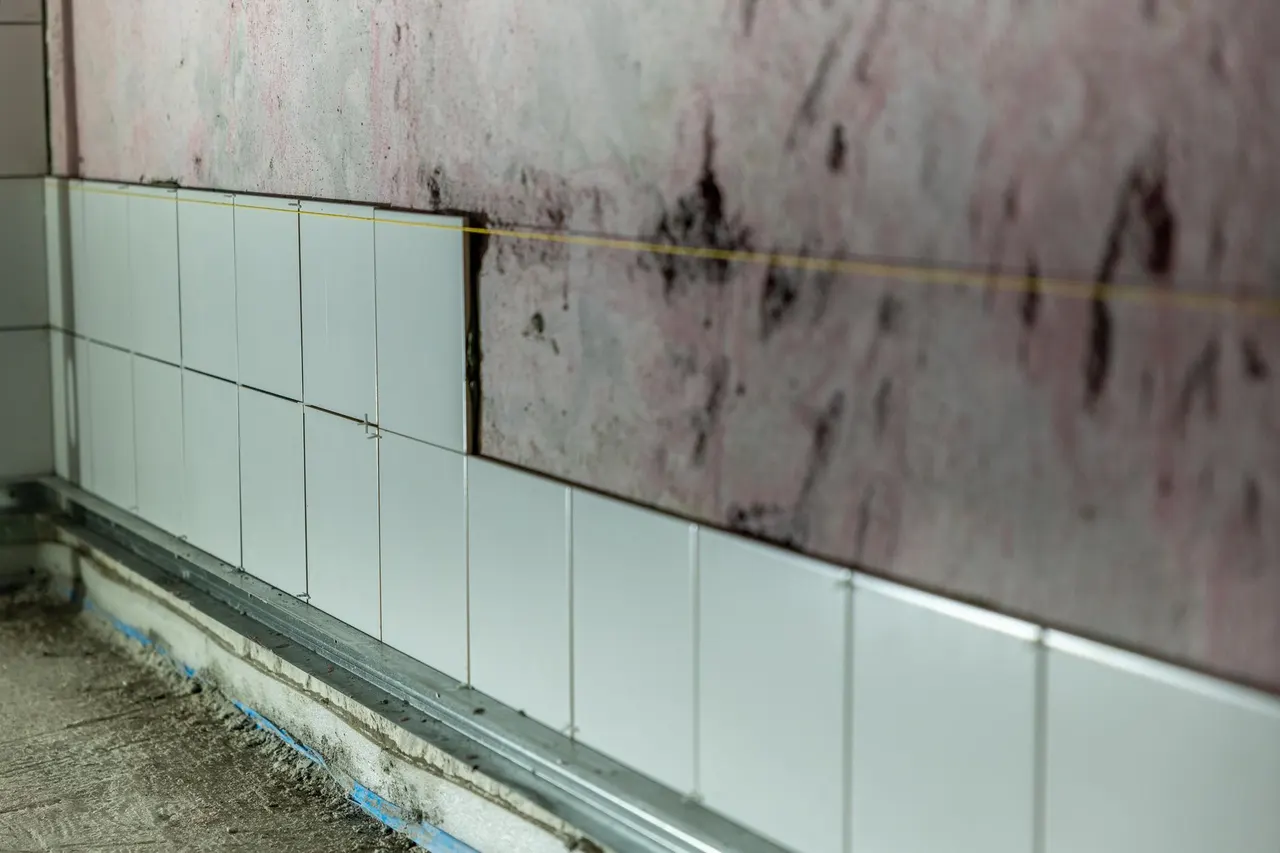
Before: A Sunnyslope home had a swamp cooler on the roof that leaked into the bathroom ceiling. Black mold covered about 20 square feet of the ceiling and was starting to spread into the wall. The homeowner had tried painting over it twice.
After: We removed the affected drywall, treated the framing, and replaced the ceiling with mold-resistant drywall. We also repaired the cooler pan and ductwork. The mold has not returned.
We showed the homeowner how to clean the swamp cooler at the start of every summer and check for leaks after monsoon storms.
Black mold in Phoenix homes usually traces back to one of a few moisture sources. Here is what we see most often and how we fix it.
Clean air, no musty odors, and a home that is safe to live in.
We use HEPA vacuums, air scrubbers, and antimicrobial spray to remove mold spores from surfaces and the air. A typical 200-square-foot remediation takes one to two days and leaves the area verified clean with post-remediation testing.
A moisture meter and thermal imaging camera find water you cannot see. We trace every leak back to its source, whether it is a pinhole slab leak, a failed swamp cooler pan, or a roof flashing that only leaks during monsoon season.
Black mold releases spores and musty odors that trigger allergies, headaches, and breathing problems. Our air scrubbers run continuously during removal, and we replace HVAC filters with HEPA filters before we finish so your air stays clean.
We photograph every affected area, log moisture readings, and provide a written scope you can hand to your insurance adjuster. Most Phoenix homeowner policies cover sudden water damage mold, and our documentation makes the claim process straightforward.
Clear records you can keep and share.
Before and after photos of all affected areas
Readings showing dry conditions after removal
Summary of work performed and materials removed
Post-remediation sample results from the lab
Not all mold is black mold, and not all black-colored mold is toxic. Testing confirms what you are dealing with.
Toxic black mold species like Stachybotrys
Common mold species that look similar
Surface growth that is easier to clean
A list like this tells people straight away whether you cover their street. Not listed? Call and ask: it only takes a minute.
Based in Phoenix and covering the places around it. Pick one for local details.
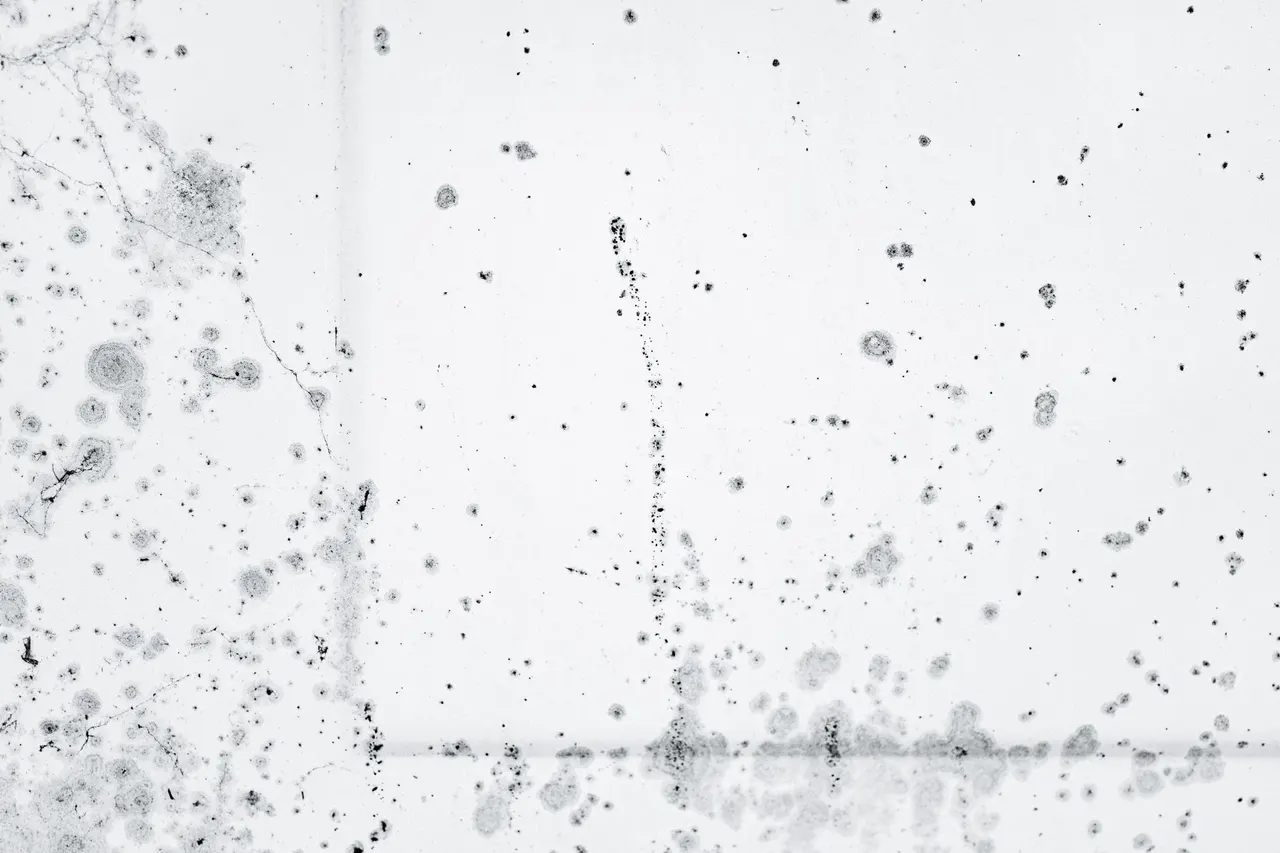
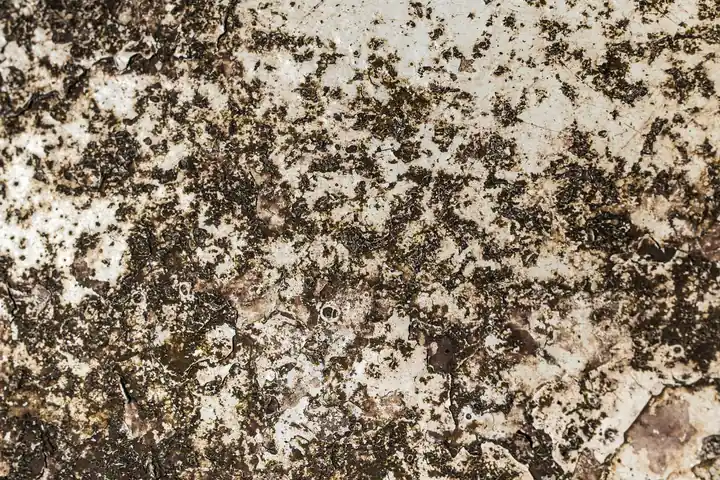
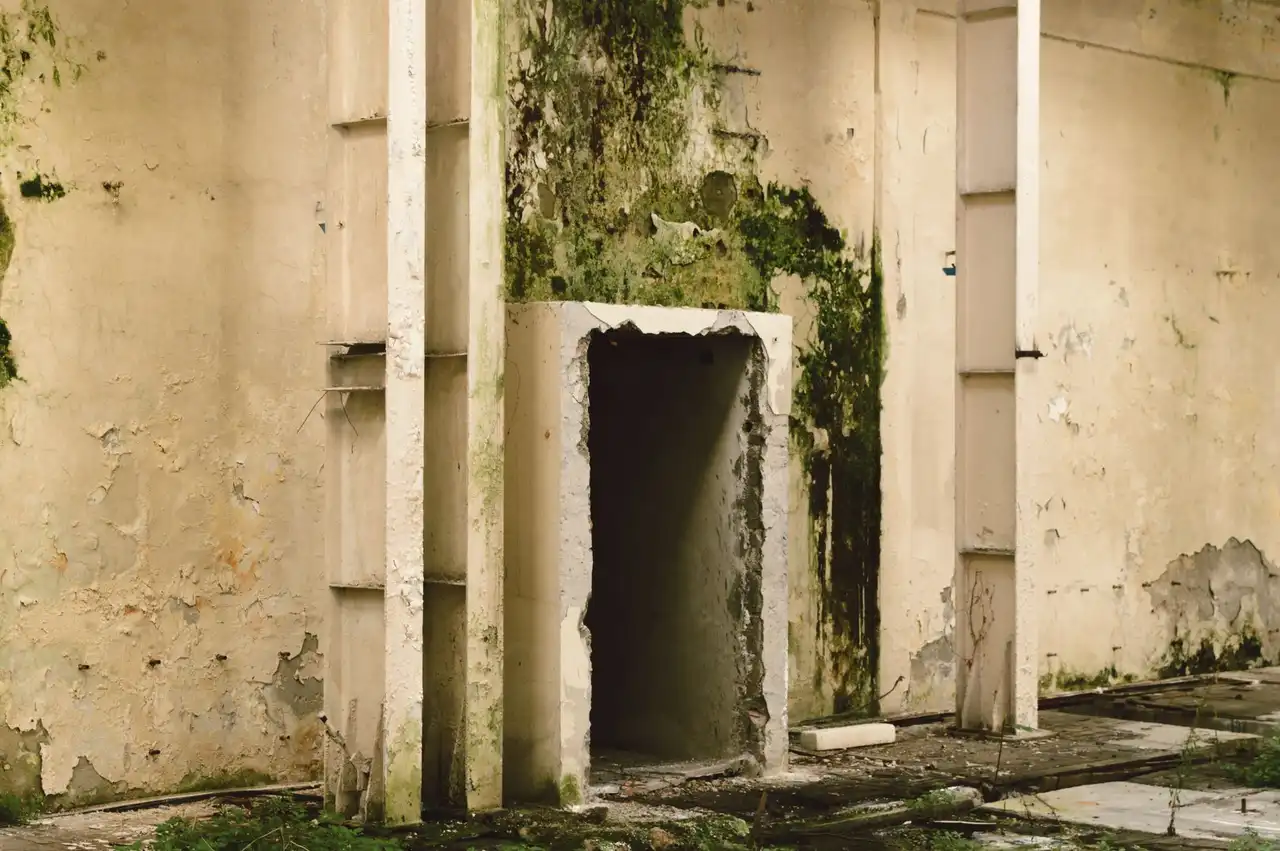
Black mold usually appears as dark greenish-black patches with a slimy or fuzzy texture, often near water sources. In Phoenix homes, you will most often find it on bathroom ceilings, inside swamp cooler ducts, behind drywall after a leak, and in attic sheathing after monsoon storms. It often has a strong musty, earthy smell even when you cannot see it.
We move furniture and personal items out of the containment zone before we start. Porous items like cardboard, paper, and fabric that have mold growth usually cannot be saved. Non-porous items get wiped down with disinfectant wipes and returned after the job. We photograph everything we remove and bag it for disposal.
No. Paint traps mold against the surface and it keeps growing underneath, eventually peeling and spreading. Mold needs moisture to survive, so the fix is removing the mold and stopping the water source. We remove contaminated material, treat the surface, and only then apply an encapsulant coating if needed.
Usually yes, if the mold has soaked into the paper facing or the gypsum core. Drywall is porous and cannot be fully cleaned once mold roots in. We cut out affected sections, dispose of them in containment, and replace with mold-resistant drywall. Small surface spots on painted drywall can sometimes be cleaned, but we test first.
Other services from the same team.
Mold doubles in size every few days when moisture is present. Call AZ Mold Removal for a same-day inspection and a written price before we start. We serve all of Phoenix and Maricopa County.
Call 1234567890 or email info@azmoldremoval.com and we will get you on the schedule. We answer the phone during business hours, and if you leave a message after hours we call back the next morning. Tell us what you are seeing, smelling or feeling, and we will tell you what the next step looks like.