Mold Removal in Phoenix that gets the moisture source too
Mold Removal in Phoenix means finding the water that fed the growth, containing the affected area, and pulling the spores out of the air instead of wiping the surface and hoping. We handle attic mold, swamp cooler mold, HVAC mold and post-monsoon growth across Maricopa County. If you can smell it, we can find it.
Every job we run includes inspection, containment, removal of unsalvageable material, antimicrobial treatment and drying, plus photos and a moisture log at the end. Rebuilding drywall, painting and duct cleaning are add-ons we quote separately once we know the scope.
Moisture inspection and mapping
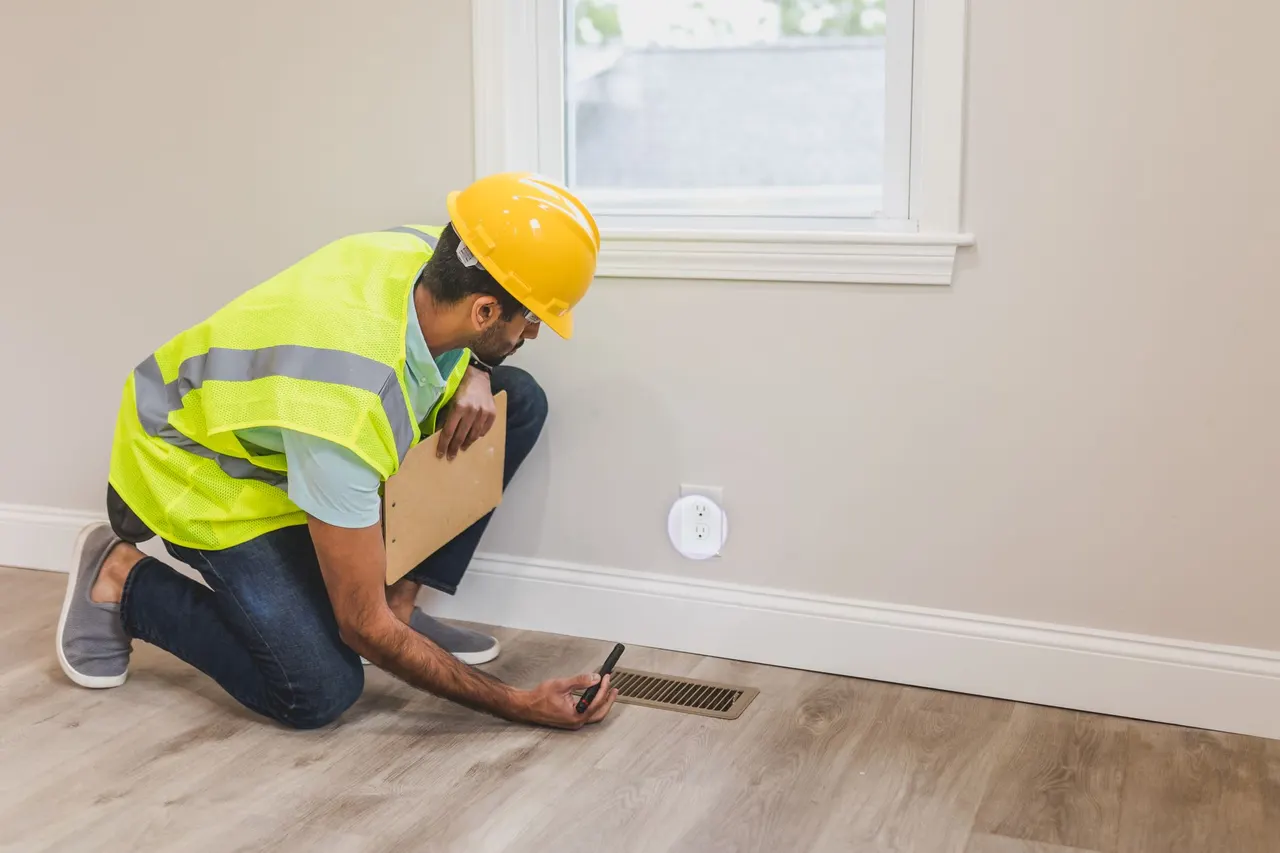
We run a moisture meter across walls, floors and framing, then use a thermal imaging camera and boroscope to check inside cavities. You see the readings and the marked zone before any material comes out.
Containment and air scrubbing
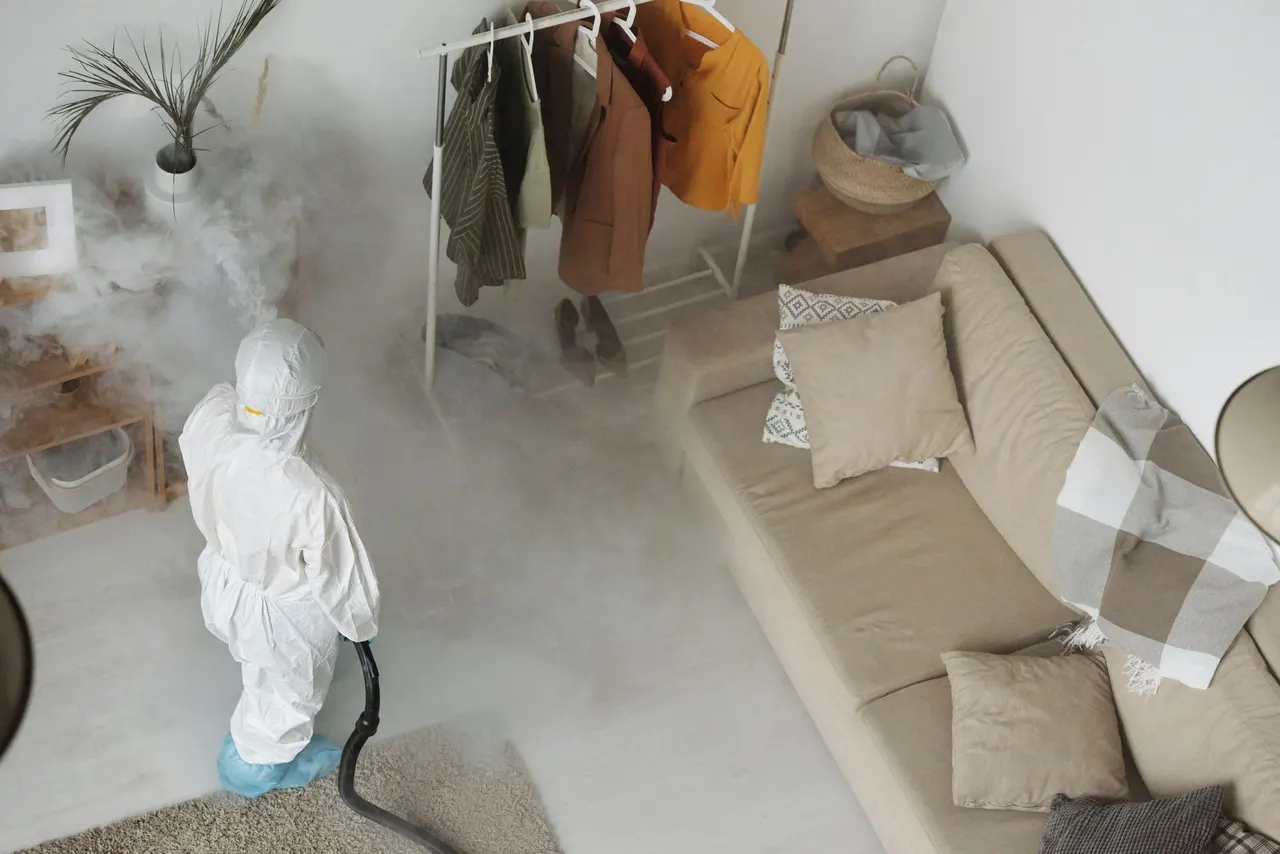
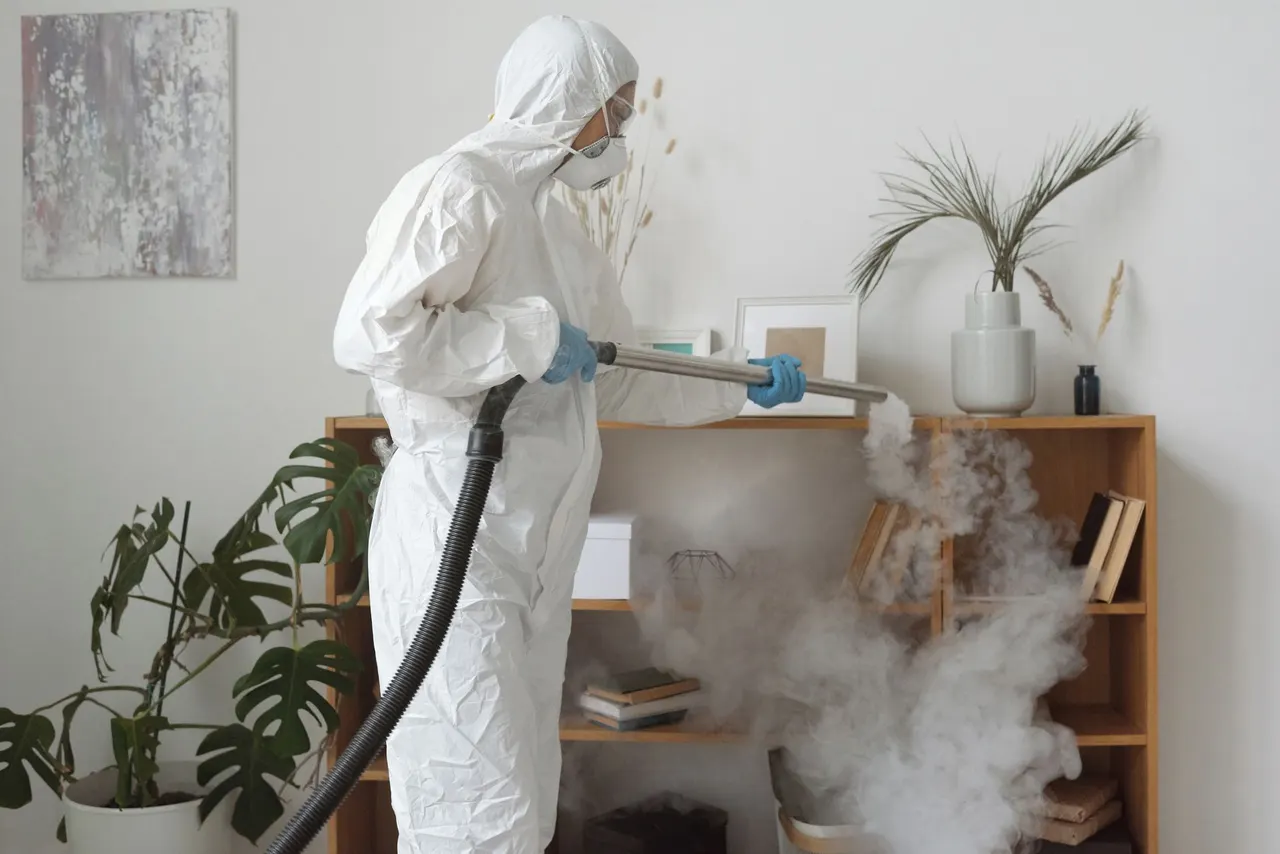
Poly sheeting and duct tape seal the work zone, and a negative air machine with HEPA filters keeps air flowing into containment. This is what stops spores from spreading to the rest of the house.
Removal of affected material
Moldy drywall, insulation, ceiling tile and other porous material gets cut out, bagged and hauled away. Framing and hard surfaces stay and get cleaned instead of replaced wherever the readings allow.
Antimicrobial treatment and sealing
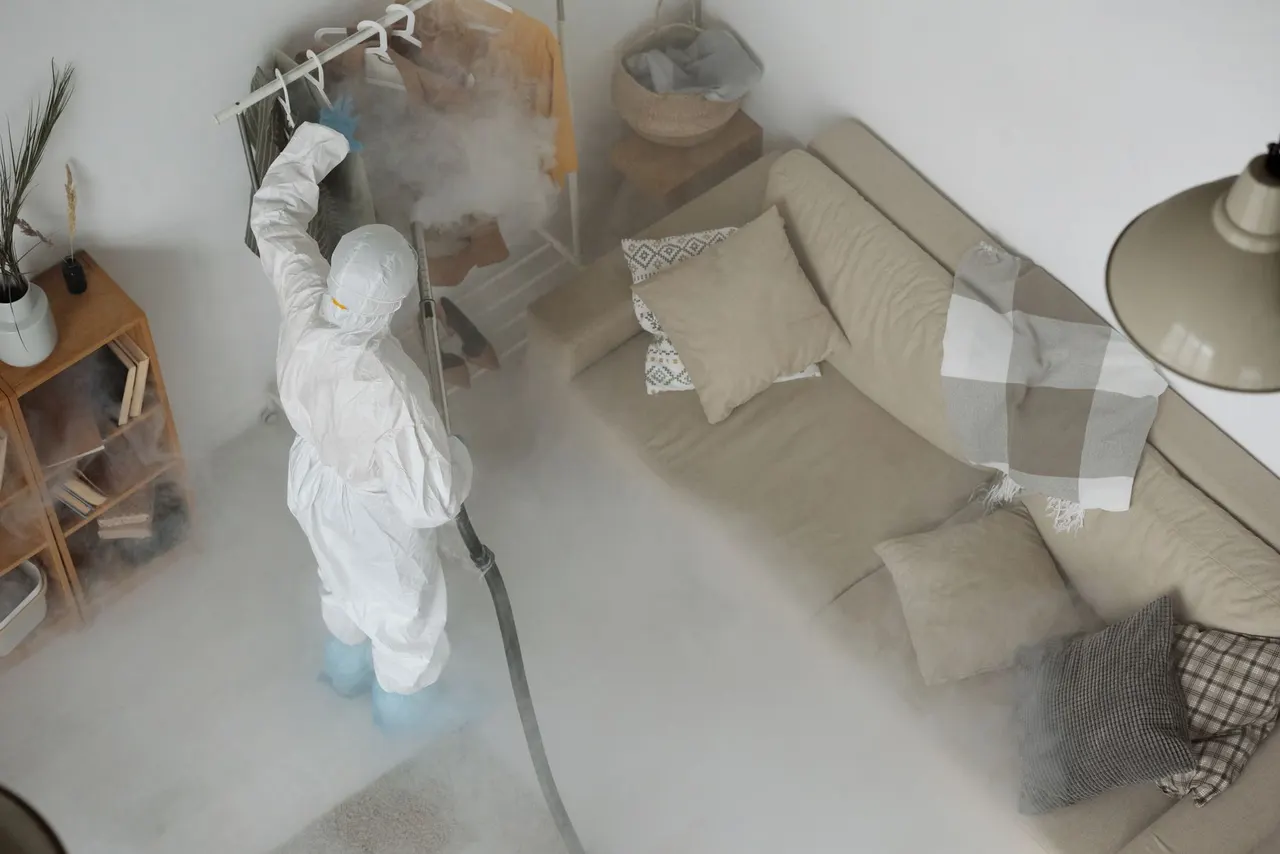
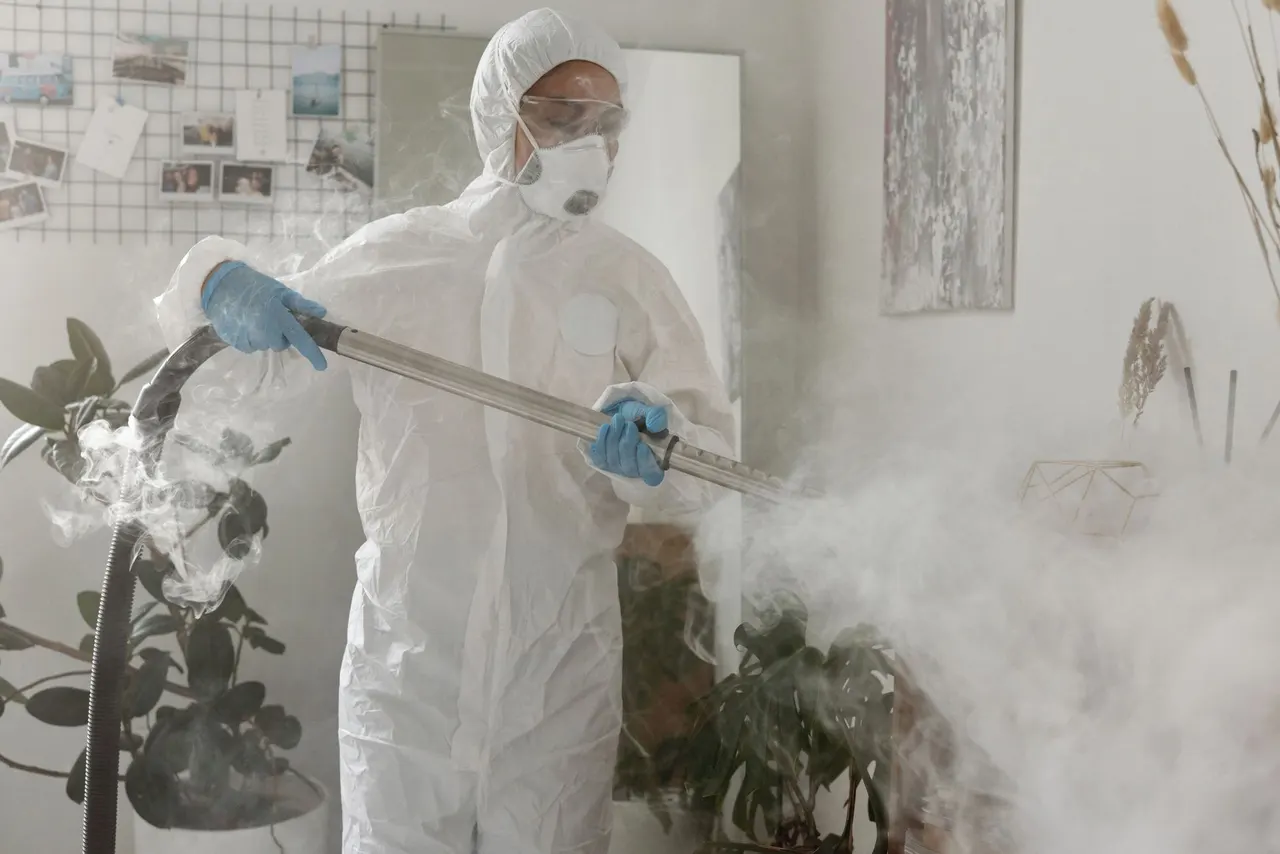
Surfaces get HEPA vacuumed, then treated with an antimicrobial spray such as Concrobium or Benefect. Framing that stays in place gets an encapsulant coating so any remaining spores are sealed off.
Drying and final verification
A dehumidifier and air movers pull moisture out of the structure until readings return to normal for the material. We then remove containment, haul debris and walk you through the results.
Homes and businesses.
The approach is the same for a home and a business. What changes is the access, the schedule and who needs the paperwork.
For homes and rentals
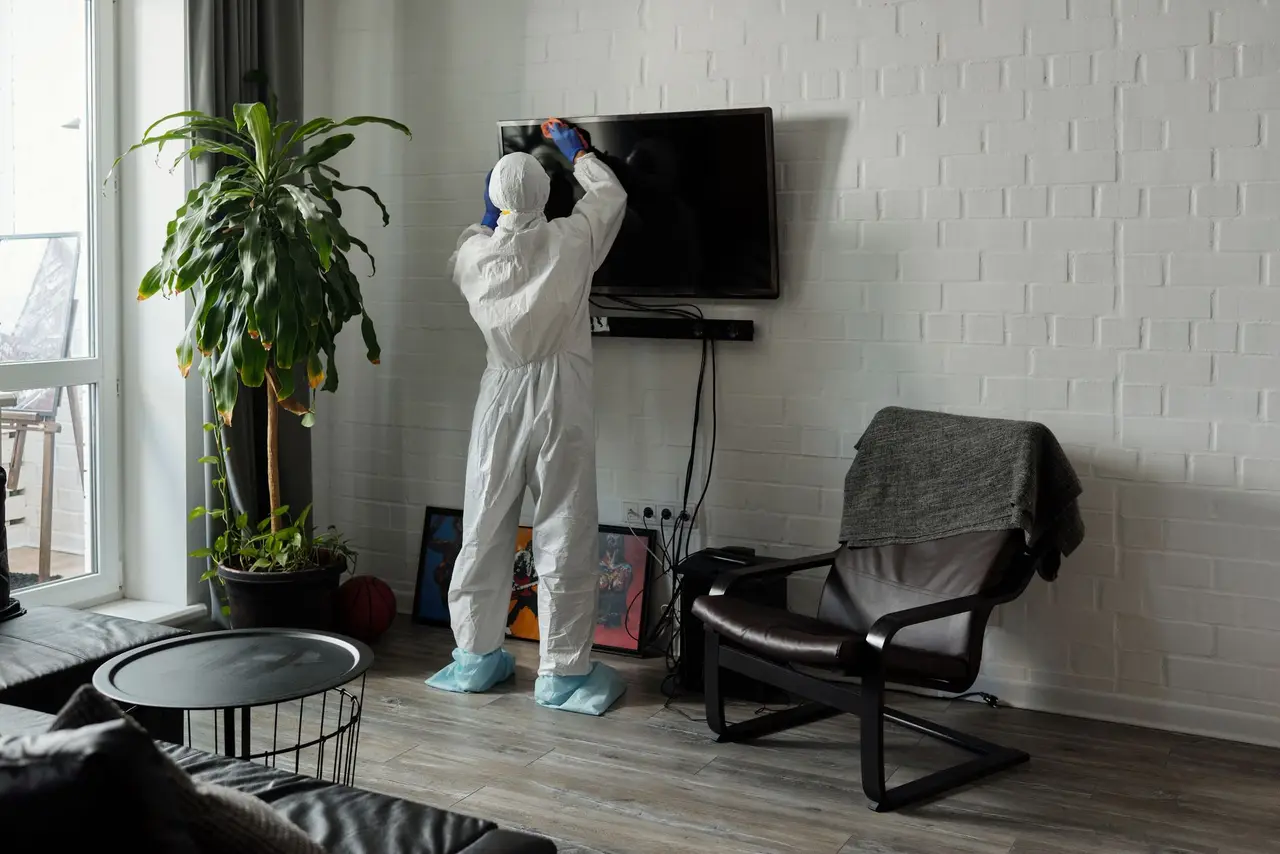
We contain the work zone so the rest of your house stays clean, and we protect floors and furniture as we go. You get photos and moisture readings before we close anything up.
Bathroom ceiling and vanity growth
Attic sheathing after a roof leak
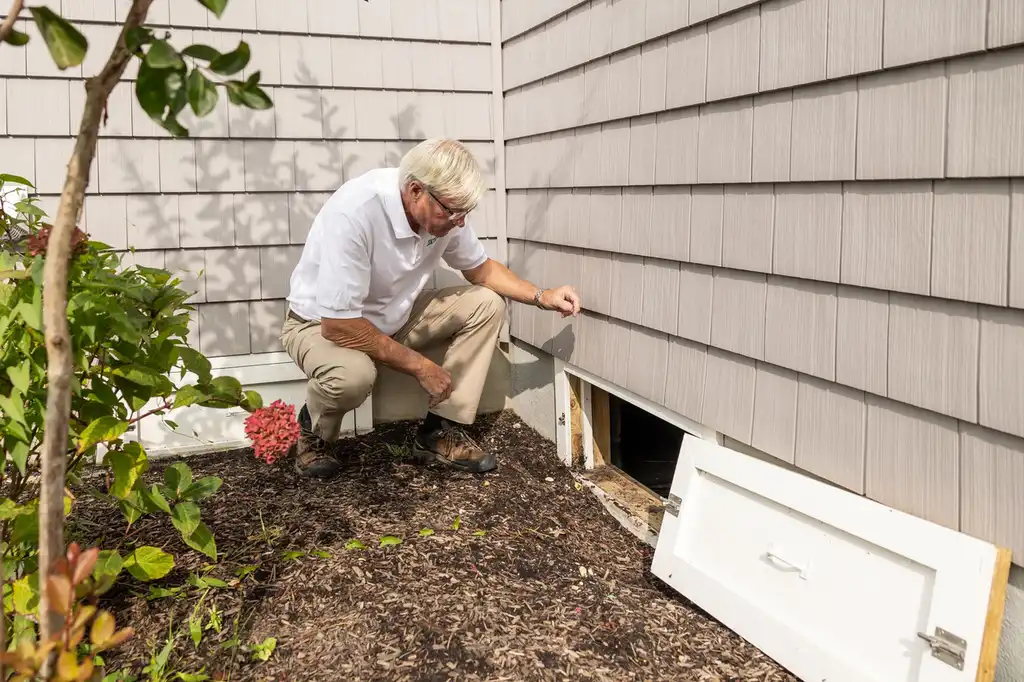
Crawl space joists and insulation
For businesses and properties
We schedule around your operating hours and contain the zone so staff and customers never enter the work area. You get a written scope and documentation you can pass to an owner or adjuster.
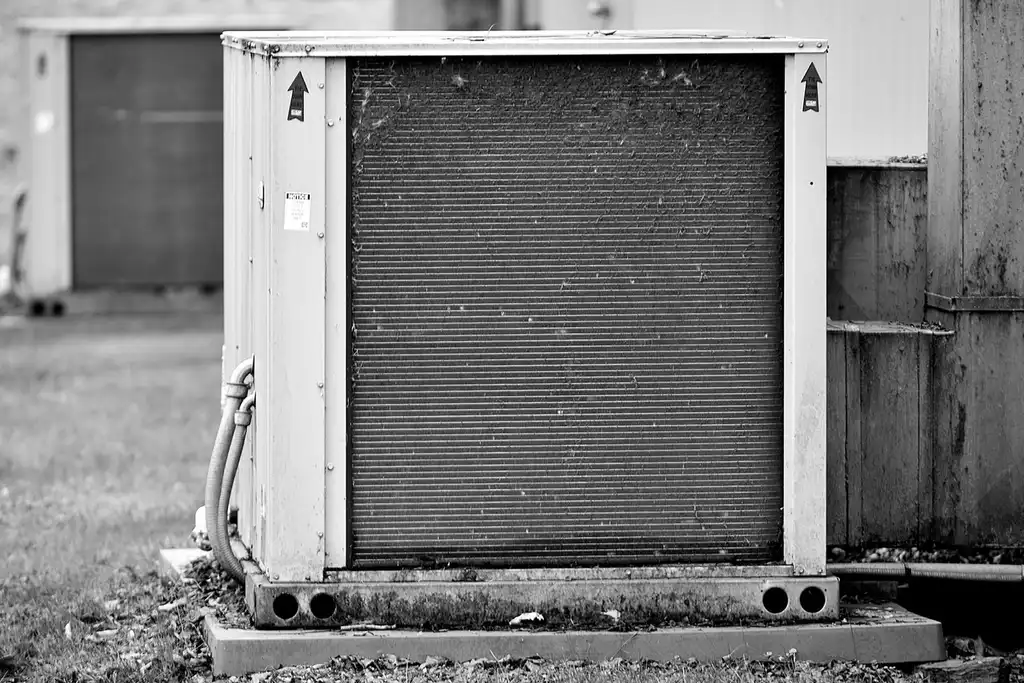
Air handler and duct growth
Tenant bathroom and ceiling mold
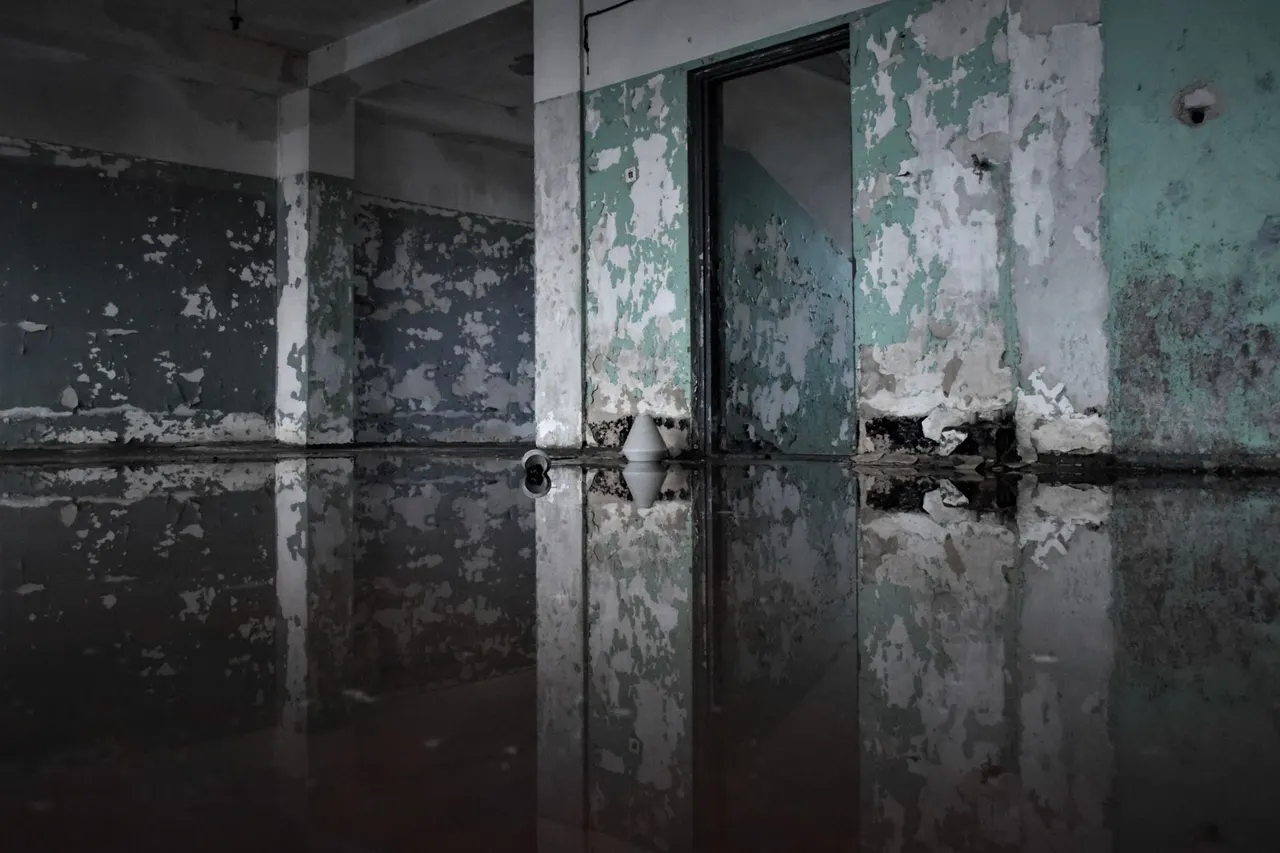
Post-monsoon water intrusion
What Mold Removal in Phoenix actually involves
A plain-language look at what Mold Removal involves and when it is needed.
Mold Removal in Phoenix is the contained physical removal of mold growth, its food source and the moisture that started it, followed by drying and air scrubbing so spores do not settle back onto clean surfaces. We set a containment barrier, run a negative air machine with HEPA filtration, then remove porous material that cannot be saved and treat what can. A moisture meter and thermal imaging camera tell us where the water is hiding behind drywall, under slab edges and inside wall cavities.
Phoenix homes grow mold in places people do not expect. A swamp cooler that drips all summer, an attic that hits 140 degrees and then cools fast, a slab leak under tile, or a monsoon that pushes water through a window frame. We see bathroom mold and crawl space mold in the same week. If you search for Phoenix local mold removal after a leak, the first job is stopping the water, not spraying the wall.
Mold removal works when you find the water source, contain the zone and dry the structure to verified readings.
What it is
Contained removal of mold growth and the moisture that fed it, followed by treatment and drying.
When you need it
When you see growth, smell mustiness, or have had a leak or monsoon intrusion.
What to expect
Inspection, containment, removal, antimicrobial treatment, drying and a final moisture check.
How our mold removal process runs
Every job follows the same five steps, whether it is a single bathroom or a full attic. Here is what you will see from the first call to the final walk-through.
Phone assessment
We ask where you see or smell the growth, when it started, and whether there was a leak, a monsoon event or a swamp cooler issue. That call usually tells us whether you need an inspection first or a full removal crew. Most Phoenix jobs get scheduled within 24 to 48 hours.
Phone assessment
Symptom questions
Scheduling
Inspection and mapping
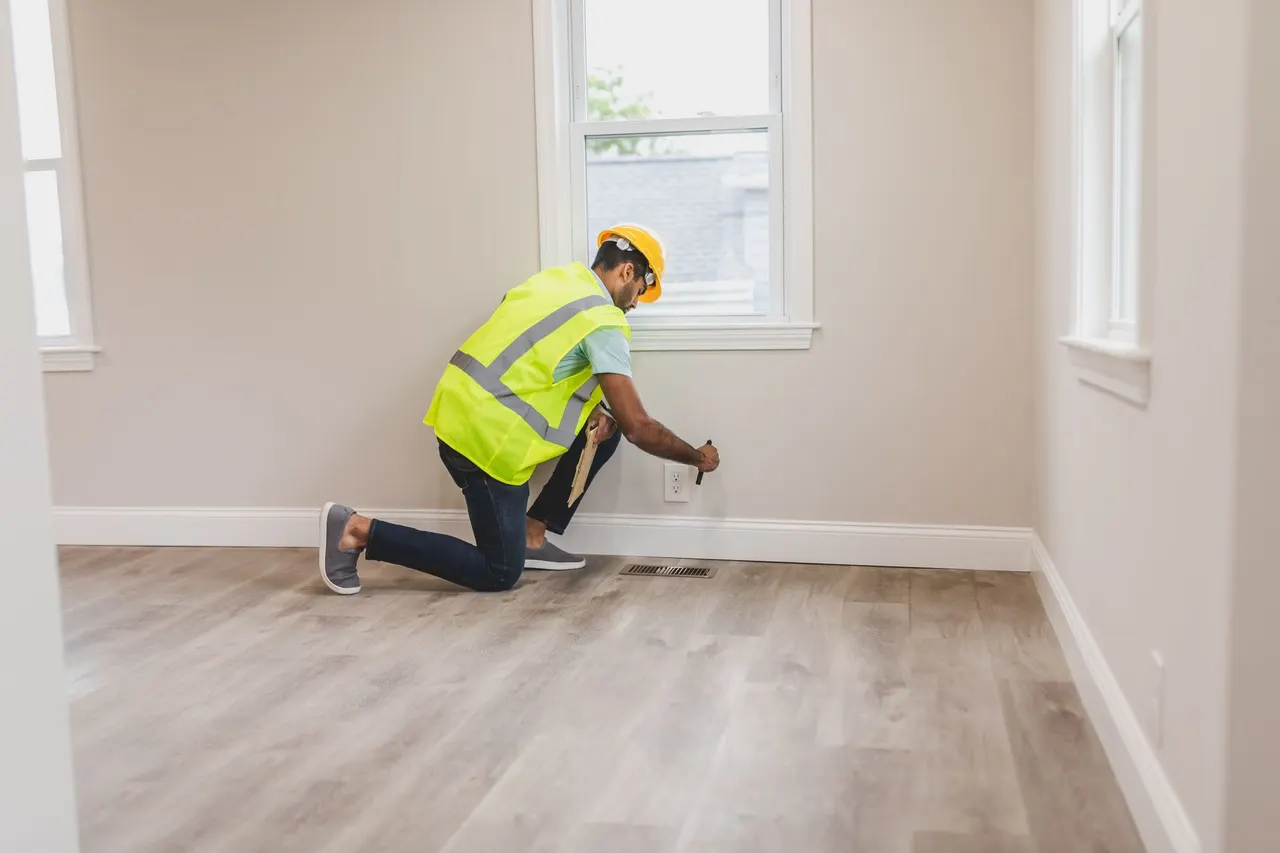
On site we run a moisture meter across the walls, floors and framing, and use a thermal imaging camera and boroscope to check inside cavities. We mark the affected zone, photograph it, and show you the readings before any work starts.
Moisture meter
Thermal camera
Zone mapping
Containment setup
We hang poly sheeting and seal the work zone with duct tape, then place a negative air machine with HEPA filters so air flows into containment, not out of it. Anyone entering wears PPE coveralls and an N95 respirator. Setup takes 30 to 60 minutes on a typical room.
Poly sheeting
Negative air
PPE setup
Removal and treatment
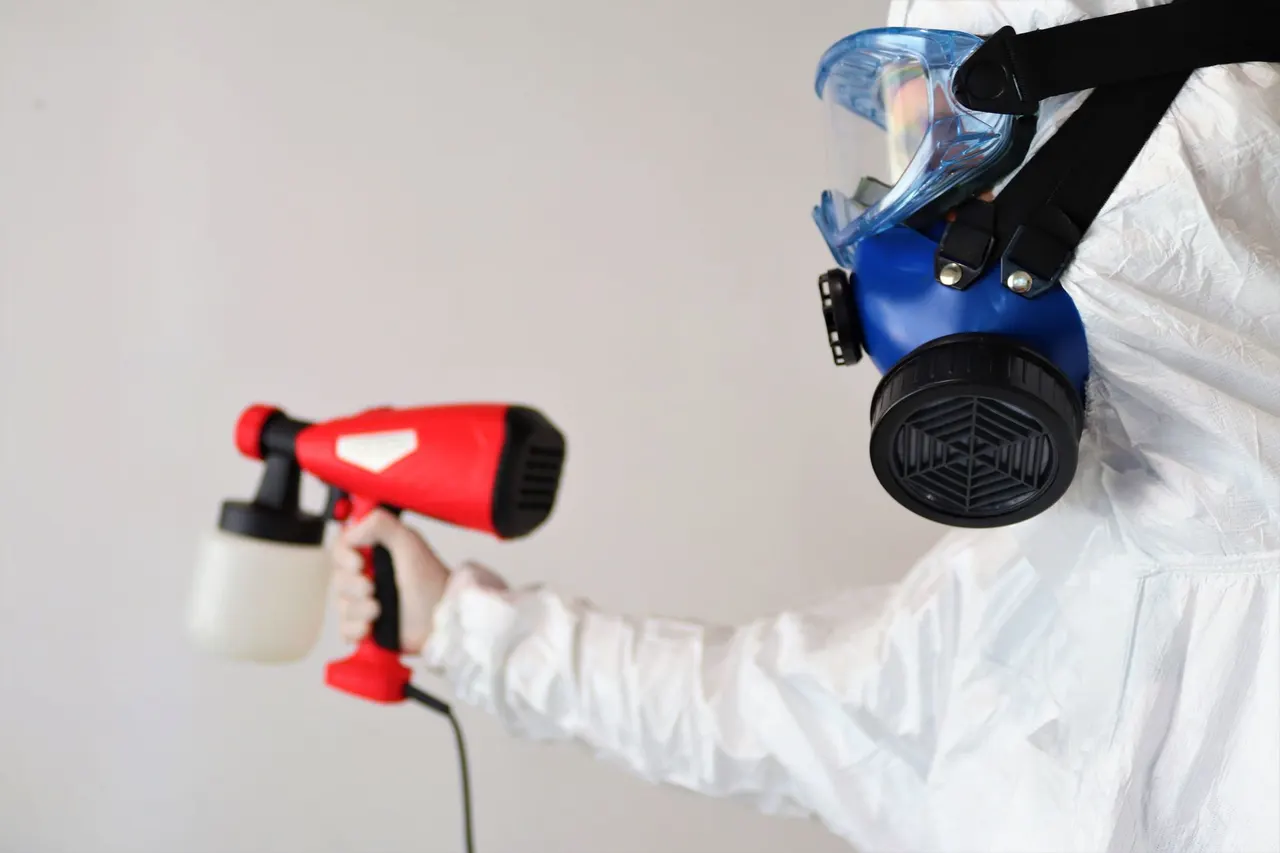
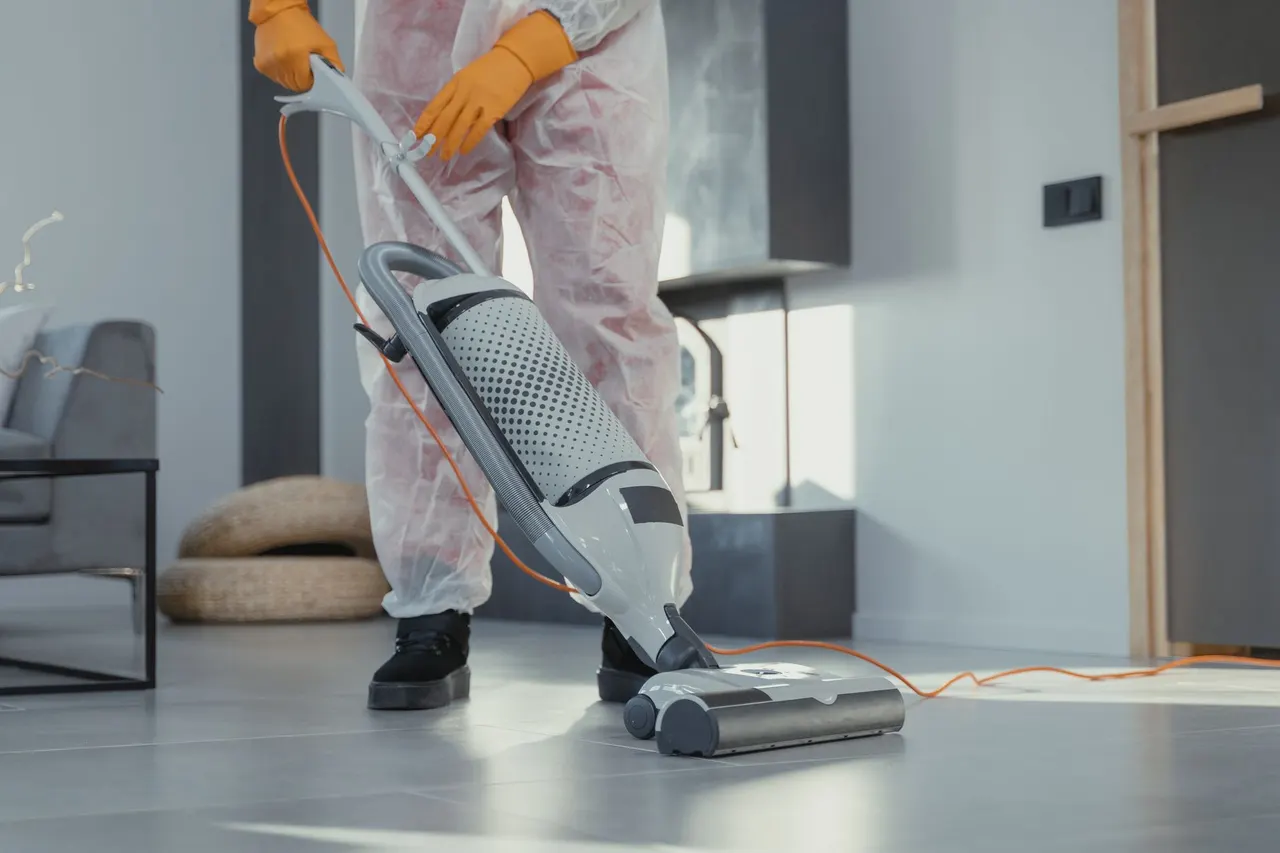
Porous material like moldy drywall, insulation and ceiling tile comes out and gets bagged. Framing and hard surfaces get HEPA vacuumed, then treated with an antimicrobial spray such as Concrobium or Benefect. Where the framing stays, we apply an encapsulant coating to seal it.
HEPA vacuum
Antimicrobial spray
Encapsulant coating
Drying and verification
We bring in a dehumidifier and Dri-Eaz air movers to pull the remaining moisture out of the structure. Once readings return to normal for the material type, we remove containment, haul debris, and walk you through the photos and moisture log.
Air movers
Dehumidifier
Final readings
Tools and methods we use
Move across a circle, or focus it and press Enter, for an illustrative thermal view of the photograph.
Moisture meter
Reads moisture content in drywall, framing and flooring so we know exactly where the wet zone starts and stops.
Thermal imaging camera
Shows temperature differences behind surfaces, which reveals hidden moisture inside wall cavities and ceilings.
Boroscope
A small camera we feed into wall cavities and duct runs to confirm growth where we cannot open the surface yet.
Negative air machine with HEPA filters
Keeps air flowing into containment and filters spores out, so the rest of the house stays clean during removal.
HEPA vacuum
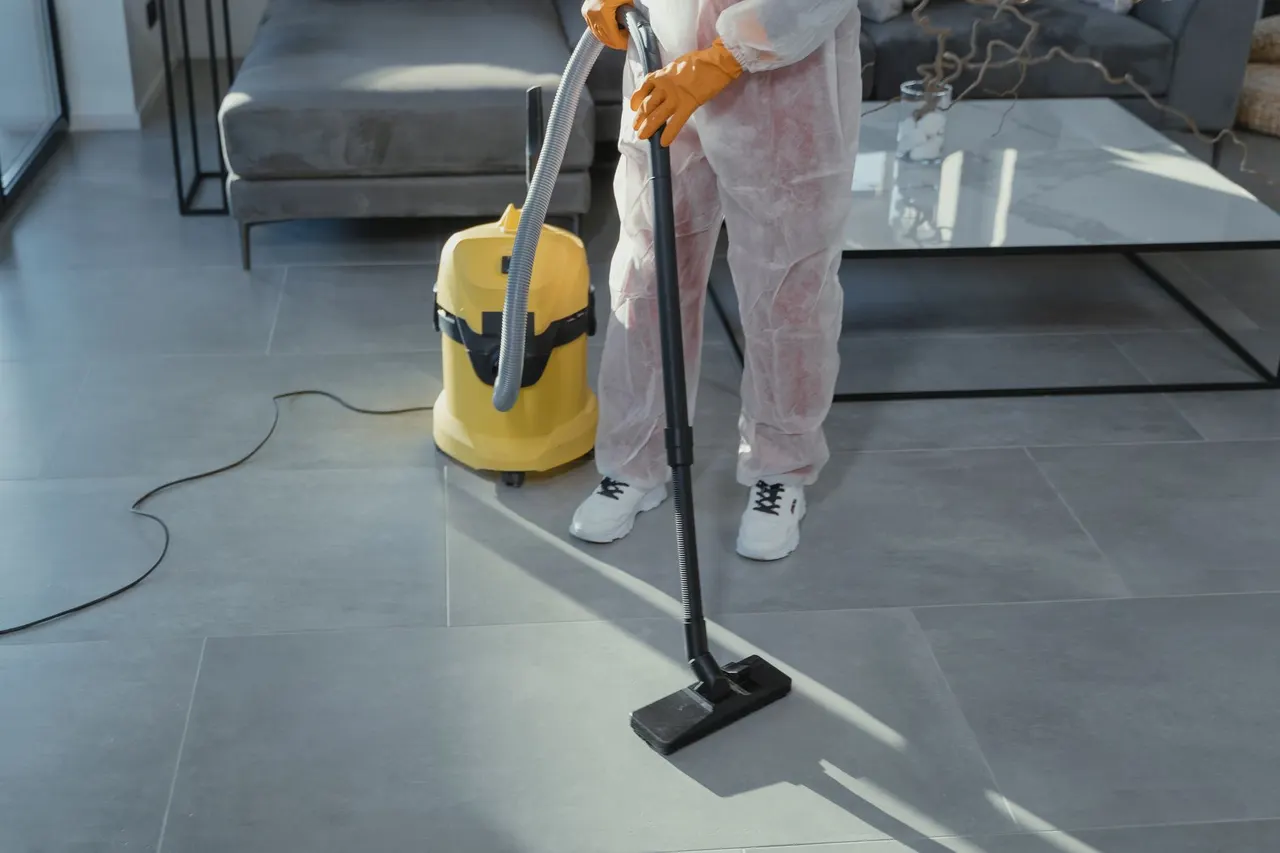
Pulls settled spores off framing, hard surfaces and subfloor before we apply any liquid treatment.
Thermal views are illustrative, generated from the photographs.
Methods
Air scrubber and dehumidifier
Scrubs the air inside containment and pulls remaining moisture out of the structure after removal.
Fogger
Applies a fine antimicrobial mist into tight cavities and attic spaces where a sprayer cannot reach evenly.
IICRC S520 remediation standard
We follow the S520 framework for containment, removal and verification. It is the reference standard for mold work, and it is what insurance adjusters expect to see documented on a claim.
Containment-first setup
Poly sheeting, sealed edges and negative air pressure go up before any material is disturbed. This is the single biggest difference between a job that stays contained and one that spreads spores through the house.
Remove, treat, seal
Porous material comes out. What stays gets HEPA vacuumed, treated with an antimicrobial spray and, where framing is exposed, coated with an encapsulant so remaining spores stay sealed.
Dry to verified readings
We do not pull containment on a timer. We keep air movers and the dehumidifier running until moisture readings return to normal for the material type, then document them.
When Phoenix properties need mold removal
Monsoon wall growth
A monsoon pushes water through a window frame and the wall smells musty a week later.
We contain the room, open the wall to check the cavity, remove affected drywall and insulation, treat the framing and dry the structure with air movers and a dehumidifier.
Outcome: The wall is dry, treated and ready for patch and paint, and the smell is gone.
Rental bathroom mold
A rental unit has bathroom mold on the ceiling and the tenant is complaining about the odor.
We inspect for the ventilation or leak issue, contain the bathroom, remove the affected ceiling material, treat the framing and run air scrubbing to clear the odor.
Outcome: The unit is rentable again, usually within two to three days.
Office air handler
An office building has mold in the air handler and staff are reporting headaches and stuffiness.
We schedule the work outside business hours, contain the mechanical room, clean and treat the air handler components, and bring in duct cleaning where the runs are affected.
Outcome: The system runs clean and the building stays open through the work.
Vanity leak growth
A homeowner finds black mold growth behind a vanity after a slow supply line leak.
We pull the vanity, remove the affected drywall, HEPA vacuum the framing, treat with an antimicrobial spray and seal the studs with an encapsulant coating.
Outcome: The cabinet goes back in over clean, sealed framing with the leak repaired.
Crawl space mold
A crawl space has mold on the joists after years of ground moisture.
We remove affected insulation, HEPA vacuum the joists and subfloor, treat the wood and set up ventilation or a vapor barrier to keep the space dry.
Outcome: The crawl space is dry and treated, and the musty smell stops rising into the house.
AlhambraMaryvaleSunnyslope
How mold removal runs in Phoenix specifically
Phoenix creates mold in ways that surprise people who move here from wetter climates. Swamp coolers keep attic and ceiling assemblies damp all summer. Monsoon season pushes water through window frames and roof details in a matter of hours. Slab leaks wick up into baseboards and drywall without ever showing a puddle.
Add attic temperatures that swing from 140 degrees down to 80 overnight, and you get condensation on sheathing that feeds growth. In November we are usually closing out post-monsoon cleanup work and handling the swamp cooler shutdown calls that come with it. If you are searching for mold removing Phoenix AZ services after a leak, the first thing we do is confirm the moisture source before we touch a surface.
Alhambra: Older ranch homes with crawl spaces and original plumbing, so slab leaks and ground moisture drive most of our mold calls here.
Maryvale: Many properties still run swamp coolers, and a dripping pan or clogged line is the most common source of ceiling mold we see.
Sunnyslope: Homes built into the hillside deal with roof and window intrusion during monsoon, which shows up as attic and wall cavity growth.
Deer Valley: Newer builds with tight envelopes and HVAC systems, so air handler mold and duct contamination are the typical calls.
Anthem: Larger homes with multiple AC zones, where a single condensate line clog can soak a ceiling and start growth before anyone notices.
Monsoon moisture pushed through window and roof details: Water enters fast and sits inside wall cavities. Growth can start within 24 to 48 hours, so we prioritize containment and drying on these calls.
We walk the space and explain what we are checking
We protect the area and set containment
We review readings and next steps with you
From problem to finished result.
IllustrativeThe thermal view is generated from the photograph. It is not a measurement. Drag the handle, or use the arrow keys once it is focused.
Swamp cooler drip in a Maryvale ceiling
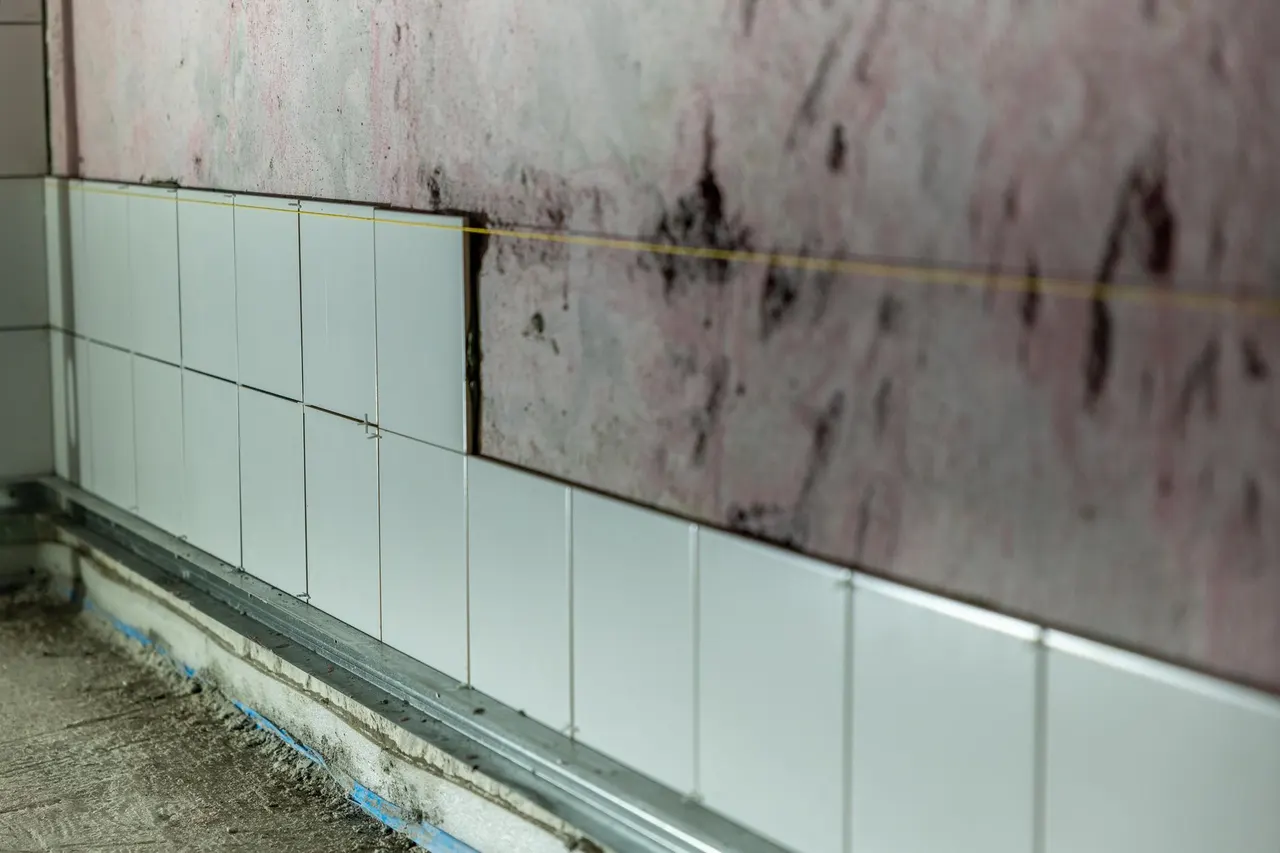
Before: A clogged swamp cooler line had been dripping onto the ceiling for most of the summer. The drywall was stained across roughly 12 square feet, the framing behind it read high on the moisture meter, and the room smelled musty.
After: We contained the room, removed the affected drywall and insulation, HEPA vacuumed and treated the framing, and dried the assembly. Moisture readings returned to normal in two days and the ceiling was ready for patch and paint.
Clear the swamp cooler line before each cooling season and check the pan for standing water once a month. That one habit prevents most of the ceiling mold we see in Phoenix.
Post-monsoon wall growth in Sunnyslope
Before: Water came in around a window frame during a monsoon storm and the wall stayed damp. Within a week there was visible dark growth along the base of the wall and a strong musty odor in the bedroom.
After: We opened the wall, removed about 8 square feet of moldy drywall, treated the framing with an antimicrobial spray and sealed the studs. Air scrubbing cleared the odor, and the wall was closed up after drying.
Check window flashing and caulk lines before monsoon season each year. If water gets in, dry the area within 24 hours and it usually will not turn into mold.
HVAC mold in a Deer Valley office
Before: Staff were reporting stuffiness and headaches, and the building smelled musty near the mechanical room. Inspection found growth on the air handler interior and the first section of duct run, spreading spores through the office every time the system ran.
After: The system ran clean and the building stayed open through the work.
Change filters on schedule and have the condensate pan and drain line checked each spring. A clean, dry air handler does not grow mold.
Problems our Phoenix mold removal crews solve
Most calls start with a smell, a stain or a leak that got away from someone. These are the situations we run into most often across Phoenix and Maricopa County.
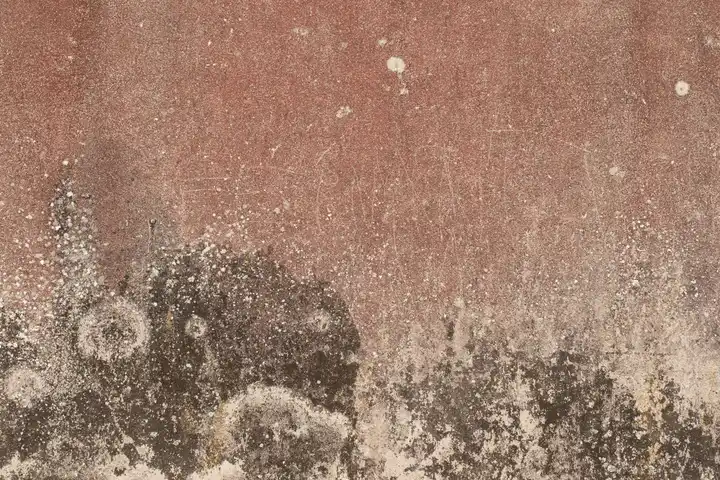
Hidden musty odorMusty smell with no visible growthThe odor usually means mold is growing inside a wall cavity, under flooring or in the HVAC system where you cannot see it. Left alone, it keeps spreading and the smell gets stronger. We use a thermal imaging camera and boroscope to find the hidden zone, confirm it with moisture readings, then contain and treat the area before it spreads further into the structure.
Attic roof leakAttic mold after a roof leakAttic sheathing and rafters stay wet in Phoenix heat, and mold can cover several square feet before anyone notices. It also degrades the wood over time. We HEPA vacuum the sheathing and rafters, treat the framing with an antimicrobial spray, and dry the attic. If ventilation is the underlying issue, we tell you what needs to change.
Swamp cooler dripSwamp cooler mold spreading into the ceilingA dripping pan or clogged line keeps the ceiling and duct transition wet all summer, and the growth spreads into the room below. We clean and treat the unit, remove affected ceiling material, treat the framing and dry the space. You also get a short maintenance list to keep the pan dry next season.
Slab leak growthMold after a slab leakWater under tile or laminate wicks into baseboards and drywall, and the growth is often hidden until the flooring starts to lift or smell. We map the moisture with a meter, remove affected base and drywall, treat the slab edge and framing, and coordinate with a plumber to stop the leak before we close anything up.
HVAC contaminationHVAC mold spreading spores room to roomGrowth inside an air handler or duct run gets pushed into every room each time the system runs, so the problem keeps coming back no matter how much you clean the visible surfaces.
Why Phoenix homeowners call us first
A dry, treated structure and a documented job you can hand to your insurer.
Air you can breathe again
A HEPA vacuum and air scrubber running inside containment pulls spores out of the air instead of pushing them into the next room. Customers tell us the musty smell is gone the same day, which is usually the first sign the job was done right.
The water source gets fixed
Removing mold without fixing the leak is a callback waiting to happen. We trace the moisture with a meter and thermal camera, then tell you plainly whether it is a plumbing leak, a swamp cooler pan, or a roof detail before we close anything up.
Attics and crawl spaces handled
Attic mold and crawl space mold are two of the most common calls we get in Maricopa County. Both spaces are hot, tight and easy to make worse with the wrong method, so we work in short rotations with full PPE and fog the framing with an antimicrobial spray.
Documented for insurance
We photograph affected material before removal, log moisture readings, and note what was removed and what was treated. That record is what your adjuster asks for, and it saves you from arguing about scope after the fact.
What you receive
Clear records you can keep and share.
Photo log
Before and after images of the affected zone
Moisture log
Readings taken before, during and after drying
Written scope
What was removed, treated and sealed
Maintenance list
Steps to keep the area dry going forward
Understanding mold growth in Phoenix homes
Not every patch of growth needs the same response. What matters is how much material is affected and whether moisture is still feeding it.
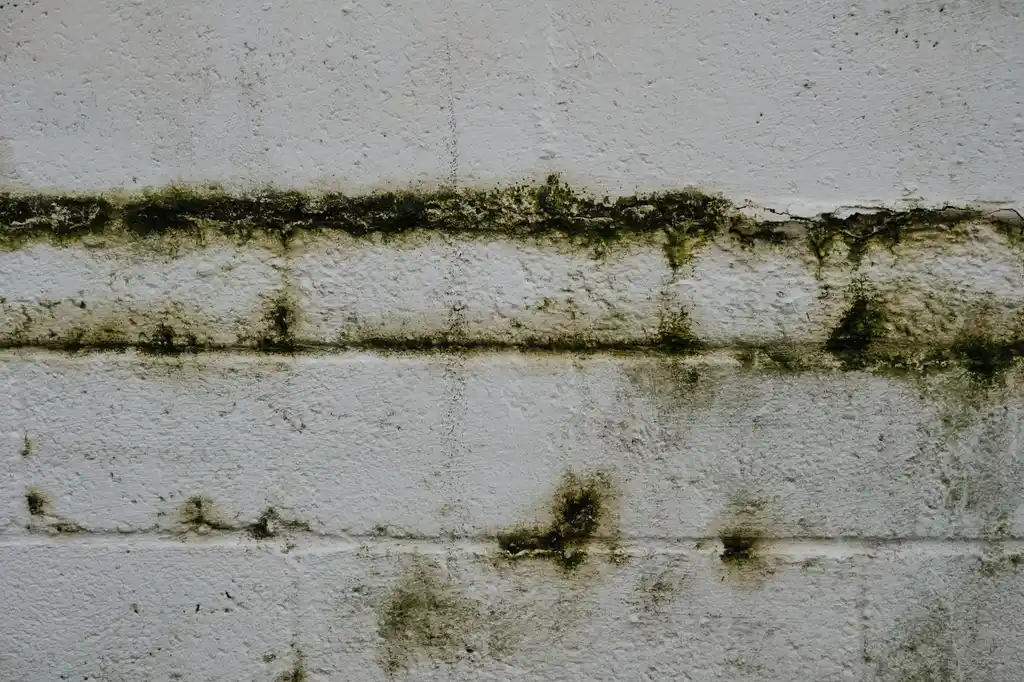
Surface growth
Growth on a washable surface with a fixed moisture source.
Wipes off hard surfaces
No porous material involved
Usually a small area
Porous material
Growth soaked into drywall, insulation or ceiling tile.
Material has to come out
Framing usually stays
Containment is required
Hidden cavity
Growth inside a wall, attic or crawl space you cannot see.
Found with thermal camera
Confirmed with moisture meter
Treated before closing up
Surfaces and systems we work on
Drywall
Framing
Attic sheathing
Crawl space joists
Air handlers
Duct runs
Ceiling tile
Baseboards
Service ZIP codes.
A list like this tells people straight away whether you cover their street. Not listed? Call and ask: it only takes a minute.
A full job includes inspection with a moisture meter and thermal camera, containment setup, HEPA vacuuming, removal of unsalvageable material, antimicrobial treatment, drying with air movers and a dehumidifier, and a final moisture check. You also get photos and a moisture log. Small jobs can finish in three to four hours; attic or crawl space work often runs one to two days.
Yes, and in most cases the structure can be saved. Porous materials like moldy drywall and insulation get removed and replaced. Framing, tile, concrete and cabinetry usually get HEPA vacuumed, treated with an antimicrobial spray and sealed with an encapsulant coating. The one thing that cannot be cleaned is the moisture source, so we fix or flag that first.
Anything beyond a small patch on a washable surface needs a professional, mainly because of cross-contamination. Disturbing a moldy area without containment spreads spores through the house and into the HVAC system. Growth larger than roughly 10 square feet, any attic or crawl space growth, and anything tied to a leak or monsoon intrusion should be handled by a trained crew.
It comes back only if moisture comes back. In Phoenix the usual culprits are swamp cooler pans, AC condensate lines, slab leaks and monsoon window intrusion. We fix or flag the source, dry the structure to normal readings, and give you a simple checklist. If the water stays out, the mold stays gone.
Send us a photo of what you are seeing, or call and describe the smell and where it shows up. We will tell you on the phone whether you need an inspection or a removal crew, and get you on the schedule.
Call 1234567890 or email info@azmoldremoval.com and we will get you on the schedule. We answer the phone during business hours, and if you leave a message after hours we call back the next morning. Tell us what you are seeing, smelling or feeling, and we will tell you what the next step looks like.