Residential Mold Removal in Phoenix done right the first time
Residential Mold Removal in Phoenix means finding the moisture source, containing the growth, and removing it without spreading spores through your house. We handle everything from bathroom and kitchen mold to attic, crawl space, and post-monsoon growth across Maricopa County. If you have smelled that musty odor or spotted black mold growth, call us for a same-day assessment.
What our Residential Mold Removal service includes
Every job is scoped to your home, but these are the pieces that come standard on residential mold removal in Phoenix. If something falls outside the scope, we tell you before we start, not after.
Moisture source tracing
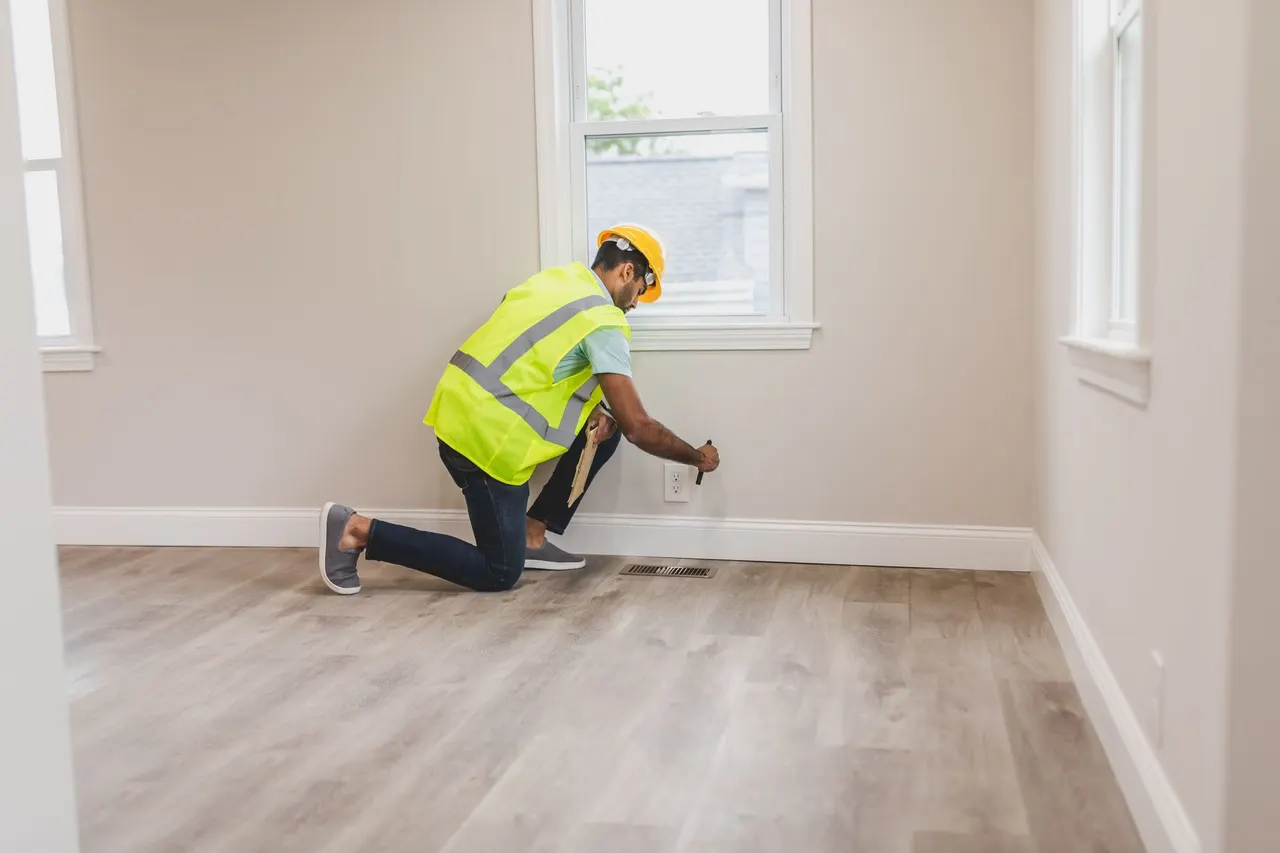
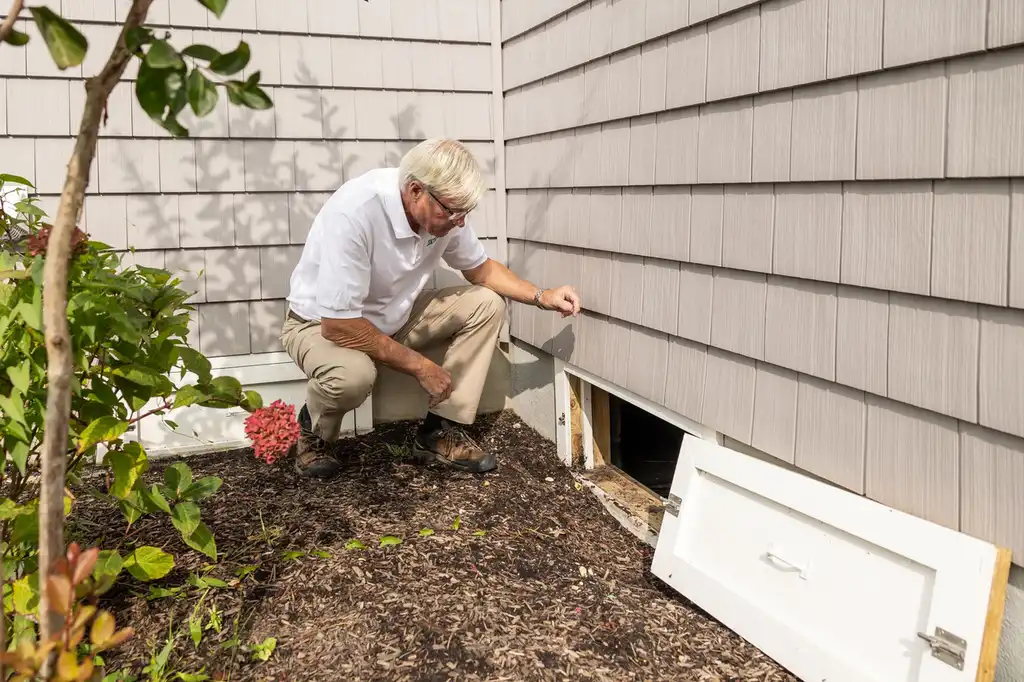
We use a moisture meter, thermal imaging camera, and boroscope to find where the water is coming from. You get a plain-language explanation of the source and what trade needs to fix it, whether that is plumbing, roofing, or HVAC.
Containment and negative air
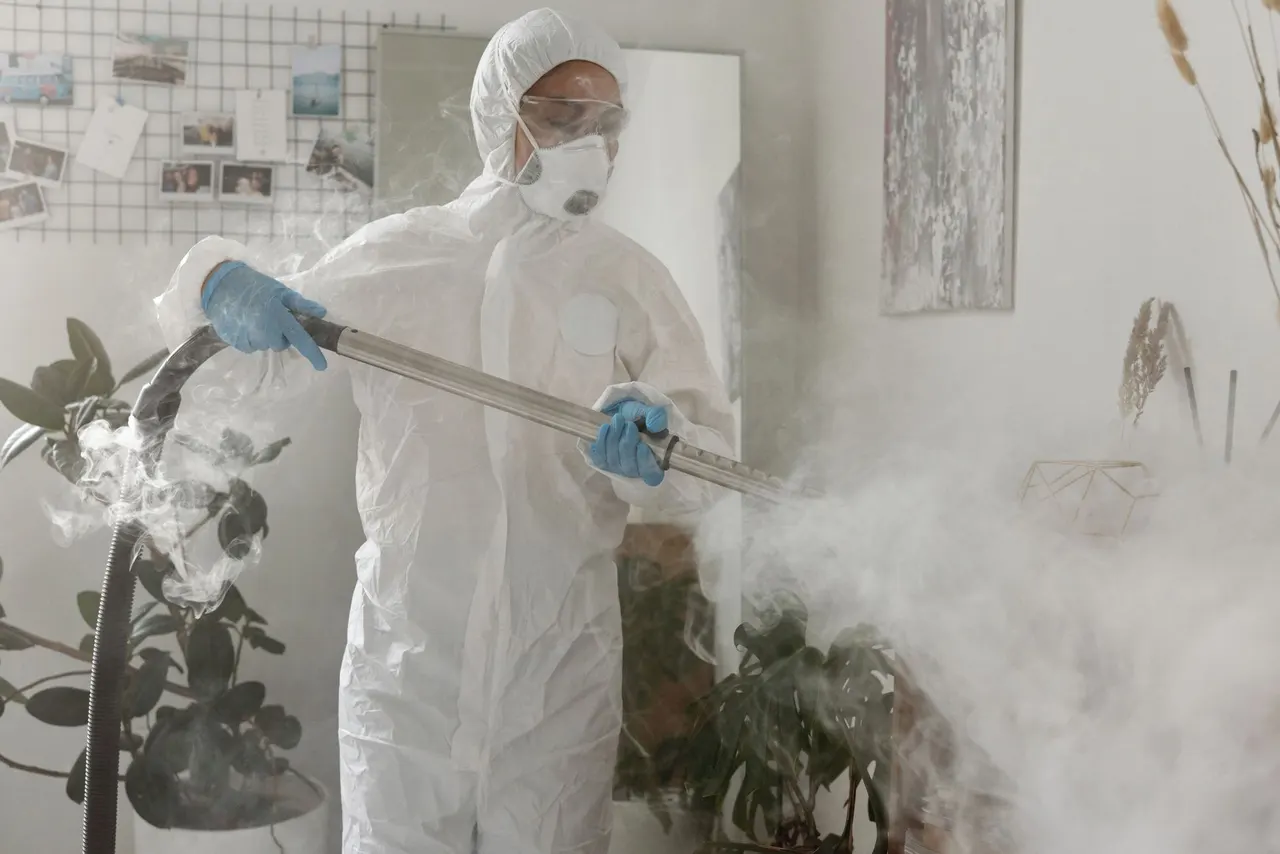
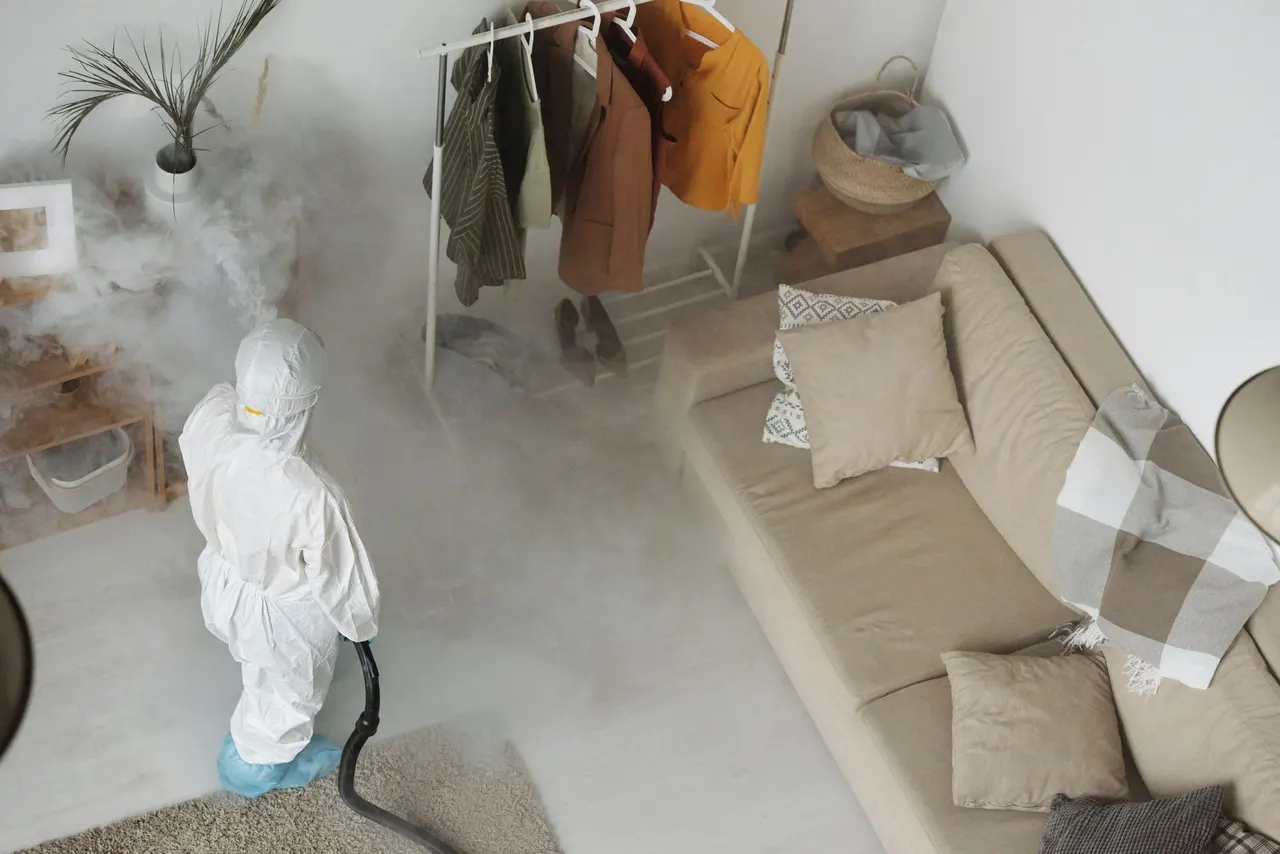
Poly sheeting and zip walls seal the work area, and a negative air machine with HEPA filtration keeps spores from spreading into the rest of your house. This runs for the entire removal phase, not just part of it.
Removal and disposal
Contaminated drywall, insulation, and trim come out in sealed bags and leave the property. Framing and hard surfaces get HEPA vacuuming, antimicrobial spray, and encapsulant coating where the wood is raw.
Drying and moisture verification
Dehumidifiers and air movers run until wall cavities and flooring read normal moisture content. We check readings daily and do not pull equipment until the numbers hold steady for at least 24 hours.
Photo log and written summary
You receive photos of the affected areas before, during, and after, plus moisture readings and a summary of what was removed and treated. This is the packet your insurance adjuster or buyer's inspector will ask for.
Prevention walkthrough
Before we leave, we walk the house with you and point out the spots most likely to grow mold again, from swamp cooler pans to bathroom exhaust fans. You get practical steps, not a generic checklist.
Homes and businesses.
The approach is the same for a home and a business. What changes is the access, the schedule and who needs the paperwork.
For homes
We handle mold in houses, condos, and rental units across Phoenix. You get containment, removal, drying, and a photo log you can hand to an insurer or a buyer.
Ceiling stains after monsoon leaks
Musty closets and bedroom walls
Mold under kitchen and bath sinks
For properties
We work with landlords, property managers, and business owners on mold issues in Phoenix. Scheduling can run after hours so tenants and customers are not exposed to dust or equipment.
Rental units between tenants
Office spaces with HVAC mold
Multi-family common areas
What Residential Mold Removal in Phoenix actually involves
A plain-language look at what Residential Mold Removal involves and when it is needed.
Residential Mold Removal in Phoenix is a containment-and-removal process that stops active mold growth, removes contaminated materials, and dries the structure so it cannot return. We start with a moisture meter and thermal imaging camera to trace the water source, then build a containment barrier with poly sheeting and run a negative air machine with HEPA filtration. Porous materials like drywall and insulation come out; framing gets HEPA vacuuming, antimicrobial spray, and an encapsulant coating where needed.
Phoenix homes have their own mold patterns. Swamp cooler mold shows up every summer, monsoon leaks soak ceilings in August and September, and slab leaks feed hidden growth under tile for months before anyone notices. We see bathroom mold, closet mold, and HVAC mold across Midtown Phoenix, Maryvale, and Deer Valley. If you need mold removal for homeowners in Phoenix, we test first, explain what we find, and give you a written scope before any work starts.
Mold removal only works when the water source is found and the structure is dried.
What it is
A containment-and-removal process that stops mold growth, removes contaminated material, and dries the structure.
When you need it
When you see growth, smell something musty, or had a leak that stayed wet more than two days.
What to expect
Inspection first, then containment, removal, treatment, drying, and a photo log at the end.
How our mold removal process works
Five steps, from the first phone call to the final clearance check. You will know what is happening at every stage.
Inspection and testing
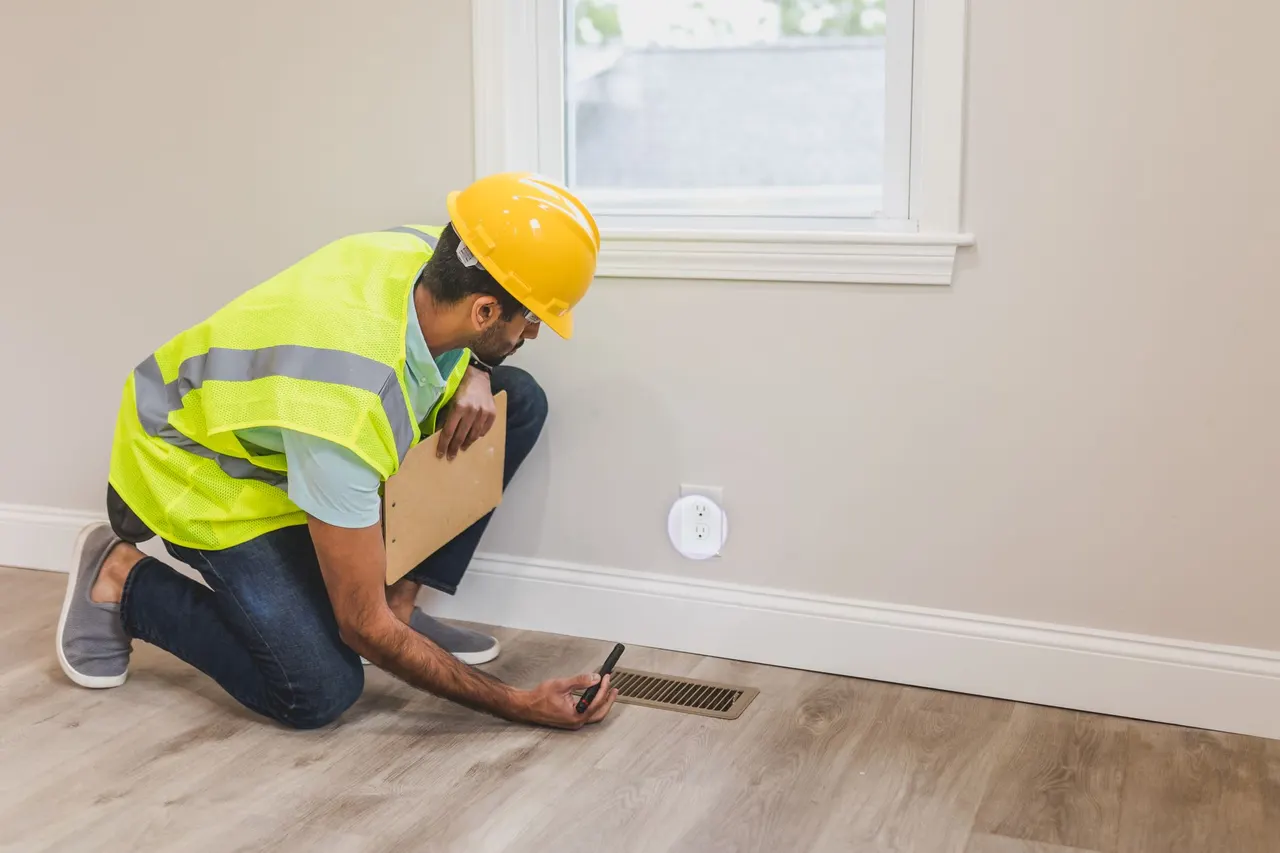
We walk the house with a moisture meter, thermal imaging camera, and boroscope to find the water source and map the growth. Air and surface samples go to a lab when we need to confirm species. This takes 45 to 90 minutes, and you get the findings explained in plain language.
Walk-through
Moisture readings
Lab samples
Containment setup
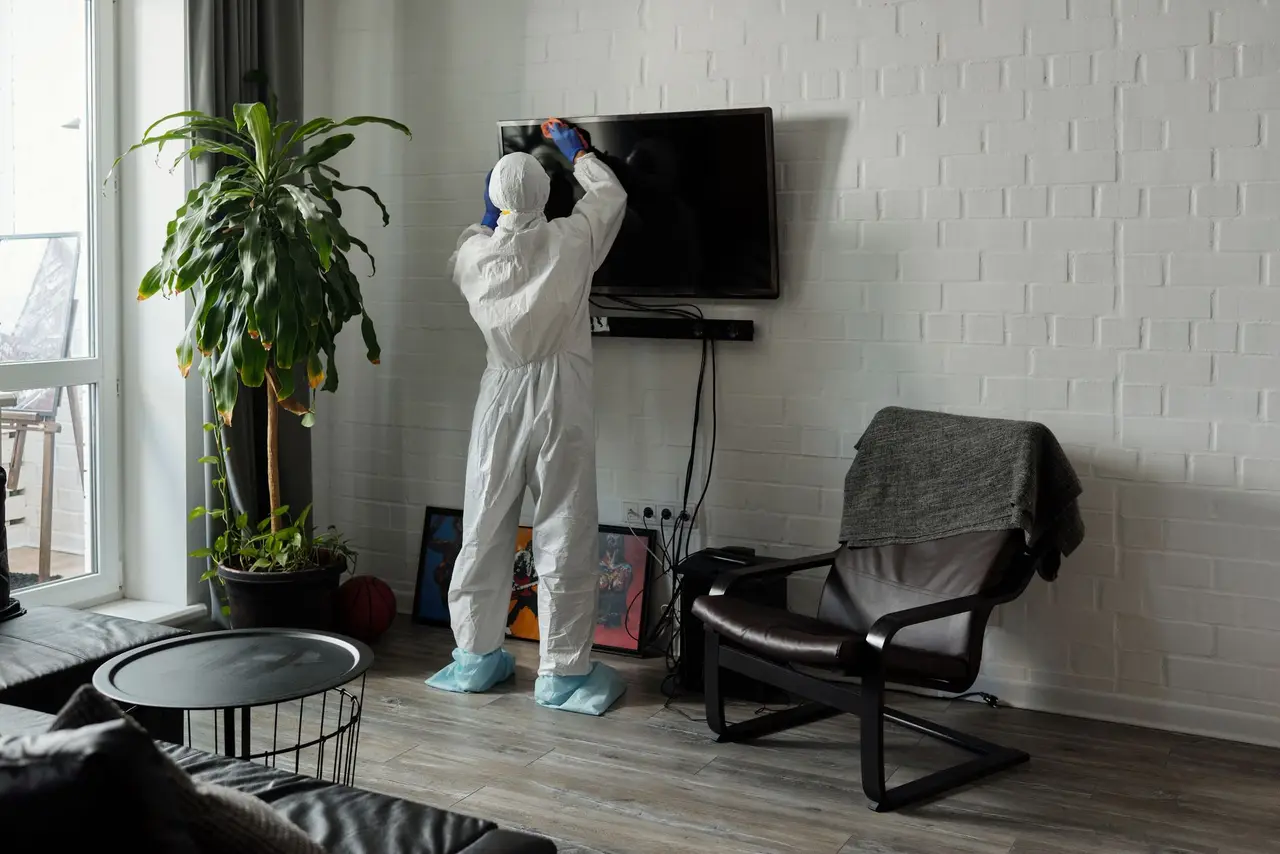
We seal off the work area with poly sheeting and zip walls, then install a negative air machine so air flows into the containment, not out of it. Technicians suit up in PPE coveralls and N95 respirators. Setup usually runs one to two hours depending on the size of the affected area.
Poly sheeting
Negative air
PPE setup
Removal and treatment
Contaminated drywall, insulation, and trim come out in sealed bags. Framing and hard surfaces get HEPA vacuuming, then an antimicrobial spray such as Benefect or Concrobium, followed by an encapsulant coating on raw wood. Most residential jobs take one to three days.
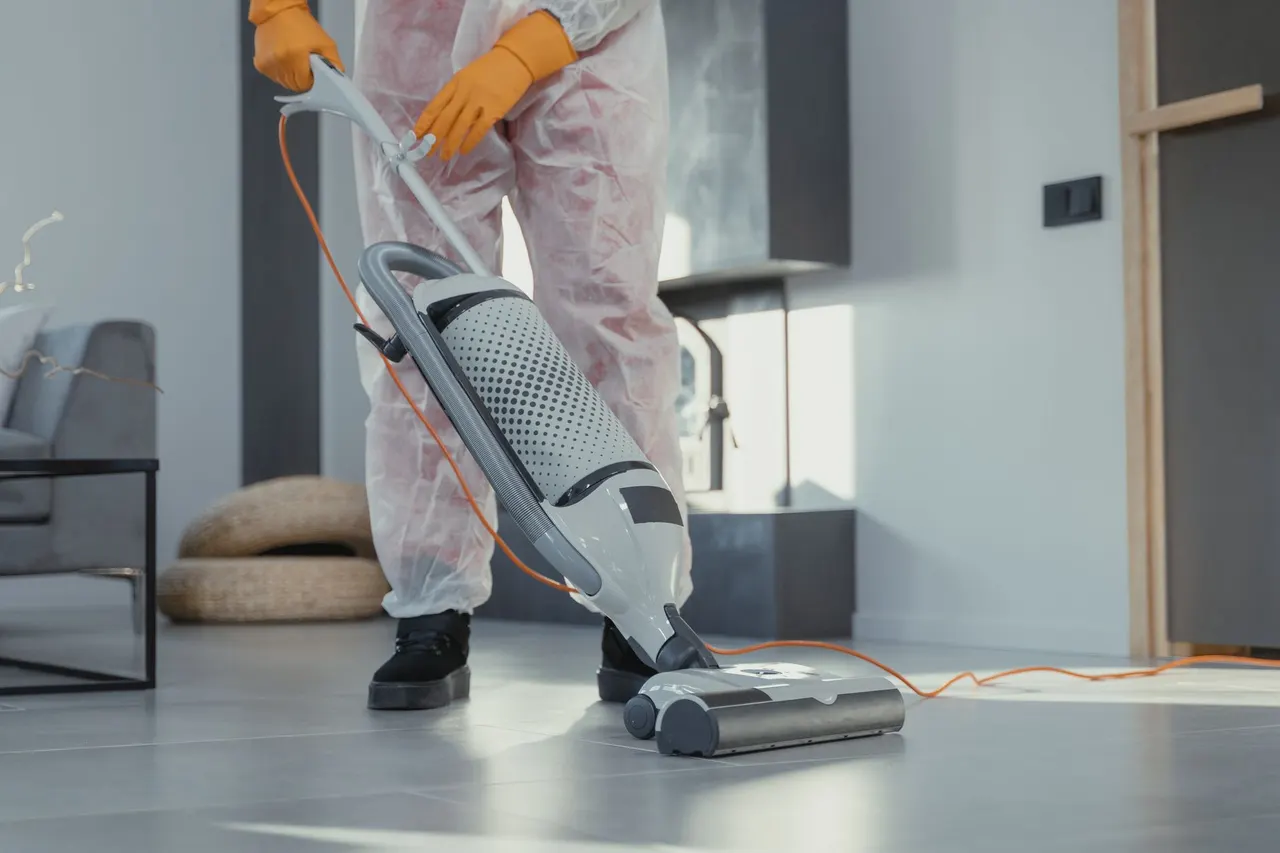
HEPA vacuum
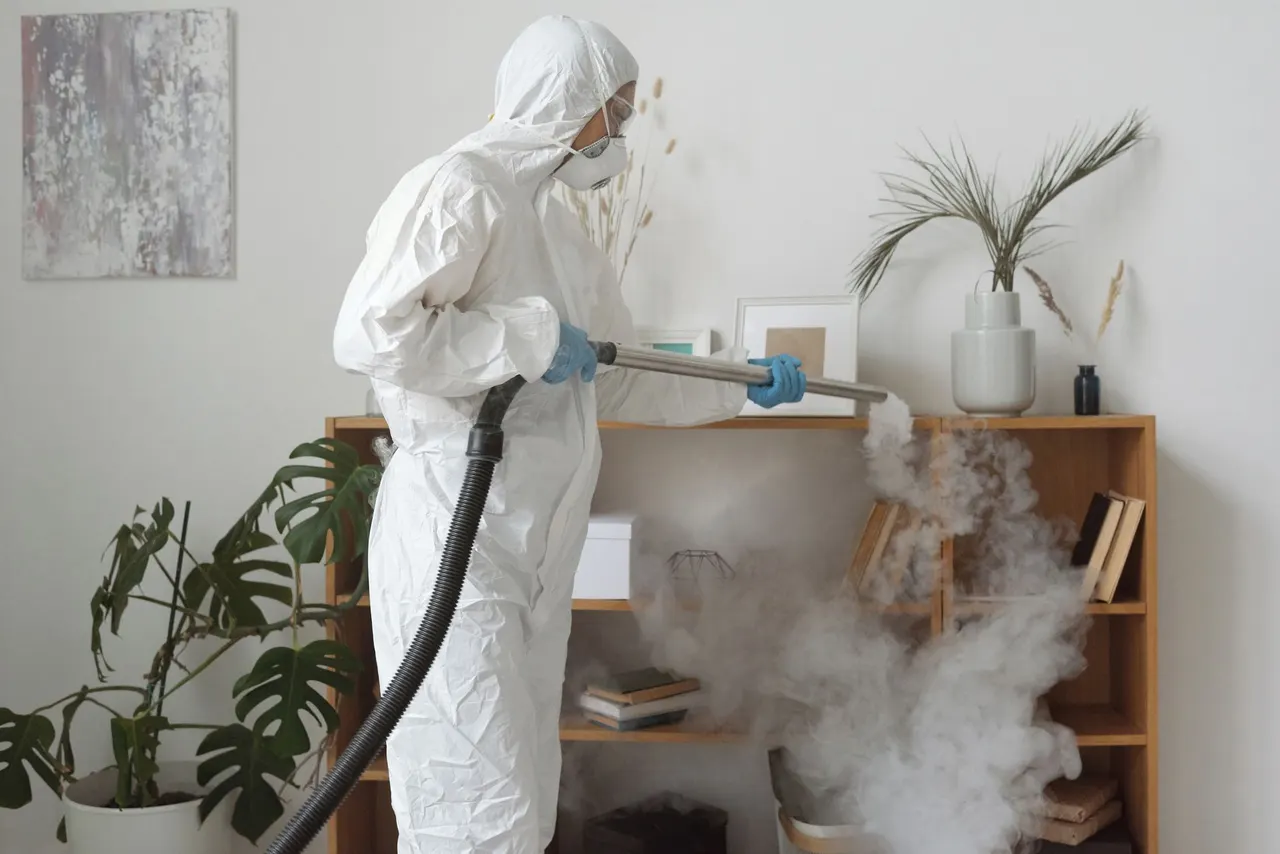
Antimicrobial spray
Encapsulant coat
Drying and verification
We place dehumidifiers and air movers to bring wall cavities and flooring back to normal moisture content, checking readings daily. Once everything is dry, we do a final HEPA pass and a visual clearance check. Drying typically adds two to four days.
Dehumidifiers
Air movers
Daily readings
Clearance and handoff
You get a photo log, moisture readings, and a written summary of what was removed and treated. We walk the space with you, show you the repaired areas, and explain what to watch for. If you want third-party clearance testing, we can coordinate it.
Photo log
Clearance check
Walkthrough
Tools and methods we use on every job
Move across a circle, or focus it and press Enter, for an illustrative thermal view of the photograph.
Moisture meter
Reads moisture content in drywall, framing, and flooring so we know exactly how far the water traveled and when the structure is dry.
Thermal imaging camera
Shows temperature differences behind walls and under floors, which reveals hidden moisture pockets the eye cannot see.
Boroscope
A small camera on a flexible probe that lets us look inside wall cavities and under cabinets without tearing everything open.
Negative air machine
Keeps the containment under negative pressure so air flows in, not out, preventing spores from spreading to the rest of your home.
HEPA vacuum
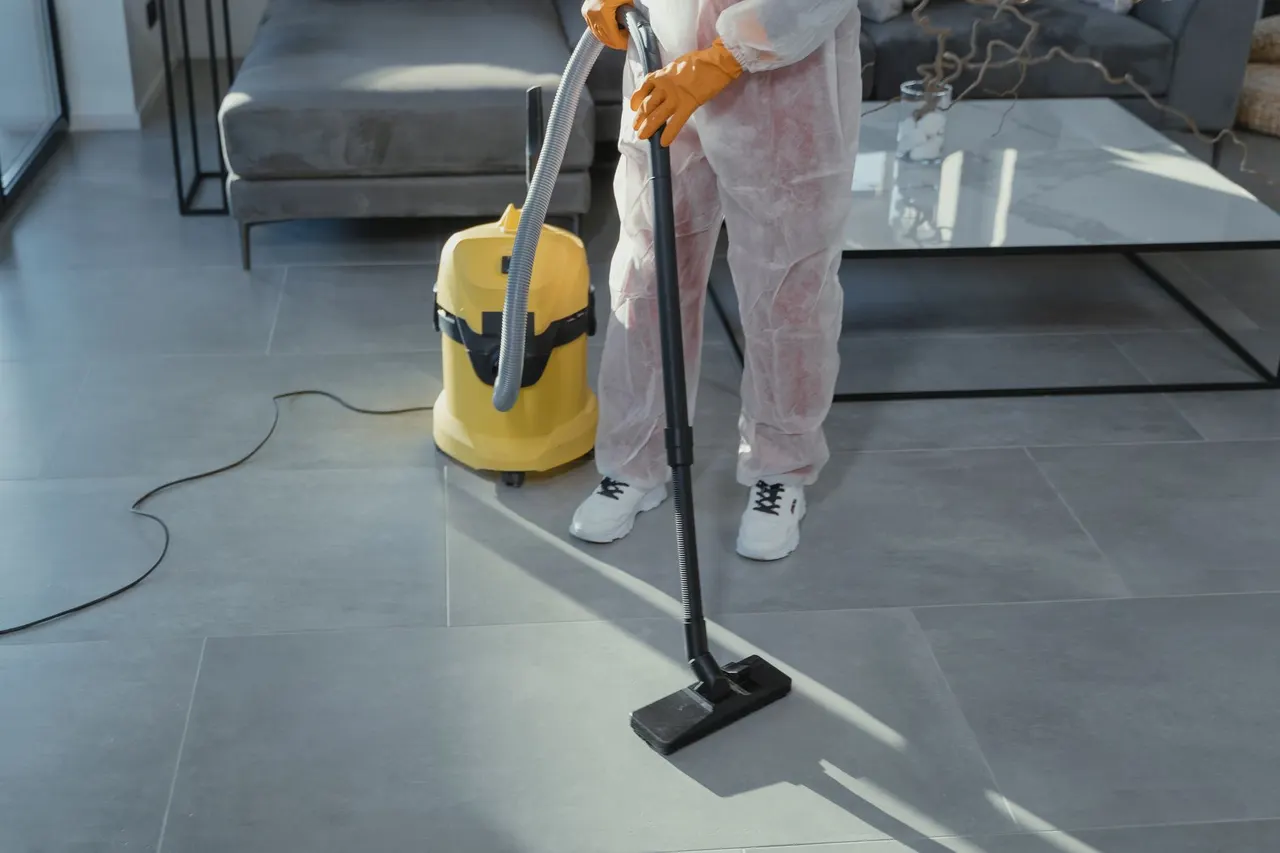
Captures fine mold spores and debris from framing and hard surfaces that a shop vac would just blow back into the air.
Thermal views are illustrative, generated from the photographs.
Methods
Air scrubber
Runs continuously during removal to filter airborne spores through HEPA filters and keep the work area air clean.
Dehumidifier and air movers
Dri-Eaz and Phoenix Restoration Equipment units pull moisture out of wall cavities and flooring until readings return to normal.
IICRC S520 remediation standard
The industry standard for mold remediation, covering containment, removal, cleaning, and verification. We follow it on every Phoenix job so the work is defensible if you sell the home or file a claim.
Containment and negative pressure
Poly sheeting and zip walls seal the work area, and a negative air machine keeps it under pressure. This is what separates a proper remediation from a guy with a spray bottle and a shop vac.
Antimicrobial and encapsulant treatment
After removal, we apply antimicrobial spray such as Benefect or Concrobium, then coat raw wood with an encapsulant to seal it. This stops any remaining spores from reactivating when moisture returns.
Moisture verification and drying
We log moisture readings daily and do not pull drying equipment until the numbers hold steady for at least 24 hours. If the structure is not dry, the mold comes back.
When Phoenix homeowners call us
Swamp cooler ceiling
You found black mold growth on the ceiling under a swamp cooler after running it all summer.
We contain the room, remove the wet drywall and insulation, treat the framing with antimicrobial spray and encapsulant, and clean the cooler and ductwork feeding that area.
Outcome: The ceiling is repaired, the cooler is clean, and the musty smell is gone before the next cooling season starts.
Slab leak hallway
A slab leak soaked the flooring in a hallway and you are not sure how far the moisture spread.
We map the moisture with a thermal imaging camera and moisture meter, then remove contaminated flooring and baseboards, treat the slab edge and framing, and dry the space with dehumidifiers.
Outcome: You know exactly where the water went, the mold is removed, and the repair scope is documented for your plumber and insurer.
Attic mold sale
You are selling your Phoenix home and the buyer's inspector flagged mold in the attic.
Outcome: The deal moves forward with documentation instead of a renegotiation over an unknown mold problem.
Rental closet
Your tenant in a West Phoenix rental reported a musty smell in the bedroom closet.
We inspect the closet and the wall behind it, find the moisture source, remove contaminated drywall, treat the framing, and provide a report showing where the water came from.
Outcome: The tenant has a clean, dry closet and you have documentation that settles the landlord-tenant question.
Monsoon window wall
A monsoon pushed water through a window frame and the wall stayed damp for a week.
We set up containment, remove the wet drywall and insulation, HEPA vacuum the framing, apply antimicrobial spray, and run drying equipment until moisture readings return to normal.
Outcome: The wall is dry and treated, and you have the paperwork for an insurance claim if you file one.
SunnyslopeMaryvaleDeer Valley
How Residential Mold Removal runs in Phoenix
Phoenix mold problems are driven by three things: monsoon season, swamp coolers, and slab leaks. From late June through September, storms push water through roofs and window frames, and if the material stays wet for 48 hours, mold starts. Swamp cooler mold shows up every summer when a pan or line leaks into the ceiling and ductwork.
And slab leaks under tile can feed hidden growth for months before anyone notices a stain or a smell. We run residential mold removal in Phoenix with that in mind, which means we check the cooler, the attic, and the slab edge, not just the visible spot. Building stock matters too.
Older ranch homes in Alhambra and Sunnyslope often have original plumbing and unvented attics, while newer builds in Norterra and Anthem have tighter envelopes that trap moisture when a supply line drips. We work to the IICRC S520 standard and document everything for Maricopa County homeowners, whether it is a small bathroom cleanup or a full attic remediation.
Sunnyslope: Older ranch homes with original plumbing and swamp coolers, which means ceiling leaks and wall-cavity mold are common calls.
Maryvale: Many rental properties with slow supply-line drips under sinks and in laundry rooms that go unreported for months.
Deer Valley: Newer builds with tight envelopes where a small supply-line leak can soak insulation and framing without showing on the surface.
Camelback Corridor: Mid-century homes with flat roofs and original bathrooms, where shower pan failures feed mold into adjacent closets and hallways.
Anthem: Larger homes with multiple HVAC zones, where a condensate pan issue can spread mold through ductwork serving several rooms.
Monsoon season from July through September: Roof and window intrusion soaks drywall and insulation fast, and mold can establish within 48 hours if the material is not dried.
We schedule follow-up checks and review next steps
From problem to finished result.
IllustrativeThe thermal view is generated from the photograph. It is not a measurement. Drag the handle, or use the arrow keys once it is focused.
Swamp cooler ceiling leak in Sunnyslope
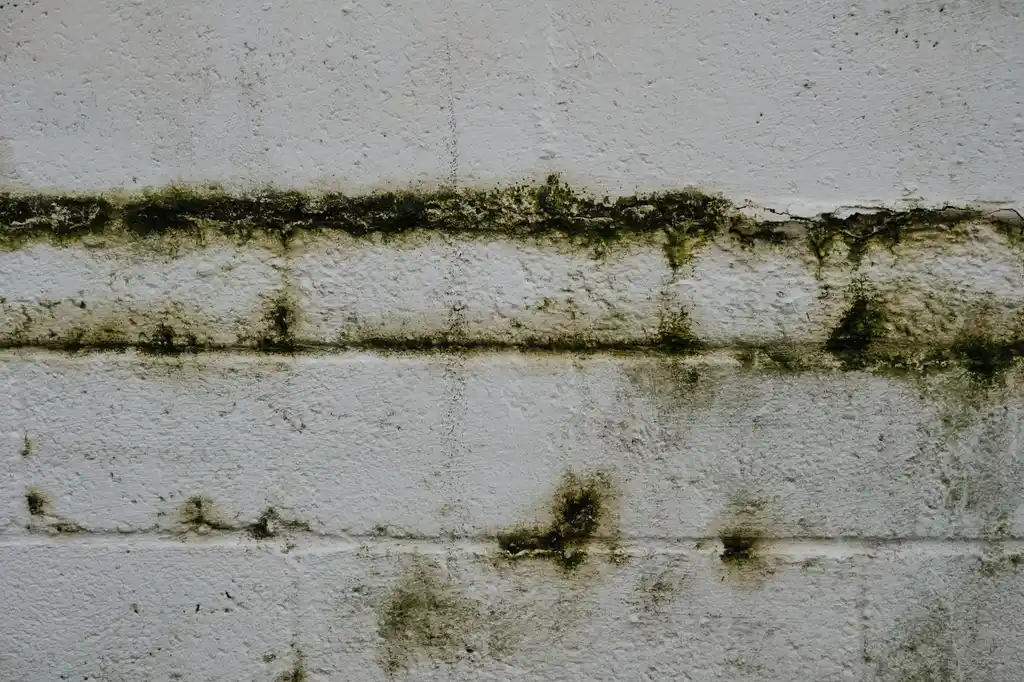
Before: A leaking swamp cooler pan had soaked the hallway ceiling and the wall above a closet for two summers. The drywall was soft, black mold growth covered about 30 square feet, and the musty smell reached the bedrooms.
After: We contained the hallway, removed the wet drywall and insulation, HEPA vacuumed and treated the framing, and ran drying equipment for three days. Moisture readings returned to normal, and the repaired ceiling passed a visual clearance check.
Check the cooler pan and line every May before you start it up, and replace the pad at the start of the season. If you see a ceiling stain, call before it spreads.
Kitchen sink leak in Maryvale rental
Before: A slow supply-line drip under a kitchen sink had kept the cabinet base wet for months. The particleboard swelled, mold grew along the back panel, and the tenant had been complaining about a smell for weeks.
After: We removed the cabinet base and back panel, treated the wall framing, dried the cavity, and documented the moisture source with photos and readings. The landlord replaced the cabinet, and the unit passed a follow-up inspection.
Check under sinks every few months for drips and discoloration.
Post-monsoon window wall in Deer Valley
Before: A monsoon storm pushed water through a window frame, and the wall stayed damp for over a week before the homeowner noticed a stain and a musty odor. Moisture readings showed saturation 18 inches up the wall and into the closet behind it.
After: We set up containment, removed the wet drywall and insulation, treated the framing with antimicrobial spray and encapsulant, and dried the cavity for four days. The wall was rebuilt, and the closet tested dry.
Check window seals and flashing before monsoon season each June. If a storm soaks a wall, dry it within 48 hours or call us to do it.
Mold problems we solve in Phoenix homes
Most calls start with a smell, a stain, or a leak that never fully dried. Here is what we run into most often.
Hidden musty odorMusty odor with no visible moldHidden growth inside a wall cavity or under flooring keeps releasing spores into your air, and the smell gets worse every time the AC runs. We trace the odor with a boroscope and thermal imaging camera, find the moisture pocket, and remove the source. Most hidden growth in Phoenix homes sits behind baseboards, under vanities, or inside closet walls.
Post-monsoon growthMold after a monsoon leakAugust and September storms push water through roofs and window frames, and if the material stays wet for two days, mold establishes itself before you notice. We contain the area, remove saturated drywall and insulation, treat the framing, and dry the structure. We also document everything with photos and moisture readings for your insurance claim.
Swamp cooler moldSwamp cooler mold every summerA leaking pan or line feeds moisture into the ceiling and ductwork, and the cooler then blows spores through the house all season. We clean and treat the cooler, remove contaminated ceiling material, and clean the ductwork it feeds. We also show you what to check before you fire it up next May.
Under-sink moldMold under a kitchen or bathroom sinkA slow supply-line drip keeps the cabinet base wet for months, and the particleboard swells and grows mold you cannot see from the front. We pull the cabinet base, remove contaminated material, treat the framing, and dry the cavity. We also tell you whether the leak needs a plumber before we close anything up.
Rental mold disputeMold in a rental propertyTenants report a smell, landlords are not sure who pays, and the problem grows while everyone waits for an answer. We inspect, document the moisture source, and provide a report that shows whether the cause was a building defect or tenant neglect. That report is what both sides need to settle the question.
Why Phoenix homeowners call us for mold
A dry, treated home with documentation that holds up.
Air you can breathe again
We run air scrubbers and HEPA vacuums throughout the job, which pulls airborne spores out of the air instead of pushing them into your bedrooms. Most customers notice the musty smell is gone within 24 to 48 hours of the final wipe-down.
The moisture source gets fixed
Removing mold without stopping the water is a waste of money. We trace every leak with a moisture meter and thermal imaging camera, then tell you exactly what needs repair, whether that is a swamp cooler line, a slab leak, or a failed shower pan.
Clear scope, no surprise add-ons
You get a written scope that lists what we remove, what we treat, and what we leave in place. If we find hidden growth behind a cabinet or under flooring, we stop, show you photos, and price the addition before we continue.
Documentation for insurance and resale
Every job ends with a photo log, moisture readings, and a clearance summary. That packet is what your adjuster wants after a monsoon claim, and it is what a buyer's inspector asks for when you sell your Phoenix home.
What you receive
Clear records you can keep and share.
Photo log
Before, during, and after images
Moisture log
Daily readings until dry
Scope summary
What was removed and treated
Clearance note
Visual check and final readings
Surface mold versus hidden growth
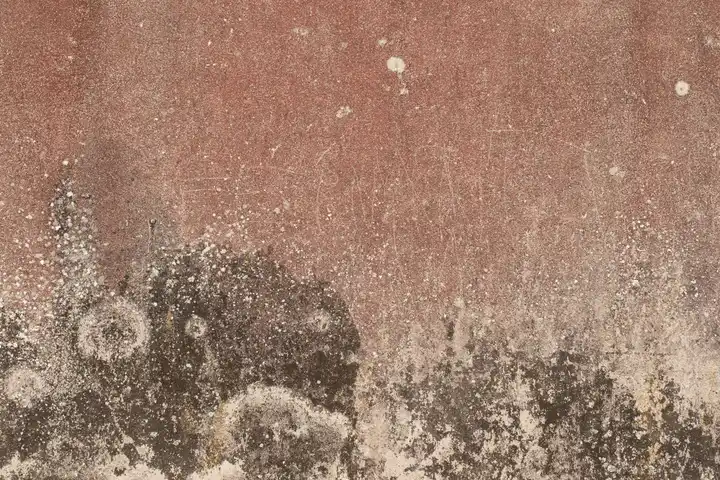
What you see on a wall is often the smallest part of the problem. The moisture behind it decides the scope.
Surface mold
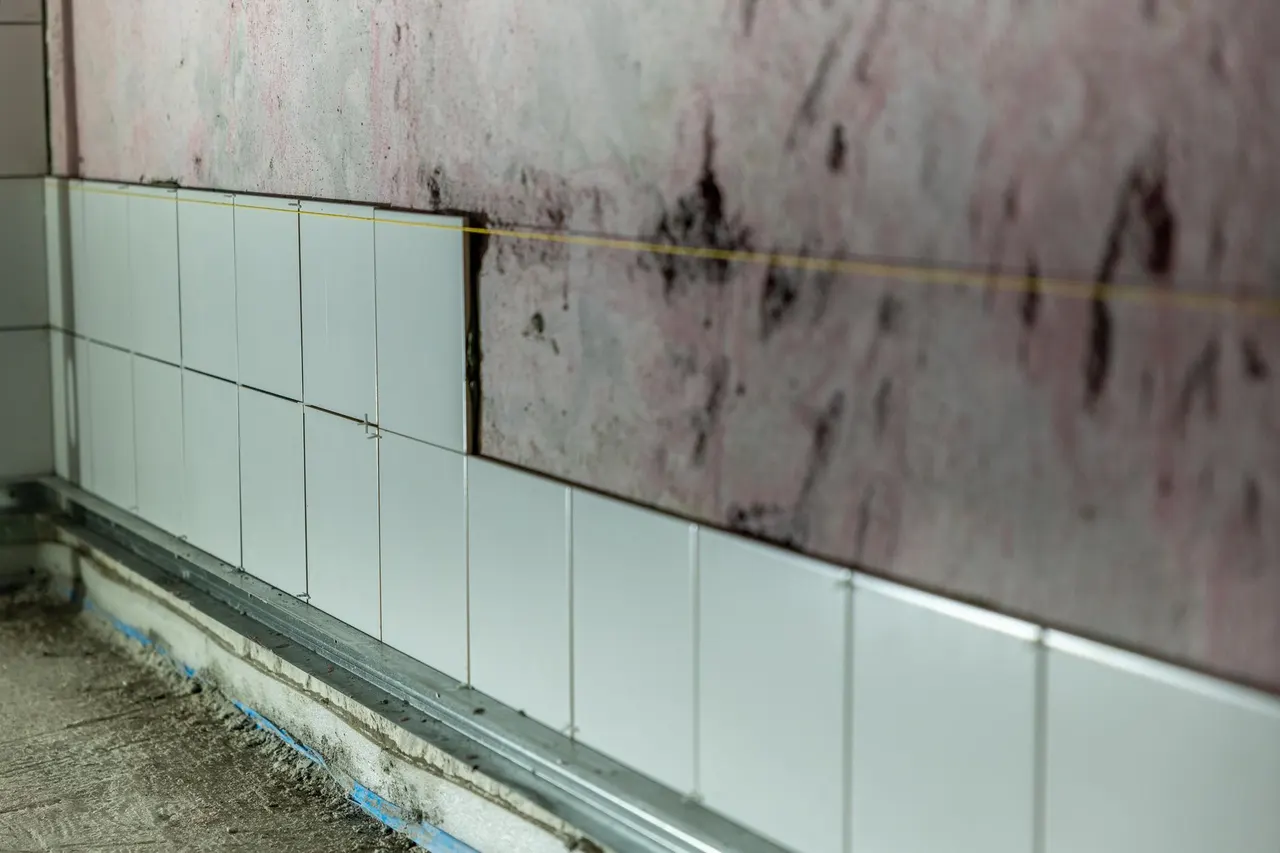
Growth on tile, grout, or painted surfaces
Wipes off but returns
Usually a ventilation issue
Small area cleanup
Wall cavity mold
Growth inside walls from a slow leak
Musty smell with no stain
Drywall and insulation affected
Containment and removal needed
Structural mold
Growth in framing, attic, or crawl space
Spreads through joists
Needs HEPA and treatment
Drying is critical
Surfaces and systems we work on
Drywall
Framing
Insulation
Tile
Cabinets
Ductwork
Attic sheathing
Crawl space joists
Service ZIP codes.
A list like this tells people straight away whether you cover their street. Not listed? Call and ask: it only takes a minute.
Mold in Phoenix homes almost always comes from trapped moisture, not humidity alone. The usual culprits are swamp cooler leaks, monsoon roof and window intrusion, slab leaks under tile, slow supply-line drips behind cabinets, and HVAC condensate pans that never drain right. Once a wall cavity stays wet for 24 to 48 hours, mold can start. Fixing the water source is the first step in any residential mold removal in Phoenix.
Do not scrub it with bleach or paint over it, and do not run your central air if the growth is near a return vent. Turn off the water source if you can find it, keep people out of the room, and call us for an assessment. We inspect with a moisture meter and thermal camera, then tell you whether it is a small cleanup or a full containment job. Most calls get a same-day visit.
It depends on the size and location. A small patch on a bathroom grout line is different from growth inside a wall cavity feeding your HVAC. If anyone in the house has asthma, allergies, or a compromised immune system, treat it as urgent. We can set up containment and air scrubbing while you stay in the home on most jobs, and we will tell you honestly if you should relocate for a day or two.
In Arizona, the landlord is generally responsible when mold comes from a building defect, a leaking roof, or failing plumbing. Tenants are typically responsible when the cause is neglected housekeeping, unreported leaks, or a swamp cooler run without maintenance. We work with both sides and provide documentation for rental homes in Phoenix AZ, including photo logs and moisture readings that show where the water came from.
Get Residential Mold Removal in Phoenix scheduled today
If you have seen black mold growth, smelled something musty, or had a leak you never fully dried, call us. We inspect with moisture meters and thermal cameras, explain what we find, and give you a written price before any work starts. Same-day assessments are usually available across Phoenix.
Call 1234567890 or email info@azmoldremoval.com and we will get you on the schedule. We answer the phone during business hours, and if you leave a message after hours we call back the next morning. Tell us what you are seeing, smelling or feeling, and we will tell you what the next step looks like.