Is Black Mold Dangerous and When to Call a Professional
Black mold can trigger allergies, asthma attacks, and sinus infections. Here's how dangerous it really is in Phoenix homes and when to call a pro.
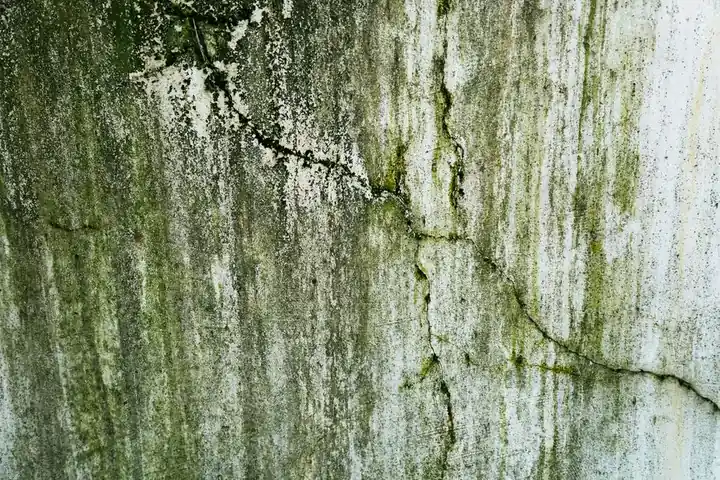
Yes, black mold can be dangerous, and the risk depends on how much is growing, how long it has been there, and who is breathing it. In Phoenix homes, the species people call "black mold" - usually Stachybotrys chartarum - produces mycotoxins and airborne spores that trigger allergies, asthma attacks, sinus infections, and in rare cases more serious respiratory problems. This article covers what makes it dangerous, who is most at risk, the symptoms to watch for, and the point at which you should stop scrubbing and call a professional.
Is black mold dangerous Phoenix homeowners ask about is really two questions: is the mold itself toxic, and is your specific situation a health threat. The honest answer is that not every black-colored growth is Stachybotrys, but any mold colony larger than a few square feet in a living space deserves professional attention. We handle Mold Removal Phoenix calls every week where a homeowner waited months thinking a small patch would dry out on its own.
What Makes Black Mold Dangerous
Black mold is dangerous because it releases spores and mycotoxins into the air you breathe, and those particles are small enough to reach deep into your lungs. Stachybotrys chartarum needs constant moisture - usually from a slow leak, a monsoon intrusion, or condensation - and once it establishes, it feeds on drywall paper, ceiling tile, and wood framing.
The danger is not the color. It is the combination of three things:
- Spore load. A colony the size of a dinner plate releases millions of spores per day into your indoor air.
- Mycotoxins. Some black mold species produce toxic compounds that irritate the respiratory tract and, with long exposure, can affect the immune system.
- Hidden growth. Mold behind drywall, under flooring, or inside an HVAC plenum keeps releasing spores even after the visible patch is wiped away.
Phoenix's dry climate does not make you immune. We see just as much black mold here as in humid cities - it just hides in different places. Air conditioner drain pans, evaporative cooler pads, bathroom exhaust fans that vent into the attic, and post-monsoon ceiling leaks are the four most common sources we find.
Black Mold Health Risks Phoenix AZ Homeowners Face
Black mold health risks Phoenix AZ residents deal with most often are respiratory and allergic, not the dramatic toxic-poisoning stories you see online. The CDC and EPA both acknowledge that indoor mold exposure causes upper respiratory symptoms, coughing, wheezing, and eye irritation in otherwise healthy people.
The longer the exposure, the worse the symptoms tend to get. A family living with a slow attic leak for two summers will notice more than a family that caught a bathroom patch in two weeks. We have walked into homes in Mold Removal North Phoenix where the entire HVAC return chase was colonized and every family member had been on allergy medication for months without connecting it to the house.
Three health effects are well documented:
- Allergic rhinitis and asthma flare-ups from inhaled spores.
- Chronic sinus infections that keep coming back after antibiotics.
- Hypersensitivity pneumonitis in rare, long-term, high-exposure cases.
If you or anyone in the house has unexplained respiratory symptoms that improve when you are away from home, mold is a legitimate suspect. That pattern alone is worth a professional inspection.
Who Is Most Sensitive to Black Mold in Phoenix
Who is most sensitive to black mold Phoenix households should protect first are infants, children under 10, adults over 65, pregnant women, and anyone with asthma, COPD, or a compromised immune system. These groups react to lower spore concentrations than a healthy adult would.
We also see heightened reactions in people who already have seasonal allergies. Phoenix's spring pollen season plus a mold colony inside the house is a compounding problem - the immune system never gets a break. If someone in your home is on daily antihistamines and still symptomatic, the indoor air is worth testing.
Pets count too. Dogs and cats with chronic scratching, ear infections, or respiratory issues sometimes improve dramatically after a mold problem is removed. We have had customers tell us their vet bill dropped after we cleaned a crawl space.
Black Mold Symptoms Phoenix Residents Should Watch For
Black mold symptoms Phoenix residents report most often are sneezing, runny nose, itchy eyes, coughing, and a persistent headache that gets worse the longer you are inside the house. Symptoms usually improve within hours of leaving the building and return when you come back.
Watch for these signs, especially if more than one person in the house has them:
- Chronic congestion or sinus pressure that does not respond to normal treatment.
- Wheezing or shortness of breath, particularly in kids or asthmatics.
- Skin rashes or hives with no other cause.
- Fatigue, brain fog, or recurring headaches.
- Nosebleeds in children (less common but reported).
See a doctor if symptoms are persistent, severe, or affecting a child, an elderly family member, or anyone with a respiratory condition. Bring up the possibility of mold exposure - most physicians will ask about your home environment once they know to.
How Much Black Mold Is Too Much in a Phoenix Home
How much black mold is too much Phoenix homeowners should treat as a professional job is any colony larger than 10 square feet - roughly a 3-by-3-foot patch. The EPA uses that threshold as the line between DIY cleanup and hiring a remediation contractor.
Size is not the only factor. Call a professional regardless of size if:
- The mold is inside an HVAC system, ductwork, or evaporative cooler.
- It is behind drywall, under flooring, or in a crawl space.
- The moisture source has not been identified and stopped.
- Anyone in the home has asthma, allergies, or a compromised immune system.
- The smell is strong even when you cannot see the growth.
A small patch on a bathroom tile grout that you can clean with a bleach solution and keep dry is a DIY job. A patch on the back of drywall under a leaking shower valve is not - the paper facing is food for mold, and the colony extends well past the visible edge.
Common Mistakes Phoenix Homeowners Make With Black Mold
The biggest mistake is painting or caulking over mold. That traps moisture, hides the colony, and lets it keep growing inside the wall. We have opened up walls where three coats of Kilz were applied over active Stachybotrys - the mold was thriving behind the paint.
Other mistakes we see regularly:
- Bleaching porous surfaces. Bleach kills surface mold on tile but does not penetrate drywall, wood, or grout. The colony survives and returns in weeks.
- Running a fan without fixing the leak. Air movement spreads spores through the house instead of removing them.
- Assuming Phoenix's dry air will kill it. Indoor humidity from showers, cooking, and AC condensate keeps mold alive year-round.
- Skipping the moisture source. If you do not find and stop the water, the mold comes back - every time.
- Not containing the work area. Disturbing mold without plastic sheeting and negative air pressure contaminates the rest of the house.
If you have already made one of these mistakes, it is not the end of the world. It just means the job is now bigger than it was, and professional containment matters more.
When to Call a Professional for Black Mold in Phoenix
When to call a professional for black mold Phoenix homeowners should treat as urgent: any growth over 10 square feet, any mold in HVAC or ductwork, any mold after a monsoon or water leak, and any situation where someone in the home is getting sick. Those are the calls where DIY cleanup puts your health and your house at risk.
Our team at AZ Mold Removal handles the whole job - we find the moisture source, contain the area, remove the affected materials, treat the framing, and verify the air is clean before we leave. We use Mold Inspection Phoenix AZ protocols first so we know exactly what we are dealing with, then we remediate. No guesswork, no repeat visits for the same patch.
We also handle the source. If the mold came from a leaking roof, a failed AC drain pan, or a monsoon intrusion, we document it so your insurance claim has what it needs. Most Phoenix homeowner policies cover sudden water damage but exclude long-term neglect - the sooner you call, the stronger your claim.
If you are in the middle of a post-storm cleanup, we run Emergency Mold Removal Phoenix calls seven days a week. Monsoon season in Phoenix runs June through September, and the mold that shows up in October usually started with a July leak.
Frequently Asked Questions
What are the symptoms of black mold exposure in Phoenix?
Sneezing, runny nose, itchy eyes, coughing, sinus pressure, headaches, and fatigue are the most common symptoms. They typically worsen the longer you are inside the affected home and improve within hours of leaving. Children, the elderly, and anyone with asthma or allergies react fastest.
Can black mold make you sick in Phoenix homes?
Yes. Indoor black mold exposure causes allergic reactions, asthma flare-ups, and chronic sinus infections in otherwise healthy people. Long-term exposure in a home with an active colony can lead to more serious respiratory issues. If symptoms improve when you leave the house, mold is a likely cause.
Should I see a doctor if I think black mold is making me sick in Phoenix?
Yes - see a doctor if symptoms are persistent, severe, or affecting a child, an elderly family member, or anyone with a respiratory condition. Tell your physician about the mold so they can factor it into diagnosis. Medical treatment addresses symptoms; removing the mold addresses the cause.
Is all black colored mold in a Phoenix home dangerous?
No. Many mold species are black and relatively harmless. Stachybotrys chartarum is the one most people mean when they say "black mold," and it is the species linked to mycotoxin production. Only lab testing confirms the species - visual identification is not reliable.
How large does a black mold problem have to be before I need a professional in Phoenix?
The EPA threshold is 10 square feet - about a 3-by-3-foot patch. Anything larger, anything inside HVAC or ductwork, anything behind drywall, and anything following a water leak or monsoon intrusion should be handled by a remediation contractor. Smaller surface patches on non-porous surfaces can be DIY if you fix the moisture source.
Get Help With Mold Removal in Phoenix
If you have black mold in your Phoenix home and you are not sure whether it is a DIY job or a health risk, call us. We will inspect, test, and give you a straight answer - including when the answer is that you do not need us.
Call AZ Mold Removal at 1234567890 to schedule an inspection. We serve Phoenix, Scottsdale, Tempe, Mesa, Glendale, and the surrounding Valley, and we can usually be on-site within 24 hours.