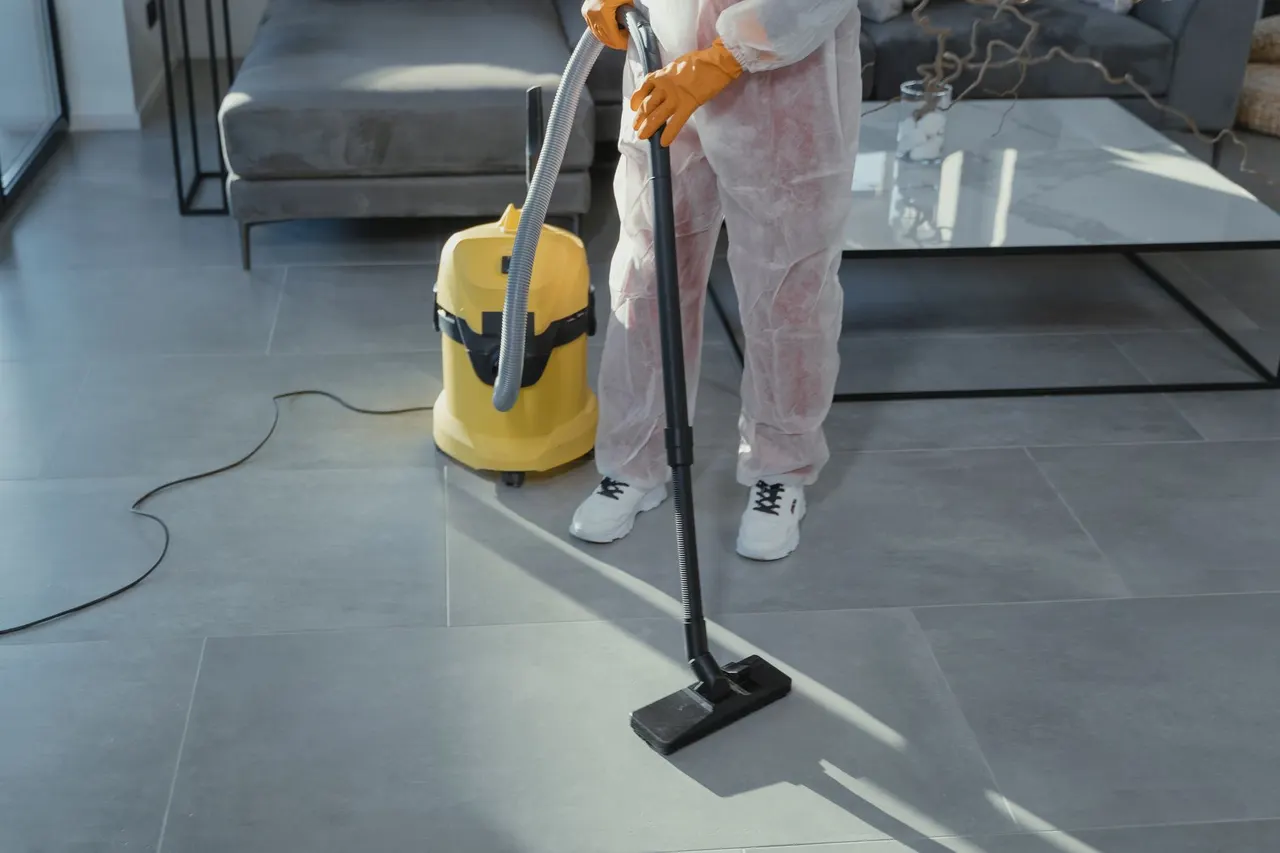
For homes
We check attics, crawl spaces, bathrooms, and HVAC areas where moisture hides. You get readings, photos, and a plan you can act on.
- Attic condensation on ducts
- Swamp cooler damp pads
- Slow leaks under sinks
Mold Prevention Phoenix is about controlling the moisture that feeds mold in the first place. We inspect your attic, crawl space, bathrooms, and HVAC system, then build a plan around your home's real problem areas. Whether you own a 1950s ranch house in Maryvale or a newer build in Norterra, our mold prevention services in Phoenix target the leaks, humidity, and condensation that lead to costly growth.
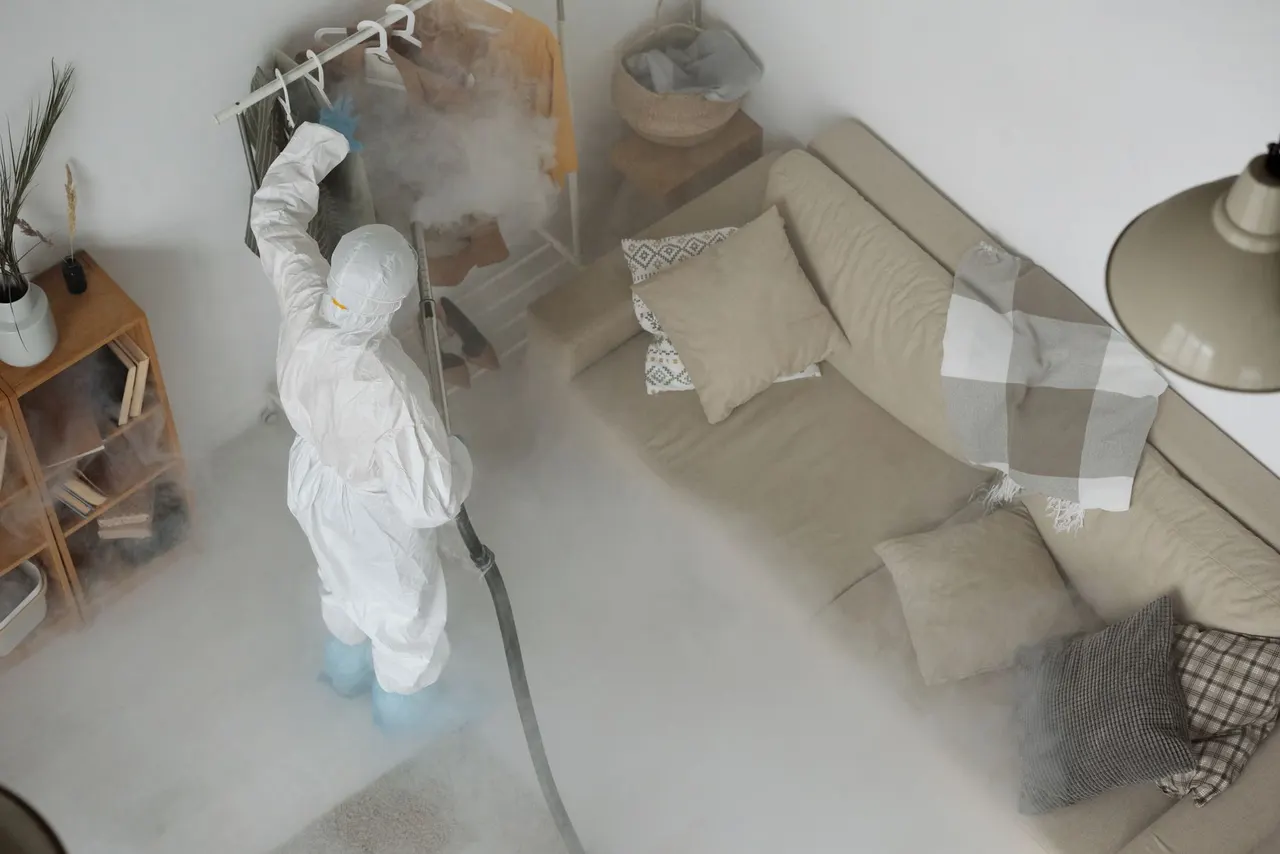 Moisture readingsThermal scanAttic check
Every Mold Prevention Phoenix visit includes a full moisture inspection, a written report with photos and readings, and targeted treatment of problem areas. We also provide a maintenance checklist so you can keep your home dry between visits. Additional work like duct cleaning or major ventilation upgrades is quoted separately after the inspection.

We check attics, crawl spaces, bathrooms, under sinks, around HVAC equipment, and any area with past water damage. Moisture meter and thermal imaging camera readings are recorded for every location.
You receive a documented summary of findings, including moisture readings, thermal images, and photos of problem areas. This report is useful for insurance, real estate, and tracking conditions over time.
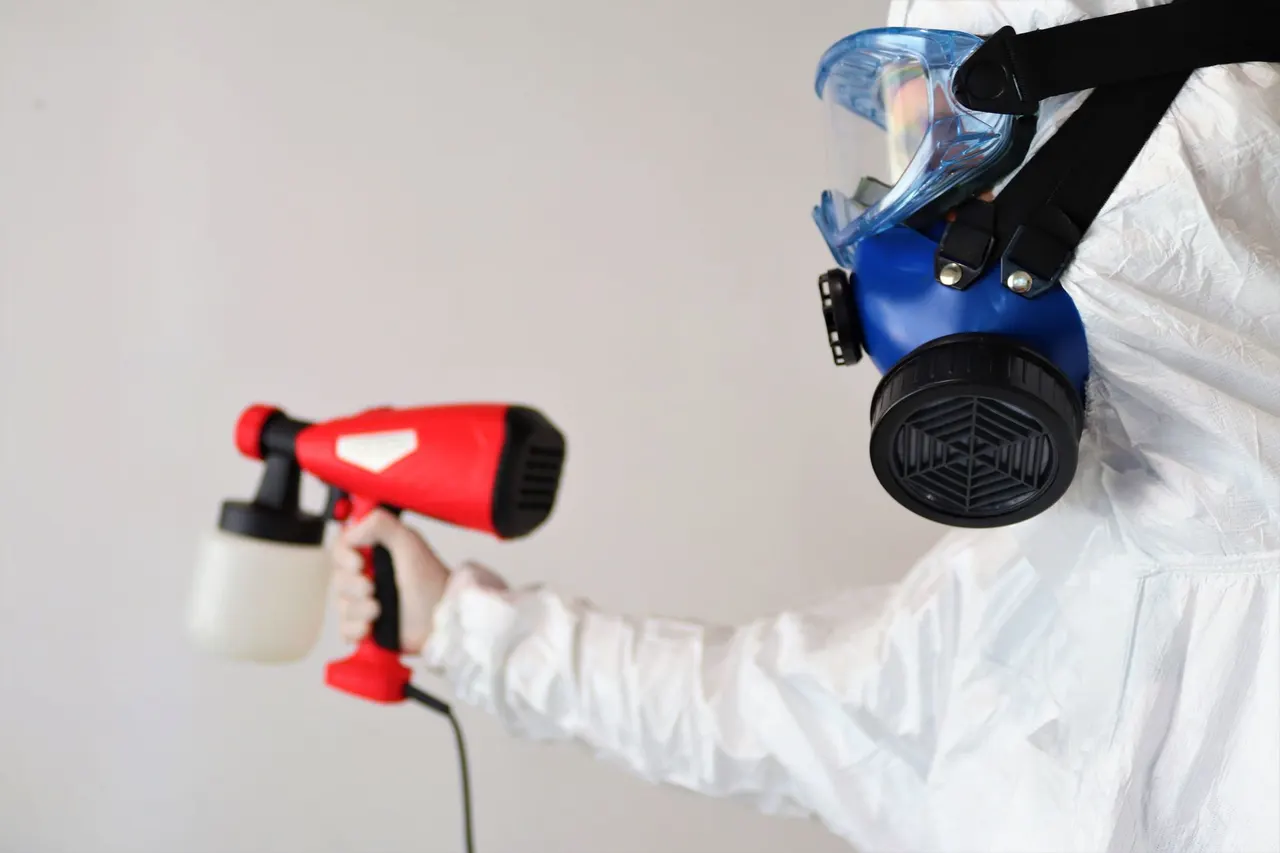
We apply professional-grade antimicrobial spray to vulnerable surfaces in attics, crawl spaces, bathrooms, and around HVAC components. Products like Fiberlock and Concrobium are used according to label directions.
We seal gaps and cracks with encapsulant coating, repair failed caulking, and improve ventilation where needed. For crawl spaces, we install vapor barriers to block ground moisture.
If your home needs active humidity control, we install or recommend a dehumidifier sized to the space. We show you how to run it and what humidity level to target.
You get a simple schedule for checking problem areas, replacing filters, and running dehumidifiers. We can also schedule follow-up visits if you prefer hands-off maintenance.
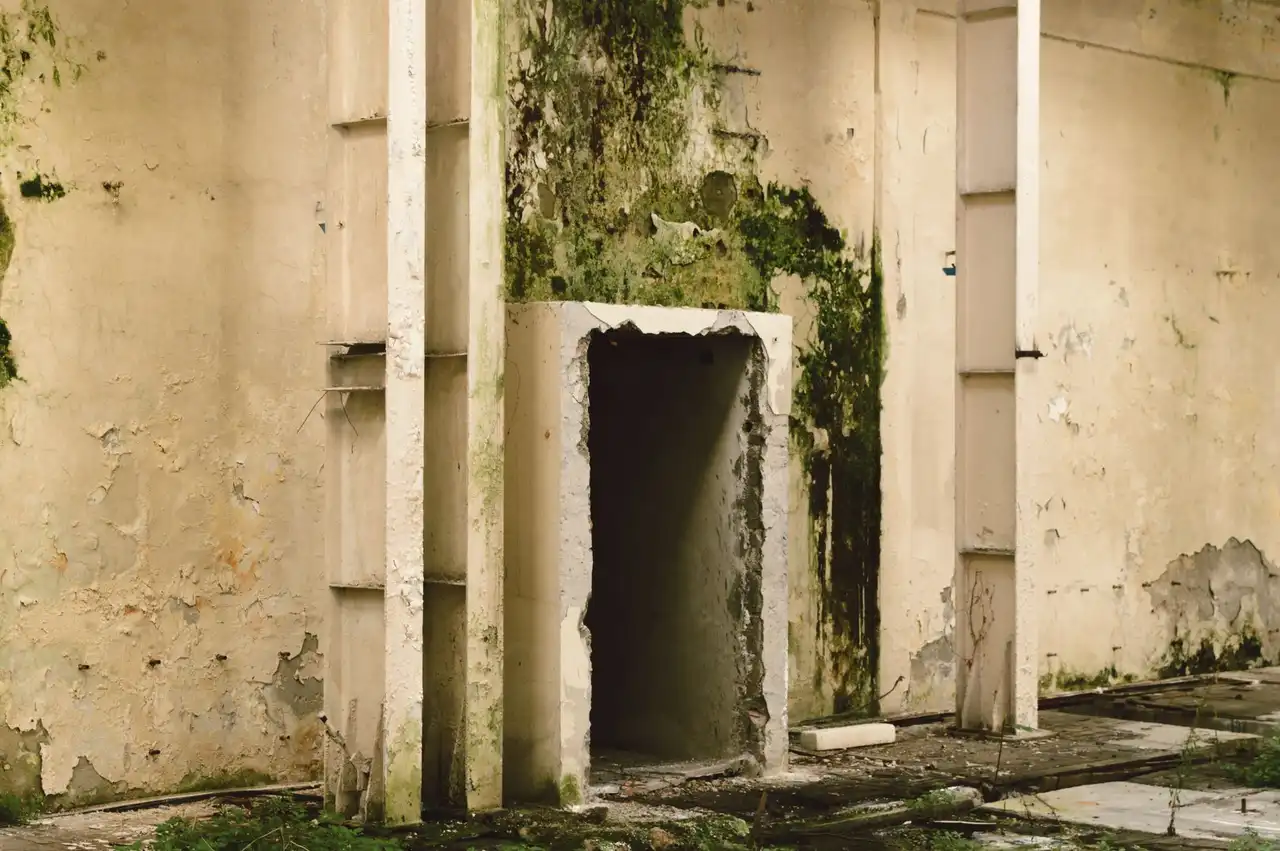
The approach is the same for a home and a business. What changes is the access, the schedule and who needs the paperwork.
We check attics, crawl spaces, bathrooms, and HVAC areas where moisture hides. You get readings, photos, and a plan you can act on.
Offices and rentals need dry spaces to protect tenants and inventory. We inspect, document, and treat without disrupting your schedule.
A plain-language look at what Mold Prevention involves and when it is needed.
See how it worksMold Prevention Phoenix is a moisture-control service that finds and fixes the conditions mold needs to grow: leaks, high indoor humidity, condensation, and poor airflow. We use a moisture meter and thermal imaging camera to map wet spots behind walls and under floors, then seal, ventilate, or dehumidify those areas before spores ever settle. It is not a spray-and-hope job. It is targeted, measured work that keeps your home dry through monsoon season and the dry months alike.
Phoenix homes face a specific set of mold risks. Swamp cooler pads stay damp for months. Attic temperatures swing 40 degrees between day and night, causing condensation on ductwork. Post-monsoon leaks soak drywall that looks fine until black mold growth appears. If you have ever dealt with musty odors after a slab leak, you already know how fast it escalates. Home Mold Prevention Phoenix starts with a full moisture inspection so we catch these problems while they are still cheap to fix.
Mold prevention works by controlling moisture before spores ever settle.
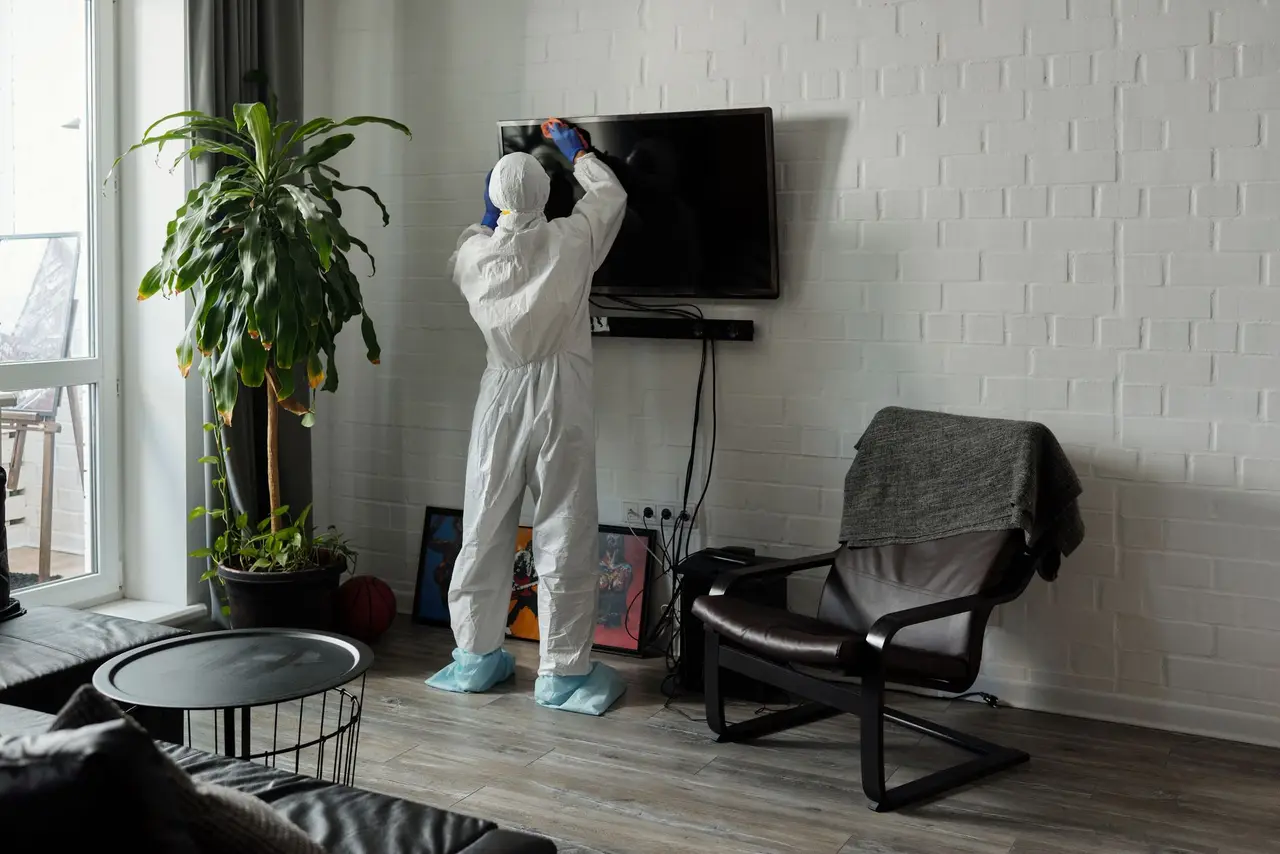
Every Mold Prevention Phoenix job follows the same five steps. You will know what is happening, why, and what it costs before we start.
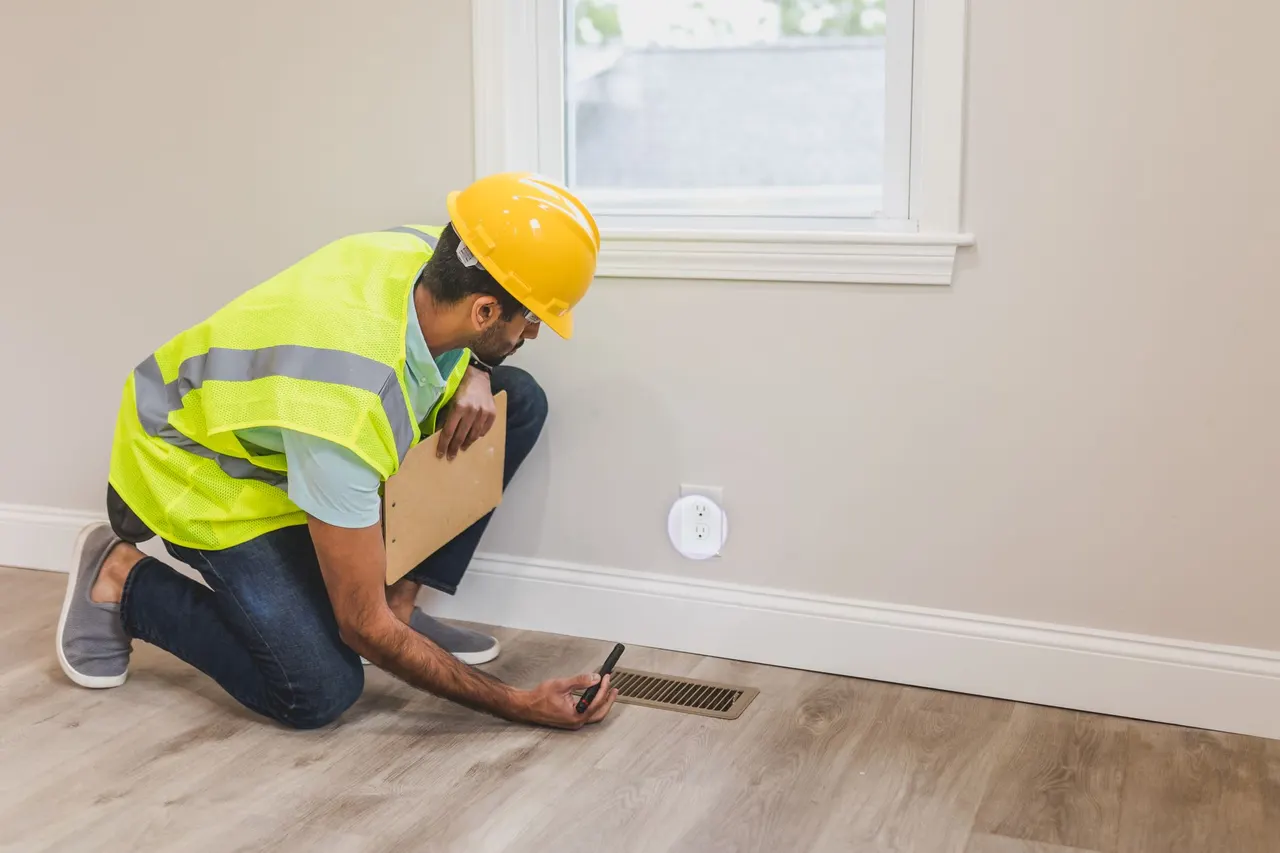
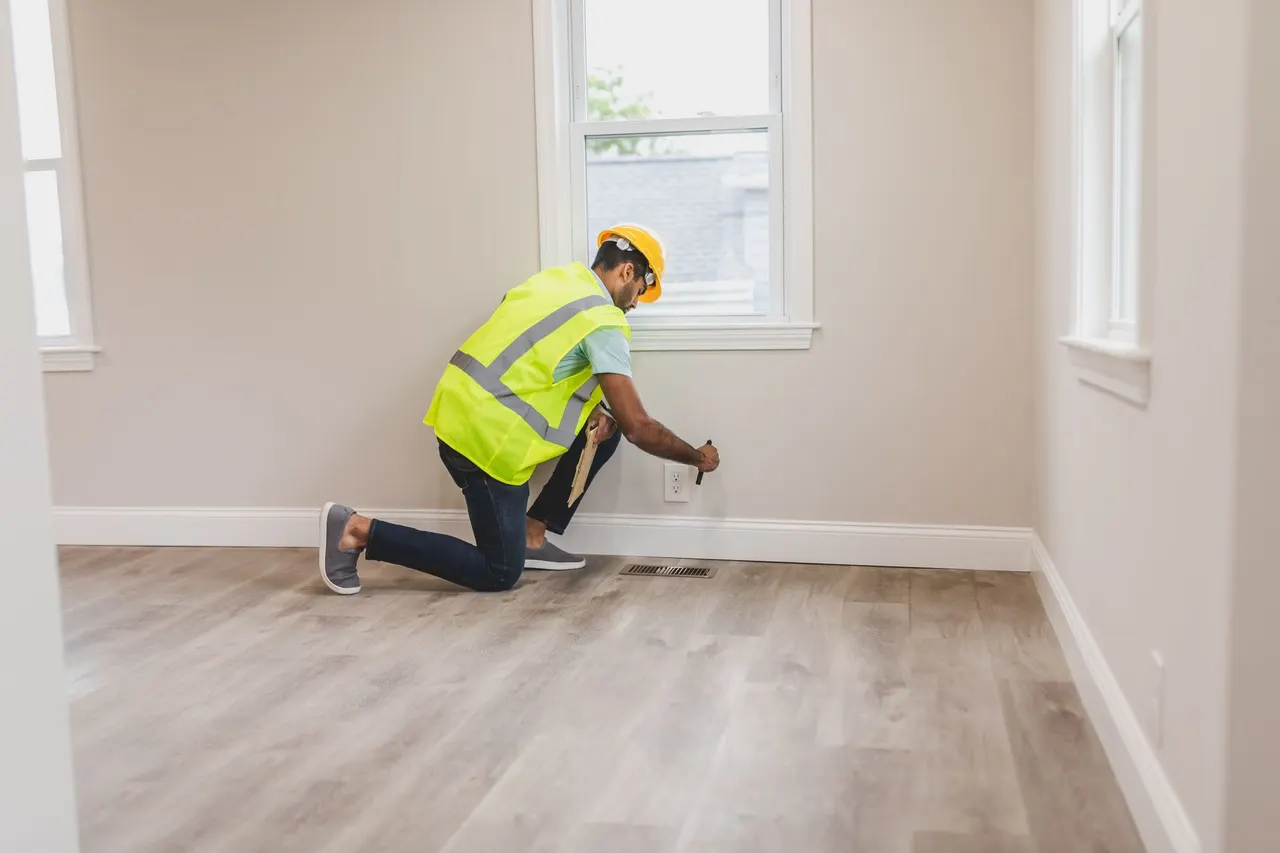
We walk your home with a moisture meter and thermal imaging camera, checking attics, crawl spaces, bathrooms, under sinks, and around HVAC equipment. This takes 60 to 90 minutes for most Phoenix homes. You get a written report with photos and moisture readings for every area we checked.

We identify every moisture source: slow leaks, failed caulking, clogged condensate lines, swamp cooler pads, poor attic ventilation, or ground moisture under the slab. You see exactly what is feeding the problem and which fixes matter most. We rank them by urgency.
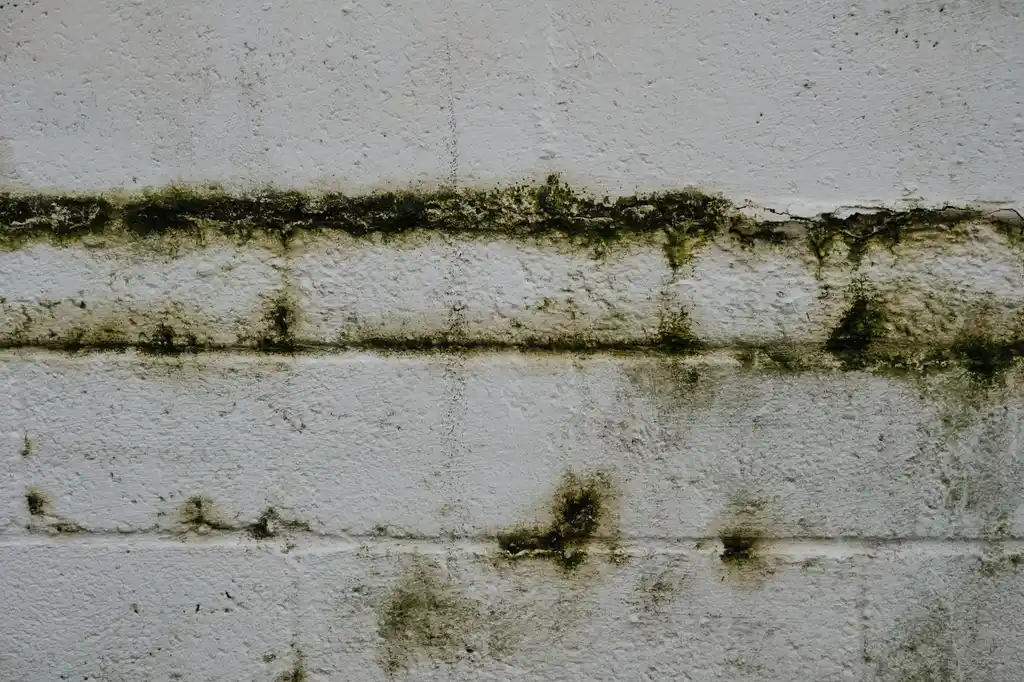
We apply antimicrobial spray to vulnerable surfaces, seal gaps with encapsulant coating, and install or repair ventilation and vapor barriers. For high-humidity areas, we set up a dehumidifier sized to the space. Treatment typically takes two to four hours depending on square footage.

After treatment, we re-check moisture levels with the meter and thermal camera to confirm the fix worked. You receive before-and-after readings, photos, and a summary of what was treated. This documentation is useful for insurance, real estate, and your own records.
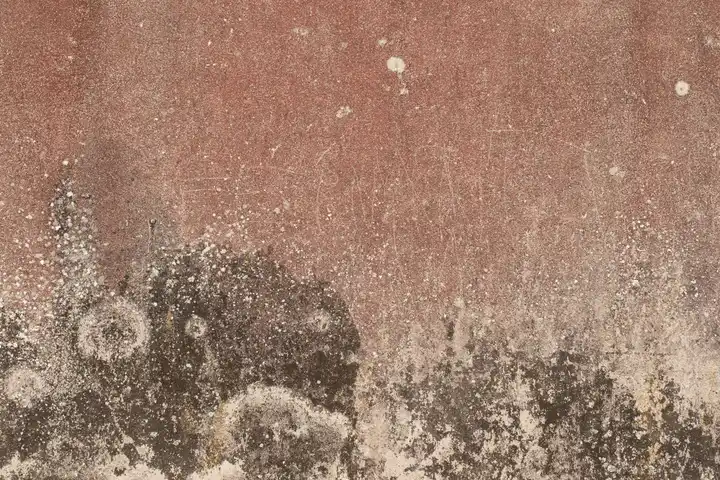
We give you a simple schedule: check the attic after monsoon season, replace HVAC filters every 60 to 90 days, run the dehumidifier during humid weeks, and re-inspect crawl spaces each spring. We can schedule follow-up visits or you can handle it yourself with our checklist.
Move across a circle, or focus it and press Enter, for an illustrative thermal view of the photograph.
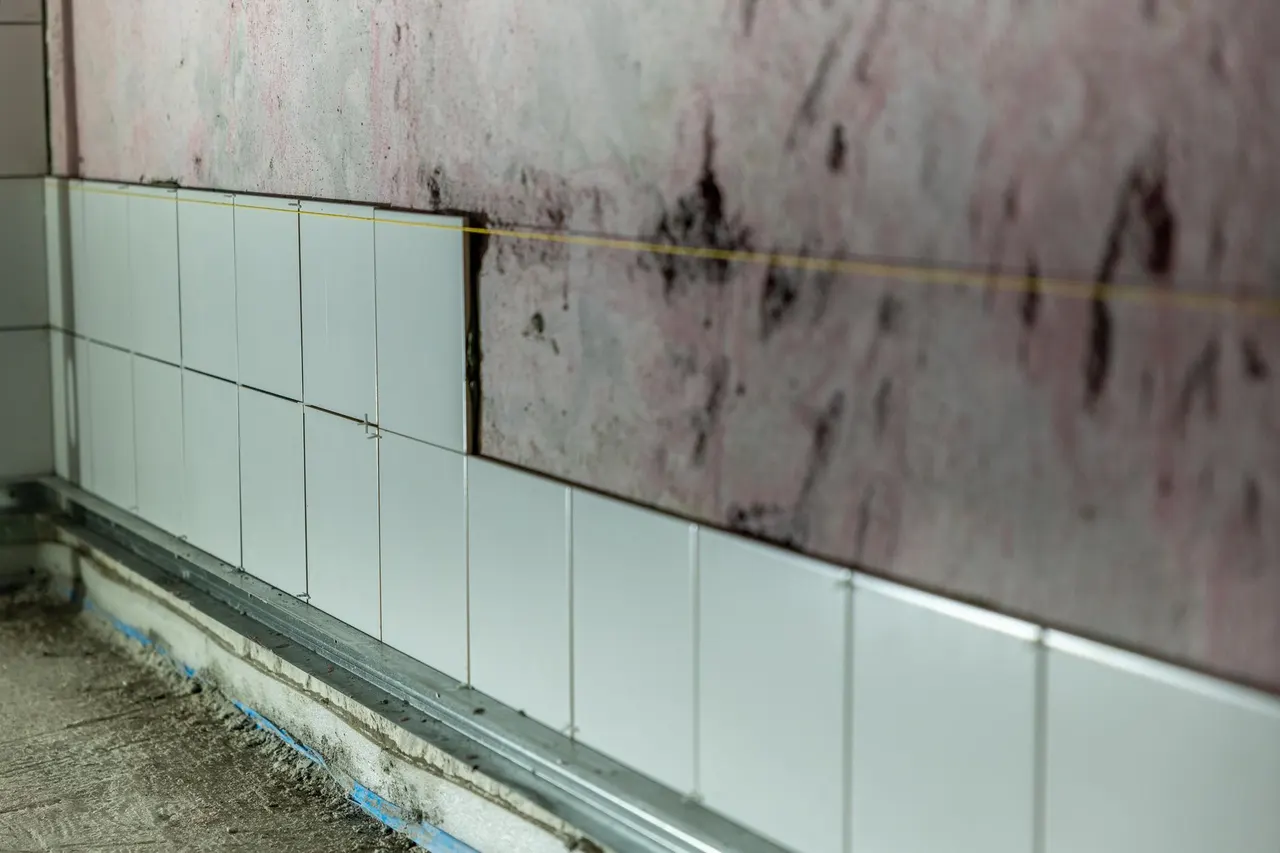
Pin and pinless meters measure moisture content in drywall, wood, and concrete. We use them to find hidden moisture behind walls and under floors.
Thermal cameras reveal temperature differences caused by moisture, air leaks, and missing insulation. They help us find problems without opening walls.
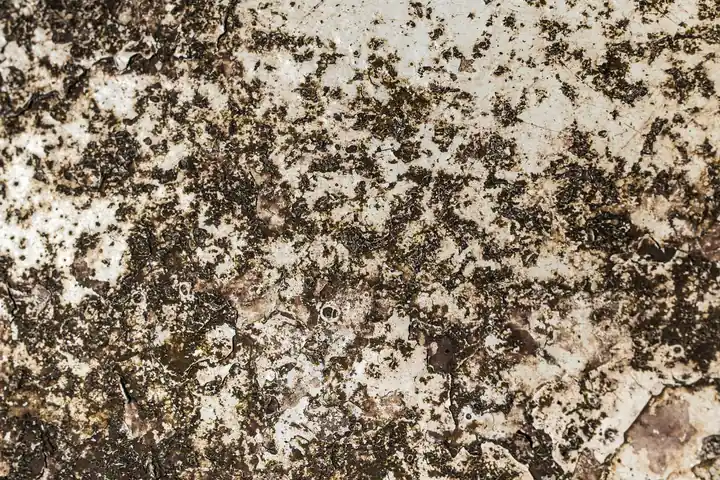
A boroscope lets us see inside wall cavities, ductwork, and crawl spaces through small openings. We use it to confirm mold growth and locate moisture sources.
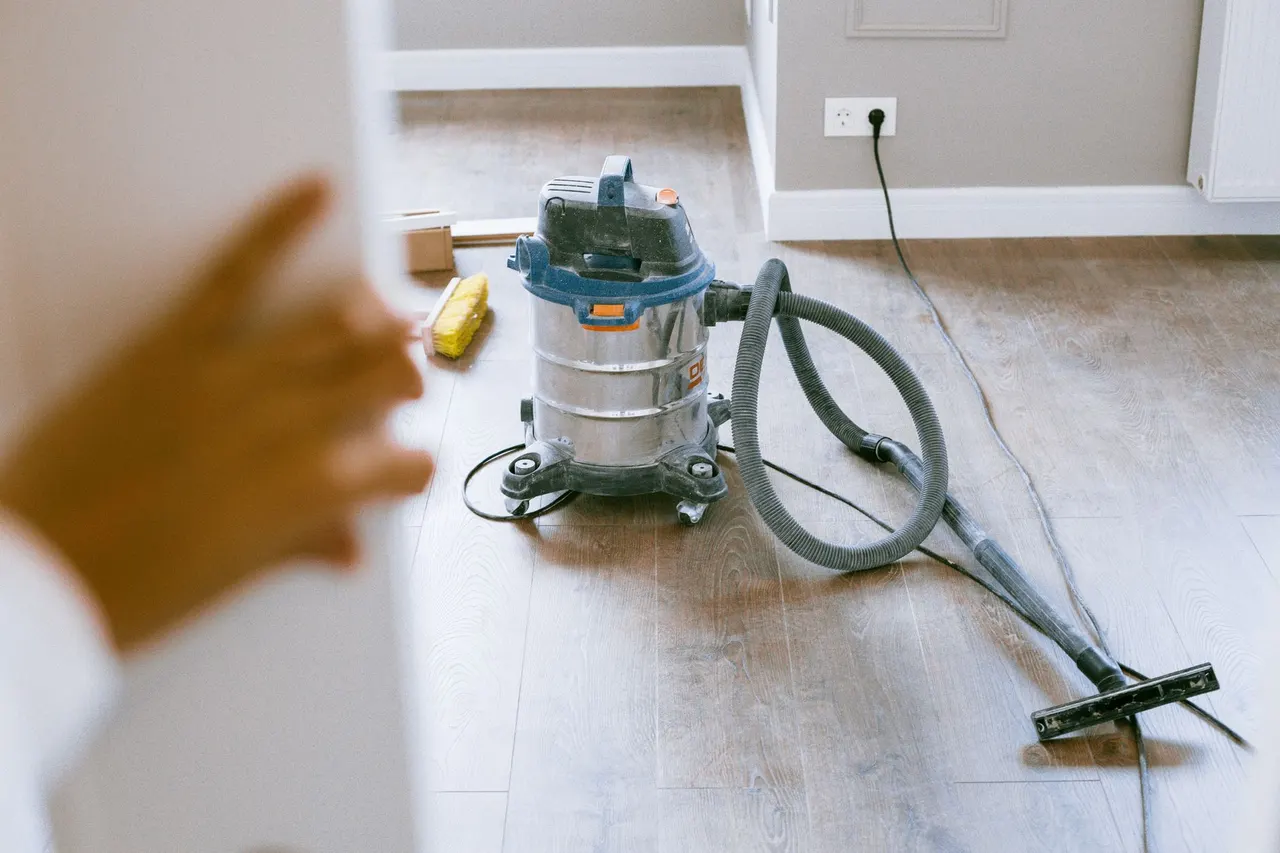
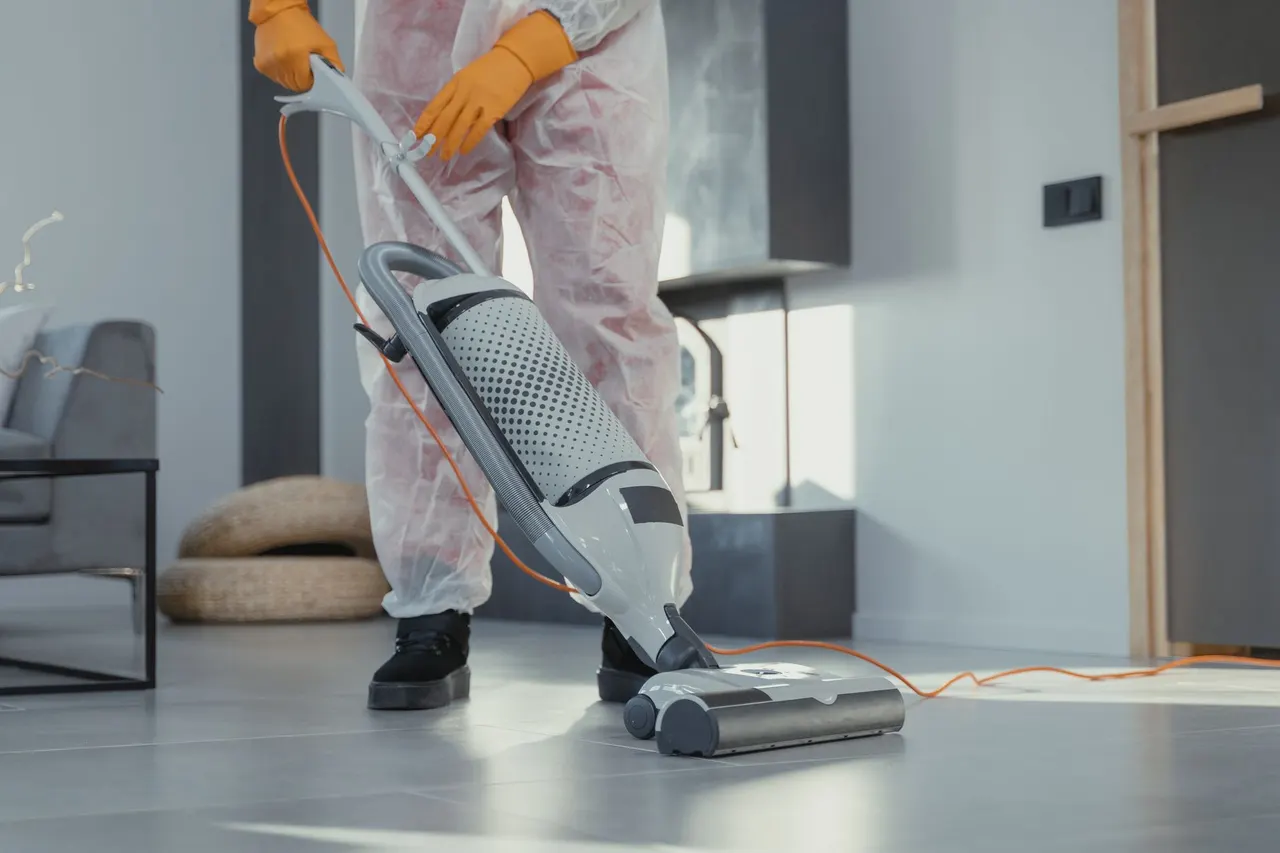
During treatment, air scrubbers with HEPA filters capture airborne spores. HEPA vacuums remove settled spores from surfaces without spreading them.

Negative air machines create pressure differentials that keep spores contained during treatment. We use them with poly sheeting containment barriers.
Thermal views are illustrative, generated from the photographs.
Dri-Eaz and Phoenix Restoration Equipment dehumidifiers remove moisture from the air in crawl spaces, attics, and living areas. We size them to the space.
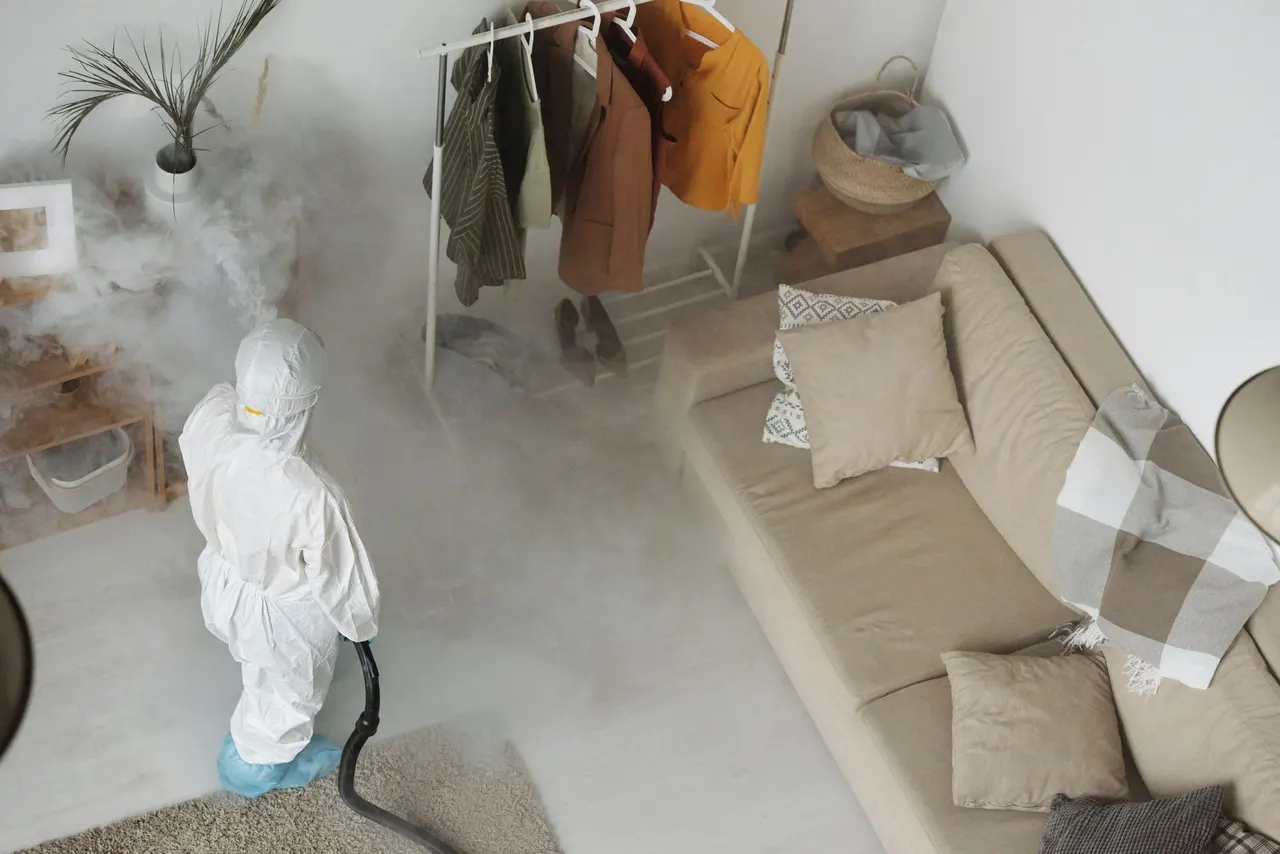
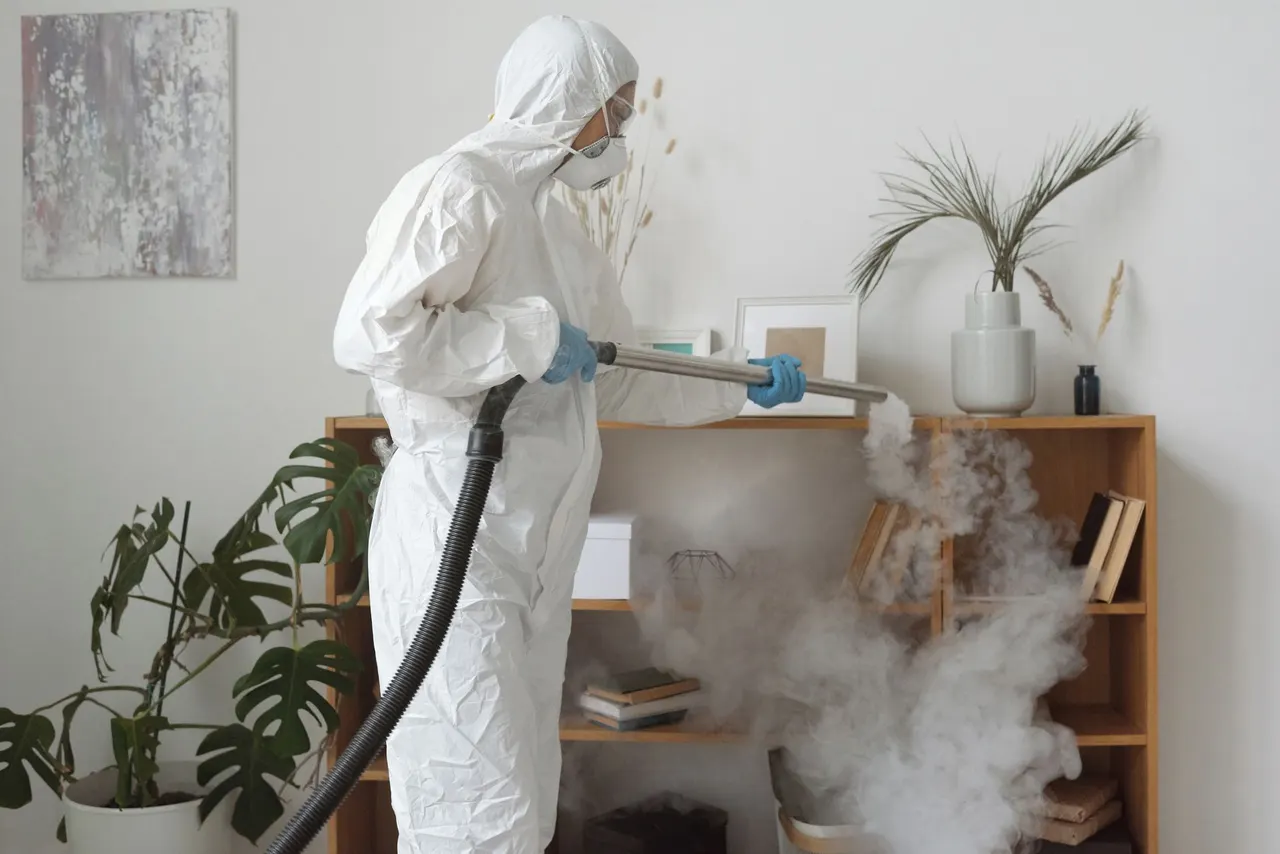
Foggers apply antimicrobial treatments to large surface areas in attics, crawl spaces, and ductwork. They reach places sprays cannot.
We follow the IICRC S520 standard for mold remediation, which covers containment, removal, cleaning, and verification. This is the industry benchmark for professional mold work.
We map moisture readings across your home and document them with photos and thermal images. This creates a baseline you can compare against future inspections.
When treating mold or disturbed materials, we set up poly sheeting containment and run negative air machines to prevent spores from spreading to clean areas.
We apply antimicrobial spray to kill existing spores and encapsulant coating to seal surfaces. Products like Fiberlock and Concrobium are applied according to label directions.

You just bought a home and want to know its moisture profile before moving in.
We perform a full moisture inspection, document current conditions, and identify any areas that need treatment or monitoring. You get a baseline report that tells you exactly what you are working with.
Outcome: You move in knowing your home is dry and what to watch for. If problems exist, you address them before furniture and belongings are in the way.
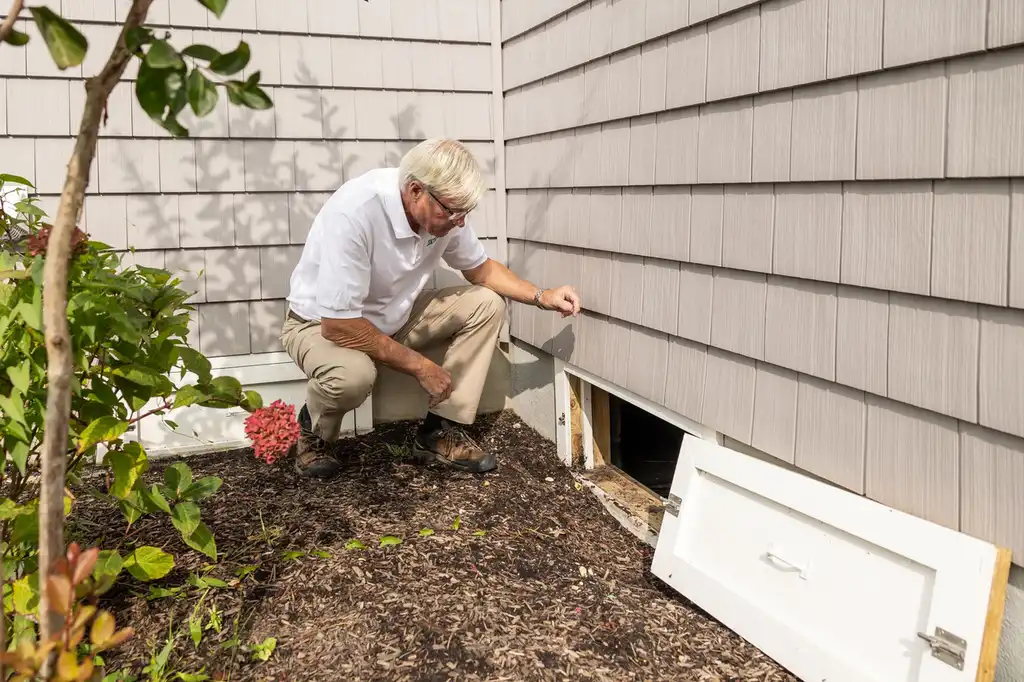
Your home sat vacant for months during summer and you returned to musty odors.
We inspect for mold prevention for vacant homes Phoenix owners need: checking attic, crawl space, bathrooms, and HVAC for moisture and growth. We treat affected areas and set up humidity control.
Outcome: The musty smell is gone, surfaces are treated, and you have a plan to keep the home dry whether you are there or not.

You had a slab leak repaired but are worried about hidden mold under the floor.
We use thermal imaging and moisture meters to check for residual moisture in the slab and surrounding materials. If we find damp areas, we dry them and apply antimicrobial treatment.
Outcome: You know whether the repair was complete and whether any secondary mold treatment is needed. No guessing, no surprises.
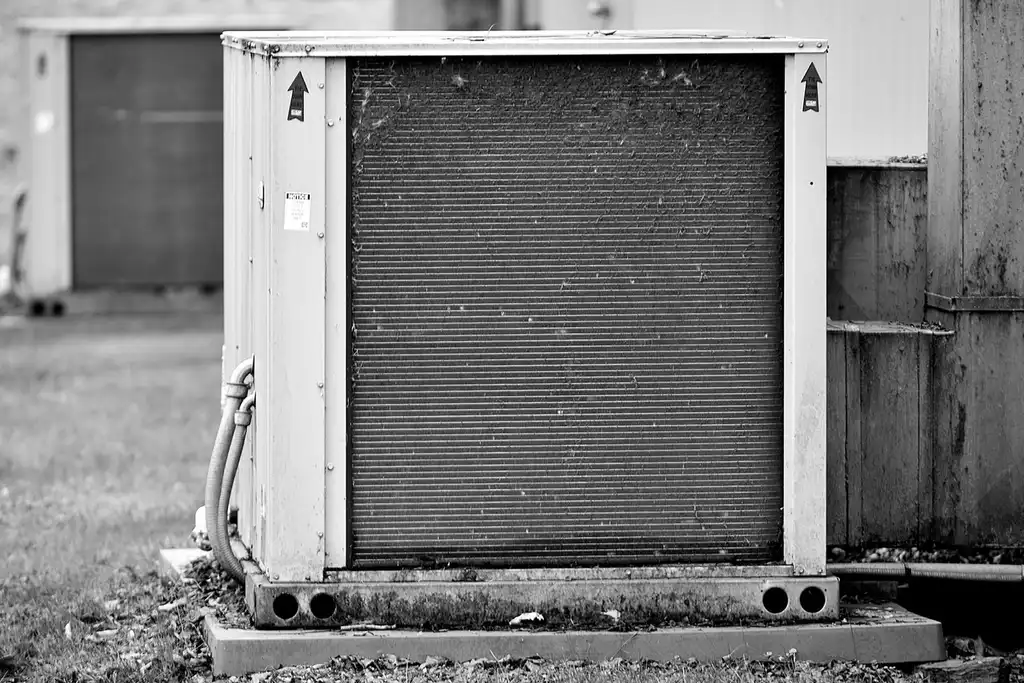
Monsoon season just ended and you want to make sure no water got in.
We inspect attics, ceilings, walls, and crawl spaces for signs of water intrusion. We check for post-monsoon mold and treat any areas that stayed wet long enough to support growth.
Outcome: You catch problems while they are small. If everything is dry, you get documentation confirming it.

You own a seasonal home in Phoenix and need prevention while you are away.
We set up mold prevention for seasonal homes Phoenix owners trust: dehumidifier installation, timer-based ventilation, and periodic check visits. We can inspect before you return each season.
Outcome: Your home stays dry between visits. You arrive to a fresh-smelling house instead of a mold problem.

Phoenix has a desert climate, but that does not mean mold is rare. Swamp coolers, monsoon rains, and air conditioning condensation create moisture problems in homes across Maricopa County. Attic temperatures reach 140 degrees in summer, then drop 40 degrees at night, causing condensation on ductwork and roof decking. Monsoon season dumps inches of rain in hours, and poorly sealed roofs and windows let water in.
We adjust our mold prevention approach for Phoenix building stock: block construction in older neighborhoods like Alhambra and Maryvale, slab-on-grade foundations throughout the Valley, and ductwork routed through hot attics. If you need moisture inspection mold prevention Phoenix homeowners trust, we know where to look because we see these problems every week.

Before: A 1962 ranch home had visible mold on roof decking and insulation. Attic humidity was 72 percent, and ductwork showed condensation stains. The homeowner noticed a musty smell in bedrooms during summer.
After: We sealed duct leaks, installed additional attic vents, and treated all affected surfaces with antimicrobial spray. Post-treatment readings showed attic humidity at 48 percent. No new mold growth after six months.
The homeowner checks attic vents each spring and runs a dehumidifier during monsoon season. We schedule an annual inspection to verify conditions stay dry.
Before: A block home had crawl space mold covering 40 percent of floor joists. Ground moisture was wicking up through bare soil, and ventilation was blocked by debris. The homeowner reported musty odors in the living room.
After: We removed debris, installed a 6-mil vapor barrier, treated joists with encapsulant coating, and added cross-ventilation. Moisture readings dropped from 28 percent to 12 percent in the wood.
The homeowner keeps vents clear and checks the vapor barrier each fall. We recommend a crawl space dehumidifier if humidity rises above 60 percent.
Before: A swamp cooler had mold on pads and in the ductwork. Every time the cooler ran, musty air circulated through the house. The homeowner had tried replacing pads but the mold returned within weeks.
After: We cleaned and treated the cooler housing and ducts with antimicrobial spray, replaced pads, and sealed gaps where moisture collected. Air quality testing showed no airborne mold spores after treatment.
The homeowner now dries the cooler at the end of cooling season and replaces pads each spring. We inspect the system before summer to confirm it is clean.
These are the most common moisture issues we find in Phoenix homes. Each one creates conditions for mold if left alone.
A dry home that stays dry through every Phoenix season.
A moisture inspection and targeted prevention plan usually costs a fraction of that. We find the leak, fix the airflow, and install the right controls so you never reach the remediation stage.
Mold spores trigger allergies, asthma, and sinus problems. When we control humidity and seal moisture sources, your HVAC system stops circulating spores through every room. A whole home dehumidifier mold Phoenix setup keeps indoor humidity between 40 and 50 percent, which is the range where mold cannot thrive.
Buyers and inspectors look for mold. A documented prevention plan with moisture readings and treatment records shows your home has been maintained. That matters in Maricopa County, where attic mold and crawl space mold are common findings during real estate transactions.
Musty odors mean mold is already growing somewhere you cannot see. We trace the smell with a boroscope and thermal camera, treat the source with antimicrobial spray, and fix the moisture problem so the odor does not return. No masking, no cover-ups.
Clear records you can keep and share.
Readings for every area checked
Images of problem areas and treatment
What was applied and where
Simple schedule for keeping dry
Not every damp spot becomes mold. Knowing the difference helps you decide when to act.
Brief dampness that dries within hours
Dampness lasting a day or more
Wet materials for 48 hours or longer
A list like this tells people straight away whether you cover their street. Not listed? Call and ask: it only takes a minute.
Based in Phoenix and covering the places around it. Pick one for local details.
If your indoor humidity stays above 55 percent, you have had any water leak in the past year, or you notice musty odors, your home is at risk. Phoenix homes with swamp coolers, attic ductwork, or crawl spaces are especially vulnerable. A moisture inspection with a meter and thermal camera finds hidden problems before mold appears.
Keep indoor humidity between 40 and 50 percent. Below 40 percent, you risk dry skin and wood cracking. Above 55 percent, mold spores can colonize within 24 to 48 hours on wet surfaces. A whole home dehumidifier or targeted dehumidifier in problem areas keeps you in that safe range year-round.
You can handle basic tasks like running bathroom fans and fixing small leaks. But if you have had a slab leak, monsoon intrusion, or persistent musty odors, call a professional. We have the moisture meters, thermal cameras, and treatment products to find and fix problems you cannot see.
Mold resistant paint helps but does not solve moisture problems. It slows surface growth on treated walls, but mold will still grow if the underlying moisture source is not fixed. We use mold resistant coatings as part of a complete prevention plan that includes leak repair, ventilation, and humidity control.
Other services from the same team.
One moisture inspection now can save you thousands in remediation later. We serve Phoenix, AZ and all of Maricopa County with same-day scheduling and upfront pricing. Call us or book online to get started.
Call 1234567890 or email info@azmoldremoval.com and we will get you on the schedule. We answer the phone during business hours, and if you leave a message after hours we call back the next morning. Tell us what you are seeing, smelling or feeling, and we will tell you what the next step looks like.