For Homes
We handle musty odors in houses, condos, and rentals. We find the moisture source and remove the growth without spreading spores to clean rooms.
- Musty smell in bedroom
- Mold behind baseboards
- Attic mold after monsoon
Mold Odor Removal Phoenix homeowners call us for starts with finding the moisture feeding the growth, not masking the smell. If your house smells like a wet basement in July, we use moisture meters, thermal imaging cameras, and boroscopes to trace it to the source. We serve homes and businesses across Maricopa County, from Midtown to Anthem, with same-day inspections and honest pricing.
 Moisture mappingSource tracingOdor verification
Every job is different, but these are the core elements we include in a standard mold odor removal scope. If your job needs something beyond this, we will explain it before we start.
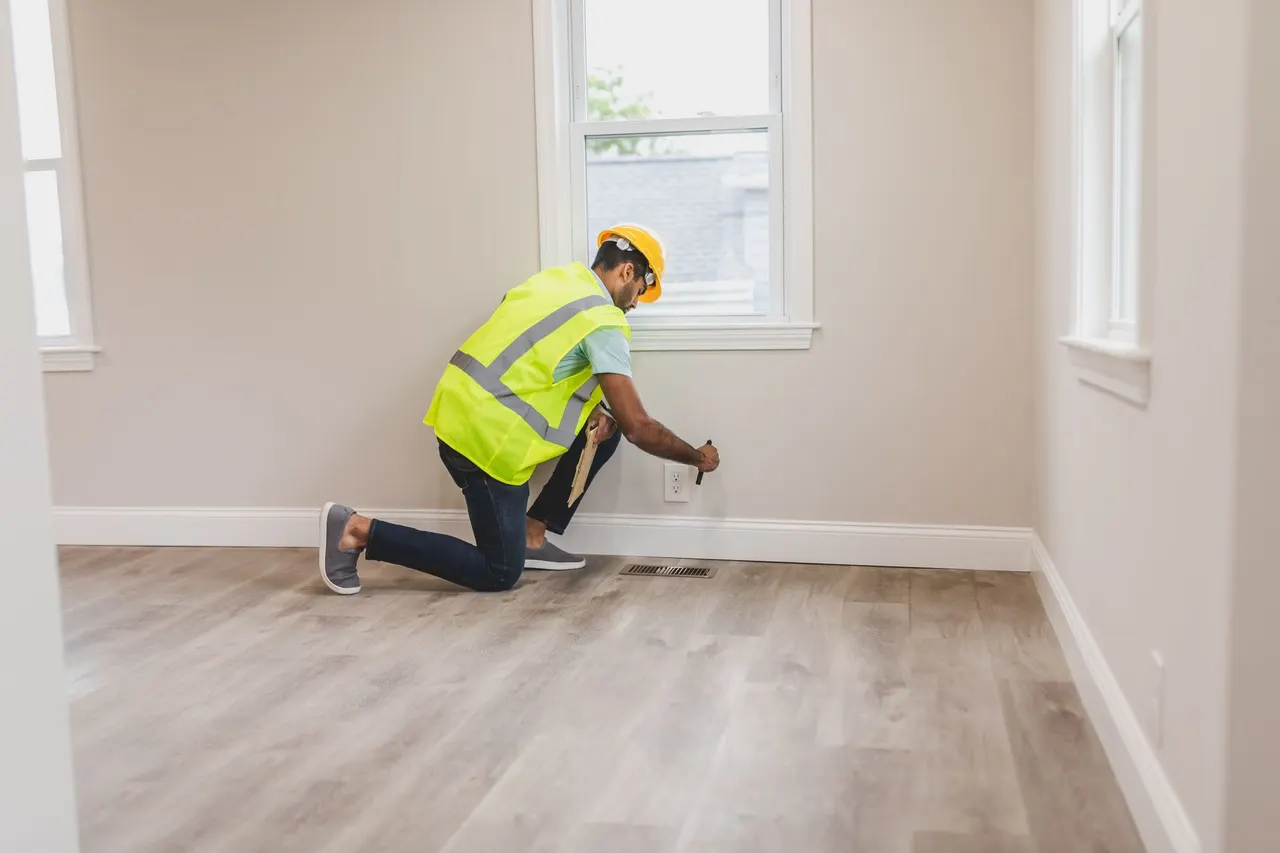
We use a moisture meter, thermal imaging camera, and boroscope to find where the water is coming from. This is the step that separates real odor removal from masking. Without finding the source, the smell comes back.
We build a containment barrier with poly sheeting and duct tape to isolate the affected area. A negative air machine with HEPA filters keeps spores from spreading to clean parts of the house. This protects your furniture, your air, and your family.
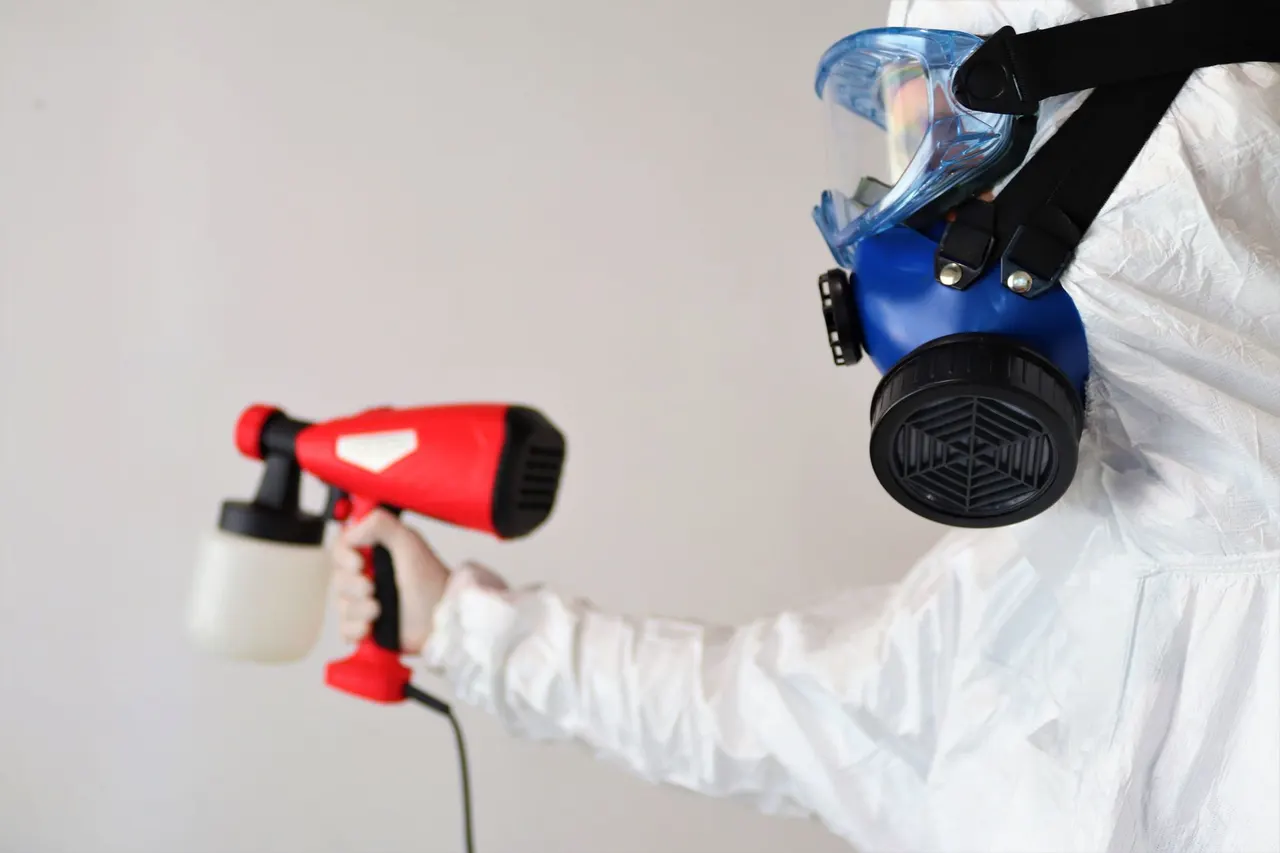
Porous materials like moldy drywall, insulation, and carpet get removed and bagged. We HEPA vacuum the surrounding surfaces and apply antimicrobial spray. Products include Fiberlock, Concrobium, Benefect, and RMR-86 depending on the surface.
Framing and structural wood get treated with an encapsulant coating to seal them against future moisture. This is especially important in attics and crawl spaces where humidity swings are common in Phoenix. It adds a layer of protection after the growth is removed.
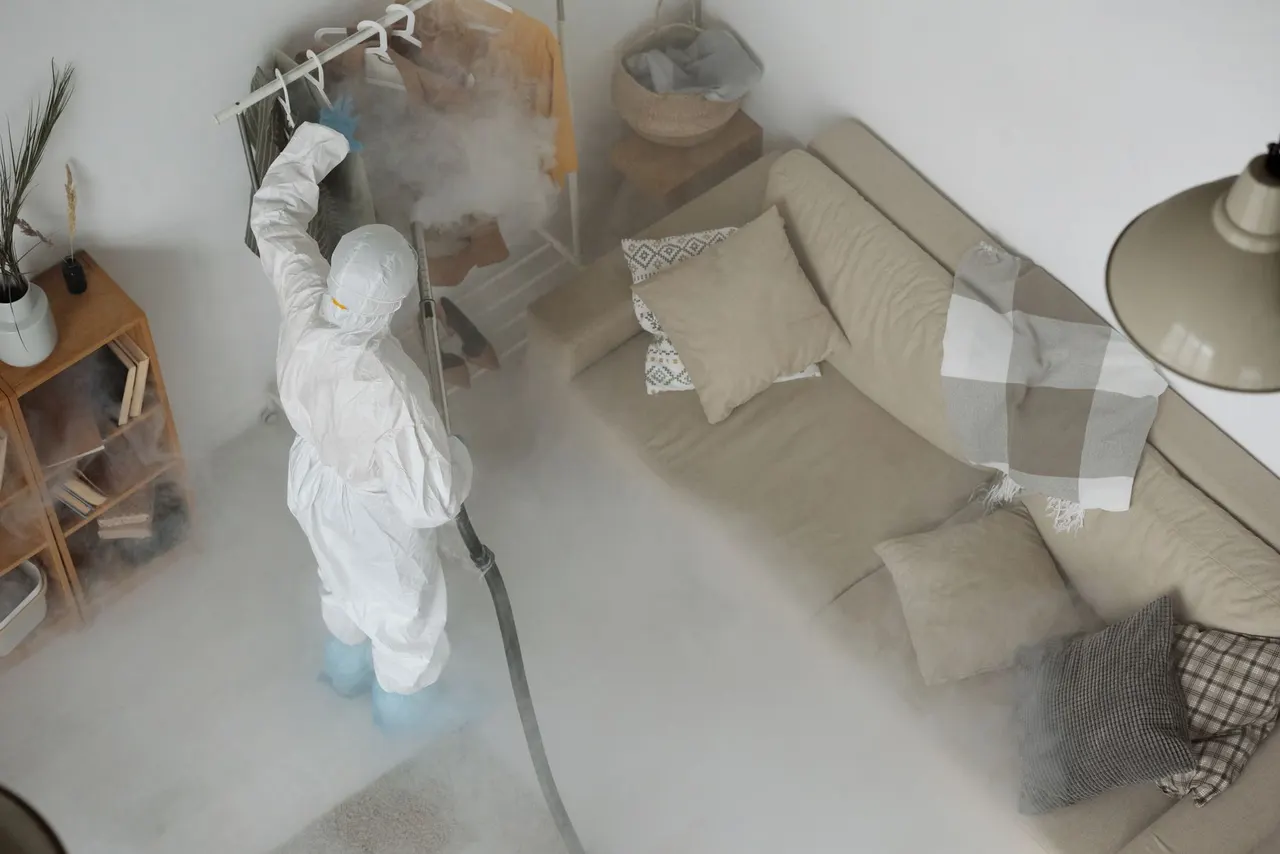
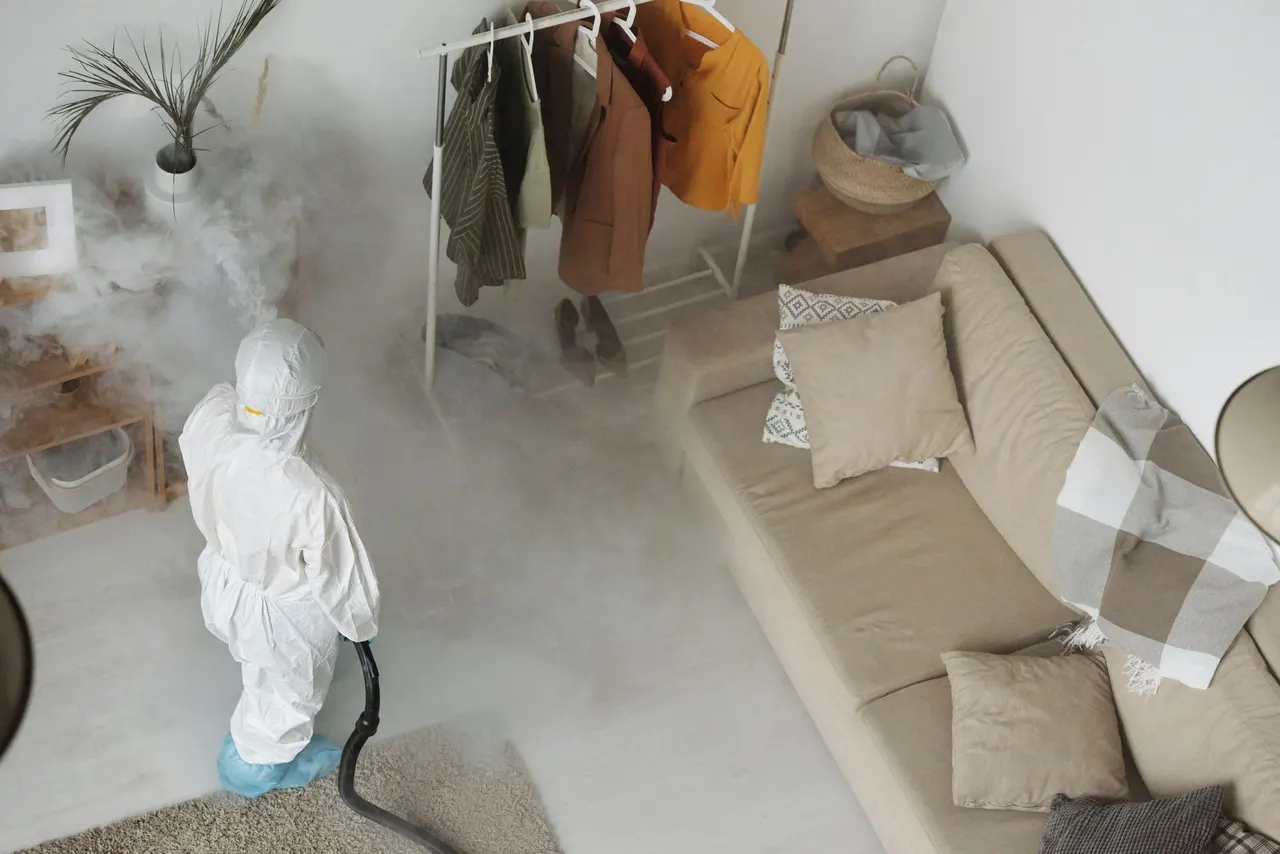
We run an air scrubber and a fogger with an antimicrobial product to neutralize the microbial volatile organic compounds causing the smell. This step takes 4 to 8 hours. It is what makes the difference between a room that smells clean and a room that still smells musty.
You get before, during, and after photos of the affected area. We walk you through what we found, what we removed, and what to watch for. If you need documentation for insurance or a real estate transaction, it is ready.
The approach is the same for a home and a business. What changes is the access, the schedule and who needs the paperwork.
We handle musty odors in houses, condos, and rentals. We find the moisture source and remove the growth without spreading spores to clean rooms.
We work with property managers and business owners on odor issues that affect tenants, customers, and staff. We schedule around your hours.
A plain-language look at what Mold Odor Removal involves and when it is needed.
See how it worksMold Odor Removal Phoenix is a targeted remediation service that locates the microbial growth producing musty odors, removes it, and treats the surfaces and air so the smell does not return. The smell you notice is microbial volatile organic compounds, gases released as mold digests building materials. We do not just spray deodorizer. We find the moisture source, contain the affected area with poly sheeting and a containment barrier, remove porous materials that cannot be saved, then treat what remains with antimicrobial spray and an encapsulant coating.
Phoenix homes develop musty odors for reasons that surprise people who moved here from humid climates. A pinhole slab leak under tile can feed mold for months before you see a stain. A swamp cooler pad left wet through September becomes a growth factory. Post-monsoon humidity pushes moisture into attic insulation and crawl spaces. If you have been searching for musty smell removal in Phoenix because you smell something in the hallway but cannot find it, that is exactly the kind of hidden-source job we handle weekly.
A musty smell means moisture is feeding mold somewhere you cannot see.
Every job follows the same five steps. You will know what is happening, what it costs, and how long it takes before we start.
We walk the property with a moisture meter, thermal imaging camera, and boroscope. We check the attic, crawl space, bathrooms, laundry room, and HVAC closet. This takes 45 to 90 minutes depending on the size of the home. You get a written summary of what we found and where the moisture is coming from.
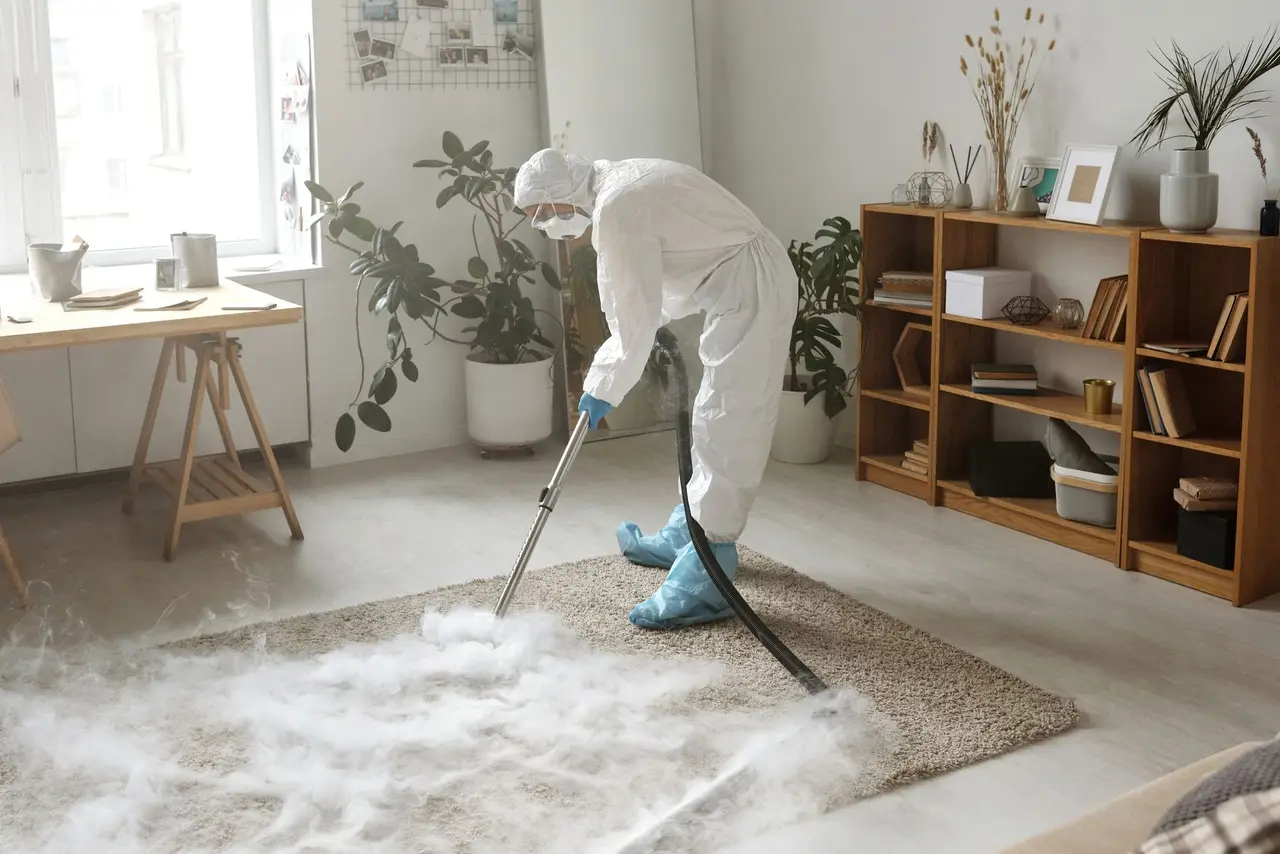
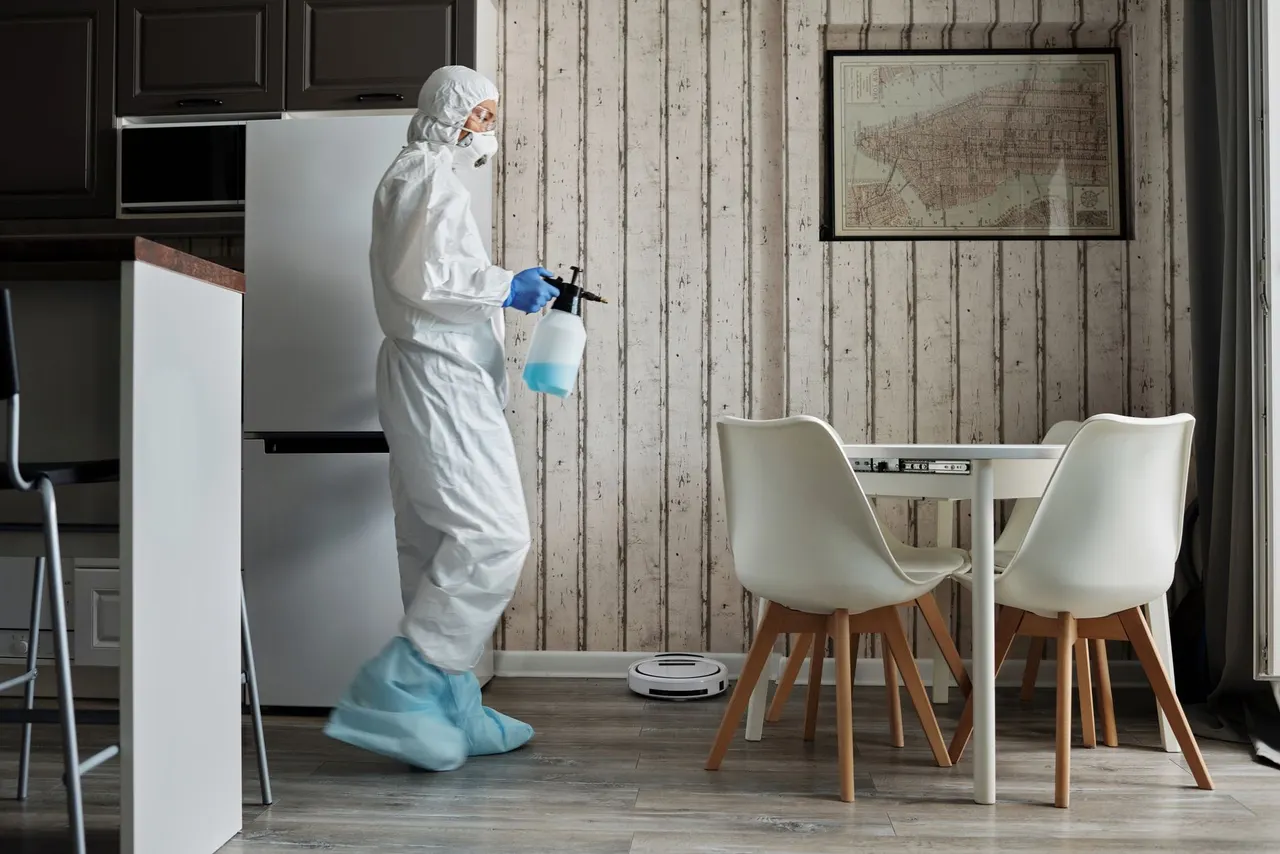
We set up a containment barrier with poly sheeting and duct tape to isolate the affected area. A negative air machine with HEPA filters pulls air out of the contained space so spores do not spread to clean rooms. We put on PPE coveralls and N95 respirators before we start any removal work.
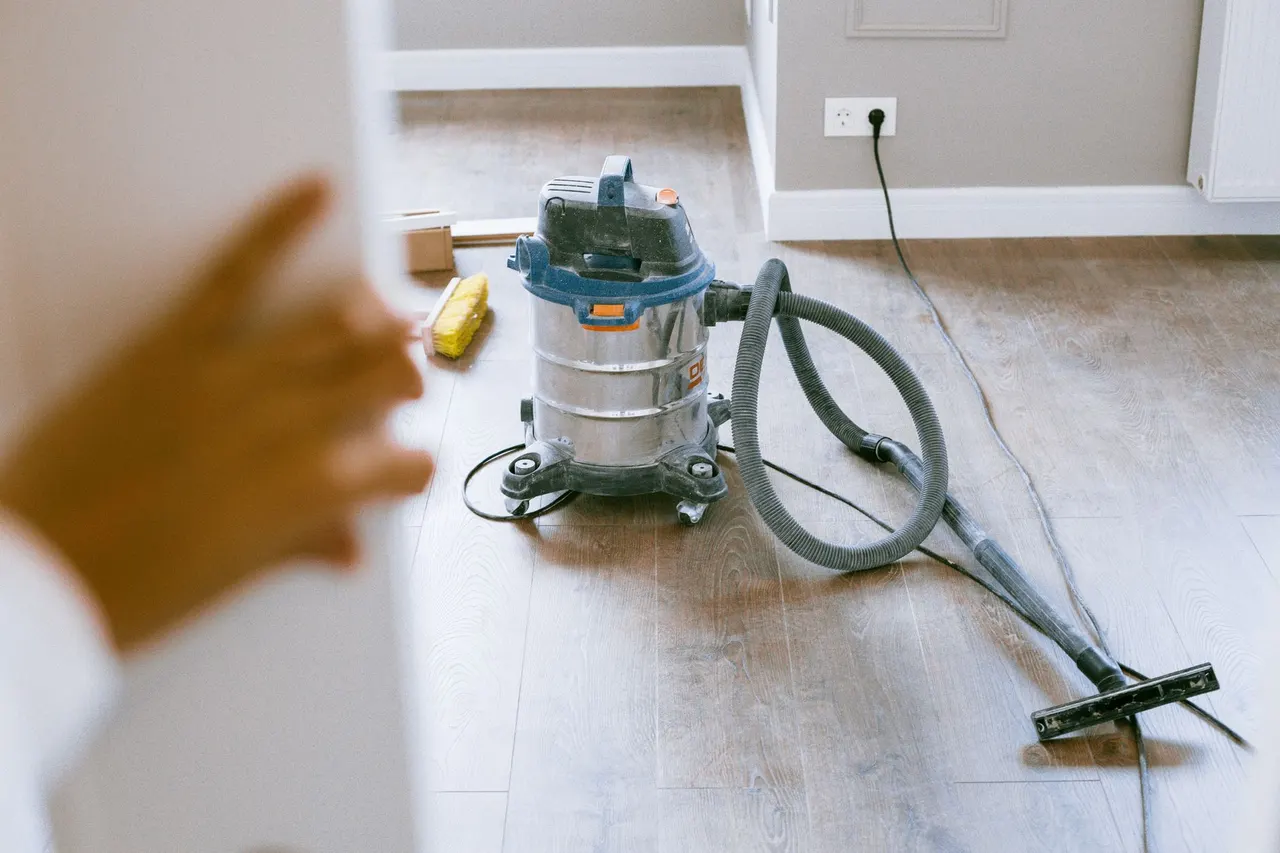
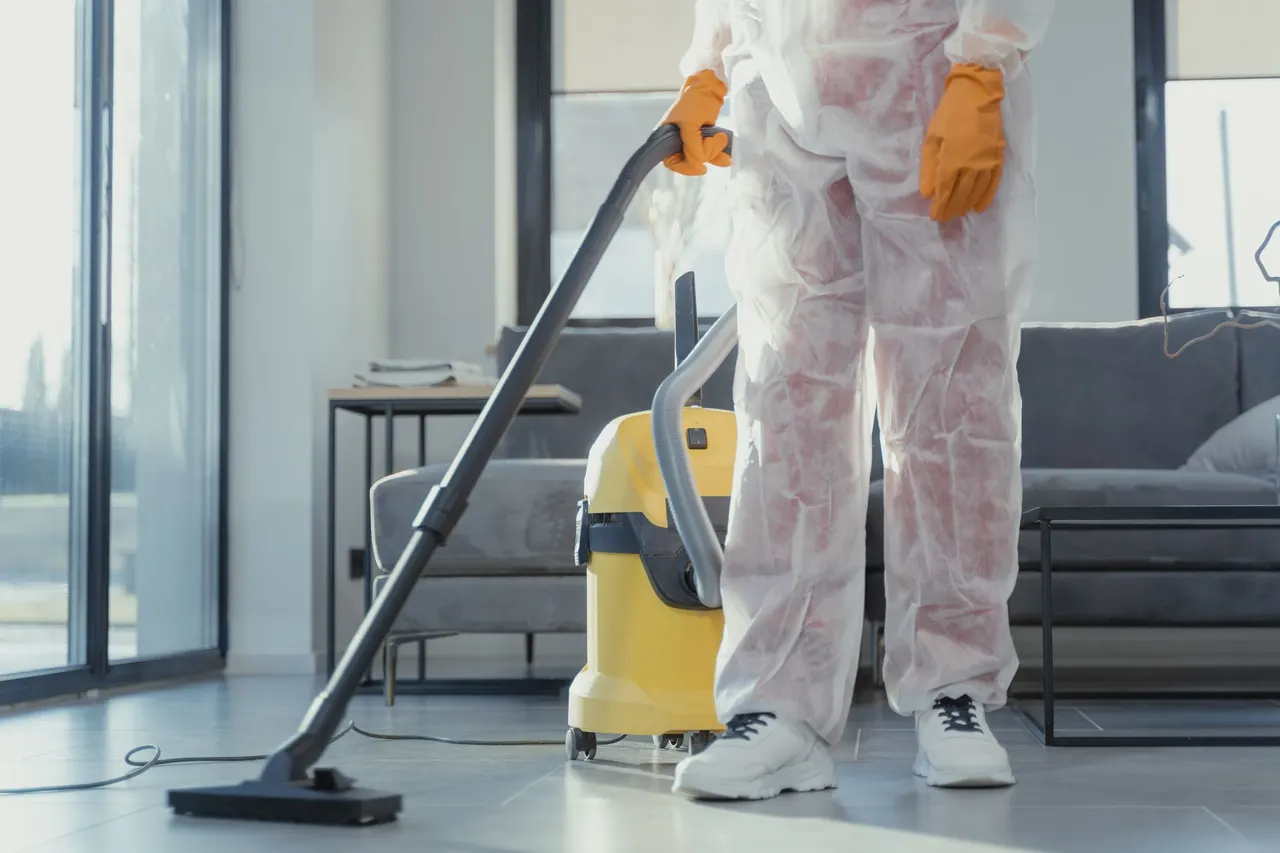
We remove porous materials like moldy drywall, insulation, and carpet that cannot be cleaned. We HEPA vacuum the remaining surfaces, then apply antimicrobial spray. For framing and structural wood, we use an encapsulant coating. Products we use include Fiberlock, Concrobium, Benefect, and RMR-86 depending on the surface and the level of growth.
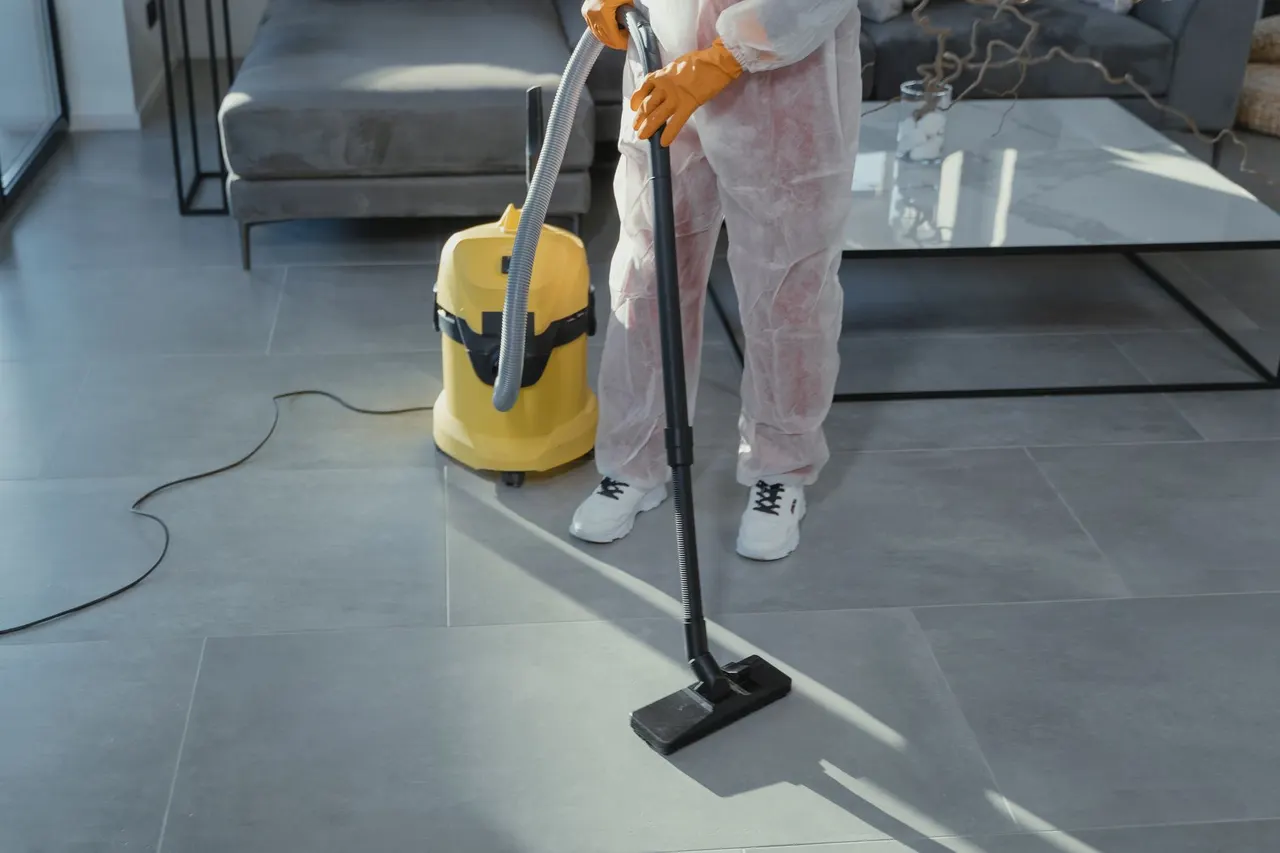
We run an air scrubber and a fogger with an antimicrobial product to neutralize the microbial volatile organic compounds causing the smell. This step takes 4 to 8 hours depending on the size of the space. We also clean and treat the HVAC components if the system was pulling air from the affected area.
We re-check moisture levels with the meter and confirm the odor is gone. We walk you through what we did, show you the photos, and explain what to watch for. If you want a third-party clearance test, we can coordinate that. Most jobs are complete in one to three days.
Move across a circle, or focus it and press Enter, for an illustrative thermal view of the photograph.
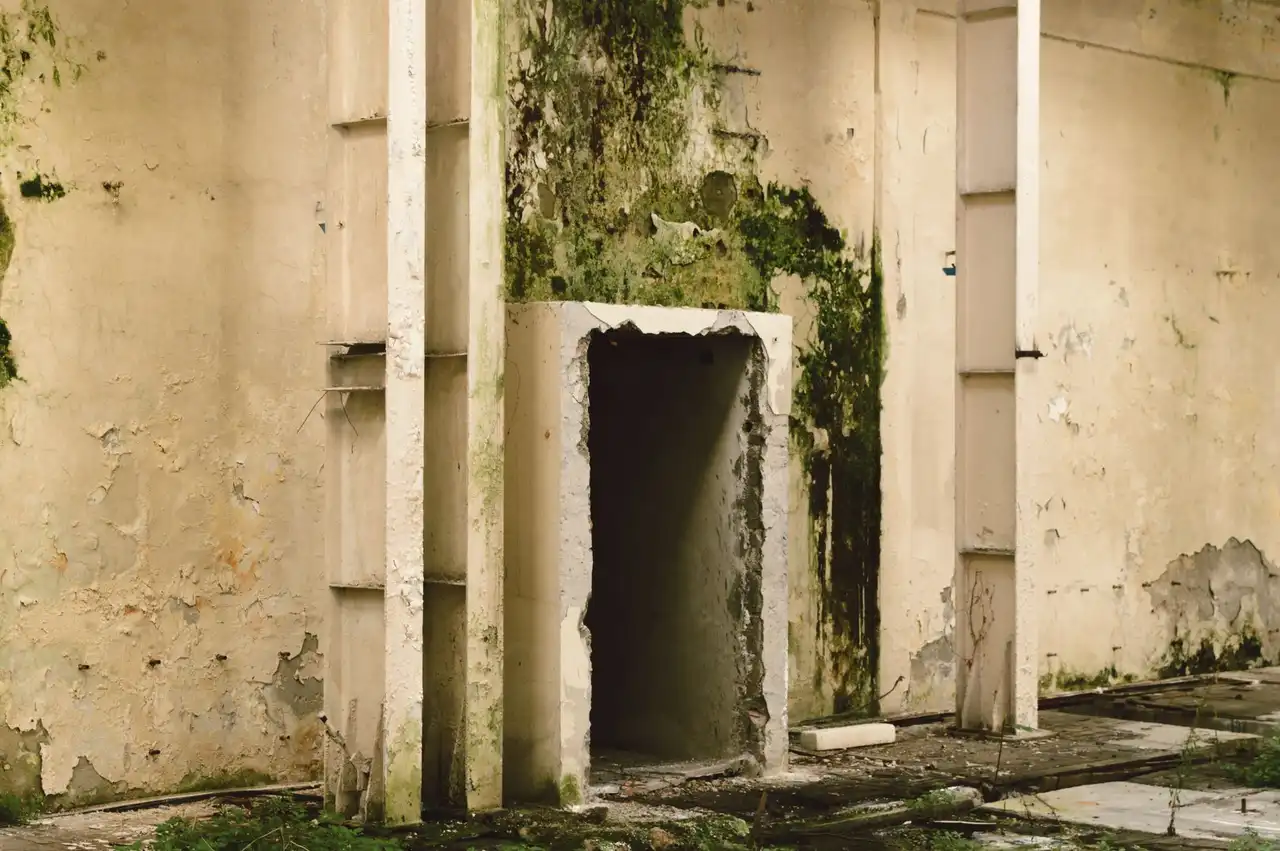
Measures moisture content in drywall, wood, and framing. We use it to confirm where the water is coming from and to verify that materials are dry after treatment.
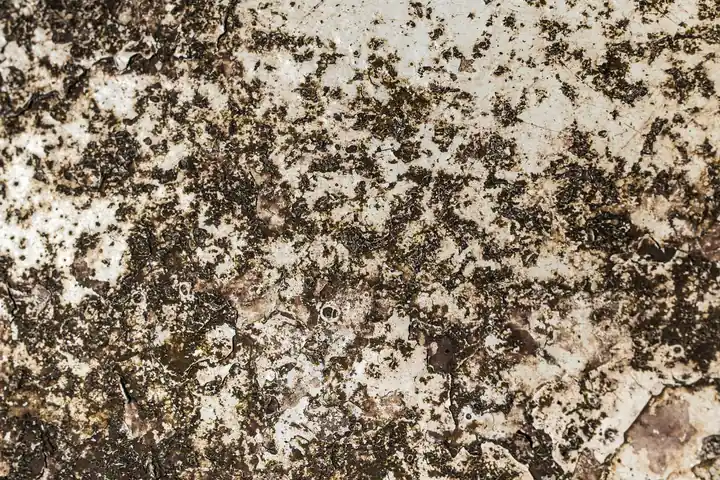
Detects temperature differences that indicate hidden moisture behind walls and under floors. It lets us find the source without tearing into every surface.
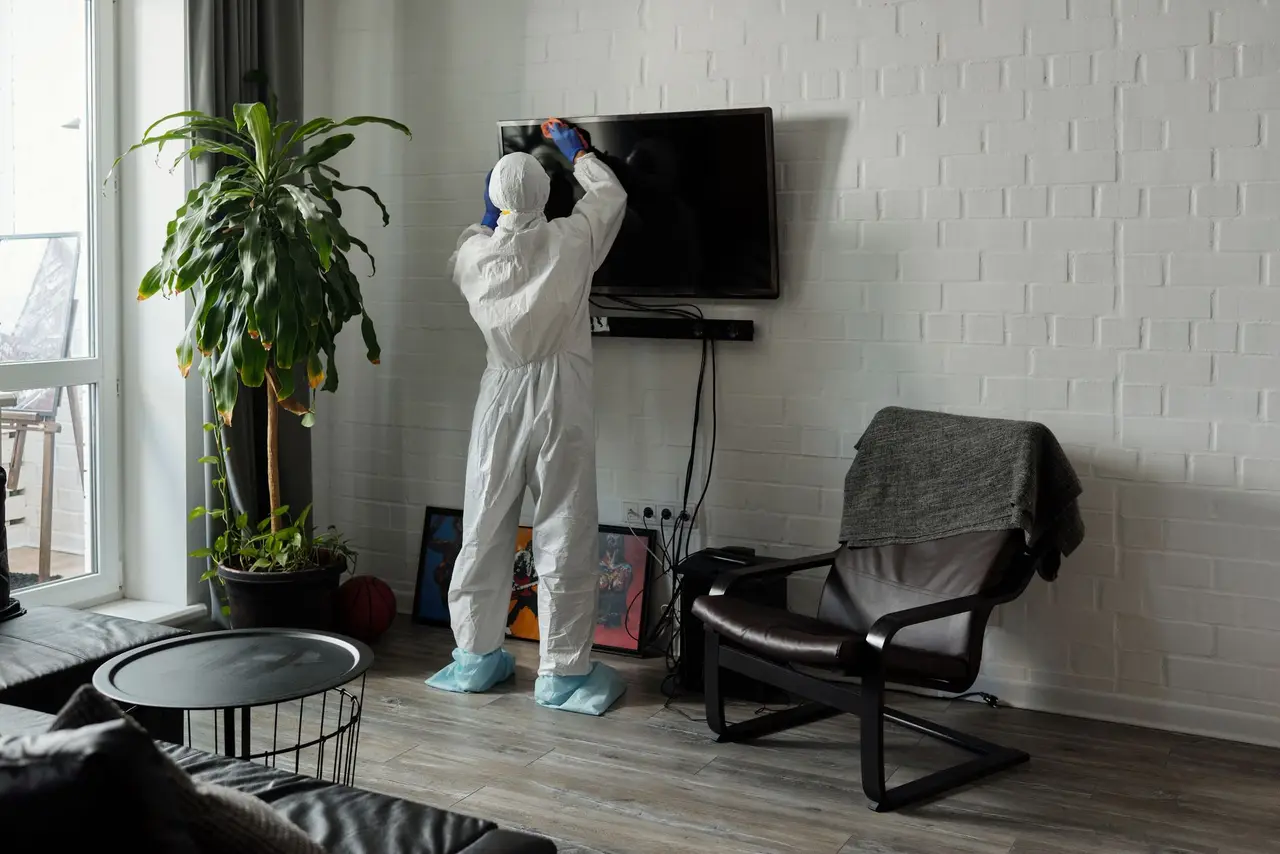
A small camera on a flexible rod that lets us see inside wall cavities, HVAC chases, and crawl spaces. We use it to confirm mold growth in areas we cannot see directly.
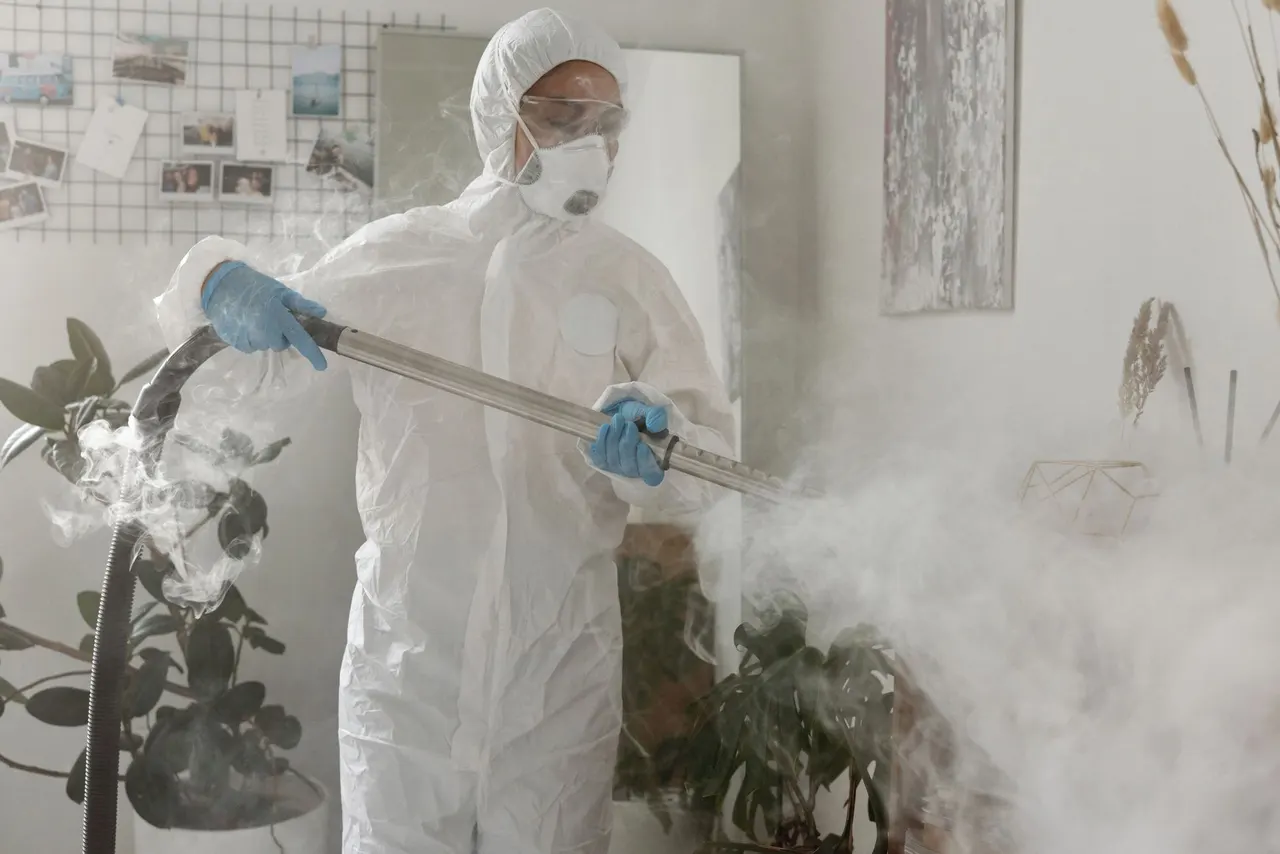
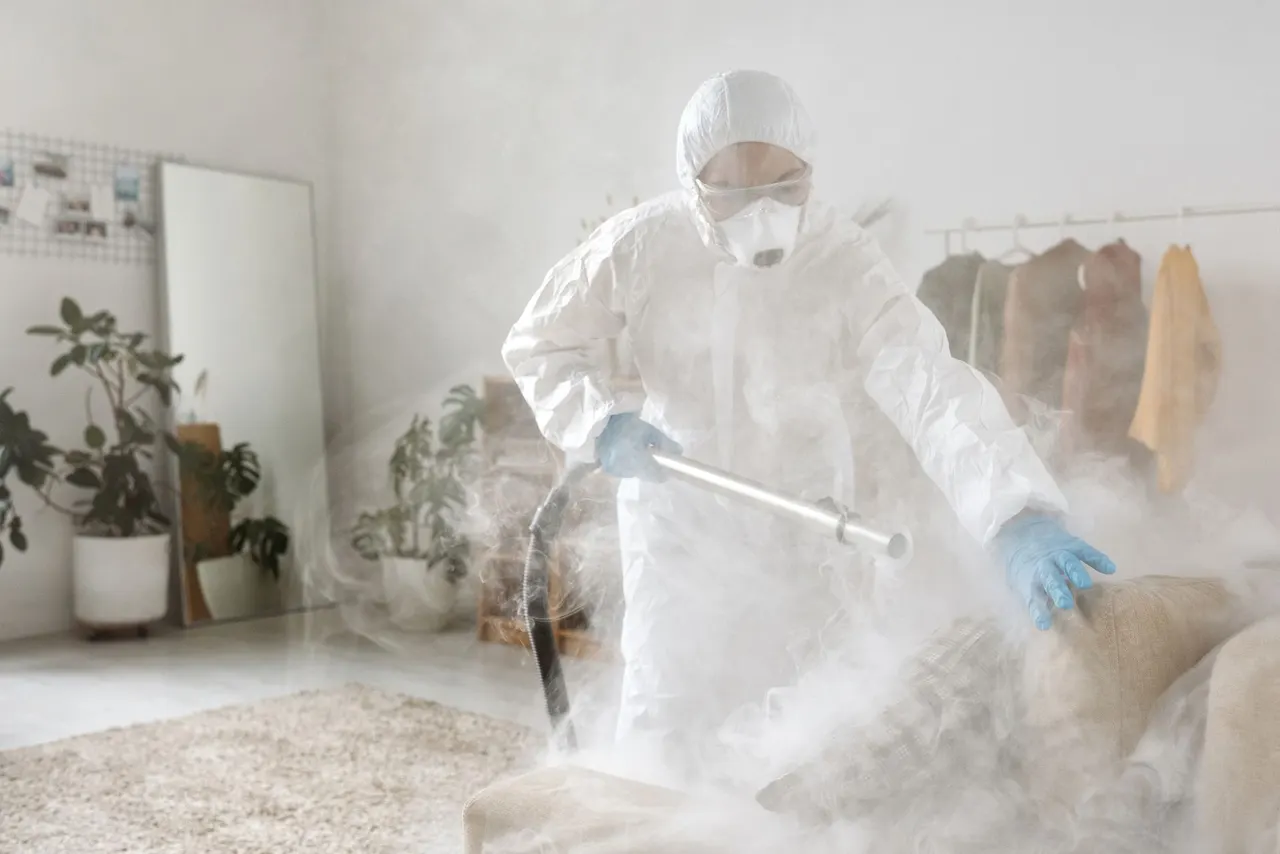
Pulls air through HEPA filters to remove spores and odor particles. We run it during and after remediation to clean the air in the affected space.
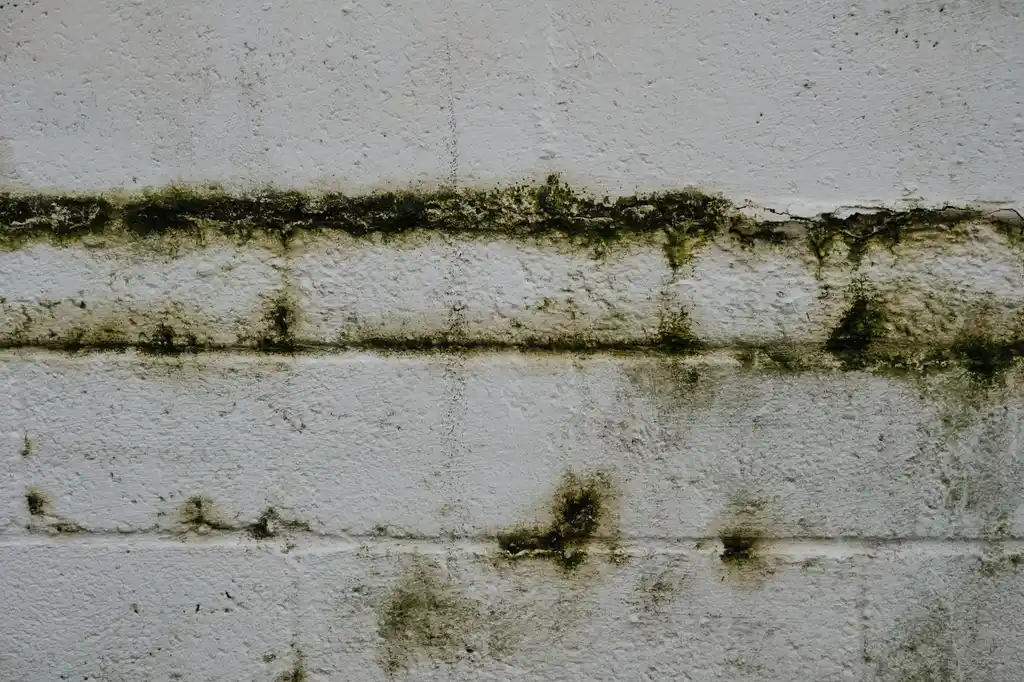
Creates negative pressure inside the containment barrier so air flows in, not out. This keeps spores from spreading to clean rooms during removal.
Thermal views are illustrative, generated from the photographs.
Dispenses an antimicrobial product as a fine mist to reach surfaces and air spaces. We use it for odor neutralization after removal and treatment.
Removes moisture from the air to dry materials and prevent new growth. We use Dri-Eaz and Phoenix Restoration Equipment units on water damage and mold jobs.
We follow the IICRC S520 standard for mold remediation, which covers containment, removal, cleaning, and verification. This is the industry benchmark for doing the job correctly. It is also what insurance adjusters and real estate inspectors expect to see.
We build containment barriers with poly sheeting and run negative air machines with HEPA filters. This isolates the work area and keeps spores from spreading. It is the same approach used on large commercial abatement jobs, scaled for your home.
After removal, we HEPA vacuum all surfaces to capture settled spores. Then we apply antimicrobial spray and, where needed, an encapsulant coating. Products include Fiberlock, Concrobium, Benefect, and RMR-86.
We take moisture readings before, during, and after the job. We do not call a job complete until the affected materials are back to normal moisture levels. This is how we confirm the source has been corrected and the environment is dry.
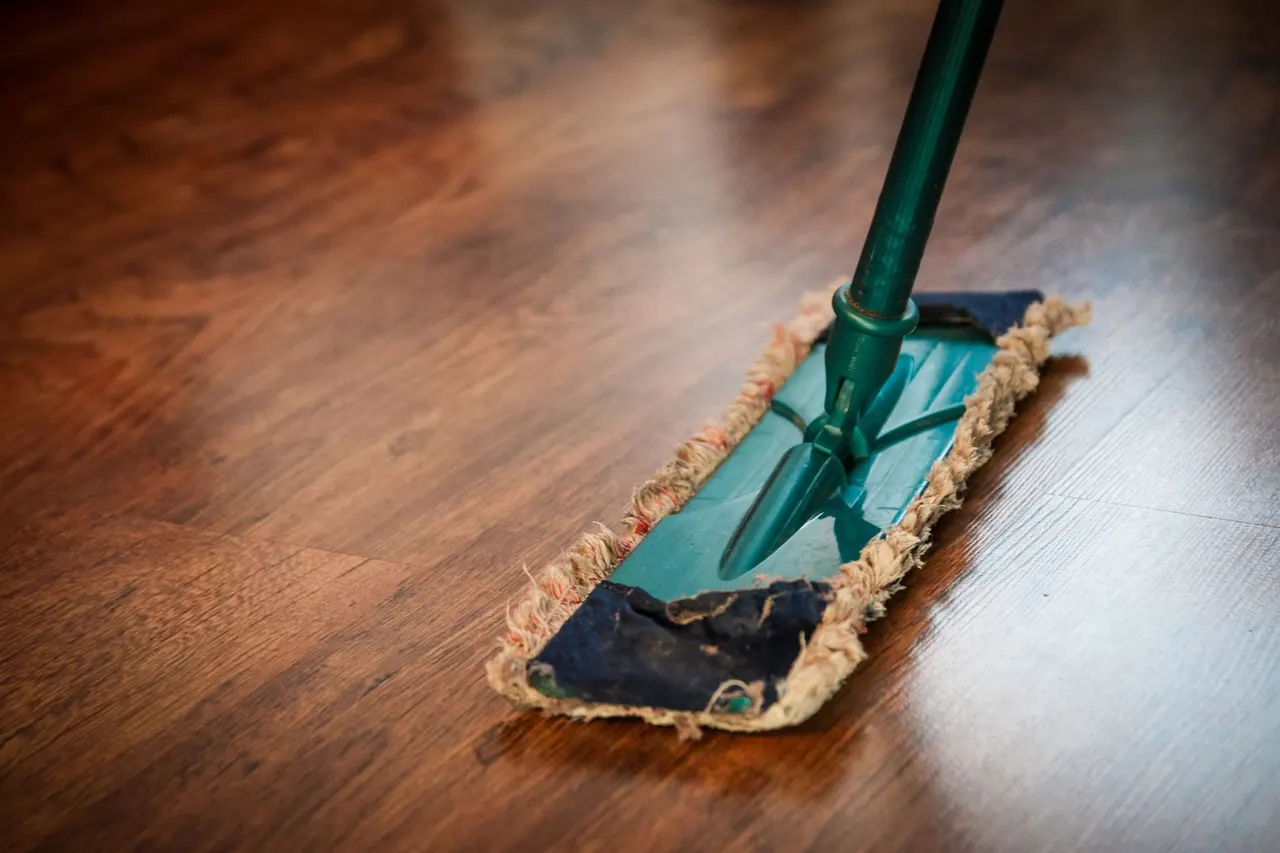
You smell a musty odor in the hallway but cannot find the source after weeks of searching.
We run a full moisture investigation with thermal imaging and a boroscope. We check the attic, crawl space, bathrooms, laundry room, and HVAC closet. Once we find the source, we contain the area and remove the growth.
Outcome: You get a clear answer about what was causing the smell and a fixed area that no longer produces odor. Most jobs like this are complete in one to two days.
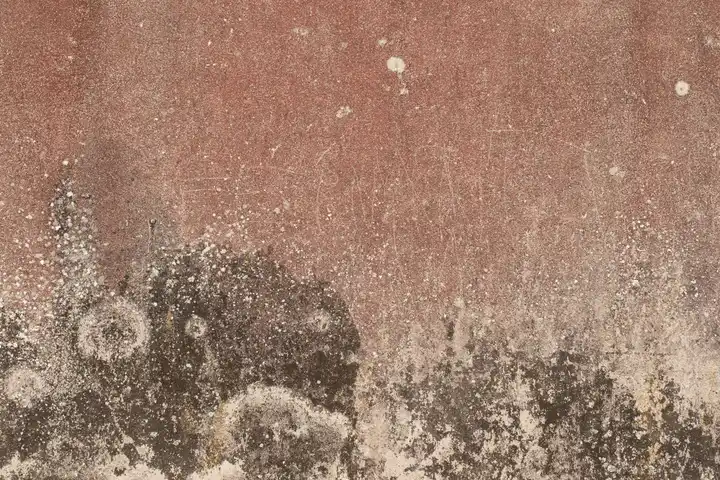
Your swamp cooler was running all summer and now the house smells musty every time you turn it on.
We inspect the cooler unit, the ductwork, and the rooms it serves. We remove mold from the cooler housing and pads, treat the surfaces, and clean the ducts if needed. We also advise on pad replacement and end-of-season shutdown.
Outcome: The cooler runs without pushing musty air into the house. You know what to do at the end of next summer to prevent it from coming back.
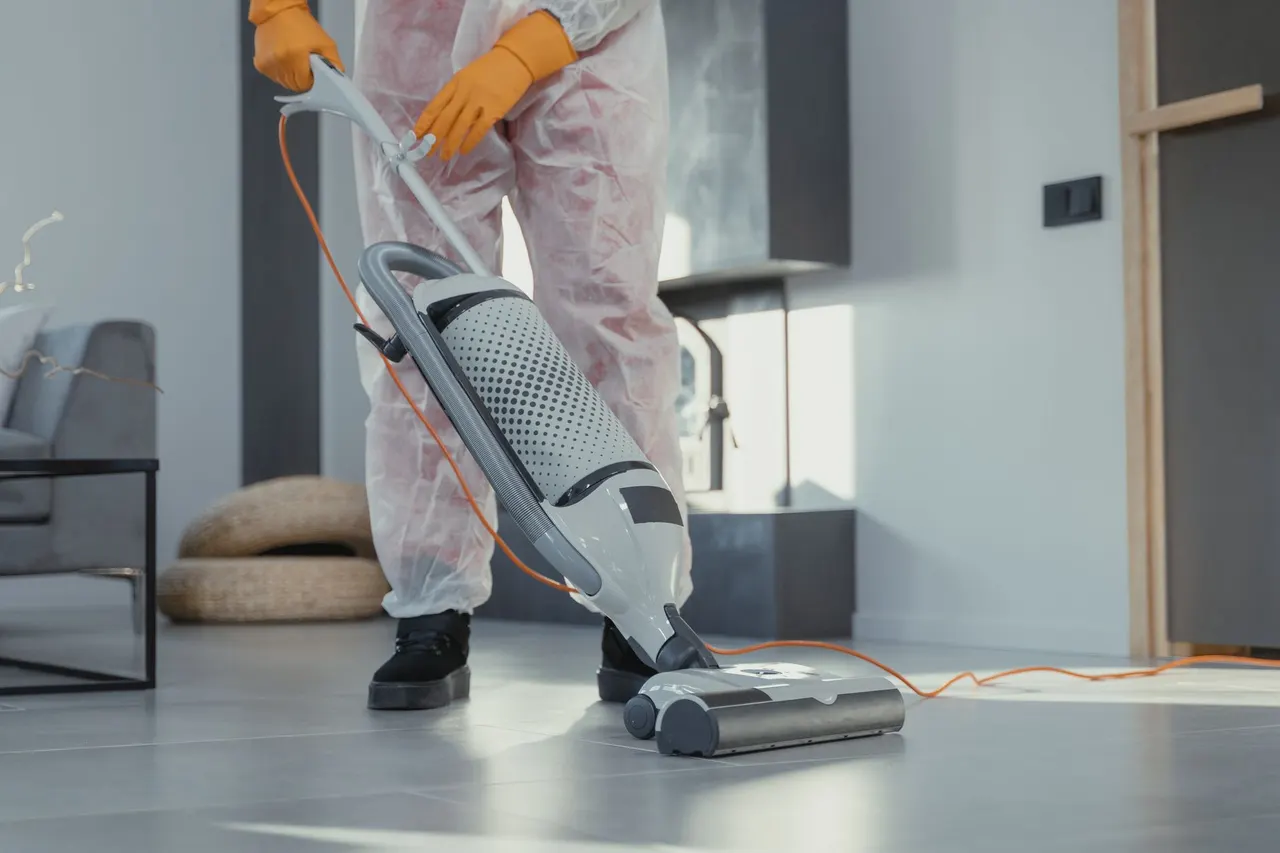
You had a water heater leak last month and now the utility closet smells musty.
We check the drywall, baseboards, and framing around the water heater. We remove any moldy materials, treat the framing with antimicrobial spray and encapsulant coating, and run an air scrubber. We also confirm the leak is fully repaired.
Outcome: The utility closet smells clean and the framing is protected. You have photos and a written summary for your records.
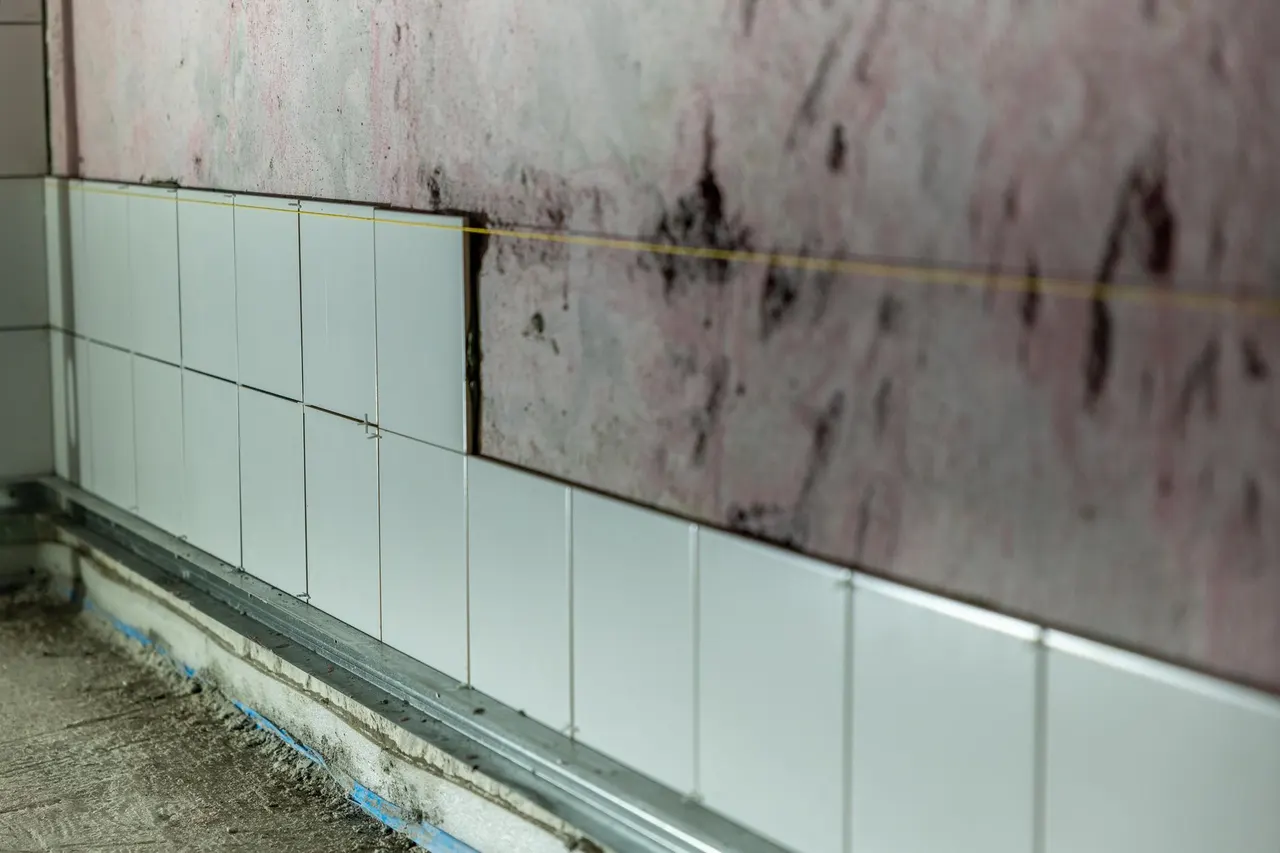
You are selling your Phoenix home and the buyer's inspector noted a musty smell in the attic.
We inspect the attic for mold growth on the roof sheathing and framing. We remove the growth, treat the wood, and document the work with photos. If ventilation is contributing to the moisture, we note that in our summary.
Outcome: You have documentation showing the attic was remediated. The buyer gets confidence, and the sale moves forward without a mold negotiation.
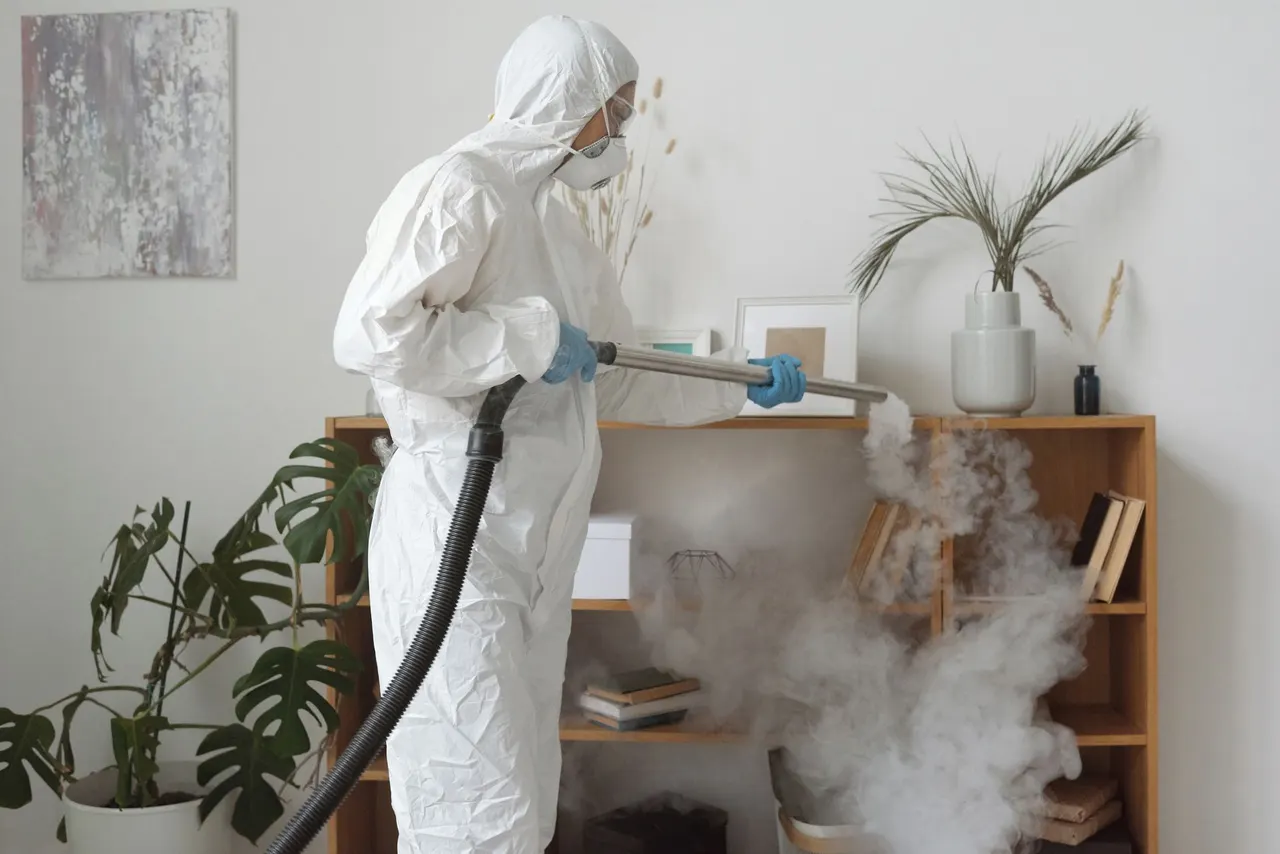
Your commercial space has a musty smell that customers notice when they walk in.
We inspect the HVAC system, ceiling tiles, and any water-damaged areas. We contain the work area, remove affected materials, treat the surfaces, and clean the HVAC components. We schedule around your business hours.
Outcome: Customers stop noticing the smell. Your space smells clean and your staff is not breathing mold spores all day.
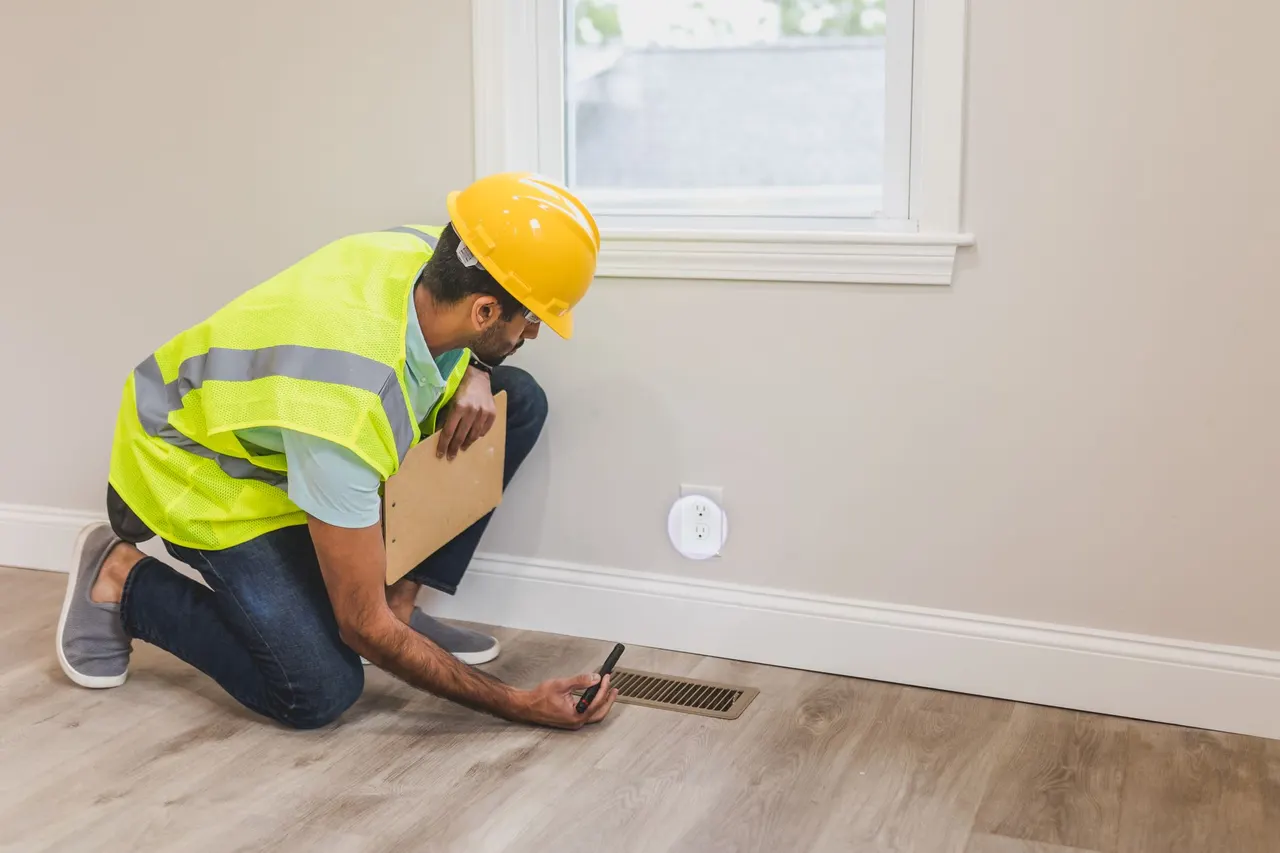
Phoenix has a dry climate, but that does not mean mold cannot grow here. It means the moisture sources are different. Slab leaks are common in older neighborhoods like Alhambra and Maryvale, where plumbing lines run under the foundation. Swamp coolers are still used in many homes, and a wet pad left in place through September grows mold that blows into living spaces.
Post-monsoon humidity pushes moisture into attics and crawl spaces, where it feeds growth on roof sheathing and framing. We also see HVAC mold from condensation issues and clogged drain pans. If you have a musty smell in the laundry room after a washer line drips, that is a typical call for us. We know how Phoenix buildings handle moisture, and we know where to look first.
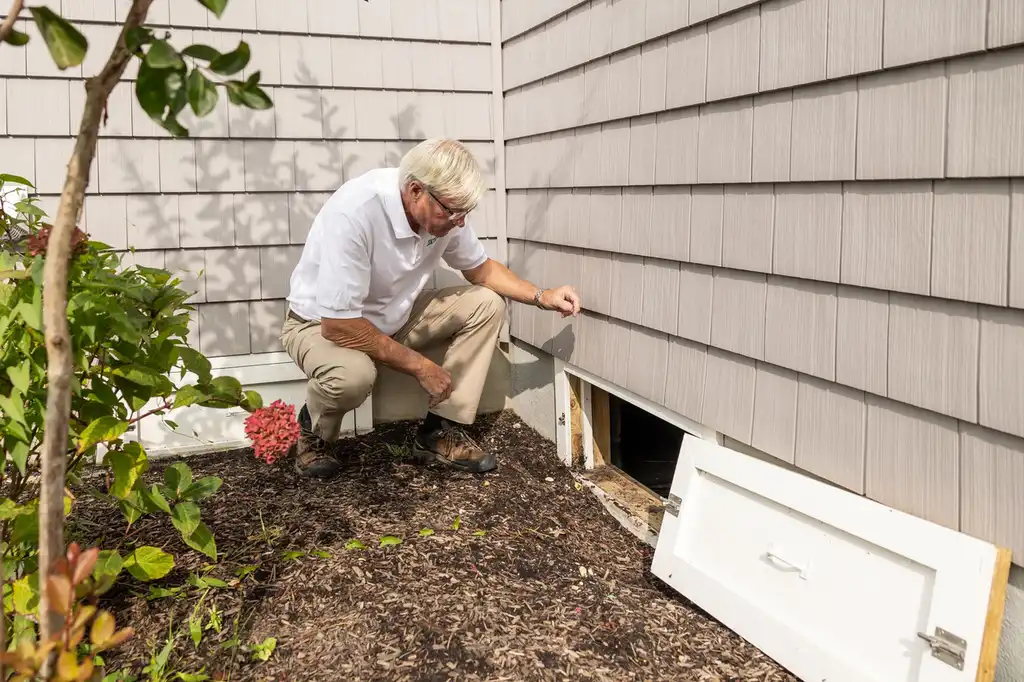
Before: A homeowner in Midtown Phoenix noticed a musty smell in the hallway for weeks. The baseboards were slightly swollen but there was no visible mold. A moisture meter and thermal camera traced the issue to a slab leak under the tile. Mold had grown behind the drywall along a 12-foot section of the hallway wall.
After: We removed the affected drywall and baseboards, treated the framing with antimicrobial spray and encapsulant coating, and ran an air scrubber for 24 hours. The homeowner coordinated with a plumber to repair the slab leak. Post-remediation moisture readings were normal. The smell was gone within two days.
The homeowner checks the hallway baseboards monthly for swelling or discoloration. Any sign of moisture means calling a plumber before mold has a chance to grow again.
Before: A family in Sunnyslope ran their swamp cooler all summer. By September, the house smelled musty every time the cooler turned on. The cooler pad had not been replaced in two seasons, and mold was growing on the pad and inside the cooler housing. The ductwork had visible mold growth near the registers.
After: We removed the moldy pad and cleaned the cooler housing with antimicrobial spray. We HEPA vacuumed the ductwork and treated the registers. The cooler was reassembled with a new pad. The family ran the cooler for a week after treatment with no musty odor. Air quality in the living room improved noticeably.
Replace the swamp cooler pad at the start of every cooling season and shut the unit down properly in the fall. Keep the water tray dry when the cooler is not in use.
Before: After a heavy monsoon season, a North Phoenix homeowner noticed a musty smell in the upstairs bedrooms. The attic had no visible leaks, but humidity had been high for weeks. Inspection found mold growth on the roof sheathing and several framing members. The attic ventilation was inadequate for the home's size.
After: We removed the mold from the sheathing and framing, treated the wood with an encapsulant coating, and ran an air scrubber in the attic. We also recommended additional ventilation to reduce future moisture. Post-treatment moisture readings were normal. The upstairs bedrooms no longer smelled musty.
The homeowner checks the attic after every monsoon season for signs of moisture or discoloration. Improving ventilation is the long-term fix to keep humidity from building up again.
A musty smell is a symptom. These are the underlying problems we find most often when we trace mold odor in Phoenix homes.
Clean air and a source that is fixed, not just covered up.
We use a moisture meter and thermal imaging camera to pinpoint where the water is coming from. In a typical Phoenix home, that takes 45 to 90 minutes. Once we know the source, we can tell you whether it is a plumbing issue, a roof leak, or an HVAC problem, and we fix the mold side of it.
After remediation, we run an air scrubber with HEPA filters and a negative air machine to pull spores and odor particles out of the room. Most customers notice the difference within 24 hours. If the smell was in your bedroom, you can sleep in there again without waking up congested.
Mold does not stop at the surface. It eats drywall paper, rots framing, and destroys insulation. Catching it when you first smell it saves thousands in structural repairs. We document everything with photos so you can see exactly what was affected and what we removed.
We apply an encapsulant coating to framing and structural surfaces after treatment. That coating keeps moisture from feeding new growth. We also tell you what to watch for, like a musty smell in the laundry room after a washer line drips, so you can catch the next issue before it becomes a job.
Clear records you can keep and share.
Before, during, and after images
Readings taken before and after
Written record of work performed
What to watch for going forward
The smell comes from gases released by mold as it digests building materials. If you smell it, moisture is present.
Growth on visible surfaces like drywall or tile
Growth inside walls, attics, or crawl spaces
Growth inside air handler or ductwork
A list like this tells people straight away whether you cover their street. Not listed? Call and ask: it only takes a minute.
Based in Phoenix and covering the places around it. Pick one for local details.
Phoenix homes smell musty because moisture is trapped somewhere it should not be. Common sources include slab leaks under tile, swamp cooler pads that stay wet, HVAC condensation lines, and post-monsoon humidity in attics. The smell is microbial volatile organic compounds released by mold growth. We trace the moisture with a meter and thermal camera, then fix the mold side of the problem.
We remove the mold growth, treat the surfaces with antimicrobial spray and an encapsulant coating, then run an air scrubber and fogger to neutralize the odor compounds. The process takes one to three days for most Phoenix homes. Masking the smell with deodorizer does not work because the source is still active. You have to remove the growth and correct the moisture.
Yes. Most mold odor calls we run in Phoenix involve growth hidden behind drywall, under carpet, inside HVAC chases, or in the attic. You smell it before you see it because the gases travel through the air. A boroscope and thermal imaging camera let us find it without tearing the house apart. We confirm with a moisture meter before we recommend any removal.
Yes, if the moisture source is corrected and the affected materials are properly removed and treated. We verify with a moisture meter and a walkthrough before we call the job done. If the source was a slab leak or a roof leak, that repair needs to happen too. We can coordinate with your plumber or roofer to make sure it does.
Other services from the same team.
If your house smells musty and you cannot find the source, we can trace it. Same-day inspections are available for most Phoenix neighborhoods. Call us and we will schedule a technician to check the moisture, find the growth, and give you a clear plan. No guesswork, no pressure.
Call 1234567890 or email info@azmoldremoval.com and we will get you on the schedule. We answer the phone during business hours, and if you leave a message after hours we call back the next morning. Tell us what you are seeing, smelling or feeling, and we will tell you what the next step looks like.