For homes
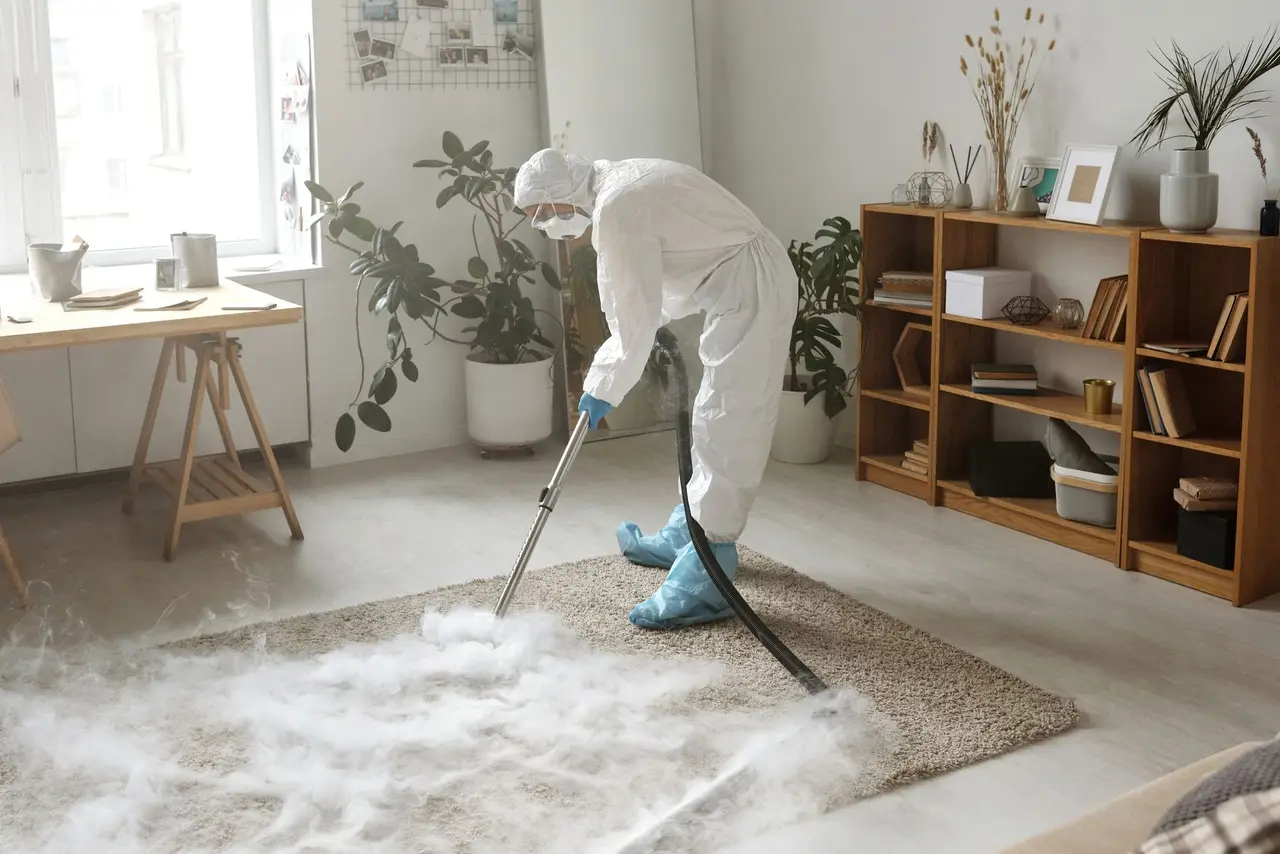
We work in occupied homes and protect your floors and furniture. You get a clean room and a clear explanation of what caused the mold.
- Shower caulk and grout mold
- Vanity leak and soft cabinet
- Ceiling mold above shower
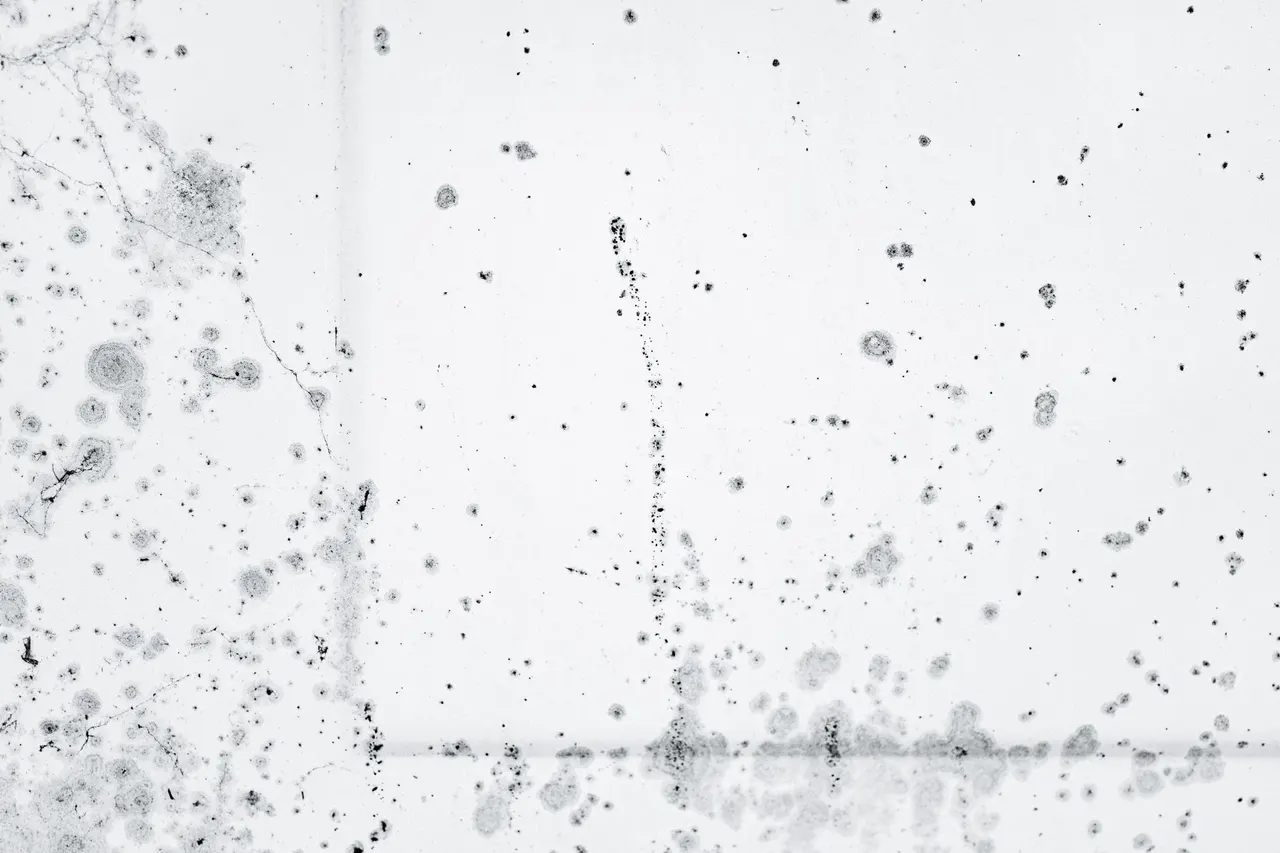
Bathroom Mold Removal in Phoenix means finding the moisture feeding the growth, not scrubbing the surface and hoping. We handle shower mold removal in Phoenix for homeowners, renters, and property managers across Maricopa County, from Midtown condos to Anthem rentals. If you smell that musty odor or see black speckling along the caulk line, call us before it spreads into the wall cavity.
 Moisture meter checkContainment setupHEPA vacuuming
Every bathroom job includes inspection, containment, removal, treatment, and a written summary. Rebuild and repair are included when we remove drywall or tile. Lab testing and clearance testing are add-ons if you need them for insurance or a landlord.
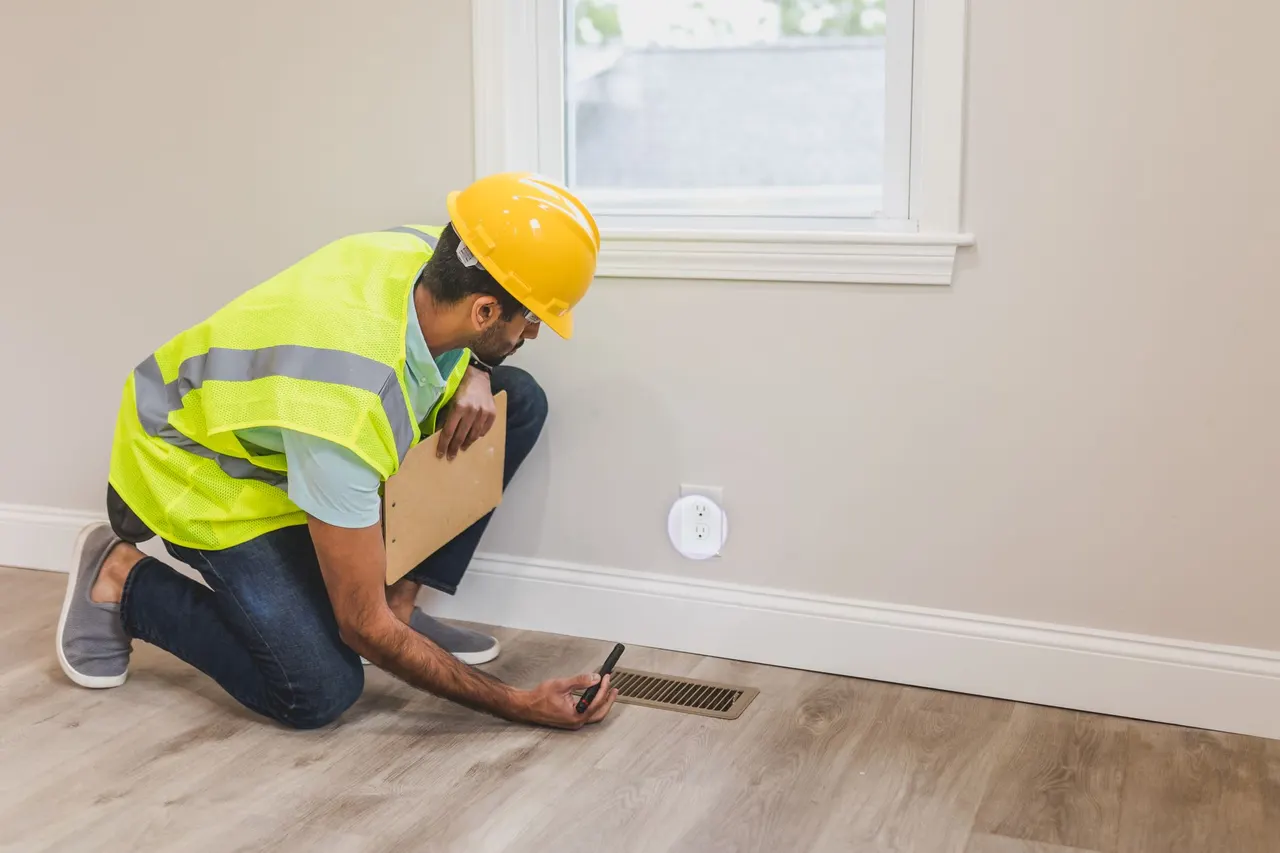
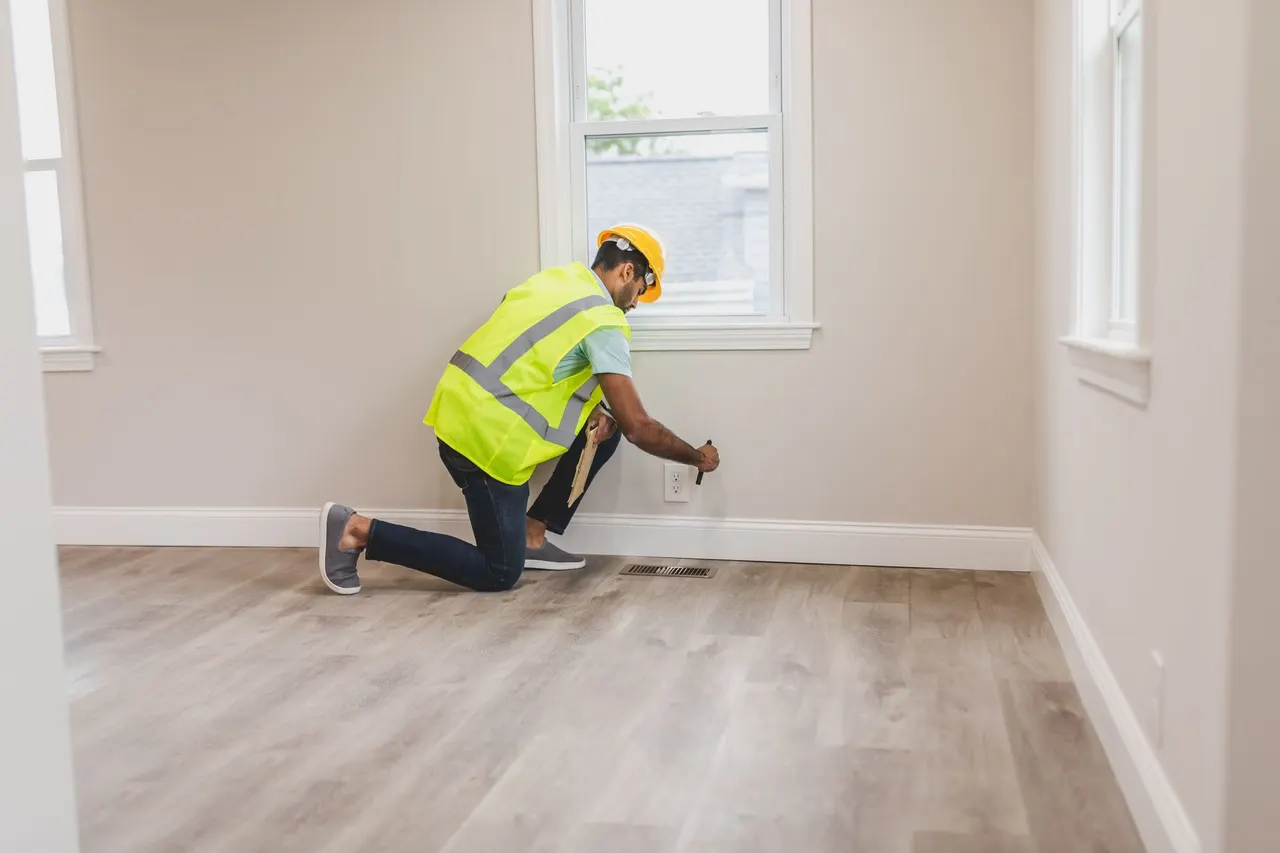
We use a moisture meter, thermal imaging camera, and boroscope to find the extent of the moisture. This tells us whether the problem is surface-level or inside the wall. You get a verbal explanation on site and a written summary afterward.
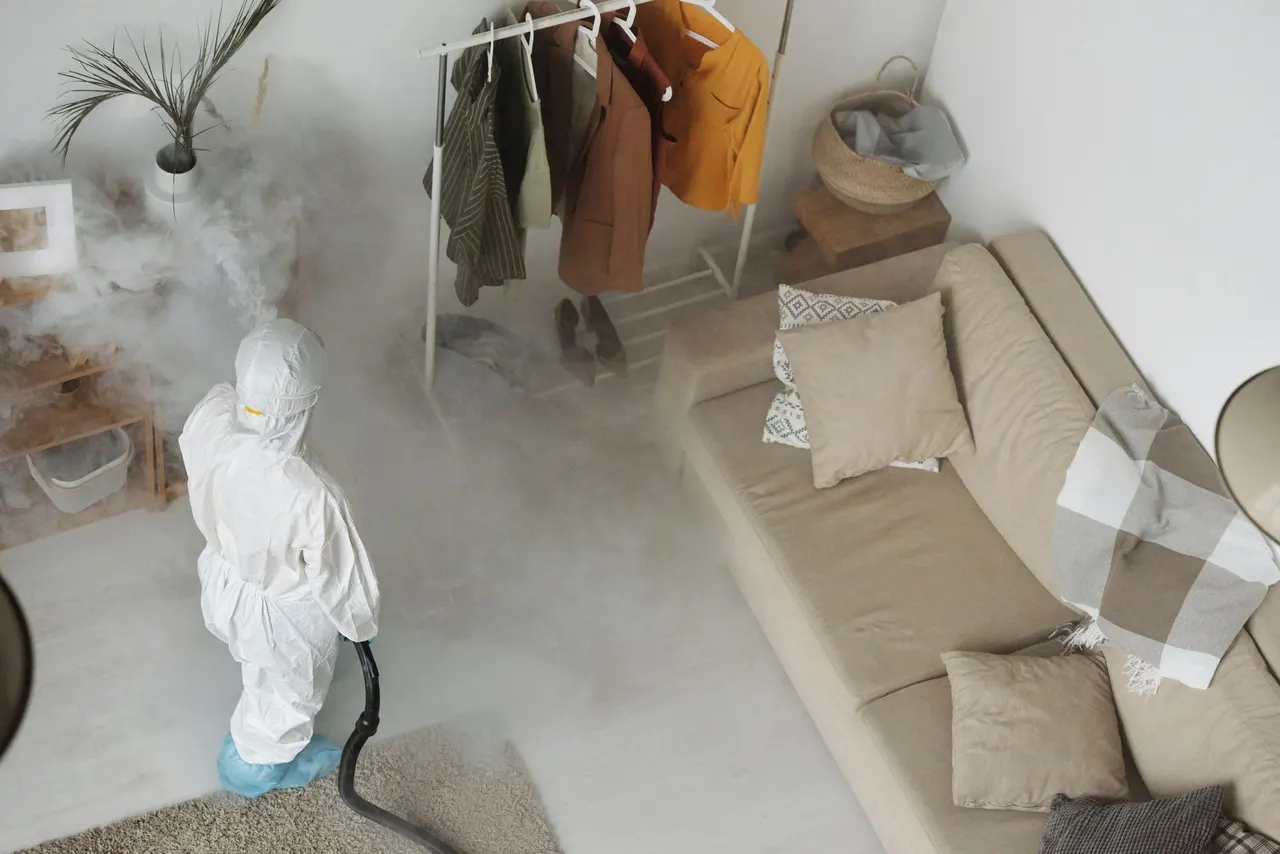
We seal the doorway with poly sheeting and run a negative air machine with HEPA filters. This keeps spores from spreading to the rest of your home. We also cover the vanity, floor, and any adjacent surfaces before removal begins.
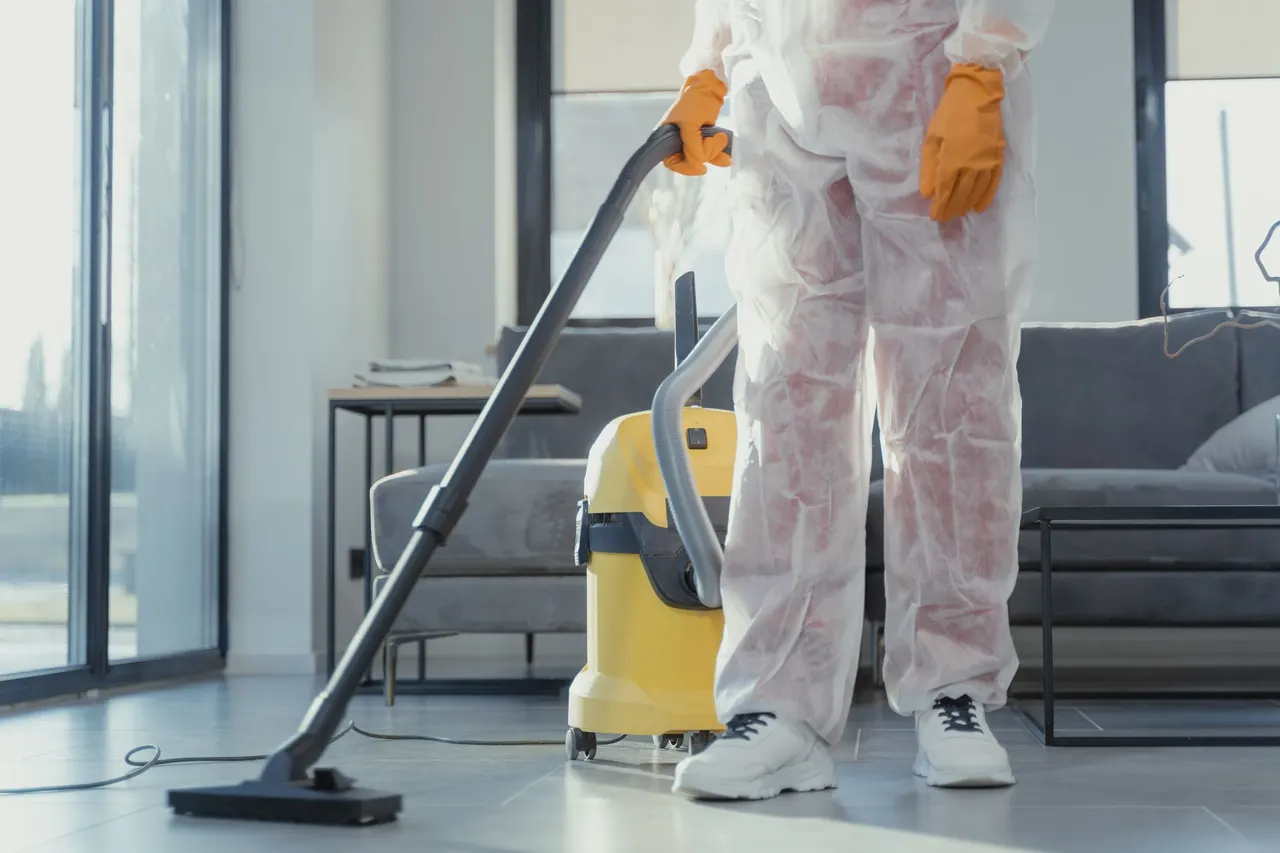
We remove mold-damaged drywall, caulk, and grout, then HEPA vacuum all surfaces. Porous materials go into sealed bags and out of your home. We do not leave debris in the driveway or the garage.
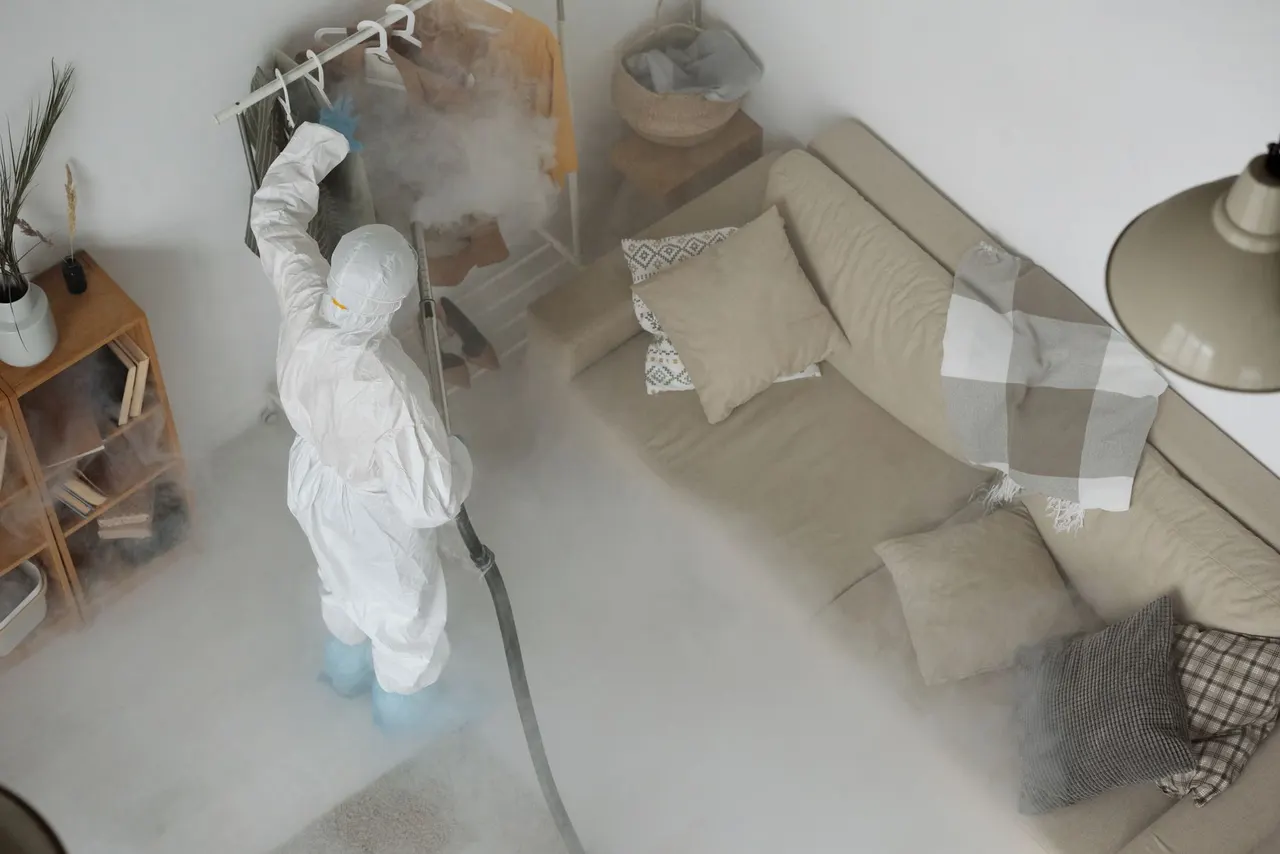
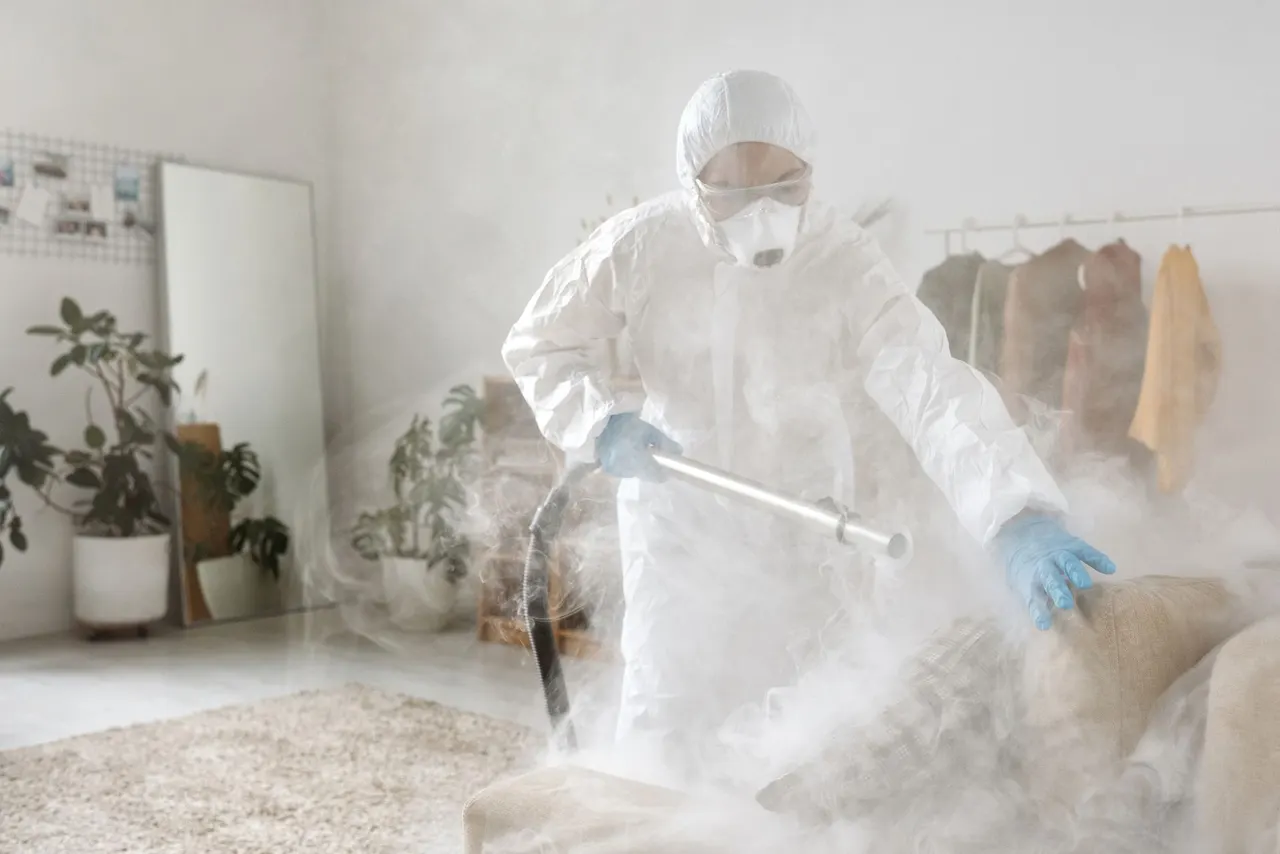
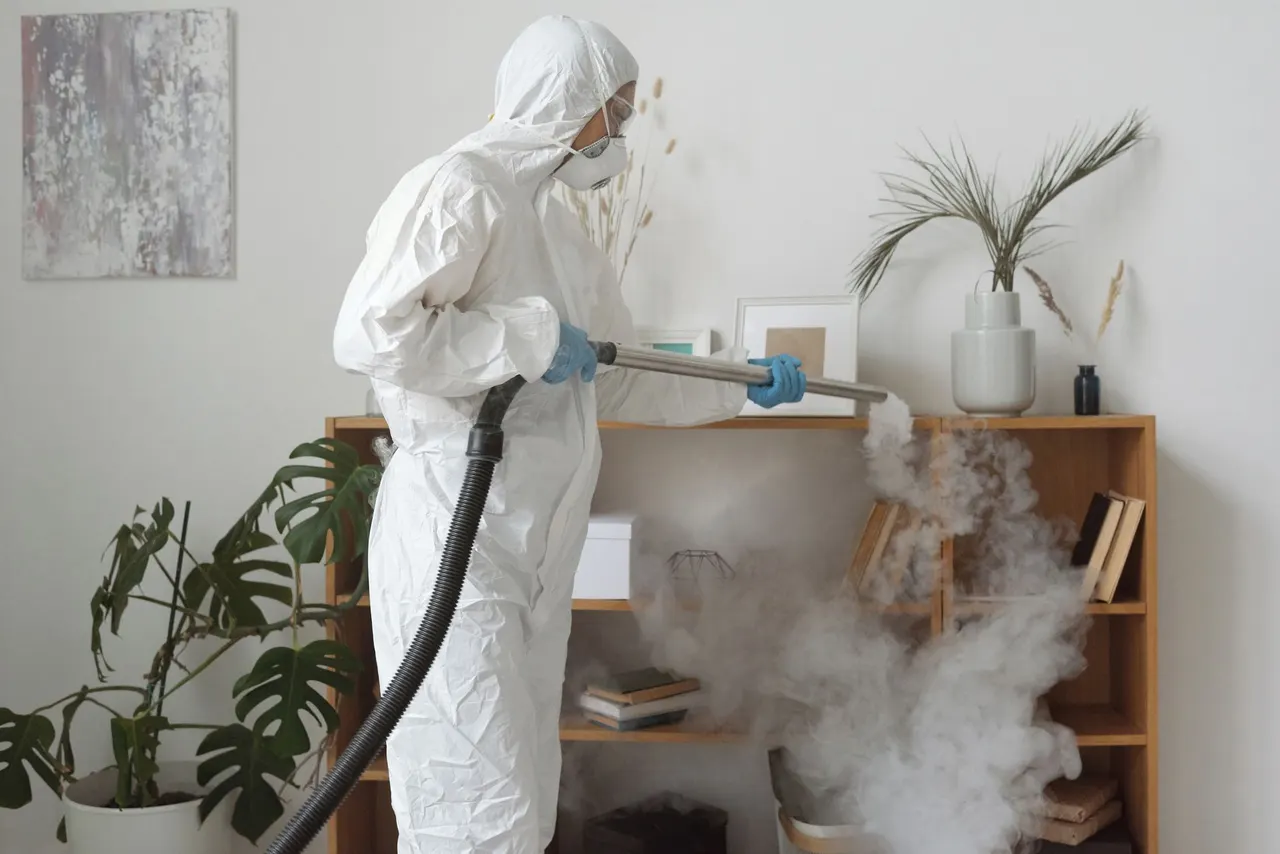
Framing, tile, and structural wood get treated with an antimicrobial spray. Where needed, we apply an encapsulant coating to seal the wood. A fogger reaches into corners and voids that hand-wiping cannot.
We hang mold-resistant drywall, tape, texture, and paint. Tile gets re-set, grout gets sealed, and caulk lines get redone with mold-resistant silicone. The room is left ready to use, not left open for another contractor.
You get before-and-after photos, moisture readings, and a summary of what we removed and why. If you need it for an insurance claim or a landlord, we can format it for that. Clearance testing is available on request.
The approach is the same for a home and a business. What changes is the access, the schedule and who needs the paperwork.
We work in occupied homes and protect your floors and furniture. You get a clean room and a clear explanation of what caused the mold.
Restaurants, gyms, and offices need bathrooms back in service fast. We work after hours when needed and provide documentation for your records.
A plain-language look at what Bathroom Mold Removal involves and when it is needed.
See how it worksBathroom Mold Removal in Phoenix is the process of containing, removing, and treating fungal growth in a bathroom, then fixing the moisture source that caused it. We do not paint over it or fog it and leave. We set a containment barrier, run a negative air machine with HEPA filtration, and pull the growth off tile, grout, drywall, and framing. A moisture meter and thermal imaging camera tell us how far the water traveled, and a boroscope lets us look inside the wall without tearing the whole room apart.
Phoenix bathrooms grow mold differently than most people expect. Our summer monsoon pushes indoor humidity past 60 percent for weeks, and a bathroom with a weak exhaust fan turns into a petri dish. Add a slow supply-line drip under the vanity or a shower pan that never fully dries, and you get black mold growth behind the tile. We see this constantly in Midtown Phoenix and Alhambra, where older homes still have original 1970s plumbing and cast-iron drains.
Bathroom mold removal fixes the moisture source, not just the visible growth.
Five steps, start to finish. Most single-bathroom jobs take one to two days. Larger tear-outs with wall or ceiling damage run three to four.
We walk the bathroom with you, then run a moisture meter and thermal imaging camera across the walls, floor, and ceiling. A boroscope goes into the wall cavity through an outlet or light switch. If you want lab confirmation of the species, we take an air sample and a surface swab. This takes 45 to 90 minutes.
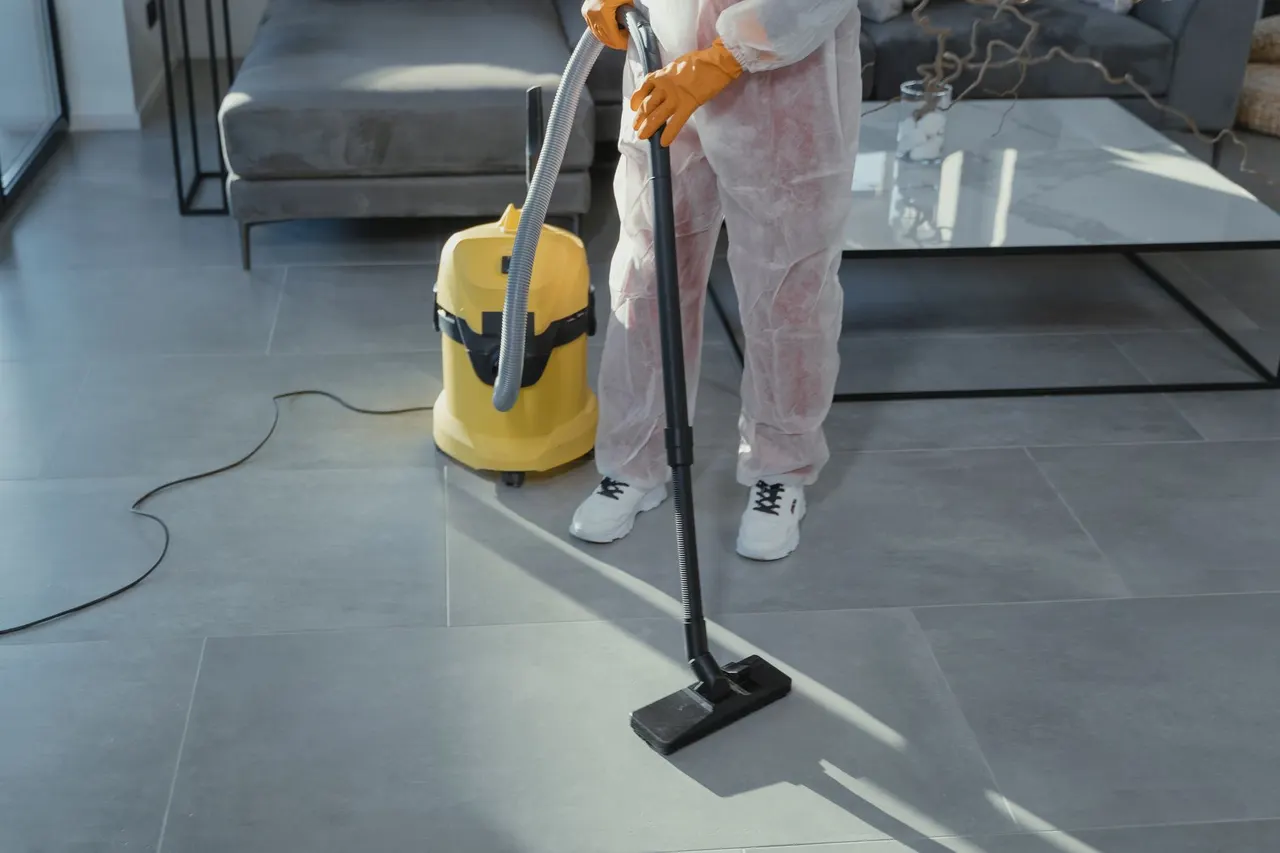
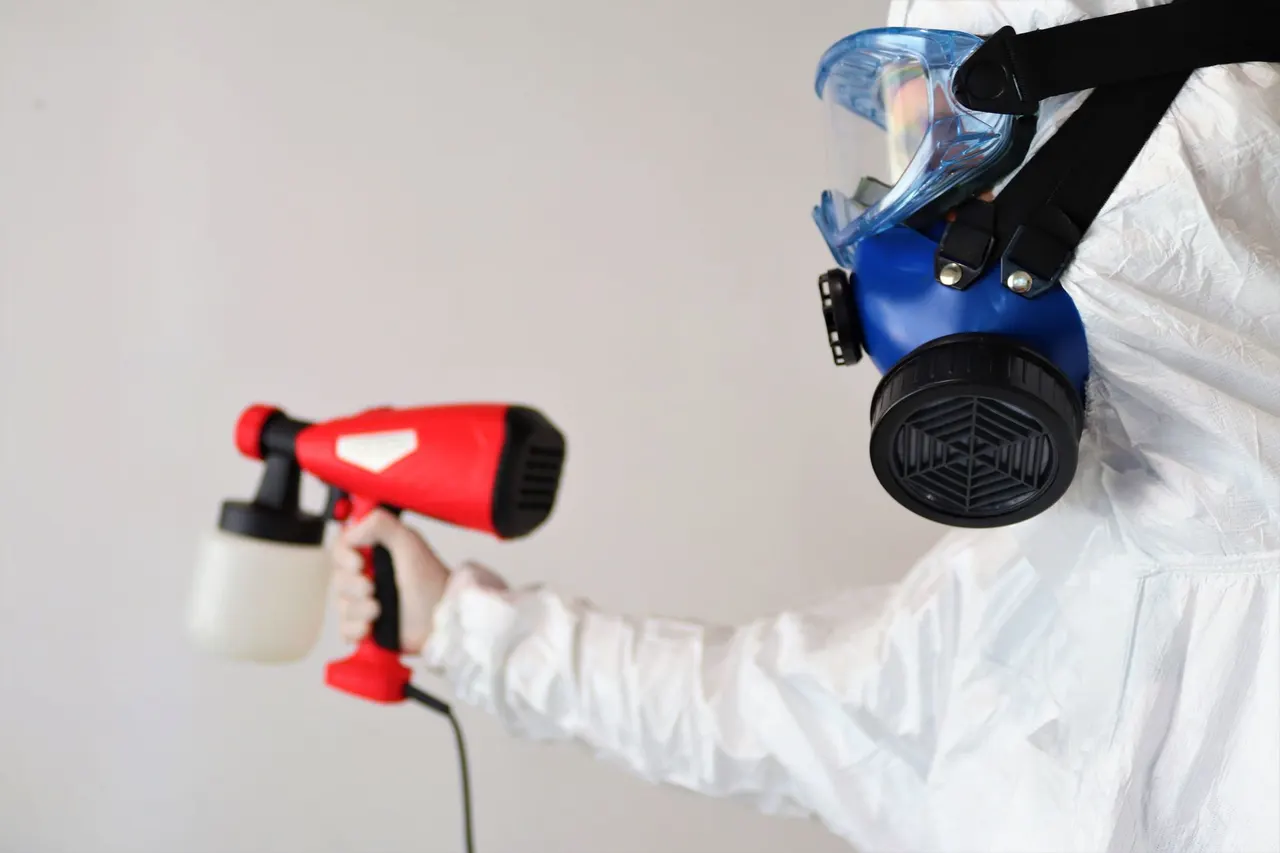
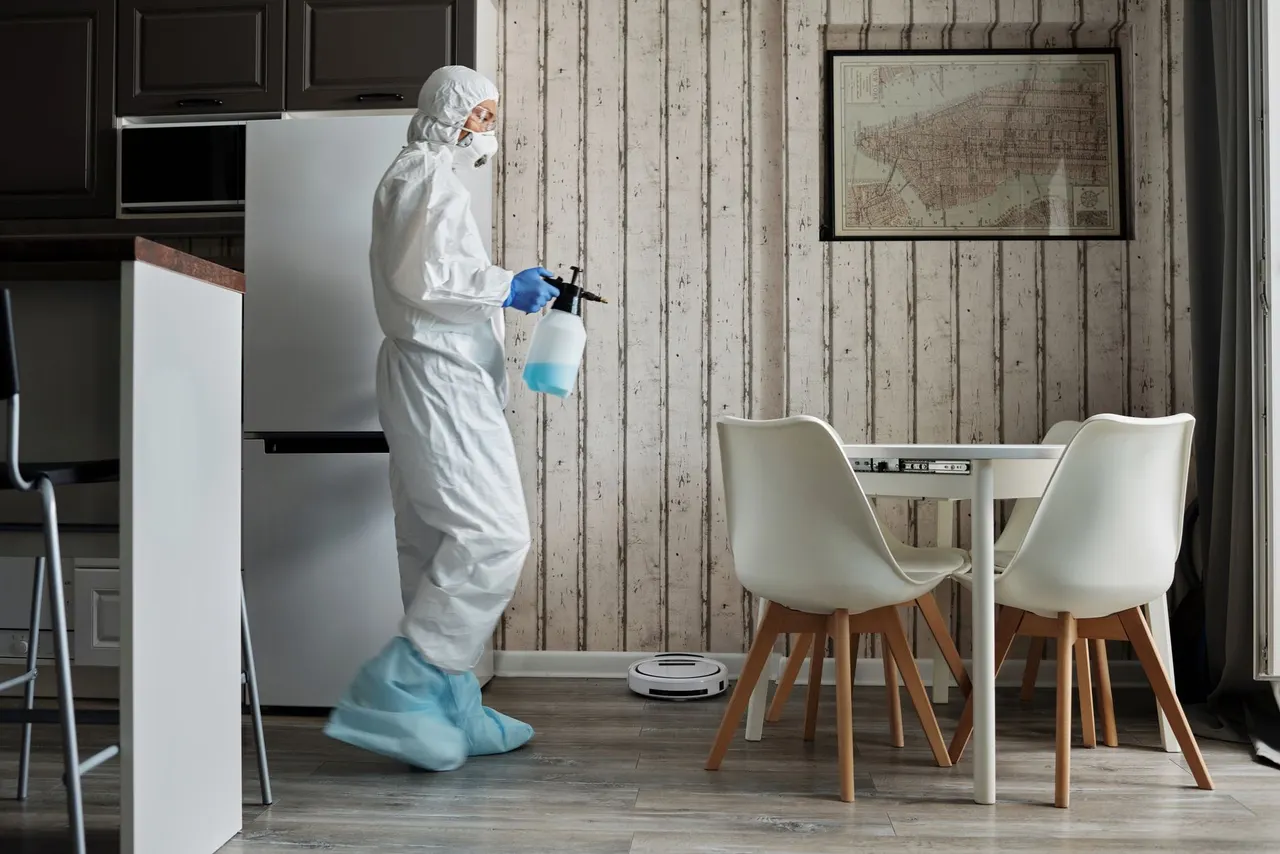
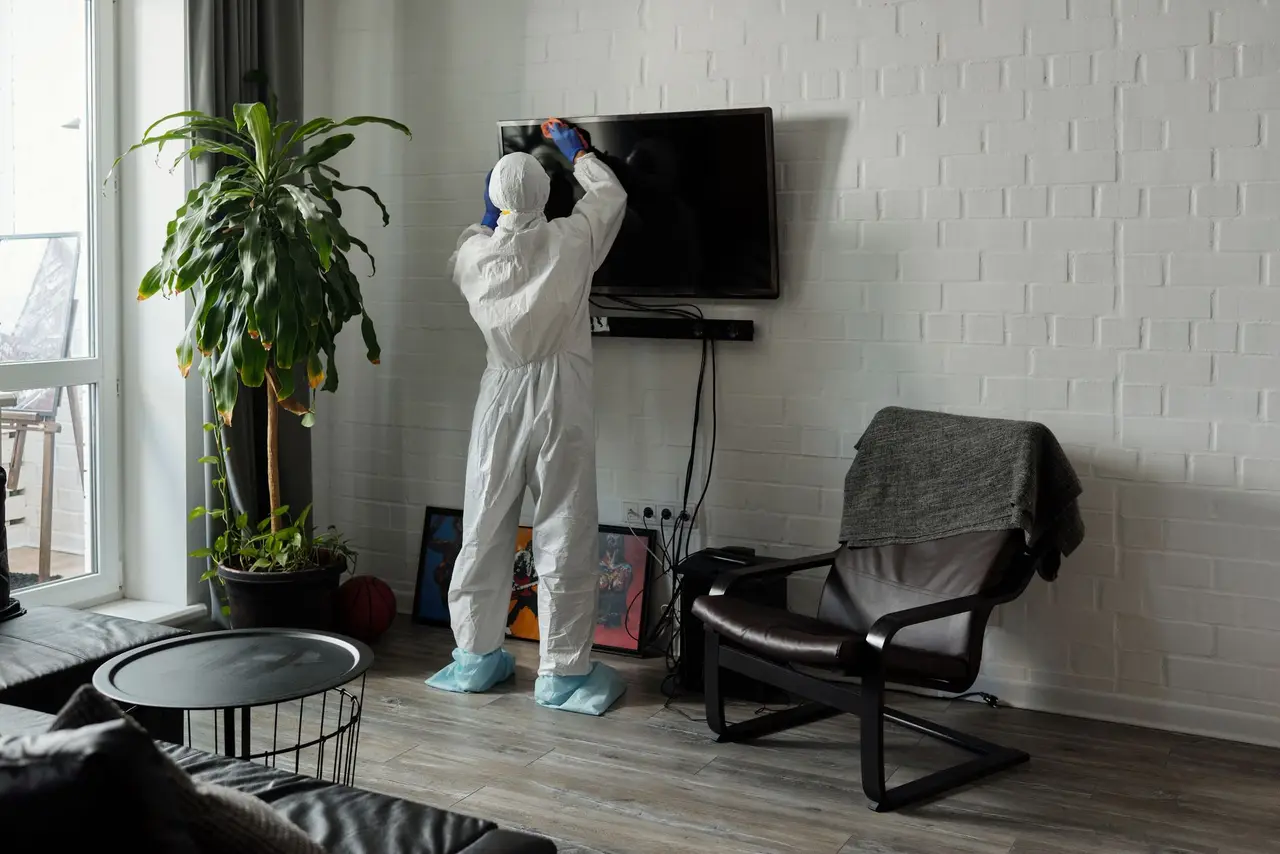
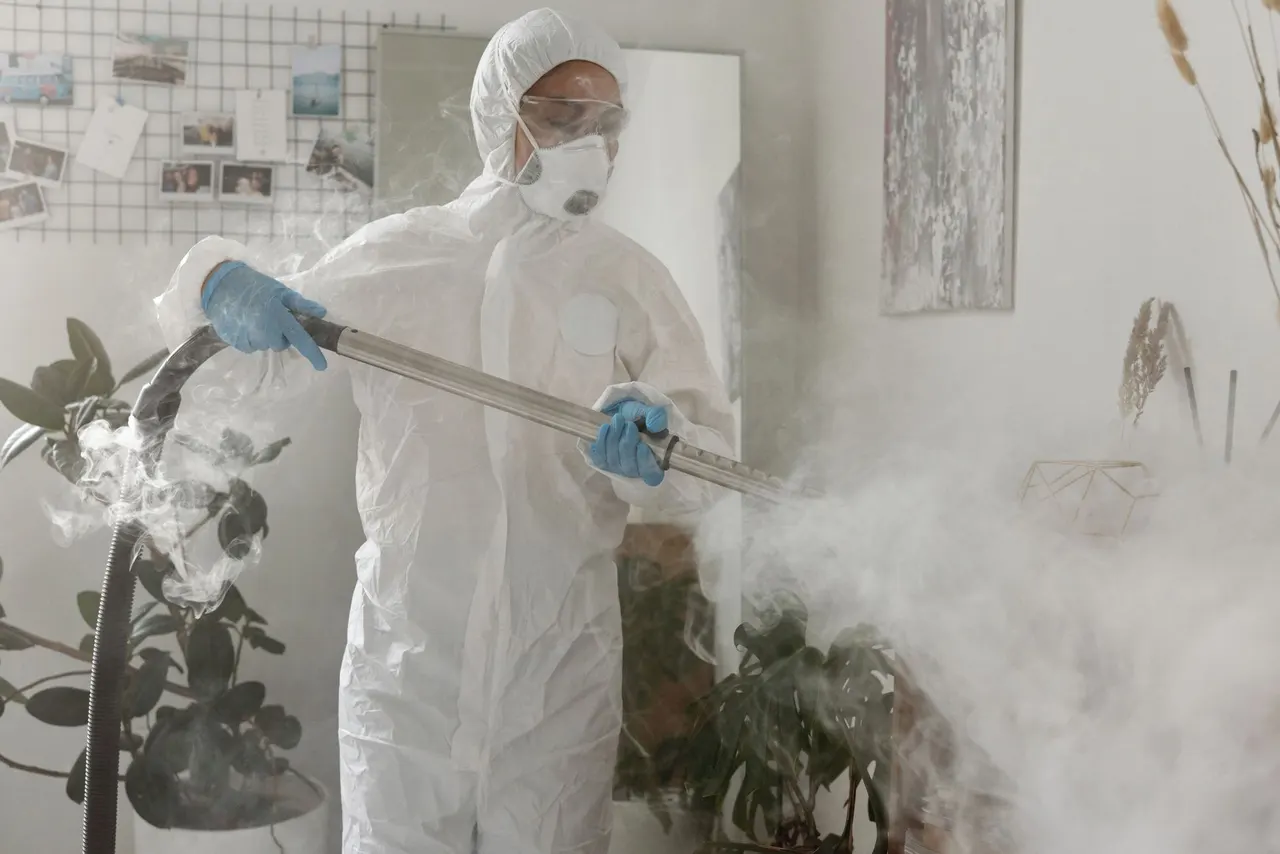
We tape a containment barrier across the doorway and cover the vanity and floor with poly sheeting. A negative air machine with HEPA filters pulls air out of the room and exhausts it outside. Technicians suit up in PPE coveralls and N95 respirators before any removal starts.
We remove mold-damaged drywall, caulk, and grout, then HEPA vacuum every surface. Porous materials come out; they cannot be cleaned. We treat framing and tile with an antimicrobial spray, then apply an encapsulant coating on structural wood where needed. A fogger reaches into corners a rag cannot.
We hang mold-resistant drywall, tape, texture, and paint to match. Tile gets re-set, grout gets sealed, and caulk lines get redone with mold-resistant silicone. If the exhaust fan was undersized, we can swap it for a higher-CFM unit. Most rebuilds finish in one day.
We run a final moisture reading to confirm everything is dry, then do a visual inspection of the whole room. You get photos of the before and after, plus a written summary of what we removed and what to watch. If you want a clearance test, we schedule it 24 to 48 hours later.
Move across a circle, or focus it and press Enter, for an illustrative thermal view of the photograph.
Reads moisture content in drywall, wood, and tile backer. It tells us how far the water traveled and whether the wall needs to come out.
Shows temperature differences behind walls and under floors. We use it to find hidden moisture without tearing into every surface.
A small camera on a flexible cable. We feed it through an outlet or light switch to look inside the wall cavity before we cut.
Pulls air out of the contained bathroom and exhausts it outside. It keeps spores from drifting into the rest of your home during removal.
Captures fine particles and spores from surfaces before and after removal. We vacuum every surface inside containment before we take down the plastic.
Thermal views are illustrative, generated from the photographs.
Runs continuously during the job to filter airborne particles. We use Abatement Technologies units with HEPA filters on most bathroom jobs.
Applies antimicrobial treatment into corners, voids, and behind trim where a rag cannot reach. It is a supplement to hand treatment, not a replacement.
This is the industry standard for mold work. It covers containment, removal, cleaning, and verification. We follow it on every bathroom job, whether the affected area is 10 square feet or 100.
We seal the work area with poly sheeting and duct tape, then run a negative air machine. This creates a pressure difference that keeps air flowing into the containment, not out into your home.
After removal, we HEPA vacuum all surfaces, then apply an antimicrobial spray. On structural wood, we may apply an encapsulant coating to seal the surface. This is the step that stops regrowth.
We do not close up a wall until the moisture reading is back to normal. If the area is still wet, we run a dehumidifier or air mover until it is dry. That prevents mold from growing inside the new wall.
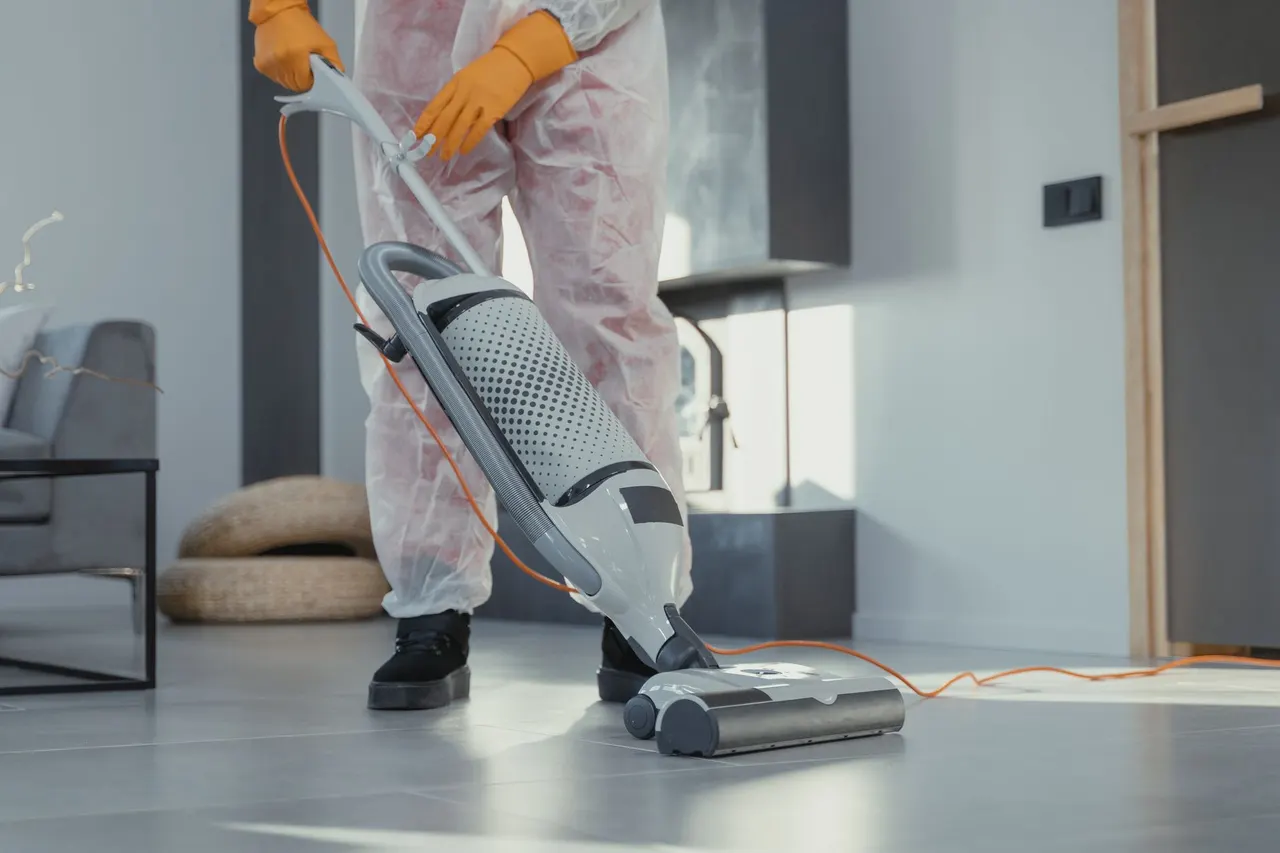
You see dark spots along the shower grout and caulk that keep coming back after cleaning.
We inspect with a moisture meter to see if the wall behind the tile is wet. If it is surface-level, we clean, treat, and re-seal the grout. If it is deeper, we remove the damaged material and rebuild.
Outcome: The mold stops returning, and you know whether the problem was cosmetic or structural.
A supply line under the vanity leaked, and now there is a musty smell in the bathroom.
We pull the vanity, remove the wet drywall and cabinet base, treat the framing, and dry the area with a dehumidifier. Then we rebuild and reinstall the vanity.
Outcome: The smell is gone, the leak is fixed, and the vanity sits on dry, treated material.
You are selling your Phoenix home and the buyer's inspector flagged mold in the bathroom.
We inspect, document the findings with photos and moisture readings, remove the mold, and provide a written report. If clearance testing is needed, we schedule it after the work is done.
Outcome: You get a clean report for the buyer and a bathroom that passes re-inspection.
Your rental property has a tenant complaining about mold in the shower, and you need it handled fast.
We coordinate with the tenant, contain the work area, and complete the removal and rebuild in one to two days. We send you photos and a summary for your records.
Outcome: The tenant stays happy, the unit stays rentable, and you have documentation for your file.
After a heavy monsoon season, you notice new mold growth on the bathroom ceiling and walls.
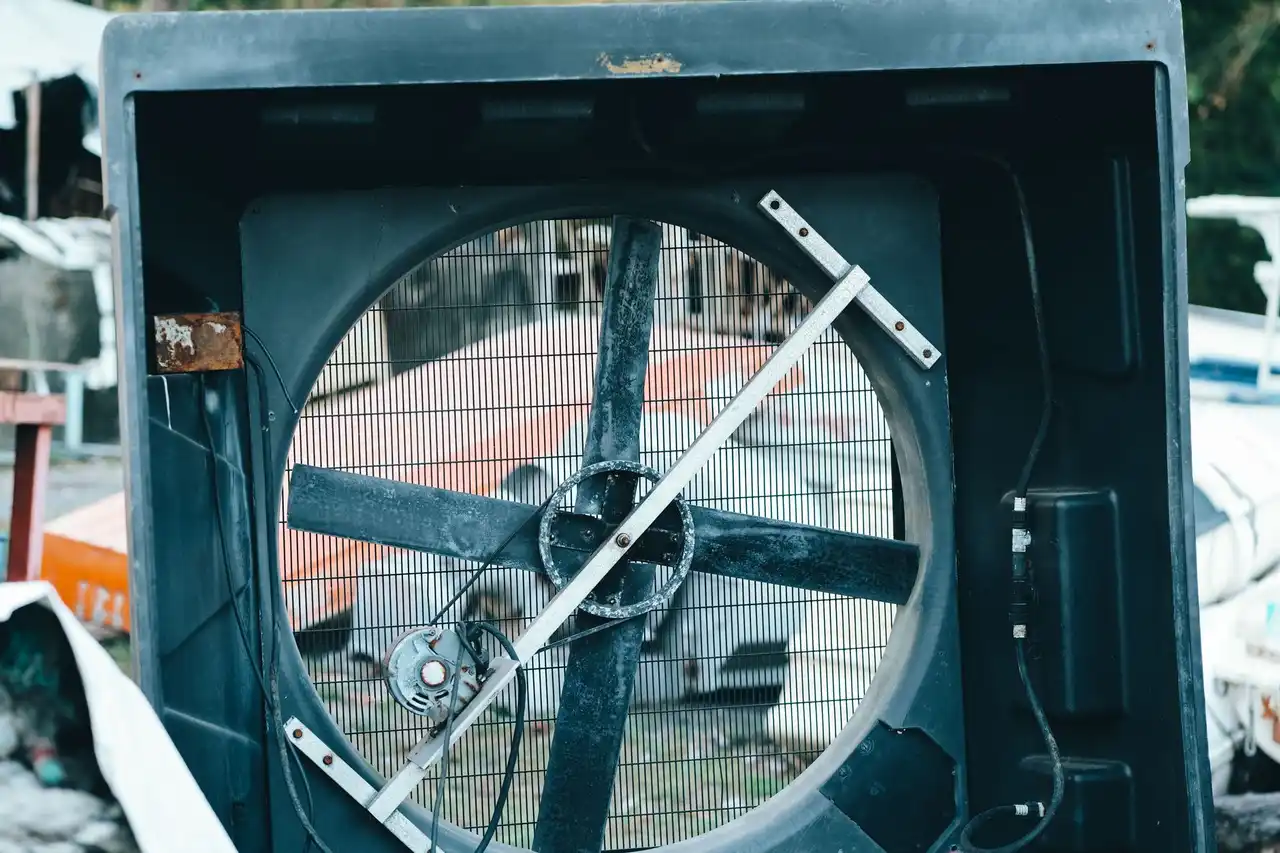
We treat the growth, check the exhaust fan and ventilation, and recommend a dehumidifier or fan upgrade. If the attic vent is the problem, we fix that too.
Outcome: The bathroom stays dry through the next monsoon, and the mold does not come back.

Phoenix has a dry climate, but that does not stop bathroom mold. Our monsoon season pushes humidity up for weeks, and older homes in Midtown and Alhambra often have undersized exhaust fans that vent into the attic instead of outside. In slab-on-grade ranch homes, a slow leak under the vanity can wick into the subfloor and spread without ever showing on the surface.
We see the same pattern in West Phoenix and Maryvale, where original plumbing is still in service. In newer builds in Norterra and Anthem, the issue is usually a shower pan that was not sealed correctly or a shared wall with a neighboring unit. We adjust our approach based on the build: boroscope and moisture meter first, then containment, removal, and rebuild.
If you need mold behind bathroom tile Phoenix homeowners can trust, we document everything and fix the cause. We also handle bathroom wall mold removal Phoenix AZ renters need for move-out inspections, and bathroom ceiling mold removal Phoenix landlords need after a tenant reports a leak.
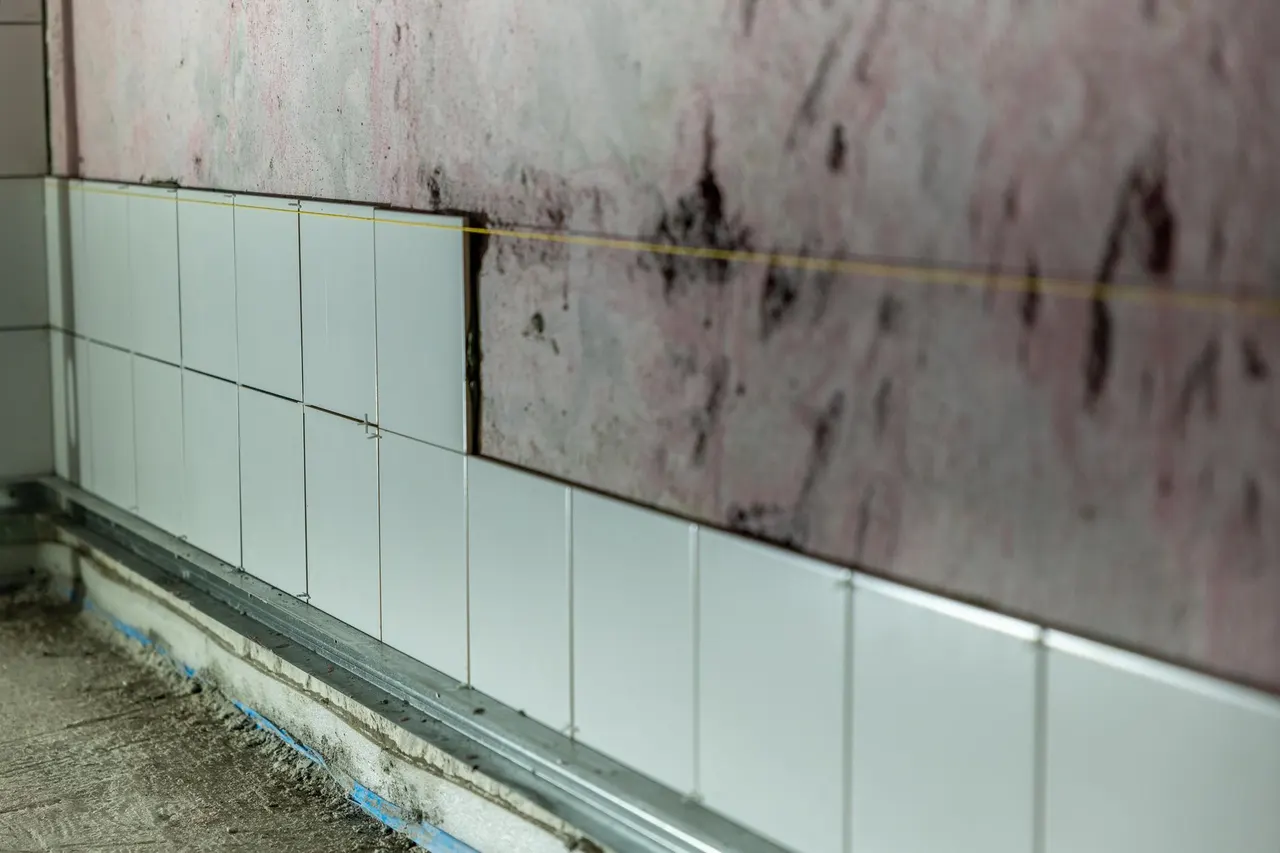
Before: A homeowner noticed black speckling along the shower caulk that kept returning after cleaning. The moisture meter showed the wall was wet 3 feet up. The drywall behind the tile was discolored and soft.
After: We removed the lower 4 feet of drywall, treated the framing, replaced it with mold-resistant drywall, re-set the tile, and re-caulked. The job took two days. Final moisture reading was normal.
Run the exhaust fan for 20 minutes after every shower and re-caulk the shower base every 12 to 18 months. Check for soft spots near the drain.
Before: A property manager reported a musty smell in a rental unit. The vanity base was swollen, and mold had grown on the back wall. The supply line had been dripping for months.
After: We pulled the vanity, removed the damaged drywall and cabinet base, treated the framing, and dried the area with a dehumidifier. The leak was fixed, and we rebuilt the wall and reinstalled the vanity in two days.
Check under the vanity monthly for drips or discoloration. Replace flexible supply lines every 5 to 7 years, even if they look fine.
Before: A homeowner saw dark spots spreading across the ceiling above the shower. The exhaust fan was undersized and vented into the attic, so steam had nowhere to go. The drywall was damp.
After: We removed the mold, treated the ceiling, and replaced the fan with a higher-CFM unit vented outside. The ceiling was repainted with a mold-resistant coating. The job took one day.
Run the fan during and after showers, and check the exterior vent flap twice a year to make sure it opens freely. Clean the fan grille every few months.
Most bathroom mold calls come down to one of a few causes. Here is what we see and how we fix it.
A dry, clean bathroom and a fix that stops the mold from returning.
A moisture meter and thermal imaging camera let us trace water behind the tile and under the vanity without demolition guesswork. In one Camelback Corridor condo, the visible mold was a 6-inch patch, but the meter showed saturation 4 feet up the shared wall. We found it in under an hour.
We seal the doorway with poly sheeting, run a negative air machine, and use HEPA vacuums on every surface before we remove a single tile. That keeps spores out of your bedroom and off your clothes. Air scrubbers run the whole time, and we verify with a particle count before we pull containment.
We replace mold-damaged drywall with mold-resistant drywall, re-grout, re-caulk, and match tile where we can. You get a bathroom that looks finished, not patched. Most single-wall repairs are done in one to two days, and we haul away every bag of debris.
Every job ends with a written walkthrough: what we found, what we removed, and what to fix so it does not return. We tell you straight, even when it means less work for us later.
Clear records you can keep and share.
Before and after photos of the work area
Readings taken before, during, and after
What we removed and what caused it
A copy of the agreed work scope
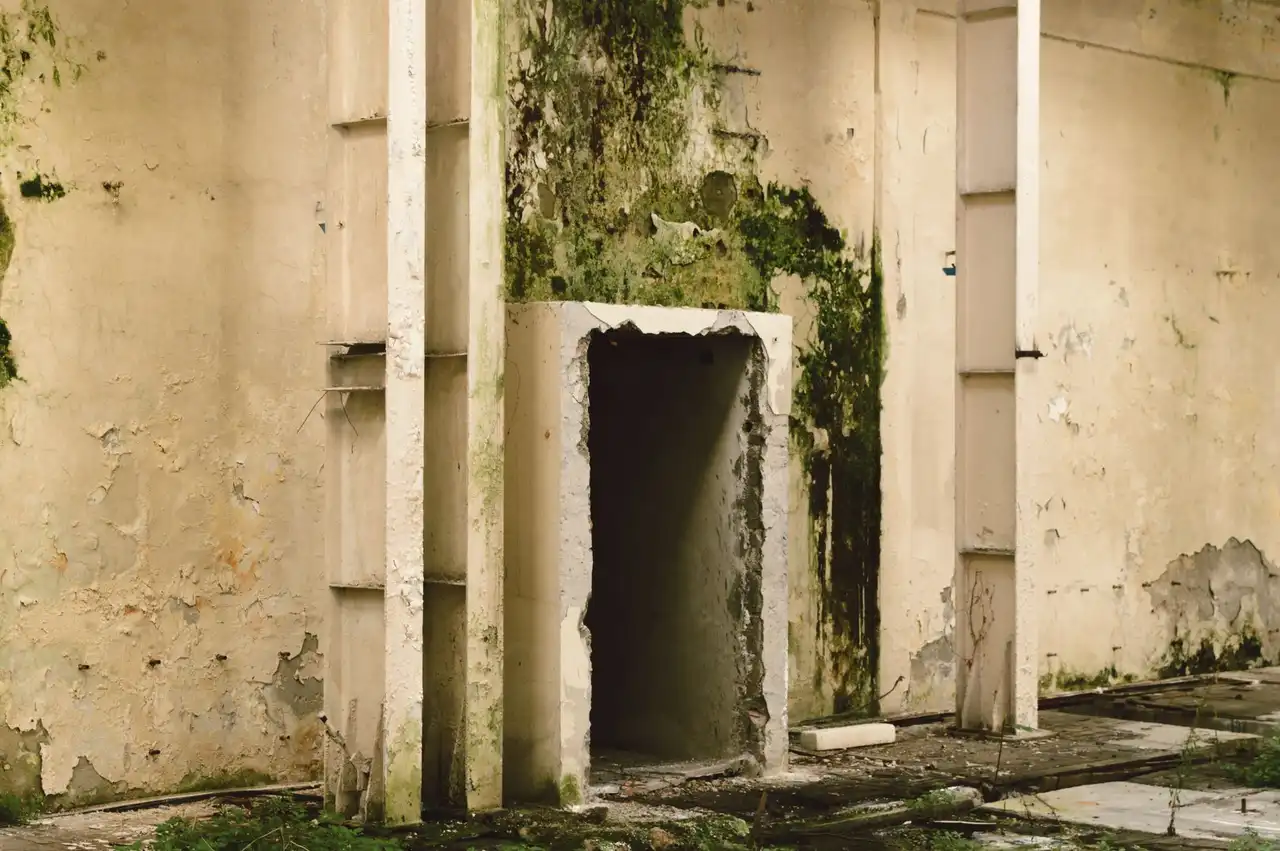
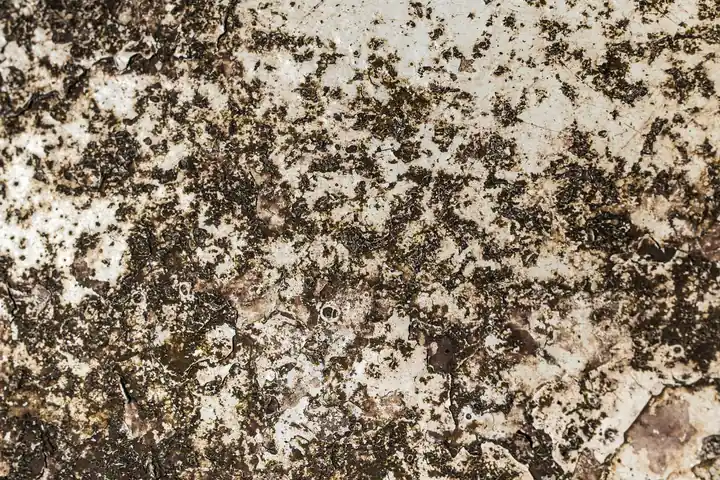
Where the mold is growing changes how we treat it. Surface growth cleans up fast. Growth inside the wall means removal and rebuild.
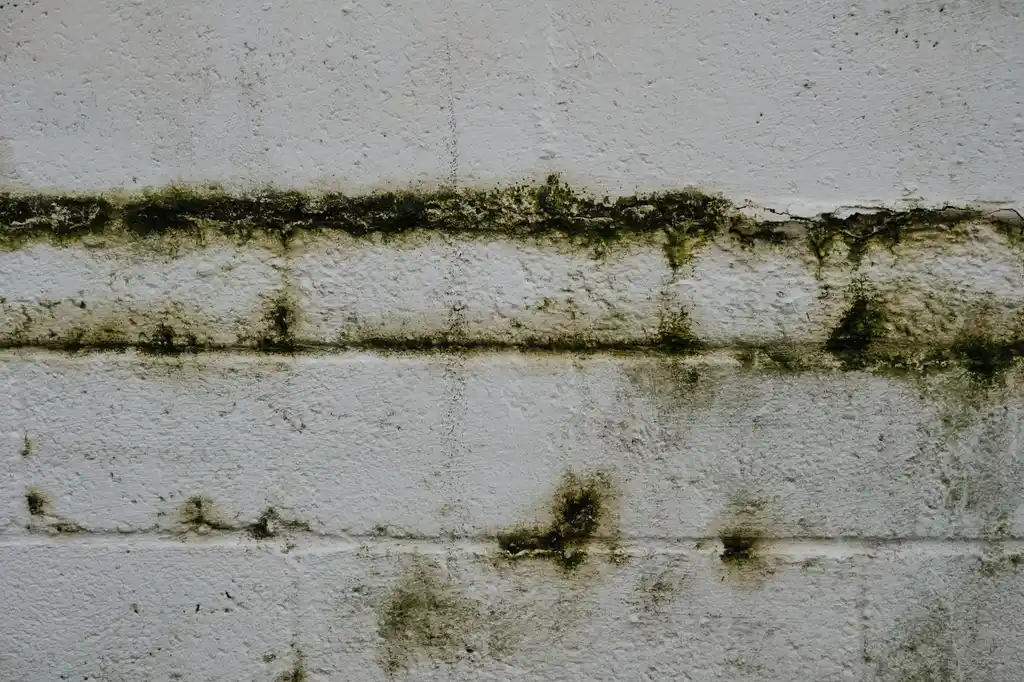
Growth on caulk, grout, or paint that has not gone deeper.
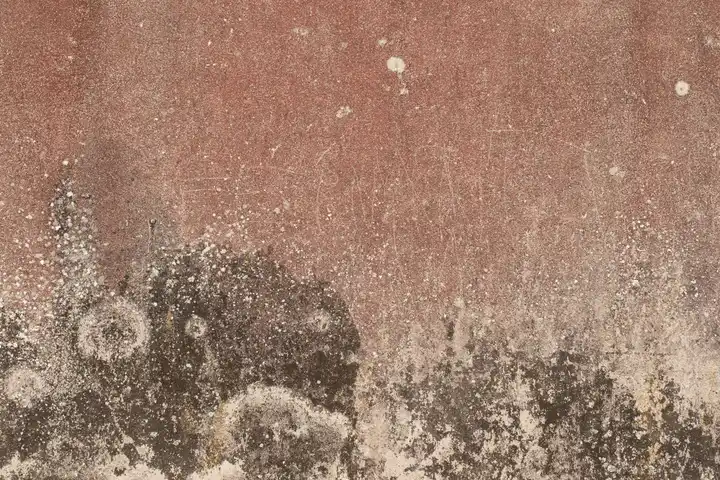
Growth on drywall paper or framing behind the tile.
Growth on framing or subfloor from a long-term leak.
A list like this tells people straight away whether you cover their street. Not listed? Call and ask: it only takes a minute.
Based in Phoenix and covering the places around it. Pick one for local details.
It includes inspection with a moisture meter and thermal camera, containment, HEPA vacuuming, removal of mold-damaged materials, antimicrobial treatment, and rebuild. Most Phoenix jobs also include a written report with photos. You get a finished bathroom, not a hole in the wall. If you want lab testing, that is a separate add-on.
Tile usually stays if the mold is on the surface or in the grout. Drywall almost always comes out if it is wet or discolored, because mold grows through the paper backing. We cut out the damaged section, treat the framing, and replace it with mold-resistant drywall. In most cases, only the lower 2 to 4 feet of wall is affected.
Grout can often be cleaned if the mold is only on the surface. We scrub it with an antimicrobial, then seal it. If the grout is cracked, soft, or the mold keeps returning within weeks, it needs to come out. Re-grouting the shower floor and lower walls is usually a one-day job, and we re-caulk at the same time.
It comes back if the moisture source is still there. That is why we fix the leak, upgrade the exhaust fan, or correct the drainage before we finish. If you keep the room dry and run the fan for 20 minutes after every shower, the odds drop sharply. We also offer a mold prevention walkthrough to help you stay ahead of it.
Other services from the same team.
Mold doubles in 24 to 48 hours when moisture is active. If you see dark spots, smell mustiness, or had a recent leak, call us today. We inspect, explain what we find, and give you a written scope before any work starts.
Call 1234567890 or email info@azmoldremoval.com and we will get you on the schedule. We answer the phone during business hours, and if you leave a message after hours we call back the next morning. Tell us what you are seeing, smelling or feeling, and we will tell you what the next step looks like.