Bathroom Mold Prevention Tips for Phoenix Homeowners
Bathroom mold prevention in Phoenix comes down to controlling moisture in a dry climate that hides the problem. Here is what actually works in 2026.
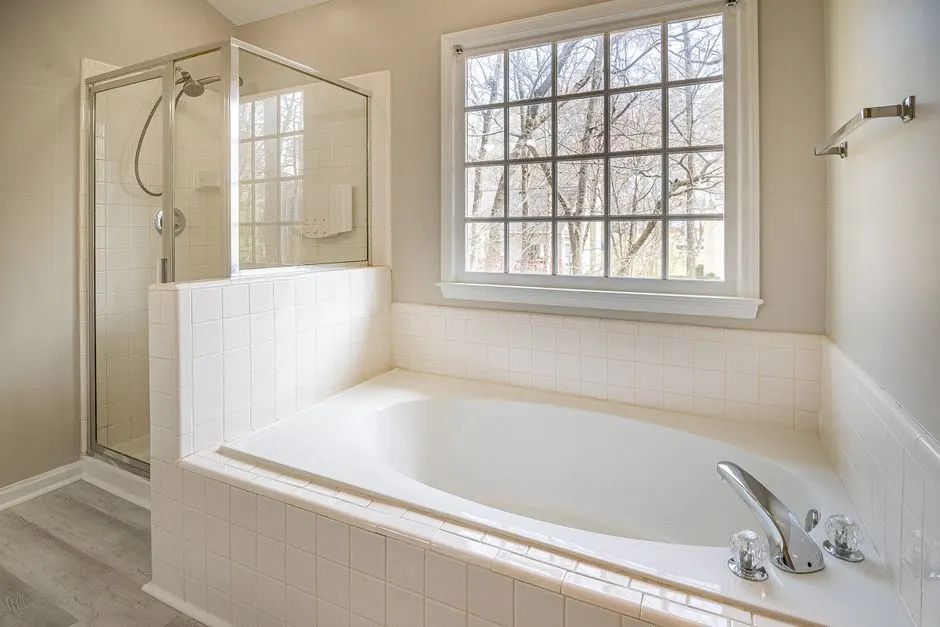
Bathroom mold prevention in Phoenix is mostly about trapping moisture before it soaks into grout, caulk, and drywall - because once it does, the desert air will not dry it out fast enough. You prevent it by running the exhaust fan 20 to 30 minutes after every shower, wiping standing water off surfaces within an hour, and re-caulking any joint that has cracked or pulled away. That is the whole job in three moves. The rest of this post covers why Phoenix bathrooms behave differently than people expect, what a realistic daily and monthly routine looks like, and the point where DIY cleaning stops working.
Why Phoenix Bathrooms Grow Mold Despite the Dry Climate
Phoenix averages under 9 inches of rain a year, so homeowners reasonably assume mold is somebody else's problem. Your bathroom is not the desert, though. A single 10-minute hot shower dumps roughly a pint of water vapor into a 40 to 60 square foot room, and if the door is closed and the fan is off, that vapor condenses on the coolest surfaces first: toilet tanks, mirror frames, exterior-facing walls, and the ceiling above the shower.
Mold needs three things to colonize: moisture, organic food (soap scum, skin cells, paper-faced drywall, wood framing), and temperatures between about 60°F and 80°F. Phoenix bathrooms hit all three year-round. In July and August, when outdoor humidity climbs during monsoon season, the problem gets worse because the air coming in through windows and doors is already carrying moisture.
We see this pattern constantly in older central Phoenix neighborhoods. Homes built before 1980 often have undersized or non-functional exhaust fans, and the original drywall behind the tile has been wet and re-dried dozens of times. If you live in a mid-century block home, Mold Removal Midtown Phoenix calls are usually about a fan that quit years ago and nobody noticed.
Newer construction is not immune. Tight modern houses trap moisture more efficiently than drafty older ones, and builder-grade exhaust fans in production homes frequently move only 50 CFM when the room needs 80 to 110 CFM. A fan that runs but does not actually exhaust is worse than no fan, because it gives you false confidence.
How to Prevent Mold in Bathroom Phoenix Homes: The Daily Routine
The habits that keep a Phoenix bathroom mold-free take about 90 seconds a day. None of them require special products.
- Squeegee the shower walls after every use. A 60-second pass with a $12 squeegee removes most of the surface water before it can sit. This single habit does more than any cleaner.
- Run the exhaust fan for 20 to 30 minutes after you finish. Not during only. After. The moisture keeps evaporating off the tile for a while once the water is off.
- Leave the shower door or curtain open. Closed doors trap humid air against the enclosure. Open it and let the room breathe.
- Hang towels spread out, not bunched. A damp towel wadded on a hook is a mold nursery. Spread it over the bar or a drying rack.
- Wipe the toilet tank and vanity counter. Condensation collects there and drips into the seams around the base.
Once a week, do a five-minute inspection. Run your hand along the caulk line where the tub meets the wall. Press on the drywall next to the shower. Look at the ceiling above the shower for the faint gray or brown speckling that is the first sign of surface mold. Catching it at that stage means a $10 bottle of cleaner, not a drywall repair.
Once a month, wash the shower curtain liner in hot water with a half cup of bleach, or replace a $6 liner. Fabric liners in Phoenix grow pink and black biofilm fast because the humidity inside the shower never fully drops between uses.
Bathroom Ventilation and Mold Phoenix: Fan Run Times That Work
How long should you run a bathroom fan after a shower in Phoenix? Twenty to thirty minutes is the working answer for most bathrooms, and up to 45 minutes in July and August when the outdoor air is already humid. If you can still smell soap or feel damp air when you walk in an hour later, the fan is not moving enough air.
Here is how to test yours without buying anything. Turn the fan on, close the door, and hold a single square of toilet paper up to the grille. If the fan holds it flat against the grille, you have real suction. If the paper falls, the fan is either clogged, undersized, or ducted wrong.
The most common defect we find is a fan that exhausts into the attic instead of through the roof. That dumps a pint of water per shower into your attic insulation every day. Attic mold in Phoenix almost always traces back to one of three sources: a bathroom fan venting into the attic, a swamp cooler pan that never drains fully, or a roof leak from monsoon season. If you have seen dark staining on the roof sheathing above the bathroom, that is a job for Attic Mold Removal Phoenix, not a spray bottle.
If your fan is more than 10 years old, replace it. A modern 110 CFM fan with a humidity sensor runs about $150 to $280 for the unit, plus $200 to $400 for installation in 2026. Set the humidity sensor to kick on at 60% relative humidity and it will handle the timing for you.
Shower Mold Prevention Phoenix: Grout, Caulk, and Glass
Grout and caulk are where bathroom mold starts in almost every Phoenix home we inspect. Grout is porous. Caulk shrinks and pulls away from the joint as it ages, and once it separates, water wicks behind the tile and into the substrate.
Seal your grout every 12 to 18 months with a penetrating sealer. In Phoenix, the dry air actually helps here - sealer cures faster and lasts longer than in humid climates. A $25 bottle covers a standard tub surround, and it takes about 30 minutes to apply with a small foam brush.
Re-caulk any joint that has cracked, darkened, or pulled loose. Use 100% silicone caulk, not the cheap acrylic stuff. Silicone costs about $9 a tube and lasts five to seven years in a bathroom; acrylic lasts one to two and then starts growing mold in the seam itself. Cut the old caulk out completely with a utility knife, clean the joint with rubbing alcohol, let it dry, then run a fresh bead.
For routine cleaning, skip the bleach sprays on a schedule. Bleach kills surface mold but does not remove the staining, and it does not penetrate grout. A 1:10 dilution of white vinegar to water, sprayed on and left for 10 minutes before scrubbing, handles most light growth. For heavier staining, a commercial bathroom mold cleaner with a surfactant works better than bleach alone. Whatever you use, ventilate the room while you clean - you are trying to reduce moisture, not add to it.
If the mold is only on the surface of the caulk or grout and wipes away with a cleaner, you can handle it. If it is growing behind the caulk line, in the drywall, or in the ceiling above the shower, that is a moisture problem, not a cleaning problem. Our Bathroom Mold Removal Phoenix team handles those cases by finding the leak source first, then removing the affected material and treating the framing.
Common Mistakes That Keep Bathroom Mold Coming Back
Bathroom mold keeps coming back in Phoenix homes for one reason: the moisture source was never fixed. Killing the mold without addressing the water is like painting over rust.
These are the mistakes we see most often:
- Painting over moldy drywall. Paint does not kill mold. It seals it in, and the mold keeps eating the paper facing from behind. Six months later the paint bubbles.
- Bleaching grout and calling it done. Bleach lightens the surface but does not reach the mold growing in the porous grout body or behind the tile.
- Running the fan only while showering. The moisture peak happens after you turn the water off, not during.
- Ignoring a slow toilet tank leak. A tank that sweats or a supply line that weeps keeps the floor and wall cavity damp 24/7. That is a mold factory.
- Caulking over old caulk. New caulk will not bond to old, and the seam fails within months.
- Assuming the dry climate protects you. Phoenix mold problems are almost always local moisture problems, not climate problems.
One more: using a space heater or hair dryer to "dry out" a wet wall. That drives moisture deeper into the cavity. If the wall is wet inside, it needs to be opened and dried properly, not heated.
When to Call a Professional
Call a professional when the mold covers more than about 10 square feet, when you can smell it but cannot see it, when it returns within weeks of cleaning, or when you know there has been a leak behind the wall or under the floor. Those four situations mean the colony is established in the building materials, not just on the surface.
We also get called for situations where the homeowner is not sure what they are looking at. A dark stain on the ceiling below the bathroom, a soft spot in the floor near the toilet, a musty smell in the hallway outside the bathroom door - those are worth a look before they become a repair. Our Mold Inspection Phoenix AZ service identifies the source and the extent, and if remediation is needed, we scope it and price it upfront before any work starts.
If you are dealing with a monsoon-season leak that soaked a wall or floor, do not wait. Mold can colonize wet drywall in 24 to 48 hours in Phoenix summer conditions. Our Monsoon Mold Cleanup Phoenix service is built for exactly that window.
Frequently Asked Questions
How do I prevent mold in my Phoenix bathroom?
Run the exhaust fan 20 to 30 minutes after every shower, squeegee the walls, leave the door open to dry, and re-caulk any joint that has cracked. Seal grout every 12 to 18 months. Those five habits prevent the vast majority of bathroom mold in Phoenix homes.
What causes bathroom mold in Phoenix homes?
Local moisture, not the climate. The usual causes are an undersized or broken exhaust fan, a fan venting into the attic, a slow toilet or supply-line leak, cracked caulk letting water behind the tile, and monsoon-season humidity that gets trapped in a closed bathroom.
Why does bathroom mold keep coming back in Phoenix?
Because the moisture source was never fixed. Cleaning kills the visible mold, but if the fan is not exhausting, the caulk is still leaking, or the wall cavity is still wet, the colony regrows within weeks. Fix the water and the mold stops returning.
Does a bathroom exhaust fan prevent mold in Phoenix?
Yes, if it actually moves air. A working fan rated at 80 to 110 CFM, run for 20 to 30 minutes after each shower, keeps bathroom humidity below the 60% threshold where mold thrives. Test yours with a square of toilet paper against the grille.
Can I remove bathroom mold myself in Phoenix?
You can handle surface mold on caulk, grout, or tile - anything under about 10 square feet that wipes away with a cleaner. If the mold is behind the caulk, in the drywall, on the ceiling, or keeps returning, call a professional. Disturbing a large colony without containment spreads spores.
Get Help With Mold Removal in Phoenix
If your bathroom mold keeps coming back no matter what you clean it with, the problem is behind the surface. We find the moisture source, remove the affected material, and treat the framing so it does not return. Call AZ Mold Removal at 1234567890 and we will take a look.