For homes
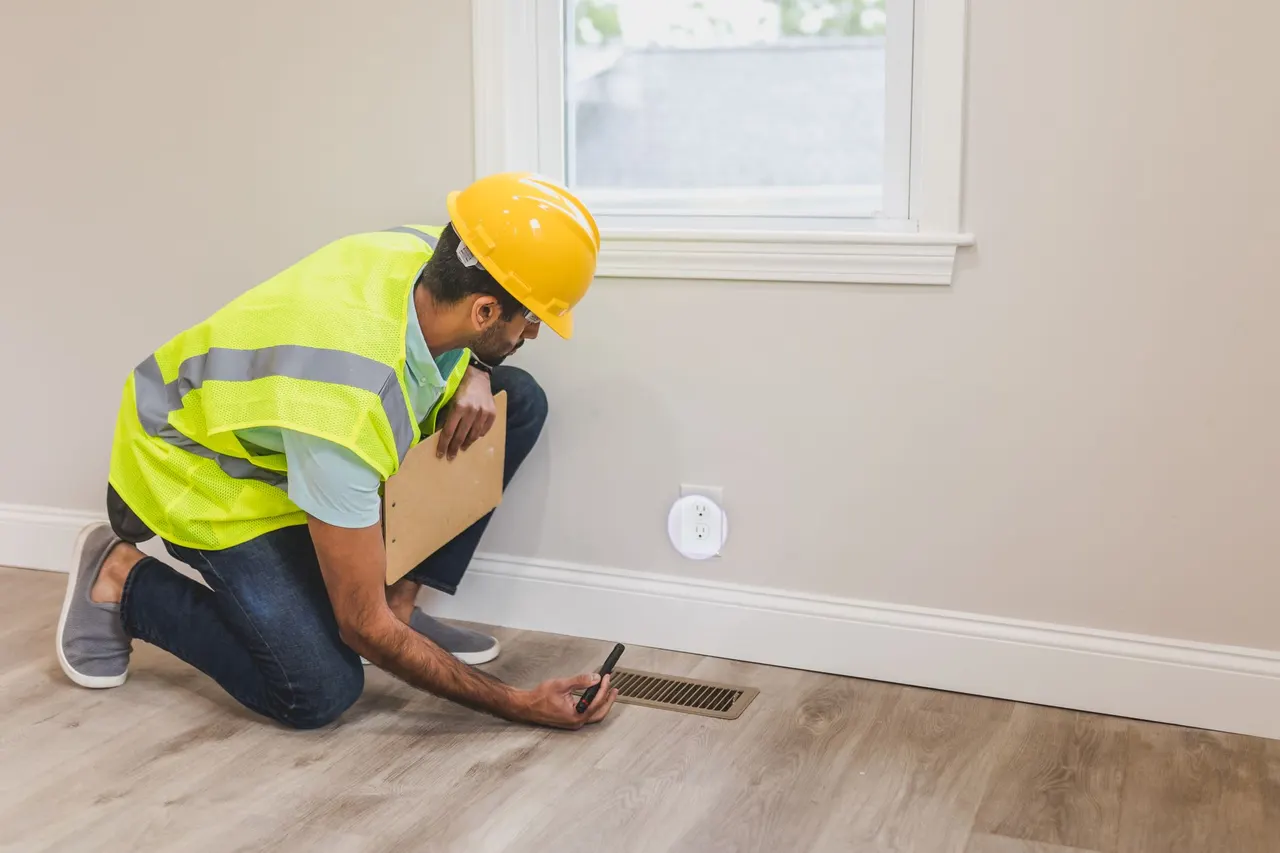
We check the rooms the storm touched, plus the attic, closets and HVAC pan where moisture hides. You get readings and photos before we quote anything.
- Ceiling stains after storms
- Musty closets and hallways
- Soft drywall near windows
Monsoon Mold Cleanup Phoenix is what you call when a July or August storm pushes water through a roof, window or stucco wall and the house stays damp for days. We map the moisture, contain the growth, and remove mold from drywall, attics and crawl spaces before it spreads. If you spotted staining or a musty smell after the last storm, call us at 1234567890.
 Moisture mappingContainment setupAttic checks
Every monsoon cleanup starts with an inspection and a written scope, so you know what is covered before we start. Standard work covers moisture mapping, containment, removal of affected material, treatment and a final dry check. Add-ons like duct cleaning, roof repair coordination or reconstruction are quoted separately when the job calls for them.

We meter and photograph every suspect wall, ceiling and cavity, then mark the readings on a floor plan. You get a copy, which is also what your insurance adjuster wants to see. This step usually takes 45 to 90 minutes on a typical Phoenix home.
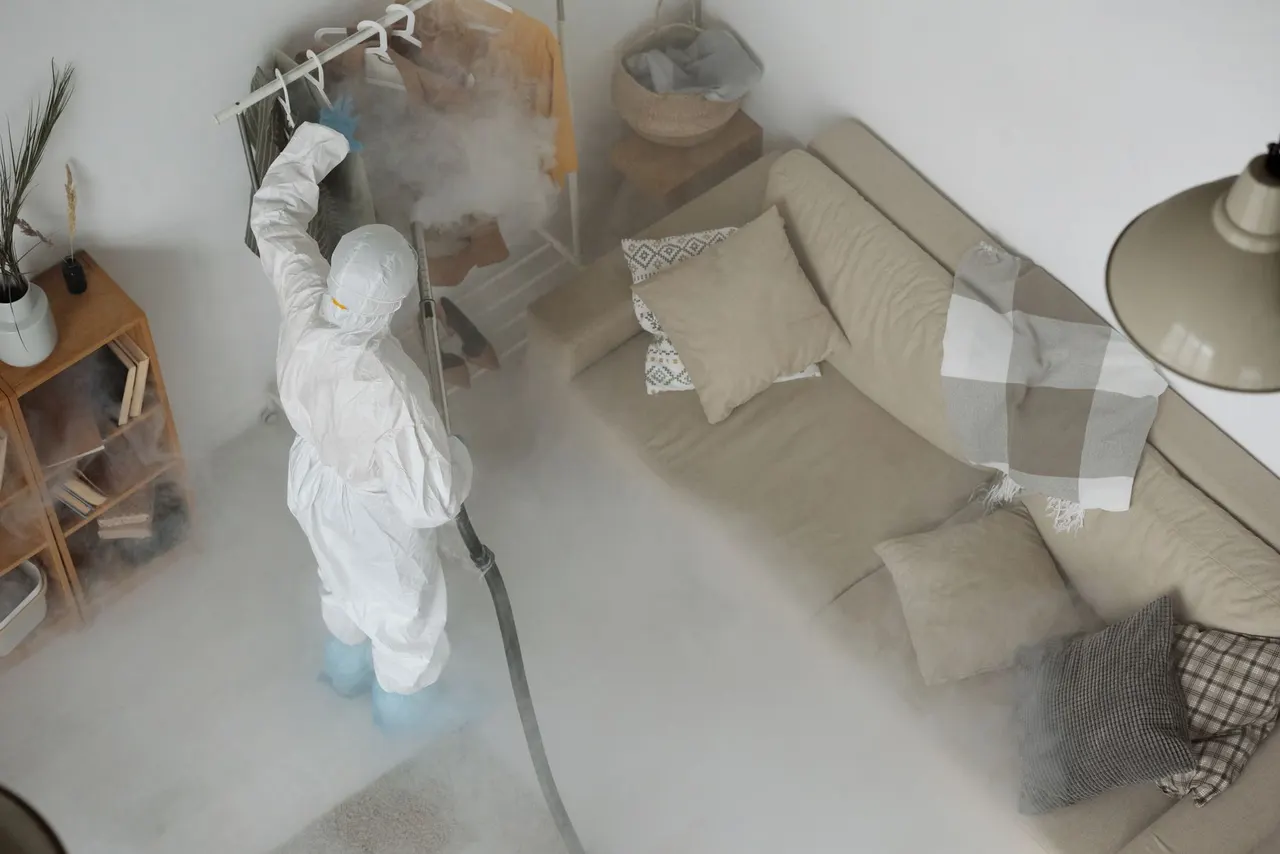
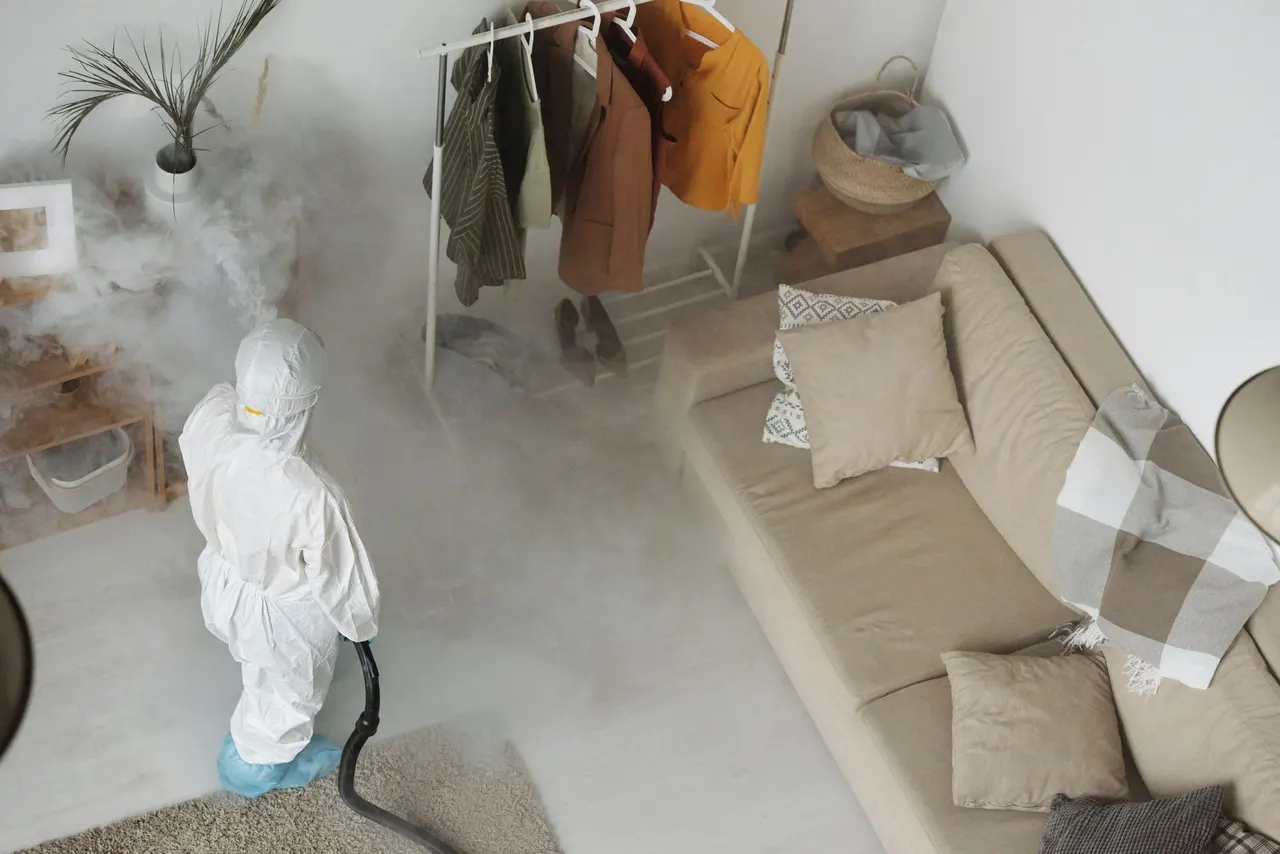
Poly sheeting, duct tape and zipper doors seal the work zone. A negative air machine with HEPA filters keeps spores inside the barrier while we work. Air scrubbers run continuously until removal is finished and surfaces are clean.
Wet drywall, saturated insulation and unsalvageable cabinetry get bagged and removed. We cut clean lines and keep the damage to what is actually contaminated, so you are not replacing walls that never got wet. Everything leaves in sealed bags.
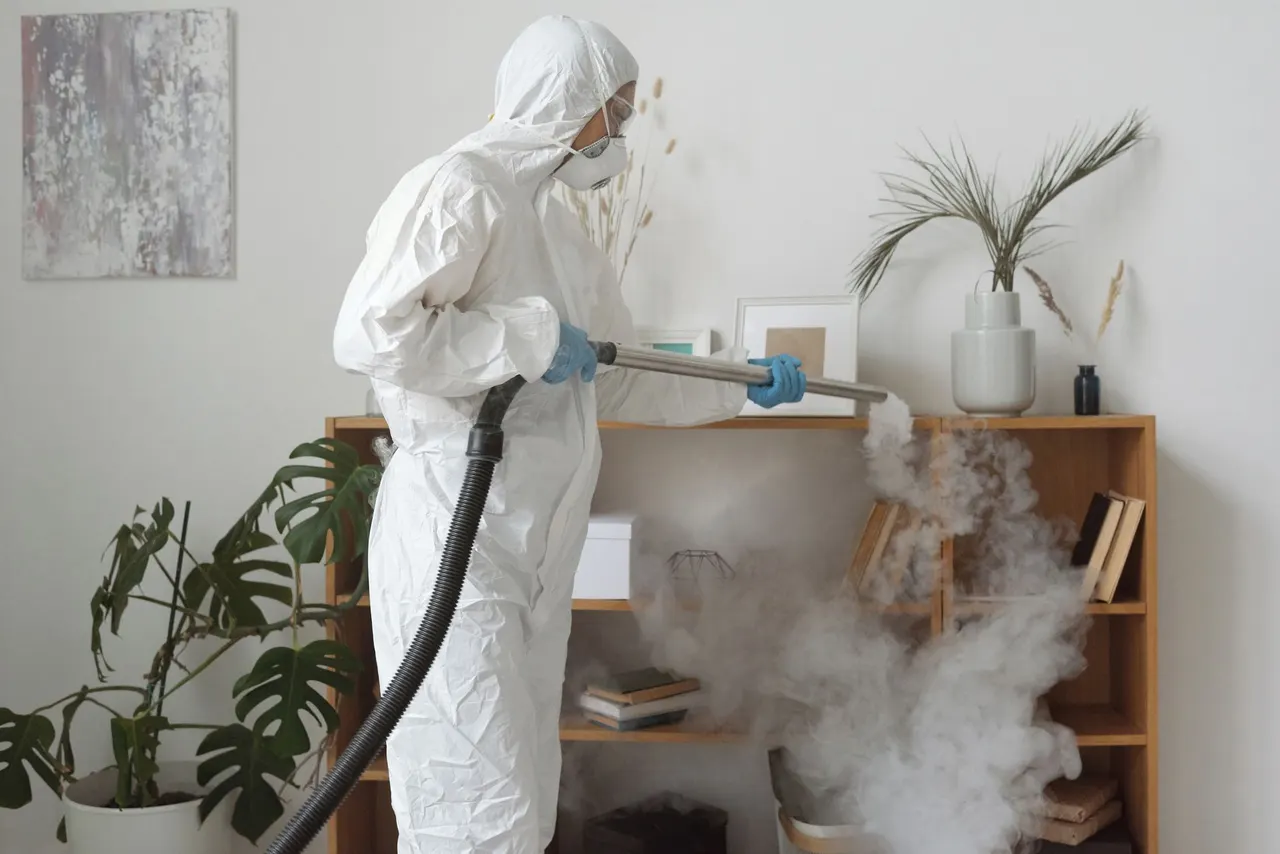
Framing, sheathing and hard surfaces get HEPA vacuumed, then treated with an antimicrobial spray such as Concrobium or Benefect. A fogger reaches stud bays and corners. Bare wood gets an encapsulant coating so remaining spores stay locked down.
Dri-Eaz dehumidifiers and air movers run until framing reads dry on a calibrated meter, usually two to four days. We check readings daily and reposition equipment as the wet zone shrinks. You get the daily log at the end.
We re-meter every marked point, do a visual walkthrough, and confirm the space is dry before containment comes down. You receive the photo log, moisture record and a summary of what was removed and what to watch for next storm season.
The approach is the same for a home and a business. What changes is the access, the schedule and who needs the paperwork.
We check the rooms the storm touched, plus the attic, closets and HVAC pan where moisture hides. You get readings and photos before we quote anything.
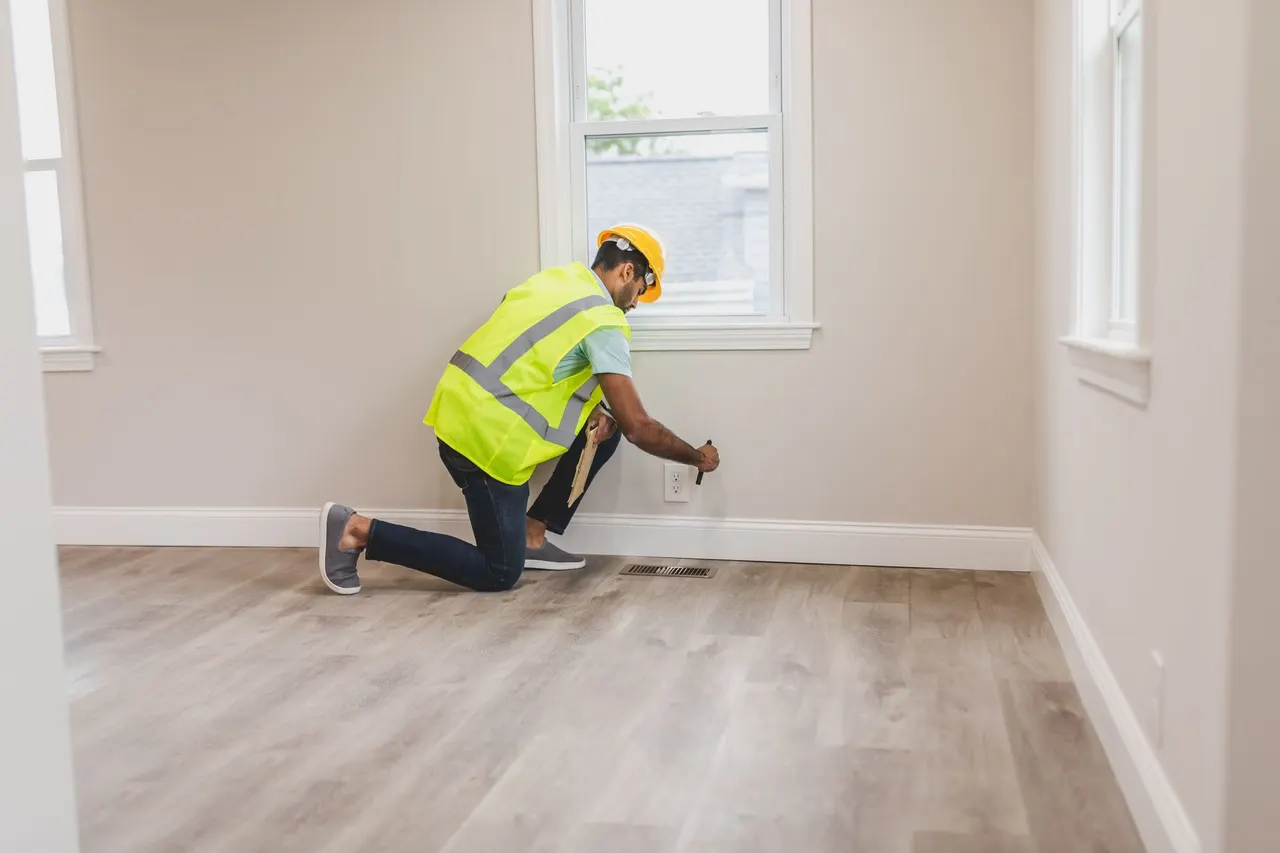
We inspect the affected area and the shared systems around it, then schedule work around your operating hours. Property managers get photo documentation for the file.
A plain-language look at what Post-Monsoon Mold Cleanup involves and when it is needed.
See how it worksPost-monsoon mold cleanup is the work of finding where storm water got in, drying the structure, and removing mold growth from the materials it colonized. In a Phoenix home that usually means a moisture meter and thermal imaging camera on every wall the storm touched, a boroscope into the wall cavity, and containment barriers before anyone pulls a cabinet or cuts drywall. We set air scrubbers and HEPA vacuums to keep spores out of the rest of the house, then treat affected framing and sheathing with an antimicrobial spray. Most single-room jobs run two to four days from setup to clearance.
The reason Phoenix homeowners call us weeks after the rain stops is simple: monsoon humidity mold in Phoenix homes does not need standing water. A monsoon roof leak mold problem can soak attic decking and insulation, dry on the surface, and keep growing underneath for a month. The same goes for monsoon storm water intrusion mold Phoenix properties get through window frames and stucco wall moisture mold Phoenix homes hide behind paint. By the time you smell it, the colony is usually 10 to 30 square feet.
Monsoon mold cleanup is a measurement job first and a removal job second.

Five steps, no mystery. Here is exactly what happens from the first phone call to the final clearance check.
You call 1234567890 and describe what you saw after the storm. We ask about roof leaks, window seepage, swamp cooler overflow and how long the house stayed damp. Same-day or next-morning scheduling is normal during monsoon season, and you get a straight answer on whether it sounds like active growth or just staining.

We walk the house with a moisture meter and thermal imaging camera, then push a boroscope into suspect wall cavities. Every reading gets marked and photographed. You see the map on screen before we quote anything, so you know which walls are wet, which are dry, and where the water came in.

Poly sheeting and duct tape go up to seal the work zone, and a negative air machine pulls air through HEPA filters so nothing migrates. Dri-Eaz dehumidifiers and Phoenix Restoration Equipment air movers run until framing reads dry, usually two to four days. We check readings daily and adjust.
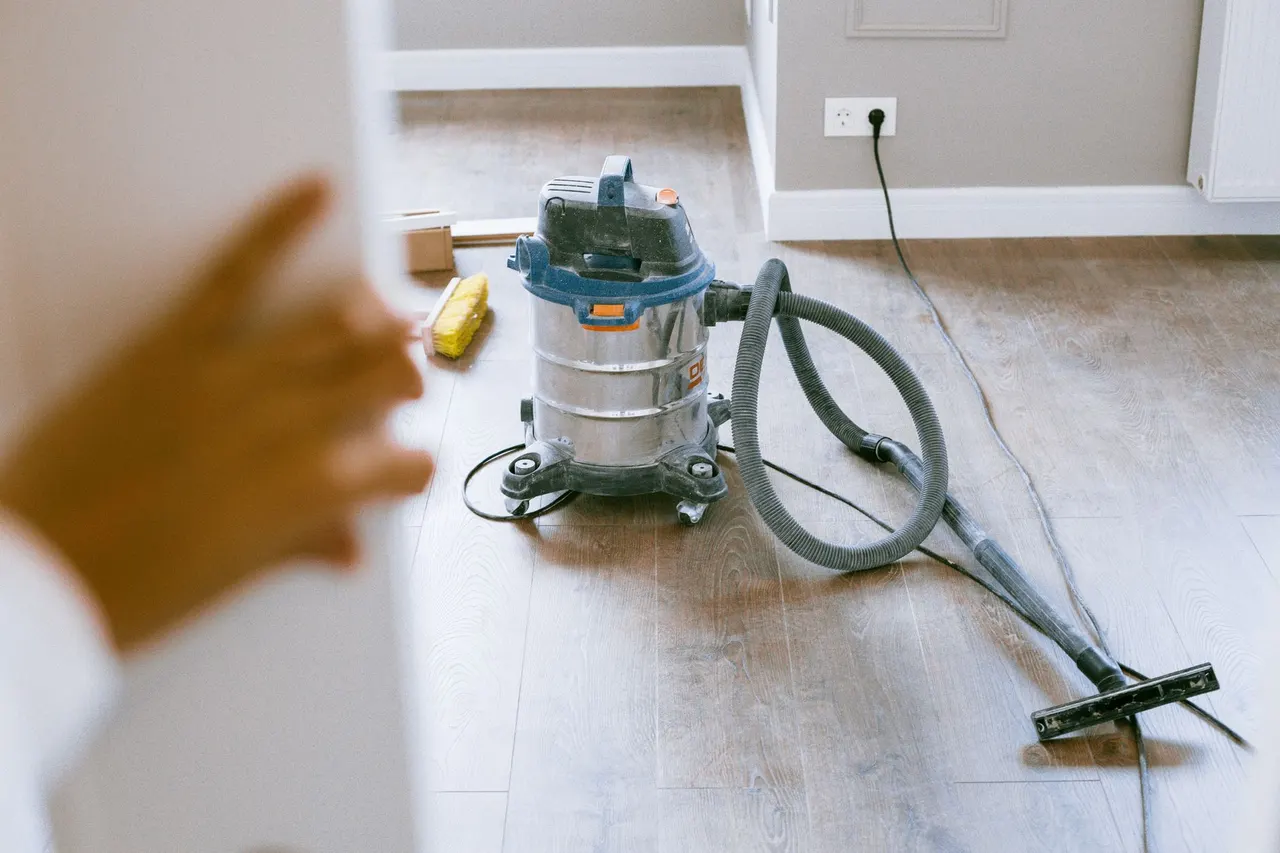
Porous materials that cannot be saved, like wet drywall after a monsoon storm, get bagged and hauled out. Framing and sheathing get HEPA vacuuming, then an antimicrobial spray such as Concrobium or Benefect, followed by an encapsulant coating on bare wood. A fogger reaches the tight corners a rag cannot.

We re-meter every marked point, run a final visual inspection, and confirm the space reads dry before containment comes down. You get the photo log, the moisture record and a plain-language summary of what we removed and what to watch. If a roof or window repair is still needed, we tell you before the next storm.

Move across a circle, or focus it and press Enter, for an illustrative thermal view of the photograph.

Reads water content in drywall, framing and subfloor so we know exactly where the wet zone starts and ends. Every reading gets marked and logged.
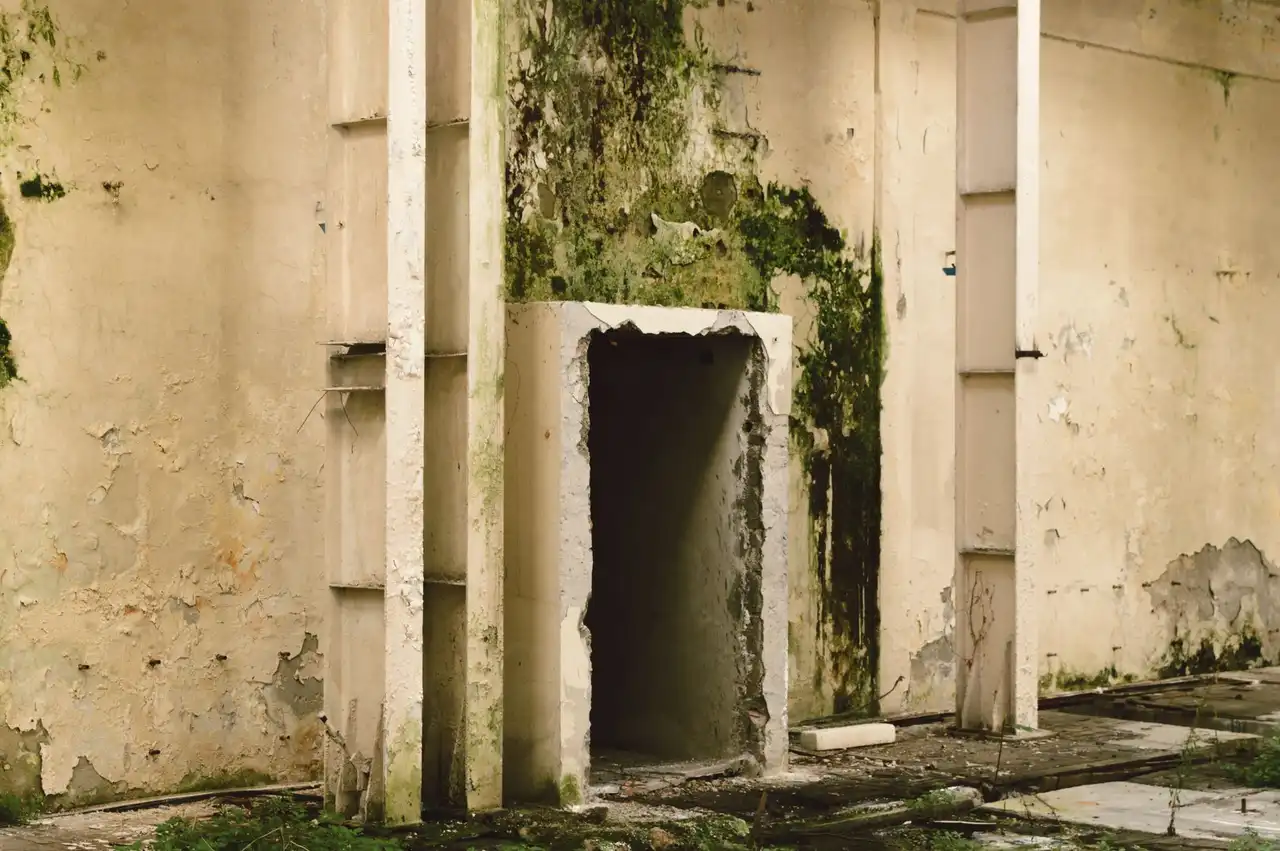
Shows temperature differences that reveal hidden moisture behind stucco, tile and painted walls. It finds the leak path a visual inspection misses.
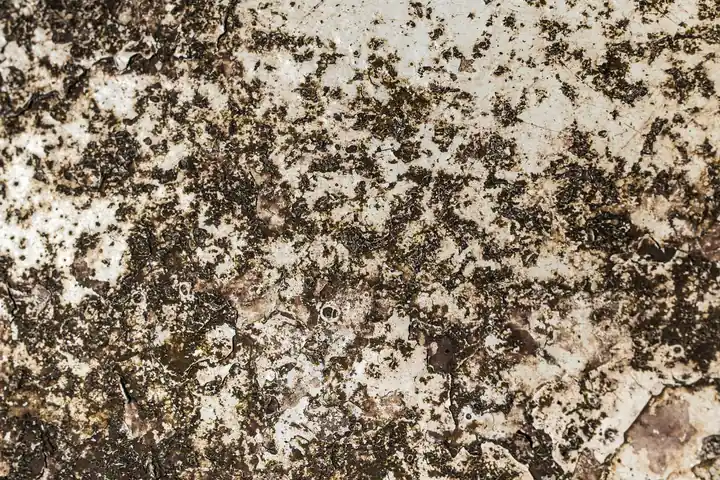
A small camera on a flexible probe that lets us see inside wall cavities and attic bays through a quarter-inch hole instead of a demolition cut.
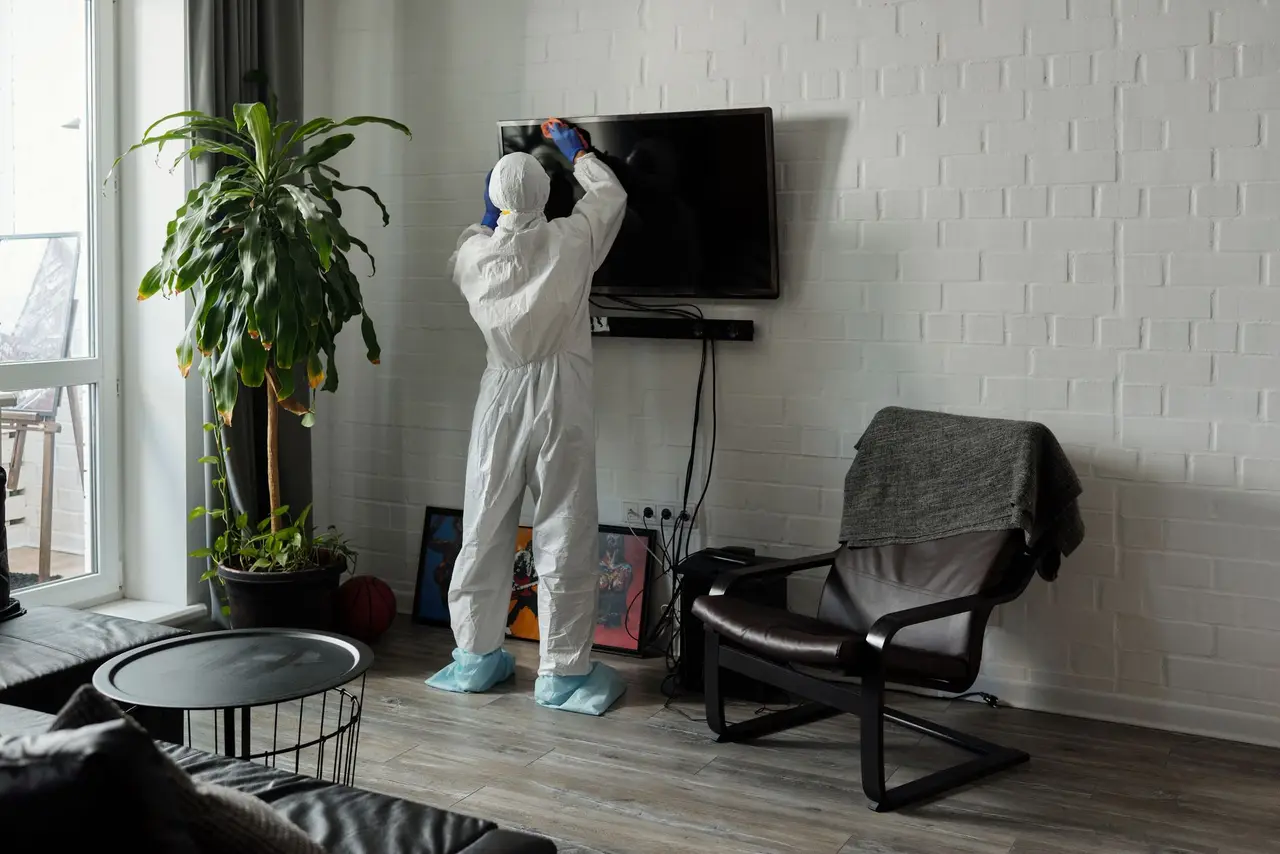
HEPA filtration units that keep spores inside the containment barrier and clean the air in the work zone while removal is underway.

Commercial drying equipment that pulls moisture out of framing and finishes. We run them until the meter says dry, not until the clock says stop.
Thermal views are illustrative, generated from the photographs.
Applies antimicrobial treatment into stud bays, corners and other spots a sprayer cannot reach evenly.
Removes settled spores from framing and hard surfaces before treatment, so we are not sealing contamination in place.
Water damage restoration and mold remediation follow written IICRC practice. That means documented moisture readings, defined drying goals and a verification step before we call a job done. It is the difference between a cleanup and a cover-up.
We build the barrier and start air scrubbing before any material comes down. Spores stay in the work zone instead of drifting into bedrooms and kitchens. This is standard on every monsoon job, no matter how small.
After removal, hard surfaces get an antimicrobial spray such as Concrobium, Benefect or RMR-86, and bare framing gets an encapsulant coating. The treatment addresses what is left after the visible growth is gone.
We record moisture readings every day the equipment runs and adjust placement as the wet zone shrinks. You see the numbers trend down, which is how you know the drying is actually working.
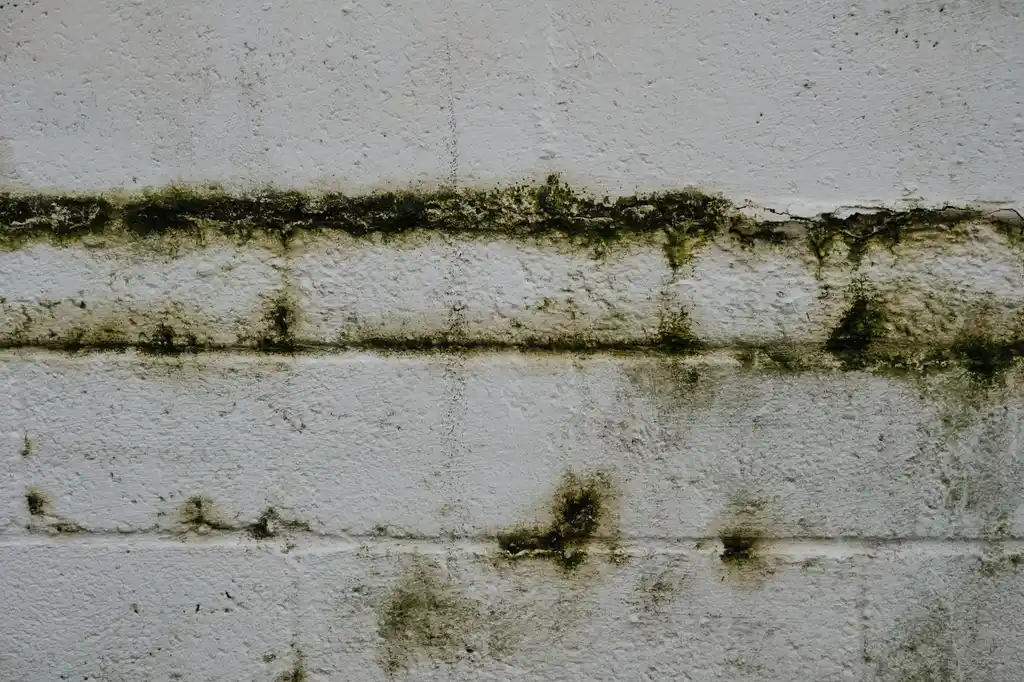
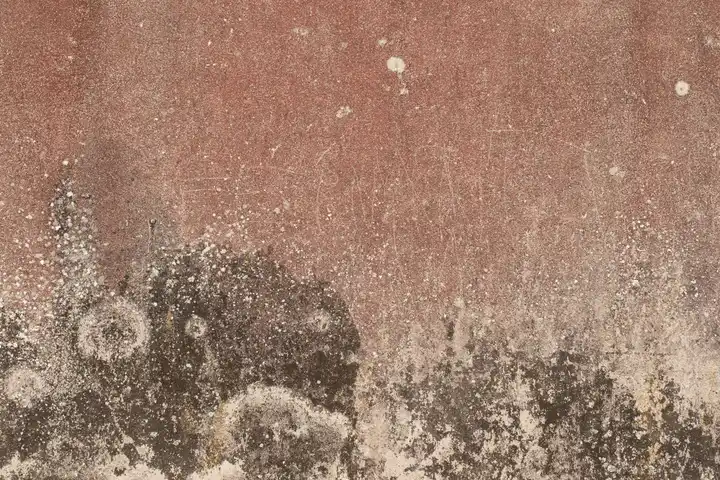
A ceiling stain appeared two weeks after the August storms and keeps getting darker.
We inspect the attic above the stain with a moisture meter and boroscope, find the leak path, and contain the affected area. If decking or insulation is contaminated, we remove it, treat the framing, and set drying equipment.
Outcome: The stain stops spreading, the attic reads dry, and you know exactly which roof repair to schedule before next season.
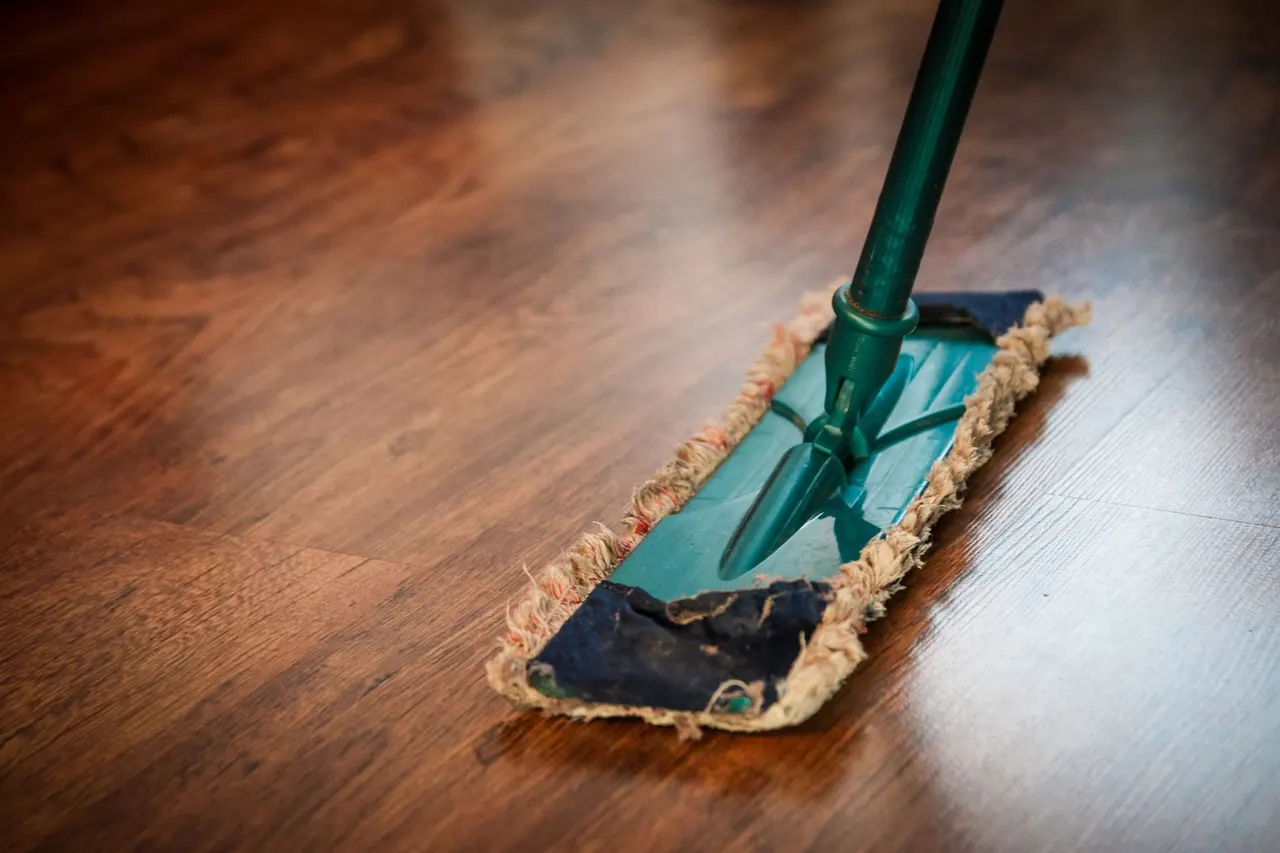
Your house smells musty after a humid week but you cannot find any visible growth.
We run a full inspection with a thermal imaging camera and moisture meter, checking walls, closets, the HVAC coil pan and the crawl space. If we find growth, we scope the removal. If we do not, we explain what the smell is and how to fix it.
Outcome: You get a clear answer instead of guessing, and a plan that either removes the growth or eliminates the moisture feeding it.
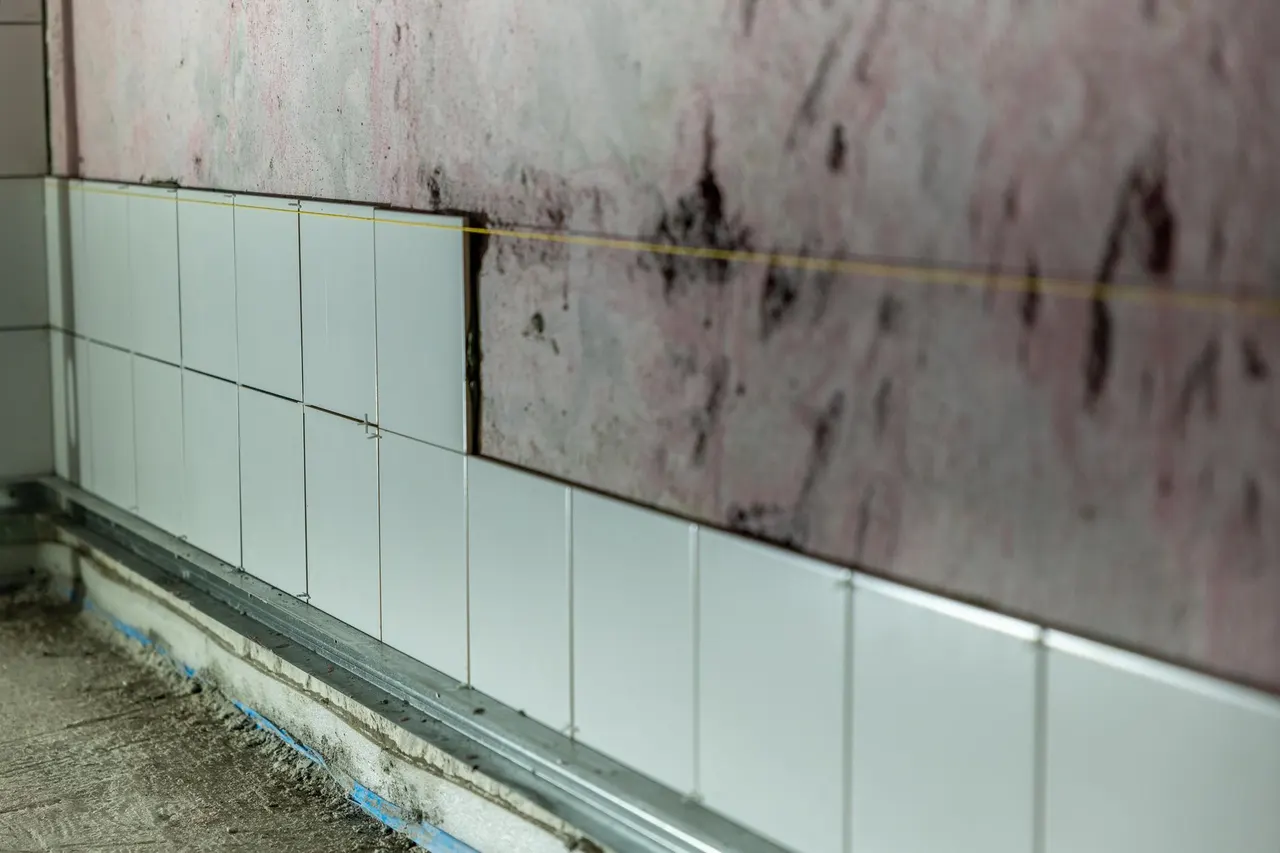
Water came through a window frame during a storm and the drywall around it feels soft.
We meter the wall, cut a small inspection opening, and check the cavity with a boroscope. Wet drywall comes out, framing gets HEPA vacuumed and treated with an antimicrobial spray, and we set a dehumidifier to dry the cavity.
Outcome: The wall is dry and treated, the window leak is identified, and you avoid replacing an entire room of drywall.

You are selling a Phoenix home and the buyer's inspector flagged possible attic mold.
We inspect and document the attic with photos and meter readings, then scope removal if growth is confirmed. Everything is written up in a report your agent can hand to the buyer.
Outcome: The transaction keeps moving, the buyer gets documentation, and any real growth is removed before closing.
A rental property sat empty through monsoon season and now smells damp inside.
We inspect the whole unit, check for roof and window leaks, meter the walls, and test the HVAC. Growth gets removed under containment, and we document everything for the owner and tenant.
Outcome: The unit is dry and clean, the owner has a photo record for the insurance claim, and it is ready to lease again.
Phoenix monsoon season runs roughly June 15 through September 30, and the damage pattern is consistent: a fast, heavy cell drops an inch of rain in an hour, water finds every failed flashing and window seal, and then the heat takes over.
Attic temperatures above 130 degrees push mold growth faster than in almost any other climate, so a roof leak that would be a two-week problem elsewhere can be a five-day problem here. Building stock matters too.
Midtown and Alhambra homes from the 1940s and 1950s have original plaster, flat roofs and window frames that swell and crack, while newer stucco builds in Deer Valley and Norterra trap water behind the finish. We handle both, plus the crawl spaces under older raised-foundation homes near 85009 and 85007.

Before: A Sunnyslope home took water through a failed roof boot during an August storm. Three weeks later the hallway smelled musty. Inspection found mold across roughly 30 square feet of attic decking, with wet insulation below it and a moisture reading of 24 percent in the sheathing.
After: We contained the bay, removed the wet insulation and affected decking, HEPA vacuumed and treated the trusses, and ran a dehumidifier for three days. Final readings came back at 11 percent. The roof boot was replaced before the next storm.
Check attic decking with a meter after any roof leak, and keep gutters and roof penetrations sealed before monsoon season starts in June.
Before: A window frame leaked during two straight weeks of monsoon humidity. The drywall below felt soft and the paint was bubbling. A boroscope showed mold on the framing about 4 feet along the wall, with the stucco holding moisture against the sheathing.
After: We cut out the wet drywall section, treated the framing with an antimicrobial spray and encapsulant, and dried the cavity for two days. The window flashing was repaired, and the wall was closed up with mold-resistant drywall.
Re-caulk window frames every two to three years and check for bubbling paint after heavy rain, since that is usually the first sign of a wall leak.
Before: A homeowner noticed a musty smell every time the AC kicked on after monsoon season. The coil pan had standing water and visible growth, and the return duct showed spore buildup. Indoor humidity had been sitting around 65 percent for days.
After: Indoor humidity dropped to 47 percent with the AC running normally, and the smell cleared within a week.
Change filters monthly during monsoon season and check the coil pan for standing water at the start of every summer.
Storm water finds the weakest point in a house and stays there. These are the four problems we get called about most after a monsoon, and what happens if they sit.
A dry, treated, documented space you can trust again
Mold can colonize wet drywall in 24 to 48 hours and double its footprint in a week. We contain the affected room on day one, so spores stop riding your HVAC into bedrooms and closets. On a typical 30-square-foot attic growth, that containment is the difference between one room and a whole-house job.
A monsoon window leak mold Phoenix homeowners see on the sill is often the smallest part of the problem. We run a moisture meter and thermal imaging camera along the same wall plane to find saturated framing 6 to 10 feet away, then trace it back to the failed seal, flashing or roof penetration that let the water in.
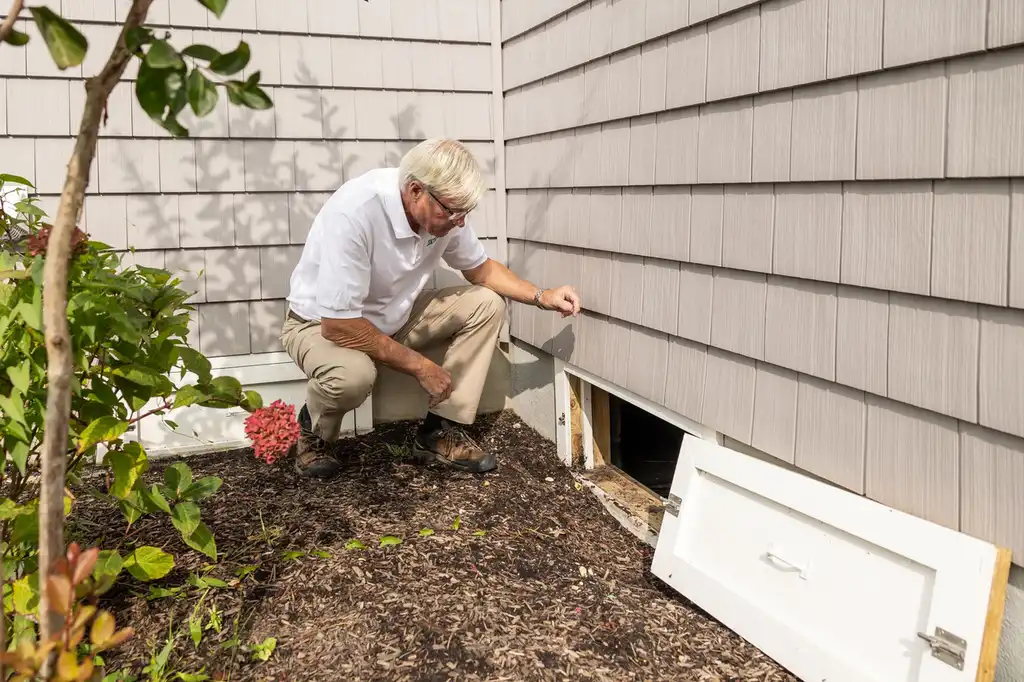
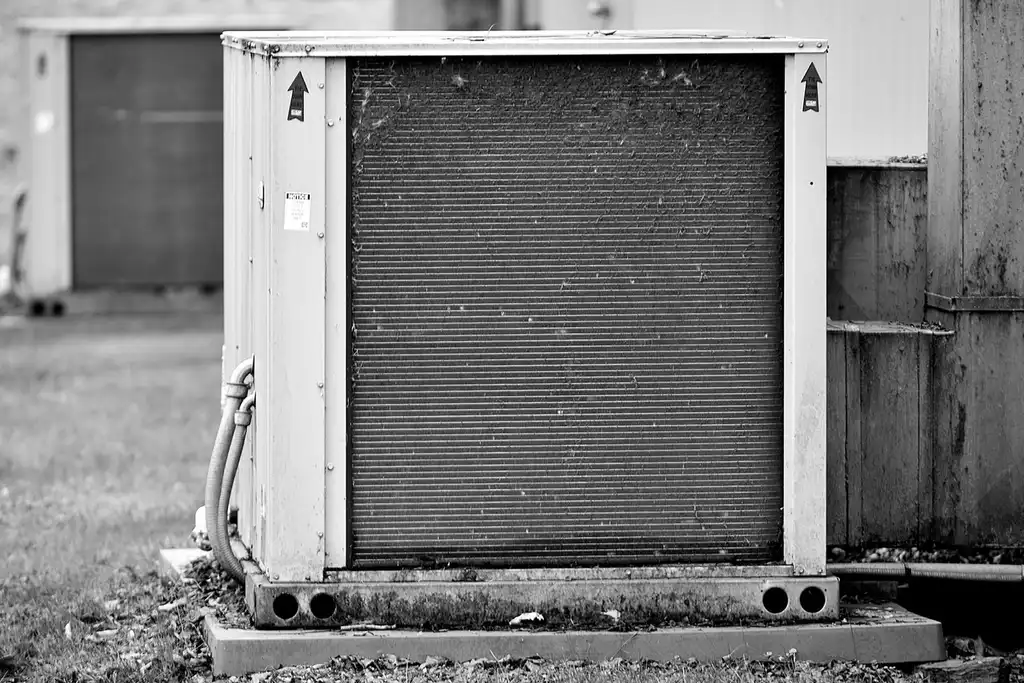
Musty odors are spores and microbial volatile compounds moving through the house. We also inspect the air handler, because monsoon humidity mold Phoenix homes grow often starts in the coil pan.
Storm claims need evidence, not adjectives. We photograph moisture readings, log daily dry-down numbers, and hand you a written scope with before-and-after images. Maricopa County adjusters get a clear picture of what the storm did and what it took to fix it, which speeds up the payout.
Clear records you can keep and share.
Before and after images of affected areas
Daily readings from first visit to final check
What was removed, treated and dried
Plain-language notes on what to watch
Not every damp wall becomes a mold job, and not every mold job is the same size. Here is how we sort it.
Growth on paint, tile or sealed wood after a short damp period
Growth into drywall, insulation or wood that stayed wet for days
Growth inside HVAC, ductwork or crawl spaces spreading through the building
A list like this tells people straight away whether you cover their street. Not listed? Call and ask: it only takes a minute.
Based in Phoenix and covering the places around it. Pick one for local details.
Mold can start growing in 24 to 48 hours on wet drywall, insulation or attic decking, and visible colonies usually show within 5 to 10 days. Phoenix heat speeds that up, because a 105-degree attic turns a damp roof deck into an incubator. If your house stayed humid for three days after the storm, treat it as a mold risk even if you see nothing yet.
Yes, and it is the most common hidden growth we find. Water travels along rafters and sheathing, so the stain on your ceiling may sit 8 feet from the actual leak. We use a boroscope and thermal imaging camera to check the cavity behind the stain. Attic mold above a monsoon roof leak often covers 20 to 40 square feet before it shows inside.
Testing makes sense when you smell something musty but cannot find visible growth, or when you need documentation for a real estate deal or insurance claim. If we can see and meter the growth, testing is optional.
It does, even without a leak. When dew points climb into the 60s and 70s during monsoon season, indoor humidity can sit above 60 percent for days, which is enough for mold on cool surfaces like exterior walls, closets and HVAC coil pans. Running the AC and a dehumidifier keeps indoor humidity under 50 percent, which is the number that matters.
Other services from the same team.
Every day you wait, the colony gets bigger and the repair bill follows. Call 1234567890 and describe what you saw after the storm. We schedule an inspection, show you the readings, and tell you straight whether you need cleanup or just a repair.
Call 1234567890 or email info@azmoldremoval.com and we will get you on the schedule. We answer the phone during business hours, and if you leave a message after hours we call back the next morning. Tell us what you are seeing, smelling or feeling, and we will tell you what the next step looks like.