Mold Inspection vs Mold Testing in Phoenix Explained
Mold inspection vs mold testing in Phoenix: one finds the problem, one proves it. Here's which you need first and why the order matters.
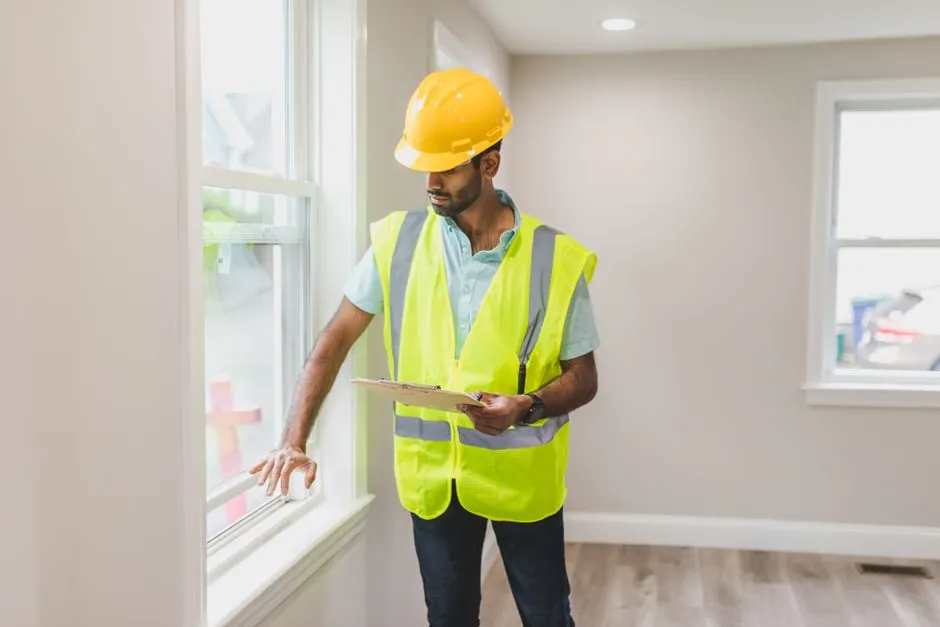
A mold inspection is a visual and moisture assessment of your home to find where mold is growing and why. Mold testing is a lab analysis of air or surface samples to confirm what type of mold is present and at what concentration. In Phoenix, you almost always need an inspection first - testing without an inspection is like ordering a blood test without seeing a doctor.
This guide breaks down the difference between mold inspection and mold testing in Phoenix, when each one makes sense, and how to avoid paying for the wrong service twice.
The Short Answer: Inspection Finds It, Testing Proves It
Mold inspection vs mold testing Phoenix is a question of purpose: inspection locates the problem, testing confirms its identity. An inspector walks your attic, crawl space, bathrooms, and HVAC closets with a moisture meter and thermal camera. They find the wet drywall, the leaking supply line, the condensation on ductwork. Testing comes after - or sometimes not at all.
Here's the definitional line: mold inspection vs mold testing in Phoenix is the difference between a physical search for mold growth and a laboratory analysis of samples collected from your home. One is detective work. The other is forensic confirmation.
Most Phoenix homes we inspect have visible mold or a musty smell that points directly to the source. In those cases, testing is optional. It becomes necessary when you need documentation for a real estate transaction, an insurance claim, or a landlord dispute.
What a Mold Inspection Actually Covers in Phoenix
A mold inspection in Phoenix covers every area where moisture collects - and in our climate, that list is longer than most homeowners expect. We check the attic first because summer attic temperatures hit 140°F and above, cooking condensation into the roof deck. Then the crawl space, where monsoon groundwater lingers for weeks. Then bathrooms, kitchen sinks, laundry rooms, and the HVAC air handler.
Here's what a thorough inspection includes:
- Moisture mapping with pin-type and pinless meters across walls, ceilings, and floors
- Thermal imaging to spot hidden moisture behind tile, under carpet, and inside wall cavities
- HVAC inspection of the air handler, evaporator coil, and drain pan - a common mold source in Phoenix
- Attic and crawl space review for roof leaks, duct condensation, and vapor barrier failures
- Written findings with photos, moisture readings, and a recommended scope of work
We typically spend 60 to 90 minutes on a standard 1,800-square-foot Phoenix home. Larger homes or properties with multiple suspected areas run two hours or more. Our Mold Inspection Phoenix AZ service includes all of the above - no add-on fees for thermal imaging or attic access.
What an inspection does not do is tell you the genus of the mold. It tells you where the problem is, how wet the materials are, and how far the growth has spread. That's usually enough to price remediation and start work.
What Mold Testing Measures and When It's Worth It
Mold testing measures the type and concentration of mold spores in the air or on surfaces. We collect air samples with a calibrated pump - usually one outdoor control sample and two to four indoor samples - and surface samples with tape lifts or swabs. The lab cultures them and returns a report in 24 to 72 hours.
The report lists mold genera like Aspergillus/Penicillium, Cladosporium, Stachybotrys (black mold), and Chaetomium, along with spore counts per cubic meter. You compare indoor counts to the outdoor baseline. If indoor levels are higher, you have an amplification problem.
Testing is worth the cost in four situations:
- Real estate transactions where a buyer or lender wants documentation
- Insurance claims that require proof of mold type and extent
- Health concerns where a family member has asthma or allergies and you need to identify the trigger
- Post-remediation verification to confirm the cleanup worked
Typical 2026 pricing in Phoenix runs $250 to $450 for a basic air sampling package and $400 to $700 when surface samples and a written protocol are included. If a company quotes you $99 for mold testing, ask what's in the report - usually it's one sample with no baseline and no interpretation.
Testing without an inspection is a waste of money. You'll get a spore count but no idea where the mold is growing or how to fix it.
Do I Need Mold Inspection or Mold Testing in Phoenix Arizona?
You need a mold inspection first in almost every case. Testing is a follow-up tool, not a starting point. If you see dark staining on drywall, smell something musty near the AC vents, or had a water leak in the last 48 hours, book an inspection.
Here's the decision tree we walk Phoenix homeowners through:
- Visible mold or musty odor? Inspection first. Testing only if you need documentation.
- No visible mold but unexplained allergies or odors? Inspection with thermal imaging. Testing if the inspection finds moisture but no visible growth.
- Buying or selling a home? Inspection plus testing - the report protects both sides.
- After a water leak or monsoon flooding? Inspection within 24 to 48 hours. Mold can start colonizing in 24 to 48 hours in Phoenix's summer heat.
- Post-remediation? Clearance testing to confirm spore levels are back to normal.
If you're still unsure, call us and describe what you're seeing. We'll tell you straight whether you need an inspection, testing, or both. Our Mold Testing Phoenix AZ service pairs with every inspection we do, so you're not juggling two companies.
Mold Inspection vs Mold Testing After Water Damage Phoenix
After water damage in Phoenix, the clock starts immediately. Mold needs 24 to 48 hours of moisture to colonize drywall, and our summer indoor humidity - often 50% to 60% with a swamp cooler running - accelerates that timeline.
If you had a supply line burst, an AC condensate leak, or monsoon water intrusion, here's the order:
- Stop the water source and dry the area within 24 hours
- Schedule an inspection to check for hidden moisture behind walls and under floors
- Test only if the inspection finds mold or you need documentation for insurance
- Start remediation within 72 hours of the water event to prevent spread
We handle a lot of Water Damage Mold Cleanup Phoenix jobs where the homeowner waited a week, ran a fan, and assumed it was dry. The moisture meter told a different story. By then, mold had spread from the baseboard into the wall cavity.
If you're in an older neighborhood - say Mold Removal Sunnyslope where 1950s block homes have original plumbing - a single pinhole leak can soak a wall for months before you notice. An inspection catches it before the mold does.
Mold Inspection vs Mold Testing When Buying a Home Phoenix
When you're buying a home in Phoenix, you want both an inspection and testing. A standard home inspection does not include mold assessment - it's a separate service. Your general inspector might note "musty odor in hallway" and move on.
Here's what we recommend for buyers:
- Schedule a mold inspection during your due diligence period, ideally within the first 10 days
- Add air sampling if the home has any history of water damage, a swamp cooler, or visible staining
- Get a written report you can use to negotiate repairs or walk away
- Check the attic and crawl space - Phoenix homes with flat roofs and no attic ventilation are prone to condensation mold
A combined inspection and testing package for a typical Phoenix home runs $450 to $800 in 2026. That's cheap compared to discovering $8,000 in attic mold after you close.
We work with buyers across the Valley, from Mold Removal Camelback Corridor condos to Mold Removal North Phoenix homes with swamp coolers. The report is yours to share with your agent, lender, or attorney.
Common Mistakes We See Phoenix Homeowners Make
The most common mistake is ordering mold testing before an inspection. You get a lab report with spore counts and no idea where the mold is or how to fix it. The second most common is skipping testing when you actually need it - like during a real estate deal or an insurance claim.
Other mistakes we see weekly:
- Using a $20 home test kit. These petri dish kits grow whatever lands on them, including dead spores and dust. They tell you nothing about your air quality.
- Bleaching visible mold. Bleach kills surface mold but doesn't reach the roots in drywall or wood. The mold returns in two weeks.
- Assuming a home inspection covers mold. It doesn't. Home inspectors are not mold assessors.
- Hiring the same company to test and remediate without a conflict-of-interest check. In Arizona, there's no state licensing for mold inspectors, so ask about certifications and whether the company follows a written protocol.
- Ignoring musty smells in the HVAC. If your AC smells like dirty socks, you likely have mold in the air handler or ductwork. That's an HVAC Mold Removal Phoenix AZ job, not a whole-house remediation.
We see these mistakes cost homeowners $500 to $3,000 in unnecessary work every month. A $300 inspection prevents most of them.
When to Call a Professional
Call a professional when you see mold larger than 10 square feet, smell a musty odor you can't trace, or had water intrusion in the last week. Those are the three triggers that separate a DIY cleanup from a real remediation job.
Small spots on a bathroom ceiling - under 10 square feet - you can handle with a proper cleaner and improved ventilation. Anything larger, or anything inside a wall cavity, needs professional equipment: HEPA vacuums, negative air machines, and containment barriers.
Our team at AZ Mold Removal handles inspections, testing, and remediation under one roof. We don't subcontract the lab work, and we don't sell you testing you don't need. If an inspection is enough, we'll tell you.
We also handle Mold Removal Services Phoenix for attics, crawl spaces, bathrooms, and commercial buildings. If you're not sure what you're dealing with, start with a call.
Frequently Asked Questions
What is the difference between mold inspection and mold testing in Phoenix?
A mold inspection is a visual and moisture assessment to find mold growth and its source. Mold testing is lab analysis of air or surface samples to identify mold type and concentration. Inspection finds the problem; testing confirms it.
Do I need both mold inspection and testing in Phoenix AZ?
Not always. You need both when buying a home, filing an insurance claim, or verifying remediation. If you have visible mold and just need it removed, an inspection alone is usually enough.
Can a mold inspection find mold without testing in Phoenix?
Yes. A trained inspector uses moisture meters and thermal imaging to locate hidden mold and moisture. Testing only tells you what type of mold is present - it doesn't find the source.
Should I do mold inspection or mold testing first in Phoenix?
Inspection first, always. Testing without an inspection gives you spore counts but no location or remediation plan. Start with an inspection, then test if documentation is needed.
Should the same company do mold inspection and mold removal in Phoenix?
It's allowed in Arizona, but ask about certifications and protocol. We follow a written scope and use third-party labs, so you get an unbiased report. Some homeowners prefer separate companies for inspection and remediation.
Get Help with Mold Removal in Phoenix
If you're still asking whether you need a mold inspection or mold testing in Phoenix, call us. We'll ask a few questions, tell you what makes sense, and schedule a visit if needed.
Call AZ Mold Removal at 123-456-7890 to book an inspection or testing appointment. We serve Phoenix and the surrounding Valley.