For homes
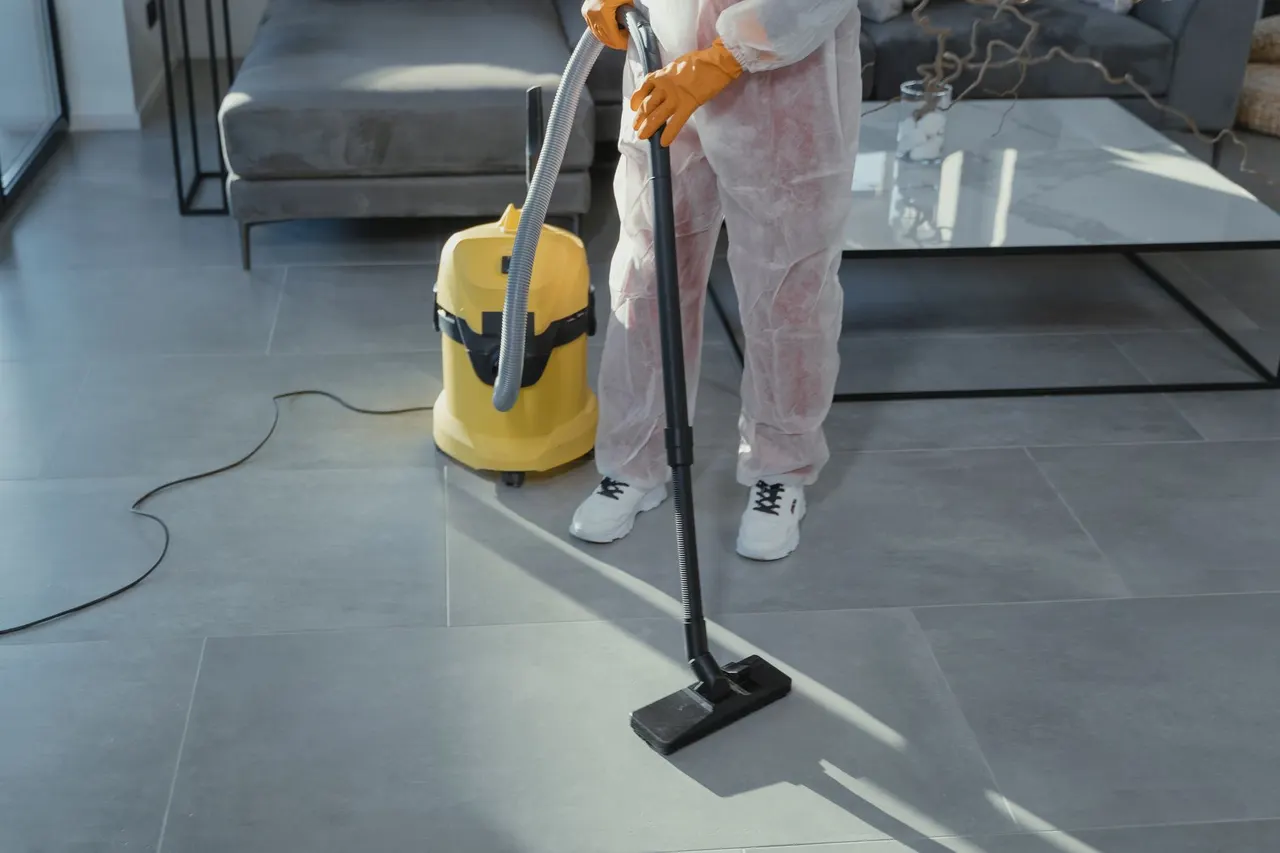
We work in occupied houses every day and keep the contained area sealed off from the rooms you live in. You will know what we are doing and why at each step.
- Musty smell from vents
- Spotting near air handler
- Ceiling stain below unit
HVAC Mold Removal in Phoenix starts with finding where moisture is feeding the growth, not just wiping what you can see. Our team inspects the air handler, coils, drain pan, and duct runs, then contains and removes the contamination. If your vents smell musty or your family is sneezing more, call us today.
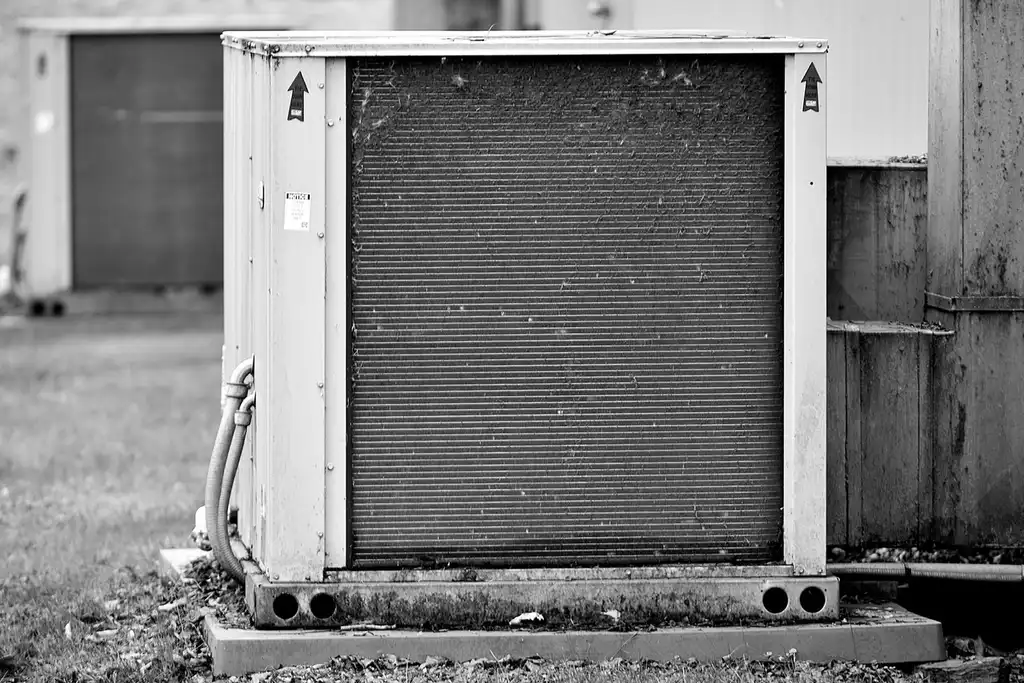 Inspect the coilTrace the moistureVerify with samples
Every job includes inspection, containment, removal, treatment, and verification. What changes is how far the growth has spread and how much duct material has to be replaced. We tell you upfront what is part of the standard job and what would be an add-on, so there are no surprises on the invoice.
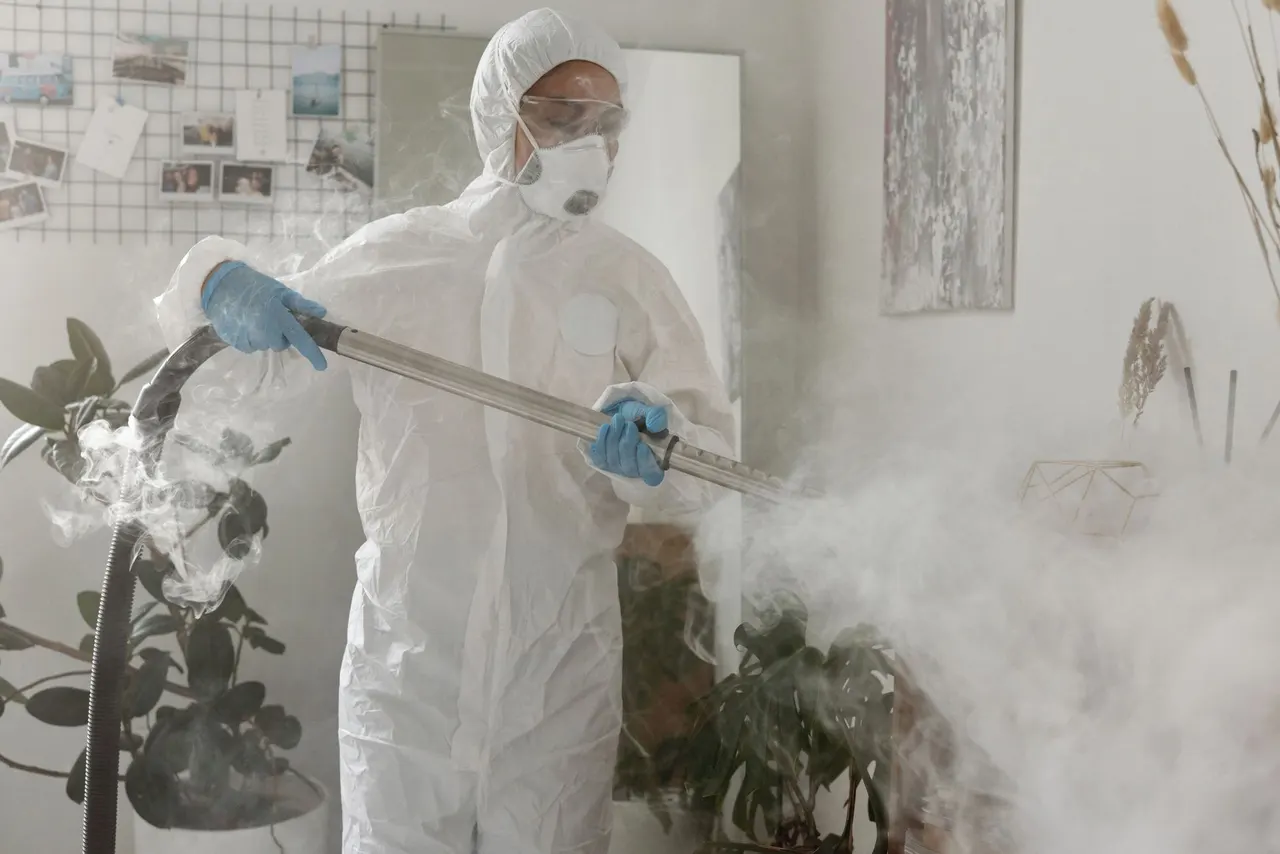
We inspect the air handler, evaporator coil, drain pan, condensate line, plenum, and accessible duct runs. Moisture meter and thermal imaging readings are recorded, and we use a boroscope on duct interiors that cannot be seen directly. You get a clear picture of where the problem is and how far it reaches.
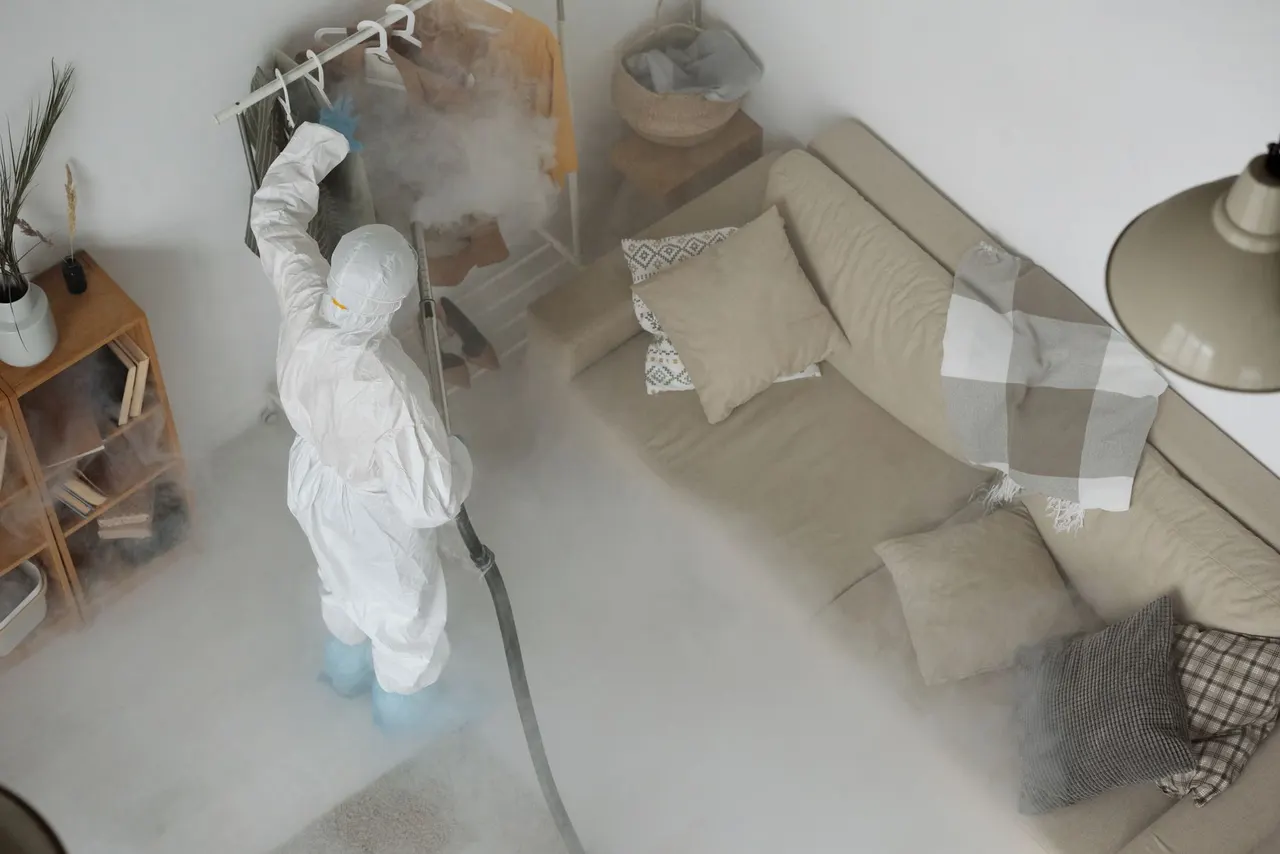
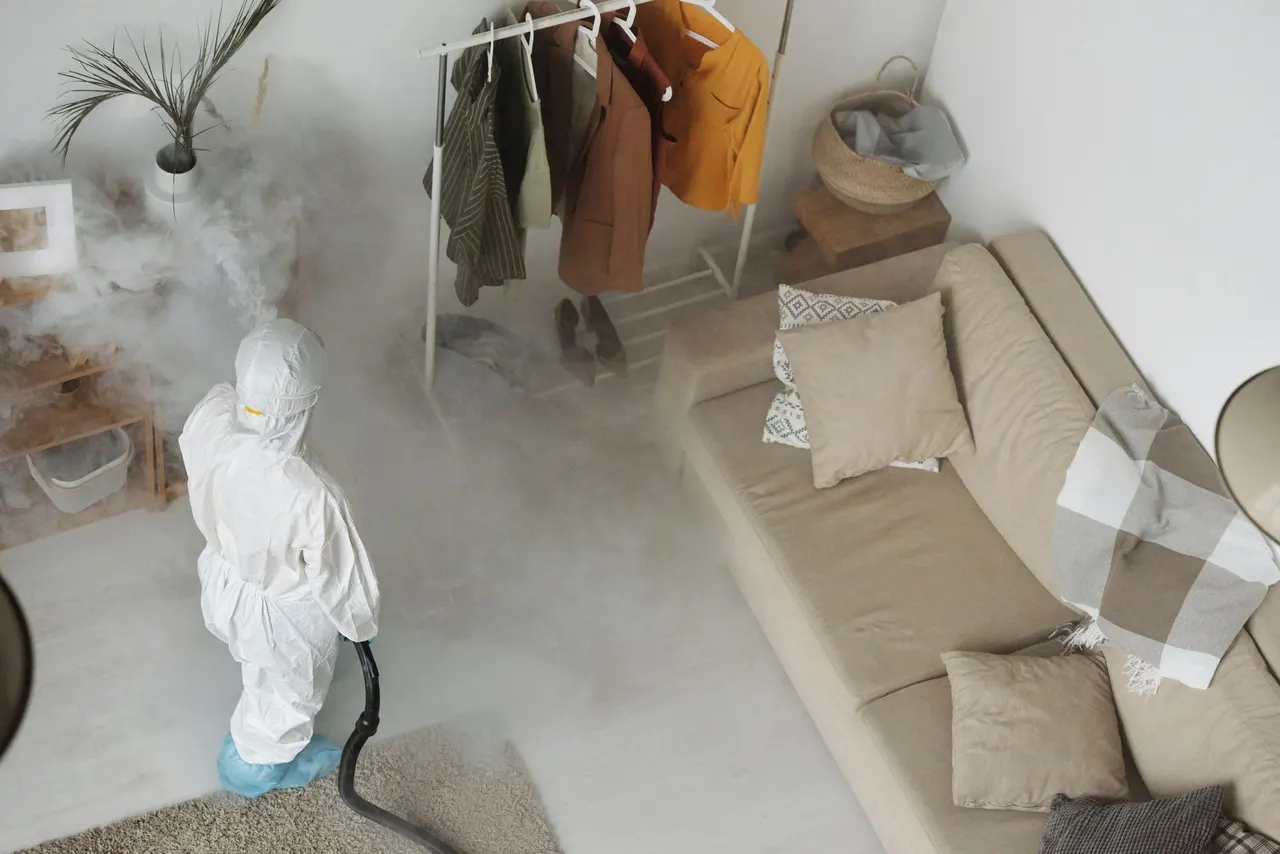
Poly sheeting and a containment barrier isolate the work zone. A negative air machine with HEPA filtration keeps spores from migrating into living space, and an air scrubber runs for the duration of the job. Registers and returns in adjacent rooms are sealed before we open anything.
The evaporator coil gets cleaned on both faces, the drain pan is scrubbed and flushed, and the condensate line is cleared and tested. These three components are where most AC mold growth starts in Phoenix, so they get the most attention. We confirm the pan drains fully before reassembly.
We HEPA vacuum accessible duct interiors and clean register boots and grilles. Where flex duct or duct board is saturated or degraded, we remove and replace that section with new material. Sheet metal runs are cleaned and treated in place.
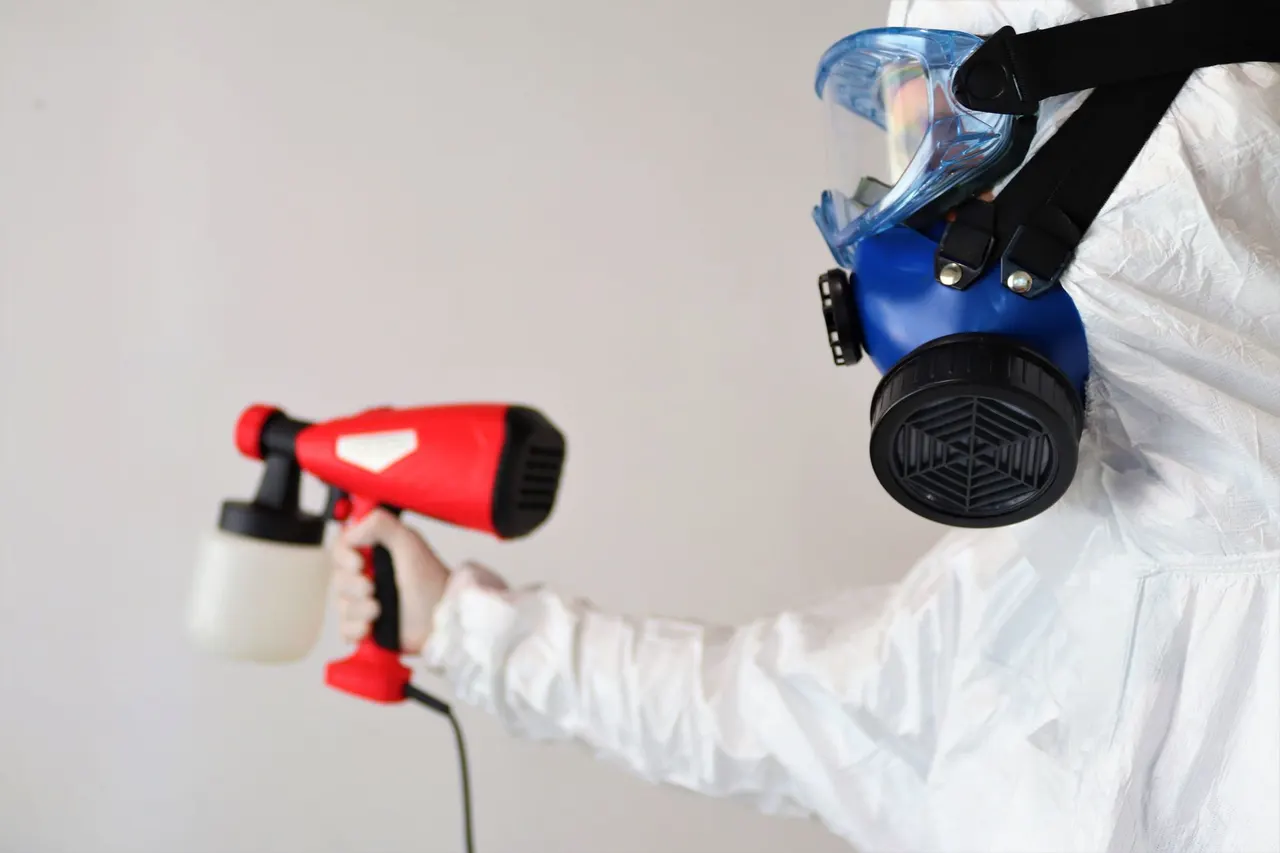
After removal, we apply an antimicrobial spray to the coil, pan, and duct surfaces. Porous areas that cannot be replaced get an encapsulant coating to seal them. Product selection depends on the surface, and we use Fiberlock, Concrobium, or Benefect as appropriate.
We run the system and take post-remediation air samples to confirm the work is complete. You receive a written summary with photos, the scope of what was removed, and the lab results. It is the documentation you need for a sale, a claim, or your own records.
The approach is the same for a home and a business. What changes is the access, the schedule and who needs the paperwork.
We work in occupied houses every day and keep the contained area sealed off from the rooms you live in. You will know what we are doing and why at each step.
We schedule around your operating hours and document the work for your property records. Tenants and staff stay out of the contained zone until clearance testing is complete.
A plain-language look at what HVAC Mold Removal involves and when it is needed.
See how it worksHVAC Mold Removal in Phoenix is the process of locating mold growth inside an air conditioning system, air handler, or ductwork, then removing it and the moisture source feeding it. We open access panels, inspect the evaporator coil and drain pan, and run a boroscope down duct runs to see what a flashlight cannot. Growth usually starts on the coil, in the drain pan, or along the condensate line, then spores ride the airstream through every room. We test, contain, remove, and verify before we close anything up.
Phoenix summers push AC systems to run 12 to 16 hours a day, and that constant condensation is what feeds growth. Monsoon season adds humidity spikes in July and August, and swamp cooler mold shows up in older central-corridor homes that still run evaporative cooling. If you have noticed a musty odor from the vents or visible spotting around the air handler, that is the point where AC coil mold removal in Phoenix stops being optional. We see it most in Midtown, Alhambra, and Sunnyslope, where original ductwork is now 40 to 60 years old.
Mold in an HVAC system is a moisture problem first and a cleaning problem second.
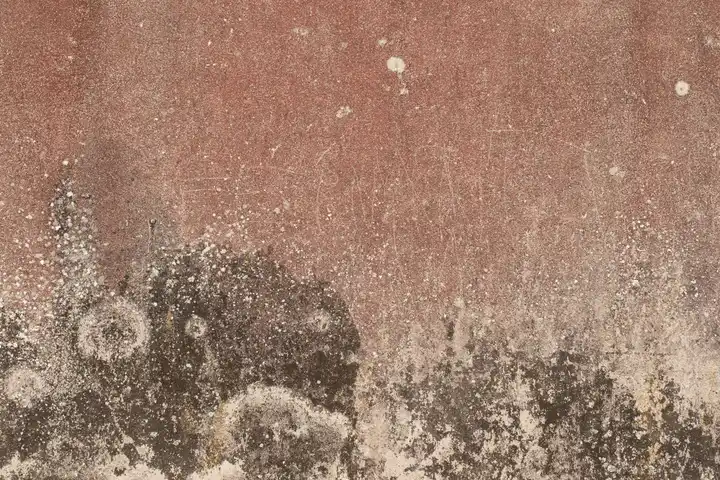
Every job follows the same sequence: find the moisture, contain the work area, remove the growth, verify the result. Here is what you will see from us, start to finish.
We start with a full walkthrough of the system and the rooms it serves. A moisture meter and thermal imaging camera map wet spots on the coil, pan, and duct insulation. We pull surface and air samples where growth is suspected. Expect 60 to 90 minutes for the assessment, and we explain what we found before any work begins.
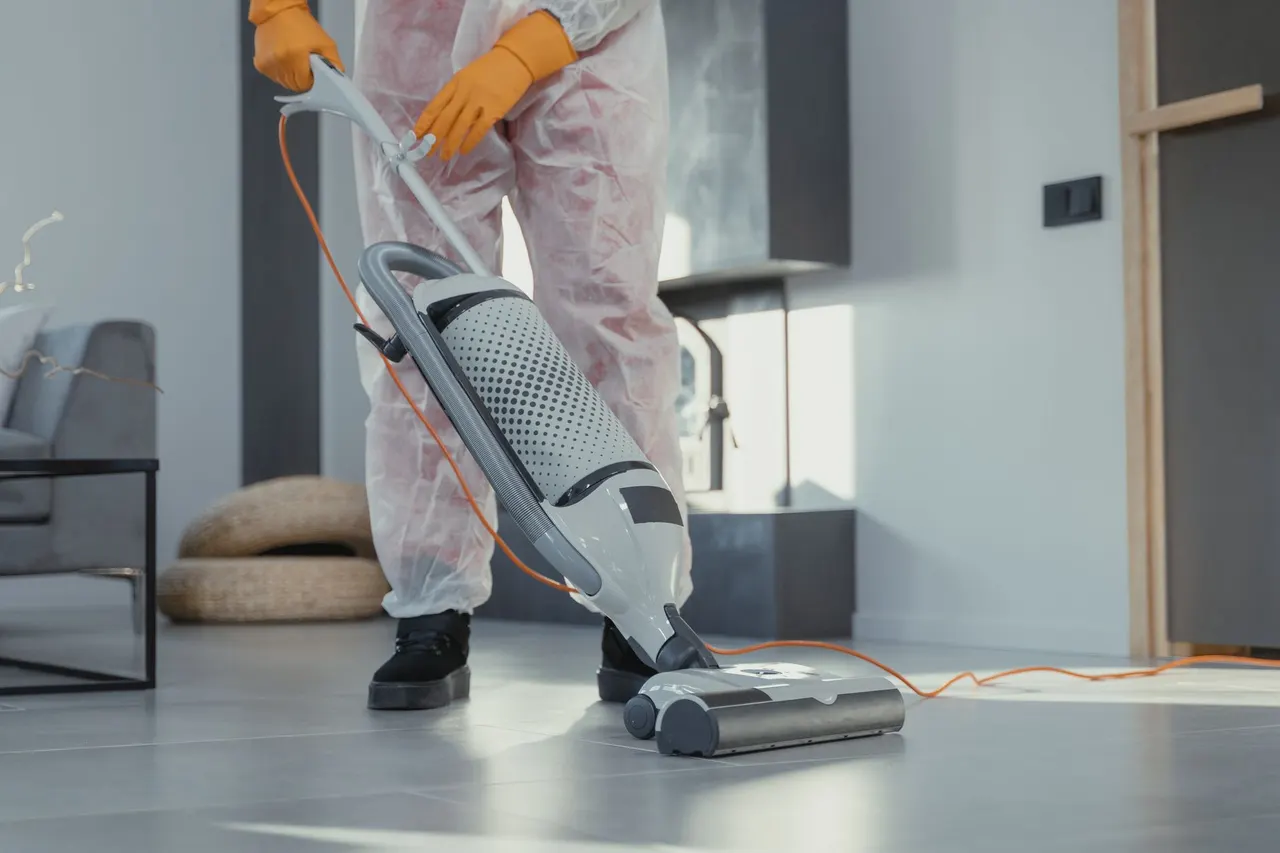
We seal off the work area with poly sheeting and a containment barrier so spores do not migrate into clean rooms. A negative air machine with HEPA filtration pulls air out of the contained zone and exhausts it safely. Registers and returns in adjacent rooms get covered. Setup usually takes 30 to 45 minutes on a standard residential system.
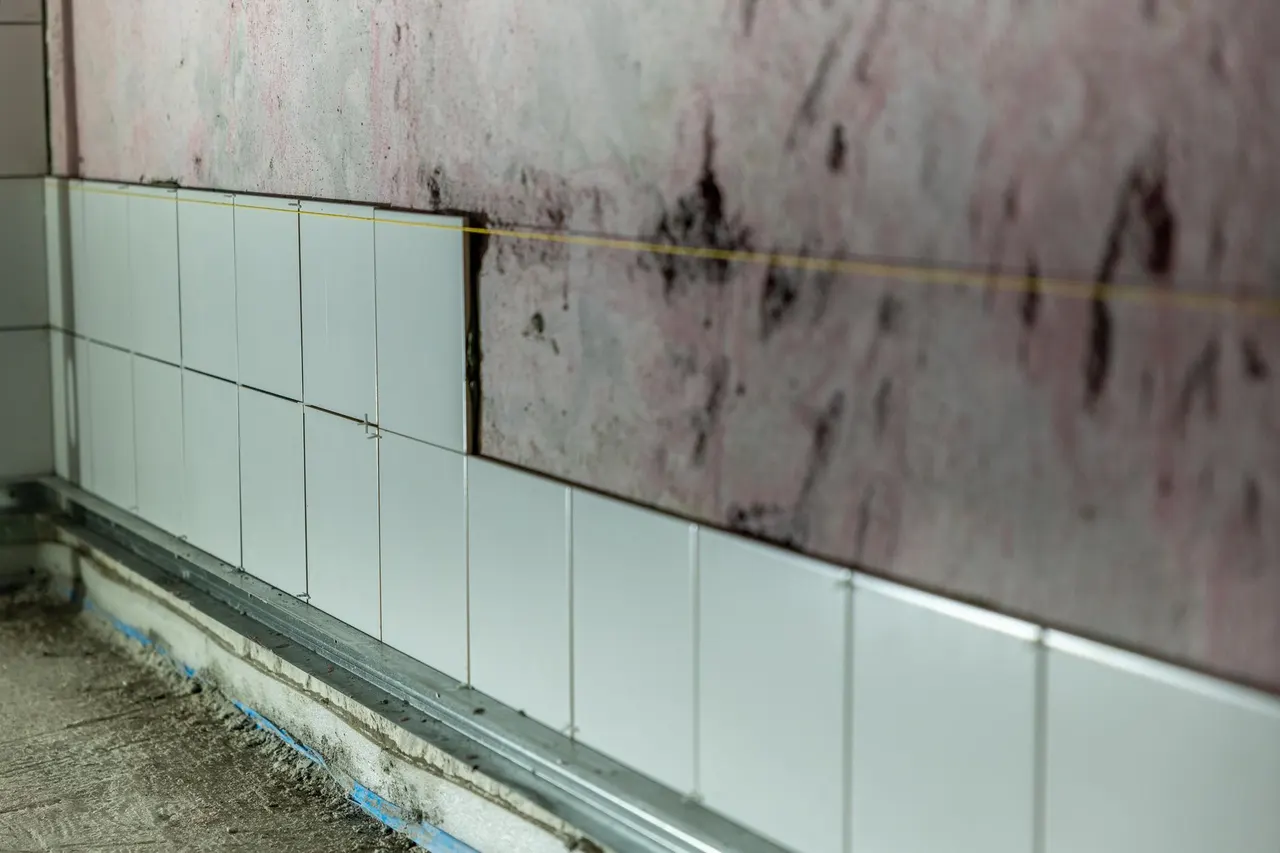
Technicians in PPE coveralls and N95 respirators remove contaminated material. We HEPA vacuum duct interiors, clean the evaporator coil and drain pan, and clear the condensate line. Where duct board or flex duct is saturated and degraded, we remove and replace that section rather than trying to clean a ruined surface. This is the longest phase, often 3 to 6 hours.
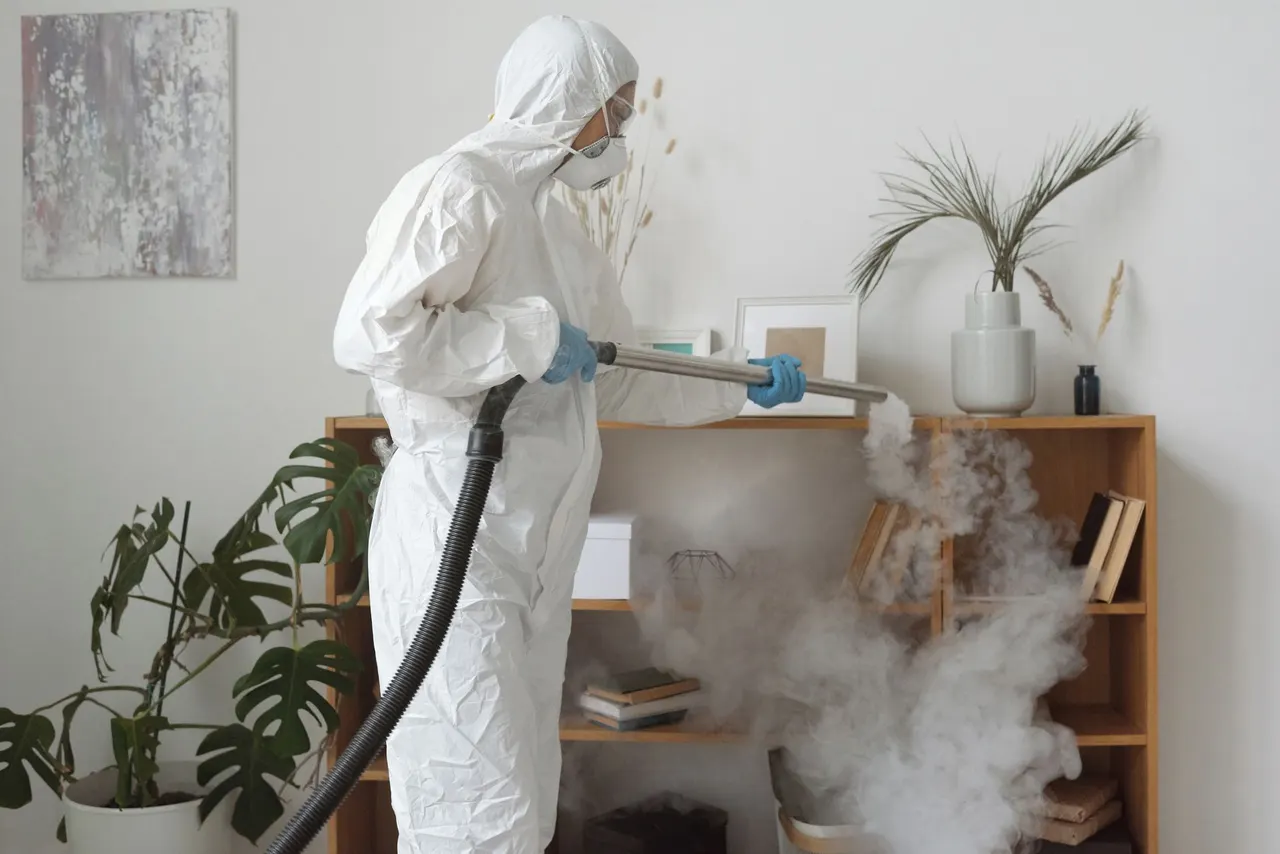
After removal we apply an antimicrobial spray to the coil, pan, and duct surfaces, then seal porous areas with an encapsulant coating where appropriate. We use products from Fiberlock, Concrobium, and Benefect depending on the surface. Duct sections are reconnected and sealed with mastic and foil tape, not just duct tape. Reassembly runs 1 to 2 hours.

We run the system, check airflow at each register, and take clearance samples to confirm the work is done. You get a written summary with photos of the before and after, plus the lab results. We walk you through what we found, what we removed, and how to keep it from coming back. Total job time is usually one day.

Move across a circle, or focus it and press Enter, for an illustrative thermal view of the photograph.

Reads the moisture content of duct board, insulation, and framing. It tells us whether a surface is dry enough to leave in place or wet enough that it has to come out.

Shows temperature differences that reveal hidden moisture behind walls and in ceiling cavities. It is how we find the leak that is feeding the growth before we open anything up.
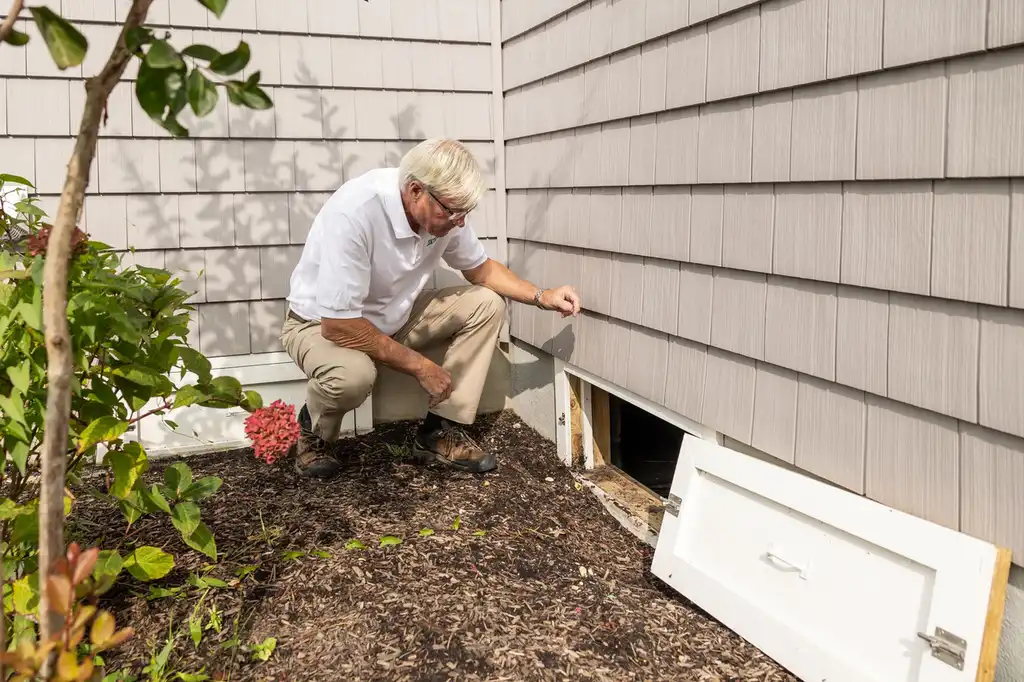
A camera on a flexible rod that lets us see inside duct runs and plenums without cutting large access holes. We use it to confirm growth and to check that cleaning reached the full interior.

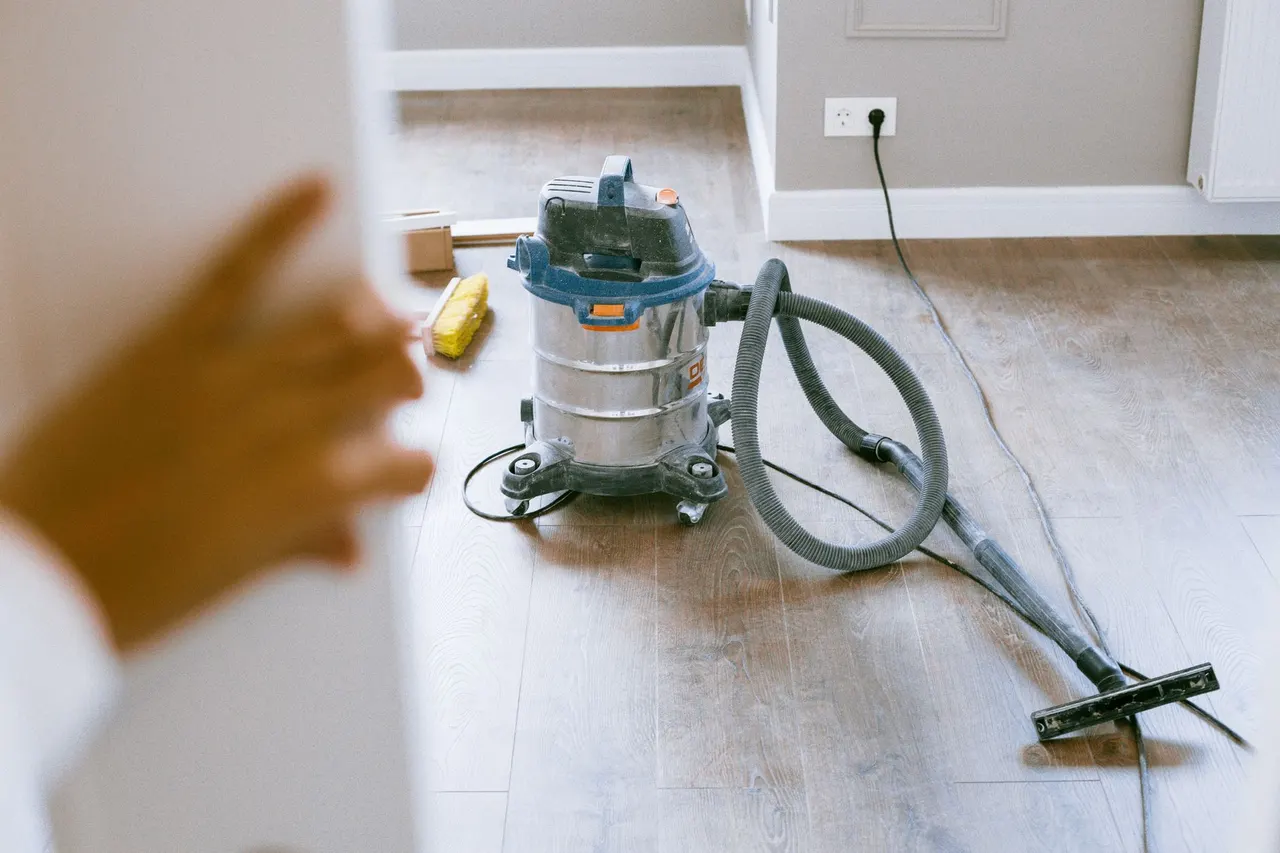
Captures spores and fine debris at 99.97 percent efficiency at 0.3 microns. Standard shop vacuums blow spores back into the air, which is why we do not use them on mold jobs.

Maintains negative pressure inside the containment so air flows in, not out. Combined with HEPA filtration, it keeps the rest of the house out of the contamination zone.
Thermal views are illustrative, generated from the photographs.
Continuously filters airborne particles inside the work area during removal and treatment. It runs from setup until we finish clearance testing.
Pulls moisture out of the contained space so treated surfaces dry properly. Drying is part of the job, not an afterthought.
We follow IICRC WRT and AMRT protocols for water damage and mold remediation. That means documented moisture readings, defined containment, and clearance criteria before the job is considered complete. It is the difference between cleaning a surface and remediating a system.
Our duct work follows NADCA air duct cleaning standards, including source removal rather than chemical masking, and post-cleaning verification. We do not fog a system and call it clean. Contaminants come out physically before any treatment goes on.
Every job gets poly sheeting, a containment barrier, and negative air pressure before removal starts. This is not optional on mold work. Without it, the act of cleaning distributes spores into the rest of the house.
After removal, surfaces get an antimicrobial spray, and porous areas that stay in place get an encapsulant coating. We select products based on the surface and the level of contamination, using Fiberlock, Concrobium, or Benefect.
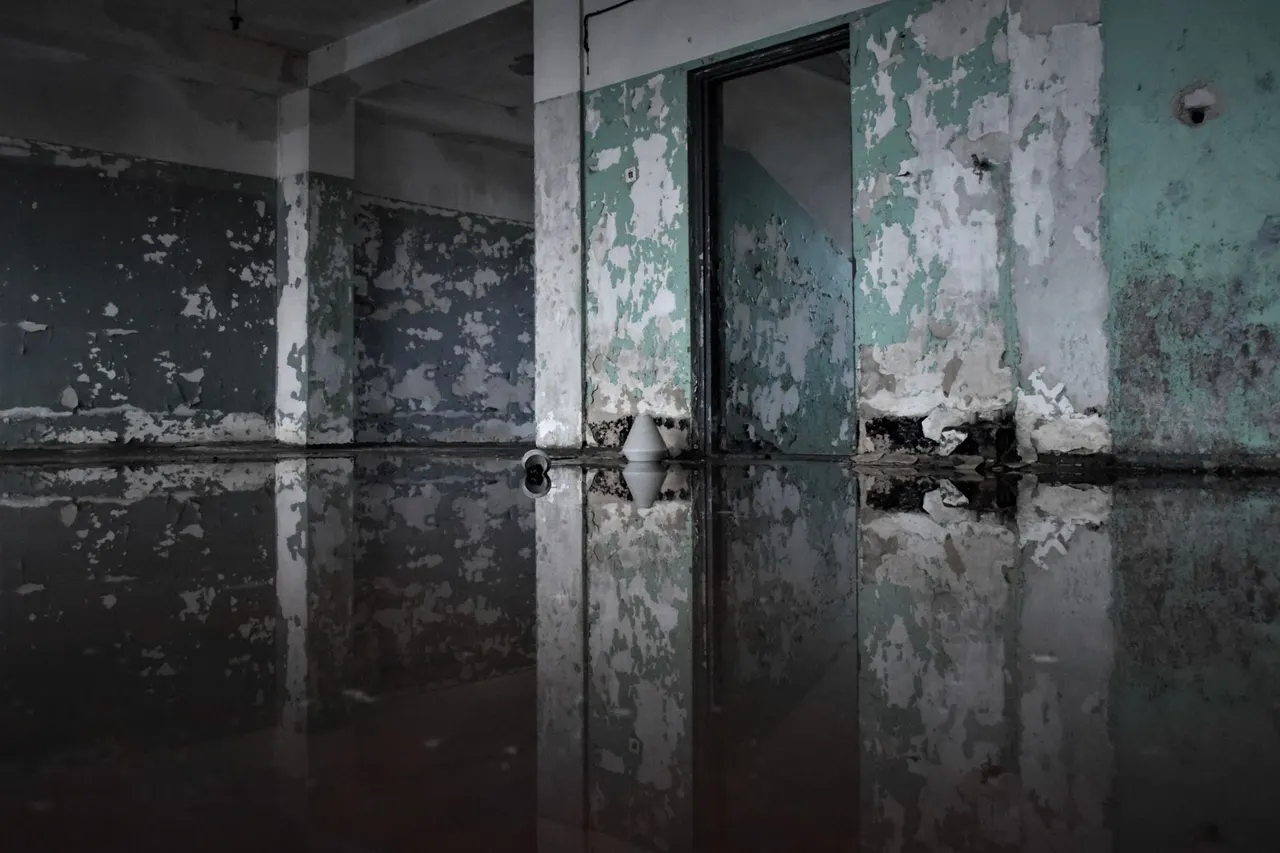
A 1960s ranch home in Maryvale with original ductwork and a musty smell that appeared after a wet monsoon season.
We inspected the full system, found growth on the coil and in two duct runs with failing insulation. Contained the hallway, replaced the degraded runs, cleaned and treated the rest, and verified with air sampling.
Outcome: Clearance samples came back clean, the odor was gone, and the system ran 11 percent less per day on the thermostat runtime report.

A Norterra homeowner noticed spotting around the air handler after a condensate line clogged and overflowed into the pan.
We cleared and tested the condensate line, cleaned and treated the pan and coil, and removed the saturated insulation around the plenum. Containment kept the work isolated from the living space.
Outcome: The pan drains properly, the growth is gone, and the customer has a maintenance plan for flushing the line twice a year.
A Camelback Corridor rental property had tenants reporting musty air and morning congestion in two of three bedrooms.
Air sampling pointed to the HVAC system. We found growth in the return plenum and on the evaporator coil, contained the mechanical closet, and completed removal and treatment in one day.
Outcome: Post-remediation samples showed spore counts within normal outdoor range, and the tenants renewed their lease.
A Sunnyslope home with a swamp cooler and a central AC had visible growth on the cooler pads and in the transition ductwork.
We removed and replaced the contaminated pads and transition duct, cleaned the cooler housing, and treated the central system's coil and pan. Both systems were verified separately.
Outcome: The musty smell stopped, and the homeowner switched to a maintenance schedule that keeps the cooler dry between seasons.
A Deer Valley property manager needed documentation for an insurance claim after a roof leak soaked attic insulation above the duct runs.
We contained the attic work zone, removed the wet insulation and affected duct sections, treated the framing, and documented everything with photos and moisture readings.
Outcome: The claim was approved with our report attached, and the duct system was back online in two days.

Phoenix is hard on HVAC systems. Your AC runs 12 to 16 hours a day from May through September, and the coil stays wet the whole time. Monsoon season in July and August pushes humidity into homes that are built for dry heat, and roof or window leaks that go unnoticed for a week become mold jobs. The building stock matters too.
Midtown, Alhambra, and Maryvale have thousands of 1950s and 1960s block homes with original or once-replaced ductwork, and that ductwork is often undersized and unsealed. Newer builds in Norterra and Anthem have sealed attics and tighter envelopes, which means a small moisture problem has nowhere to escape. We adjust the approach to the house.
Older homes usually need duct sealing and insulation work alongside the cleaning. Newer homes usually need the condensate system checked first, because a clogged line or a pan that will not drain is the most common cause of AC drain pan mold in Phoenix. If you have been looking for air conditioner mold removal near me in Phoenix, the fix starts with finding which of these conditions applies to your system.
Before: A 1961 block home with a musty smell every time the AC ran. The coil had visible dark growth, the drain pan was stained, and two flex duct runs had failing insulation with moisture inside. The homeowner had been changing filters monthly with no effect.
After: We contained the hallway, replaced the two degraded flex runs, cleaned and treated the coil and pan, and cleared the condensate line. Post-remediation air samples came back within normal outdoor spore range. The odor was gone the day the system came back on.
Flush the condensate line every six months and check the pan for standing water at the start of cooling season. Filter changes every 60 to 90 days during heavy runtime.
Before: A 2018 build where the condensate line clogged and the pan overflowed into the ceiling below the air handler. The drywall showed a water stain, and the insulation around the plenum was saturated. Growth had started on the pan and the plenum interior.
After: We cleared and tested the condensate line, cleaned and treated the pan and coil, removed the wet insulation and affected drywall, and treated the framing. Clearance testing confirmed the growth was gone. The line now drains freely and the ceiling was repaired.
Pour a cup of vinegar down the condensate line every three months. Check the pan monthly during summer for standing water.
Before: A rental unit where tenants reported musty air and morning congestion in two bedrooms. Air sampling pointed to the HVAC system. We found growth in the return plenum and on the evaporator coil, with a partially blocked condensate line feeding the moisture.
After: Containment went up in the mechanical closet, and we completed removal and treatment in one day. Post-remediation samples showed spore counts within normal outdoor range. The tenants stayed, and the property manager added the unit to a preventive maintenance schedule.
Schedule a coil and pan inspection each spring before cooling season. Keep the return grille and filter clean to reduce dust reaching the wet coil.
Most calls start with a smell, a symptom, or a stain. Here are the four situations we see most often, and what happens if they are left alone.
Clean air from every register and a moisture problem that stays fixed.
When growth is removed from the coil, pan, and duct interior, the airstream stops carrying spores into bedrooms and living areas. Customers in Maryvale and West Phoenix often tell us the morning congestion and coughing eased within a week of ductwork mold cleanup in Phoenix. We verify with post-remediation air sampling so you know the numbers, not just the smell.
Mold and biofilm on an evaporator coil act like insulation, forcing the system to run longer to hit the thermostat setting. A cleaned coil and unrestricted return airflow can cut runtime noticeably during a Phoenix summer. We have measured 8 to 15 percent drops in runtime on systems where the coil was heavily fouled before cleaning.
That damp, dirty-sock smell coming from your registers is the clearest sign of mold in air ducts in Phoenix homes. It does not go away with a filter change or a scented vent clip. We remove the source, treat the interior surfaces with an antimicrobial spray, and the odor goes with it. Most customers notice the difference the same day the system is back online.
Mold growth on a coil and in a drain pan leads to corrosion, blocked condensate lines, and eventually water damage around the air handler. AC condensate line mold in Phoenix is a common cause of ceiling stains and pan overflow.
Clear records you can keep and share.
Before and after images of affected areas
Meter and thermal readings by location
Written list of what was removed
Pre and post clearance sample numbers
Where the growth sits determines how much work the job takes and what has to be replaced.
Growth limited to the coil, pan, or a single component
Growth inside one or more duct runs
Growth across plenum, ducts, and structural material
A list like this tells people straight away whether you cover their street. Not listed? Call and ask: it only takes a minute.
Based in Phoenix and covering the places around it. Pick one for local details.
Dusty ducts look gray and even, and the debris is dry. Moldy ducts show patchy dark staining, often with a musty smell that gets stronger when the AC runs. You may see spotting on the coil, in the drain pan, or around the air handler. A moisture meter and surface sample confirm which one you have. Dust is a cleaning job. Mold is a removal and treatment job with containment.
Three things: condensation, dust, and darkness. Your evaporator coil stays wet through months of 12-hour run cycles, and that moisture collects in the drain pan and on duct surfaces. Add the dust that gets past a cheap filter and you have food plus water in a dark space. A clogged condensate line or a pan that will not drain makes it worse fast.
We contain the work area with poly sheeting and negative air pressure, then HEPA vacuum the duct interiors and clean the coil and pan. Contaminated flex duct or duct board gets removed and replaced. After removal we apply an antimicrobial spray and an encapsulant coating where the surface calls for it. We finish with clearance sampling to confirm the growth is gone.
Not always. Sheet metal ductwork can usually be cleaned and treated in place. Flex duct and duct board that is saturated, sagging, or falling apart gets replaced because you cannot clean a degraded porous surface. In our experience, roughly one in four Phoenix jobs needs partial duct replacement, usually a single run near the air handler where the moisture was worst.
Other services from the same team.
Musty vents do not fix themselves, and every week of runtime spreads more spores through your house. Call AZ Mold Removal and we will inspect the system, show you what we find, and give you a straight price before we start. Same-day inspections available across Phoenix.
Call 1234567890 or email info@azmoldremoval.com and we will get you on the schedule. We answer the phone during business hours, and if you leave a message after hours we call back the next morning. Tell us what you are seeing, smelling or feeling, and we will tell you what the next step looks like.