Water Damage Mold Cleanup Phoenix that stops mold at the source
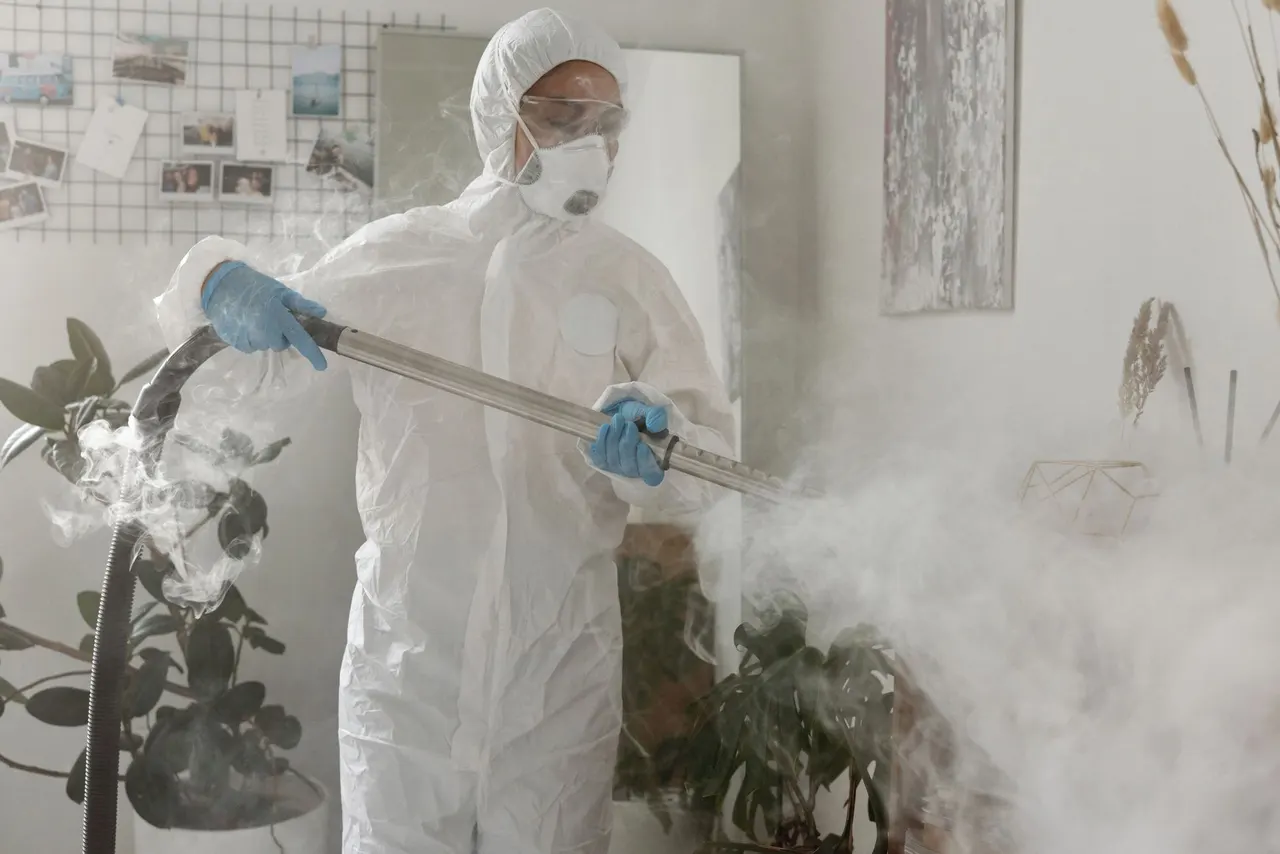
Water Damage Mold Cleanup Phoenix is what you call when a leak, monsoon intrusion or burst pipe has left wet framing, soaked drywall and that first musty smell. We handle water damage mold remediation in Phoenix for homeowners, landlords and property managers across Maricopa County. Our crew extracts standing water, dries the structure, contains the affected area and treats mold growth before it spreads into your HVAC or attic.
Every job starts with an inspection and a flat price. The list below covers what we handle on a standard cleanup. If your situation needs something outside this scope, we tell you before we start, not after.
Moisture mapping and inspection
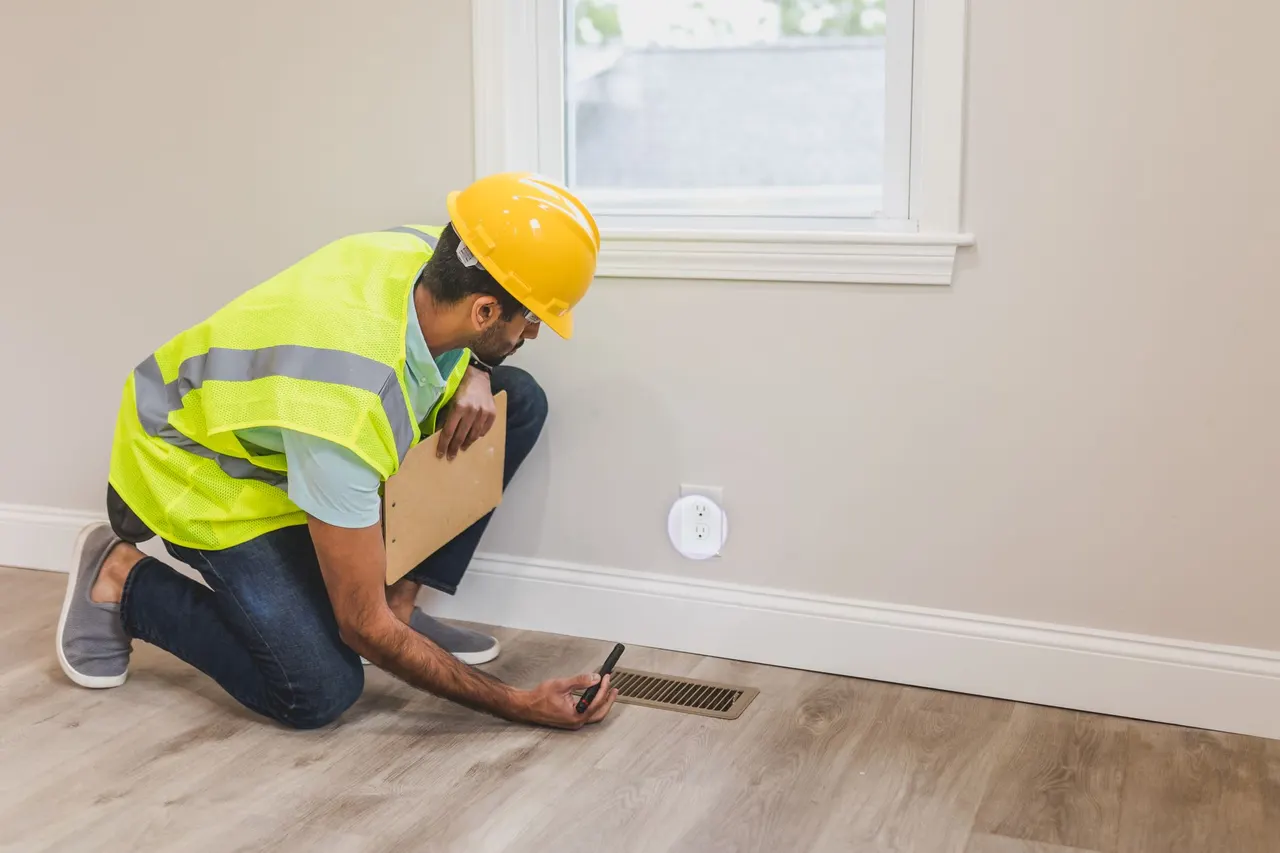
We use a moisture meter, thermal imaging camera and boroscope to find every wet surface, including inside wall cavities and under flooring. You get a written summary of what is wet and how far the water traveled.
Containment and air scrubbing
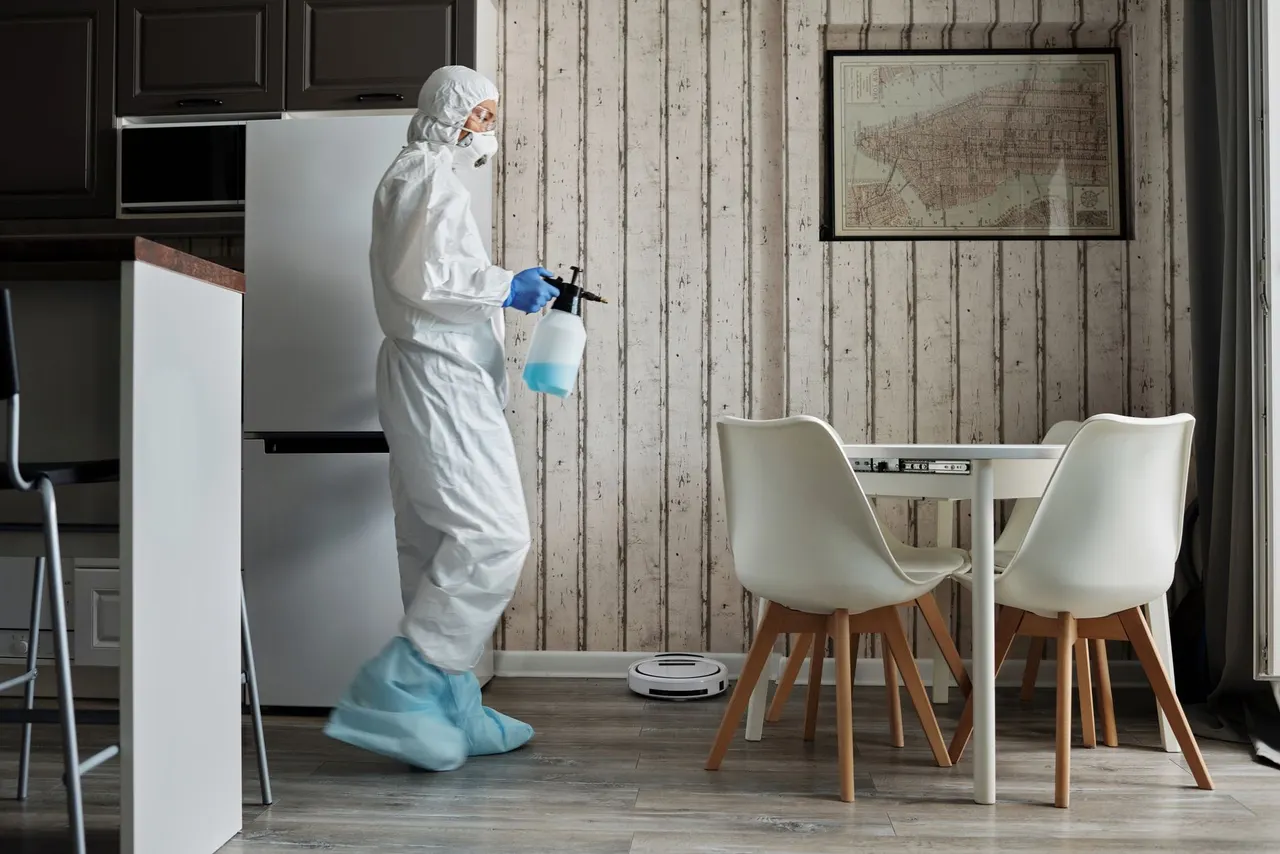
Poly sheeting and duct tape seal the work zone. Negative air machines pull air through HEPA filters so spores do not drift into clean rooms while we work.
Water extraction and structural drying
Extraction units pull standing water, then Dri-Eaz dehumidifiers and air movers dry the framing, subfloor and drywall. We check readings daily and adjust equipment until the structure hits dry standard.
Mold treatment and material removal
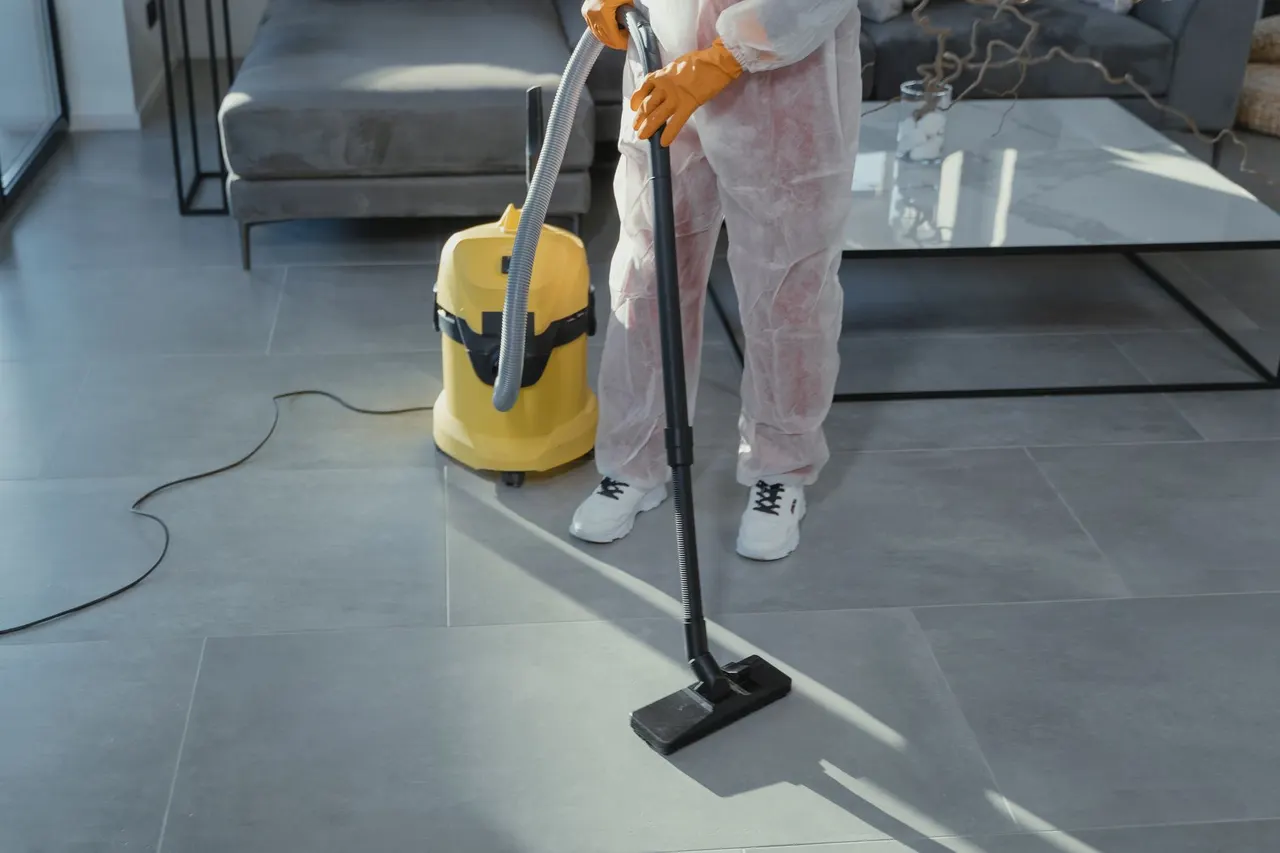
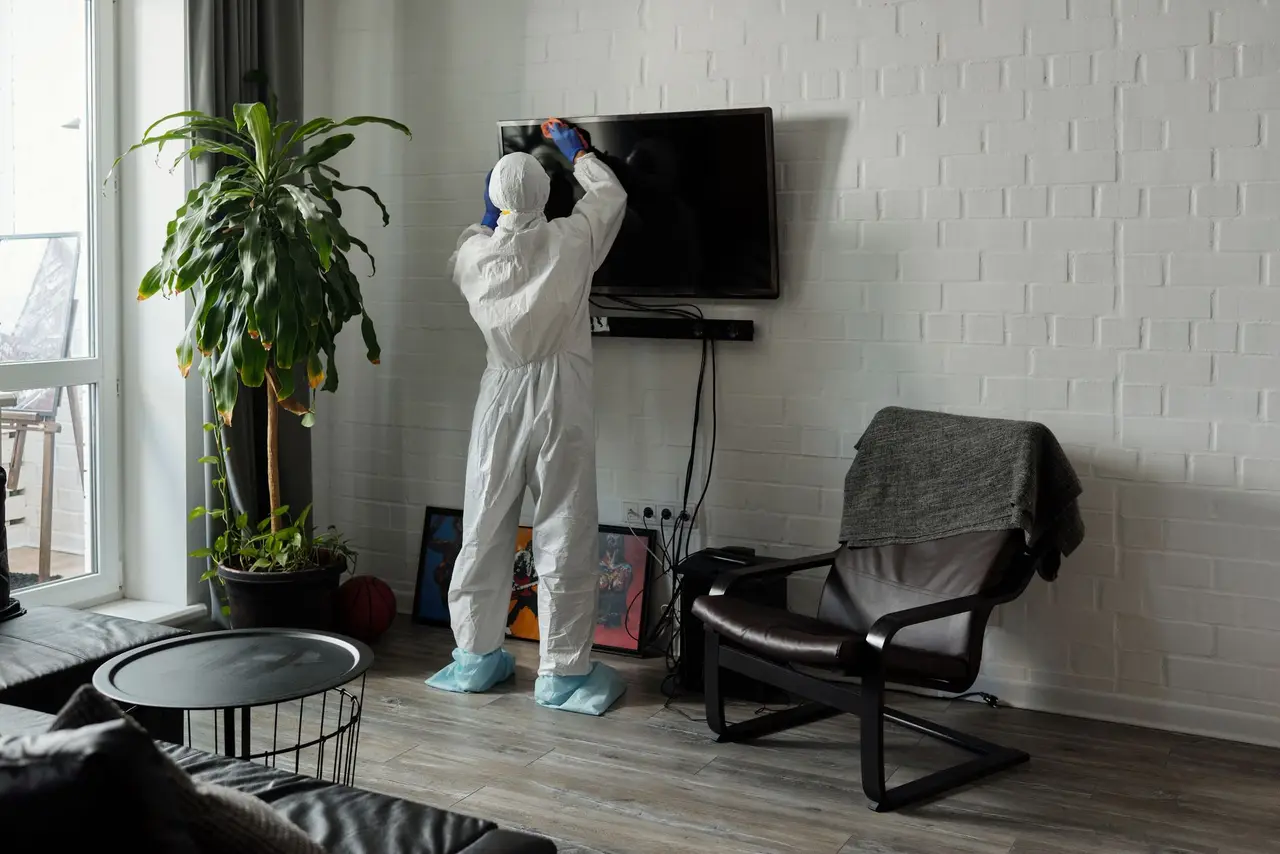
Wet drywall, insulation and other porous materials come out and get bagged. Framing and hard surfaces get HEPA vacuuming, antimicrobial spray and, where needed, an encapsulant coating.
Final verification and documentation
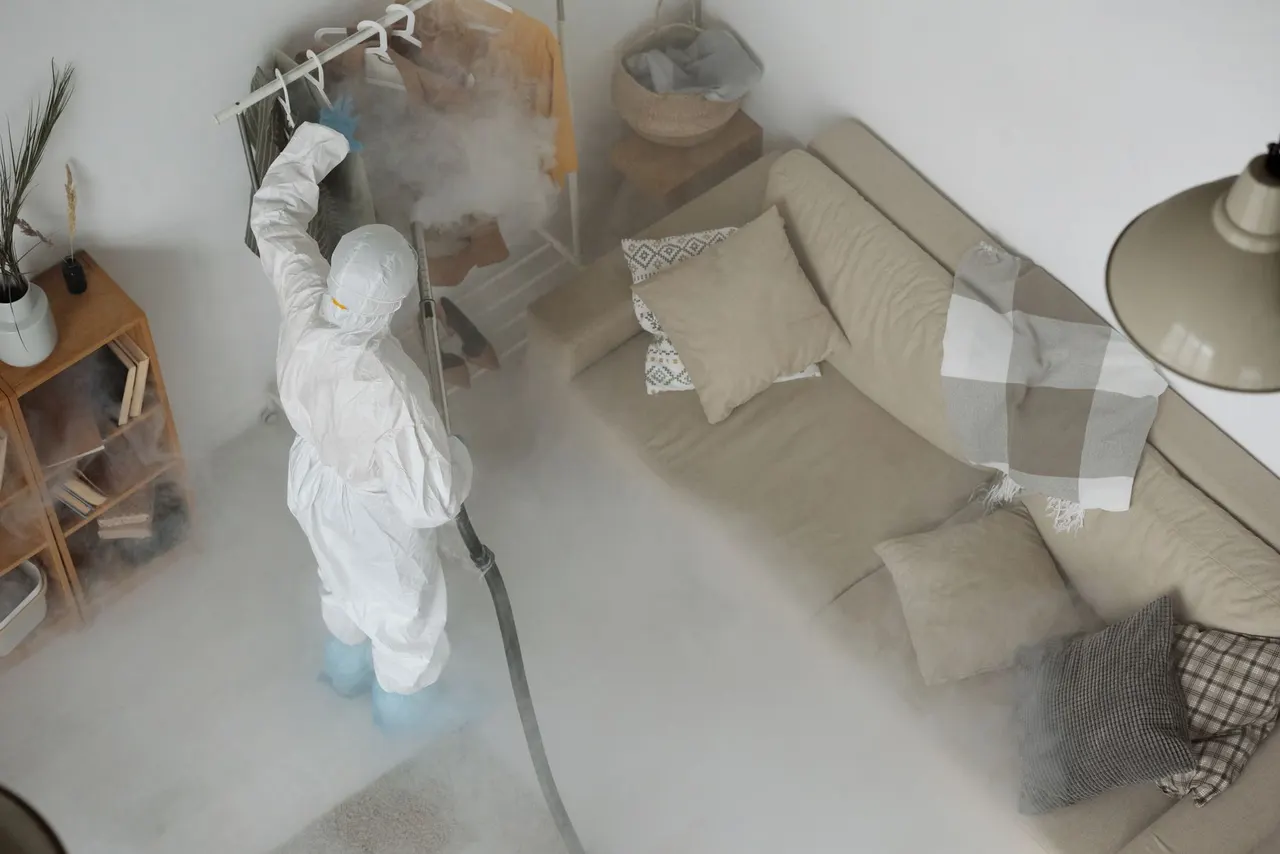
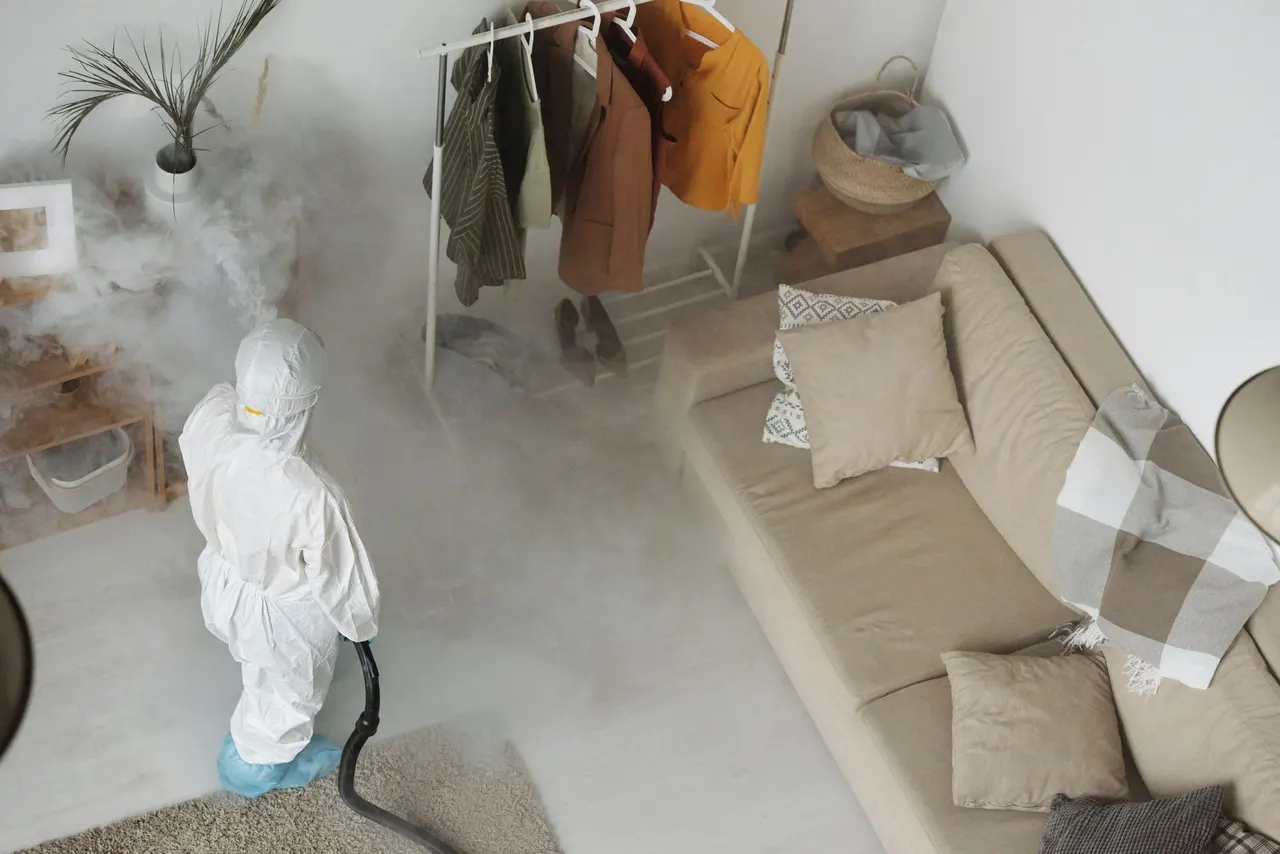
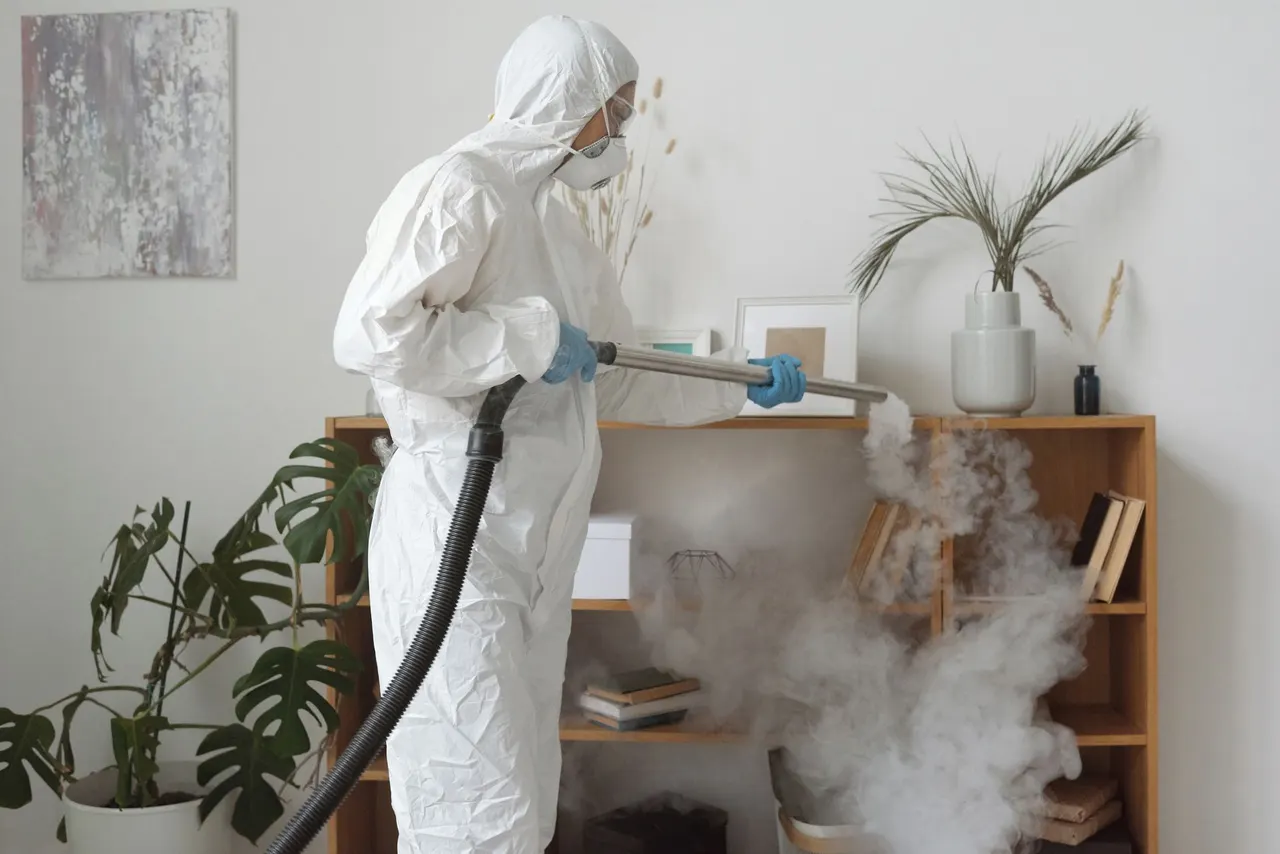
We take final moisture readings, run a fogger where needed and hand you photos, a drying log and a summary of what was removed. That file is ready to send to your insurance carrier.
Homes and businesses.
The approach is the same for a home and a business. What changes is the access, the schedule and who needs the paperwork.
For homes
We work around your family and protect furniture while we dry and treat the affected rooms. You get daily readings and a clear picture of what comes out and what stays.
Water heater closet leaks
Washing machine supply line bursts
Bathroom supply line drips
For businesses
We schedule around your operating hours so tenants and staff keep working while we dry and treat. Documentation is built for your property insurance claim.
Break room water heater failures
Rooftop unit condensate overflows
Restroom supply line leaks
Water Damage Mold Cleanup Phoenix, start to finish
A plain-language look at what Water Damage Mold Cleanup involves and when it is needed.
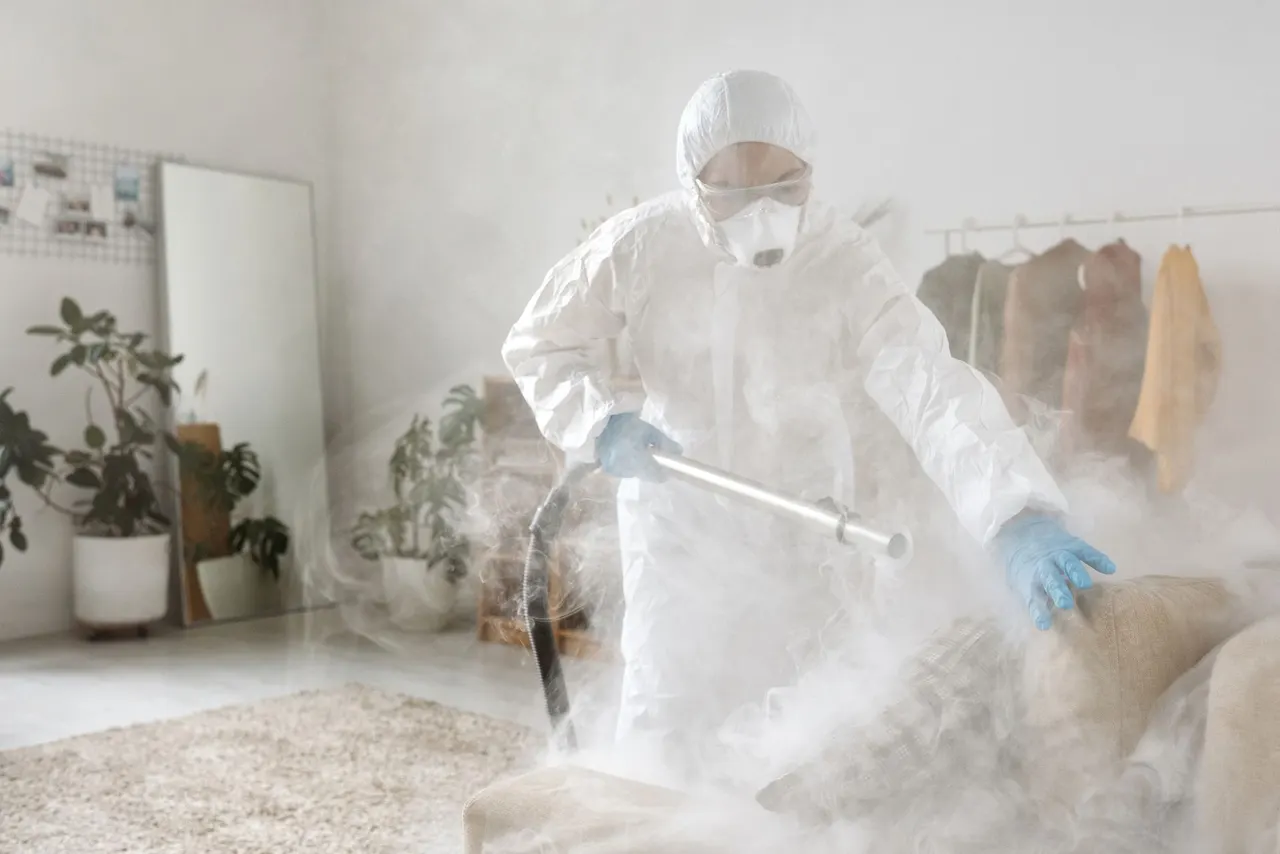
Water Damage Mold Cleanup Phoenix is the process of removing standing water, drying the structure and treating mold growth that has already started in wet drywall, baseboards, cabinets and framing. We use moisture meters and thermal imaging cameras to map how far the water traveled, then set up air scrubbers, HEPA vacuums and negative air machines inside a containment barrier. Affected materials get treated with antimicrobial spray and, where needed, an encapsulant coating so spores stay sealed.
Phoenix homes run into this after a slab leak, a failed water heater or a swamp cooler that overflows in July. Monsoon storms push water through roof valleys and window frames, and the heat inside a closed house can push indoor humidity past 60 percent within a day. That is the window where black mold growth and musty odors take hold. If you have found mold after water damage in Phoenix, we can usually schedule an inspection the same day you call.
Find the water source, dry the structure to standard, treat the mold and verify the result.
What it is
Water extraction, structural drying, containment and mold treatment after a leak or flood.
When you need it
Wet drywall, musty odors or visible growth within a week of a leak.
What to expect
Inspection, containment, drying over two to five days, treatment and final verification.
How our cleanup process works
Every job follows the same five steps, whether it is a washing machine leak in Maryvale or a roof leak that soaked a Sunnyslope ceiling. Here is what you will see from our crew.
Call and inspection
You call, we ask what leaked and when, then send a technician with a moisture meter, thermal imaging camera and boroscope. The inspection takes 45 to 90 minutes. We tell you what is wet, what is growing and what it will take to fix it before anyone starts work.
Inspect
Measure
Explain
Containment setup
We build a containment barrier with poly sheeting and duct tape so spores do not drift into clean rooms. Negative air machines pull air out through HEPA filters, and the crew suits up in PPE coveralls and N95 respirators. Setup usually runs one to two hours.
Seal
Filter
Protect
Water extraction and drying
Standing water comes out with extraction units, then we place Dri-Eaz dehumidifiers and Phoenix Restoration Equipment air movers to dry the structure. Most rooms take two to four days to reach dry standard, and we check readings daily.
Extract
Dry
Monitor
Mold treatment and removal
Porous materials like wet drywall and insulation come out and get bagged. Framing and hard surfaces get HEPA vacuuming, then an antimicrobial spray such as Concrobium or Benefect. Where growth was heavy, we apply an encapsulant coating to seal the surface.
Remove
Treat
Seal
Verification and handoff
We take final moisture readings, run a fogger where needed, and walk you through the space. You get photos, a drying log and a plain-language summary of what was removed and what to watch. That walkthrough takes about 30 minutes.
Verify
Document
Walkthrough
Tools and methods we use
Move across a circle, or focus it and press Enter, for an illustrative thermal view of the photograph.
Thermal imaging camera
Finds temperature differences that reveal hidden moisture inside wall cavities, ceilings and floors without cutting into the surface.
Moisture meter
Reads moisture content in drywall, framing and subfloor. We use it to set the drying goal and confirm the structure is dry before we pull equipment.
Boroscope
A small camera that lets us look inside wall cavities and behind cabinets to confirm mold growth and see how far water traveled.
Air scrubber with HEPA filters
Pulls airborne spores out of the work zone and keeps the rest of the house clean while we remove affected materials.
Negative air machine
Maintains negative pressure inside containment so air flows in, not out. That keeps spores from drifting into clean rooms.
Thermal views are illustrative, generated from the photographs.
Methods
Dri-Eaz dehumidifiers and air movers
Drying equipment that pulls moisture out of the air and moves it off wet surfaces. Most rooms reach dry standard in two to four days.
Fogger
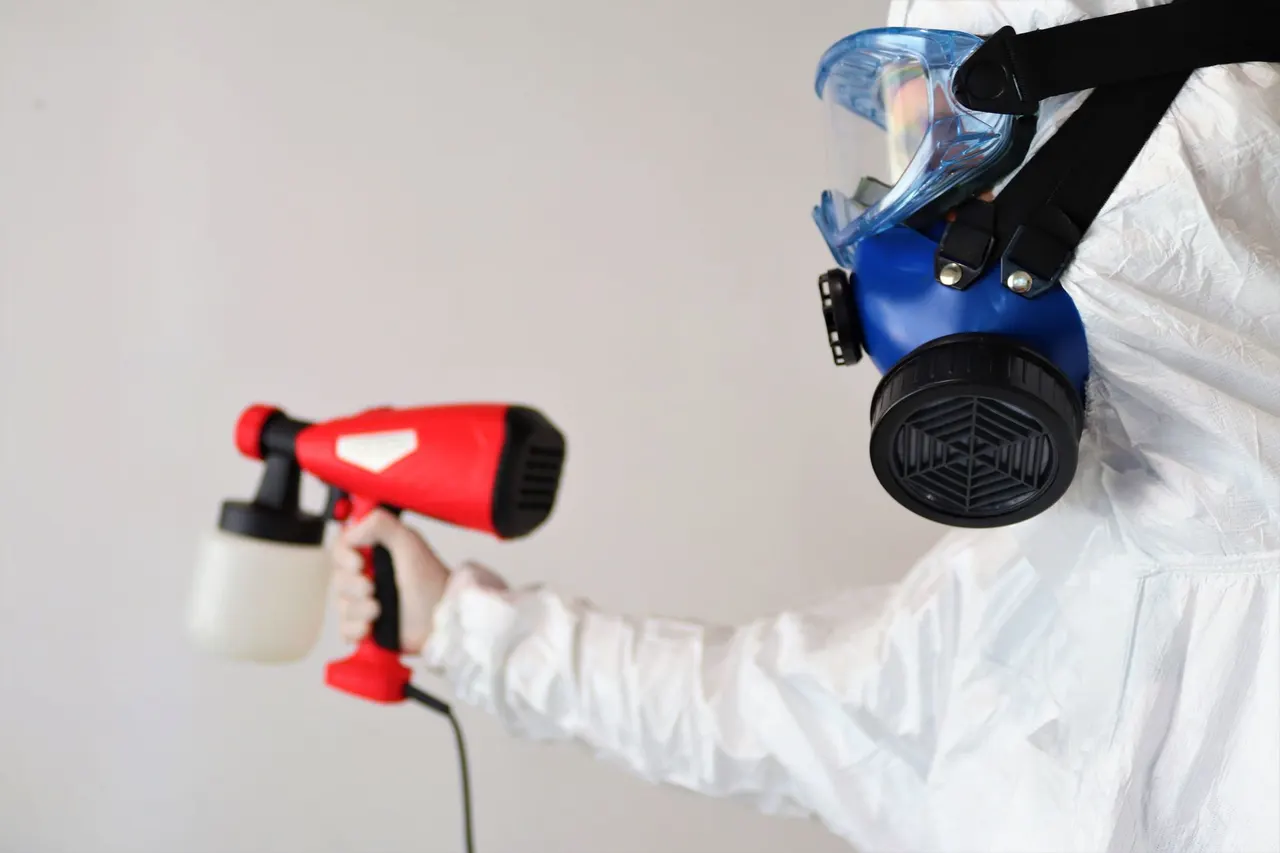
Applies a fine mist of antimicrobial treatment to surfaces that are hard to reach by hand, including framing and cavity walls.
IICRC WRT drying sequence
We follow the IICRC water restoration standard for extraction, evaporation, dehumidification and temperature control. That sequence sets the drying goal and tells us when to stop, so we do not pull equipment too early.
IICRC AMRT remediation practice
The mold remediation standard guides containment, removal, cleaning and verification. We follow it on every job, from a single bathroom to a full commercial floor.
EPA Lead-Safe work practices
Pre-1978 Phoenix homes can have lead paint under the drywall. We follow EPA Lead-Safe practices during demolition and disposal so the work does not create a new hazard.
NADCA air duct practice
When mold reaches the HVAC system, we follow NADCA practice for cleaning components and ductwork. That keeps spores from recirculating through the house after cleanup.
When to call for water damage mold cleanup
Laundry room burst
A washing machine supply line burst overnight and soaked the laundry room and hallway carpet.
We extract the standing water, pull the wet pad, dry the subfloor and treat the baseboards. Containment keeps spores out of the adjacent bedrooms while we work.
Outcome: The laundry room and hallway are dry in three days, and the carpet pad is replaced without tearing out the whole floor.
Monsoon roof leak
A monsoon pushed water through a roof valley and stained the ceiling in two bedrooms.
We inspect the attic with a boroscope, dry the decking and ceiling cavity, and treat any growth on the sheathing. Photos go to your roofer and your insurance carrier.
Outcome: Ceiling stains are treated, attic mold is removed and the roof repair is documented so the leak does not return next season.
Slab leak
A slab leak under the living room floor left warm spots and a musty smell near the baseboards.
We map the moisture with a thermal imaging camera, contain the room, dry the slab and treat the baseboards and lower drywall. A plumber handles the pipe repair while we dry.
Outcome: The slab reads dry, the baseboards are treated and the musty smell is gone within four to five days.
Commercial break room
A commercial break room water heater failed over a holiday weekend and soaked the carpet and two walls.
We schedule the work around business hours, contain the break room, extract water and dry the walls with dehumidifiers and air movers.
Outcome: The break room is back in service within four days, and the documentation supports the property insurance claim.
AlhambraSunnyslopeMaryvale
How water damage mold cleanup runs in Phoenix
Phoenix has two mold seasons, and they behave differently. Summer brings AC condensate overflow and swamp cooler leaks, with indoor temperatures above 80 degrees that speed up mold growth. Monsoon season from July through September pushes water through roof valleys, window frames and stucco cracks.
Winter is quieter, but a water heater leak or burst pipe in a 1950s ranch house in Alhambra or Maryvale can soak a slab and go unnoticed for days. We adjust drying plans for each. In summer we run more dehumidification because the air holds moisture longer. After a monsoon, we inspect attics and ceiling cavities first because that is where roof leak mold removal Phoenix AZ calls usually start.
Older homes in ZIP codes 85009 and 85006 often have original galvanized plumbing, so we check for slab leaks before we dry. Newer builds in Norterra and Anthem tend to have tighter envelopes, which means less airflow and slower drying in wall cavities. We set equipment counts based on those conditions, not a generic formula.
Alhambra: Older ranch homes with original plumbing and slab construction. Slab leaks here often go unnoticed until baseboards swell and the floor feels warm.
Sunnyslope: Homes built into hillsides with roof lines that catch monsoon runoff. Attic and ceiling inspections matter here after every storm.
Maryvale: Mid-century housing stock with galvanized supply lines. Water heater failures and slow supply line drips are common calls.
North Phoenix: Newer construction with tight envelopes and PEX plumbing. When a fitting fails, water travels farther before it shows on a surface.
Camelback Corridor: A mix of older homes and commercial buildings. We schedule commercial work around business hours so tenants are not disrupted.
Summer indoor temperatures above 80 degrees: Mold can colonize wet drywall in 24 to 48 hours instead of the usual 48 to 72. We prioritize extraction and start drying the same day we inspect.
IllustrativeThe thermal view is generated from the photograph. It is not a measurement. Drag the handle, or use the arrow keys once it is focused.
Water heater closet and hallway in Maryvale
Before: A 50-gallon water heater failed overnight and dumped water into the closet, hallway and two bedrooms. Carpet pad was soaked, baseboards were swelling and the smell was already strong by the time we arrived.
After: We extracted 30 gallons of standing water, pulled 240 square feet of wet pad, dried the subfloor and treated the baseboards. Moisture readings dropped from 28 percent to 9 percent in four days.
Replace the water heater pan drain line and check the pan every six months.
Monsoon roof leak in a Sunnyslope attic
Before: A July storm pushed water through a failed roof valley and soaked the attic decking and insulation over two bedrooms. Ceiling stains appeared within a week and the attic smelled musty.
After: We removed 180 square feet of wet insulation, dried the decking and treated the sheathing with antimicrobial spray. Final readings showed the decking at 11 percent moisture, down from 32 percent.
Have the roof valley flashing repaired before the next monsoon season. Check the attic after every major storm for new stains.
AC condensate overflow in North Phoenix
Before: A clogged condensate line overflowed into the ceiling above a home office. The drywall was wet across a 6-by-8-foot area and showed early mold growth along the tape line.
After: We cut out the affected drywall, dried the ceiling cavity and treated the framing. The room was back to dry standard in three days and the new drywall went up the following week.
Pour a cup of vinegar down the condensate drain every month during cooling season. That keeps the line clear and prevents another overflow.
Problems we solve after leaks and floods
Most Phoenix mold calls start with the same handful of water sources. Here is what we see most often and how we handle each one.
Musty odorsMusty smell that will not go away after a leakOdors mean active growth somewhere you cannot see. Left alone, spores spread through the HVAC system and reach bedrooms within weeks. We trace the smell with a thermal imaging camera and boroscope, find the wet cavity and treat it at the source. Air scrubbers with HEPA filters clear the airborne spores, and a fogger handles the surfaces holding the odor.
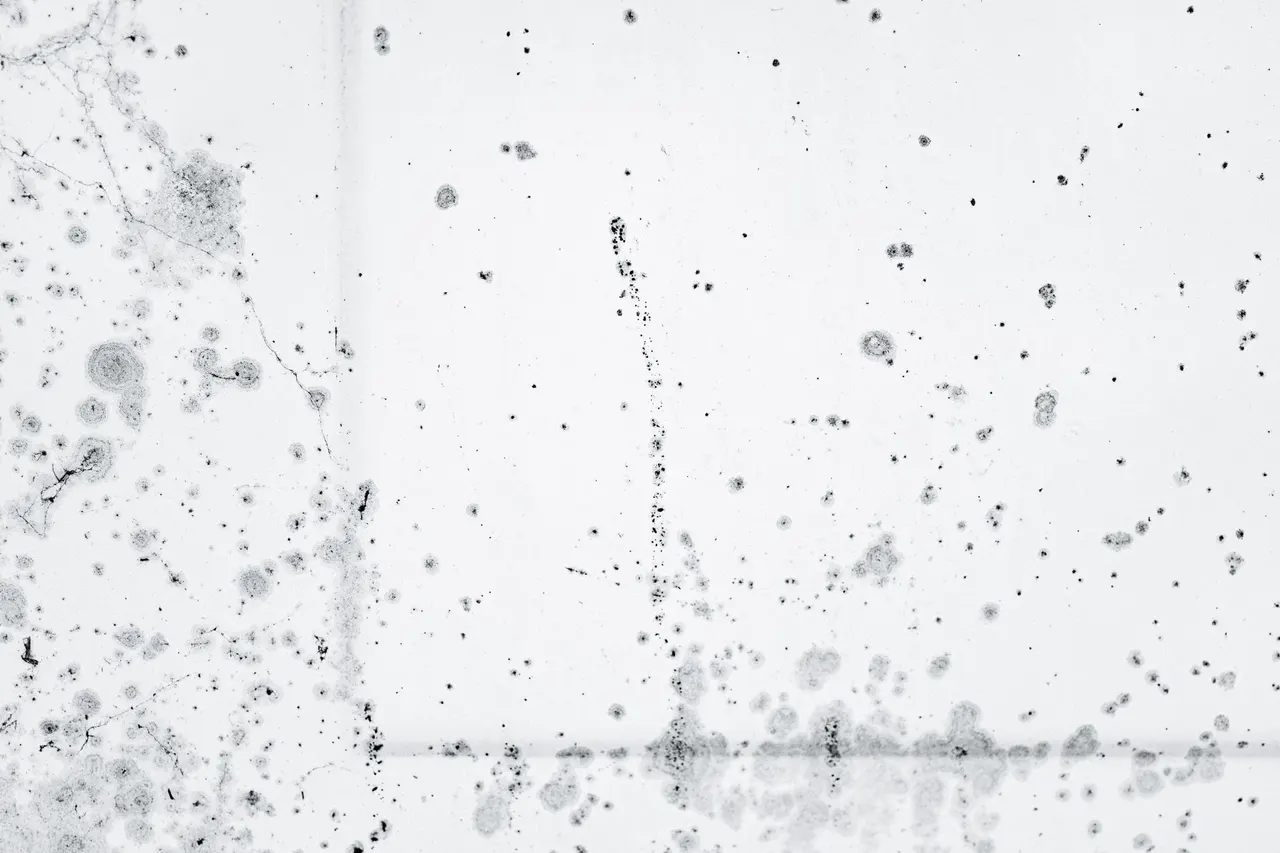
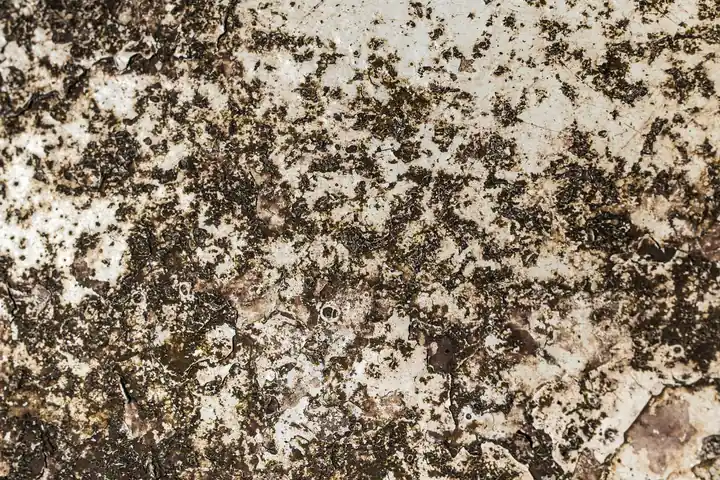
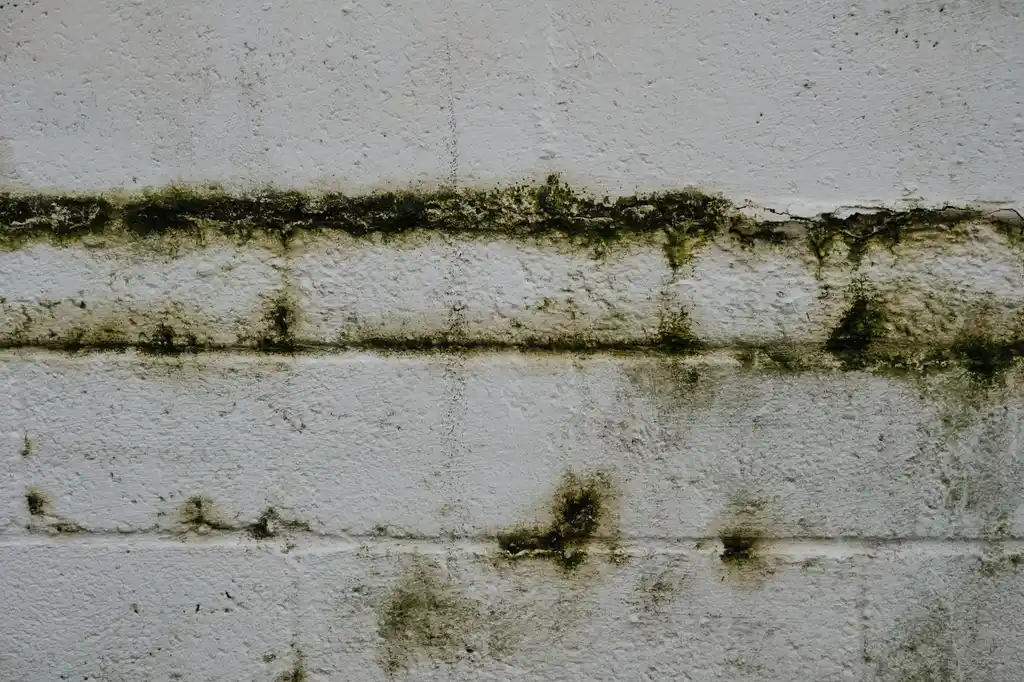
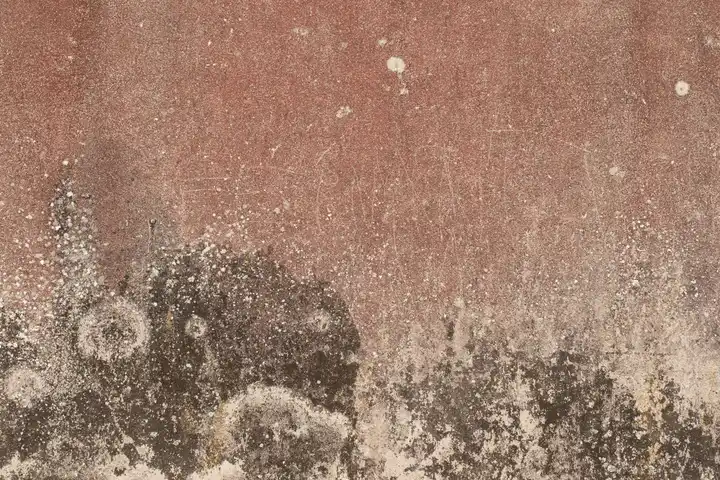
Visible black moldVisible black mold growth on drywall or baseboardsBlack mold growth spreads fast on wet paper facing. Once it reaches the framing, removal costs climb because more material has to come out. We contain the room, remove the affected drywall and insulation, HEPA vacuum the framing and apply antimicrobial spray. An encapsulant coating seals the surface so spores stay put.
Water heater leakWater heater leak that soaked the closet and hallwayA failed water heater can dump 40 to 60 gallons before anyone notices. That water wicks into baseboards, carpet pad and adjacent rooms. We extract standing water, pull wet pad and drywall, and dry the subfloor with dehumidifiers and air movers. Most water heater leak mold Phoenix jobs are dry within three to four days.
AC overflowAC condensate overflow staining the ceilingCondensate lines clog every summer in Phoenix. The overflow soaks attic decking and ceiling drywall, and mold follows within a week. We dry the ceiling cavity, treat the affected decking and drywall, and document the moisture source so your HVAC tech can clear the line. Most AC condensate overflow mold Phoenix calls are resolved in two to three days.
What you get from professional cleanup
A dry structure, treated surfaces and documentation you can hand to your insurer.
Mold stopped at the source
We fix the moisture problem first, not just the visible growth. That means tracing the leak with a moisture meter and thermal imaging camera, drying the cavity, then treating the mold. Skip that step and the same wall grows mold again within 30 to 60 days.
Air quality you can trust
An air scrubber running with HEPA filters pulls airborne spores out of the room while we work. For Water Damage Mold Removal Phoenix jobs in bedrooms and living areas, we keep containment sealed until post-cleanup readings confirm the space is clear.
Insurance-ready documentation
We photograph every affected surface, log moisture readings before and after, and note the materials removed. Most Phoenix carriers want that paper trail before they approve a water damage mold remediation in Phoenix claim, and we hand it to you as a single file.
No repeat callbacks
We verify dryness with a moisture meter before we pull containment. If a wall cavity still reads wet, we keep drying. That one habit is why our Water Damage Mold Cleanup Services Phoenix customers rarely call us back for the same room twice.
What you receive
Clear records you can keep and share.
Photo log
Images of every affected surface
Drying log
Daily moisture readings by room
Material list
What was removed and disposed
Job summary
Plain-language recap of the work
Three water categories you should know
The category of water that entered your home decides how much material has to come out and how we treat it.
Category 1
Clean water from a supply line
Supply line leaks
Often dryable
Less material removal
Category 2
Gray water with some contamination
Washing machine discharge
Dishwasher overflow
More disinfection needed
Category 3
Black water from sewage or ground
Sewer backups
Toilet overflow
Porous materials removed
Surfaces and systems we work with
Drywall
Baseboards
Framing
Subfloor
Carpet pad
Cabinets
Attic decking
HVAC ducts
Service ZIP codes.
A list like this tells people straight away whether you cover their street. Not listed? Call and ask: it only takes a minute.
Mold can start growing in 24 to 48 hours when wet materials stay above 70 degrees and 60 percent humidity. In a closed Phoenix house during summer, that window can shrink to a single day. Visible growth usually shows up within 5 to 10 days. If a leak soaked drywall or carpet, call for an inspection before the end of the week.
It includes water extraction, structural drying with dehumidifiers and air movers, containment, HEPA vacuuming, antimicrobial treatment and removal of moldy porous materials. We also document moisture readings and take photos for your insurance file. Most Phoenix jobs run two to five days from setup to final verification, depending on how much material is wet.
If the wet area dried within 24 to 48 hours and you see no discoloration or smell nothing musty, you may not need full cleanup. Anything longer than that, or any visible black mold growth, needs treatment. A moisture meter reading above 16 percent in drywall is a clear sign the cavity is still wet and worth inspecting.
Watch for a musty odor that does not clear when you run the AC, warped baseboards, bubbling paint or a stain that keeps coming back. A thermal imaging camera and boroscope can confirm what is happening inside the cavity without cutting the wall open. We check those signs on every inspection and show you the readings.
Get Water Damage Mold Cleanup Phoenix scheduled today
If a leak has left wet drywall or a musty smell anywhere in your home, call us now. We inspect, explain what we found and give you a flat price before work starts. Same-day appointments are available across Phoenix and Maricopa County.
Call 1234567890 or email info@azmoldremoval.com and we will get you on the schedule. We answer the phone during business hours, and if you leave a message after hours we call back the next morning. Tell us what you are seeing, smelling or feeling, and we will tell you what the next step looks like.