For homes
We handle mold in attics, bathrooms, crawl spaces, and behind walls in Phoenix homes. Every job gets containment and clearance testing.
- Attic mold after roof leaks
- Bathroom mold behind showers
- Crawl space mold from leaks
Mold Abatement Phoenix means stopping active growth, containing spores, and removing contaminated material so your air tests clean. Our crews handle attic, crawl space, bathroom, and HVAC mold across Maricopa County. We show up with moisture meters, thermal cameras, and HEPA scrubbers, explain what we find, and give you a written scope before any work starts. Most jobs are contained the same day we arrive.
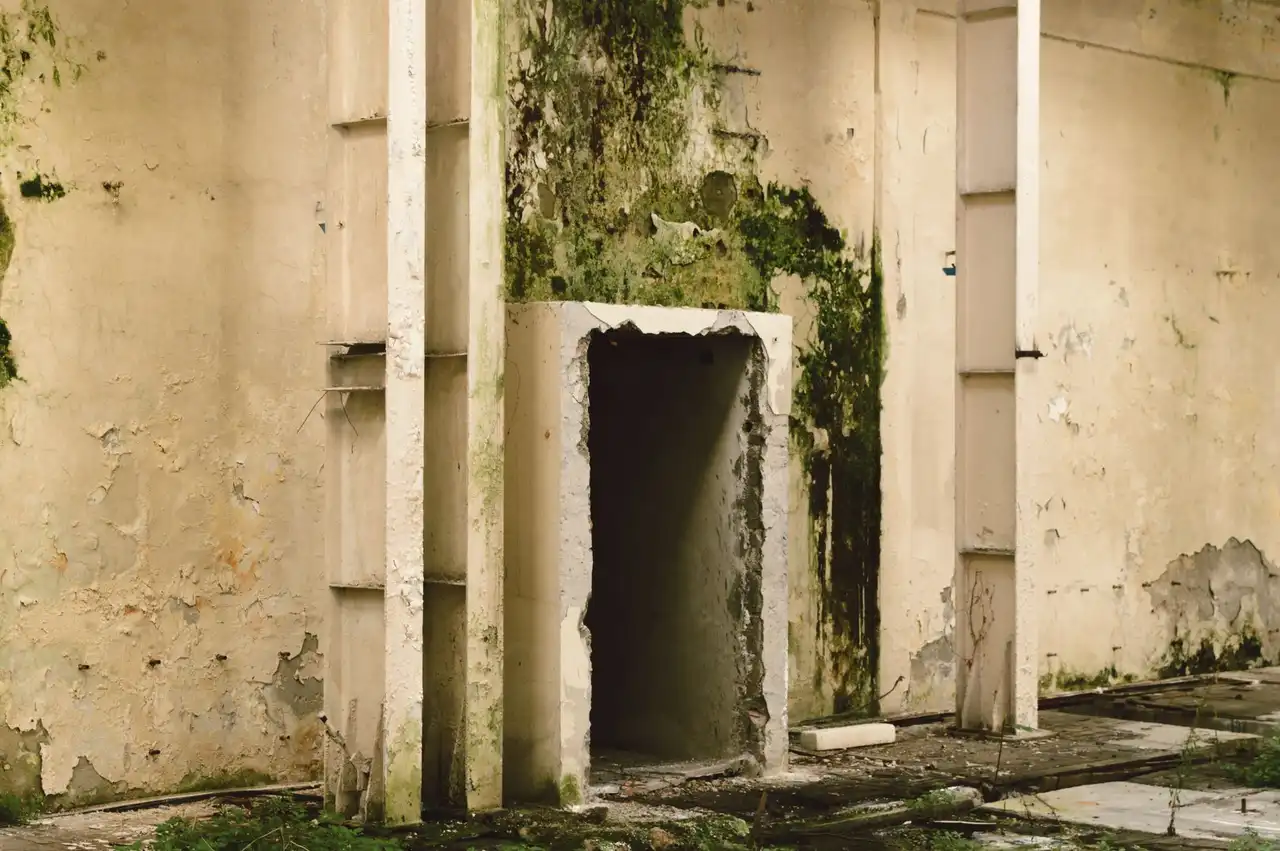 Moisture mappingContainment setupClearance testing
Every mold abatement job we run in Phoenix includes inspection, containment, removal, cleaning, drying, and clearance testing. The scope is written before we start, so you know what is covered. Add-ons like duct cleaning or encapsulation are quoted separately if needed.
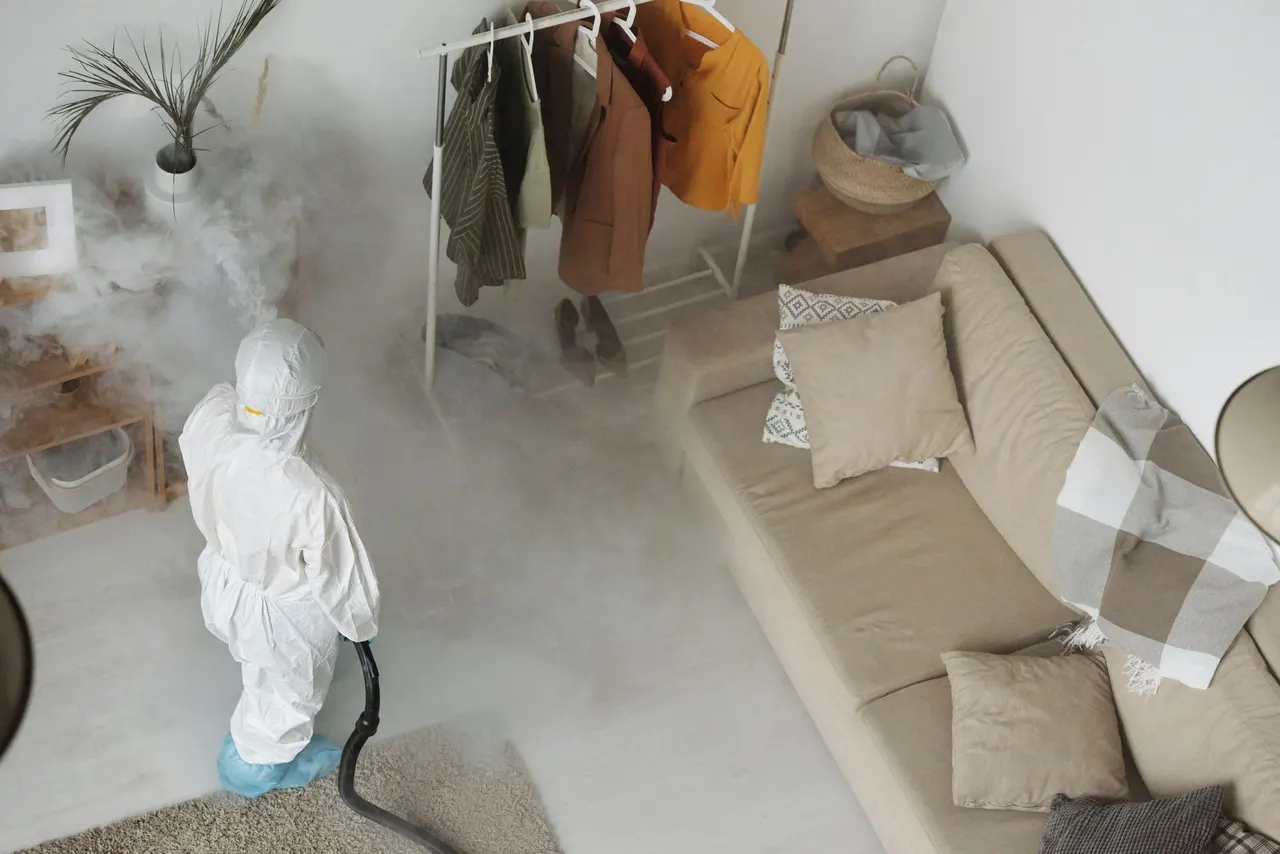
We use a moisture meter, thermal imaging camera, and boroscope to find mold and the water feeding it. You get photos and a written scope before work begins. This step usually takes 45 to 90 minutes.
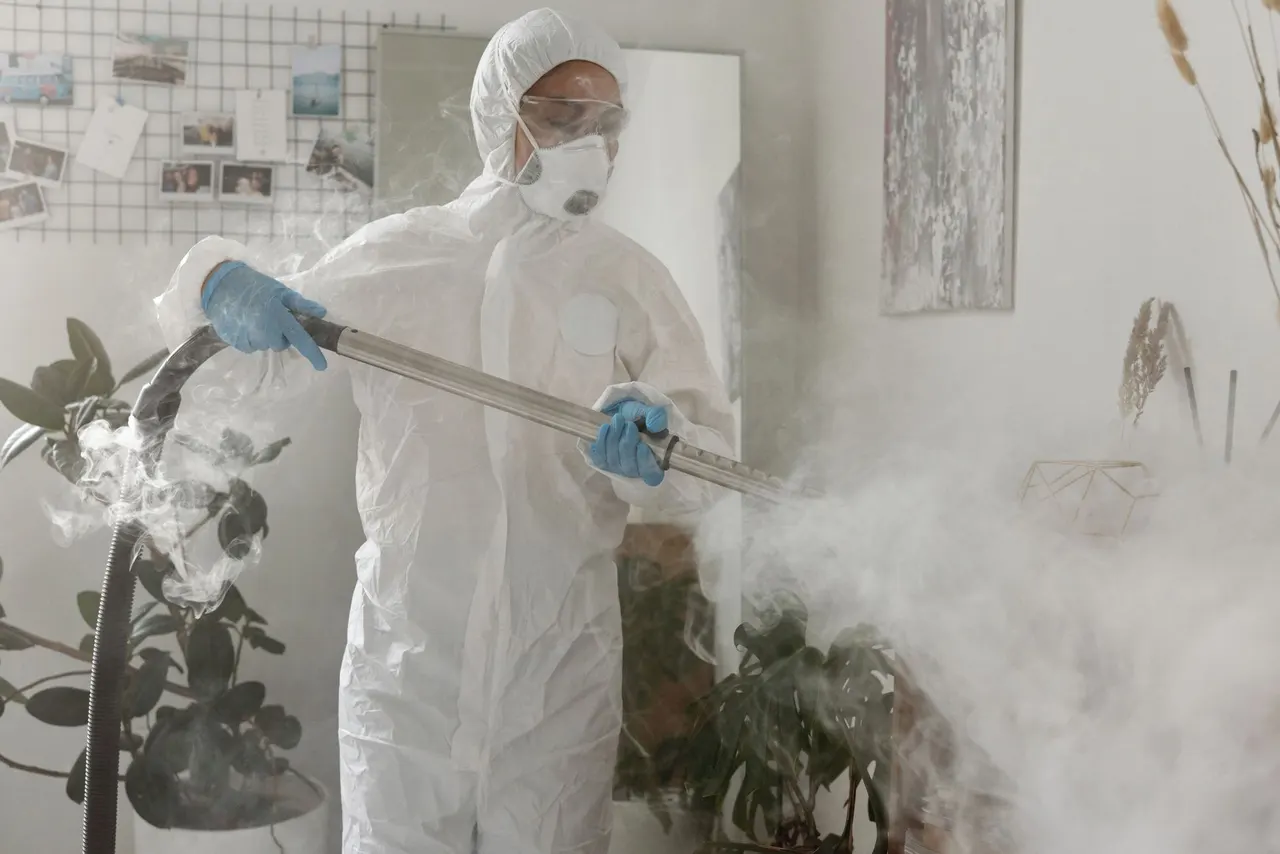
We build a 6-mil poly barrier, seal HVAC vents inside the zone, and run a negative air machine with HEPA filters. This keeps spores from spreading into clean rooms during removal.
Contaminated drywall, insulation, and framing get removed and bagged. Remaining surfaces get HEPA vacuumed, then treated with antimicrobial spray. We replace porous materials with mold-resistant drywall where it makes sense.
Dri-Eaz dehumidifiers and air scrubbers run until moisture readings match dry standard. We check readings daily and adjust equipment. Most Phoenix homes dry in 2 to 5 days depending on material and season.
An independent clearance test confirms spore counts are back to normal. You get the lab report in writing, which matters for insurance claims and home sales. If readings are high, we re-clean at no extra cost.
You receive a photo log of the job, moisture readings before and after, and the clearance lab report. This package is built for insurance adjusters, real estate agents, and property managers who need proof of proper abatement.
The approach is the same for a home and a business. What changes is the access, the schedule and who needs the paperwork.
We handle mold in attics, bathrooms, crawl spaces, and behind walls in Phoenix homes. Every job gets containment and clearance testing.
We work with property managers and business owners on mold jobs that need documentation. After-hours scheduling is available to keep you open.
A plain-language look at what Mold Abatement involves and when it is needed.
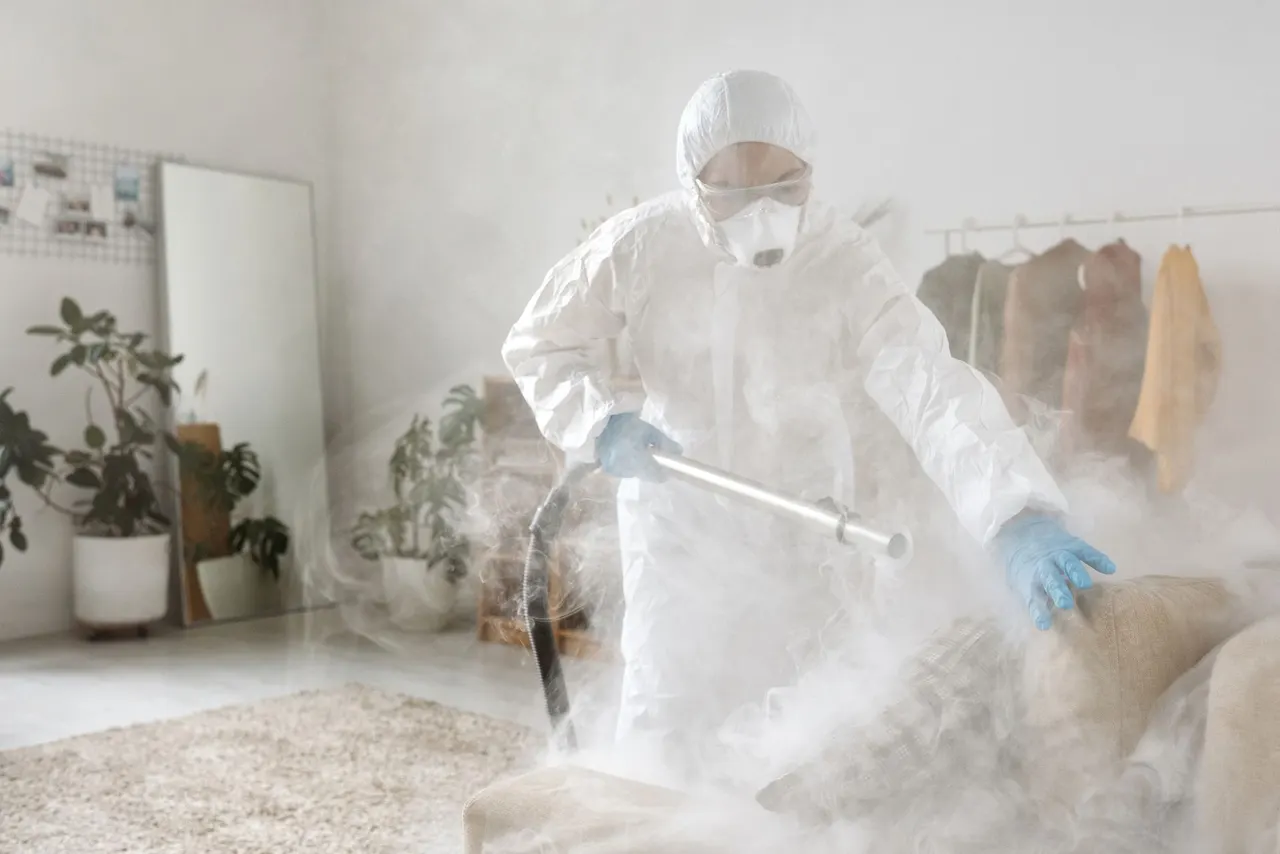
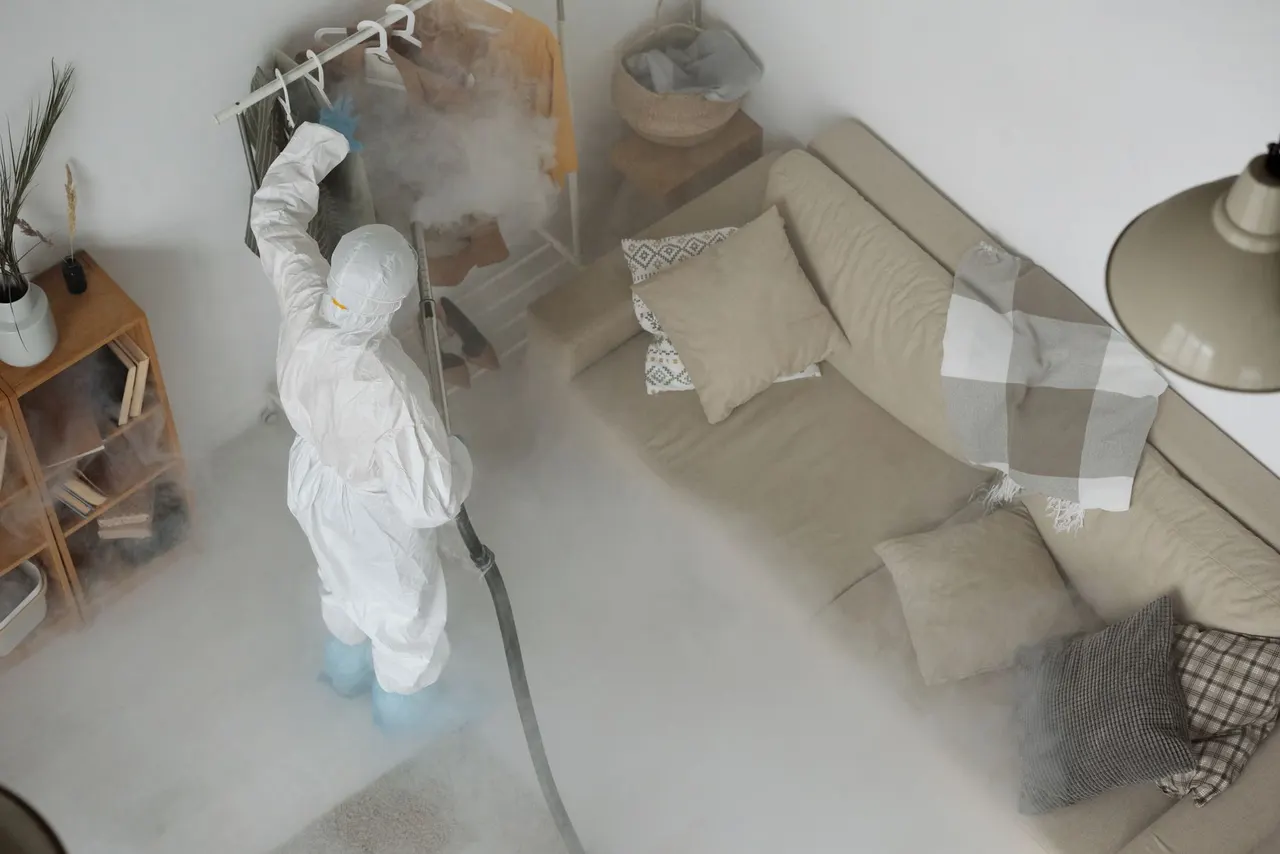
See how it worksMold Abatement Phoenix is the controlled process of isolating mold growth, removing contaminated materials, and cleaning the surrounding structure so spores stop spreading. It is not a spray-and-wipe job. We seal the work area with poly sheeting, run a negative air machine to keep spores from drifting into clean rooms, and HEPA vacuum every surface before we apply an antimicrobial spray. Materials that cannot be saved, like soggy drywall or insulation, get bagged and hauled out. Everything else gets cleaned, dried, and documented.
Phoenix homes grow mold in places you would not expect. Swamp cooler mold shows up every spring, attic mold forms after monsoon leaks, and slab leaks feed hidden growth under tile floors for months. We use a thermal imaging camera and a moisture meter to find the wet source before we touch anything. If you have been searching for mold containment and removal in Phoenix, the first step is always finding the water that started it.
Mold abatement is containment first, removal second, and proof at the end.
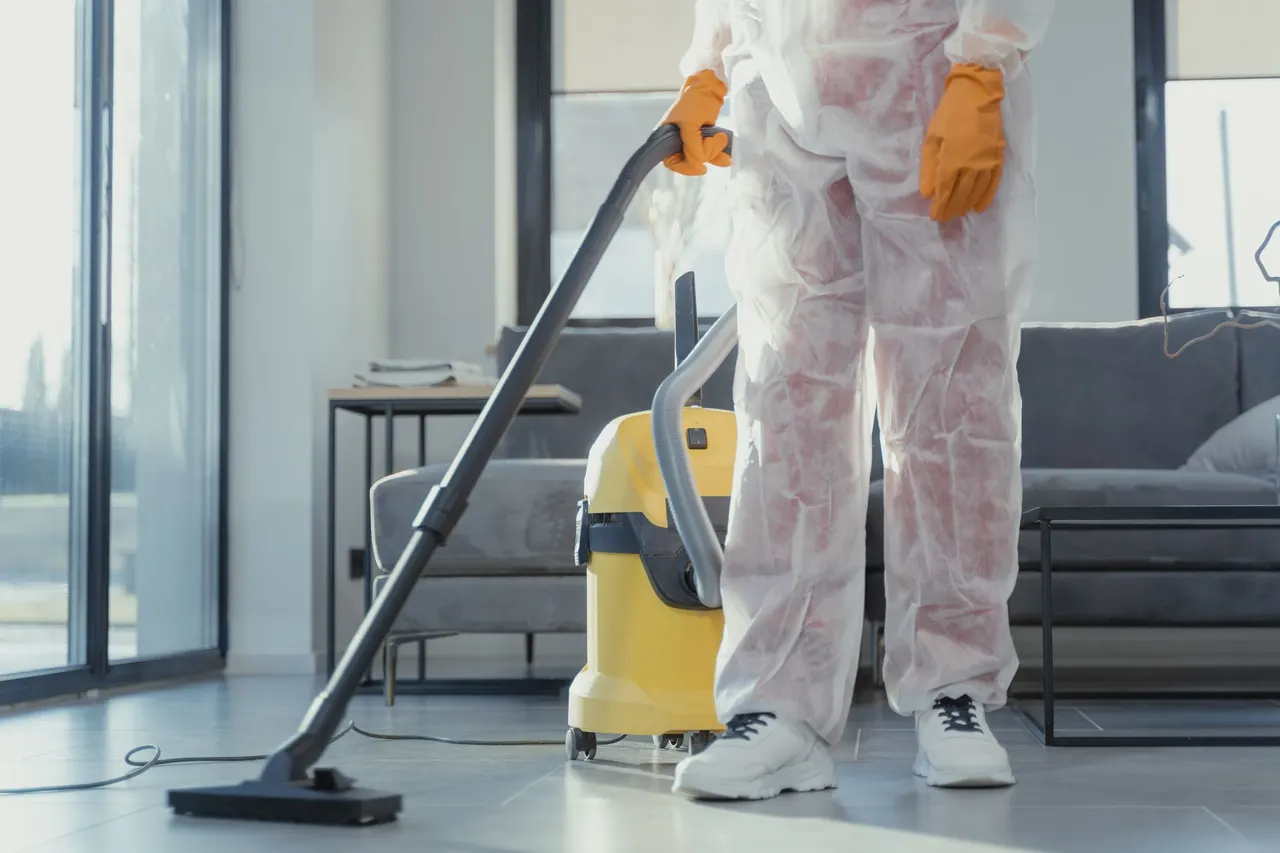
Every job follows the same sequence: find the water, contain the growth, remove what is contaminated, dry the structure, and prove the air is clean. Here is what you will see from us.
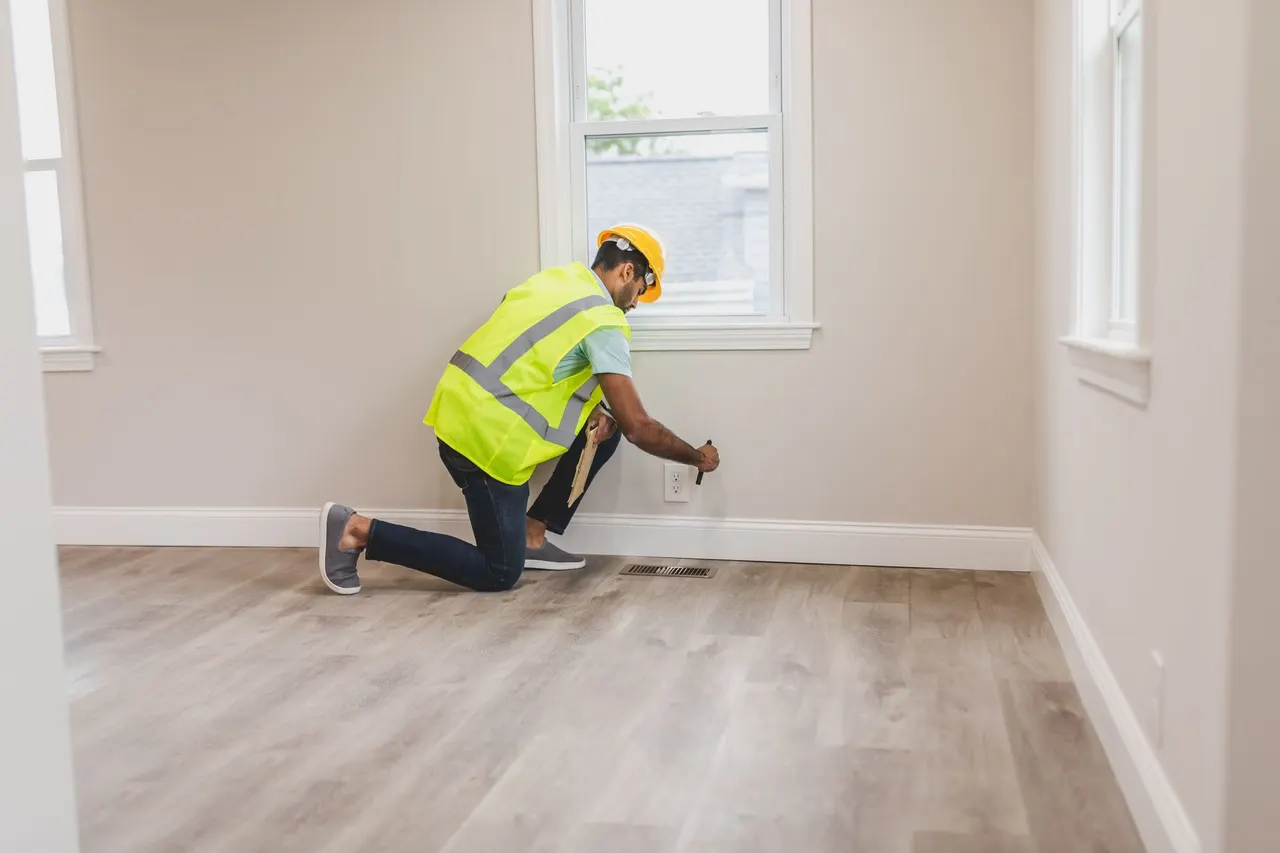
We walk the property with a moisture meter, thermal imaging camera, and boroscope to map where mold is growing and where the water came from. You get a written scope with photos before we start. Most inspections take 45 to 90 minutes depending on square footage.

We build a containment barrier with 6-mil poly sheeting and duct tape, seal HVAC vents inside the zone, and install a negative air machine with HEPA filters. This keeps spores from spreading to clean rooms. Setup usually takes 1 to 2 hours on a typical attic or bathroom job.
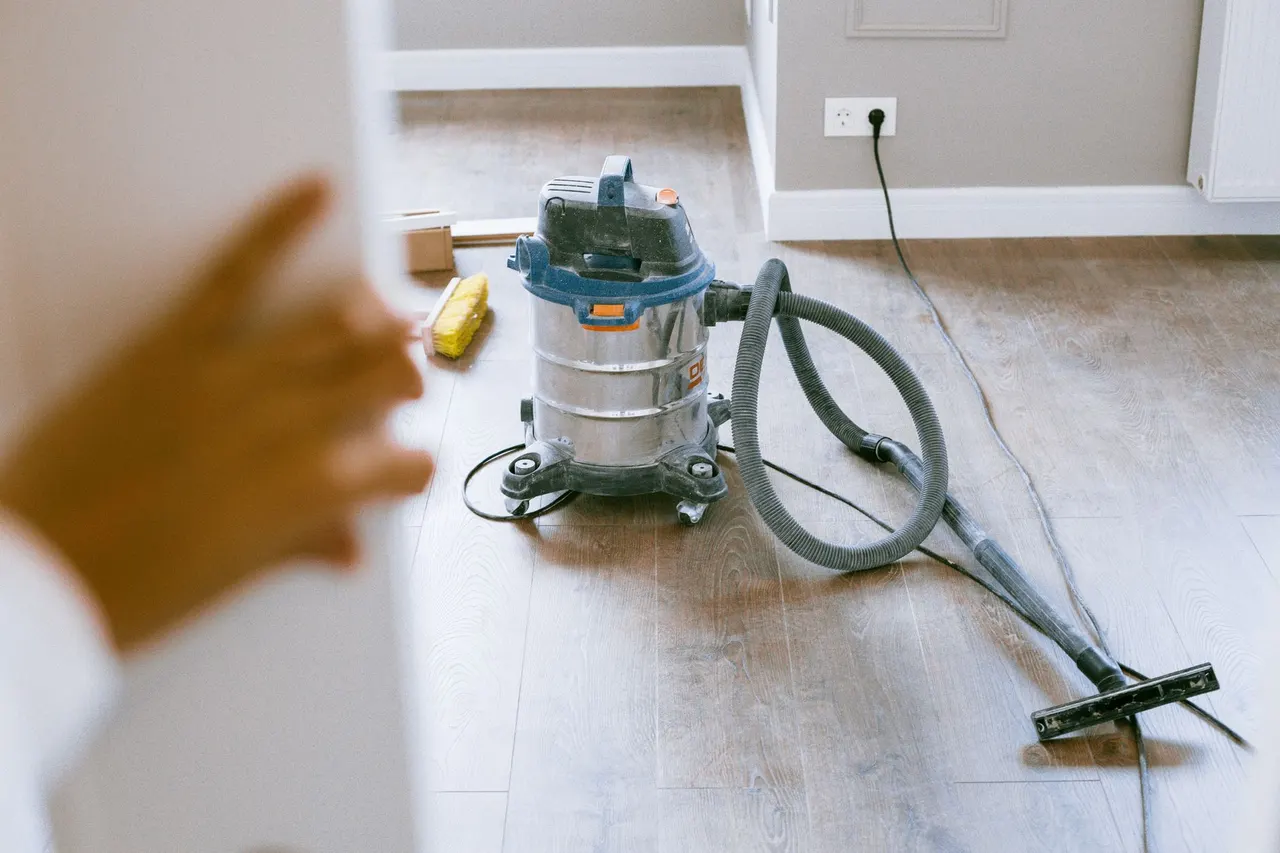
Contaminated drywall, insulation, and framing get removed, bagged, and hauled out. Remaining surfaces get HEPA vacuumed, then treated with antimicrobial spray. Porous materials that cannot be cleaned are replaced with mold-resistant drywall where it makes sense.
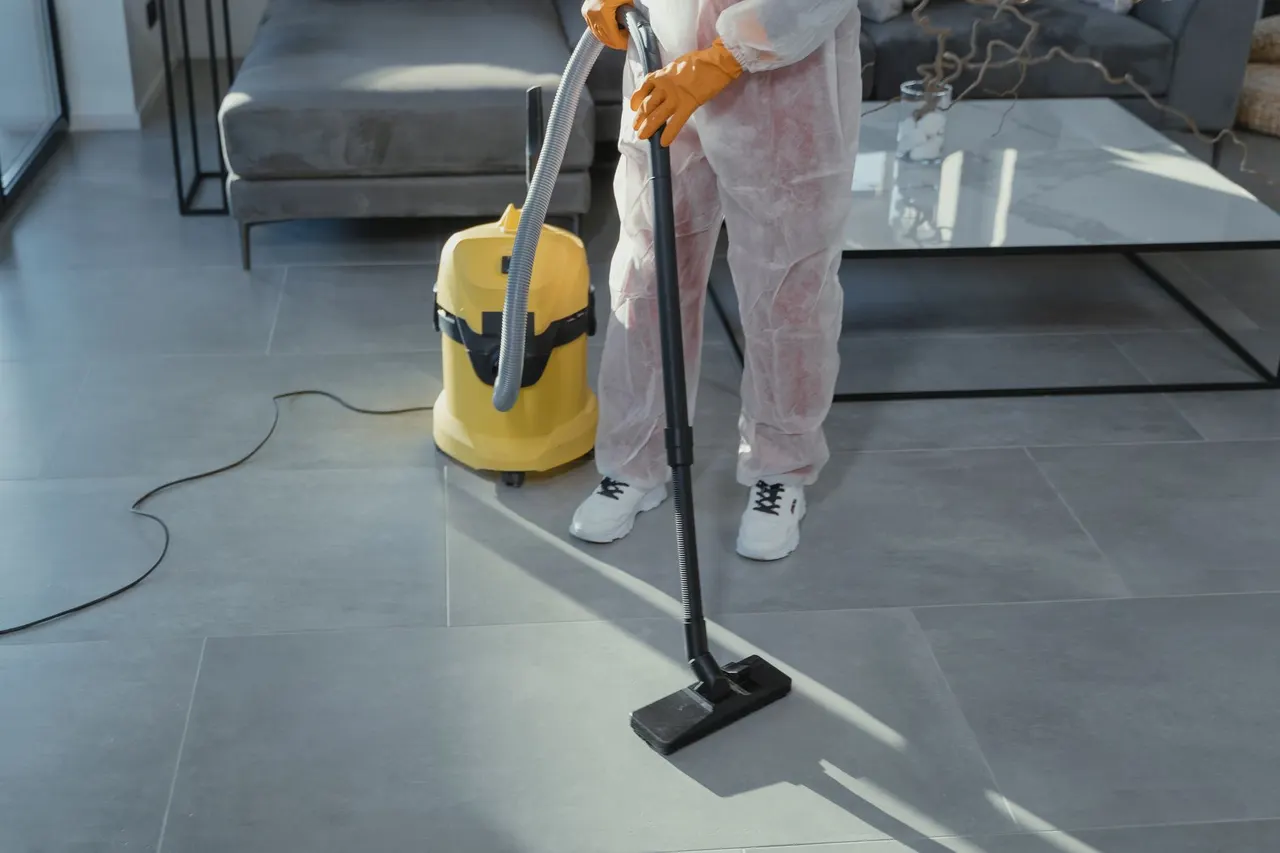
We run dehumidifiers and air scrubbers until moisture readings match dry standard for the material. Attics in Phoenix dry fast in summer, but crawl spaces can take 3 to 5 days. We check readings daily and adjust equipment as needed.
An independent clearance test confirms spore counts are normal. We remove containment, do a final walkthrough with you, and leave a photo log plus the lab report. If anything reads high, we re-clean at no additional cost.
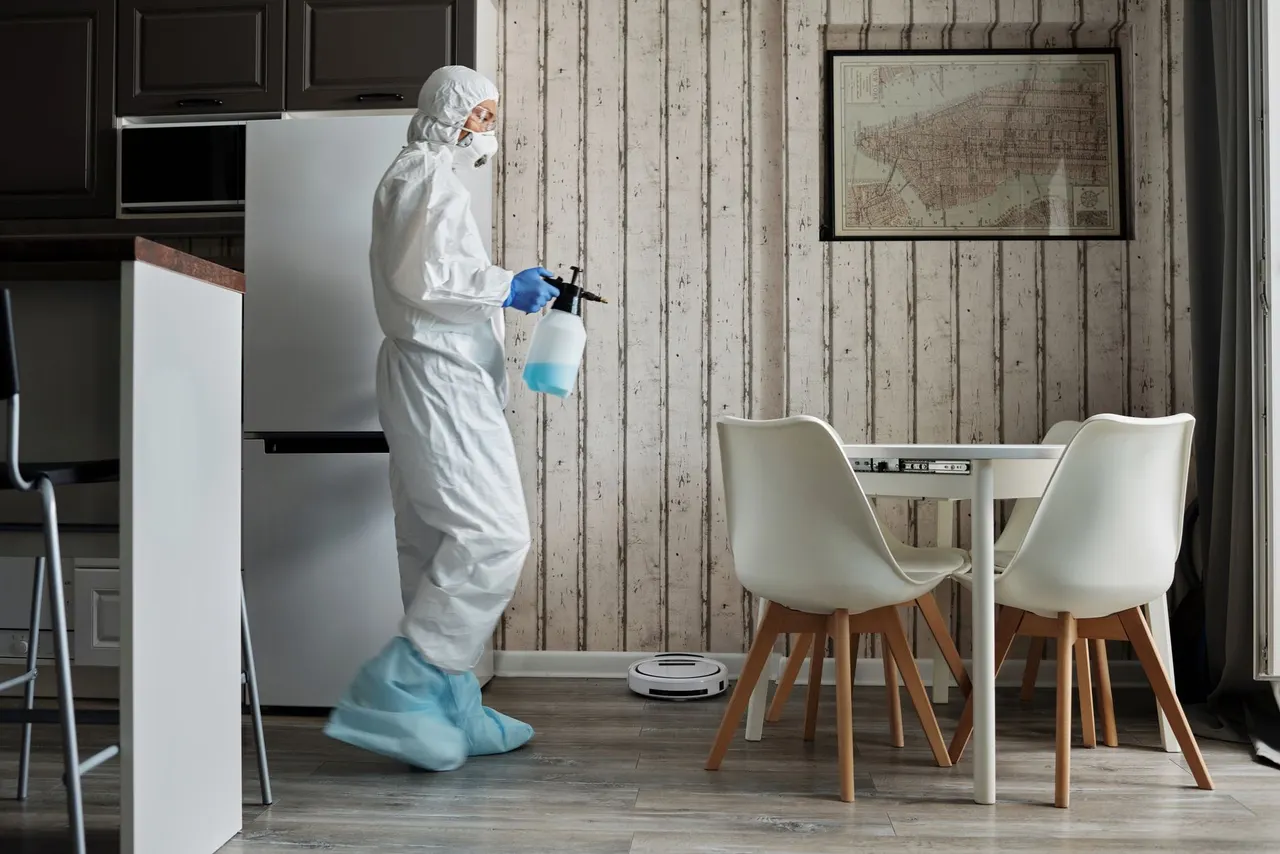
Move across a circle, or focus it and press Enter, for an illustrative thermal view of the photograph.
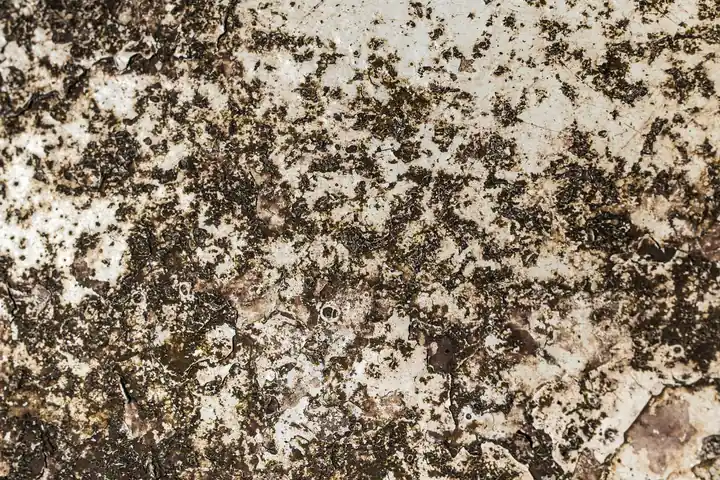
Reads moisture content in drywall, framing, and subfloor to find wet material and confirm when it is dry. We check readings daily during drying.
Shows temperature differences behind walls and under floors that point to hidden moisture. This is how we find slab leaks and slow supply line drips without tearing everything open.
Pulls air through a HEPA filter and exhausts it outside, keeping the containment zone under negative pressure. This stops spores from drifting into clean rooms during removal.
Captures spores and fine debris from surfaces after removal. Standard shop vacuums blow spores back into the air, which is why we use HEPA-filtered units on every job.
A camera on a flexible probe that lets us see inside wall cavities and ductwork without large demolition. We use it to confirm mold growth before cutting open a wall.
Thermal views are illustrative, generated from the photographs.
Pull moisture out of framing and subfloor and circulate air to speed drying. We size equipment to the job and check readings daily until dry standard is reached.
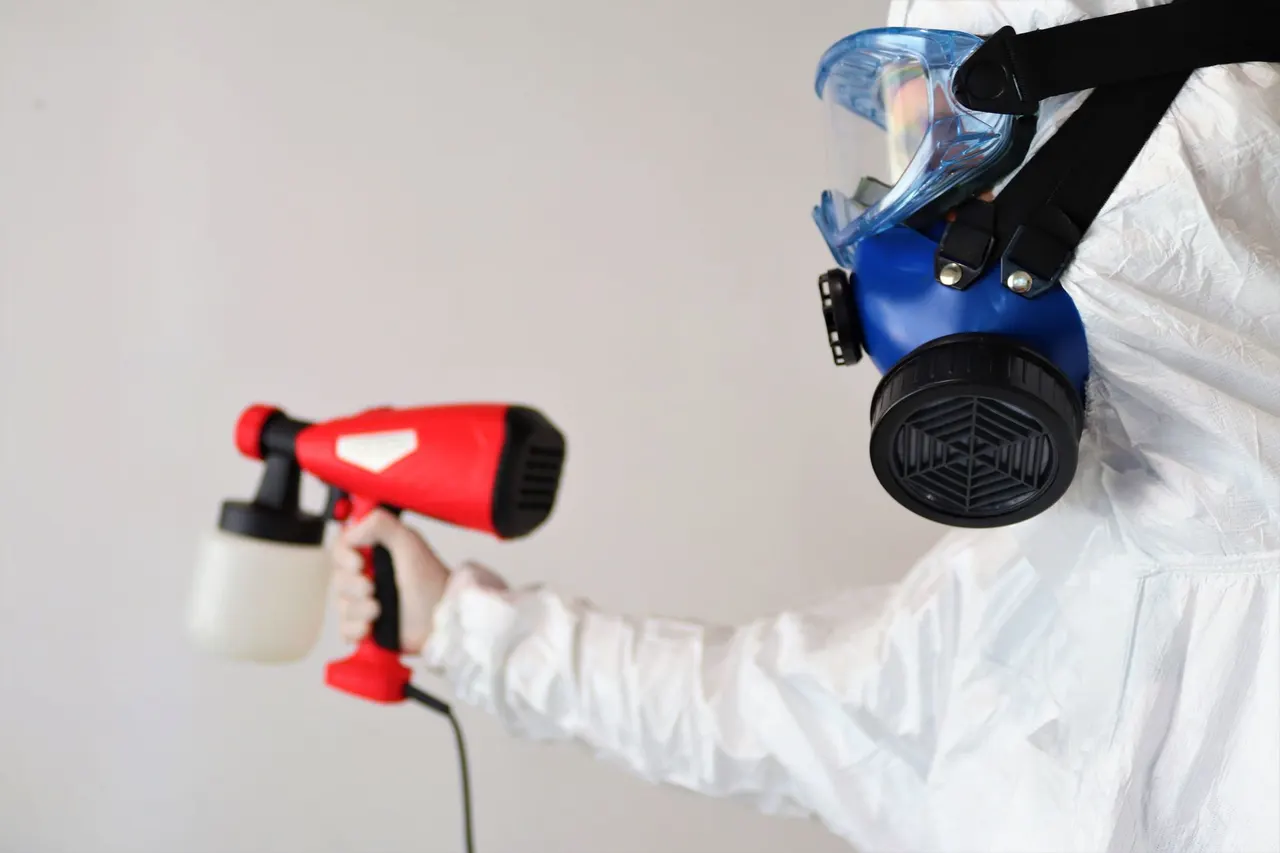
Antimicrobial spray and encapsulant coating that treat surfaces after removal. Fiberlock encapsulant seals porous materials, and Concrobium neutralizes mold and odor compounds.
The industry standard for mold remediation that covers containment, removal, cleaning, and clearance. We follow it on every job so the work holds up to insurance review and third-party testing.
We seal the work area with 6-mil poly sheeting and run a negative air machine so air flows into the containment, not out. This is the single most important step for keeping spores out of your living space.
Air scrubbers with HEPA filters run continuously during removal and drying to capture airborne spores. We keep them running until clearance testing confirms normal spore counts.
An independent lab takes air samples after abatement to confirm spore counts are back to normal outdoor levels. You get the report in writing, which matters for insurance claims and home sales.
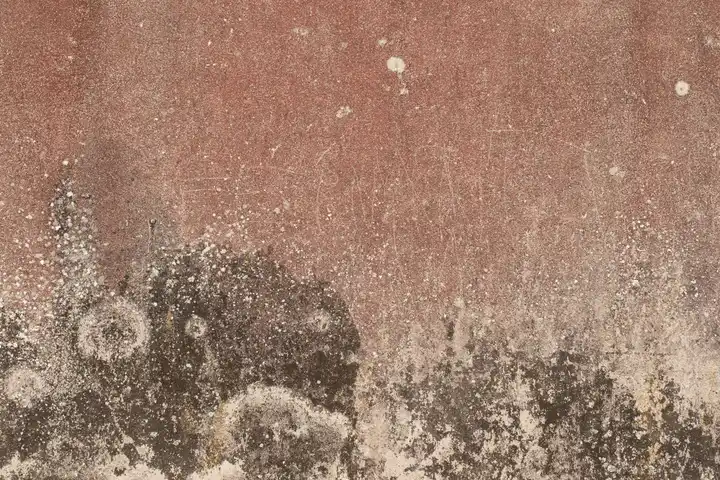
A bathroom supply line leaked behind the shower wall for weeks before anyone noticed.
We cut an inspection opening, confirm mold with a boroscope, and contain the bathroom. Contaminated drywall and insulation get removed, framing gets HEPA vacuumed and treated, and we replace with mold-resistant drywall.
Outcome: Bathroom is back in service in 2 to 3 days with clearance testing confirming clean air. No musty smell, no visible growth.
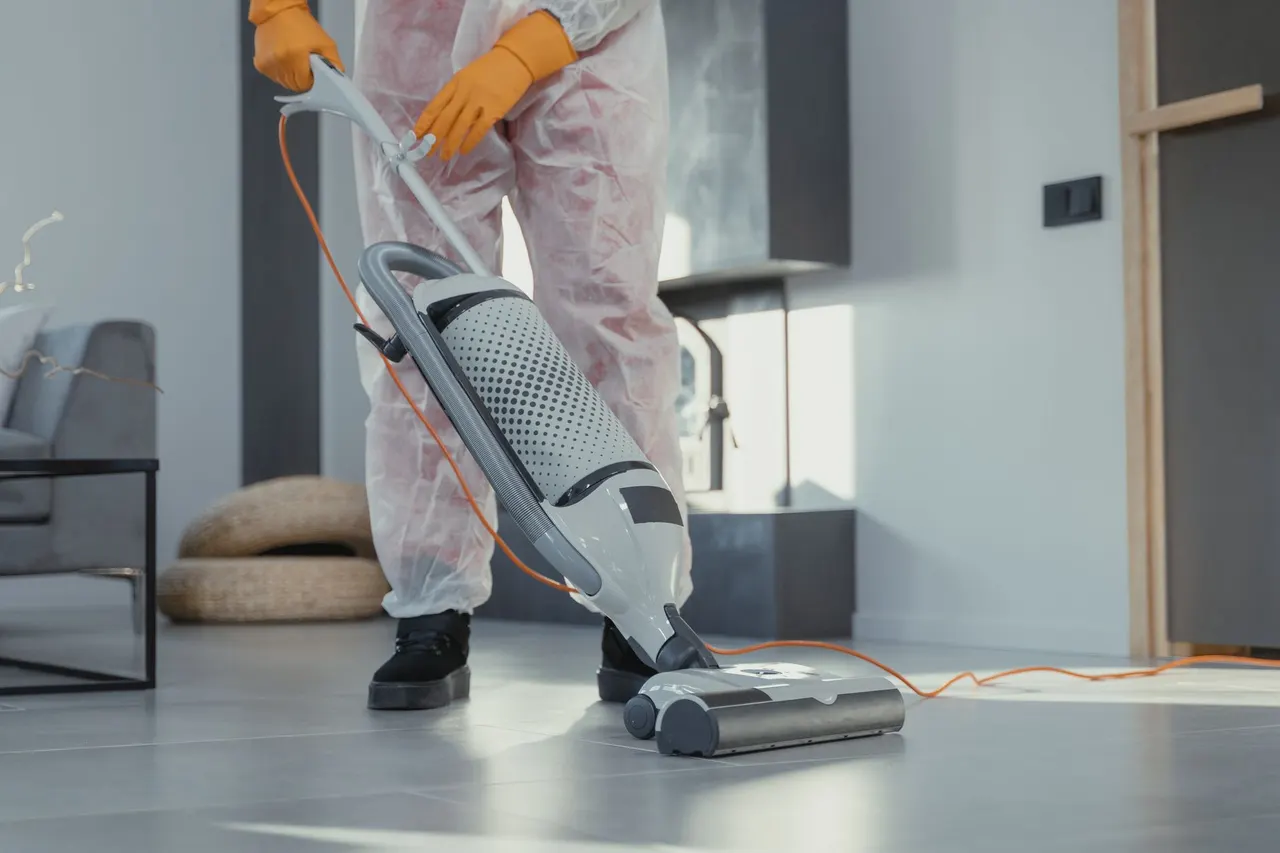
A monsoon storm pushed water under roof shingles and soaked attic insulation in August.
We contain the attic, remove wet insulation and moldy sheathing, HEPA vacuum the framing, and treat with antimicrobial spray. Drying runs 2 to 4 days in summer heat with dehumidifiers and air movers.
Outcome: Attic reads dry, clearance test passes, and the roof repair gets flagged so the leak does not return next monsoon.
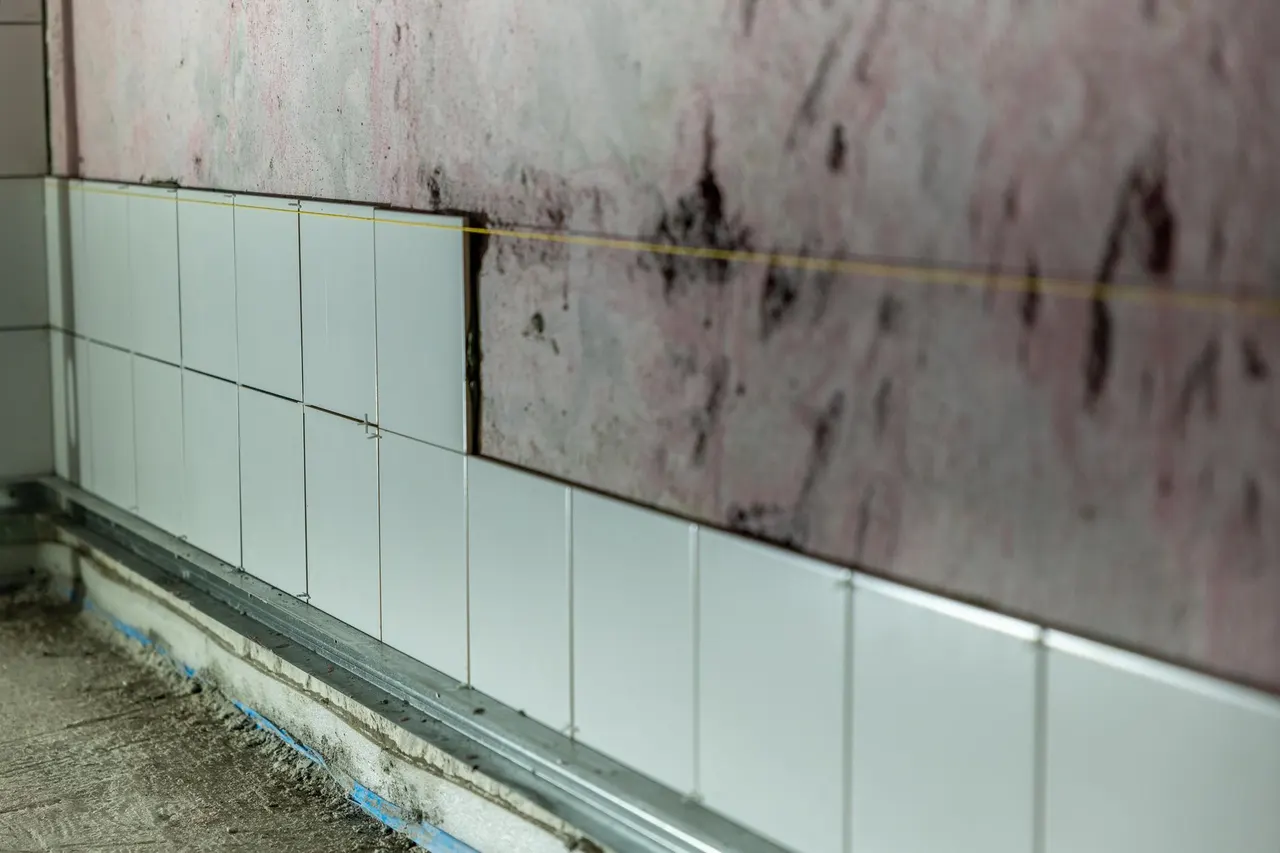
A slab leak under tile flooring fed mold growth into the baseboards and lower drywall.
We locate the leak with thermal imaging, contain the affected rooms, and remove moldy baseboards and drywall. The slab gets dried with air movers, and we coordinate with a plumber to fix the leak before closing up.
Outcome: Mold removed, slab dried, and the plumbing repair done in sequence so the problem does not come back. Clearance test confirms normal spore counts.
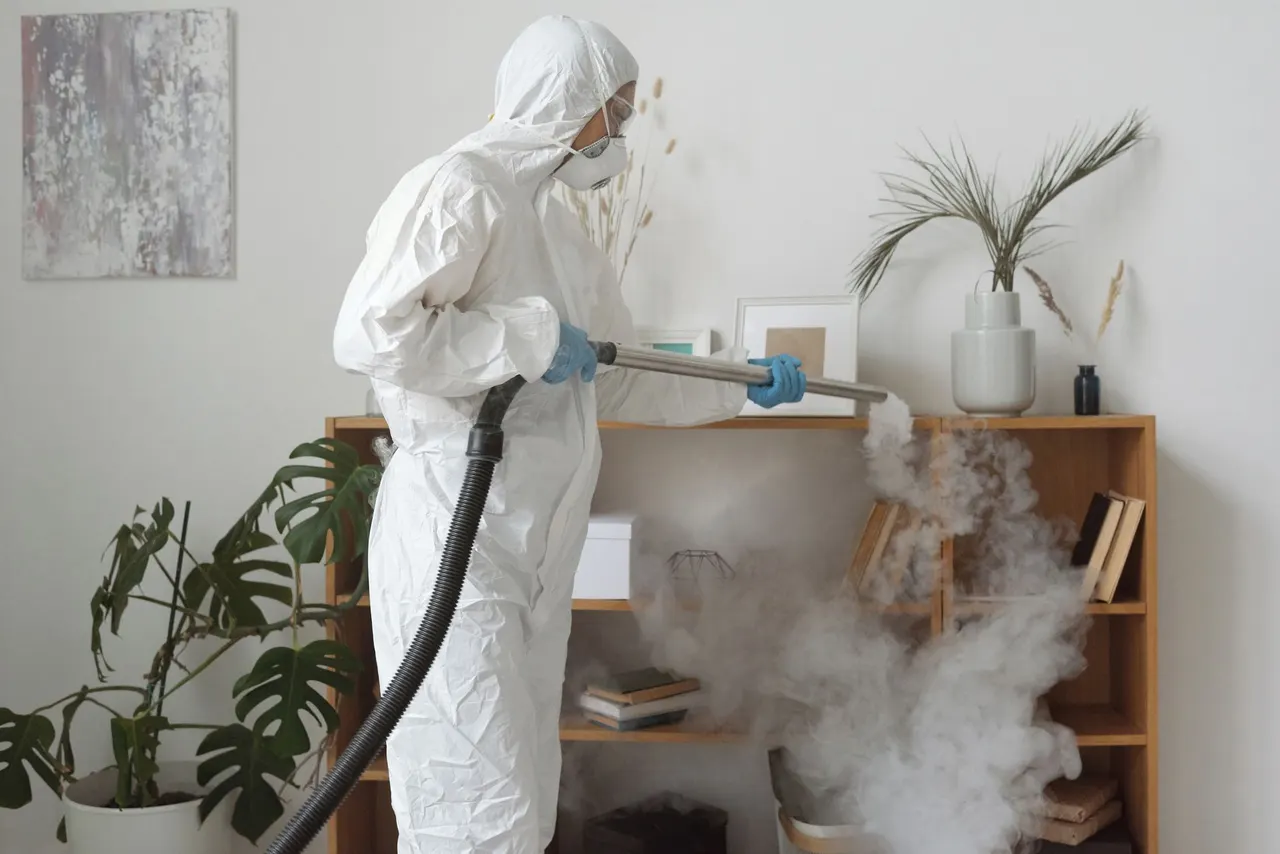
A rental property sat vacant through summer with the AC off and a slow swamp cooler leak.
We inspect the whole unit, contain the affected closet and hallway, remove moldy drywall, and run HEPA scrubbers. Documentation is built for the property owner and insurance carrier.
Outcome: Unit is rent-ready in under a week with a clearance report the owner can hand to the next tenant or adjuster.
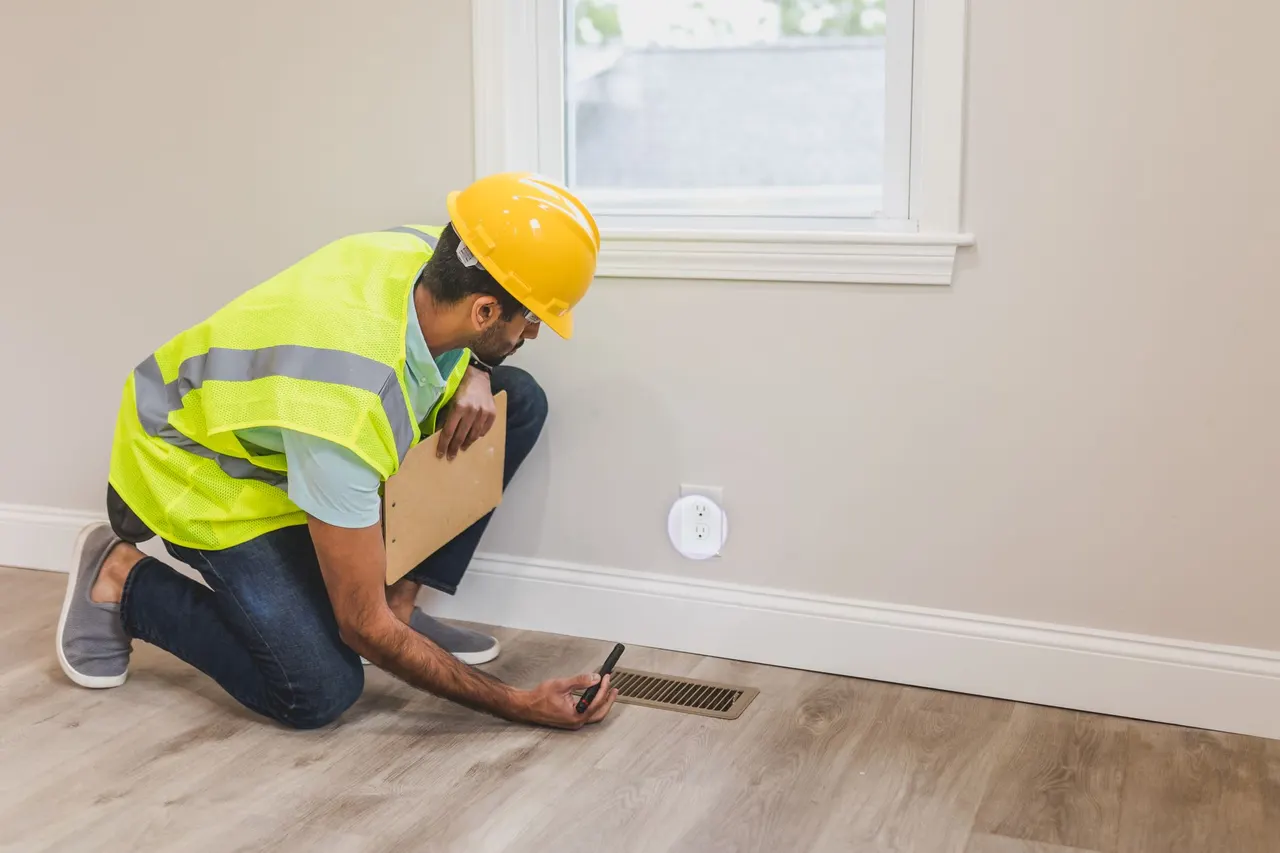
Phoenix mold problems follow the seasons. Monsoon season from July through September drives most of our post-monsoon mold cleanup calls, when roof leaks and window intrusion soak insulation and drywall. Swamp cooler mold shows up every spring when units sit wet through the cooling season. Slab leaks run year-round and can feed hidden growth under tile for months before anyone notices.
Our crews work in 140-degree attics in July and crawl spaces that stay damp for days after a leak. We size drying equipment for the season, because an attic that dries in 2 days in June can take 5 in December. We follow IICRC S520 and pull clearance testing on every job, which matters in Maricopa County where insurance adjusters and real estate agents expect documentation.
If you are searching for a mold containment company in Phoenix, ask whether they follow the same protocol. It is the difference between a job that passes clearance and one that gets flagged on a home inspection.
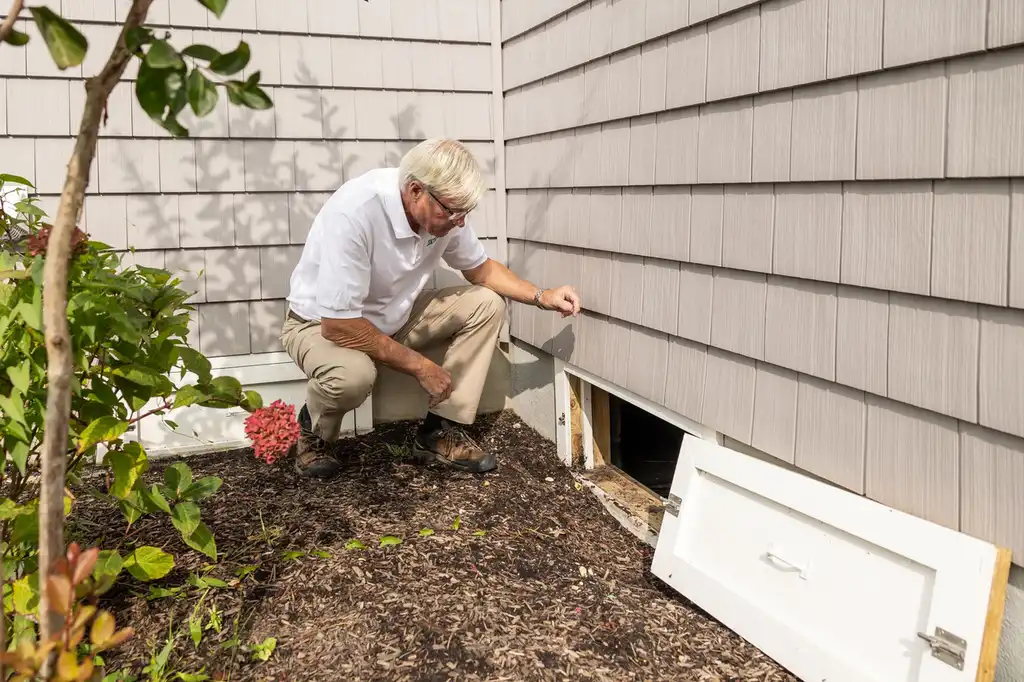
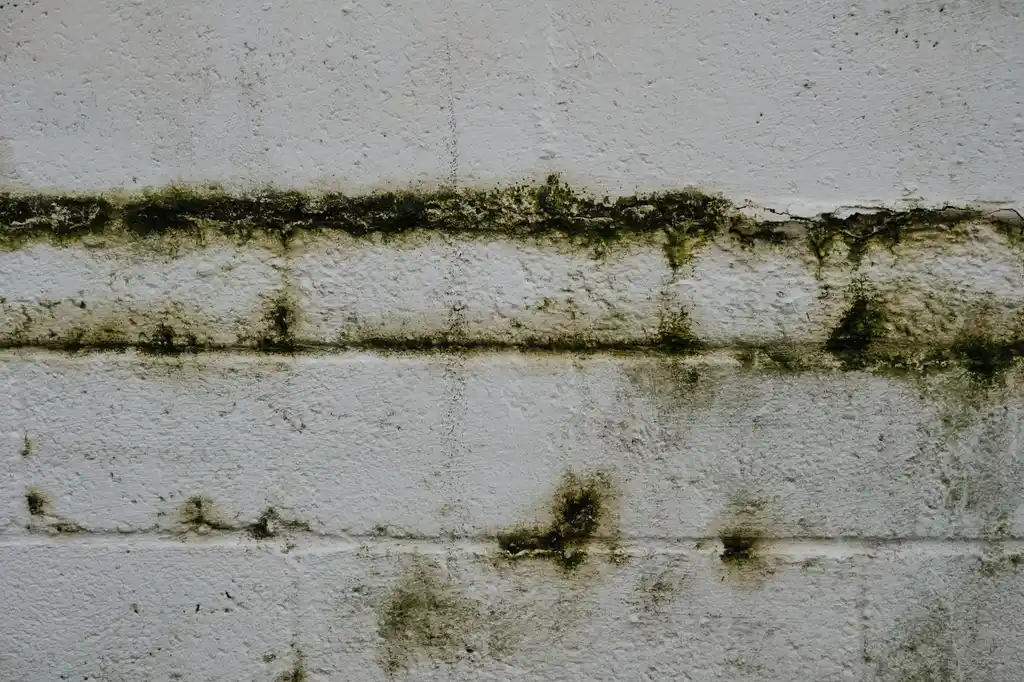
Before: A Deer Valley home had a roof leak during August monsoon that soaked attic insulation for two weeks before the homeowner noticed a musty smell. Mold covered about 200 square feet of sheathing and framing.
After: We contained the attic, removed moldy insulation and sheathing, HEPA vacuumed the framing, and treated with antimicrobial spray. Drying ran 3 days. Clearance test confirmed normal spore counts.
Fix the roof leak and check attic ventilation. We recommend an annual attic inspection before monsoon season to catch leaks early.
Before: A Sunnyslope home had a slow supply line leak behind the shower wall. Mold covered the back of the drywall and had started on the framing. The homeowner noticed a musty smell and peeling paint.
After: We contained the bathroom, removed moldy drywall and insulation, HEPA vacuumed the framing, and treated with antimicrobial spray. New mold-resistant drywall went in. Job took 2 days.
Check under sinks and behind showers for slow leaks every few months. Fix drips before they soak drywall.
Before: A Maryvale home had a slow plumbing leak under the subfloor that fed mold across about 150 square feet of crawl space framing. The homeowner noticed musty air in the living room.
After: We contained the crawl space, removed moldy material, and ran dehumidifiers for 4 days until readings matched dry standard. Clearance test passed. Encapsulation was added to control future moisture.
Keep the crawl space dry with a vapor barrier and check plumbing lines annually. Fix any drip before it soaks framing.
Mold shows up in different ways depending on where the water is coming from. Here are the calls we get most often in Phoenix and how we handle them.
Clean air, dry structure, and a report that proves it.
A negative air machine pulls 500 to 2,000 cubic feet of air per minute through a HEPA filter, keeping spores inside the containment barrier instead of your living room. That is the difference between cleaning one room and chasing mold through the whole house.
We do not just tell you the job is done. After removal, an independent clearance test confirms spore counts are back to normal outdoor levels. You get the lab report in writing, which matters if you ever sell the home or file an insurance claim.
Abatement without drying is a callback waiting to happen. We set Dri-Eaz dehumidifiers and air movers to pull moisture out of framing and subfloor until readings match dry standard. Most Phoenix homes hit target moisture in 2 to 4 days.
Musty odors come from mold colonies and the volatile compounds they release. We use Benefect and Concrobium fogging after removal to neutralize what is left in the air and on surfaces. If your house smelled like a wet basement in August, that smell leaves with us.
Clear records you can keep and share.
Before and after photos of the job
Daily readings from inspection to dry
Written scope of work performed
Clearance test results from independent lab
Not all mold calls are the same job. Where the growth is changes how we contain and remove it.
Growth on hard surfaces like tile or framing
Growth in drywall, insulation, or carpet
Growth inside walls or under floors
A list like this tells people straight away whether you cover their street. Not listed? Call and ask: it only takes a minute.
Based in Phoenix and covering the places around it. Pick one for local details.
Mold abatement in Phoenix is the controlled removal of mold growth and contaminated materials from a structure. You need it when mold covers more than about 10 square feet, when it has moved into drywall or insulation, or when you smell musty odors that keep coming back. Surface cleaning with bleach does not fix those cases. Abatement isolates the area, removes what is contaminated, and verifies the air is clean afterward.
Containment uses 6-mil poly sheeting and duct tape to seal off the work area from the rest of the home. We install a negative air machine that pulls air through a HEPA filter and exhausts it outside, keeping the contained zone under negative pressure. That means air flows into the containment, not out of it. HVAC vents inside the zone get sealed so spores cannot travel through your ductwork.
Most residential jobs take 1 to 3 days for removal and cleaning, plus 2 to 5 days of drying depending on material and season. A bathroom mold job might wrap in a single day. An attic with widespread growth after a monsoon leak can run a full week. Crawl spaces take longer because they dry slower. We give you a timeline in the written scope before we start.
We use moisture meters and thermal imaging cameras to find hidden water, boroscopes to inspect inside walls, negative air machines and air scrubbers with HEPA filters to control spores, and Dri-Eaz dehumidifiers and air movers to dry the structure. For treatment, we apply antimicrobial spray and encapsulant coating from brands like Fiberlock and Concrobium. Every tool has a job, and we explain what we are using and why.
Other services from the same team.
If you see mold, smell musty air, or had a leak you never fully dried, call us. We inspect, scope the job, and give you a written estimate at no charge. Same-day appointments are often available across Phoenix and Maricopa County.
Call 1234567890 or email info@azmoldremoval.com and we will get you on the schedule. We answer the phone during business hours, and if you leave a message after hours we call back the next morning. Tell us what you are seeing, smelling or feeling, and we will tell you what the next step looks like.