For Homes
We work on roof and window coolers in houses, apartments, and townhomes. Most single-unit jobs finish in one visit.
- Roof cooler with musty smell
- Window unit with black pads
- Ceiling stain below cooler
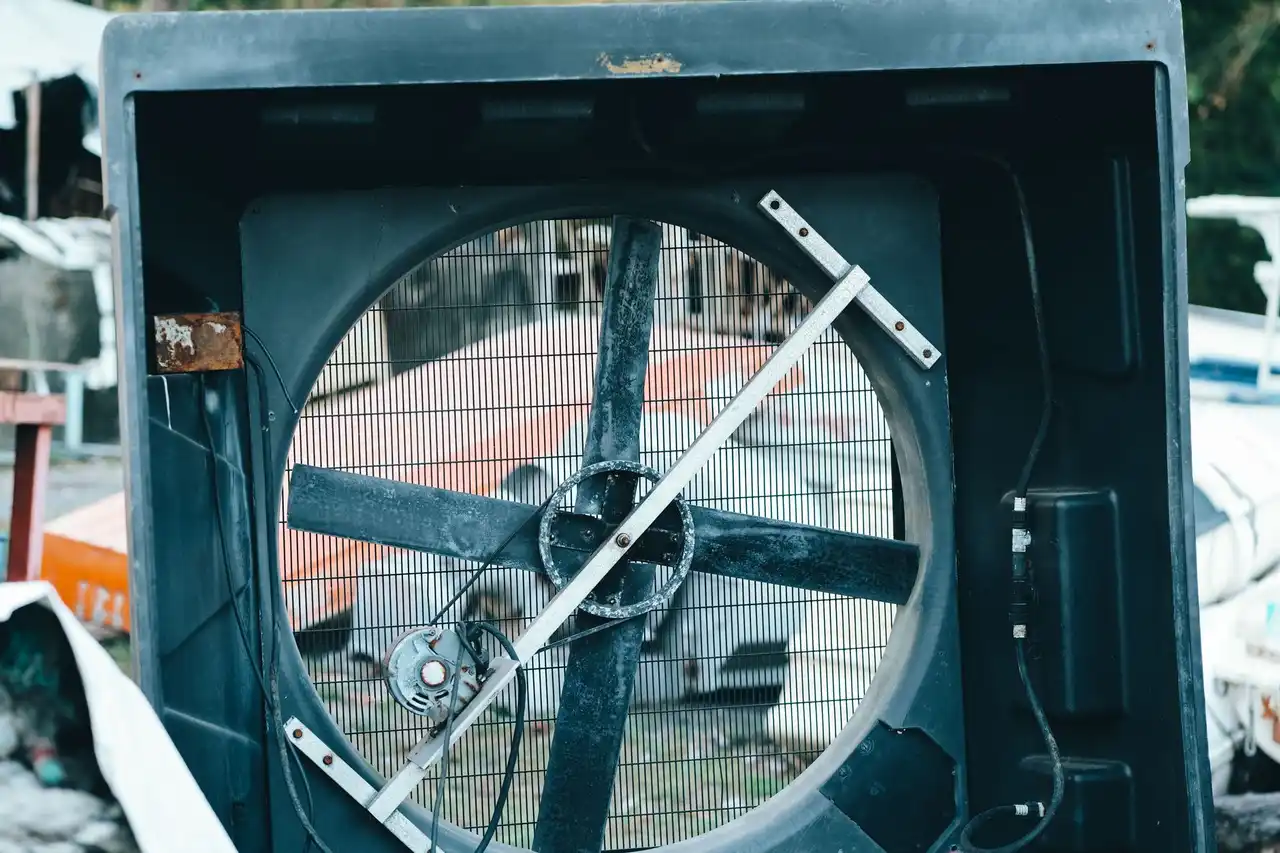
Swamp Cooler Mold Removal in Phoenix means tearing down the cooler, bagging the moldy pads, and treating every wet surface where spores grow. If your swamp cooler smells like a wet basement when you switch it on, mold is already in the pad frame, the water reservoir, or the duct boot. We handle roof and window units across Maricopa County before the smell spreads into your living room.
 Pads pulledReservoir treatedPhotos taken
Every job includes the core steps that remove mold from the cooler and verify the unit is clean. Add-ons like duct cleaning or ceiling repair are quoted separately if we find them during the inspection.
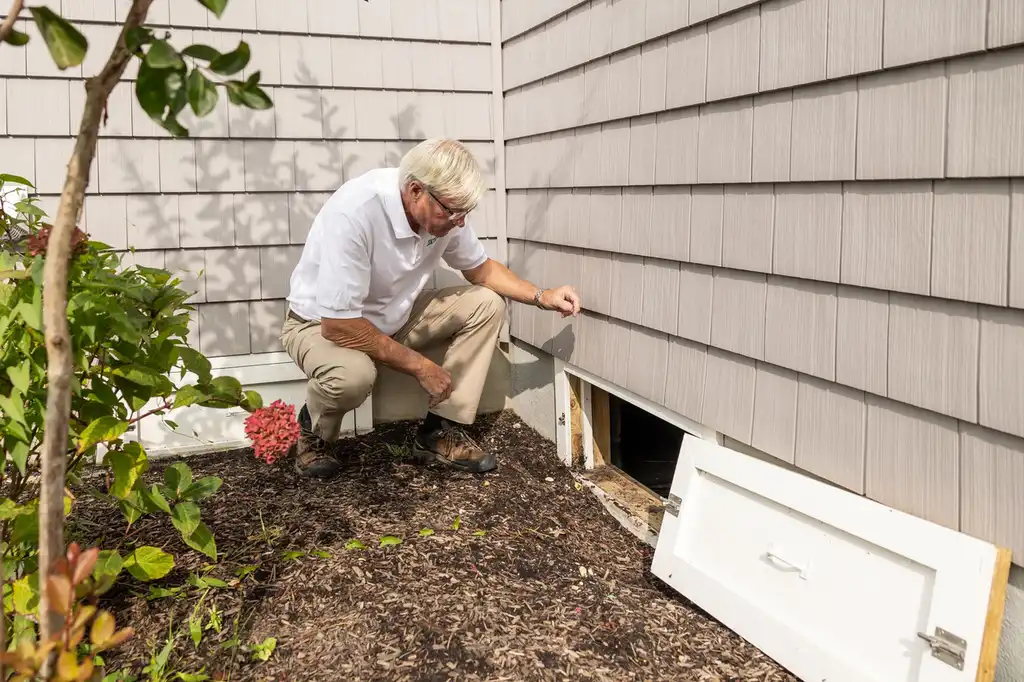
We check the pads, reservoir, blower housing, water line, and duct boot with a moisture meter and boroscope. You get a plain explanation of what is mold and what is not.
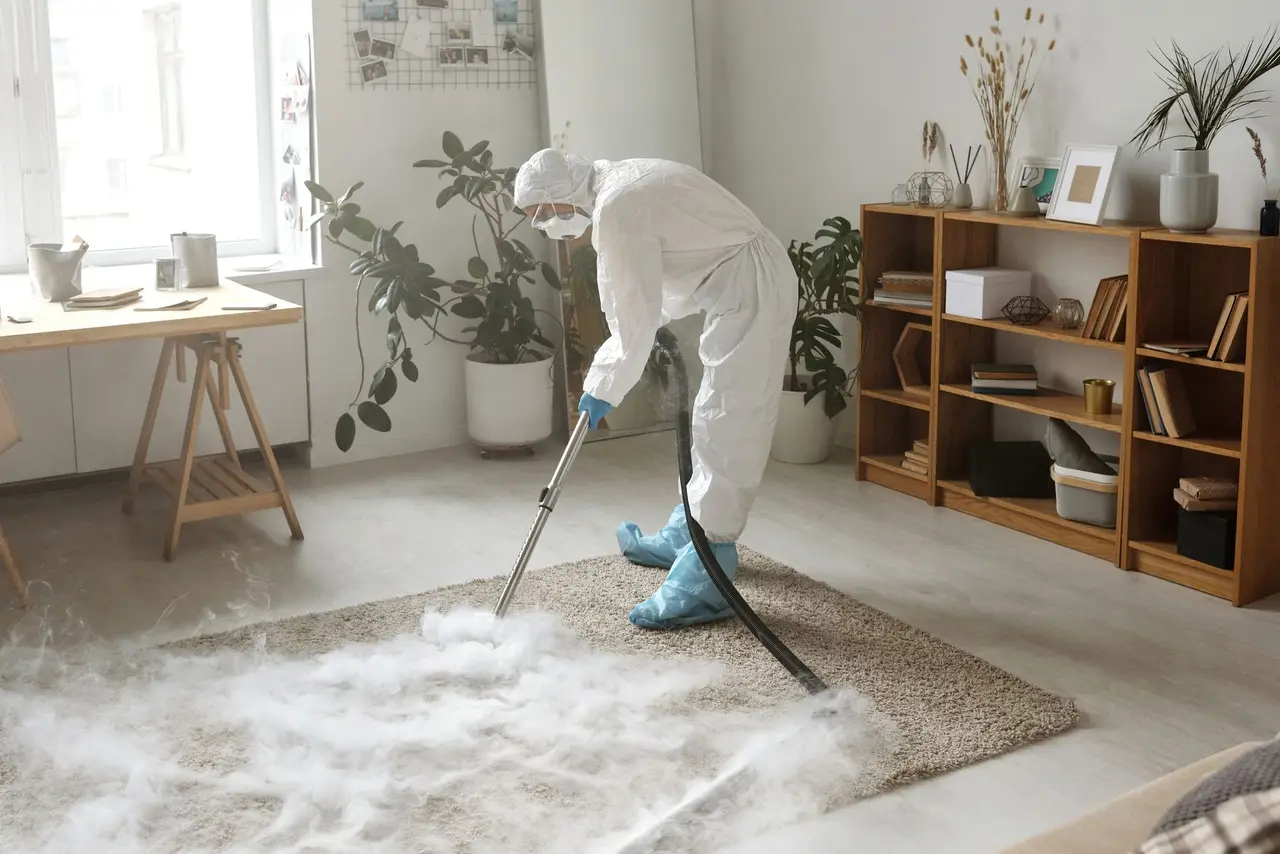
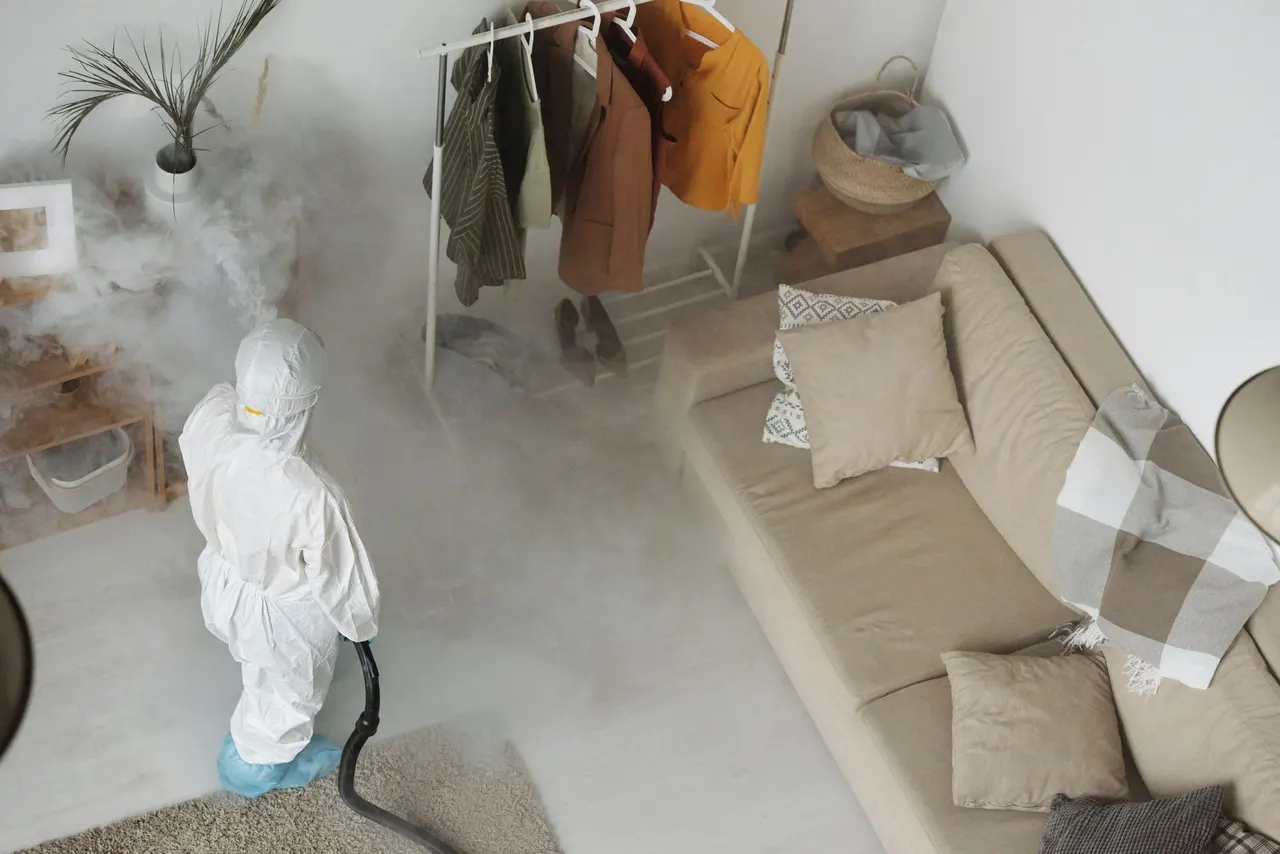
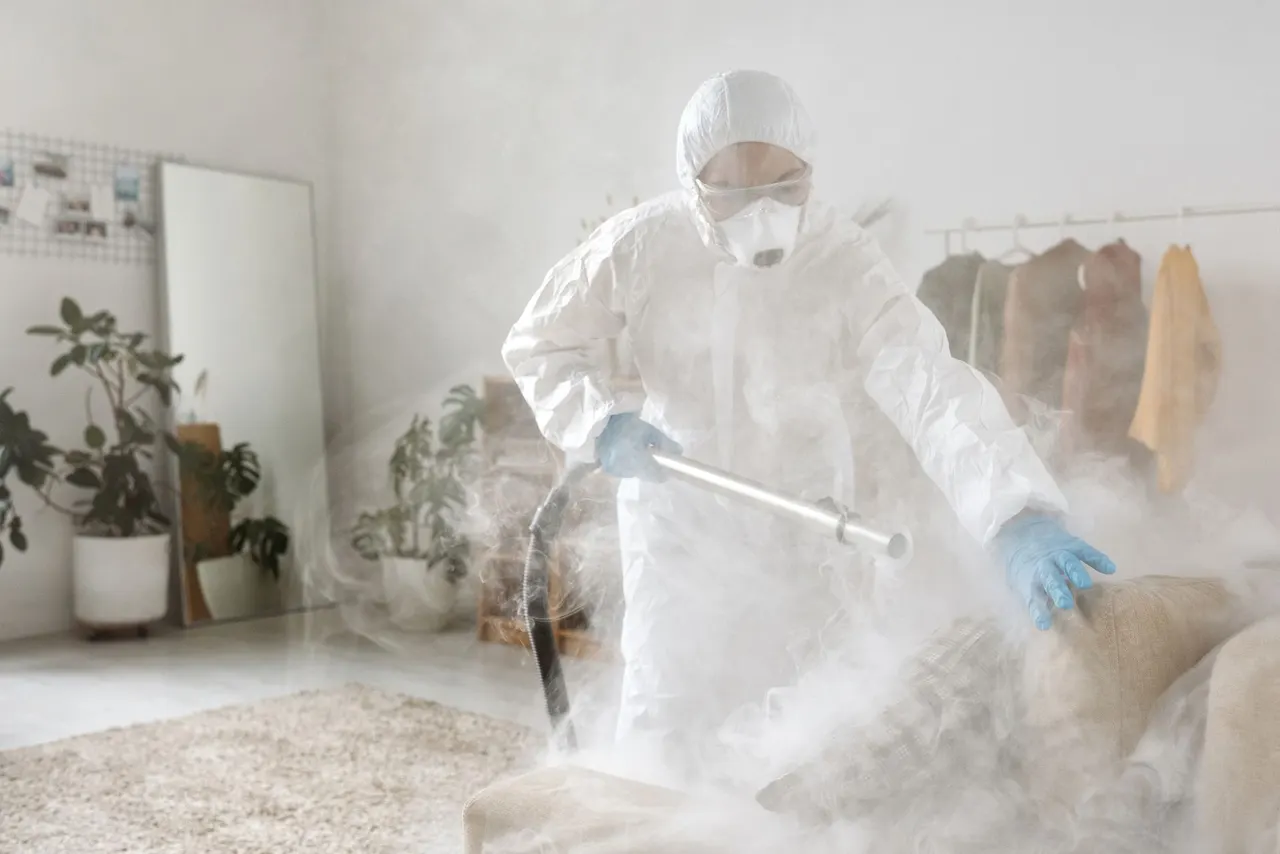
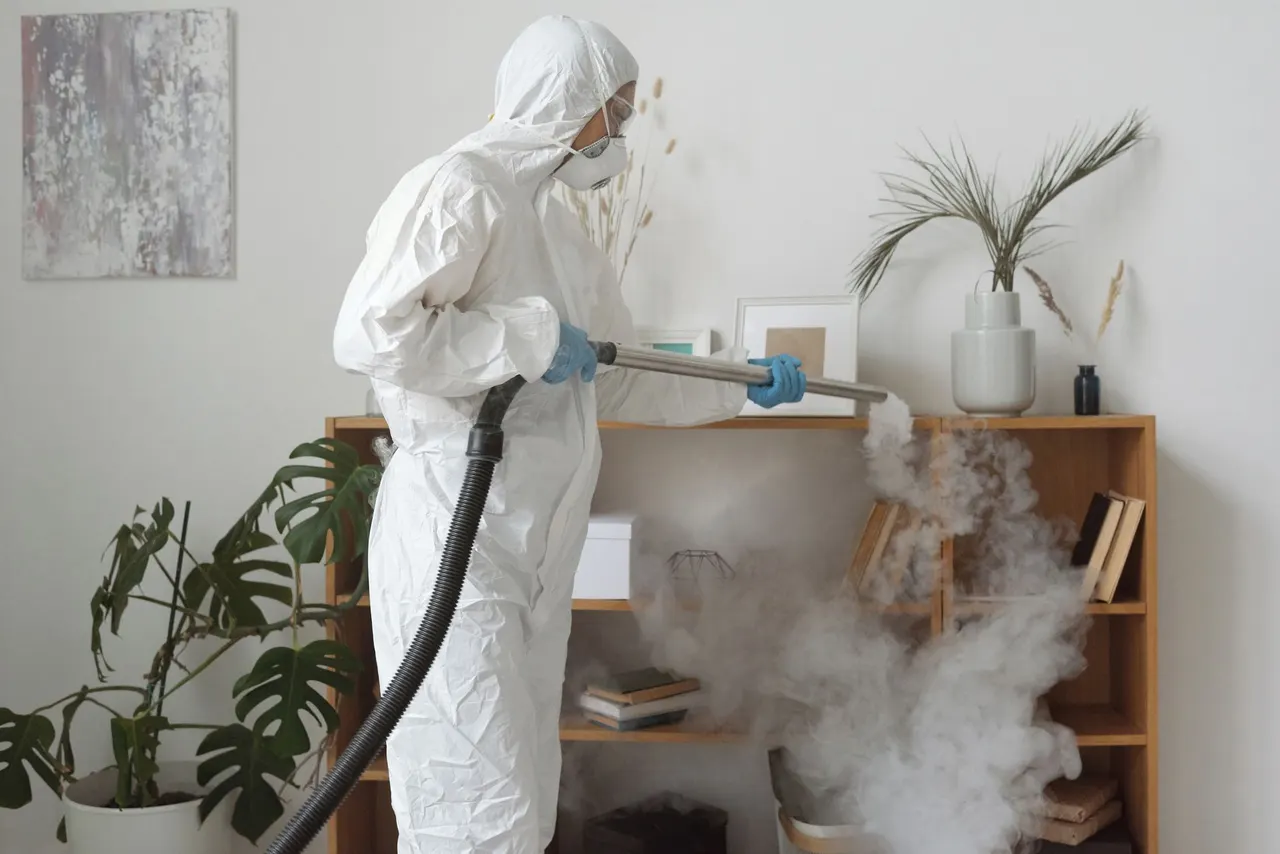
Poly sheeting, a containment barrier, and a HEPA air scrubber run during the job. This keeps spores from drifting into your living space while we work.
Every moldy pad is bagged and removed from the property. We do not leave contaminated pads in your trash can or on the roof.
We spray and wipe the reservoir, cabinet walls, and blower housing with an antimicrobial product. Heavily stained areas get a second application before drying.
Fresh aspen or rigid media pads go in after the cabinet is dry. We set the water distribution tubing so every pad gets even flow.
We run the cooler, check for leaks, and take a final moisture reading. You get before-and-after photos of the reservoir and pad frame.
The approach is the same for a home and a business. What changes is the access, the schedule and who needs the paperwork.
We work on roof and window coolers in houses, apartments, and townhomes. Most single-unit jobs finish in one visit.
We handle larger cooler systems in warehouses, shops, and older office buildings. Scheduling works around your operating hours.
A plain-language look at what Swamp Cooler Mold Removal involves and when it is needed.
See how it worksSwamp Cooler Mold Removal in Phoenix is the process of opening the cooler, removing contaminated pads and scale, then treating the reservoir, blower housing, and duct connections with antimicrobial products until the unit tests clean. It is not a wipe-down. Mold grows into the aspen fibers, the water pan seams, and the spider webs that hold moisture, so we pull the pads, scrape the scale, and wash the cabinet with a pump sprayer before anything goes back together. A moisture meter tells us which surfaces are still wet enough to feed regrowth.
Phoenix summers run 105 to 115 degrees for weeks, and your cooler runs 12 to 16 hours a day pulling dust off the roof. That dust mixes with water, and the result is black mold growth on pads and in the reservoir within a single season. Homeowners in Sunnyslope, Maryvale, and West Phoenix call us most often in June when the first musty odor hits the hallway. If you have not opened the unit since last fall, this is the season to check it.
Mold in a swamp cooler comes from standing water and dust, and it does not stop at the pads.
Five steps, usually finished in one visit for a standard roof or window unit. Here is what you see from the driveway to the final walkthrough.
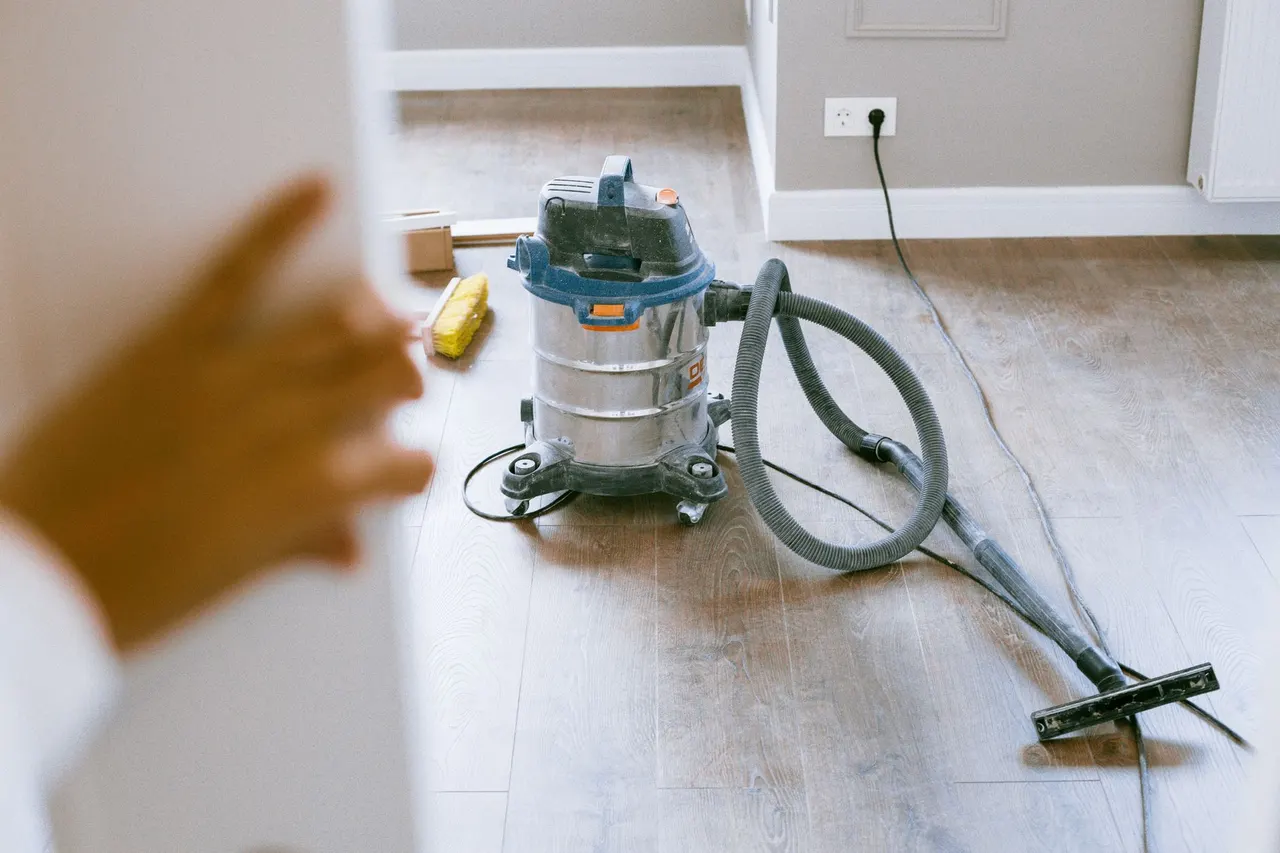
We climb the roof or open the window frame and inspect the cooler with a boroscope and moisture meter. Pads, reservoir, blower housing, and duct boot all get checked. You get a plain explanation of what is mold, what is mineral scale, and what is just dirt. Takes 15 to 25 minutes.
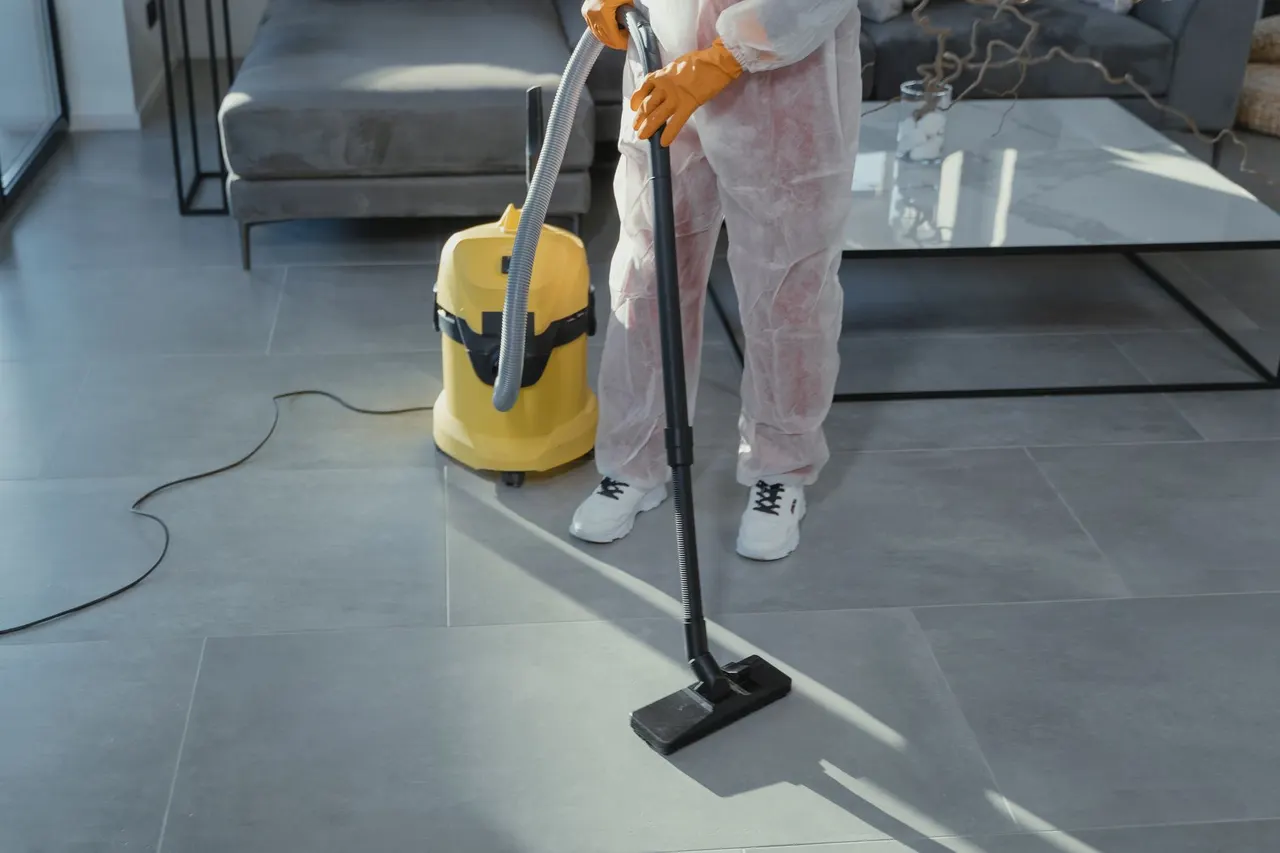
We set a containment barrier around the work area and lay poly sheeting under the unit. An air scrubber with a HEPA filter runs during the job to catch airborne spores. Anyone working the cooler wears PPE coveralls and an N95 respirator. This keeps spores out of your living space.
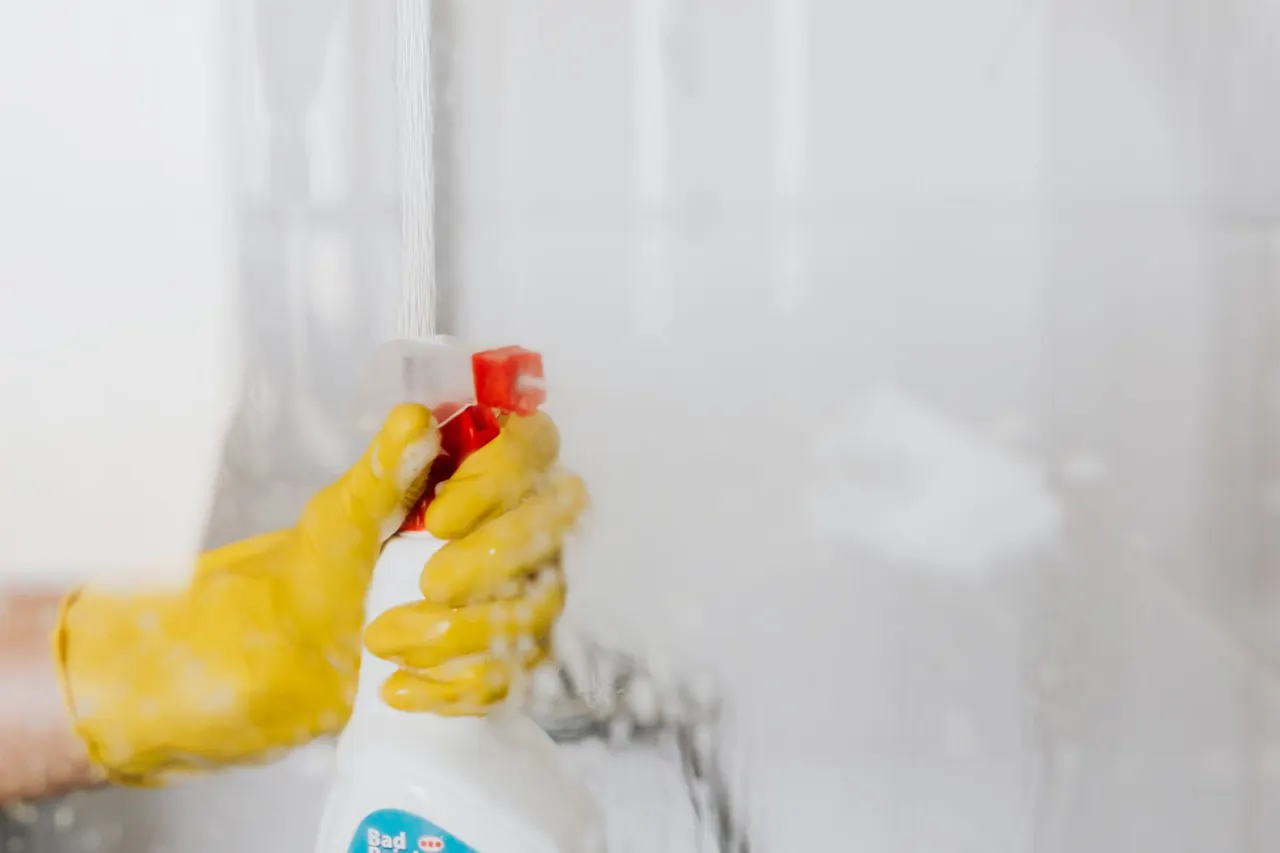
Every moldy pad goes into a sealed bag and off the property. We scrape the pad frame, pull the water distribution tubing, and check the bleed line for clogs. On most Phoenix units this is the dirtiest part of the job and the step that removes the bulk of the mold.
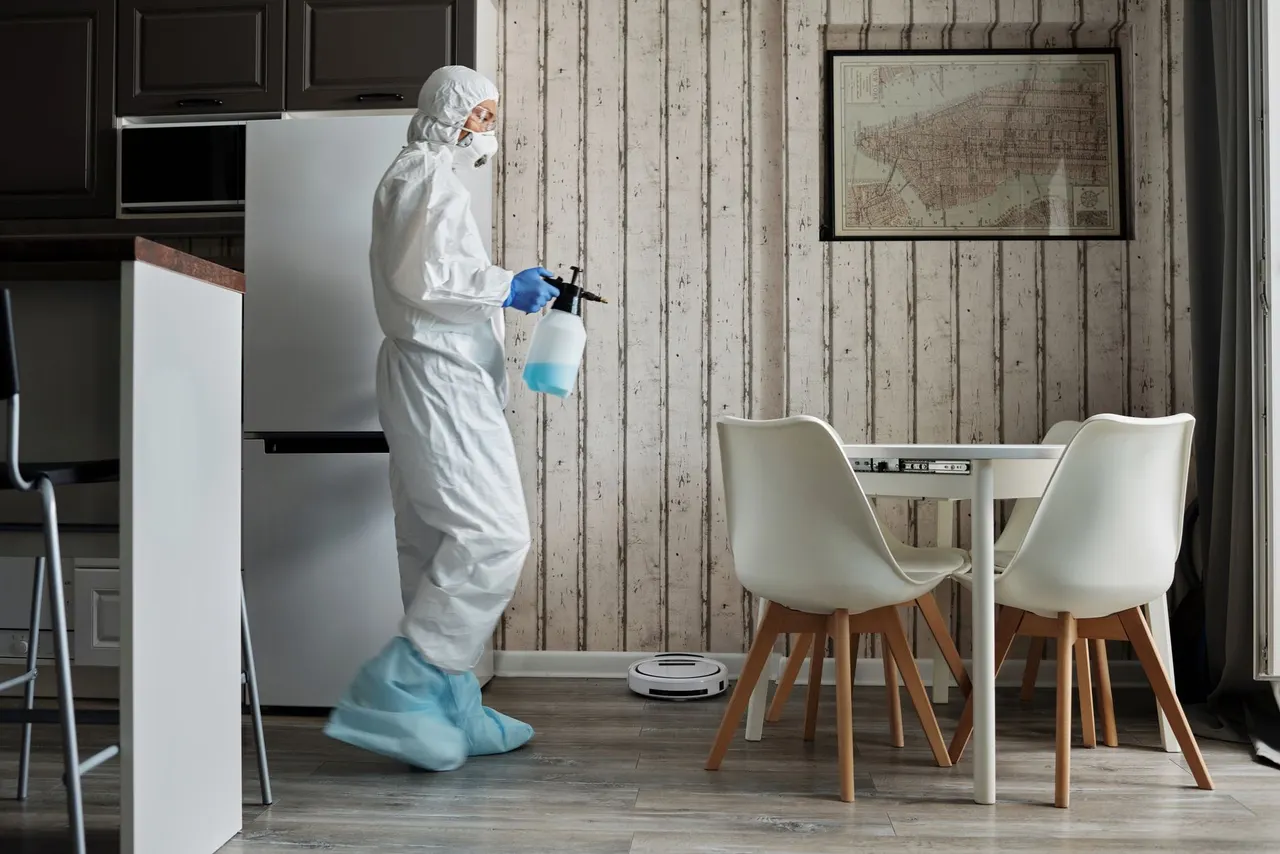
We spray the reservoir, cabinet walls, and blower housing with an antimicrobial product, then wipe down the surfaces. Heavily stained areas get a second application. The cabinet is left to dry with the access panel open so moisture does not sit in the seams overnight.
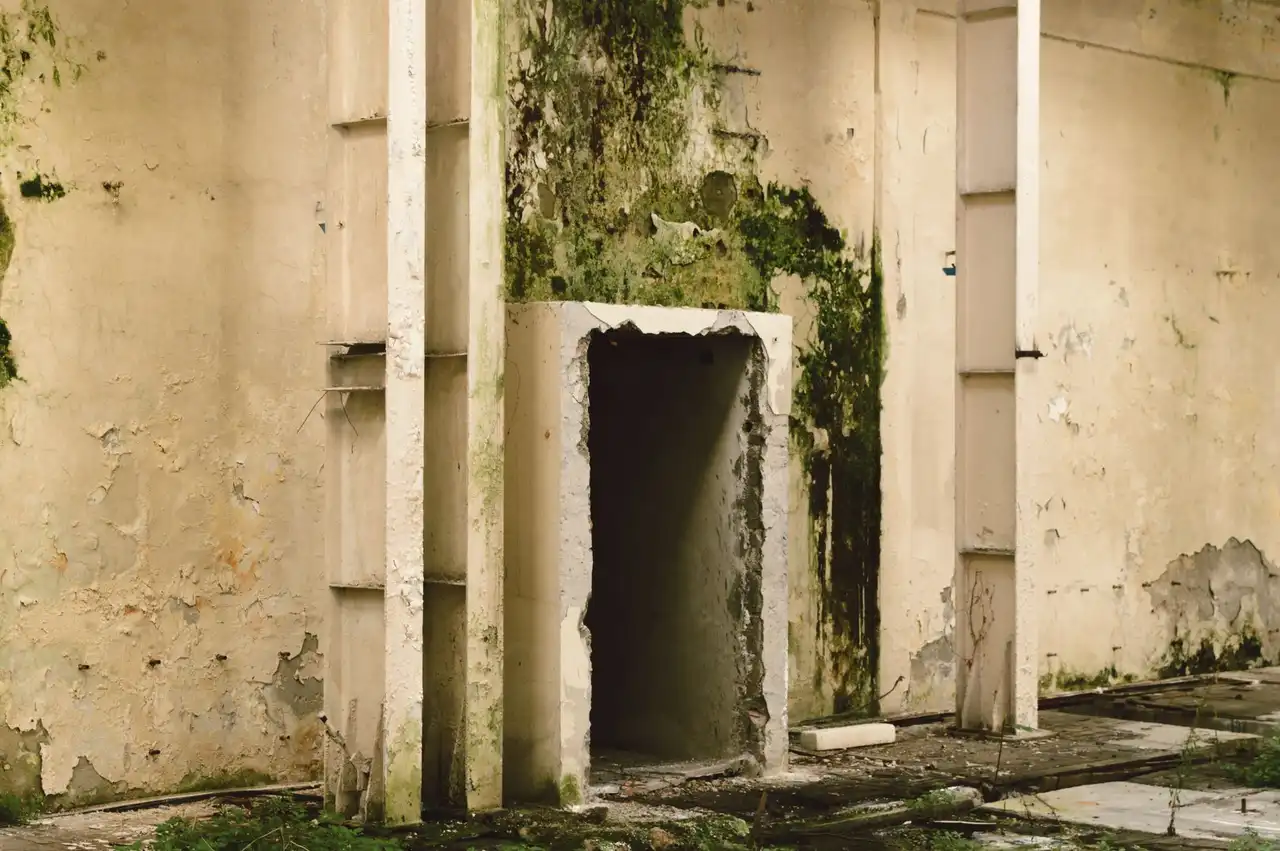
New pads go in, the water line is reconnected, and we run the cooler for 10 to 15 minutes. We check for leaks at the reservoir, confirm the bleed line is flowing, and take a final moisture reading. You get a walkthrough and photos of the finished unit.
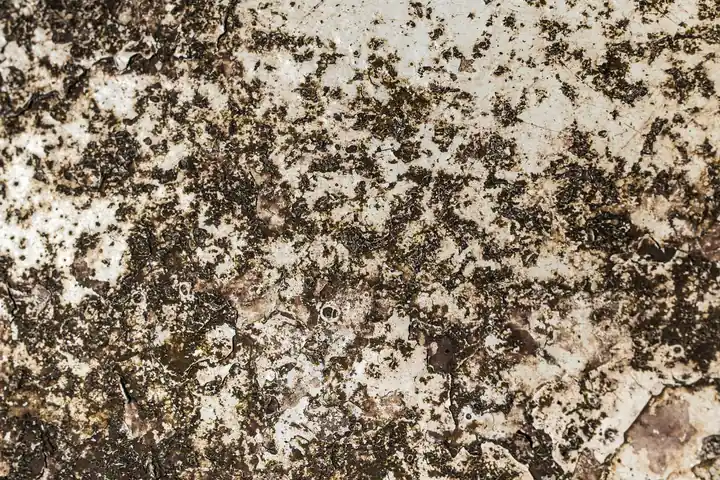
Move across a circle, or focus it and press Enter, for an illustrative thermal view of the photograph.
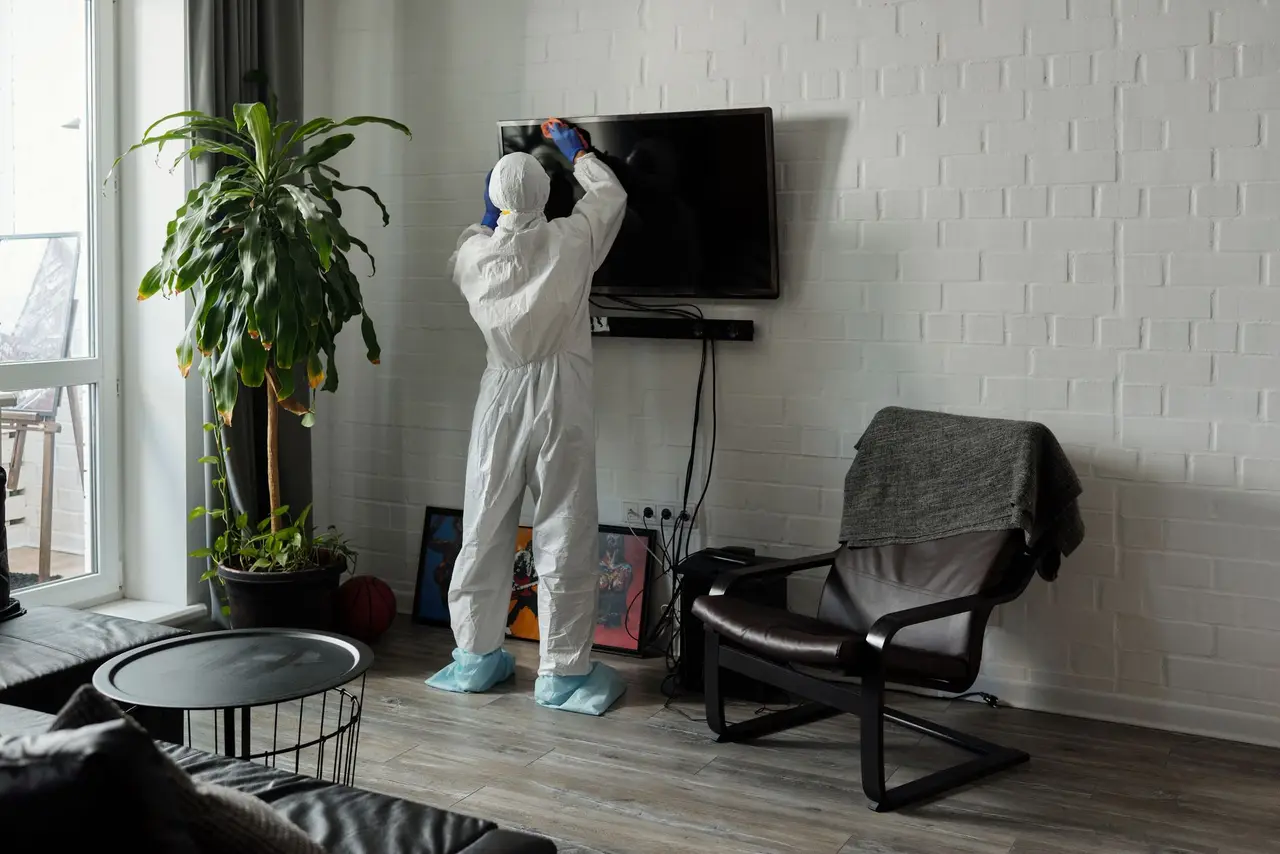
Reads moisture content in the reservoir, pad frame, and ceiling drywall so we know which surfaces are still wet enough to feed regrowth.
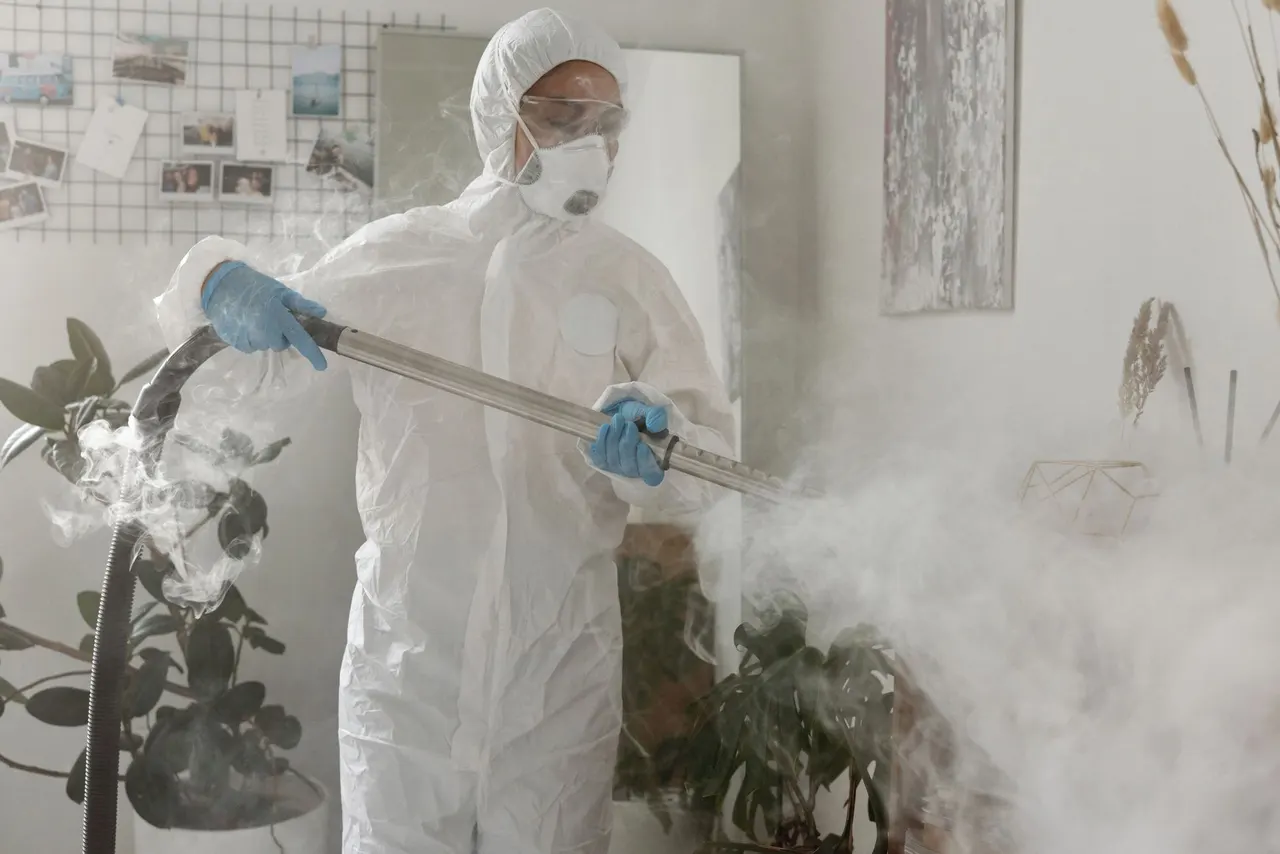
Finds hidden moisture in the ceiling assembly below a roof cooler, even when the surface looks dry to the eye.
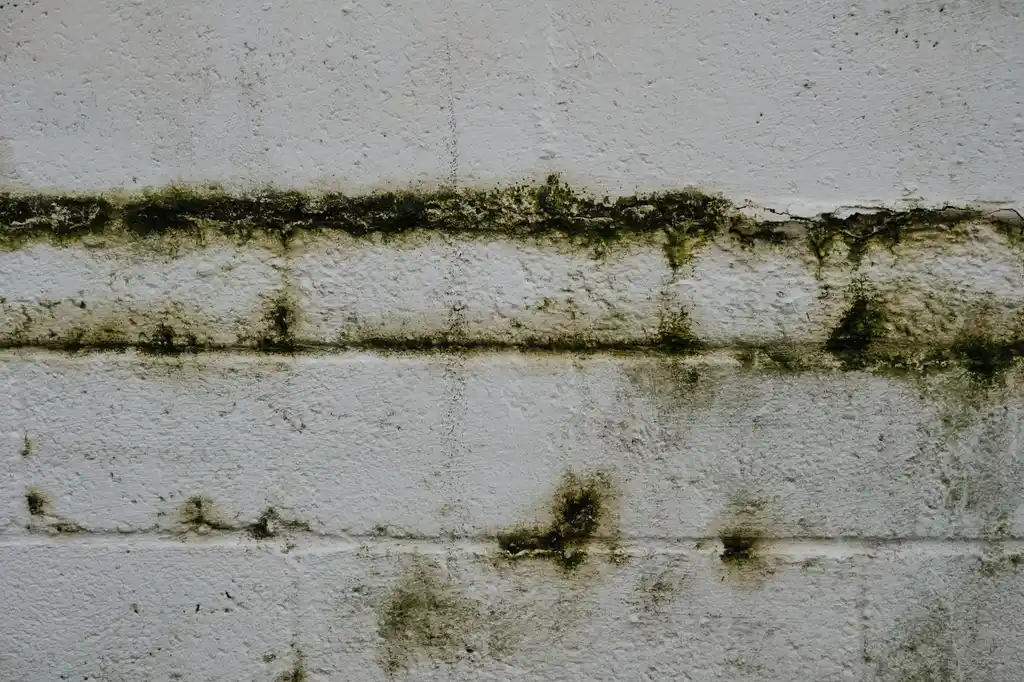
Runs during the job to capture airborne spores and keep them out of the living space.
Lets us look inside the duct boot and blower housing without cutting into the cabinet.
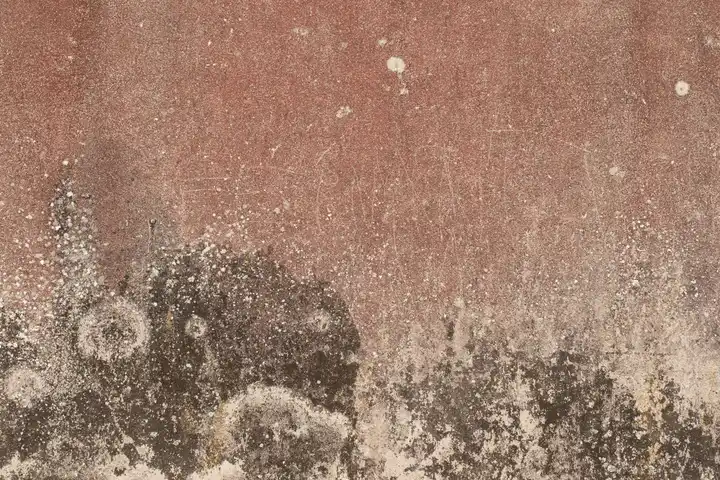
Applies antimicrobial product evenly inside the cabinet and duct connections where a spray bottle cannot reach.
Thermal views are illustrative, generated from the photographs.
Pulls loose dust, scale, and mold debris off the reservoir and cabinet walls before treatment.
Poly sheeting and zip walls that isolate the work area from the rest of the house.
The industry standard for mold work. It governs containment, removal, and verification so the job is done the same way every time, whether the cooler is on a roof in Alhambra or a window frame in Midtown.
We apply an antimicrobial product to the reservoir, cabinet walls, and blower housing after the pads are removed. Heavily stained areas get a second application, and the cabinet is left open to dry.
We set the bleed line so fresh water continuously moves through the reservoir. This stops the stagnation that feeds mold between cooling cycles.
Every job gets before-and-after photos of the reservoir, pad frame, and duct boot. The file is useful for insurance, resale, or your own maintenance records.
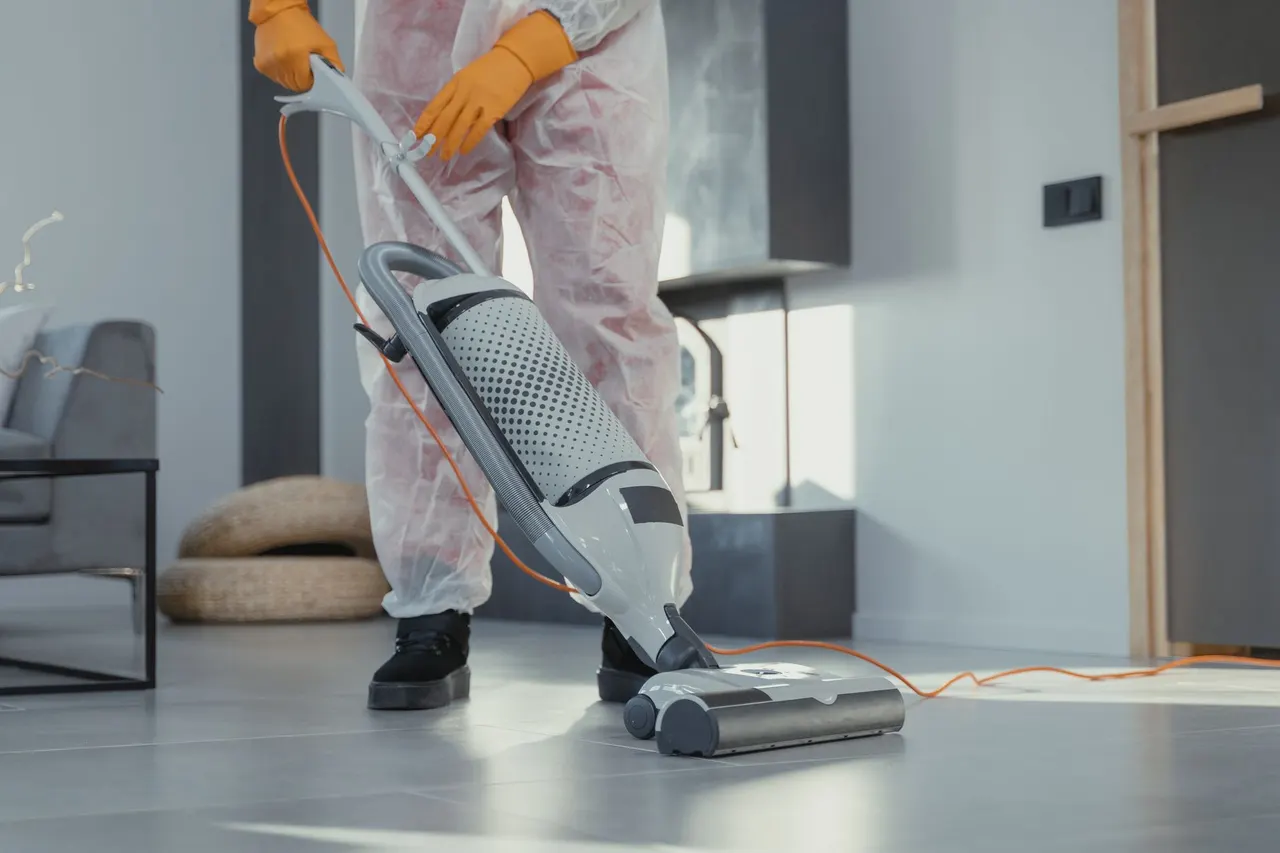
You open the cooler in May after it sat unused all winter and find black mold on the pads.
We treat this as a standard swamp cooler mold after winter Phoenix call. We pull the pads, scrub the reservoir, and treat the cabinet before the first hot week hits.
Outcome: The cooler runs clean for the season, and you avoid breathing spores all summer.
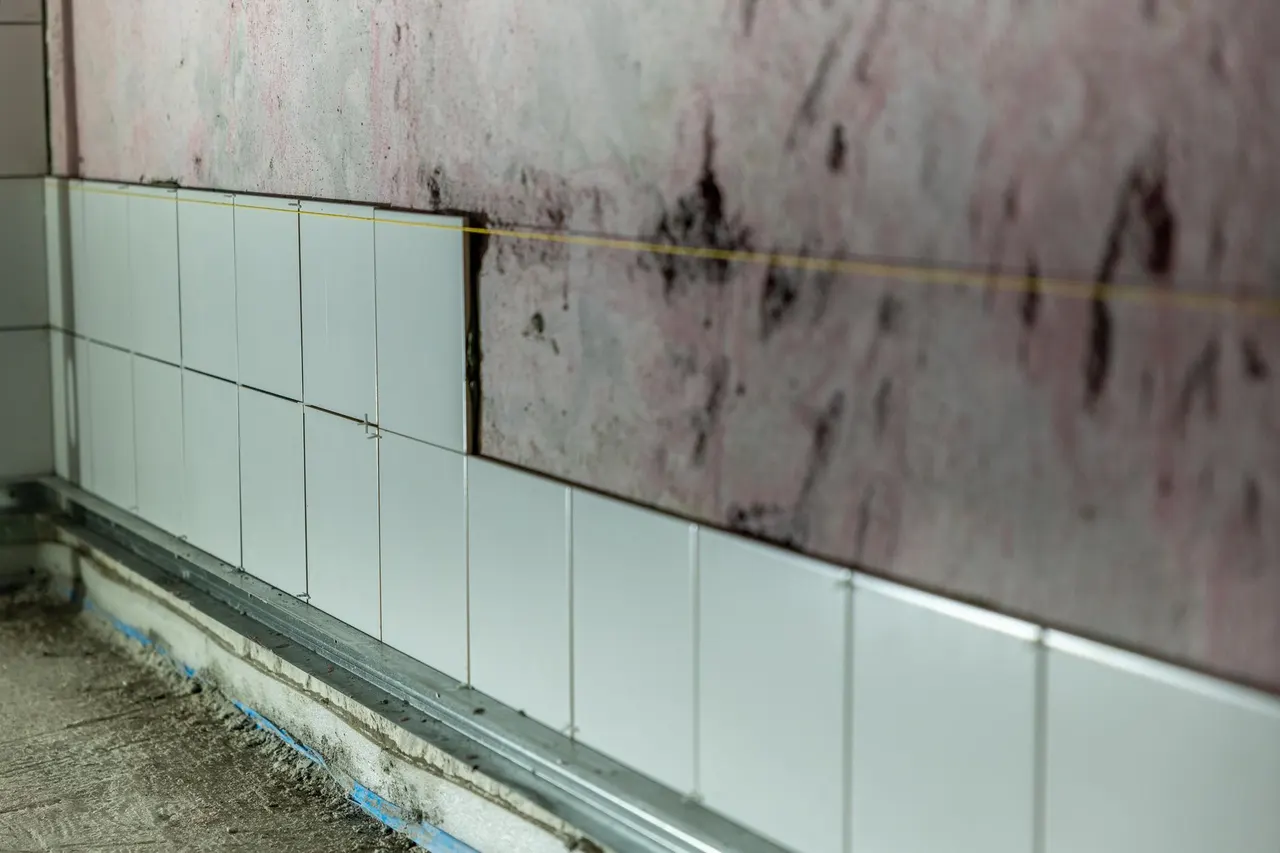
A monsoon storm pushed humidity through the house and the cooler now smells musty.
We inspect the pads and reservoir for post-monsoon growth, run a HEPA air scrubber, and treat any mold we find. If the duct boot is wet, we check the ceiling below.
Outcome: The musty smell clears, and any hidden moisture in the ceiling is caught before it spreads.
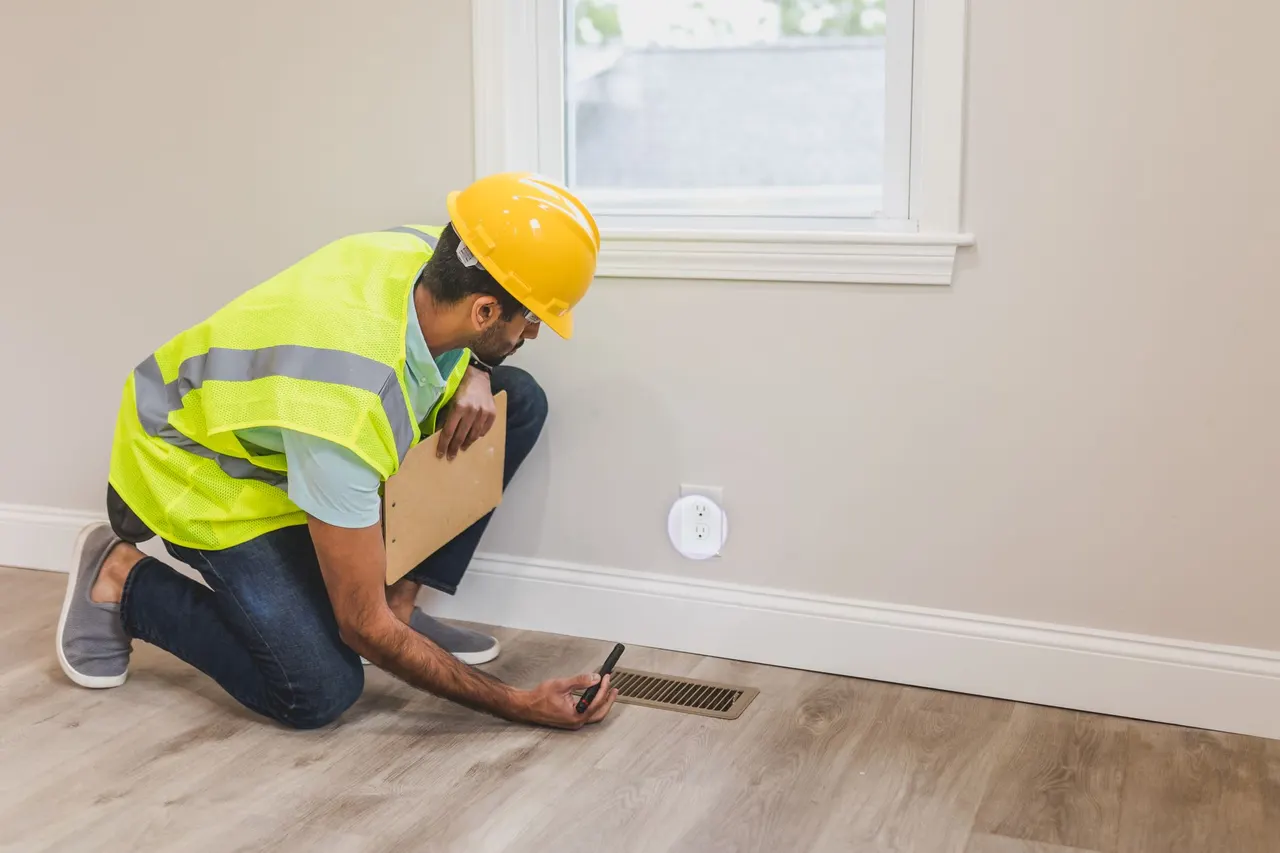
You are buying a Phoenix home with an older roof cooler and want it checked before closing.
We inspect the cooler, reservoir, and duct boot, then document what we find with photos and a written summary. The report is useful during negotiations.
Outcome: You know exactly what the cooler needs before you take possession.
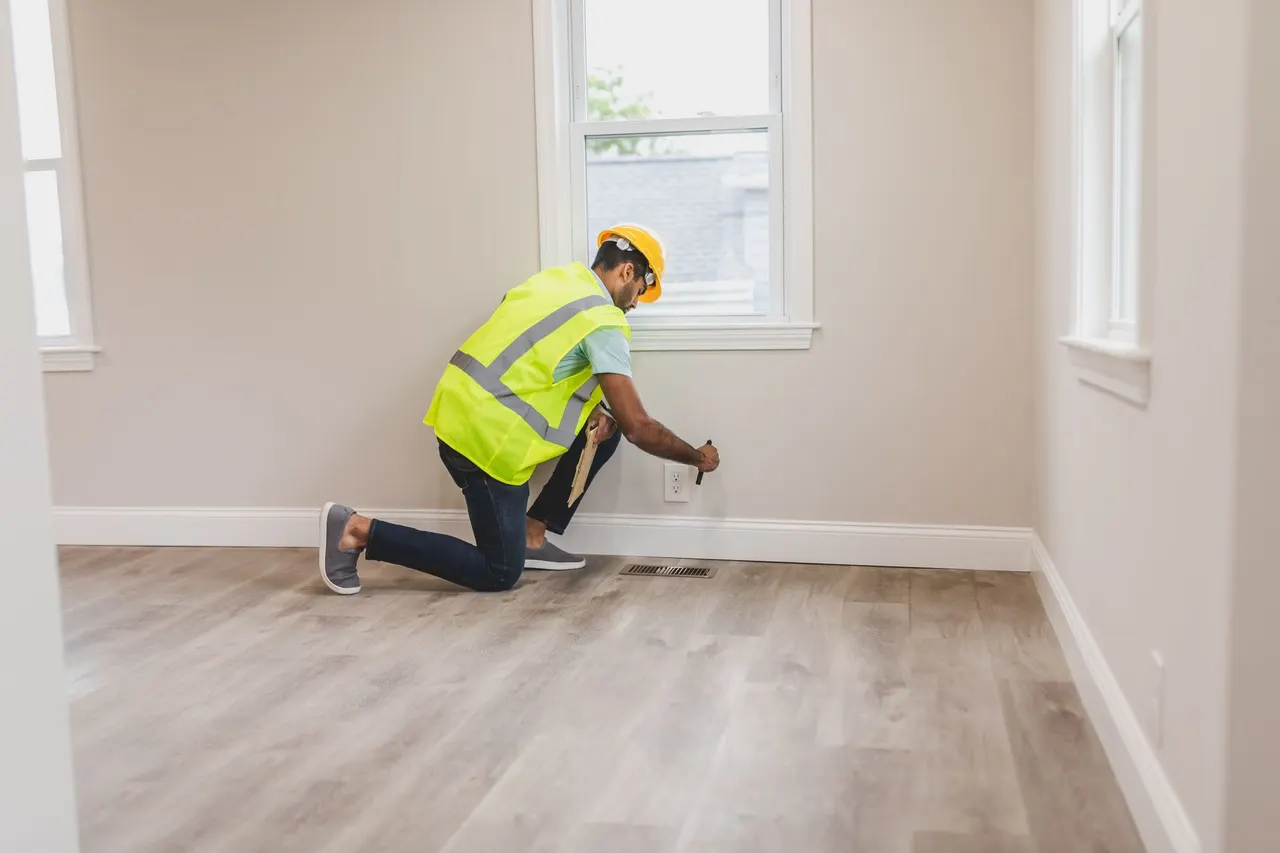
A tenant in your rental unit complains about a musty smell coming from the window cooler.
We schedule the cleanup around the tenant, treat the unit, and provide photo documentation for your maintenance file.
Outcome: The complaint is resolved, and you have a record for the next inspection.
Your cooler has been running for three summers without a pad change and the airflow feels weak.
We remove the clogged pads, clean the blower wheel, and treat the cabinet. New pads restore airflow and cooling capacity.
Outcome: Supply air temperature drops, and the motor draws less power on the same setting.

Phoenix is one of the last major cities where swamp coolers still cool a large share of homes, and that changes how the work gets done. Roof units in older neighborhoods like Alhambra and Maryvale often sit on curbs that have been patched multiple times, so we check the curb seal before we touch the pads.
Window units in Midtown and Sunnyslope are usually smaller but harder to access, and we plan the containment setup around the window frame. Summer heat matters too: we schedule roof work before 10 a.m. or after 4 p.m. when surface temperatures on the roof can exceed 150 degrees. Monsoon season from July through September adds humidity that keeps pads wet longer, which is when we see the most post-monsoon mold calls.
If you are searching for swamp cooler water reservoir mold Phoenix homeowners deal with every June, the pattern is almost always the same: pads sat wet through the winter, dust collected, and the first hot week triggered growth. We treat the reservoir, replace the pads, and set the bleed rate so the cycle does not repeat next season.
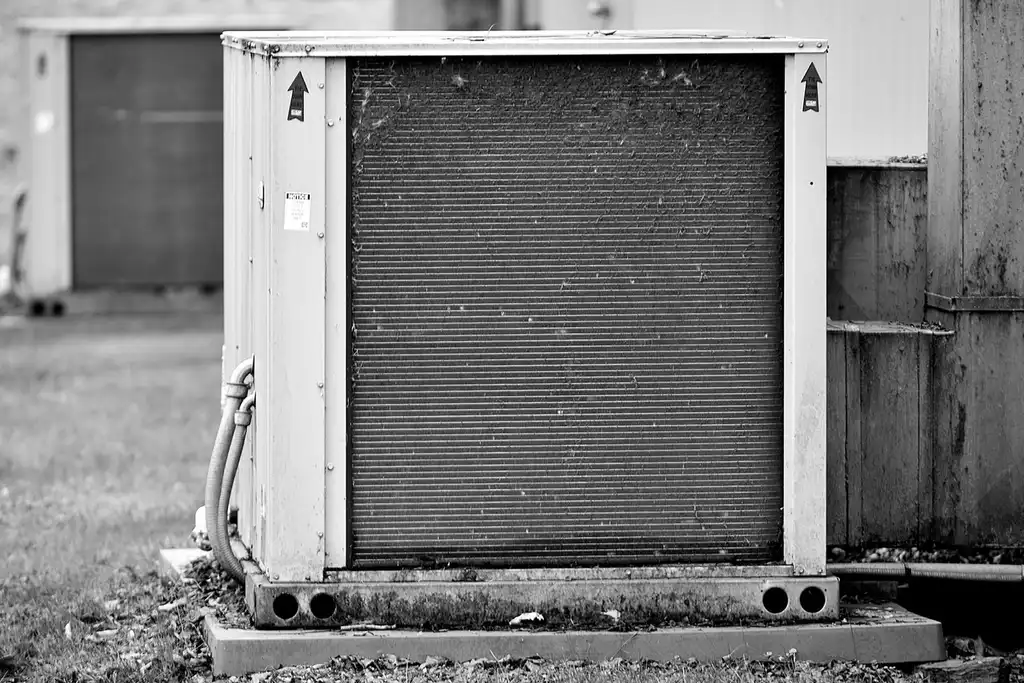
Before: A 20-year-old roof cooler had not been opened in three seasons. The pads were black with mold, the reservoir had two inches of scale, and the musty smell was reaching the hallway register. The homeowner had tried spraying the pads with bleach, which did not help.
After: We removed all four pads, scraped the reservoir, treated the cabinet, and installed new aspen pads. The bleed line was reset to keep water moving. Supply air temperature dropped 12 degrees on the same setting, and the smell cleared within a day.
The homeowner now checks the pads monthly and replaces them each May. We set a reminder for the start of the cooling season.
Before: A window unit in a 1950s bungalow had visible black mold on the pad frame and a musty smell in the bedroom. The tenant had been running the cooler with the window cracked to reduce the odor, which made the unit work harder.
After: We set containment around the window, removed the pad, treated the frame and reservoir, and installed a new pad. The window seal was re-caulked. The tenant reported no odor within 24 hours, and the unit cooled the room faster.
We recommended a pad change every season and a monthly rinse of the reservoir to keep scale from building up.
Before: A roof cooler had been leaking at the curb for months. The homeowner noticed a brown stain on the ceiling below and a musty smell near the register. The cooler itself had mold on the pads and in the reservoir.
After: We treated the cooler, replaced the pads, and re-sealed the curb. Thermal imaging confirmed the ceiling drywall was wet, so we flagged it for repair. The stain stopped spreading, and the smell cleared once the cooler was clean.
The homeowner had the drywall repaired and now checks the curb seal each spring before the cooling season starts.
Most swamp cooler mold calls fall into a handful of patterns. Here is what we see and how we fix it.
A clean cooler means cooler air and no musty smell in the house.
A swamp cooler mold cleanup in Phoenix removes the source of the musty smell instead of masking it. Once the pads and reservoir are treated, the air coming through your vents stops carrying spores into bedrooms and living areas. Customers with allergies notice the difference within a day of the unit running.
Mold and mineral scale clog pad fibers, so the blower works harder to move the same air. After swamp cooler pad mold removal in Phoenix, airflow through the cabinet improves and the motor draws less power. One Maryvale customer measured a 12-degree drop in supply air temperature after we replaced clogged pads and cleaned the blower wheel.
The wet-cardboard smell that hits you when the cooler kicks on comes from active mold in the reservoir and pad frame. We scrub the pan, flush the bleed line, and treat the cabinet so the odor stops at the source. If the smell has already reached your vents, we check the duct boot and ceiling register too.
Roof swamp cooler mold cleanup in Phoenix often reveals staining on the ceiling below the unit. Water drips through the curb and feeds mold in the drywall. We treat the cooler and flag the ceiling damage before it becomes a bigger repair, so you know exactly what is wet and what is not.
Clear records you can keep and share.
Before and after images of the cooler
Readings taken before and after treatment
What was removed and what was installed
Simple monthly check for the homeowner
Not every dark spot on a pad is mold, and not every moldy cooler needs the same level of work.
Light growth on pads and reservoir walls
Growth into pad fibers and reservoir seams
Growth that has reached duct or ceiling
A list like this tells people straight away whether you cover their street. Not listed? Call and ask: it only takes a minute.
Based in Phoenix and covering the places around it. Pick one for local details.
Because the cooler holds standing water in 100-degree heat for months. Phoenix tap water leaves mineral scale in the reservoir, dust blows in off the roof, and the aspen pads stay damp between cycles. That combination feeds mold fast. Once the pad fibers stay wet for more than 24 hours, black mold growth starts, usually in the reservoir seam and the bottom row of pads.
Yes. Pads are porous and cannot be cleaned once mold has grown into the fibers. We bag and remove every contaminated pad, then treat the frame and reservoir before new pads go in. Reusing a moldy pad re-seeds the whole cabinet within days, which is why swamp cooler pad mold removal in Phoenix always includes new pads.
It can. When the cooler pan leaks or the curb seal fails, water drips into the ceiling assembly and feeds mold in the drywall and framing. We see this most often under roof units in older Phoenix homes. If you notice brown staining or a musty smell near the ceiling register, we check the duct boot and the drywall above it.
It involves containment, pad removal, antimicrobial treatment of the reservoir and cabinet, and a moisture check before reassembly. We run a HEPA air scrubber during the job and document the work with photos. Most single-unit jobs take two to four hours. If the ductwork is contaminated, we scope it with a boroscope and quote that separately.
Other services from the same team.
If your cooler smells musty or you see black specks on the pads, call us before the next heat wave. We inspect, quote, and usually clean the same day. Serving Phoenix, AZ and Maricopa County.
Call 1234567890 or email info@azmoldremoval.com and we will get you on the schedule. We answer the phone during business hours, and if you leave a message after hours we call back the next morning. Tell us what you are seeing, smelling or feeling, and we will tell you what the next step looks like.