How to Prevent Mold in Phoenix Homes During Monsoon Season
Monsoon moisture turns Phoenix homes into mold incubators. Here is the 2026 checklist we use to keep roofs, AC drains, and stucco dry before the storms hit.
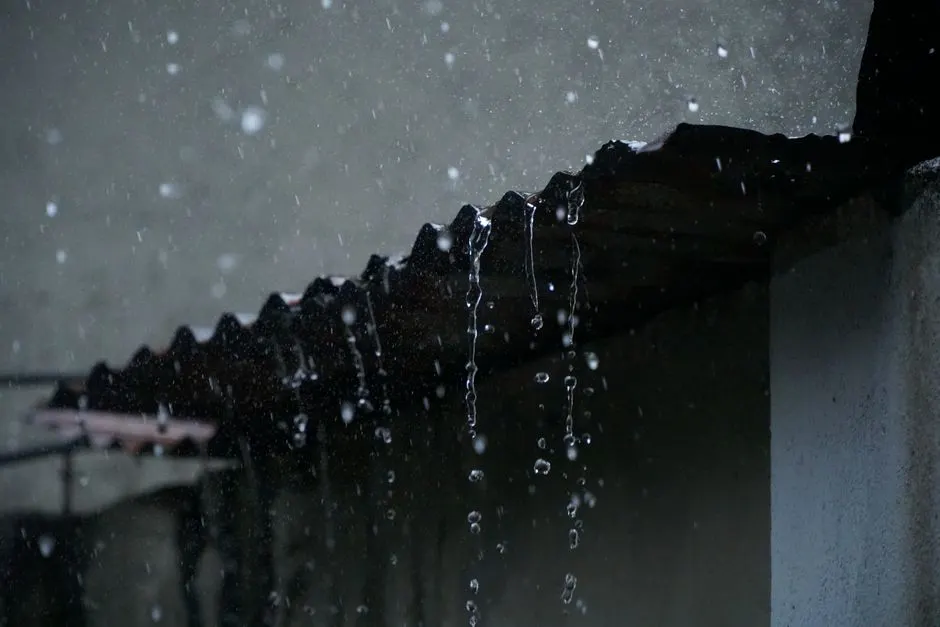
Preventing mold during monsoon season in Phoenix comes down to one job: keeping water out of your walls, attic, and crawl space before it has 24 to 48 hours to feed a colony. The storms dump 1 to 2 inches of rain in a single afternoon, humidity spikes above 60%, and any leak you ignored in May becomes a mold problem by August. Here is the exact checklist our technicians run on Phoenix homes before and during monsoon, from roof flashing to AC condensate lines.
Why Monsoon Season Creates Mold Problems in Phoenix
Monsoon season in Phoenix runs from mid-June through September, and it does not behave like rain anywhere else in the country. The ground is baked hard from 100°F-plus June heat, so the first inch of rain mostly runs off instead of soaking in. That water pools against foundations, climbs stucco, and finds every cracked caulk joint on your roof.
Inside the house, the problem is different. When outdoor humidity jumps from 15% to 60% in a day, your AC is running hard and your attic is baking at 140°F. That temperature swing pushes moist air into wall cavities and attics, where it condenses on cool surfaces. Mold needs three things: moisture, organic material (drywall paper, wood framing, dust), and temperatures between 60°F and 80°F. Phoenix homes supply all three the moment a storm rolls through.
We see the same pattern every July. A homeowner calls about a musty smell in a hallway closet, and by the time we open the wall there is 3 square feet of black mold behind the baseboard. The leak started with a 10-minute storm three weeks earlier. That is why Mold Prevention Phoenix work done in May and early June saves Phoenix homeowners thousands compared to remediation in August.
What should I do to prepare my home for monsoon season in Phoenix?
Prepare your Phoenix home for monsoon season by inspecting and sealing the building envelope, clearing every drain path, and controlling indoor humidity before the first storm. That means roof, windows, doors, gutters, AC condensate line, and yard grading - in that order. Most of the work is a weekend of your time or a few hundred dollars of professional help.
Here is the order we recommend, because it matches how water actually enters a Phoenix house:
- Roof and flashing - check for lifted shingles, cracked pipe boots, and failed valley metal.
- Windows and doors - re-caulk exterior joints and replace worn weatherstripping.
- Gutters and downspouts - clear debris and confirm water exits at least 5 feet from the foundation.
- AC condensate drain - flush the line and check the pan for standing water.
- Yard grading - make sure soil slopes away from the house at roughly 6 inches over the first 10 feet.
- Stucco and exterior paint - seal hairline cracks before they wick water into the wall cavity.
If you have already found mold in a closet, bathroom, or attic, do not wait for the storms to end. Our Mold Removal Services Phoenix team handles both the prevention work and the cleanup, so you are not coordinating three different contractors while it rains.
How to Check Your Roof Before Monsoon Season Phoenix
Checking your roof before monsoon season in Phoenix means looking for the four failure points that cause 90% of the ceiling stains we see: pipe boots, valley flashing, ridge caps, and the transition where the roof meets a stucco wall.
Get on the roof in the morning, before it hits 100°F. Look for shingles that have lifted or lost their granules, cracked rubber boots around plumbing vents, and rust streaks on the valley metal. On flat roofs - common on mid-century homes in Mold Removal Midtown Phoenix - check the seams and the drain scuppers for ponding. A 1-inch pond that sits for 48 hours after a storm will find its way through a pinhole in the membrane.
If you find cracked pipe boots, replace them. They cost $15 to $30 each at any Phoenix hardware store and take 20 minutes to swap. That small repair prevents the most common monsoon leak we see, which is water running down the vent pipe into the attic insulation.
Seal Windows and Doors for Monsoon Phoenix
Sealing windows and doors for monsoon in Phoenix is about stopping wind-driven rain, not just air leaks. Monsoon storms push rain sideways at 40 mph, which means water gets past weatherstripping that looks fine from inside.
Walk the exterior of your house and press on the caulk joint where the window frame meets the stucco. If it is cracked, chalky, or pulls away from the wall, it needs to be cut out and replaced with a paintable exterior sealant. Do the same around door thresholds, hose bibs, and any exterior electrical box. A $12 tube of sealant and two hours of work closes the gap that lets water into the wall cavity above your window header.
On the inside, check the bottom corners of window frames after the first storm. If you see a dark stain on the drywall or a soft spot in the paint, water is already in the wall. That is the point where a moisture meter and a professional Mold Inspection Phoenix AZ are worth the call, because the mold colony starts on the back of the drywall where you cannot see it.
Clean Gutters and Drains Before Monsoon Phoenix
Clean gutters and drains before monsoon in Phoenix because a clogged gutter sends the entire roof's worth of water straight down the stucco and into your foundation soil. One mature palm or mesquite tree can fill a 20-foot gutter run with debris in a single season.
Clear the gutters by hand or with a leaf blower, then flush each downspout with a hose. Watch where the water exits. If it dumps within 2 feet of the foundation, add a splash block or a 5-foot extension. That single change keeps the soil around your slab from staying saturated for days after a storm.
While you are up there, check the roof drains on flat sections. Phoenix flat roofs often have a scupper that drains into an interior courtyard or a wall-mounted downspout. If that scupper is clogged with leaves, water backs up onto the roof and finds the nearest seam. Clear it before the first storm, not after.
Check AC Condensate Drain Before Monsoon
Check your AC condensate drain before monsoon because a clogged line during high humidity is one of the fastest ways to grow mold inside a Phoenix home. Your AC pulls 5 to 20 gallons of water out of the air every day during monsoon. That water has to go somewhere.
Find the condensate drain pan under your air handler. If there is standing water, algae, or a slimy film, the line is partially clogged. Flush it with a cup of white vinegar or a shop vac on the exterior drain stub. Then check the pan itself for rust or cracks. A cracked pan drips into the ceiling below, and that wet drywall is a mold colony waiting to happen.
If your air handler is in the attic - common in newer Phoenix builds - a clogged drain can soak the attic deck and insulation before you notice a ceiling stain. That is an HVAC Mold Removal Phoenix AZ job, because the mold grows on the evaporator coil and inside the ductwork, not just on the ceiling.
Yard Drainage Around House Monsoon Phoenix
Yard drainage around your Phoenix house during monsoon matters more than most homeowners realize, because the soil here sheds water instead of absorbing it. Caliche and hard-packed desert soil act like a parking lot for the first 30 minutes of a storm.
Walk your yard and look for low spots against the foundation. If water pools within 3 feet of the slab, you have a problem. Add soil to create a slope of about 6 inches of fall over the first 10 feet away from the house. Do not pile soil above the stucco weep screed - that traps moisture in the wall.
Check your backyard drainage path too. Many Phoenix lots drain toward a rear wall or a neighbor's yard. If your wall has a weep hole or a scupper, make sure it is clear. If water ponds against the block wall for days, it wicks through the block and into your interior drywall. We see this constantly in Mold Removal West Phoenix, where older lots were graded before modern drainage standards.
Does stucco need sealing before monsoon season in Phoenix?
Yes, stucco needs sealing before monsoon season in Phoenix if it has hairline cracks, chalky paint, or exposed weep screed. Stucco is porous. It absorbs wind-driven rain, holds it against the wall sheathing, and releases it slowly over days - which is exactly the moisture condition mold needs.
Walk your exterior walls and look for cracks wider than a credit card edge. Seal them with an elastomeric patching compound, then apply a breathable masonry sealer to the whole wall. Do not use a film-forming sealer that traps moisture inside the stucco. The goal is to shed rain while still letting the wall dry.
Pay attention to the bottom 12 inches of the wall. That is where splash-back from the ground hits hardest. If the stucco there is soft, crumbly, or stained, water has already been wicking up. A professional Mold Testing Phoenix AZ can tell you whether the wall cavity behind it is already colonized.
Common Mistakes We See on Monsoon Mold Prevention Calls
The biggest mistake Phoenix homeowners make is waiting until they smell mold to act. By the time you smell it, the colony is usually 2 to 3 weeks old and has spread behind the drywall or under the flooring.
Other mistakes we see every monsoon:
- Running a swamp cooler during monsoon. Evaporative coolers add moisture to the air. During a 60% humidity week, they turn your house into a terrarium. Switch to AC or a dehumidifier.
- Painting over a water stain. Stain-blocking primer hides the evidence but does not stop the mold behind the drywall.
- Closing off rooms to save on AC. A closed bedroom with no airflow and 60% humidity grows mold on the closet wall within a month.
- Ignoring the attic. Attic mold is the most common call we get in August. A 1-square-foot roof leak soaks insulation, and the 140°F attic bakes it into a colony in days.
- Assuming the HOA handles it. Most Phoenix HOAs maintain the common walls, not your roof or your AC drain. Read your CC&Rs before you assume.
If you catch any of these early, a Monsoon Mold Cleanup Phoenix visit is usually a one-day job. If you wait until the colony spreads into the framing, it becomes a multi-day remediation with containment and air scrubbing.
When to Call a Professional
Call a professional when you can see or smell mold, when a moisture meter reads above 20% on drywall or framing, or when a leak has been wet for more than 48 hours. Those are the three conditions where DIY cleaning stops working and remediation starts.
We handle the whole job: we find the moisture source, fix the entry point, remove the affected material, and dry the cavity before we close it up. If you are not sure whether you have a problem, we can run a moisture map and an air sample and tell you exactly what is growing and where. Our team has worked every Phoenix neighborhood from Sunnyslope to Estrella Village, and we know how monsoon water behaves in each one.
If you are already seeing black mold, do not scrub it with bleach and hope. Bleach kills the surface but leaves the root structure and the moisture source intact, and the colony comes back within two weeks. Professional Black Mold Removal Phoenix removes the affected material and treats the cavity so it does not return.
Frequently Asked Questions
How often should I check for mold in Phoenix during monsoon?
Check every 2 weeks from mid-June through September, and within 48 hours after any storm that drops more than half an inch of rain. Focus on attics, closets, under sinks, and the AC drain pan. A musty smell or a soft spot in drywall means you should call for an inspection that week.
What should I do to prepare my home for monsoon season in Phoenix?
Inspect and seal the roof, windows, and doors; clear gutters and downspouts; flush the AC condensate drain; and regrade soil so it slopes away from the foundation. Do this by early June. Most of the work is a weekend of DIY or a few hundred dollars of professional help.
Should I run my AC or a dehumidifier during monsoon in Phoenix?
Run your AC. It removes 5 to 20 gallons of moisture per day and keeps indoor humidity between 45% and 55%. A dehumidifier helps in closed rooms or crawl spaces, but it cannot replace the AC's moisture removal. Never run a swamp cooler during monsoon - it adds humidity instead of removing it.
Does stucco need sealing before monsoon season in Phoenix?
Yes, if it has hairline cracks, chalky paint, or exposed weep screed. Use an elastomeric patching compound on cracks and a breathable masonry sealer on the wall. Do not use a film-forming sealer - it traps moisture inside the stucco and makes mold growth worse.
Is it too late to prevent mold once monsoon season has started in Phoenix?
No. You can still prevent most mold growth by sealing active leaks, running the AC, and drying any wet areas within 24 to 48 hours. If you already see or smell mold, call for an inspection. Prevention work done mid-season still stops the colony from spreading into framing.
Get Help with Mold Removal in Phoenix
Monsoon mold does not wait for a convenient time. If you have found mold, smelled something musty, or had a leak you did not fully dry, call AZ Mold Removal at 1234567890. We will find the source, remove the mold, and dry the cavity so it does not come back next storm.