Signs You Have Mold in Your Phoenix Home
Musty smells, warped drywall, and dark spots near AC vents are the most common signs of mold in a Phoenix home. Here is how to tell what you are looking at.
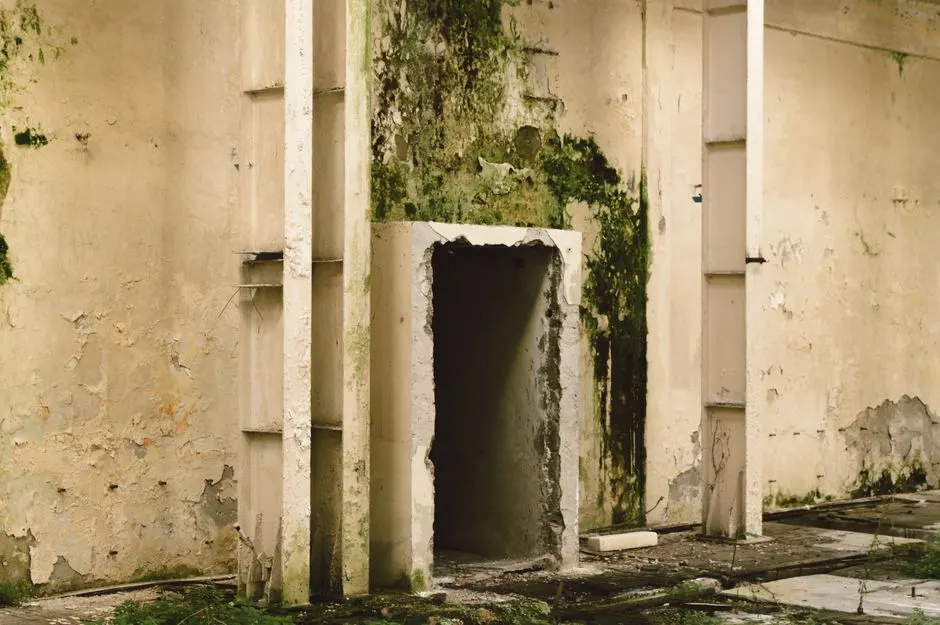
The first signs of mold in a Phoenix home are a musty odor that will not clear, dark spotting along grout lines or window frames, and paint that bubbles or peels without a plumbing leak nearby. If you can smell something damp and earthy in a room that looks clean, mold is already growing somewhere you cannot see. This guide walks through the visible and hidden signs we find most often in Phoenix homes, how to tell mold from dirt or mildew, and when it is time to bring in a professional.
The First Signs Most Phoenix Homeowners Notice
Signs of mold in a Phoenix home usually start with your nose, not your eyes. That damp, wet-cardboard smell is microbial volatile organic compounds off-gassing from active growth. By the time you can smell it in a bedroom or hallway, the colony behind the drywall is typically larger than a dinner plate.
After the smell, the next three signals we hear about are:
- A musty odor that gets stronger when the AC kicks on
- Dark speckling on caulk, grout, or window tracks that returns within days of cleaning
- Paint or drywall that feels soft, chalky, or cool to the touch
Any one of these on its own is worth a second look. Two or more together almost always means active growth. For homeowners who want a definitive answer instead of guesswork, Mold Inspection Phoenix AZ uses moisture meters, thermal imaging, and air sampling to find the source before anyone starts tearing out drywall.
What Does Mold Look Like in a Phoenix Home?
Mold appearance in Phoenix homes ranges from flat black speckling on bathroom grout to fuzzy green-gray patches on attic sheathing to chalky white film on the underside of evaporative cooler pads. Color alone does not tell you the species. What matters is texture and location.
Here is what we see most often in the Valley:
- Black or dark green speckling - bathrooms, window sills, and the drywall behind washing machines
- White or gray powdery film - often on attic rafters and the underside of roof decking
- Orange or pink staining - usually Serratia or Aureobasidium in shower corners and toilet tanks
- Fuzzy olive-green patches - common on swamp cooler pads and inside air handler cabinets
If what you are looking at is dry, powdery, and crumbles when you touch it, you may be looking at efflorescence - mineral salt pushed through concrete - not mold. We cover that distinction in the next section.
How to Tell Mold From Mildew, Dirt, and Efflorescence
Mold vs mildew in Phoenix homes comes down to depth and damage. Mildew is a surface growth - powdery, usually white or light gray, and it wipes off with a damp cloth. Mold penetrates the substrate, stains it, and comes back within 48 to 72 hours of cleaning.
Three quick field tests we use:
- The bleach test. A drop of household bleach on mildew lightens it within a minute. Mold stays dark because the stain is in the material, not on it.
- The texture test. Mildew is powdery. Mold is fuzzy, leathery, or slimy depending on how wet the surface is.
- The smell test. Mildew smells like damp laundry. Mold smells like wet dirt and old paper.
Efflorescence is the one that fools people most often. It is white, crusty, and appears on block walls and slab edges where moisture migrates through concrete. It is not mold, but it is a moisture signal - and moisture is what feeds mold. If you are seeing it in a garage or crawl space, that is a strong reason to book Mold Testing Phoenix AZ before assuming you are in the clear.
Visible Signs of Mold on Walls and Ceilings in Phoenix
Visible signs of mold on walls and ceilings in Phoenix almost always trace back to one of three sources: a roof leak, a plumbing drip, or condensation from an AC line. The wall tells you which one by where the damage sits.
Look for:
- Water stains that have a dark ring around the edge - that ring is the active growth zone
- Bubbling wallpaper or warped drywall, especially on exterior walls facing west or south
- Peeling paint that feels damp underneath
- Baseboards that pull away from the wall or feel spongy
- Ceiling texture that sags in a bullseye pattern under a bathroom or laundry room
Bubbling wallpaper or warped drywall mold signs are the ones homeowners most often ignore because the wall still looks structurally fine. It is not. Once the paper facing on drywall is wet for more than 24 to 48 hours, mold colonizes the paper and the gypsum core. We see this constantly in older ranch homes across Mold Removal Sunnyslope, where 1950s plumbing and flat roofs meet the same wall cavity.
Signs of Hidden Mold in Phoenix Homes
Signs of hidden mold in Phoenix homes show up as symptoms and patterns, not visible growth. If you cannot see anything but you keep feeling off in one room, that is a signal worth chasing.
The hidden-mold tells we look for:
- Allergy-like symptoms - sneezing, itchy eyes, sinus pressure - that improve when you leave the house and return within an hour of coming back
- A musty smell that is strongest in one room, one closet, or one hallway
- AC vents that blow air with a faint dirty-sock odor
- Condensation on windows in a house that otherwise runs dry
- Mold signs under sinks and around pipes - dark staining on the cabinet floor or on the wall behind the supply lines
Mold signs under sinks and around pipes are the most common hidden source we find. A slow drip under a kitchen sink can feed a colony for months before the cabinet floor shows any warp. If you have had a plumber out for anything in the last year, pull everything out of the cabinet and look at the back wall with a flashlight.
Mold Signs After a Water Leak in Phoenix Arizona
Mold signs after a water leak in Phoenix Arizona typically appear within 24 to 72 hours of the leak starting - not weeks. In our climate, that window is shorter than most homeowners expect because indoor humidity from a leak stays trapped inside the wall cavity.
After any leak - supply line, drain line, water heater, roof, or AC condensate - watch for:
- A musty smell in the room within two to three days
- Dark spotting on the drywall seam nearest the leak
- Soft or spongy baseboards
- Staining on the ceiling below the leak
- Warped wood flooring or lifted vinyl plank seams
If the leak was inside a wall or under a slab, you may not see anything at all. That is when Water Damage Mold Cleanup Phoenix is the right call - we dry the structure, treat the affected materials, and verify with moisture readings before we close anything back up.
Why Dry Phoenix Air Does Not Prevent Mold
Phoenix averages around 10 to 15 percent relative humidity outdoors in June, but indoor humidity in a leaking or poorly ventilated home routinely sits above 60 percent - the threshold where mold growth accelerates. The desert outside does not dry out the inside of a wall cavity.
Three Phoenix-specific sources push indoor humidity up:
- Swamp coolers. Evaporative coolers add moisture to the air by design. A pad that stays wet and a unit that runs on low fan speed can push indoor humidity past 65 percent in a single afternoon.
- AC condensate lines. A clogged drain line backs water into the air handler cabinet and the pan underneath it. That is one of the most common sources of HVAC Mold Removal Phoenix AZ calls we run.
- Monsoon season. From July through September, roof leaks and window intrusion spike. We see a wave of Monsoon Mold Cleanup Phoenix work every August and September as a result.
Window condensation and mold in Phoenix homes go together for the same reason. If your windows sweat in the morning, the indoor air is holding more moisture than the glass can handle - and that moisture is landing on sills and frames where dust and paper feed growth.
Common Mistakes Homeowners Make With Mold
Bleaching visible mold and calling it done is the single most common mistake we see. Bleach kills surface cells but does not reach the hyphae - the root-like threads - inside drywall, wood, or grout. The stain fades, the smell lingers, and the colony returns within a week or two.
Other mistakes that make things worse:
- Painting over it. Mold grows through latex paint. You have now hidden the problem and added a layer to remove later.
- Running a fan on a wet wall. Air movement spreads spores to the rest of the room instead of drying the source.
- Ignoring the source. If the roof still leaks or the AC line still drips, no amount of cleaning will hold.
- Assuming a small patch is harmless. A 10-square-foot patch of visible mold usually means a much larger hidden colony behind it.
- Using a shop vac on dry mold. Standard vacuums exhaust spores straight back into the air. HEPA filtration and containment are not optional.
If you have already tried bleach and the spots came back, stop cleaning and start diagnosing. That pattern is the clearest sign the growth is inside the material, not on it.
When to Call a Professional
Call a professional when the affected area is larger than about 10 square feet, when the smell returns after cleaning, when you cannot find the moisture source, or when anyone in the house has asthma or a compromised immune system. Those four conditions cover most of the calls we run.
Our team handles the whole job: we locate the moisture source, contain the work area, remove affected materials, treat the framing, and verify with post-remediation testing. We also handle the specialty cases - Attic Mold Removal Phoenix after a roof leak, Crawl Space Mold Removal Phoenix under older homes, and Black Mold Removal Phoenix when the growth is Stachybotrys and needs full containment. If you are not sure which category you are in, that is fine - that is what the inspection is for.
Frequently Asked Questions
What are the first signs of mold in a Phoenix home?
A musty, earthy odor that will not clear is almost always the first sign, usually followed within days by dark speckling on grout, caulk, or window tracks. If the smell is strongest in one room, the source is usually within 10 feet of that spot.
What does mold look like in a Phoenix home?
It usually appears as flat black or dark green speckling on grout and drywall, fuzzy olive-green patches on cooler pads and attic sheathing, or chalky white film on framing. Color varies by species, so texture and location matter more than shade.
Can mold hide inside walls without any visible signs in Phoenix?
Yes. A slow supply-line drip or AC condensate leak can feed a colony for months with no exterior staining. The reliable tells are a one-room musty smell, allergy symptoms that improve when you leave, and moisture readings above 16 percent on a pin meter.
How do I tell mold from dirt or mildew in Phoenix?
Mildew wipes off and stays gone. Mold stains the material and returns within 48 to 72 hours of cleaning. Dirt does not smell. If a drop of bleach lightens the spot, it is mildew; if the stain stays dark, it is mold.
Can you have mold in a Phoenix home even if the air is dry?
Yes. Outdoor humidity in Phoenix runs 10 to 15 percent in summer, but indoor humidity from a leak, swamp cooler, or AC condensate line routinely sits above 60 percent - the threshold where mold growth accelerates. Dry desert air does not dry out a wall cavity.
Get Help With Mold Removal in Phoenix
If you are seeing any of the signs in this guide, the fastest way to get a straight answer is a professional inspection. We serve homeowners across Phoenix, from Mold Removal Midtown Phoenix to Mold Removal North Phoenix, and we will tell you plainly whether you have a mold problem or just a stain.
Call AZ Mold Removal at 1234567890 to schedule an inspection and get a written scope with pricing before any work begins.